



5hp 3 Phase Induction Motor OEM: What Buyers Need
When sourcing a 5hp 3 phase induction motor for industrial applications, B2B buyers need clarity on efficiency ratings, voltage compatibility, build quality, and OEM reliability. These motors serve as essential power solutions across manufacturing, HVAC, water treatment, and automation sectors. Understanding specifications like IE5 efficiency class, IP55 protection, and frame compatibility ensures you select equipment that minimizes lifecycle costs while delivering consistent torque and durability under demanding operational conditions.
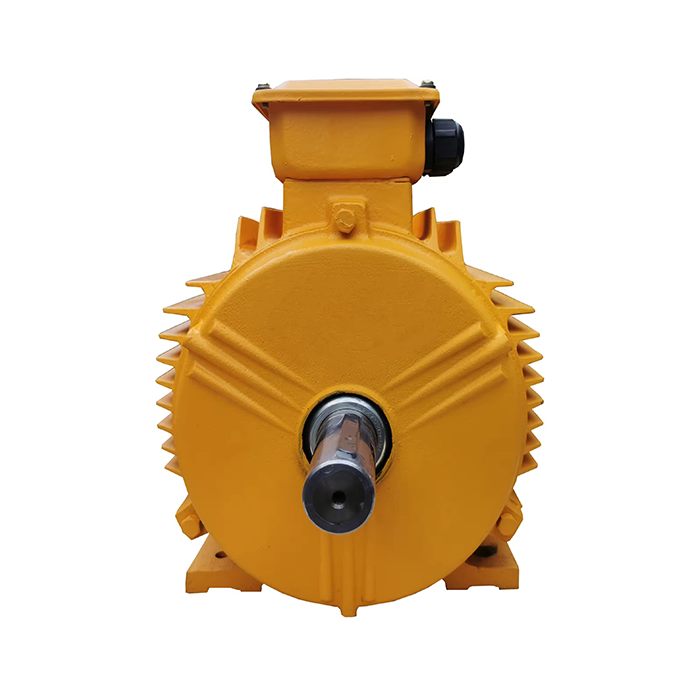
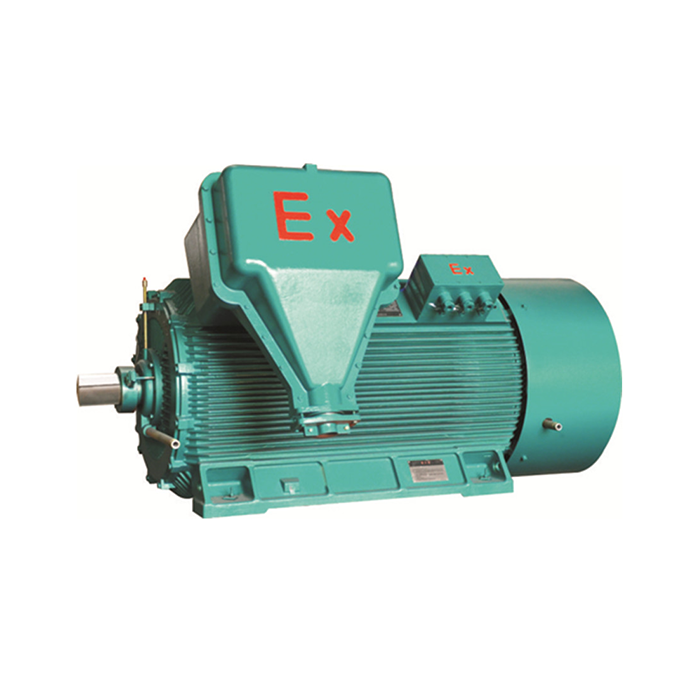
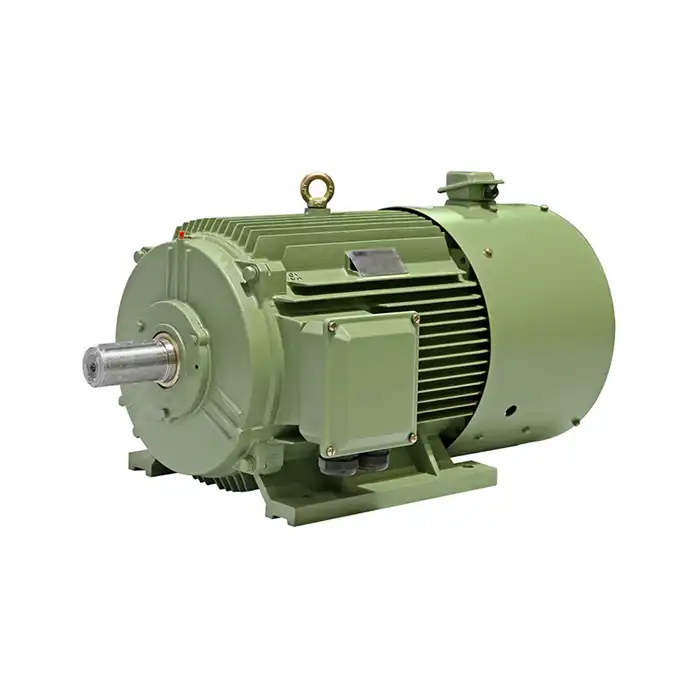
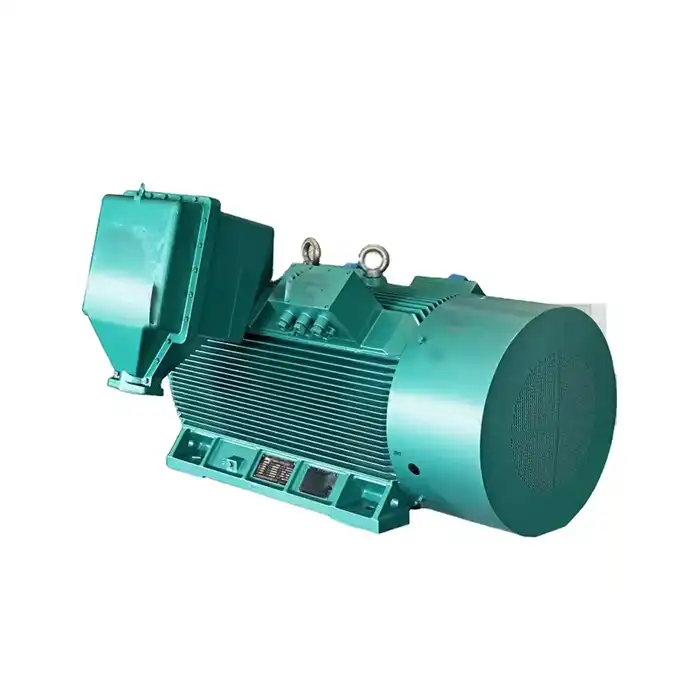
Series:YE5
Frame number: 80-450
Power range:
Protection level:IP55
Energy efficiency class: IE5
Voltage range: 380V,400V,415V, 660V,etc.
Application:can be used in various fields of the national economy, such as machine tools,water pumps,fans,compressors,and can also be used in transportation, mixing, printing, agricultural machinery, food and other occasions that do not contain flammable, explosive or corrosive gases.
Certificate: international standard IEC60034-30 "Efficiency Classification of Single-speed Three-Phase Squirrel Cage Induction Motors".
Advantage:The high quality of the electric motor guarantees high operational reliability.
Others: SKF, NSK, FAG bearings can be replaced according to customer requirements.
Understanding 5HP 3 Phase Induction Motors
Why Three-Phase Motors Outperform Single-Phase Units
It is more efficient to use a 5hp 3-phase induction motor because the power delivery stays the same during each rotation cycle. Power fluctuations in single-phase motors cause pulsating torque, which wears out bearings and couplings faster. Because three-phase designs don't have these problems, they are better for continuous-duty uses in factories, business HVAC systems, and process control systems.
Because the load is spread out over three phases, the current draw on each phase is lower, which lets smaller conductors and circuit protection devices work. This electricity efficiency goes beyond the motor itself and lowers the costs of the equipment in your building's power transfer network.
Key Performance Metrics That Matter
The most important specification for long-term cost management is the efficiency class. Motors with an IE5 rating are more than 90% efficient, which means they use a lot less energy than older IE1 or IE2 types. Since energy costs make up about 97% of a motor's lifetime costs, the extra money spent on high-efficiency models quickly pays for itself—often in three years for motors that run for more than eight hours a day.
Protection class IP55 for the 5hp 3 phase induction motor makes sure that the building is dust-tight and can handle water jets coming from any direction. This rating is good for most commercial settings, like water treatment plants, food processing plants, and outdoor HVAC systems. The protected design keeps the inside parts from getting dirty, which lowers the failure rate and increases the time between service visits.
Frame numbers between 80 and 450 allow for different mounting setups on a wide range of machines. Standard frame sizes make it possible to use current equipment bases, which makes retrofitting easier and lowers the cost of installation.
Common Applications Across Industries
Three-phase motors are used in automated production lines, material handling equipment, and conveyor systems in factories. The steady torque output keeps process speeds under tight control, which is very important for quality control in assembly operations for cars, planes, and electronics.
The motors in air handlers, chiller compressors, and large circulation fans are all part of HVAC systems. IE5-rated motors are appealing to business property managers who care about sustainability and lowering utility costs because they use less energy, which has a direct effect on the building's running costs.
Three-phase motors are used in chemical dosing systems, pumping stations, and aerators in water treatment plants. The strong construction can handle damp places, and the reliable starting features make sure that important infrastructure keeps running during demand spikes.
How to Choose the Right 5HP 3 Phase Induction Motor OEM
Matching Motor Specifications to Application Requirements
Voltage stability is the most important technical factor. The power source for your building must be compatible with a 5hp 3-phase induction motor. In commercial settings, this can be 380V, 400V, 415V, or 660V. Mismatched voltages lead to poor performance, warming, and failure before their time. Before you list motor power rates, make sure your electrical system works.
Duty cycle analysis tells you whether rates for continuous duty (S1) or irregular duty are best for your application. Most pumps and fans need motors that are rated S1 and can run at full load for an infinite amount of time. Motors with lower thermal capacity may be used in intermittent applications like gate operators or batch mixers, which lowers the cost at first.
The environment affects the requirements for enclosures and the choice of materials. Corrosive environments need special coatings or buildings made of stainless steel. When the temperature outside is high, cooling systems need to be improved or the thermal capacity needs to be lowered. Costly field failures can be avoided by being honest about the working conditions.
Evaluating OEM Quality Standards and Certifications
International compliance certifications prove that the design is correct and that the manufacturing process is consistent. Motors that meet the IEC60034-30 standards for efficiency rating show that they meet performance standards that are known all over the world. When something has CE certification, it means it meets European safety standards. When something has ISO 9001:2015 certification, it means it uses systematic quality control methods all the way through production.
Costs and dependability are directly related to the quality of the manufacturing process. Premium bearings from companies like SKF, NSK, or FAG cut down on friction losses and make it possible to lubricate more often. High-quality copper windings cut down on resistance losses, which raises efficiency and lowers heat production. Low hysteresis loss silicon steel laminations improve electrical performance even more.
The way the 5hp 3 phase induction motor is built shows how long it might last. Precision die-casting of frames and end shields makes sure that the dimensions are correct and the structure is strong. When you treat windings with vacuum pressure impregnation (VPI), they are better at resisting moisture and having high dielectric strength than when you just dip them in varnish. Dynamic rotor balancing gets rid of vibrations that wear out bearings faster and make noise problems.
Assessing After-Sales Support and Service Capabilities
The abundance of technical help affects how quickly you can fix operational problems. OEMs that offer responsive engineering help can solve problems with installation, improve performance, and figure out what's going wrong. Your maintenance teams can do routine maintenance without having to rely on outside sources if they have access to detailed technical documentation like wiring diagrams and maintenance procedures.
Long-term repair planning is affected by how easy it is to get spare parts. OEMs you can trust keep important parts like bearings, junction boxes, and cooling fans in stock. Clear lead times for replacement parts keep downtime from getting too long when something goes wrong without warning.
When you can customize a product, you can meet specific application needs that standard catalog products can't. Changes to the shaft, unique mounting arrangements, or better environmental protection are often what separate successful installations from compromises that go wrong. OEMs whose manufacturing processes are flexible can adapt to these changes without having to pay extra or wait longer for deliveries.
Installation, Wiring & Maintenance Essentials
Electrical Connection Requirements
The right motor starts and overload safety are needed for a 5hp 3-phase induction motor. Magnetic contactors or soft starters control the flow of electricity and protect against changes in voltage. When overload relays are the right size for the motor's full-load current, they keep the motor from getting damaged by long-term overloads or locked rotor situations.
The motor's current draw and the length of the connection determine which wiring gage to use. When wires are too small, they cause voltage drop, which lowers starting power and raises winding temperature. Minimum conductor sizes are set by the National Electrical Code, but conservative designs that use larger gages are more efficient and can handle future load increases.
To keep people safe and make sure that fault currents flow correctly, grounding is done. When shielding fails, low-resistance grounding links keep dangerous voltage potentials from building up between the motor frame, conduit systems, and facility ground grid. Testing ground resistance on a regular basis keeps the purity of the protection system.
Preventive Maintenance Schedules
How often routine inspections are done depends on how hard the job is and what the environment is like. When motors are used continuously in clean areas, they may only need to be inspected visually every three months and have their bearings oiled once a year. When there are harsh conditions like weather changes, contamination, or a lot of start-stop cycles, the machine needs to be inspected every month and fully maintained every six months.
Vibration tracking for the 5hp 3 phase induction motor finds worn-out bearings, an unbalanced rotor, and misalignment before they cause major problems. Normal operating signatures are set by baseline measurements taken during commissioning. Trending analysis finds slow damage over time, which lets planned maintenance happen during planned downtime instead of emergency repairs.
Thermal imaging shows problems with connection resistance, insulation breakdown, and cooling system blockages. Hot spots show specific issues that need to be looked into before the whole system fails. Unplanned breaks in production are much more expensive than regular temperature scans.
Troubleshooting Common Operating Issues
Most of the time, overheating is caused by poor ventilation, too much load, an uneven voltage supply, or insulation that has worn down. Root causes are found by checking load requirements, cleaning cooling tubes, measuring supply voltage quality, and trying insulation resistance. Fixing the underlying issues stops failures from happening over and over again and extends the motor's life beyond the normal ten-year service interval.
Too much shaking can be caused by a mechanical imbalance, worn bearings, equipment that isn't aligned properly with the motor, or problems with the base. Using dial markers or laser devices for precise alignment gets rid of coupling stress. Smooth operation is restored by replacing the bearings using the right installation methods and high-quality parts.
When there are electrical problems like burst fuses, tripped overloads, or low insulation resistance, they need to be systematically diagnosed. Checking the supply voltage symmetry, measuring the balance of winding resistance, and testing the insulation to ground are all ways to find and fix electrical problems. Choosing an OEM new motor is often a better deal than repair services when rewinding is needed, since the efficiency drops after each rewind cycle.
Bulk Procurement and Pricing Insights for B2B Buyers
Regional Market Considerations
Global supply lines give people a lot of different ways to get goods at different prices. Asian manufacturers offer competitive prices because they use efficient production scales and pay their workers less. European suppliers put a lot of emphasis on precise engineering and strict quality control. North American suppliers can cut down on wait times and make operations easier for projects in the United States.
Delivered costs are affected by trade deals, tariff structures, and the mechanics of shipping in a big way. Budget surprises can be avoided by looking at the total landed cost instead of the ex-factory price. Changes in currency can be a financial risk, but fixed pricing agreements in long-term supply agreements can help reduce this risk.
Factors Influencing Motor Pricing
The biggest factor in motor prices is the cost of materials. The markets for copper winding wire, electrical steel laminations, and bearing assemblies go up and down with the prices of commodities. High-efficiency designs that need better materials cost more up front, but the lower costs over the life of the product make up for it in most continuous-duty situations.
The efficiency class has a huge impact on how prices are set. IE5 motors cost 15–25% more than IE3 motors because they are made with better materials and tighter manufacturing standards. However, the extra cost is usually covered by the energy savings from being more efficient within two to four years of use. This means that IE5 specifications are a good investment for motors that run for a lot of hours every year.
Customization drives up unit costs because it takes more time and money to design and make the tools needed. These extra costs are kept to a minimum by standard catalog configurations. Buyers should weigh their specific needs against the costs involved, choosing common choices when the differences in performance are small.
Effective RFQ Development and Supplier Evaluation
Requests for quotations that are complete include full technical specifications, quantity needs, delivery schedules, and quality standards. When requirements aren't clear, quotes that don't match up, which makes it harder to make sense of comparisons. Detailed RFQs help suppliers give accurate prices and find technical problems early in the procurement process.
When judging a supplier, more than just the unit price should be taken into account. Think about how reliable the delivery is, how quickly the technical help responds, the terms of the guarantee, and how flexible the payment options are. There are often secret costs to lowest-price wins, such as delays, problems with quality, or not enough paperwork.
When you commit to a certain amount of goods, you can get better prices, faster production slots, and better service. Agreements that last more than one year and have minimum purchase amounts give suppliers the planning security they need, which they reward by lowering their prices. Splitting awards, on the other hand, keeps things competitive, which keeps people from getting too comfortable and makes sure they keep getting better.
Future Trends and Innovations in 5HP 3 Phase Induction Motors
Evolving Efficiency Standards
To get industries to use less energy, global efficiency rules keep getting stricter. The IE5 standards set the current high standards for efficiency, but regulatory groups are always looking at more strict classifications. Buying motors that meet or go beyond current requirements will keep you from having to replace them too soon as regulations change.
Improving energy efficiency saves money and is better for the environment. Less use of electricity means smaller carbon footprints, which helps companies with their sustainability efforts and regulatory compliance. Energy efficiency measures must be included in public reports more and more, which means that motor efficiency scores are important for business reasons other than practical cost.
Material Science and Thermal Management Advances
These days' insulation systems for the 5hp 3 phase induction motor can handle higher temperatures, which lets designers make smaller units that still put out the same amount of power. With Class F insulation and Class B temperature rises, there is a thermal cushion that makes the spinning last longer. Modern cooling methods, like better fan blade profiles and heat sink layouts, are better at getting rid of thermal loads.
Improvements to bearing technology cut down on friction losses and make it possible to lubricate them more often. With sealed bearing designs, you don't have to re-grease them, which lowers upkeep costs and stops contamination fails. Ceramic hybrid bearings are very durable in tough situations, but their higher cost means they can only be used in critical services.
Smart Motor Technology and Predictive Maintenance
IoT-enabled weather tracking uses devices to measure things like temperature, vibration, and current use. Cloud-based analytics platforms look at operational data and find patterns of performance degradation that show when something is about to fail. Time-based intervals will be replaced by predictive maintenance schedules based on the actual condition of the equipment. This will cut down on unnecessary service and prevent breakdowns that happen out of the blue.
Communication methods like Modbus, Profinet, and EtherNet/IP make it possible for motors to connect to control systems that run the whole plant. Process optimization, energy management, and planning for maintenance can all be helped by real-time performance data. Because they are connected, motors are now seen as smart tools instead of useless parts.
When paired with three-phase motors, variable frequency drives (VFDs) offer precise speed control and big energy savings in applications with changing loads. With mechanical throttling, the combination changes the motor speed to match the demand instead of running at full speed all the time. In fan and pump uses, energy savings of 30 to 50 percent are typical. However, the costs of investing in a VFD and the effects of electrical harmonics need to be carefully looked at.
Conclusion
To choose the best 5hp 3 phase induction motor, you need to carefully look at its technical specs, efficiency scores, and OEM capabilities. IE5 efficiency motors that are protected by IP55 give the best performance in automation, HVAC, water treatment, and manufacturing. Total cost of ownership should be more important to procurement teams than the initial purchase price, since energy costs are the biggest cost over the life of an asset. Precision parts, advanced insulation systems, and strict testing procedures used in high-quality building ensure reliable operation with little upkeep needed. Your business will be successful in the long run if you work with responsive OEMs that offer technical support and the ability to make changes.
FAQ
1. What is the typical lifespan of a three-phase motor?
With regular repair, a good three-phase motor should work consistently for 15 to 20 years. The operating environment, the type of load, and the maintenance methods used all have a big effect on the actual service life. Motors that are kept clean and get regular checks and oil usually last longer than 20 years. If it is exposed to pollution, high temperatures, or a lot of starts and stops, the lifespan may be shortened to 10 to 12 years.
2. Can a three-phase motor replace a single-phase unit directly?
For direct exchange, the voltage, frequency, and power levels must be the same. Three-phase motors can't run on single-phase power without phase converters, so there needs to be a three-phase power source at the building site. The mounting dimensions and shaft properties must match so that they can connect to existing equipment. Before switching motor types, look at the motor nameplates and the needs of the application.
3. How do I calculate current requirements for a 5hp motor?
The voltage, efficiency, and power factor all affect the motor current. As a general rule, a 5hp 3-phase induction motor running on 460V needs about 7 to 8 amps to run fully. When the voltage is lower, like 230V, the current needs to be higher, usually between 14 and 16 amps. Always check the nameplates of the products you buy to get accurate full-load current ratings, since actual values are affected by the efficiency class and design variations.
Partner with XCMOTOR for Premium Motor Solutions
Shaanxi Qihe Xicheng Electromechanical Equipment Co., Ltd. makes high-quality three-phase motors that are designed to work in harsh industrial settings. Our IE5-rated 5hp 3 phase induction motor systems are built to last and are very efficient. They have precise die-cast frames, advanced copper windings, and high-quality SKF, NSK, or FAG bearings that are custom made for your needs. We help buying teams find the things they need by giving them professional advice, offering low prices for large orders, and making sure deliveries happen on time. Our engineering team can help you find the best solutions for performance and lifecycle costs, whether you need standard catalog units or custom configurations for unique uses. Get in touch with our technical sales specialists at xcmotors@163.com to talk about your needs, get full specs, or get bulk prices for your next 5hp 3-phase induction motor supplier project.
References
1. National Electrical Manufacturers Association. "NEMA Standards Publication MG 1-2021: Motors and Generators." Rosslyn, VA: NEMA, 2021.
2. International Electrotechnical Commission. "IEC 60034-30-1:2014 Rotating Electrical Machines - Part 30-1: Efficiency Classes of Line Operated AC Motors." Geneva: IEC, 2014.
3. de Almeida, Anibal T., Fernando J. T. E. Ferreira, and João A. C. Fong. "Standards for Efficiency of Electric Motors." IEEE Industry Applications Magazine 17, no. 1 (2011): 12-19.
4. Bonnett, Austin H., and George C. Soukup. "Cause and Analysis of Stator and Rotor Failures in Three-Phase Squirrel-Cage Induction Motors." IEEE Transactions on Industry Applications 28, no. 4 (1992): 921-937.
5. Burt, Christopher M., X. Piao, F. Gaudi, B. Busch, and N. F. N. Taufik. "Electric Motor Efficiency under Variable Frequencies and Loads." Journal of Irrigation and Drainage Engineering 134, no. 2 (2008): 129-136.
6. Stone, Greg C., Edward A. Boulter, Ian Culbert, and Hussein Dhirani. "Electrical Insulation for Rotating Machines: Design, Evaluation, Aging, Testing, and Repair." 2nd ed. Hoboken, NJ: Wiley-IEEE Press, 2014.