



What Causes Z2 DC Motor Magnetic Circuit Saturation?
Magnetic circuit saturation in Z2 DC MOTORs occurs when the iron core material reaches its maximum magnetic flux capacity, preventing further increases in magnetic field strength despite rising current. This phenomenon fundamentally affects motor torque, efficiency, and operational stability across industrial applications. Within the Z2 DC MOTOR series—designed for metal cutting machine tools, papermaking, textile machinery, and printing equipment—understanding saturation helps procurement teams and maintenance engineers prevent costly failures and optimize motor selection for specific load conditions.
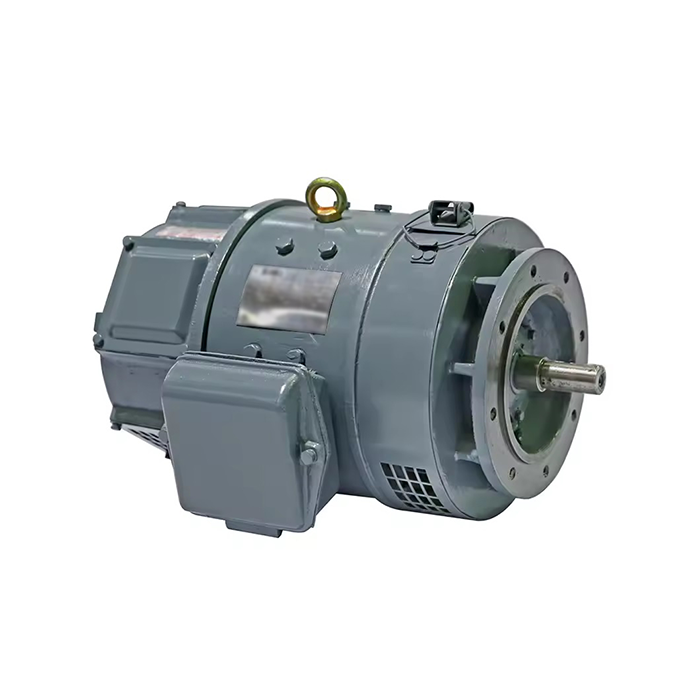
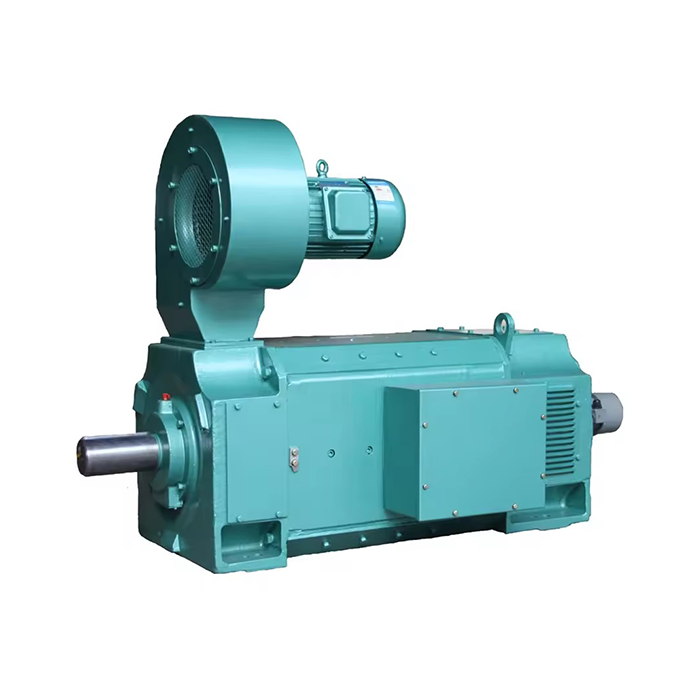
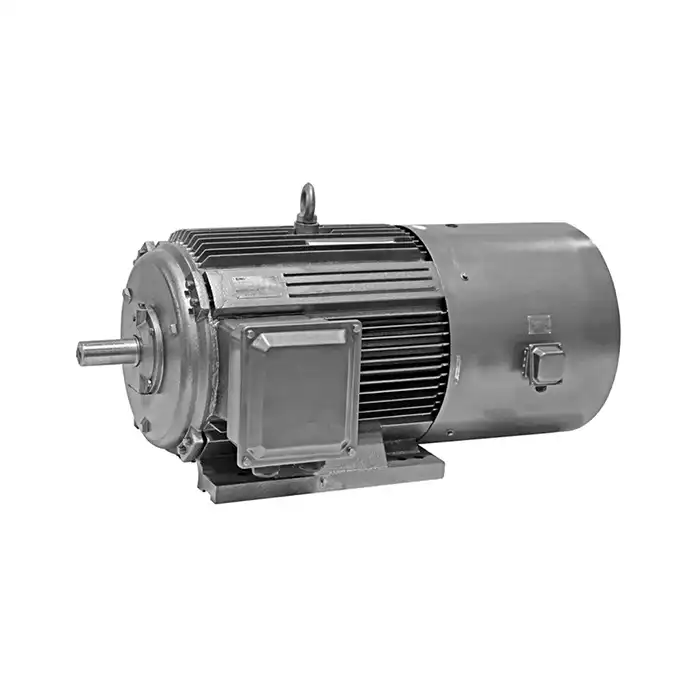
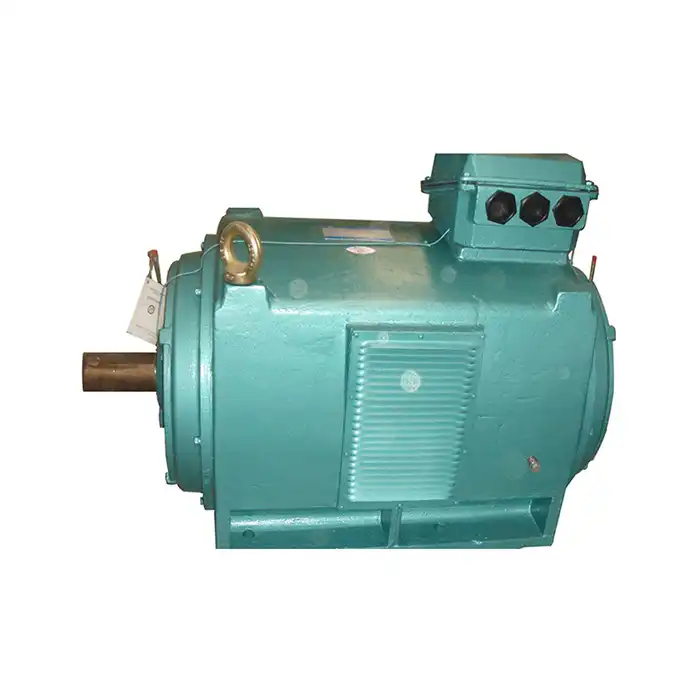
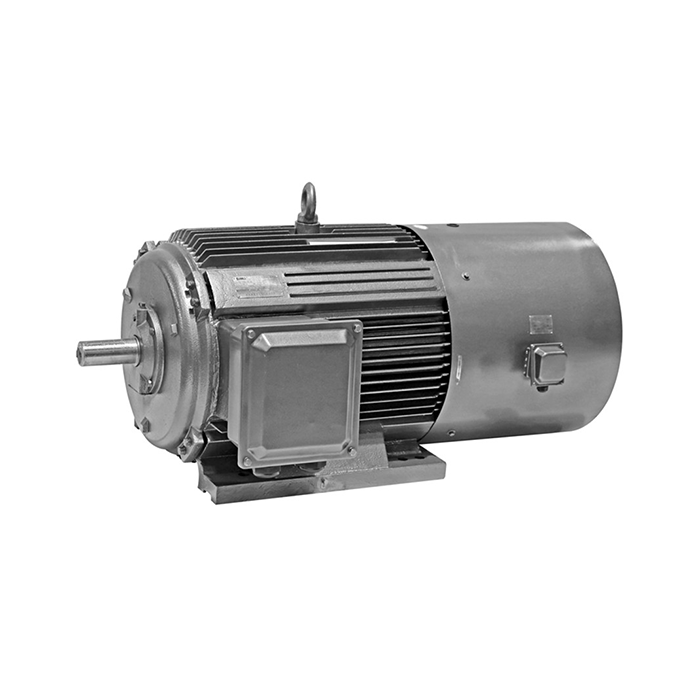
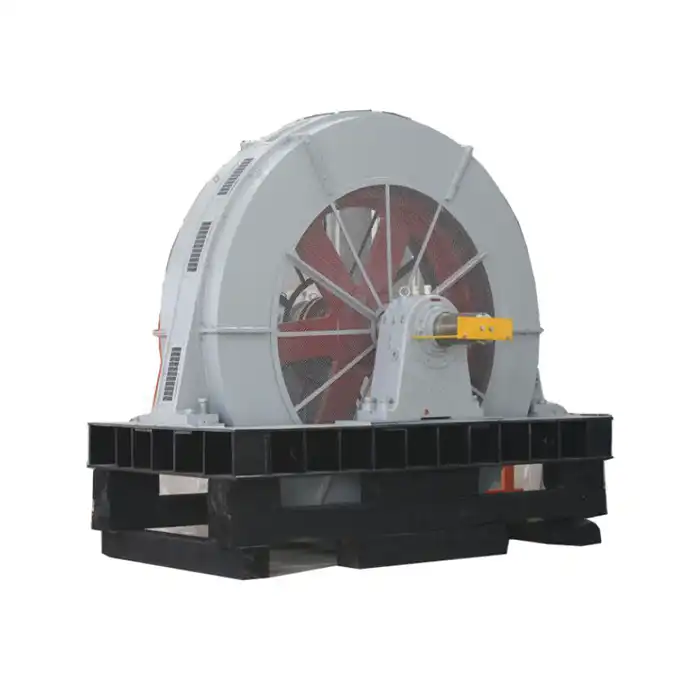
Series:Z2
Frame number: 11-112
Application:Z2 series motors are small DC motors for general industrial use and can be used in metal cutting machine tools, papermaking, dyeing and weaving, printing, cement, etc. The generator can be used as power source, lighting or other constant voltage power supply.
Power range:0.8-200kW
Voltage range: 110V,220V, etc.
Certificate: standard JB1104-68 .
Advantage:Suitable for outdoor use and strong corrosion resistance.
Others: SKF, NSK, FAG bearings can be replaced according to customer requirements.
Understanding Magnetic Circuit Saturation in Z2 DC Motors
Electromagnetic Fundamentals of Saturation
Magnetic circuit saturation happens because of the way ferromagnetic materials used in motor cores are made. Power runs through field windings, making magnetic flux that goes through the iron core, the air gap, and back through the frame. As the current goes up, so does the flux density, until the core material gets close to its saturation point. Once this point is reached, adding more current doesn't make much of a difference in the flux because the iron's magnetic domains are aligned to their fullest extent.
When everything is normal in a Z2 DC MOTOR, the magnetic circuit works in the straight line part of the B-H curve, where flux density responds normally to magnetizing force. When operation reaches saturation, it moves into the nonlinear region. This greatly lowers magnetic permeability and forces too much current through the windings to keep the torque.
Construction Elements Affecting Saturation
The Z2 DC MOTOR design has a number of parts that affect how it behaves when it reaches saturation. From 11 to 112 inches, the frame sizes use specific core sizes and laminated thicknesses that work best for most industry uses. The primary magnetic field is made by the field windings, and the secondary field is made by the frame and reacts with the primary field. The air gap between the rotor and the stator is a high-reluctance path that needs to be carefully planned out in the magnetic circuit so that it doesn't reach saturation too soon.
Core materials with more silicon have better magnetic properties and are less likely to become saturated. The Z2 line uses layered steel cores that keep flux-carrying capacity at a good level for the rated power output while minimizing eddy current losses. Protection class IP23 and insulation class F (155°C) specifications show design thoughts that deal with thermal management, which is very important because rising temperatures lower saturation flux density.
Recognizable Saturation Symptoms
Operators and repairmen can recognize saturation using many visual signals. Commonly, field windings and core laminations overheat due to excessive current flow and I²R losses. When the motor is under load, the speed varies unexpectedly if the torque output doesn't grow with the field current. Ringing or vibrations may occur when magnetic forces are imbalanced. Efficiency decreases when input power increases without mechanical output improvements.
By keeping an eye on these signs, you can act quickly before saturation damages the insulation or bearing systems of the windings permanently. Our Z2 DC MOTOR design includes an advanced brush system that helps keep transmission stable even when saturation levels are low. However, fixing the problems at their source is still necessary for long-term dependability.
Root Causes of Magnetic Circuit Saturation in Z2 DC Motors
Design-Related Limitations
Some motor designs might increase saturation risk. Small core cross-sections reduce flux space, forcing greater flux densities even at typical operating locations. Material choice is crucial—cores constructed from steel with too little silicon or improper annealing have lower saturation limits. The air gap size must be adjusted; too large requires more magnetizing power, while too small causes mechanical interference and localized saturation.
According to JB1104-68 standards, the Z2 DC MOTOR has a core that is the right size and is made of materials that are suitable for the rated power range. However, motors with more core capacity may be better for applications that need to run continuously at close to their maximum rated load. During the precision cutting and quality control steps of our strict manufacturing process, our engineering team thinks about these things.
Operational Stress Factors
Actual motors are typically pushed beyond their design range. Any continuous overvoltage, even 10% over the rated voltage, causes too much current to flow through the field windings, driving flux density near to saturation. During startup or stalling, the motor draws a lot of current, overloading the magnetic circuit. Running at full strength without pauses slows thermal recovery, lowering the saturation threshold as the core temperature increases.
When the load changes often, like in metal cutting machines and conveyor systems, making sure the motor is the right size and has enough power margin keeps it from getting too hot. The 500 to 3000 RPM speed range of the different types of Z2 DC MOTORs makes it possible to match the motor's features to specific applications, which lowers the risk of long-term overstress.
Environmental and Mechanical Contributors
External influences worsen saturation concerns in industry. Core material saturation flux density decreases with temperature. Due to their corrosion resistance, these motors are ideal for outdoor applications. Metal or chemicals may penetrate layered insulation and tear it down. Localized eddy current courses generate higher heat and losses. Mechanical stress or mishandling may destroy core laminations. The flux route gaps drive the remaining material sections toward saturation.
The IC01 cooling system specification calls for natural ventilation cooling, which works as long as the installation is done correctly and there are no barriers in the way of air flow. If there are blocked ventilation ports or a lot of ambient heat sources close to the motor installation, the operating temperatures will rise. This means there will be less thermal margin before saturation effects show up.
Impact of Magnetic Circuit Saturation on Z2 DC Motor Performance
Torque and Speed Output Distortion
When saturation happens, the connection between control inputs and mechanical outputs changes in a big way. The motor doesn't produce as much power per ampere as predicted because the flux density stops rising even though the field current is rising. This nonlinearity makes it harder to control speed in machines that need to move very precisely, like weaving gear and printing equipment. It's hard to tell when the speed will drop when it's under load because the power constant actually goes down in wet areas.
Stable torque characteristics across the operating range are important for process control applications that use Z2 DC MOTORs for pumps and compressors. Deviations caused by saturation lead to changes in flow rate and pressure that affect processes further downstream. When working with metal, the feed rates of cutting tools become uneven, which affects the quality of the surface finish and the accuracy of the measurements.
Efficiency Degradation and Thermal Consequences
When the motor is in saturated operation, it loses a lot of copper because more current flows through the field and armature windings to make up for the lower magnetic efficiency. As magnetic hysteresis loops get wider in the saturated region, core losses also get worse. All of these effects raise the motor's temperature above what was intended, which speeds up the aging of the insulation and the wear and tear on the bearing lubricant.
The effects on energy costs go beyond wasted electricity. Facilities that use a lot of power when they are fully loaded have higher energy costs and more repair to do. Failures that happen too soon mess up production plans and cost more to replace than the original investment in the equipment. Our Z2 DC MOTOR design focuses on managing heat through improved coil arrangements and high-quality insulation materials. However, these features can't always make up for conditions of prolonged saturation.
Comparative Considerations Against AC Motor Technology
DC motors have different saturation than AC induction motors. Magnetic saturation mainly occurs in rotor bars of locked-rotor AC motors. DC motors may face saturation during field-weakening operation and overload. DC motors may be excited individually to manage field current and minimize issues. This is impossible with normal AC designs.
When you understand these differences, you can choose the right motor for the job. The Z2 series is good for uses that need variable speed, reversibility, and precise torque control. These are all features that make it worth managing saturation risks through proper specification and operation.
Advanced Solutions & Preventive Measures to Mitigate Magnetic Saturation
Optimized Design Approaches
Modern engineers use materials and optimize forms to avoid saturation. High-grade electrical steel with 3-4% silicon has a higher saturation flux density than standard carbon steel. Cutting laminate thickness to 0.35 or 0.5 mm reduces eddy current losses and strengthens the structure. Core cross-sectional area increases with estimated flux demands. This protects against saturation in fast-changing situations.
These ideas are part of the way we make things because we carefully choose the parts we use and check their quality. The good winding methods make sure that the current flows evenly, which stops spots of high saturation. Precision machining keeps the air gap tolerances within very specific limits, matching the need for magnetizing power with the need for mechanical clearances.
Operational Control Strategies
Using current limiting in motor control systems stops short-term overcurrent situations that cause saturation, especially in a Z2 DC MOTOR. When the motor starts up, soft-start circuits slowly increase the field and armature currents. This keeps the magnetic flux from jumping around like it does with across-the-line starting. Speed control methods can use flux-weakening strategies to lower the field current on purpose at high speeds. This keeps the process in the linear magnetic region.
Temperature monitoring tools give you information in real time, so you can act ahead of time before thermal effects lower the saturation limits. These controls work perfectly with industrial automation platforms that are common in places like factories, HVAC systems, and process control rooms. Setting the operational limits at 90% of the rated current instead of the maximum ratings protects the magnetic circuit from sudden changes in the load.
Maintenance and Diagnostic Protocols
Regular magnetic circuit checks should be part of structured maintenance. Testing with a megohmmeter ensures good insulation surrounding the windings, and studying the current signature indicates saturation patterns increasing before catastrophic failure. Thermal imaging surveys identify hotspots that indicate overload or cooling system failure. Vibration research reveals mechanical faults caused by uneven magnetic forces during full operation.
Because we're willing to answer technical questions on both Saturday and Sunday, your repair teams will be able to get expert advice when they think there are problems with saturation. Regular inspections—usually every three months for continuous-duty applications—let you see how performance parameters are changing over time, which shows that the saturation threshold is slowly falling.
With these thorough repair steps, you can get more use out of your Z2 DC MOTOR purchase and keep the consistent performance your production processes need. Keeping records of operational conditions and maintenance findings helps the institution learn more, which is used to make decisions about future purchases.
Procurement Considerations for Selecting Saturation-Resistant Z2 DC Motors
Technical Specification Evaluation
When buying DC motors for applications that tend to get too hot, procurement teams should put a few key specs at the top of their list. The makeup of the core material has a direct effect on the saturation flux density. Ask for proof of the electrical steel grade and silicon content. The thermal class grades show the temperature range. For example, Class F insulation is better at keeping out heat when the saturation level drops than Class B insulation when the temperature rises.
To see how a magnetic circuit works with different loads, look at the torque curves across the whole speed range. Motors with flat torque properties across their maximum speed show that they have a good core capacity and a balanced magnetic circuit design. When you test efficiency at 25%, 50%, 75%, and 100% load points, you can find motors that keep working without getting too saturated, even when they are overloaded.
The specifications for the Z2 DC MOTOR—110V and 220V voltage options and a power range of 0.8kW to 200kW—meet the needs of a wide range of applications. Frame numbers 11 through 112 give you options for how to place them, and the speed range of 500 to 3000 RPM lets you directly connect to driven equipment without having to use middle gears, which wastes more energy.
Assessing Manufacturing Quality and Support
Evaluations of suppliers look at more than just written specs. They also look at how the products are made and how well they can help customers after the sale. Strict quality control measures, such as precise machining of parts, testing of insulation, and verification of dynamic balancing, show a dedication to making motors that don't overheat. Advanced testing methods that mimic over-load and thermal stress conditions prove that performance claims are true in real-world settings.
Facilities that work in more than one area need to be able to handle global procedures. Reliable delivery schedules cut down on downtime while projects are being installed or replaced. Our 30-day return policy gives you peace of mind during the initial commissioning process and lets you check the performance before final acceptance. Having dedicated technical support that answers questions before and after the sale is very helpful for choosing the best motor and fixing problems in the field.
Total Cost of Ownership Analysis
The price of the motor is only one part of its total costs. During years of use, energy use usually exceeds the cost of the equipment itself, so improving efficiency is very important for the economy. Maintenance tasks like replacing brushes, servicing bearings, and regular checks add up to costs for both labor and materials. When something breaks down unexpectedly, the costs of downtime and lost production value often outweigh the direct costs of repair.
These secret costs can be cut down a lot by choosing motors that are designed to prevent saturation. Month after month, less electricity is used when operations are more efficient. When motors work within their design limits instead of at the magnetic circuit's extremes, longer service intervals are possible. When performance is predictable, there is no need for emergency replacements that throw off production plans and force customers to pay a lot for fast shipping.
The terms of the warranty show how confident the maker is in the product's longevity. Our clear pricing and full warranty coverage show that we care about long-term customer satisfaction, not just making sales.
Conclusion
Magnetic circuit saturation in Z2 DC MOTORs happens because of the limits of the core material, too much working stress, and external factors that raise the flux density above what is ideal. If you know how to spot the signs of saturation—less torque response, loss of efficiency, and rising temperature—you can act quickly to stop permanent damage. Buying strategies that focus on the right power ratings, high-quality core materials, and strict manufacturing lead to motors that don't get saturated in a wide range of industrial settings. Operational controls and upkeep routines keep the purity of the magnetic circuit for a longer time. When engineering teams and purchasing professionals understand these ideas, they can choose, run, and take care of DC motors that work reliably in tough manufacturing, HVAC, energy, and process control settings.
FAQ
1. How can I identify if my Z2 DC MOTOR is experiencing magnetic saturation?
Keep an eye on several key indicators at the same time. Check the field current against what you would expect for the load state. If the current is too high compared to the torque output, it means that the system is saturated. Check the temperatures of the core and windings. Readings that are close to or above the insulation class limits usually mean that the system is saturated. Keep an ear out for strange sound signatures or shaking patterns. Performance testing that shows torque output doesn't rise in a straight line with field current is proof beyond a doubt. Regular measures of efficiency compared to data from the initial launch show a slow loss of efficiency, which means that the system is becoming more susceptible to saturation.
2. What maintenance practices prevent magnetic saturation in DC motors?
Do regular checks to make sure the cooling system is working right and that airflow routes aren't blocked. Get rid of any dust and other things that are blocking the heat from escaping. Check that the working voltage stays within the range specified on the label. Fixing changes in the supply voltage stops overstress. Keep an eye on the load to make sure the process stays within the stated power limits. Check the insulation resistance on a regular basis to find faults that are starting to form before they cause circulating currents that change the way flux is distributed. Keep track of operating temperatures and performance parameters to create trending data that shows how thresholds change over time.
3. Are Z2 DC motors more susceptible to saturation than other motor types?
Z2 DC MOTORs with separate field excitation are easier to control than AC induction motors because they can be used in ways that don't cause saturation. But because they don't have the spread-out rotor bars of AC motors, their magnetic circuits are simpler. This makes it easier for localized saturation to happen when there is too much voltage or overload. DC motors that are properly set up and kept work reliably within their design limits. More than the basic type of motor, application-specific factors like load profile, duty cycle, and weather conditions decide saturation risk.
Partner with XCMOTOR for Saturation-Resistant Motor Solutions
XCMOTOR specializes in providing power equipment that is designed to meet strict industrial needs while reducing operational risks such as magnetic saturation. As a seller of Z2 DC MOTORs with a lot of experience, we offer full technical talks that make sure the motor specs are exactly right for your application. Our product line includes power outputs from 0.8kW to 200kW. The construction is resistant to corrosion, so they can be used outside and in harsh environments like cement plants, textile factories, and metal cutting shops.
We can change the way your SKF, NSK, and FAG bearings are set up based on your load conditions and care tastes. Each motor goes through a lot of quality control steps, such as precise machining, high-quality winding, and thorough testing that makes sure it works well in real-world situations. Our fast delivery service keeps project delays to a minimum, and our 30-day return policy gives you peace of mind during the commissioning phases.
Email our technical team at xcmotors@163.com to talk about your specific needs. We answer questions about motor selection before the sale, give you full specs for evaluating suppliers, and provide ongoing support after the sale for the life of your equipment. Visit motorxc.com to see our full line of products and learn how XCMOTOR's dedication to quality, quick customer service, and technical know-how can help you make the best choices about which motors to buy. Let us help you choose Z2 DC MOTOR options that work well and don't cause expensive problems like magnetic circuit saturation.
References
1. Sen, P.C. (1997). Principles of Electric Machines and Power Electronics. John Wiley & Sons, New York.
2. Chapman, S.J. (2005). Electric Machinery Fundamentals. McGraw-Hill Education, New York.
3. Hindmarsh, J. (1984). Electrical Machines and Their Applications. Pergamon Press, Oxford.
4. Fitzgerald, A.E., Kingsley, C., & Umans, S.D. (2003). Electric Machinery. McGraw-Hill, Boston.
5. Say, M.G. (1976). The Performance and Design of Alternating Current Machines. Pitman Publishing, London.
6. Nasar, S.A., & Boldea, I. (2006). Electric Drives. CRC Press, Boca Raton.