



What are the cooling methods for a 6kv slip ring motor?
When operating high-voltage wound-rotor equipment in demanding industrial settings, managing thermal loads becomes a critical concern. A 6kv slip ring motor generates substantial heat through electrical resistance, mechanical friction in bearings, and continuous load cycles. Without effective thermal management, these motors face reduced operational efficiency, premature insulation breakdown, and unexpected downtime. The cooling approach directly influences motor longevity, energy consumption, and maintenance frequency. Understanding available cooling strategies helps procurement teams and facility engineers select solutions that balance performance requirements with operational costs, ensuring reliable power delivery in applications ranging from rolling mills to water treatment facilities.
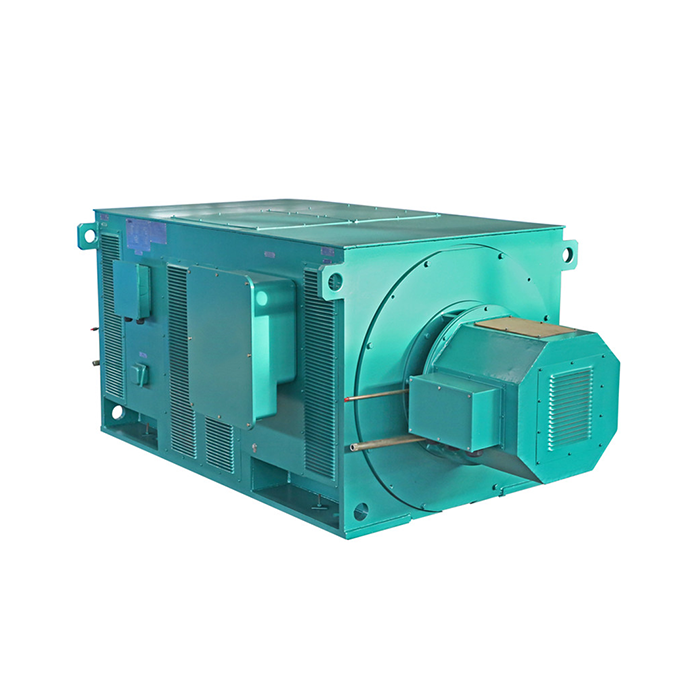
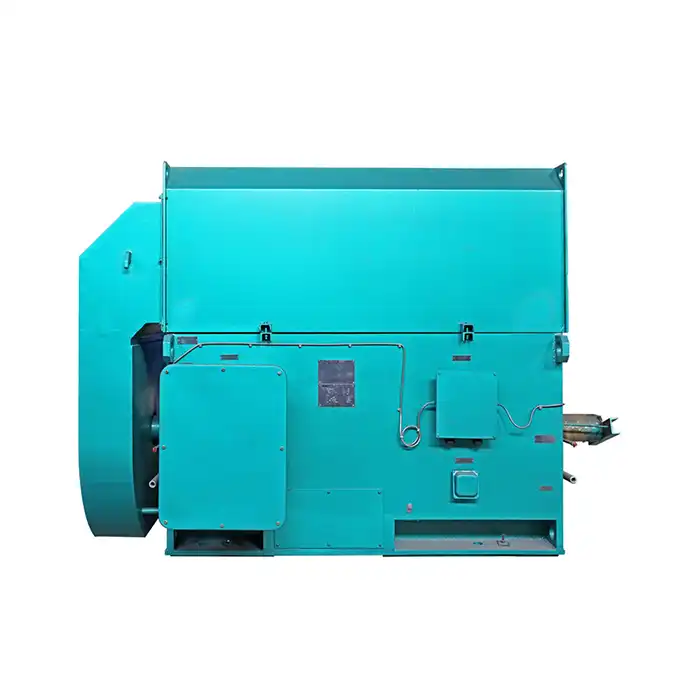
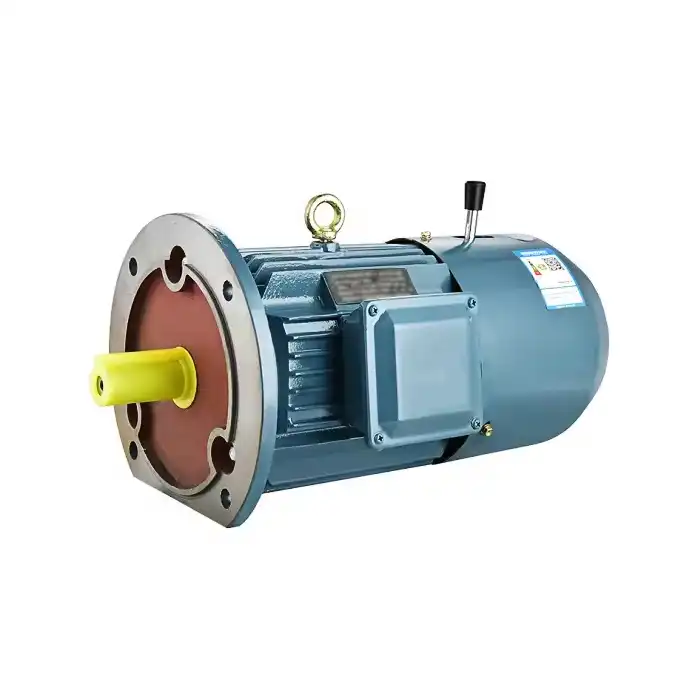
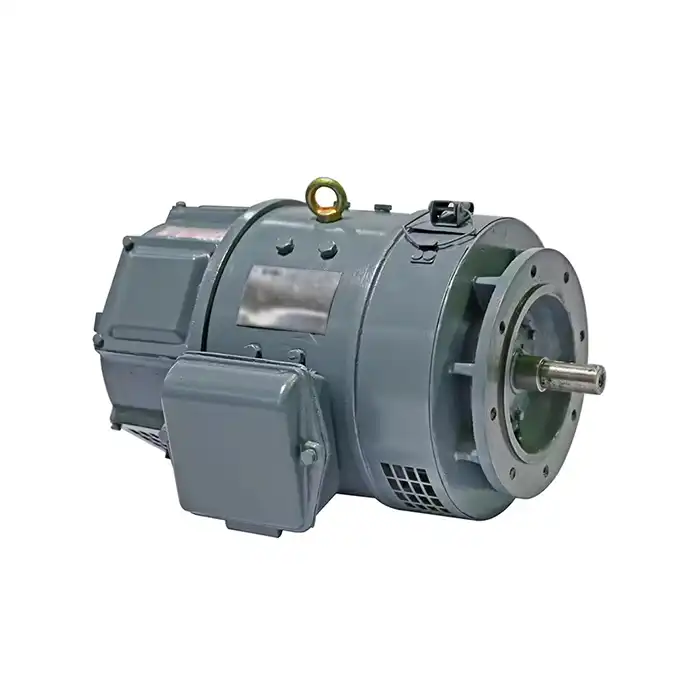
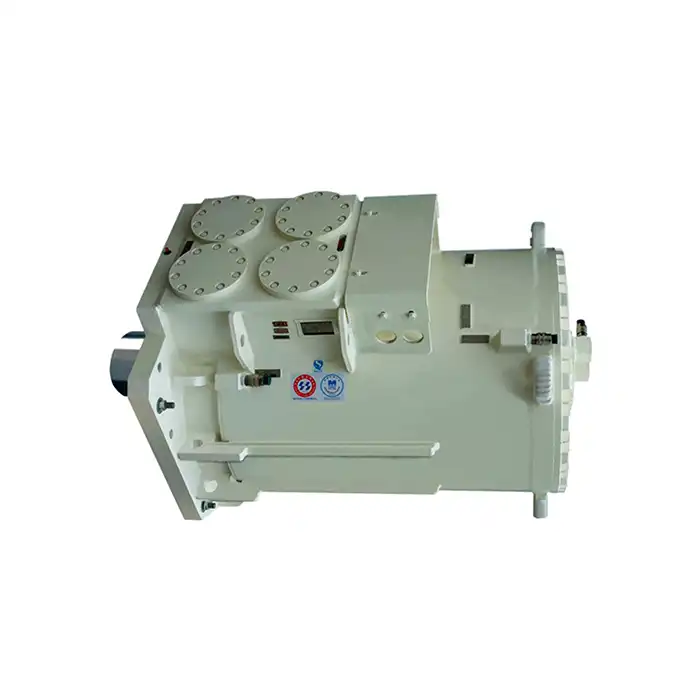
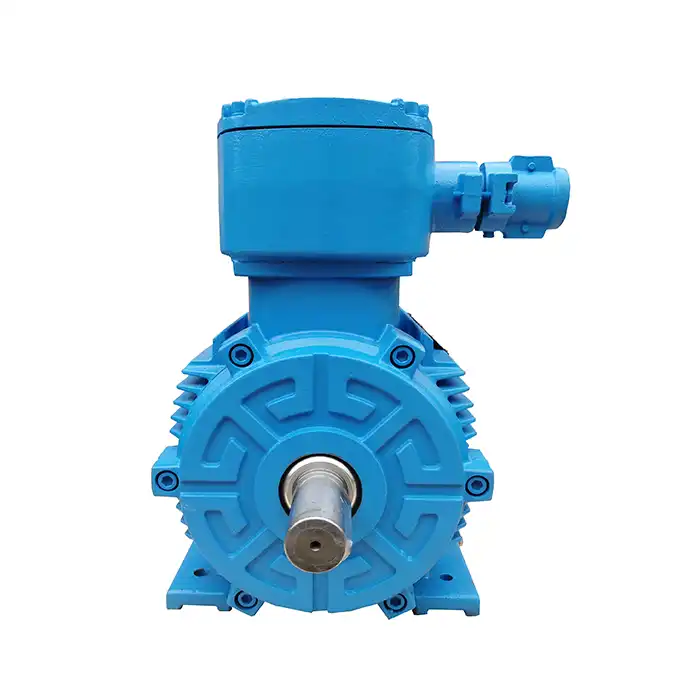
Series:YR-HV
Protection level:IP23
Voltage range:3000V±5%,3300V±5%,6000V±5%,6600V±5%,10000V±5%,11000V±5%
Power range:200-5600 kW
Application:hoist, rolling mill, wire drawing machine.
Advantage:low noise, small vibration, reliable performance, easy installation and maintenance.
Standard: This series of products complies with JB/T10314.1-2002 and JB/T7594 standards.
Others: SKF, NSK, FAG bearings can be replaced according to customer requirements.
Understanding the Cooling Needs of 6kV Slip Ring Motors
Why Thermal Management Matters
Rotor windings, stator coils, and slip rings lose electricity naturally. Copper wires generate heat by resisting electricity. Current squared increases heat strength. Bearings, brushes, and rotating parts friction. Heavy hoists, rolling mills, and wire drawing machinery increase temperature impacts.
Motor health is harmed by increasing temperature. Heat degrades insulation. Dielectric strength decreases and failure risk rises. Wire insulation classes (F or H) indicate their maximum temperature, usually 155°C or 180°C. When you surpass these limits, products age faster, become less useful, and need expensive unexpected repairs.
Technical Factors Influencing Cooling Requirements
The main thing that determines how much cooling is needed is the power rating. Motors with power ratings from 200kW to 5600kW create very different thermal loads. A 3300V motor running at 1500 kW makes a lot more heat than a 500 kW unit, so it needs stronger ways to get rid of that heat.
Power and resistive losses depend on voltage between 3.3kV and 11kV. Thermal loads vary with duty cycle, such as constant vs. occasional usage. Thermal stress increases in steel mills and cement plants due to air temperature. Protection class IP23 permits some dust in but not much and blocks water spray. This may alter cooling airflow and exposed parts.
Not enough cooling leads to a chain of problems, including less power, lower efficiency scores, higher energy use, faster bearing wear, and finally insulation failure. We've seen places where motors kept breaking down because the cooling systems weren't set up for the right conditions.
Overview of Common Cooling Methods for 6kV Slip Ring Motors
Self-Cooling (IC 01)
Natural convection cooling (IC 01) is the easiest temperature management method. Heat is removed from the motor frame and covering without additional equipment in this passive technique. Convection currents form around the engine as hot air rises and cold air descends.
This strategy works for tiny motors with low loads and good ventilation. Without fans or pumps, electricity and maintenance are reduced. Due to its restricted heat removal, it can only be utilized for lower power ratings or intermittent duty cycles when thermal accumulation isn't a concern.
Fan-Assisted Cooling (IC 06/IC 17)
Fan-cooled designs for the 6kv slip ring motor use shaft-mounted or separately driven fans to move air around more effectively. IC 06 uses a fan on a shaft that moves with the rotor to provide cooling airflow that is related to the speed of the motor. IC 17 uses a separate fan powered by a separate motor to keep the airflow steady, no matter how fast the main motor is running.
These combinations perform effectively for 200kW–2000kW medium-power jobs. Increased airflow improves motor surface heat transfer over natural convection. The design improves thermal performance while keeping things simple. In most commercial pump, compressor, and conveyor drive applications, we suggest fan-assisted cooling.
Totally Enclosed Air Over (TEAO/IC 37)
Enclosed designs keep outside contaminants from getting to the inside parts, and fans on the outside move airflow over the motor case. This method works very well in harsh places like mines, cement factories, and chemical processing plants where there is dust, water, chemical vapors, or substances that are bad for the environment.
The sealed design keeps out contaminants while still letting heat move through the motor frame effectively. External cooling air never comes into contact with electrical parts inside, so there are no risks of contamination. This method works well with a lot of different power levels, especially when protecting the environment is worth the extra work and cost.
Comparative Analysis: Cooling Efficiency and Impact on Motor Performance
Heat Dissipation Capacity and Motor Efficiency
Self-cooling is excellent for motors under 500kW and working below 40°C. Heat travels mostly by radiation and natural airflow, therefore cooling power is just 50 to 80 watts per square meter of frame surface area. In warmer areas, the motor may need to be derated due to lower constant duty rates.
Fan-assisted cooling removes three to five times more heat than natural convection. Forced airflow enhances motor surface convective heat flow, allowing same-sized frames to handle greater continuous power. Even under strong loads, IC 06 or IC 17 motors maintain their operational temperatures. Insulation is protected and motor life is extended.
The highest power densities are achieved using liquid cooling, which moves heat 10-15 times quicker than air cooling. A 3000kW water-cooled motor is much smaller than an air-cooled one. It requires minimal structural support and installation area.
Energy Consumption Considerations
Extra cooling equipment uses more energy, which is added to the total cost of running the business. Shaft-mounted fans (IC 06) get their power straight from the motor shaft. They usually take in between 0.5 and 1.5% of the motor's maximum power. A 1000kW motor might use 10 to 15kW to power its cooling fan, but this energy is only used to make heat, not to do useful mechanical work.
To maximize airflow during motor speed changes, independent cooling fans (IC 17) for the 6kv slip ring motor draw electricity from distinct sources. Pump-driven liquid cooling systems require 1–3% of the motor's rating, depending on system design and coolant flow. These energy expenses must be weighed against the efficiency savings from maintaining optimal temperatures and preventing thermal derating.
We found that keeping a 2000kW slip ring motor properly cooled can lower its yearly energy costs by 3–5% compared to a unit that isn't cooled properly and has to work less efficiently because of the high temperatures. This savings usually covers the extra power used for cooling within the first year of operation.
Maintenance Requirements and Reliability
Natural convection systems don't need much upkeep. The outside surfaces just need to be cleaned every so often to get rid of the dust that builds up and insulates the frame. Since there are no moving parts in the cooling system, there are no fan bearing problems, belt repairs, or pump upkeep.
Fan-cooled systems need to have their fan blades, bearings, and drive parts checked regularly. Shaft-mounted fans usually need to be checked out when the motor is serviced regularly. Bearings on independent cooling fans need to be oiled every 6 to 12 months and replaced after 40,000 to 60,000 hours of use. These requirements can still be met by standard maintenance programs.
Looking for leaks, maintaining the pump, cleaning the heat exchanger, and replacing the coolant regularly are all part of liquid cooling. To prevent bacterial development, scale building, and rust in water cooling systems, treat the water. Synthetic coolant closed-loop systems make maintenance simpler, but they need particular fluids and disposal methods.
The length of different parts changes a lot. Natural convection systems work without problems for the longest time, often matching the mechanical life of motors that last 20 years or more. Most fan systems need to have their fans replaced two to three times during the life of the motor. Depending on how they are used and how well they are maintained, liquid cooling fans and heat exchangers may need to be replaced every 10 to 15 years.
Choosing the Right Cooling Method for Your 6kV Slip Ring Motor
Application Environment and Load Characteristics
Environmental conditions greatly affect cooling needs. Below-35°C areas have more means to cool down. Work in steel mills, foundries, or outdoor temperatures exceeding 45°C requires stronger choices. Above 1000 meters, air density decreases, making cooling less efficient and requiring derating or additional capacity.
Load profiles influence thermal cycling patterns. Continuous duty applications at rated power provide steady-state thermal loads that need ongoing cooling. Intermittent operations with fluctuating loads provide heat recovery during low load, simplifying cooling. In rolling mills and hoists, heavy overloads, frequent starts, reversals, and stops generate severe thermal transients that need greater cooling margins.
Investment Costs Versus Operational Savings
The more complicated the cooling system, the more expensive the initial equipment is. The least expensive motors are natural convection motors. Adding shaft-mounted fans raises the price of the motor by about 5 to 8 percent. Separate cooling fans raise the price of the base motor by 8–12%. Liquid cooling systems cost 15–25% more than air-cooled systems, and they also have installation costs for pipes, pumps, and heat exchangers.
Over the life of a 6kv slip ring motor, operating costs add up. The extra power used for cooling has long-term costs. Extra costs include maintenance work and new parts. Unplanned downtime because of not enough cooling costs the most in terms of lost output, emergency fixes, and damage to other equipment.
The calculations for return on investment should cover the life of the motor, which is usually between 15 and 20 years. A motor that is properly cooled keeps its efficiency scores, doesn't lose power due to heat, and lasts as long as it was designed to. We have proof that adding an extra $5,000 to $8,000 for better cooling to a 1500kW motor stopped thermal breakdowns that would have cost $50,000 to $80,000 in fixes, replacements, and downtime over the motor's lifetime.
Compatibility and Customization Options
Modern slip ring motors can be cooled in a variety of ways to meet different needs. Standard designs usually have IC 01 or IC 06 cooling, which works well for most industry uses. Custom modifications are made to fit specific environmental conditions, limited space, or performance requirements.
Different cooling methods can be used with motors rated at 3.3kV, 6kV, 6.6kV, 10kV, and 11kV, with power rates ranging from 200kW to 5600kW. Frames made of strong cast iron can be mounted in a variety of ways to suit different cooling equipment. High-quality copper windings and insulation class F/H materials offer thermal reserves that work well with cooling systems that are properly matched.
Bearing systems with SKF, NSK, or FAG parts can be chosen based on how they will be cooled and the conditions outside. Premium bearing grades can handle higher temperatures better, making them useful in places with tough thermal conditions. Custom shaft extensions can be made to fit specific fan mounting needs or odd installation shapes.
Maintenance Tips for Cooling Systems in 6kV Slip Ring Motors
Scheduled Inspection Protocols
Based on job cycle intensity and working conditions, schedule inspections. Clean, light-duty settings may be inspected every three months. It must be examined monthly if there is dust, extreme temperatures, or continuous operation. Critical applications that disrupt production need more regular tracking.
Check the exterior for dust accumulation, debris obstructing ventilation openings, and overheating symptoms like paint that has changed colour or unusual odours. Fan blades must be examined for damage, unbalance, and safe mounting. Cooling air intake and exhaust channels must be clear—closed ventilation holes have produced errors.
Thermal cameras help diagnose issues. Infrared cameras detect hot spots on motor surfaces that indicate improper cooling, airflow blockage, or internal issues. Baseline thermal profiles are utilized during commissioning to detect steady decline. Bearing housing, terminal box, and frame surface temperatures indicate cooling system operation.
Pay special attention to bearing temperature. High bearing temperatures indicate improper lubrication, alignment, or cooling. When bearing housing temperatures exceed 80°C, issues must be investigated immediately. Many establishments utilize automated tracking systems to record temperatures from permanent resistance temperature monitors (RTDs) or thermocouples in crucial locations.
Cleaning and Component Care
Pollution in the cooling system of the 6kv slip ring motor gradually reduces its temperature performance. The motor's frame is insulated by dust, oil mist, and airborne particles, making heat loss difficult. Cleaning every three months with compressed air or mild detergents restores heat transmission. Avoid high-pressure water cleaning because it might leak into electrical compartments.
Dirt and dust on fan blades disrupt airflow and balance. Carefully remove the buildup while looking for blade damage or fractures that might cause a catastrophic failure. Review fan rotational balance after cleaning. If off, vibrations damage bearings and mounting hardware.
Maintenance of water quality is important for liquid cooling systems. As instructed by the provider, monitor coolant pH, conductivity, and inhibitor concentrations. Treat water-based coolants to prevent bacterial development, scale, and rust. Heat exchanger fouling reduces thermal performance; clean it often depending on coolant quality and expertise.
Failures in liquid cooling systems often involve pump seals. Check for leaks, sounds, and vibrations regularly. To avoid seal failure, replace them when the manufacturer advises to. Keep adequate coolant for system refilling following repair.
Troubleshooting Common Cooling Problems
When motor temperatures are high even though the cooling equipment seems to be working, a thorough analysis is needed. Check that the real flow rates of coolant or air match the design specifications. If the pump isn't working as well as it should or the fan belts are slipping, the cooling capacity will drop without any clear signs. Motor cooling channels that are blocked may need to be partially taken apart to find and clear.
Unusual patterns of temperature distribution point to problems with cooling in certain areas. Any hot spots near certain bearing locations mean that either not enough cool air is getting to that area or there are problems with the bearings that are making it too hot. A difference in temperature between the ends of a motor could mean that internal airflow is blocked or cooling fans are broken.
When there are problems with the cooling system, there is often more shaking. Different shaking patterns are made when cooling equipment has an unbalanced fan, broken blades, or worn bearings. Spectrum analysis helps find the right parts to fix by telling the difference between vibrations caused by cooling and electrical or mechanical problems with the motor.
Monitoring energy use lets you know early on when your cooling system is breaking down. A motor that gradually draws more current while the load stays the same could mean that the operating temperature is too high, which lowers its efficiency. When you compare the current consumption to the baseline measurements, you can find small thermal problems before they become big problems.
Conclusion
It is important to control heat well if you want your 6kv slip ring motor to work reliably in commercial settings. When choosing a cooling method, you have to weigh the need to get rid of heat against installation limitations, energy costs, and the ease of upkeep. Self-cooling works best for smaller motors in safe environments, while fan-assisted methods are best for most industrial needs from 200kW to 2000kW. Extreme thermal loads in big motors over 2000kW or tough weather conditions can be handled by advanced liquid cooling. Systematic maintenance keeps the cooling system working well, protecting motor capital and making sure the machine keeps running. When buying something, people should compare the original cost to the value over the long term, and they should choose cooling solutions that work with the real conditions of the job instead of just meeting the minimum requirements. If you take care of the motor's temperature properly, it will last longer than 20 years and still work efficiently and reliably the whole time.
FAQ
1. What cooling method offers the best energy efficiency for a 6kv slip ring motor?
Natural convection (IC 01) doesn't need any extra power and is the most energy-efficient way to cool motors that don't need to be more powerful than 500kW when the temperature outside is moderate. Fan-cooled versions lose between 0.5% and 1.5% of the motor's power to cool down, but they can handle higher continuous rates and better thermal stability. The best choice depends on the duty cycle, the temperature, and whether the motor would have to be derated because it wasn't cool enough, which uses more energy than adding extra cooling equipment.
2. Can existing motors be retrofitted with improved cooling systems?
Possible retrofits rely on the type of motor and the amount of room that is available. Adding external cooling fans to motors that cool themselves is usually possible if the frame design allows mounting brackets. It takes electrical links and mechanical installation to go from shaft-mounted to separate cooling fans, but it usually works. To switch to liquid cooling, a lot of things need to be changed, like pipes, pumps, and heat exchangers. The cost is only worth it for big motors or installations where other options don't work.
3. How do cooling choices affect warranty coverage?
When motors are used outside of their recommended cooling range, the warranty usually stops protecting them. As warranty conditions, manufacturers list the highest and lowest temperatures, the minimum airflow rates for cooling, and the exact specifications of the coolant that must be used. If you change stock cooling systems without the manufacturer's permission, your warranty may not cover it anymore. For warranty claims about thermal failures, it's important to keep good records of how the cooling system was maintained and how it was used. If you choose the right cooling capacity when you buy the motor, you won't have any problems with the warranty later on.
Contact XCMOTOR for Your High-Voltage Motor Requirements
To get the most out of industrial activities, you need power equipment that is reliable and perfectly matched to the needs of the job and the surroundings. XCMOTOR specializes in providing high-performance wound-rotor motors with voltage ranges of 3.3kV, 6kV, 6.6kV, 10kV, and 11kV. Their range of motors runs from 200kW to 5600kW. Our motors have high-quality copper windings, precision-balanced blades, and modern bearing systems that make them up to 97% efficient. As a 6kV slip ring motor manufacturer with a lot of experience, we can make modifications for hoists, rolling mills, wire drawing machines, and process equipment, such as custom cooling configurations, premium bearing choices (SKF, NSK, and FAG), and modifications that are made to fit the specific needs of the application.
Our expert team helps procurement professionals and building engineers with the process of creating specifications, planning installations, and turning the systems on. We give you a lot of information, like thermal performance data, maintenance instructions, and tips on how to fix problems. Standard lead times are between 8 and 12 weeks, but we can speed things up for urgent needs. Each motor meets the requirements of JB/T10314.1-2002 and JB/T7594, and is certified by both ISO 9001:2015 and CCC. You can email our team at xcmotors@163.com or go to motorxc.com to talk about your specific application needs and get full technical proposals that are made to fit your working setting and performance goals.
References
1. Chapman, S.J. (2005). Electric Machinery Fundamentals, Fourth Edition. McGraw-Hill Higher Education, New York.
2. Bonnett, A.H. and Soukup, G.C. (1992). "Cause and Analysis of Stator and Rotor Failures in Three-Phase Squirrel-Cage Induction Motors." IEEE Transactions on Industry Applications, Vol. 28, No. 4, pp. 921-937.
3. International Electrotechnical Commission (2017). IEC 60034-6: Rotating Electrical Machines – Part 6: Methods of Cooling (IC Code), Third Edition. Geneva, Switzerland.
4. Stone, G.C., Boulter, E.A., Culbert, I., and Dhirani, H. (2004). Electrical Insulation for Rotating Machines: Design, Evaluation, Aging, Testing, and Repair. IEEE Press, Wiley-Interscience, Hoboken, New Jersey.
5. Toliyat, H.A. and Kliman, G.B. (2004). Handbook of Electric Motors, Second Edition, Revised and Expanded. Marcel Dekker, New York.
6. Nailen, R.L. (2003). "Keeping Large Motors Cool." IEEE Industry Applications Magazine, Vol. 9, No. 3, pp. 12-19.