



4160V Motor Uses and Benefits in Heavy Industry
Heavy industrial operations looking for dependable power solutions should consider medium-voltage motors a strategic investment. The 4160v motor is an excellent option for facilities that need strong performance in demanding applications. These motors are capable of providing a steady torque and power output while regulating energy consumption efficiently, making them important in manufacturing facilities, utility operations, and process-intensive situations. Understanding the technical specifications, benefits of operation and maintenance needs helps procurement professionals to make educated choices to increase productivity and manage lifetime costs.
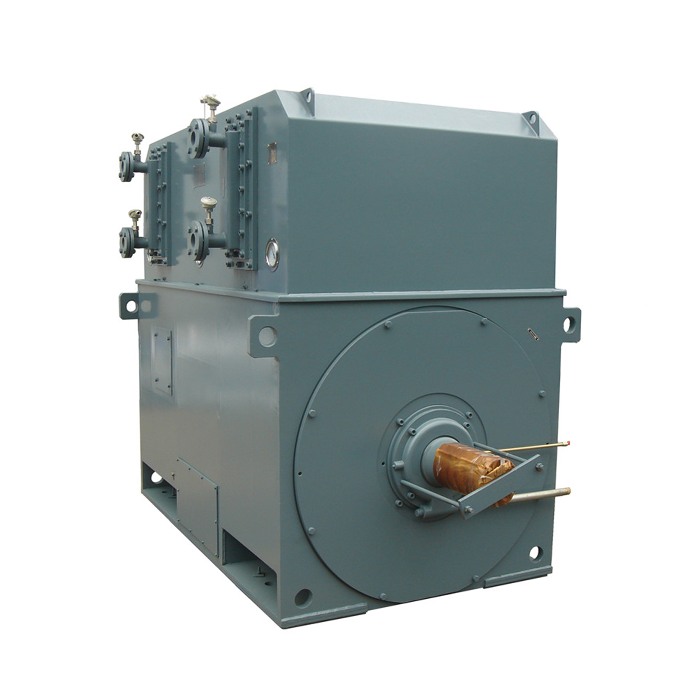
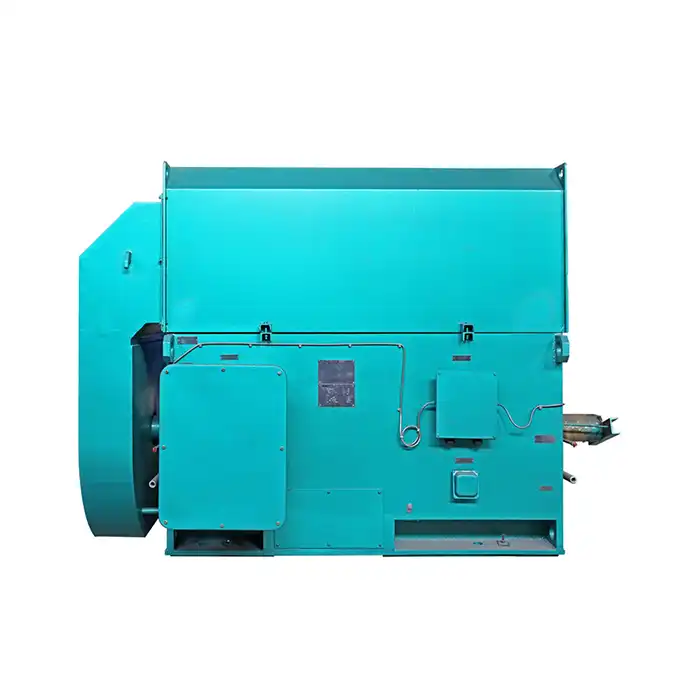
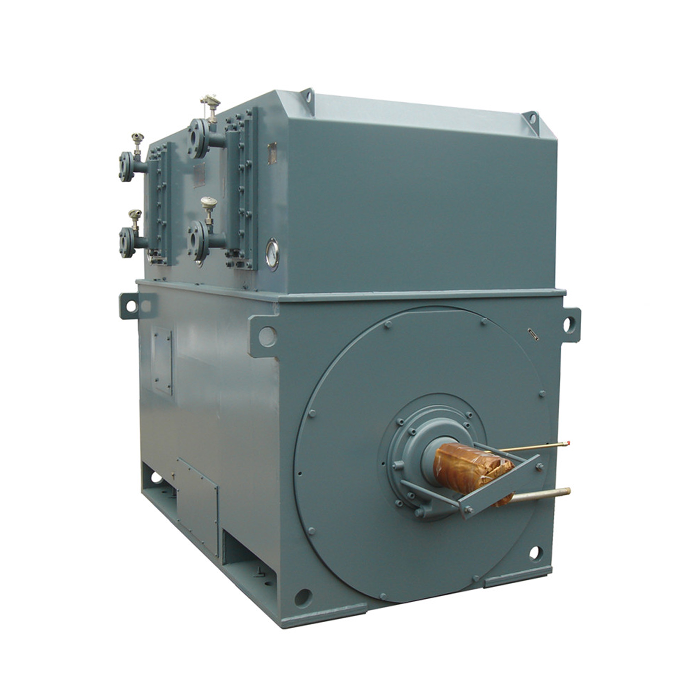
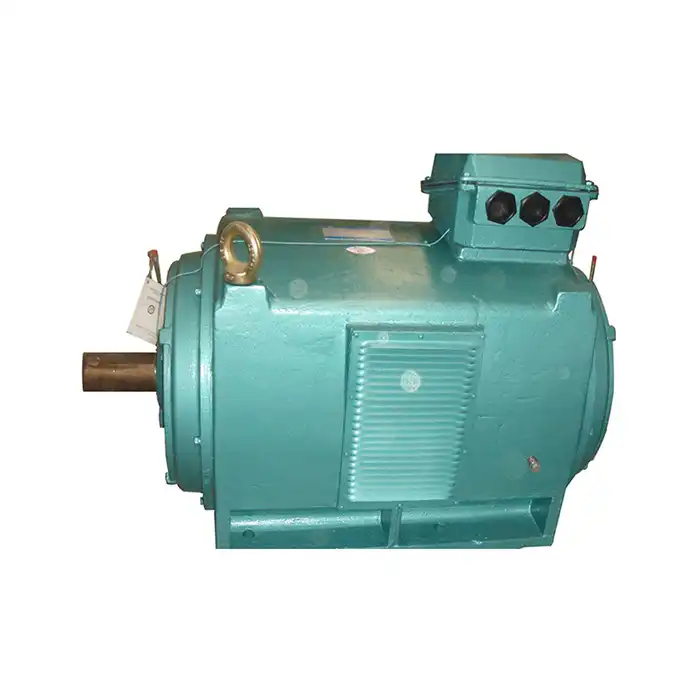
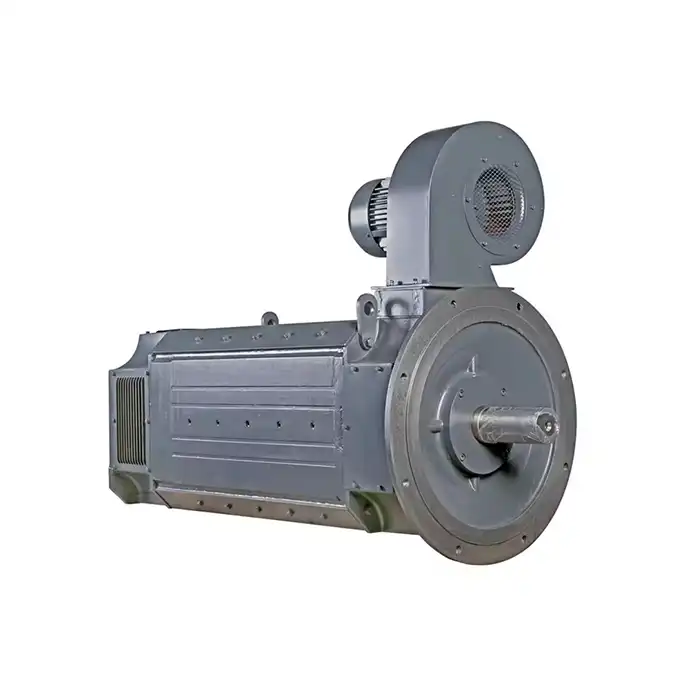
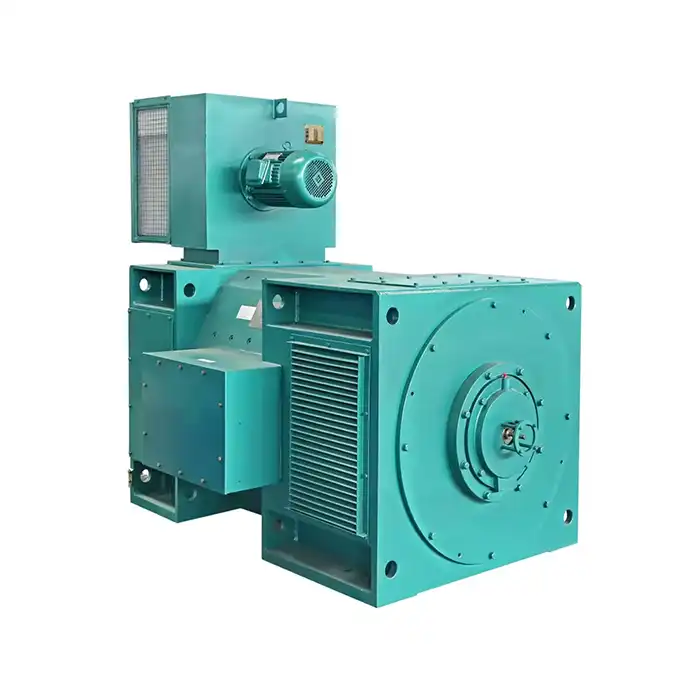
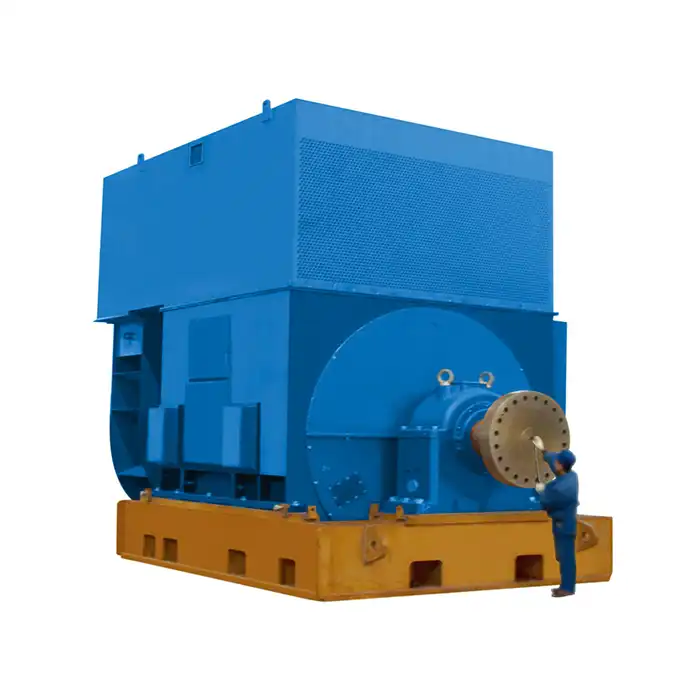
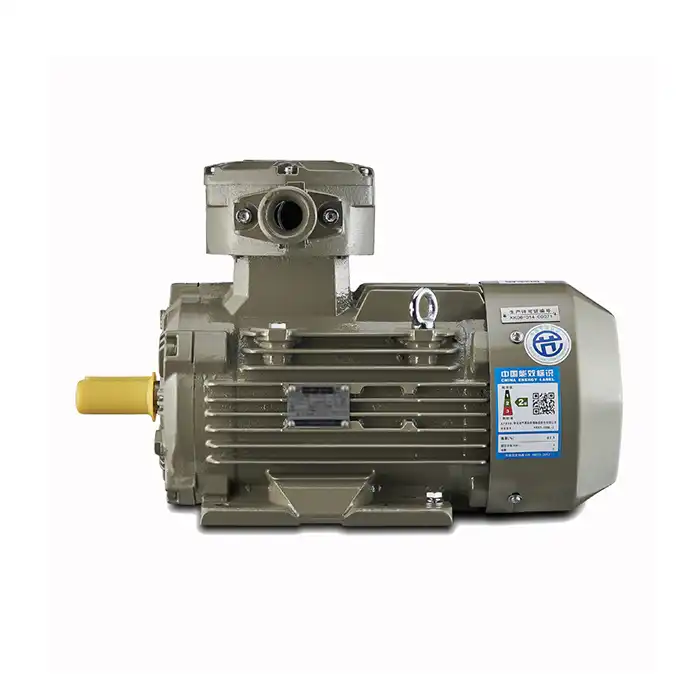
Series:YKS
Protection level:IP54
Voltage range:3000V±5%,3300V±5%,6000V±5%,6600V±5%,10000V±5%,11000V±5%
Power range:220-6300 kW
Application:fans, water pumps, compressors, crushers, cutting machine tools, transportation machinery, etc.
Advantage:low noise, low vibration, long service life, easy installation and maintenance.
Standard: This series of products complies withGB/T 1032 and GB/T 13957 standards.
Others: SKF, NSK, FAG bearings can be replaced according to customer requirements.
Understanding 4160V Motor Specifications and Operational Principles
Selecting the right medium-voltage motor requires careful evaluation of technical parameters that directly impact operational performance and long-term reliability.
Core Technical Parameters
Voltage Tolerance Specifications are crucial when assessing a 4160v motor. Our motors may be designed for various voltages such as 3000V±5%, 3300V±5%, 6000V±5%, 6600V±5%, 10000V±5%, and 11000V±5%, allowing their use in facilities with varied electrical infrastructure. Power ranges from 220 kW to 6300 kW for applications from moderate-duty pumps to large-capacity compressors and industrial fans. Speeds from 500 to 3000 RPM provide accurate matching to mechanical load needs for best efficiency across a wide range of operating circumstances.
Protection class ratings are environmental suitability. Our IP54 and IP55 certified enclosures protect the internal components from dust entry and water spray, which is critical for industries where airborne particles and cleaning activities might be contamination threats. Thermal margins to lengthen winding life with insulation class F construction and class B temperature rise are especially beneficial in continuous-duty situations when motors are running under continuous load for long periods of time.
Operational Principles in Industrial Settings
The 4160v motor is based on electromagnetic induction principles, suited for medium-voltage industrial applications. Three-phase AC electricity at medium voltage decreases current flow compared to low-voltage options, minimising conductor heating and voltage loss throughout distribution systems. This is especially helpful in big plants where motors may be placed hundreds of feet from transformers.
Motor assembly stator windings form a magnetic field that rotates when energised. The rotor reacts by generating opposing magnetic fields, which cause mechanical rotation to drive attached equipment. Our optimised rotor design minimises slide losses and achieves a high starting torque, which is essential for accelerating large loads such as loaded conveyors or centrifugal compressors. The ICW37 cooling mechanism circulates air via internal channels, dispersing the heat created during operation to maintain constant operating temperatures even during rigorous duty cycles.
These motors are designed to work with variable frequency drives for applications needing variation in speed; however, many installations run at constant speeds when process requirements are constant. They are applicable to processes with intermittent operation patterns because they can tolerate repeated starts and pauses without severe thermal stress.
Primary Applications of 4160V Motors in Heavy Industry
Medium-voltage motors serve critical roles across sectors where reliability and sustained power delivery determine production outcomes.
Manufacturing and Process Control
In automobile production plants, these motors power the ventilation systems of the paint booth, creating the specific airflow patterns needed for finish quality. They are used in the manufacturing of aerospace components for CNC cutting machine tools and are characterised by constant spindle speeds for dimensional precision. They're used in big refrigeration compressors in food processing factories to maintain the cold chain, and in cleanroom HVAC systems in electronics manufacturing plants to manage particle levels.
Examples of process control applications include chemical mixing activities where agitation speeds influence the results of reactions. The 4160v motor provides constant torque output with no difference in speed, even with changing loads, ensuring batch quality. Pharmaceutical manufacturing facilities appreciate this stability for applications such as agitation of fermentation vessels and motors for sterile filtration pumps.
Energy and Utility Operations
These motors are used in auxiliary systems of power production plants such as boiler feed water pumps, condensate extraction pumps, and forced draft fans. Ideal for these important support services, where any downtime immediately affects generating capacity, they can run continuously at rated load without derating.
Water treatment plants are another important application area. Raw water intake pumps, high-service distribution pumps, and wastewater aeration blowers are driven by medium-voltage motors. The city’s water authority recently announced a 15 percent reduction in energy use after replacing old equipment with new, high-efficiency units, highlighting the financial advantages of upgrading equipment. The higher power factor also lowered demand charges, which helped to cut overall costs.
These motors are used in renewable energy projects for wind turbine yaw and pitch control and in concentrated solar for heliostat tracking drives. They are used to station service applications and spillway gate operators at hydroelectric projects.
HVAC and Refrigeration Systems
Medium-voltage motors are often specified for big centrifugal chillers with capacities of more than 500 tonnes in commercial buildings with central chilled water operations. These facilities have a lower cost of distributing electricity than would a number of smaller low-voltage units. Industrial refrigeration systems are also used to drive ammonia compressors in cold storage warehouses and food processing plants.
Our motors come with low noise and vibration performance thanks to precise balancing and optimal magnetic circuit design. This is particularly important in healthcare facilities where the comfort of the patient is dependent on the silent functioning of the mechanical system. Equipment is either located in the basement of hospital central plants where the transmission of sound to inhabited areas must be minimised.
Benefits of Using 4160V Motors Compared to Other Voltage Motors
Medium-voltage motors offer distinct advantages that justify their specification in appropriate applications, though proper voltage class selection requires matching motor characteristics to facility infrastructure and load requirements.
Energy Efficiency and Operational Stability
The 4160v motor runs at greater voltages than 480v units; therefore, it will use proportionately less current for the same power output. This basic equation (power = voltage x current) implies that a motor drawing 100 amps at 4160V is delivering about the same amount of power as a motor drawing over 870 amps at 480V. Reduced current flow means lower resistive heating in cables, switchgear, and motor windings, and noticeable efficiency advantages. As big horsepower applications change from low voltage to medium voltage, facilities generally get 2-4% efficiency increases.
Lower current needs enable lower conductor sizes in distribution systems and hence reduce the cost of copper and conduit diameters. Cable tray capacity limitations are less of an issue, and voltage loss estimates are more favourable for longer run lengths. In new building or expansion projects, these considerations will translate into significant installation cost reductions.
Reduced vulnerability to voltage sag circumstances, resulting in better operational stability. When many heavy loads are energised at the same time, voltage dips may occur in low-voltage systems that might damage sensitive equipment. Medium voltage distribution is more appropriate for these transitory circumstances, and hence yields higher overall power quality.
Comparison with Alternative Voltage Classes
A 4160V system is more efficient than 3300V for the same power levels and also conforms to North American utility requirements. Both may be good for comparable uses. The 3300V class is more popular in areas where the electrical regulations are different.
For facilities with motors more than 200 horsepower, the medium-voltage option greatly decreases distribution losses compared to 480V motors. The crossover where the cost of installation and operation of the system is equal for the two voltage levels depends on the details of the installation, although usually engineers select medium voltage for motors larger than 250 to 300 hp. Low-voltage motors have simpler safety methods and cheaper switchgear costs at voltages below this level.
Manufactured according to GB/T 1032 and GB/T 13957 standards, our motors are compatible with industrial electrical systems and adhere to norms of efficiency, temperature increase, and mechanical construction. Premium SKF, NSK, or FAG bearings (chosen according to client specifications) are used instead of conventional bearing grades for longer maintenance intervals and reduced unexpected downtime.
Long-Term Cost Effectiveness
The total cost of ownership includes not only the purchase price but also installation costs, energy consumption, and maintenance needs during the estimated service life of 20-30 years. Medium-voltage motors are usually more costly than low-voltage motors, but energy savings often offset the increased cost in 3 to 5 years for continuous-duty applications. Robust build and quality parts mean less maintenance over time, improving lifespan economics further.
Our motors are simple to install and maintain, reducing the labour required for commissioning and regular servicing tasks. Easier electrical work: Accessible terminal boxes, clearly labelled connection points, and complete documentation. Easier lubrication procedures and alignment checks: Precision-machined bearing housings.
Maintenance, Troubleshooting, and Lifespan Optimization of 4160V Motors
Implementing structured maintenance protocols protects motor investments while maximizing operational availability and performance consistency.
Preventive Maintenance Best Practices
External conditions should be reviewed during routine inspections on a quarterly basis to include mounting integrity, cooling air channel obstacles, and terminal box seal quality. Visual inspections may detect early warning signals like discoloured insulation, moisture intrusion, or weak connections before they turn into problems. Thermal imaging scans identify anomalous thermal patterns that are indicative of internal issues such as winding shorts or bearing degradation.
Lubrication regimens are dictated by bearing type and operating circumstances. Our motors normally need re-greasing every 2000-4000 running hours, but the exact intervals are in the device paperwork. The correct quality and amount of lubricant ensure that the issues of wear from under-lubrication and seal damage from excess lubrication are avoided. Performed twice a year, vibration analysis establishes baseline signatures and monitors increasing mechanical problems such as bearing failures, rotor unbalance, or misaligned couplings.
Insulation resistance testing, sometimes dubbed “megger testing,” should be performed yearly or after long shutdowns. Decreasing resistance readings indicate insulation deterioration, and remedial action should be taken before failure occurs. Test data provide trending analysis that may be used to anticipate remaining insulation life.
Common Issues and Troubleshooting Strategies
Generally, overheating in 4160v motor systems is caused by lack of airflow, overload, or voltage imbalance. Check for obstructions to cooling air passages, verify real load vs nameplate values, and measure voltage at motor terminals on all three phases. Voltage imbalance of more than 2% produces heating and should be checked in electrical systems.
Unusual noise or vibration is typically a sign of mechanical trouble. Bearing wear causes grinding noises and high vibration at frequencies that correlate to bearing fault patterns. The loose rotor bars cause typical clicking sounds and torque pulsations. • Misalignment of motor and driven equipment causes premature coupling wear and axial vibration. Early treatment of these problems reduces collateral harm to surrounding components.
Some examples of wiring faults include ground faults, phase-to-phase shorts, or high-resistance connections. Ground fault prevention schemes must trip instantaneously following insulation failure. Thermal imaging detects resistive connections before they cause permanent harm. It is still important to follow standard lockout-tagout protocols and use the correct personal protective equipment while examining electrical faults on medium-voltage equipment.
Extending Operational Lifespan
Running motors within their nameplate limits, without persistent overload circumstances and without excessive starts per hour, protects insulating systems and mechanical components. Environmental control may prevent early degradation. Frequent inspections and replacement of the protective coating ensure the integrity of the enclosure in corrosive atmospheres.
Keeping proper records of all maintenance work, repairs, and test results generates an operating history that may be used to guide future choices. Tracking energy use might reveal a progressive decrease in efficiency, suggesting internal component deterioration. If performance indicators decline despite adequate maintenance, then examination of rewind or replacement is needed. Newer motors are so much more efficient that it may be worth replacing an old one even if it could be repaired.
Procurement Guide for 4160V Motors: Purchasing, Customization, and Logistics
Strategic sourcing approaches balance technical requirements, delivery timelines, and budgetary constraints while establishing supplier relationships that support long-term operational needs.
Supplier Evaluation and Selection
Medium-voltage motors represent a significant investment, and procurement teams must analyse supplier capabilities beyond basic product specifications. Product dependability is directly impacted by manufacturing quality control methods. Our premium manufacturing uses precision die-casting for frame parts and has a dimensional accuracy that ensures good alignment and limits vibration. Advanced winding technology has been used to optimise conductor placement and insulation application for better electrical performance and thermal management.
Strict quality control techniques throughout manufacture screen out non-conformances before distribution. The whole testing process verifies the electrical properties, mechanical balance, noise levels, and temperature increase under simulated working conditions. These factory acceptance tests ensure that equipment will meet specifications when commissioned.
Delivery timeframes depend on motor specs and customisation needs. Standard frame sizes ship in 8 to 12 weeks for common voltage and power combinations. Delivery for custom designs with specific shaft combinations, mounting arrangements, or protective features may be extended to 14-18 weeks. Establishing explicit timetable expectations at the time of the quote eliminates scheduling issues throughout project execution.
Customization Options
Many applications are content with the conventional catalogue products; however, for special installation needs, bespoke solutions are required. Shaft extensions have been modified to suit certain types of coupling or belt drive. Motors are adapted with special mounting solutions for existing foundations or where space is constrained. Improved sealing arrangements provide protection against adverse environmental conditions.
The choice of bearings is flexible and enables optimisation to the working circumstances. Standard SKF bearings work quite well in normal applications. But NSK or FAG bearings may have benefits in certain temperature ranges or load profiles. Technical reps may help define the application specifics.
Facilities that are anticipating numerous motor purchases or that keep strategic spares inventories can realise cost benefits from bulk buying initiatives. Volume commitments generally provide better price tiers and similar specs across installations, easing maintenance parts inventory and operator training.
Logistics and Installation Support
Depending on the destination country, you may need to comply with import regulations such as electrical safety certificates, efficiency standards, and customs documents. International Shipments Made Easy. You may be certain that our goods are ISO 9001:2015 Certified & IEC 60034 Standards. Proper packaging protects motors during shipment, while thorough documentation bundled with wiring diagrams, dimensional drawings, and test reports provides quick installation and commissioning.
Best practices for installation start with suitable foundation preparation to provide enough structural stability and vibration isolation. Electrical connections should be made in accordance with local regulations and manufacturers’ guidelines for conductor size, overcurrent protection, and grounding procedures. If the motor and driven equipment are properly aligned mechanically to the necessary tolerances, there will be no premature bearing failure or excessive vibration.
What separates suppliers devoted to client success from those that are transactional is the assistance they provide after the sale. Technical support at the time of installation will help to solve any unforeseen problems. Warranty protection will cover any errors in production. Establishing points of contact for future servicing requirements, such as the availability of replacement parts and maintenance services, gives the customer confidence throughout the life of the motor.
Conclusion
Medium-voltage motors are the workhorses of heavy industry, providing the critical power in demanding applications where operational success depends on dependability, efficiency, and sustained performance. The 4160v motor offers special value in manufacturing, process control, utility operations, and large-scale HVAC systems with decreased energy consumption, easier electrical distribution, and rugged construction. Procurement specialists are able to grasp technical specifications, application needs, and maintenance procedures to select suitable equipment and optimise total cost of ownership. The secret to long-term operational happiness is safeguarding investments by strategic supplier choice, focusing on manufacturing quality, customisation options, and full-service support.
FAQ
1. What factors most significantly influence 4160v motor efficiency?
Motor efficiency depends on core design elements, including rotor geometry, winding configuration, and magnetic circuit optimization. Our motors achieve premium efficiency ratings through careful attention to these parameters, reducing energy waste as heat while maximizing mechanical power output. Operating conditions also affect realized efficiency—motors perform best at 75-100% of rated load, while light loading reduces efficiency. Proper maintenance, preserving bearing condition and winding insulation, maintains efficiency over time.
2. How do 4160V and 3300V motors differ in industrial applications?
The voltage classes share similar operational principles but differ in distribution system compatibility and efficiency characteristics. The 4160v motor aligns with North American utility standards and provides slightly better efficiency at equivalent power ratings due to reduced current flow. Both voltage classes suit similar applications, though infrastructure compatibility typically determines selection. Facilities with existing 3300V distribution continue using that standard, while new installations increasingly adopt 4160V systems.
3. What maintenance intervals suit heavy industry environments?
Heavy industry motor maintenance schedules should include quarterly visual inspections, semi-annual vibration analysis, and annual insulation resistance testing. Bearing lubrication typically occurs every 2000-4000 operating hours, depending on specific conditions. Harsh environments with elevated temperatures, contamination, or corrosive atmospheres warrant more frequent inspections. Maintaining detailed service records enables condition-based maintenance approaches that optimize resource allocation while preventing unexpected failures.
Connect with XCMOTOR for Your Heavy Industry Motor Needs
Shaanxi Qihe Xicheng Electromechanical Equipment Co., Ltd. (XCMOTOR) provides comprehensive power equipment solutions supporting heavy industry operations across North America. Our technical team brings decades of experience matching motor specifications to application requirements, ensuring optimal performance and reliability. Whether you need a single 4160v motor replacement or are planning facility-wide equipment upgrades, we deliver customized recommendations aligned with your operational goals and budgetary parameters.
As an established 4160v motor supplier, we maintain extensive inventory supporting rapid delivery timelines while offering customization capabilities for specialized applications. Our commitment extends beyond equipment sales—comprehensive technical support assists with installation planning, commissioning guidance, and ongoing maintenance consultation. Contact our procurement specialists at xcmotors@163.com to discuss your specific requirements and receive detailed quotations tailored to your project scope.
References
1. National Electrical Manufacturers Association. "NEMA MG 1-2021: Motors and Generators." Rosslyn, VA: NEMA, 2021.
2. Institute of Electrical and Electronics Engineers. "IEEE Standard 112-2017: Test Procedure for Polyphase Induction Motors and Generators." New York: IEEE, 2017.
3. Bonnett, Austin H. "Root Cause Failure Analysis of AC Induction Motors in the Petroleum and Chemical Industry." IEEE Transactions on Industry Applications, Vol. 45, No. 6, 2009.
4. Electric Power Research Institute. "Motor Efficiency Guide: Application and Determination of Motor Efficiency." Palo Alto, CA: EPRI, 2019.
5. De Almeida, Anibal T., et al. "Energy-Efficient Motor Systems in the Industrial and Commercial Sectors in the European Union." Energy, Vol. 28, No. 7, 2003.
6. Toliyat, Hamid A., and Gerald B. Kliman. "Handbook of Electric Motors." New York: Marcel Dekker, 2004.