



What is the speed control method of a 6kv slip ring motor?
The main ways to manage the speed of a 6kv slip ring motor are by controlling the resistance of the rotor circuit using external rheostats, by applying a Variable Frequency Drive (VFD) for accurate frequency control, or by slip energy recovery devices that catch the lost energy of the rotor and feed it back to the system. Using these approaches, the operators may optimise the motor speed based on the load requirement and achieve energy efficiency and operational performance in demanding industrial applications such as hoists, rolling mills, and wire drawing machines.
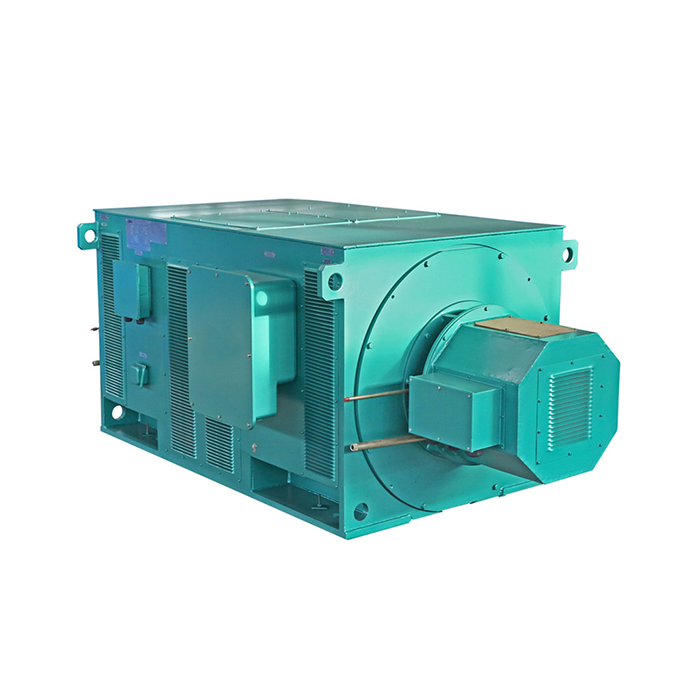
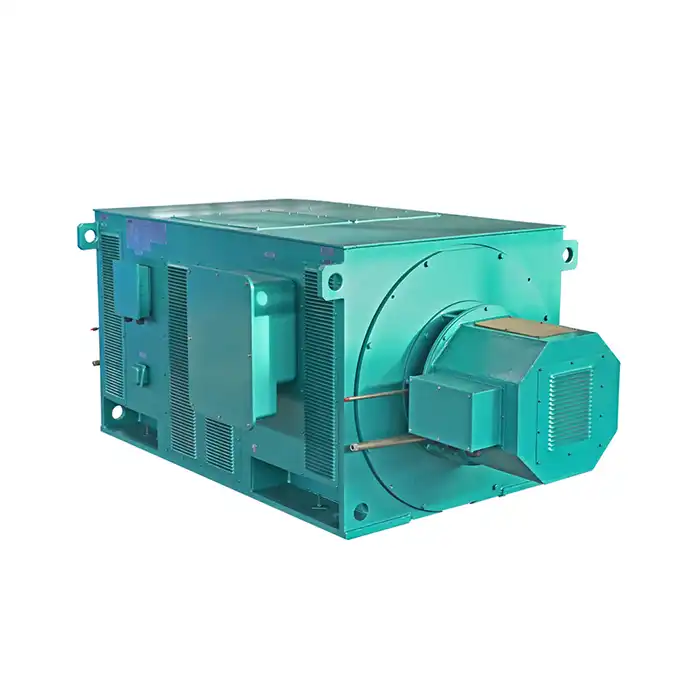
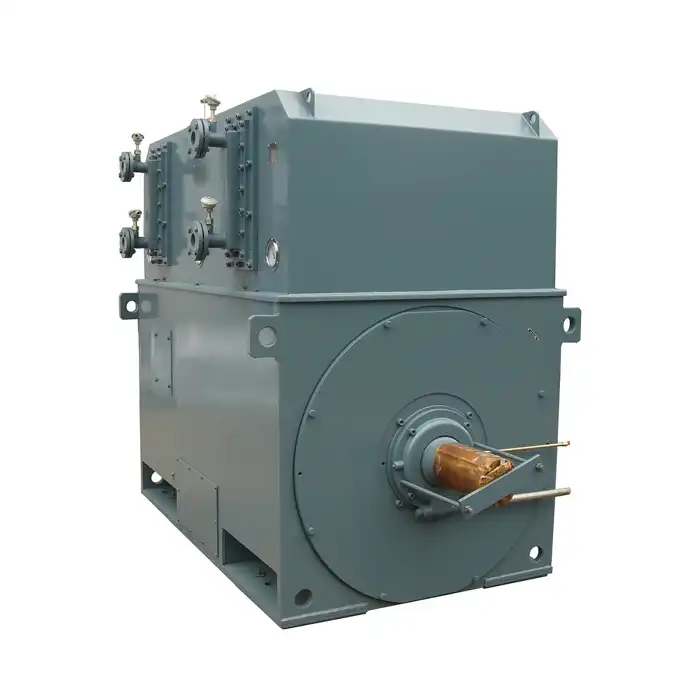
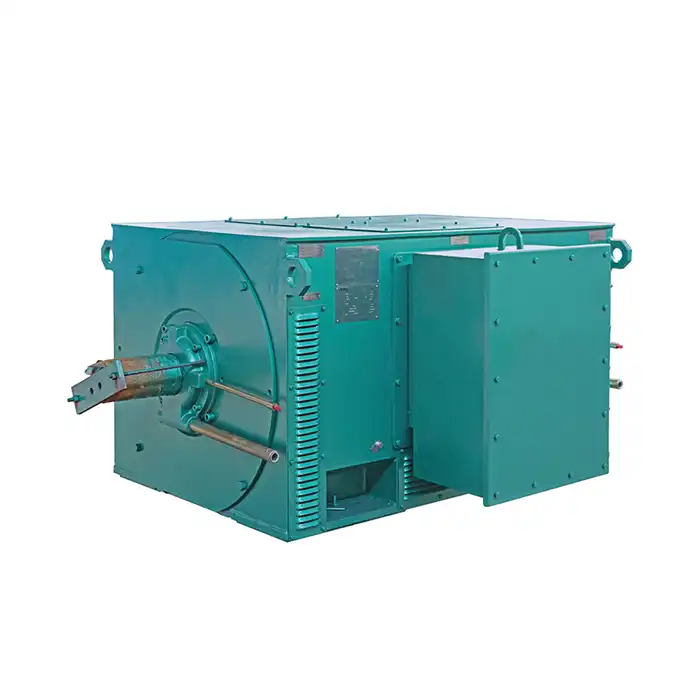
Series:YR-HV
Protection level:IP23
Voltage range:3000V±5%,3300V±5%,6000V±5%,6600V±5%,10000V±5%,11000V±5%
Power range:200-5600 kW
Application:hoist, rolling mill, wire drawing machine.
Advantage:low noise, small vibration, reliable performance, easy installation and maintenance.
Standard: This series of products complies with JB/T10314.1-2002 and JB/T7594 standards.
Others: SKF, NSK, FAG bearings can be replaced according to customer requirements.
Understanding 6kV Slip Ring Motors and Their Speed Control Fundamentals
High-voltage slip ring motors serve as workhorses in heavy-duty industrial environments where starting torque, load adaptability, and reliable performance are non-negotiable. A 6kv slip ring motor features a wound rotor with windings connected to external circuits via slip rings and brushes, allowing dynamic adjustment of rotor resistance. This design contrasts sharply with squirrel cage motors, which lack external rotor access and offer limited speed control flexibility.
Understanding the operating principles behind these motors helps clarify why speed control matters so much. When electrical power flows through the stator windings, it creates a rotating magnetic field. This field induces current in the rotor windings, generating torque. The difference between the synchronous speed of the magnetic field and the actual rotor speed is called slip. By manipulating rotor resistance or supply frequency, operators can control slip and, consequently, motor speed.
Why Precise Speed Control Matters in Industrial Operations
Speed regulation directly influences production efficiency, product quality, and energy consumption. In applications like rolling mills or wire drawing machines, even slight speed variations can compromise dimensional accuracy or surface finish. Maintaining consistent speed under fluctuating loads ensures smooth operation, reduces mechanical stress, and extends equipment lifespan.
High-voltage motors operating at 6kV or above present unique challenges. Insulation integrity, thermal management, and electrical safety require careful consideration. Speed control systems must accommodate these voltages without compromising reliability or introducing excessive heat. Modern control technologies address these challenges while delivering measurable improvements in energy efficiency and operational flexibility.
Core Components Enabling Speed Regulation
The slip ring assembly plays a central role in speed control. Rotating rings mounted on the rotor shaft maintain continuous electrical contact with stationary brushes, allowing external resistance or control circuits to interface with rotor windings. This arrangement enables real-time adjustment of rotor circuit impedance, which directly affects motor speed and torque characteristics.
High-quality copper windings maximize conductivity and minimize resistive losses, supporting efficient energy transfer. Precision-balanced rotors reduce vibration, ensuring smooth operation across the speed range. Advanced bearing systems—featuring options like SKF, NSK, or FAG bearings—reduce friction and extend operational life, contributing to reliable speed control performance.
Traditional vs Advanced Speed Control Methods for 6kV Slip Ring Motors
The traditional speed control was very dependent on the resistance mechanism using rheostats. Operators would slow it down by adding additional resistors to the rotor circuit to increase resistance. This strategy is straightforward and cheap at first, but there are several big downsides. The resistors waste energy as heat, wasting electricity and needing cooling devices. The resistor ages, requiring more maintenance. The speed control is not very accurate.
Limitations of Resistance-Based Control
The rheostat control operates by transforming electrical energy into heat, which is a direct loss of energy. Efficiency deteriorates rapidly at lower speeds. This approach is not suited for applications that have to run for lengthy periods below rated speed. Maintenance costs and the potential for downtime increase due to the need to regularly examine and replace mechanical contactors and resistor grids.
There’s also the difficulty of temperature control. The heat produced by the external resistors affects the equipment around it and the ambient conditions as well, especially in tight places. The need for cooling increases complexity and expense, hence lowering the overall attractiveness of this old strategy in contemporary industrial settings.
Variable Frequency Drives: Precision and Efficiency Combined
VFDs changed speed control by varying the frequency and voltage going to the stator, allowing accurate speed regulation without losses from the rotor circuit. VFds manage the synchronous speed by altering the input frequency, therefore resulting in smooth acceleration, deceleration, and speed holding over the whole working range. The approach removes resistive losses and so improves the energy efficiency considerably.
Modern VFDs may be interfaced with automation platforms like PLCs and SCADA systems for remote monitoring, diagnostics, and control. Feedback sensors offer real-time information on motor speed, torque, and temperature so that closed-loop control can maintain desired speeds in the face of changing loads. These features provide improvements to process accuracy and decrease human involvement.
Energy savings are a powerful advantage. In variable-torque applications such as fans and pumps, VFDs may cut energy usage by 30-50%. Soft-start minimises mechanical and electrical stress at the beginning, which may increase motor life. Lower overall cost of ownership due to reduced maintenance needs and higher uptime.
Slip Energy Recovery Systems
Slip energy recovery drives recapture the energy that is typically wasted as heat in the rotor circuit and feed it back into the supply network, or utilise it somewhere else in the facility. This approach combines the advantages of rotor resistance management and the enhancement of the energy economy, and therefore it is appropriate for applications with frequent speed variations.
These systems make use of power electronics for the conversion of the rotor frequency energy to a suitable form for the supply grid. They are more sophisticated and expensive than basic resistance control, but they allow for significant energy savings and improved speed control. This technique is particularly useful in applications like hoists and rolling mills where dynamic speed adjustment under large loads is common.
Selecting the Right Speed Control Technology
Choosing the right speed control technique is influenced by application requirements, cost limits, and operational goals. VFDs are the finest overall performance choice for most current applications with accuracy, efficiency, and integration capabilities. Resistance control may still be suitable for short-term deployments or if speed changes are not required very often. Slip energy recovery systems are a good choice for high-power, variable-speed applications when the energy savings exceed the initial cost.
Load characteristics also impact selection. VFDs that can sustain torque across the speed range are beneficial for constant-torque loads such as conveyors. The highest savings are realised with VFDs programmed for quadratic torque curves for variable-torque applications like centrifugal pumps. Knowledge of load profiles allows control technologies to be matched to operational requirements.
Key Components and Design Features Influencing Speed Control in 6kV Slip Ring Motors
The structure and electrical design of a 6kv slip ring motor directly impact the efficient regulation of speed. The slip rings and brushes need to provide dependable electrical contact along the whole spectrum of speed, while resisting wear from both mechanical friction and arcing due to electrical discharge. Constructed with excellent materials and precisely engineered for long service intervals and reliable performance.
Slip Ring and Rotor Design Considerations
The slip rings are usually of brass or silvered copper to provide low-resistance contact surfaces. Conductivity and wear resistance are balanced by the brush materials, usually carbon graphite or silver graphite. Good brush pressure maintains contact without significant friction or heat buildup. Spring-loaded brush holders compensate for small runouts and keep pressure on the brushes as they deteriorate.
Rotor winding design influences the precision of speed control and thermal performance. Proper insulation class (F or H) for distributed windings withstands the thermal strains from variable-speed operation. Insulation systems are especially vulnerable to voltage strains during transient circumstances when control systems quickly change speed.
External Resistance and Automatic Controllers
External resistance banks are provided to enable manual or automated modification of the impedance of the rotor circuit. Automatic controllers employ contactors or thyristors to swap resistance steps according to speed orders or load situations. This technique enables step speed control, which is beneficial in applications with fixed operating points.
This approach has been enhanced by modern digital controllers that let to continuously alter the resistance using power electronic converters. These systems monitor motor characteristics in real time, dynamically altering resistance to maintain goal speeds or optimise performance. Coordinated operation and data recording for performance analysis are achieved by integration with plant control systems.
Thermal Management and Mechanical Factors
Proper cooling preserves the integrity of the insulation and avoids performance loss. The IC01 cooling technique (surface cooled, natural convection) is appropriate for many applications, although more demanding situations may need forced ventilation or liquid cooling. The IP23 protection level offers sufficient protection against solid objects and water spray under normal industrial conditions.
Vibration and noise influence not only control accuracy but also the life of equipment. Precision-balanced rotors reduce vibration and reduce mechanical stress on bearings, slip rings, and mounting structures. Well-designed slip ring motors have the benefit of low noise levels, which improve working conditions and meet occupational health regulations.
Robust cast iron frames resist severe conditions, retaining structural integrity via heat cycling and mechanical stress. The stiffness of the frame helps to align the bearings, preventing premature wear and ensuring smooth operation for precise speed control.
Practical Speed Control Solutions for Industrial Buyers: Choosing the Right 6kV Slip Ring Motor
When procurement professionals choose a 6kv slip ring motor and accompanying speed control equipment, they must balance performance objectives, budget limits, and long-term operating costs. When comparing motor types, it is important to understand their unique benefits and drawbacks, often relative to a certain application.
Comparing Motor Types for Speed Control Applications
Squirrel cage motors are simple and need little maintenance but do not allow access to the rotor circuit, and hence speed control is limited to VFD-based techniques. Due to the constant rotor impedance, they are inappropriate for applications demanding strong starting torque with little inrush current. Slip ring motors are ideal in these situations, providing adjustable starting characteristics and variable speed control.
Brushless motor technologies remove slip rings and brushes and thereby reduce maintenance needs. But they are usually more expensive and may need special drives. Slip ring motors are still a useful solution for situations where proven dependability and simple control are vital.
Evaluating Speed Control Technologies from Leading Suppliers
The performance benefits of premium control systems are real. Today’s high-voltage VFDs have sophisticated safety functions, harmonic filtering, and powerful control algorithms. These systems are designed for the particular needs of 6kv slip ring motor applications and provide intuitive user interfaces and full diagnostics.
Custom engineering solutions solve application-specific difficulties. Tailored protection systems and application-specific tuning improve performance for demanding operations with specialised control techniques. Working with experienced suppliers helps to guarantee that the control systems are matched to the motor characteristics and operating needs.
Procurement Considerations and Supplier Reliability
High-voltage motors often need 8-12 weeks' lead time depending on specs and quantity. Procurement cycles may be planned around manufacturing schedules so as to minimise disturbance. If you have a regular setup that you utilise in several installations, you may be able to get a price break by ordering in bulk.
Long-term satisfaction depends a lot on the after-sales assistance. Comprehensive technical assistance, including installation instructions, commissioning support, and troubleshooting tools, helps ensure maximum performance. The warranty coverage against manufacturing faults gives you peace of mind and eliminates risk.
Supplier dependability is not only the quality of the goods, but also includes communication, delivery performance, and response. We are ISO 9001:2015 certified and CCC certified to ensure our dedication to quality management and regulatory compliance. The experience of a provider in comparable applications gives vital information as to their capacity to suit your unique demands.
Matching Motor Specifications to Application Requirements
The electrical infrastructure is designed to operate over a range of voltage ratings from 3.3kV to 11kV. Power range is from 200kW to 5600kW, from moderate-duty conveyors to massive rolling mills. Usually, speed is available from 500 to 3000 RPM to suit most industrial needs. Unique speeds are available for unique applications.
Applications like hoists need strong beginning torque and accurate control of the speed in raising and lowering operations. Rolling mills must be able to change speed quickly and to keep their position under different loads. Smooth and steady speed management is conducive to wire-drawing equipment to improve product quality. The motor parameters are adapted to these requirements to provide dependable performance and operating efficiency.
Maintenance and Troubleshooting Tips for Optimizing Speed Control in 6kV Slip Ring Motors
Proactive maintenance increases the life of the motor and maximises the dependability of the speed control. Scheduled inspection processes detect wear and any problems before they lead to breakdowns, thereby decreasing unexpected downtime and repair costs.
Common Speed Control Issues and Their Causes
Slip ring wear gradually deteriorates the electrical contact, generating increased resistance and unpredictable speed control. Contamination by carbon dust, moisture, and ambient debris adds to wear and may cause arcing. Similar symptoms are caused by brush contact problems, which are due to inappropriate pressure, misalignment, or old brush materials.
The speed accuracy is degraded due to controller calibration drift over time. Feedback loops are disrupted by sensor failures or signal deterioration, which prevents accurate control. Corrosion, overheating, or mechanical damage causes external resistance deterioration, which changes speed-torque characteristics and diminishes control efficacy.
Actionable Maintenance Guidelines
Inspect slip rings and brushes weekly in severe applications and periodically in less-loaded installations. Watch out for irregular wear patterns, surface staining, or buildup. Replace brushes when worn to minimum length standards. Clean slip ring surfaces with suitable solvents. Check brush pressure using calibrated gauges and adjust spring tension if necessary.
Speed controllers should be calibrated yearly or when major changes in operations occur. Compare actual motor speed to setpoint orders by using precise tachometers or feedback sensors. Adjust the control parameters to minimise divergence and guarantee steady operation across the whole speed range. Trend analysis calibration findings document performance trends for predictive maintenance planning.
Check the external resistors for evidence of overheating (discolouration, distortion). Check that all electrical connections are tight and free of corrosion. Periodically check resistance levels to identify deterioration, which might influence the precision of speed control.
Preventive Maintenance Schedules and Benefits
Structured maintenance programs may minimise the number of unforeseen failures by 40-60% compared to reactive techniques. Routine checks discover problems early, when fixes are easier and less expensive. By replacing parts on a schedule, you minimise cascade failures that may affect other systems.
Energy consumption monitoring shows losses in efficiency due to wear or misadjustment. An increase in current draw of 5-10% at a given speed may suggest a problem with increasing mechanical friction, rotor circuit resistance, or the control system. Dealing with issues in a timely manner recovers efficiency and avoids future deterioration.
Predictive maintenance technologies such as vibration measurement, thermal imaging, and motor current signature analysis provide early notice of impending issues. Over time, trends in data show subtle changes that may be missed by human examination. These tools provide a complete solution to maintenance by combining visual inspections and planned duties.
Troubleshooting Speed Control Challenges
If the speed control is irregular, inspect each system component in turn. Check the stability of the supply voltage and the balance of phases. Check the condition of the slip ring and brushes, and clean or replace if required. Verify resistance values of the external resistors and continuity of the control circuit.
Check controller programming and parameter settings. Control instability is due to incorrect acceleration rates, PID tuning, or feedback sensor scaling. Consult technical documentation or factory assistance to ensure configuration is suitable for application needs.
Motor bearing condition influences mechanical load and speed stability. Too much wear of the bearings increases friction and might cause speed variations. Vibration analysis may detect bearing deterioration before catastrophic failure occurs. Replaced bearings. Smooth operation and accuracy of control restored.
Conclusion
Controlling the speed of high-voltage slip-ring 6kv slip ring motors has advanced from basic resistance control to complex electronic systems offering accuracy, efficiency, and integration. Knowing the technologies out there, from rheostats to VFDs and slide energy recovery systems, will help you to make choices that will improve performance and save energy expenditures. Important design aspects, including slip-ring quality, rotor structure, and thermal management, directly impact the efficacy and dependability of the control. Procurement experts gain from seeing whole solutions, including motors, control systems, and the supplier’s support capabilities. Proactive maintenance and methodical troubleshooting help to retain performance, maximise return on investment during the 20+ year life these rugged motors often provide in demanding industrial applications.
FAQ
1. What is the most energy-efficient speed control method for a 6kV slip ring motor?
Variable Frequency Drives represent the most energy-efficient speed control solution for most applications, reducing consumption by 30-50% compared to resistance-based methods. VFDs eliminate resistive losses by controlling motor speed through frequency adjustment rather than energy dissipation. Slip energy recovery systems offer comparable efficiency in applications with frequent speed changes and heavy loads.
2. Can existing slip ring motors be retrofitted with modern speed control systems?
Retrofitting existing installations with VFDs or advanced controllers is typically feasible and cost-effective. Existing motor infrastructure remains usable, with control upgrades delivering immediate efficiency improvements. Engineering assessment ensures compatibility between motor characteristics and new control equipment. Retrofit projects often achieve payback periods under two years through energy savings alone.
3. How often should slip rings and speed control components be maintained?
Inspection frequency depends on operating conditions and duty cycles. Heavy-duty applications warrant monthly inspections, while moderate-duty installations may extend intervals to quarterly. Annual controller calibration maintains speed accuracy. Brush replacement typically occurs every 6-18 months, varying with operating hours and environmental conditions. Establishing preventive schedules based on actual operating experience optimizes maintenance effectiveness.
Partner with XCMOTOR for Reliable High-Voltage Slip Ring Motor Solutions
XCMOTOR delivers proven 6kv slip ring motor technology engineered for demanding industrial applications. Our motors, spanning 200kW to 5600kW with voltage options from 3.3kV to 11kV, feature high-quality copper windings, precision-balanced rotors, and robust cast iron frames that ensure low noise, minimal vibration, and reliable performance. Compliance with JB/T10314.1-2002 and JB/T7594 standards, combined with ISO 9001:2015 certification, guarantees consistent quality. Speed control flexibility through external resistance interfaces or VFD compatibility optimizes performance across hoists, rolling mills, and wire drawing machines. As a dedicated 6kv slip ring motor supplier, we offer customization options including SKF, NSK, or FAG bearing selection, insulation class choices (F/H), and application-specific configurations. Our comprehensive support encompasses design consultation, installation assistance, and commissioning services. Typical lead times of 8-12 weeks accommodate project schedules, while our 30-day return policy and dedicated support—available every day, including weekends—provide confidence throughout the procurement process. Efficiency ratings reaching 97% reduce operational costs, and proper maintenance extends motor lifespan beyond 20 years. Contact our technical team at xcmotors@163.com to discuss your specific speed control requirements and request a custom quote. We're committed to delivering power equipment solutions that enhance your operational efficiency and competitive position.
References
1. Chapman, Stephen J. Electric Machinery Fundamentals. McGraw-Hill Education, 2011.
2. Boldea, Ion, and Syed A. Nasar. The Induction Machines Design Handbook. CRC Press, 2018.
3. Hughes, Austin, and Bill Drury. Electric Motors and Drives: Fundamentals, Types and Applications. Newnes, 2019.
4. Toliyat, Hamid A., and Gerald B. Kliman. Handbook of Electric Motors. CRC Press, 2018.
5. Bose, Bimal K. Power Electronics and Motor Drives: Advances and Trends. Academic Press, 2020.
6. Paice, Derek A. Motor Control Electronics Handbook. McGraw-Hill Professional, 2016.