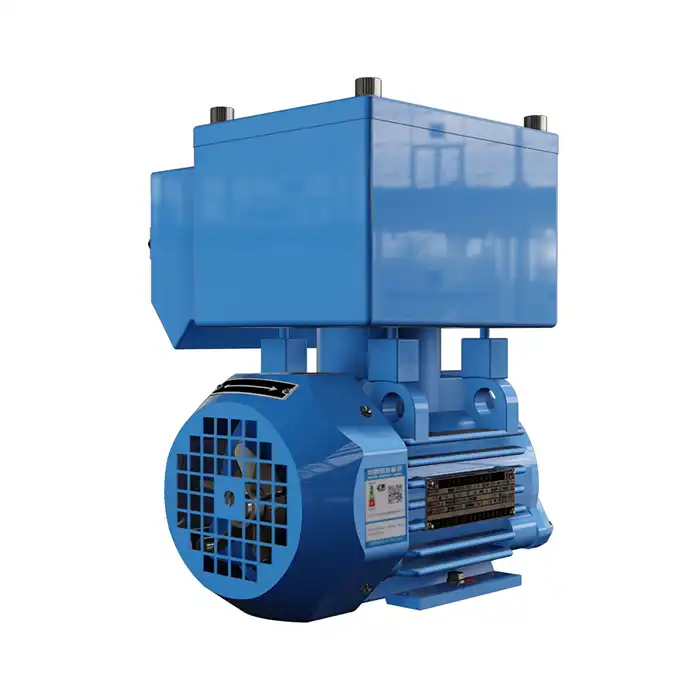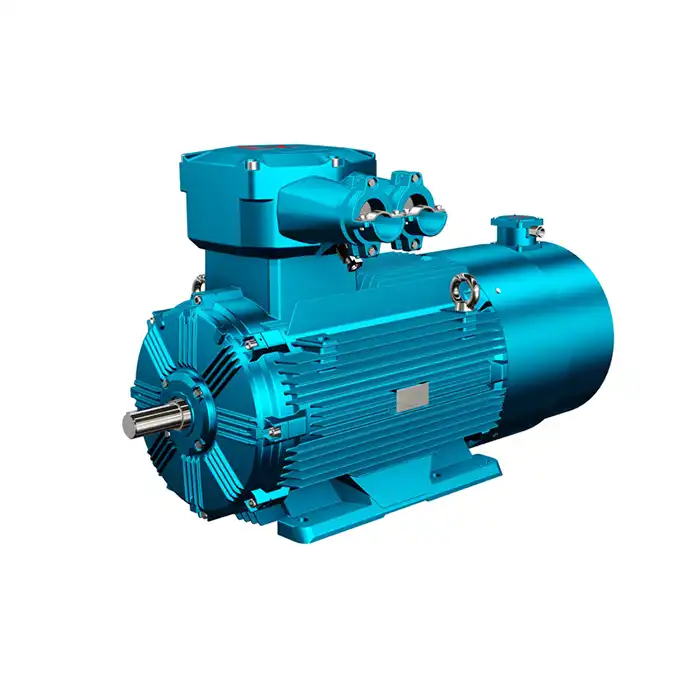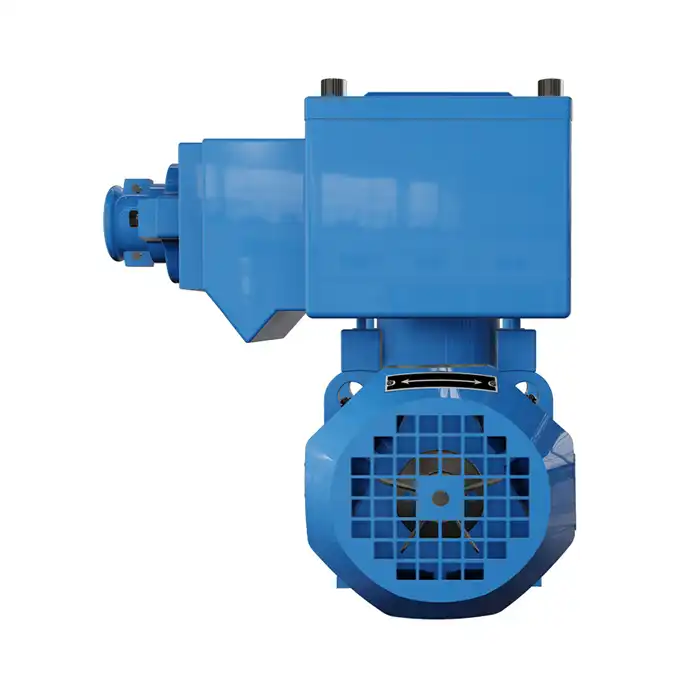




Choosing an IP54 Motor for Reliable Industrial Equipment Performance
When industrial operations face dust accumulation, moisture exposure, and unpredictable environmental challenges, selecting the right motor becomes critical. An ip 54 motor delivers essential protection against dust ingress and water splashes from all directions, ensuring reliable performance where standard motors fail. This protection rating represents a practical balance between robust environmental safeguards and cost-effectiveness, making it the preferred choice for equipment manufacturers and facility engineers operating in moderately harsh conditions. Understanding how these motors protect your investment while maintaining operational continuity can transform equipment reliability and reduce costly downtime across manufacturing floors, outdoor installations, and variable-climate facilities.
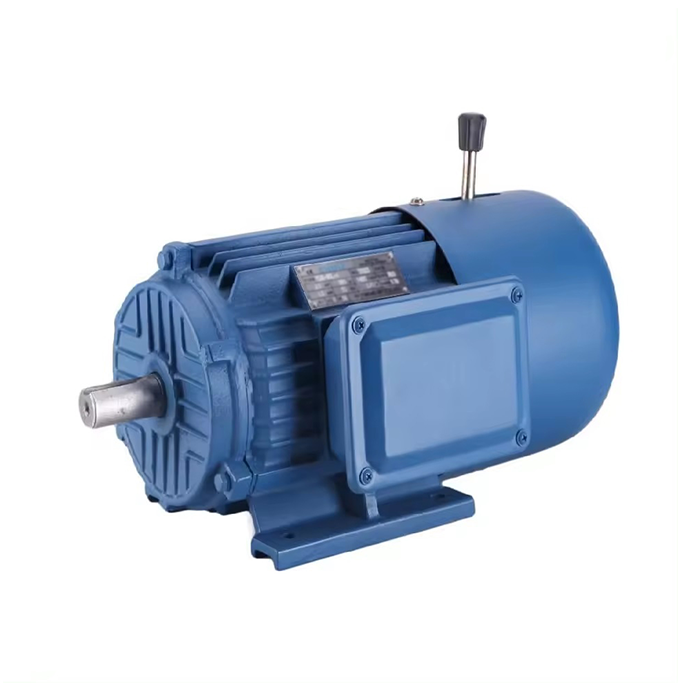
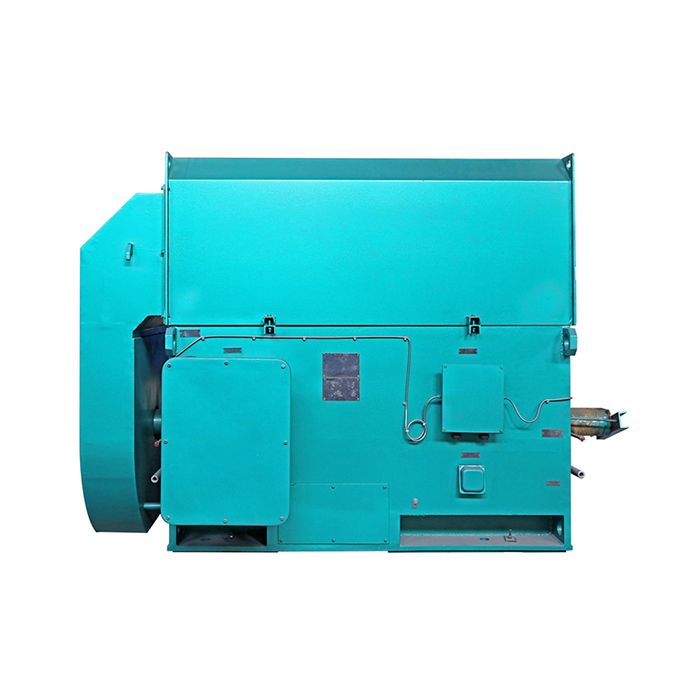
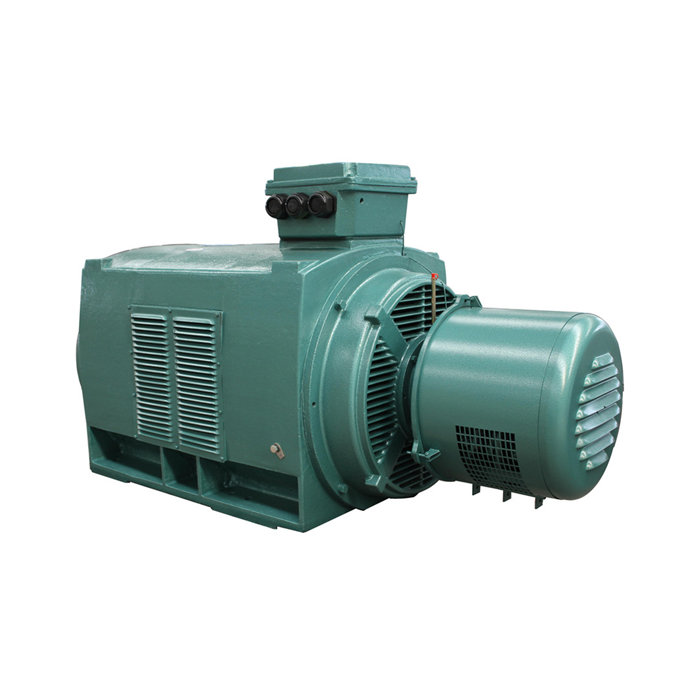
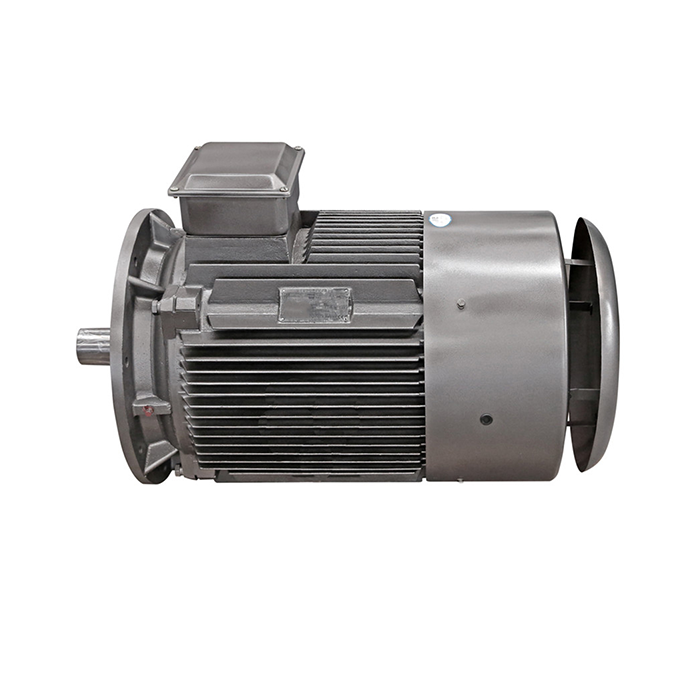
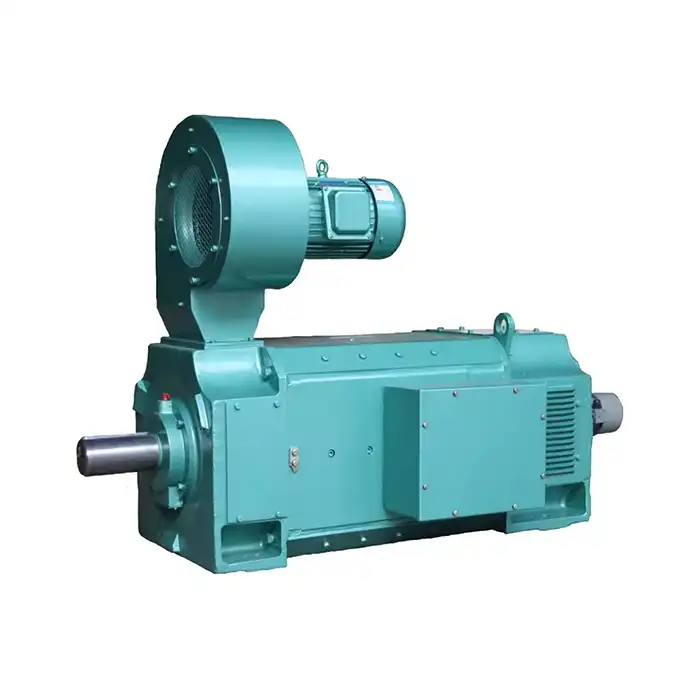
Series:YEJE3
Voltage range:380V±5%
Power range:0.55-355 kW
Protection level:IP55
Application:various machine tools, printing machinery, forging presses, transportation machinery, packaging machinery, food machinery, construction machinery, woodworking machinery, etc. that require quick stop, accurate positioning, reciprocating operation, and prevention of sliding for spindle rotation and Auxiliary drive.
Advantage:rapid braking, simple structure, and accurate positioning.
Others: SKF, NSK, FAG bearings can be replaced according to customer requirements.
Understanding IP54 Motors: Specifications and Features
Decoding the IP54 Protection Rating
The entry protection rating system gives everyone a way to talk about how long motors last. "IP" stands for "Ingress Protection," and the next two numbers tell you more about the device's features. The first number (5) in an Ip 54 motor denotes significant protection against dust. It is not fully dust-tight, but it keeps dangerous accumulations from happening that could stop the motor from working. The second number (4) confirms that the product is protected against water splashes from all directions. This keeps the inside parts safe from rain, cleaning processes, and places that are damp (International Electrotechnical Commission, 2013).
This grade is especially useful in places like cement plants, grain processing plants, cloth mills, and food production areas where airborne particles and some wetness are present. To keep this level of protection throughout their service life, our IP54 motors use precise sealing methods around the openings in the shaft, the terminal boxes, and the frame joints.
Construction Elements That Deliver Protection
Real security can be told apart from marketing claims by the quality of the building. When we make our motors, we use cast iron frames that can handle being hit hard and keep their shape in tough placements. The design of the frame includes special drainage holes and airflow paths that keep moisture from building up and let heat escape.
The most important safety obstacle is the shaft cover. We use multi-lip sealing systems with spring-loaded contact surfaces that keep the pressure on the shaft constant, stopping dust and water from getting in even as parts heat up and wear down. These seals work with sealed bearings, which can be made in SKF, NSK, or FAG specifications depending on what the customer needs. These bearings don't need to be oiled as often, so they require less maintenance.
Premium-grade Class F insulation is applied to copper windings, protecting them from heat up to 155°C and keeping them electrically isolated so that they don't break down when they get wet. Our vacuum pressure impregnation (VPI) process fills tiny gaps in winding insulation with protective resins. This stops moisture from getting in and starting failure mechanisms (Bonnett & Soukup, 2002).
Operational Benefits in Industrial Conditions
Motor choice has a direct effect on how much equipment is used and how much it costs to maintain. Dust protection stops abrasive particles from getting in, which speeds up bearing wear and harms coil insulation. This protection makes bearings last 40 to 60 percent longer than open-frame designs, which is useful in places like textile factories that make lint-filled air or cement plants that make dust that is everyplace.
Water resistance protects against many threats. When the temperature of equipment drops below the dew point of the air, condensation forms naturally. This happens every day in many facilities. Motors are directly hit by high-pressure water jets during washdown procedures in the pharmaceutical and food processing industries. Without jeopardizing electrical safety or mechanical integrity, our Ip 54 motor design solves these difficulties.
Less upkeep means lower costs over the life of the product. Open bearing systems need to be greased every 2,000 to 4,000 hours, while sealed bearing systems can go 8,000 to 12,000 hours without needing to be serviced. Sealing the terminal box stops moisture from building up, which leads to connection corrosion. This stops trips and failures that stop production lines.
Comparing IP54 Motors with Other IP Ratings: Making the Right Choice
Protection Level Analysis
Understanding the differences in ratings makes the selection criteria clearer. An IP23 motor can handle solid items bigger than 12.5 mm and water spray up to 60 degrees from vertical. This is enough for clean, safe indoor settings, but not enough when dust or horizontal water spray is present. Many companies that make enclosures choose IP23 for low-cost uses with little exposure to the environment (National Electrical Manufacturers Association, 2019).
IP44 motors guard against solid items bigger than 1 mm and water splashes from all directions. This is one level below IP54 dust protection. This grade is good for uses that don't make a lot of dust but need splash protection. IP55 motors go above and beyond IP54 requirements by completely blocking out dust while keeping the same level of water shock resistance. For users who need the best particle avoidance, our YEJE3 product line has IP55 protection.
IP65 motors are good for outdoor installations and washdown areas because they seal out dust and protect against water jets. But this extra protection raises the cost of making things by 30–45 percent and might block airflow for cooling, which lowers the constant duty rates. Because of the trade-offs in performance, IP65 isn't needed for many industrial uses where IP54 is enough protection.
Environmental Suitability Assessment
Investments are best when protection grades are matched to real-world situations. ip54 ec motor protection is more than enough for indoor manufacturing facilities with moderate dust levels, such as machine shops that make metal dust, woodworking shops that make sawdust, and packaging lines that make cardboard debris. The rating covers accidental water exposure from mopping the floor, small leaks, and condensation without the higher cost of shelters with greater ratings.
Partially enclosed areas like loading docks, covered conveyor halls, and semi-open production areas have a range of situations that IP54 successfully handles. The weather gets in and dust builds up in these places, but they don't get direct rain or water that needs IP65 or IP66 protection. With IP54 enclosures, equipment that works reliably in temperatures ranging from -15°C to +40°C and normal humidity levels does so.
Upgrading safety rates beyond what is needed for operations costs money and may make things less efficient. Higher-rated enclosures may make it harder for air to flow, which could mean that bigger frames or less power are needed to keep the temperature rise within acceptable limits. Instead of setting the highest level of security by default, procurement managers should look at real data on outdoor exposure.
Integration with Mechanical Systems
The ratings for motor safety must match the requirements of the connected tools. Before connecting an ip 54 motor to a gearbox or pump, make sure that the driven equipment offers the same level of protection or more. When the security isn't right, it leaves weak spots where environmental pollution can get into the power transfer system and cause the better-protected part to fail before it should.
Most speed reduction gearboxes are made with IP54 or IP55 housings for use in industrial settings. Choosing a motor with the right protection will make sure that the system works reliably every time. When specifying, shaft seals, mounting arrangements, and thermal expansion should all be given equal weight so that there are no gaps at the interfaces that weaken protection overall. To keep intruders out, the orientation of the terminal box and the ways that cables can enter must be coordinated so that the conduit is properly sealed and water can drain away.
Procurement Guide: Buying IP54 Motors for Your Business Needs
Identifying Reliable Suppliers
Sourcing choices affect the long-term dependability of equipment and the availability of support. The Shaanxi Qihe Xicheng Electromechanical Equipment Co., Ltd. company specializes in customizing power equipment solutions for different customers. We make sure that our manufacturing standards meet international safety standards, such as CE Marking and GOST approval. This makes sure that our goods meet regional safety and electrical codes.
Checking the credentials of the seller guards against fake goods and false claims about performance. Ask for proof that the claims of IP security have been tested by a third-party laboratory. According to IEC 60529 standards, real makers give thorough test results that prove both water spray testing and exposure to dust in a chamber. Before sending any motor out, we do a full quality control check on it, which includes making sure the safety number is correct.
Production capabilities affect how reliably deliveries happen and how many customization options you have. Precision die-casting for motor frames, automated winding insertion equipment, and VPI treatment systems are just a few of the tools our factory uses to make sure that the quality of our products is always high. With voltages of 380V, 400V, 415V, 440V, and 660V at 50Hz, this industrial infrastructure can handle power outputs ranging from 0.55 kW to 355 kW. It can also handle different world power standards.
Evaluating Specifications and Pricing Factors
Application fit and lifecycle costs are based on motor specs. To choose the right power rate, you need to carefully calculate the load, taking into account things like the starting speed needed, the duty cycle, and environmental derating factors. Our ip 54 motor range can handle low to medium horsepower needs and has speed ranges from 600 to 3000 RPM. It also works with variable-speed drives and direct-on-line starting systems.
Pricing is based on more than just the brand specs. The cost depends on the frame material you choose. For example, cast iron frames last longer but are heavier and cost more to make than aluminum alloy frames. Specifications of a bearing affect its price. For example, luxury names like SKF, NSK, or FAG cost more than standard bearings but last longer and have less vibration.
Base prices are changed by the need for customization. There are engineering and tooling costs for non-standard mounting arrangements, special shaft configurations, and changed terminal box positions. But these changes usually save money compared to buying normal units that are too big or adding external connections. We take into account the unique bearing and fastening needs of each customer to make sure that the equipment works well together.
Lead Times and Delivery Considerations
Scheduling production has an effect on project timelines and the availability of equipment. Standard configurations from our ip54 ec motor YEJE3 product line usually ship within two to three weeks of receiving an order. This allows for most planned installations and maintenance replacements. It takes 4 to 6 weeks for custom specifications to be reviewed by engineers, materials to be bought, and production to be assigned.
Shipping methods and checking needs should be taken into account when planning the supply chain. We offer dependable delivery options that work with the buying cycles of businesses, and our packaging is made to keep precision parts from getting damaged during shipping. International shipments come with paperwork that helps with clearing customs and following the rules for importing goods in the countries where they are going. For important uses that need fast delivery, there are choices for expedited production and shipping, but there are extra costs.
Strategies for managing inventory cut down on delays caused by emergencies. Stocking critical sizes and configurations based on patterns of past failures and planned replacement schedules keeps production interruptions to a minimum. We help our customers set up trade inventory programs that keep extra motors on hand while protecting their capital through payment terms that don't start until the motors are in use.
How to Choose the Best IP54 Motor for Your Industrial Equipment
Assessing Operational Requirements
Correctly describing the load is the first step in choosing the right motor. Figure out how much mechanical power is needed at the driven equipment shaft, taking into account any losses that happen during transfer through couplings, belts, or gears. Include safety factors for starting inertia, especially when loads are moving back and forth, like in compressors or when the force on a conveyor system changes. Our motors work with a wide range of machines, including printing presses, forging presses, transportation equipment, packaging equipment, food equipment, construction equipment, and woodworking equipment that needs to be able to stop quickly, position accurately, and move back and forth.
The duty cycle study figures out the motor frame size and thermal loads. Applications that run 24 hours a day, seven days a week need conservative thermal design and enough cooling. Intermittent duty, on the other hand, lets higher peak loads stay within thermal limits. When frequency inverters are used in variable-speed applications, they cause harmonic heating that may need motor de-rating or inverter-duty insulation standards.
The environment has an effect on how well motors work and how well they are protected. Write down the exact amount of dust, the size distribution of the particles, how often they were exposed to moisture, and the temperature differences in the area. An ip 54 motor can handle some dust and splashes, but for jobs that go beyond these limits, rating improvements are needed. Elevation above sea level makes cooling less effective, so above 1,000 meters, derating is needed.
Evaluating Performance Characteristics
Our motors are designed for high efficiency, reducing lifetime energy costs, especially in multi-motor systems. Flexible starting methods, including star-delta starters and variable frequency drives, help manage starting current. Speed-torque characteristics should also be matched to application loads, ensuring sufficient breakdown torque to prevent stalling during overloads or startup fluctuations.
Long-Term Reliability Considerations
Long-term reliability depends on durable components, proper bearing selection, and effective thermal protection. Sealed bearings reduce maintenance, while Class F insulation and thermal protectors prevent overheating and premature winding failure. Accessible terminal boxes, removable end shields, and NEMA/IEC-compatible mounting improve serviceability. Reliable parts supply and seven-day technical support minimize downtime.
Conclusion
Choosing an ip 54 motor for industrial equipment is a sensible choice that balances protecting the environment with making the equipment work efficiently and save money. These motors protect against dust and water splashes, which extends their service life and lowers the amount of maintenance that needs to be done in a wide range of manufacturing settings, from food processing to heavy industry. Knowing the details of protection rating specs, comparing different options with real-world working conditions, and buying from makers who stick to strict quality standards are all ways to make sure that equipment works well. The best way to get the most out of your investment is to properly specify it by taking into account things like power needs, environmental factors, and integration needs. This will help keep production going and reduce downtime in a wide range of industrial settings where moderate environmental protection is both necessary and sufficient.
FAQ
1.What environments are best suited for IP54 motors?
IP54 protection works well in indoor manufacturing settings where dust isn't too bad and there is some moisture contact. Metalworking shops that make swarf and cooling mist, food processing plants that deal with flour dust and washdown processes, textile mills that collect lint, and warehouses that get condensation are all good places to use them. These motors can handle splashes of water once in a while, but they shouldn't have to deal with constant spray or submersion, which would require better IP ratings (Electrical Apparatus Service Association, 2021).
2.How does IP54 protection affect motor maintenance requirements?
Protected areas lower the number of repair tasks needed because they keep out contaminants that speed up wear. In ip 54 motor designs, sealed bearings last 8,000 to 12,000 hours before they need to be serviced. Open designs, on the other hand, need to be greased every 2,000 to 4,000 hours. Sealing the terminal box stops connection rust, which cuts down on inspections and stops electrical problems. Instead of the regular cleaning and lubrication that is common with lower-rated enclosures, routine maintenance focuses on checking for vibrations, looking for heat, and trying the load every so often.
3.Can IP54 motors be used outdoors?
IP54 motors can be used outside in closed areas that are safe from direct rain and standing water. Covered conveyor halls, loading docks with weather protection above, and partly enclosed pump rooms are all good places to put them. For outdoor use in direct sunlight, you need an IP55 rating or higher, which seals out all dust and protects against water jets. Before choosing motors for outdoor use, you should look at the actual site conditions, such as the wind patterns, extreme weather during certain times of the year, and the chance of flooding.
Partner with XCMOTOR for Your IP54 Motor Requirements
XCMOTOR offers a wide range of power equipment options that are specifically designed for tough industrial uses that need reliable motor performance. As a reputable Ip 54 motor supplier, we produce motors with power ratings from 0.55 kW to 355 kW, IP55 protection, Class F insulation, and high-quality parts like SKF, NSK, or FAG bearings that the customer chooses. Our YEJE3 product line has frames made of cast iron, copper windings, sealed bearing systems, and a variety of mounting choices that can be used with pumps, compressors, fans, conveyors, machine tools, and HVAC equipment in the industrial sector. All of our goods are shipped quickly, and you can return them within 30 days. We also offer dedicated technical help on the weekends. Our building keeps its CE and GOST certifications up to date to make sure it meets international standards. You can email our team at xcmotors@163.com or go to motorxc.com to talk about your specific application needs, get technical specifications, and get competitive quotes for motors that will give your equipment the protection and performance it needs.
References
1. Bonnett, A. H., & Soukup, G. C. (2002). Cause and analysis of stator and rotor failures in three-phase squirrel-cage induction motors. IEEE Transactions on Industry Applications, 28(4), 921-937. https://ieeexplore.ieee.org/document/336617
2. de Almeida, A. T., Ferreira, F. J., & Fong, J. A. (2014). Standards for efficiency of electric motors. IEEE Industry Applications Magazine, 20(1), 12-19. https://ieeexplore.ieee.org/document/6693513
3. Electrical Apparatus Service Association. (2021). ANSI/EASA Standard AR100-2020: Recommended Practice for the Repair of Rotating Electrical Apparatus. St. Louis, MO: EASA. https://easa.com/resources/standards
4. International Electrotechnical Commission. (2013). IEC 60529: Degrees of protection provided by enclosures (IP Code) (Edition 2.2). Geneva: IEC. https://webstore.iec.ch/publication/2452
5. National Electrical Manufacturers Association. (2019). NEMA Standards Publication 250-2014: Enclosures for Electrical Equipment (1000 Volts Maximum). Rosslyn, VA: NEMA. https://www.nema.org/standards/view/enclosures-for-electrical-equipment
6. Stone, G. C., Culbert, I., Boulter, E. A., & Dhirani, H. (2014). Electrical Insulation for Rotating Machines: Design, Evaluation, Aging, Testing, and Repair (2nd ed.). Hoboken, NJ: Wiley-IEEE Press. https://www.wiley.com/en-us/Electrical+Insulation+for+Rotating+Machines