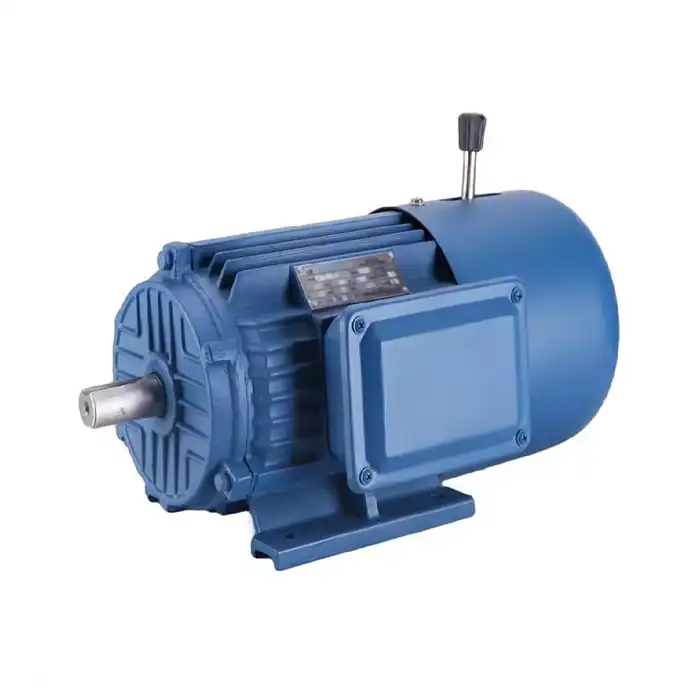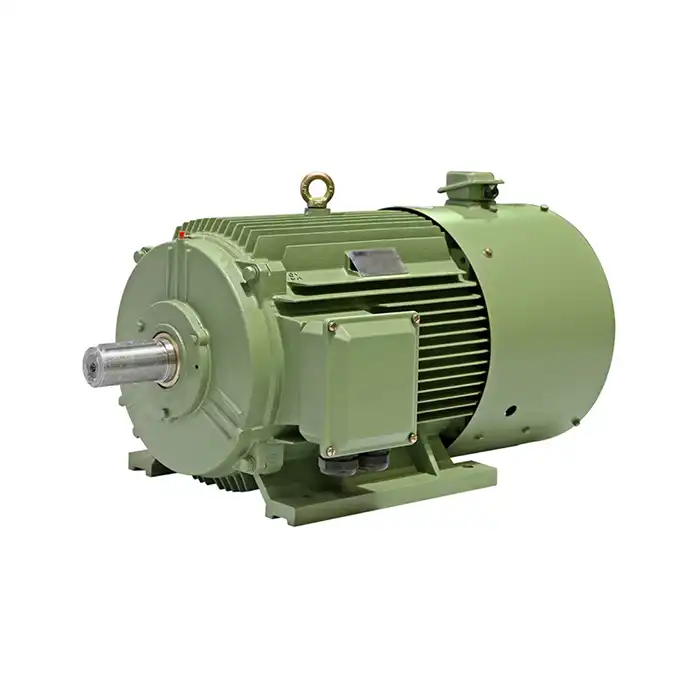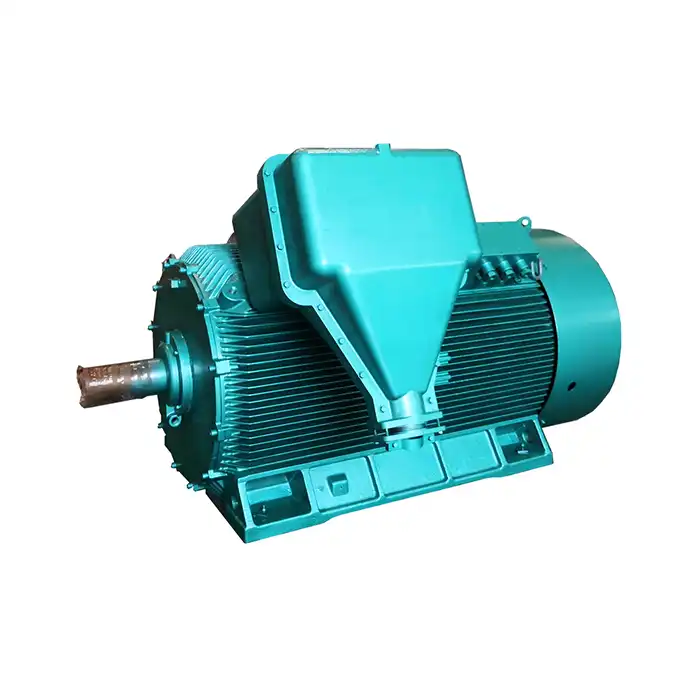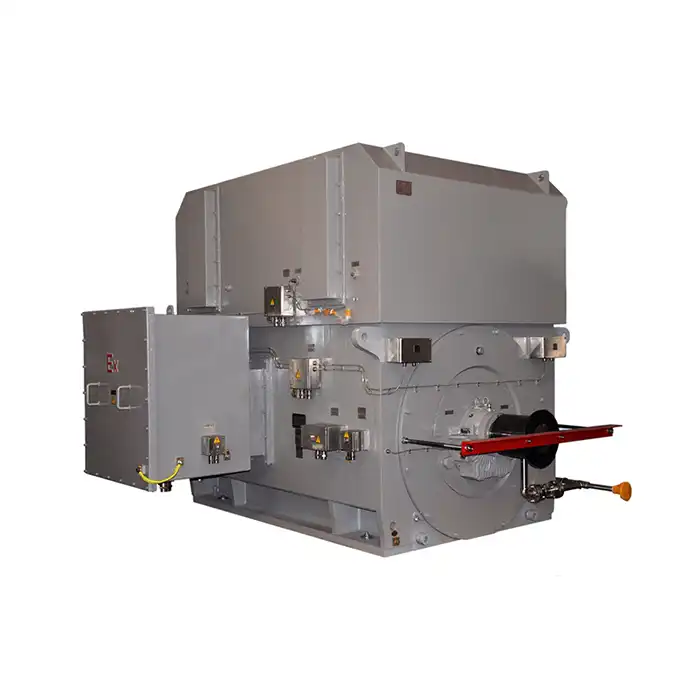




20hp DC Motor Specs: Voltage, Speed Range, Mounting
A 20hp DC motor delivers approximately 15 kW of continuous power and sits at a practical size point for auxiliary drives in rolling mills, conveyor systems, machine tools, and printing lines. The core specs that matter most during procurement are armature voltage (commonly 160V, 440V, or 660V), speed range (500–3000 RPM with a regulation ratio of 1:20 or better), and mounting configuration (foot, flange, or combined). Getting these three parameters right before placing a bulk order saves significant rework time and keeps your production schedule intact.
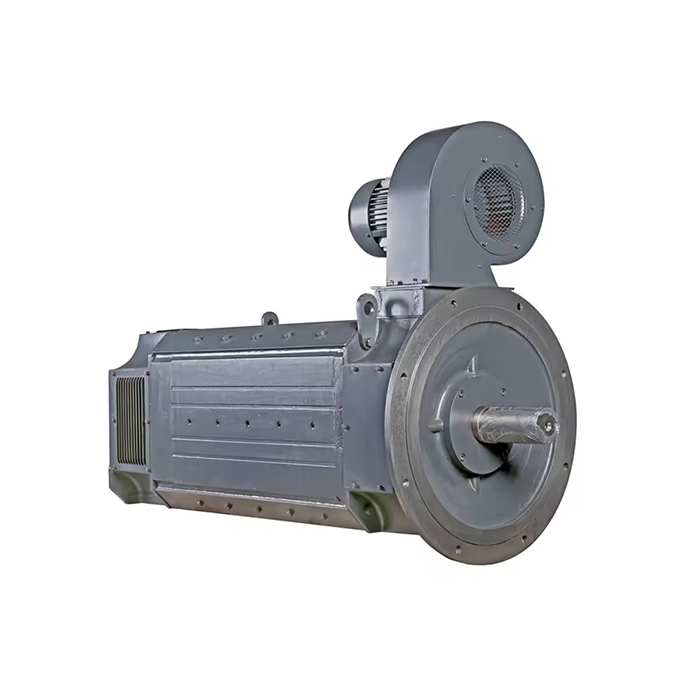
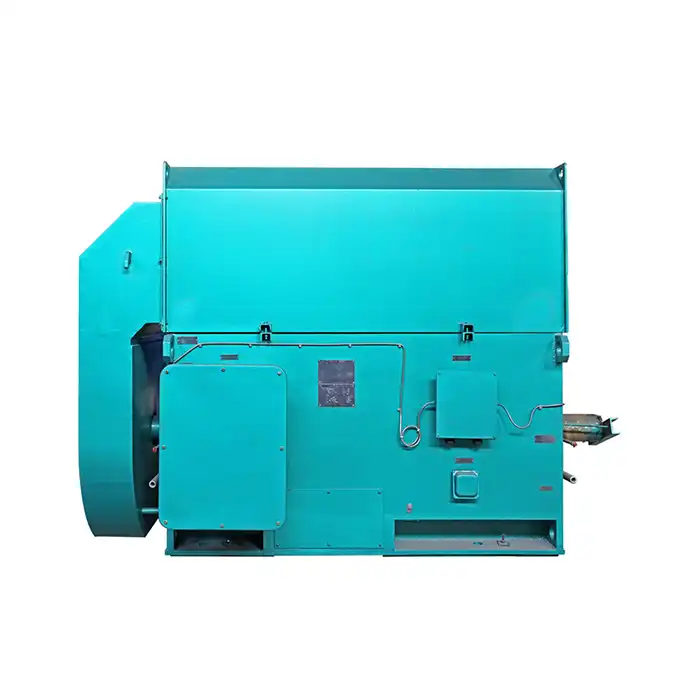
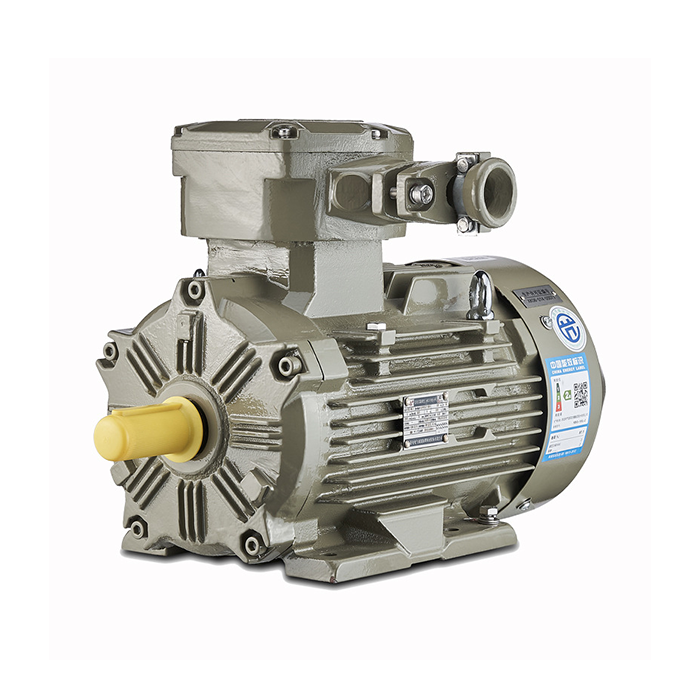
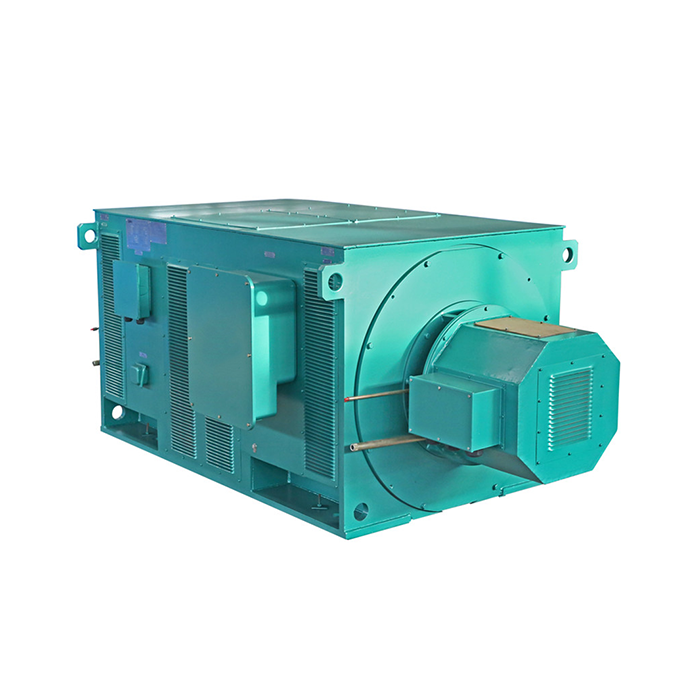
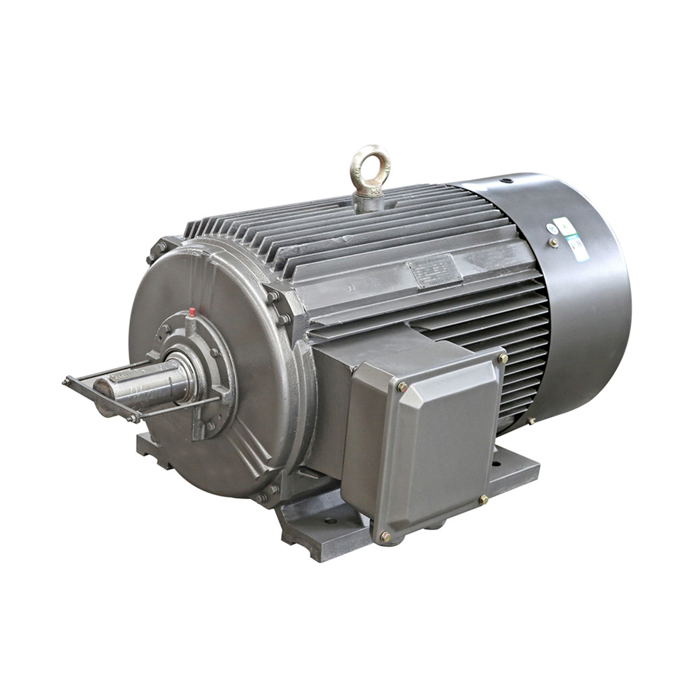
Series:Z4
Frame number: 100-450
Application:Z4 series motorsThis series of motors can be widely used in various industrial sectors such as metallurgical industrial rolling mills, metal cutting machine tools, papermaking, dyeing and weaving, printing, cement, and plastic extrusion machinery.
Power range:1.5-600kW
Voltage range: 160V,440V, etc.
Certificate: The performance of this series of motors not only complies with the national standard GB/T755 "Basic Technical Requirements for Rotating Electrical Machines", but also basically complies with the German VDE0530 standard.
Advantage:Z4 series DC motor has greater advantages than Z2 and Z3 series. It can not only be powered by DC unit power supply, but also suitable for static rectifier power supply. It has small moment of inertia, good dynamic performance, and can withstand high load change rates. It is especially suitable for control systems that require smooth speed regulation, high efficiency, automatic speed stabilization, and responsive response. It has reached the current international advanced level..
Others: SKF, NSK, FAG bearings can be replaced according to customer requirements.
Understanding 20hp DC Motor Specifications
To choose the right 20hp dc motor, you should first carefully read the data on the nameplate and compare it to the electrical systems you already have in place.
Voltage Ratings and Bus Compatibility
A 20hp dc motor's armature voltage must match the DC bus in your facility. 160V, 220V, 440V, and 660V are all standard options. The DC bus voltage is generally set in steel mill auxiliary drives like coilers, uncoilers, roller tables, and loopers. If you swap a motor without matching the voltage, you have to rewire or add a converter, which both take more time and cause more downtime. Our 20hp dc motors in the Z2/Z4 models come in two common voltages: 400V and 440V. Other voltages are available upon request.
Speed Range and Regulation
Process-line drives work best at speeds between 500 and 3000 RPM, which is equal to a 1:6 ratio when the power is kept steady. The speed ceiling goes up to at least 1.5 times the rated speed when field weakening is used. This makes a constant-power zone that can be used. Most specifications for rolling mills and printing presses call for a speed regulation ratio of at least 1:10, which is what the Z2/Z4-series 20hp dc motor achieves. One motor frame can cover more than one tension-control zone thanks to this wide range.
Mounting Types and Frame Numbers
A frame number in this power class ranges from 100 to 450. In industrial settings, there are three common ways to mount things: foot mounting (IM B3), flange mounting (IM B5), and foot-plus-flange mounting (IM B35). The foot mounting works with gearbox drives that are on the floor, the flange mounting fits directly onto pump or fan housings, and the combined mounting gives you options for retrofit projects. Bolt-hole designs line up without having to do any machining because the Z2/Z4 outer envelope fits old import frames from lines that are no longer being made.
Performance and Efficiency of 20hp DC Motors
If a motor can handle the load cycles of your application, its torque behavior and temperature control will tell you.
Torque-Speed Characteristics
The 20 hp dc electric motor we sell has a starting torque that is 200% of its rated torque. This is enough to meet the initial demand of conveyor belts and coiler mandrels that are loaded and running at zero speed. The constant-torque zone has a flat torque curve, which means that tension stays the same as speed goes up. When field weakening starts above base speed, torque drops while power stays close to the same. This profile works well for operations like winding and unwinding where linear speed needs to rise as roll diameter changes.
Efficiency and Thermal Class
Based on tests using IEEE 113 and JB/T 9577-1999 methods, the measured efficiency is 91% at full load. Class F insulation, which has a temperature limit of 155°C, is a good step up from Class B, which used to be the standard for older imported motors. The IC06's forced-ventilation cooling system keeps the windings at the same temperature even when the motor is running at a low speed for a long time. This stops the buildup of heat that damages insulation in frames that don't have ventilation.
Commutator Quality and Spark Management
In a brushed DC motor, the commutator is the part that is most likely to wear out first. With a bar-to-bar height difference of less than 0.005 mm and concentricity of less than 0.01 mm, our 20hp dc motor uses a silver-copper alloy commutator. These tolerances keep sparking within the Grade 1¼ limits set by IEC 60034-1 by lowering brush bounce and contact resistance variation. When plants switched to this specification from older imported motors that had problems with commutator erosion, the brush intervals got a lot longer.
Comparing 20hp DC Motors with Other Motor Types
A DC motor isn't necessary for all situations, but in some cases it's better than an AC motor.
DC vs. AC Induction Motors
Moving parts that use AC induction and variable-frequency drives are now commonly used in new installations. Adding AC equipment to an existing DC bus, on the other hand, requires rebuilding the whole drive box, recalibrating the tension controls, and teaching the electricians new skills. Costs quickly rise above the price difference between DC and AC gear for a 50–300-unit replacement job on a moving line. Keeping a 20hp dc motor on a thyristor drive that is already in place completely prevents that disruption.
Where the 20hp DC Motor Still Wins
One situation where a brushed 20hp dc motor is better than others is when there is existing DC infrastructure that isn't going to be replaced, when there is a need for high starting torque at zero speed without an encoder, and when there are a lot of replacement projects and the ability to use legacy frames with the new ones saves time and effort during installation.
Choosing the Right 20hp DC Motor for Your Application
Check four parameters against your application datasheet before sending out a purchase order.
Voltage and Drive Compatibility
Match the voltage of your armature to the output of your rectifier. If the output of your thyristor drive is 440V DC, you should specify an armature rating of 440V. Also, make sure that the field voltage fits. If it doesn't, the field will weaken at the wrong speed, which will mess up the tension control loops.
Speed, Torque, and Duty Cycle
Check that the range of speeds from 500 to 3000 RPM is enough for the machine you're using with the drive ratio you're using. Check the overload capacity. The 20hp dc motor we sell can handle 150% of its rated load for 60 seconds, which is enough time for most coiler acceleration ramps. For heavy duty use that lasts a long time, get the torque-speed curve and check it against your load profile before choosing the frame size.
Bearing and Customization Options
Standard bearings work well for most horizontal-shaft tasks. If you ask, SKF, NSK, or FAG bearings can be factory-installed in the 20 hp dc electric motor as replacements for positions with a lot of radial load, like direct-coupled pinch rolls. It's better to specify this option up front than to try to add it later.
Installation, Maintenance, and Troubleshooting Tips
For the rest of its life, a motor that was put properly on the first day needs much less care.
Wiring and Controller Setup
Follow the wiring diagram that comes with each unit to connect the armature and field terminals. Check the polarity before turning it on—reversed field polarity on a motor that is excited separately can cause it to speed up too quickly. To meet the overload requirements, set your drive's current limit to 150% of the motor's rated current. Make sure that the armature resistance measured at room temperature matches the drive's IR compensation value.
Routine Inspection Points
Every 2,000 hours of use, check the brushes. When brushes wear down to half their original length, they need to be replaced so that the spring pressure stays above the minimum level needed for stable contact. Check the surface of the commutator for glazing or grooving. A commutator stone can be used for light glazing, but a lathe skim is needed for grooving deeper than 0.5 mm. Every year, check the insulator resistance to ground. If it's less than 1 M© at 500V DC, that means water got in and needs to be dried out before the system can be turned back on.
Common Fault Patterns
Too many sparks at low speed are usually a sign of a bad brush grade, low spring pressure, or a dirty commutator surface. If it's too hot at full load, it could be because the ventilation tubes are blocked or the field circuit is breaking. Most of the time, strange noises at certain speeds are caused by worn bearings, not electrical problems. If these problems are fixed quickly, they won't cause unplanned downtime that throws off production plans.
Conclusion
For auxiliary drives on rolling lines, printing machines, and papermaking equipment where DC infrastructure is already present, a 20hp dc motor is still a practical, well-proven option. The important things that need to be checked off on the purchase checklist are matching the armature voltage (160V–440V), making sure the speed range is correct (500–3000 RPM, ≥1:20 regulation), checking the mounting frame against the original measurements, and checking the quality of the commutator before accepting it. In your technical specification, you should ask for objective quality markers like Class F insulation, silver-copper alloy commutators, and compliance with GB/T 755 and VDE 0530 standards. Confirmed stock supply cuts down on the time it takes to complete your project without affecting its ability to meet specifications.
FAQ
1. What speed range does a 20hp DC motor cover?
This machine can go from 500 RPM to 3000 RPM. The motor can reach at least 1.5 times its rated speed when field weakening is applied above base speed, and the speed regulation ratio is ≥1:20 when closed-loop control is used.
2. What mounting styles are supported?
From frame number 100 to 450, you can use foot mounting (IM B3), flange mounting (IM B5), or a combination of foot and flange mounting (IM B35). Frame sizes are in line with standards for the Z2/Z4 models.
3. How do I manage commutator wear in service?
Every 2,000 hours, check the length of the brush and change it when it's worn down by half. Once a year, check the commutator's centering. This motor has a silver-copper alloy commutator that keeps the bar-to-bar deviation below 0.005 mm. This makes the wear rate lower than with regular electrolytic copper segments.
4. Are spare parts and technical support available?
Yes, we have brushes, commutator segments, and bearings (including SKF, NSK, and FAG brands) in stock. You can get technical help seven days a week, even on the weekends.
Get Your 20hp DC Motor Quote from XCMOTOR Today
With verified compliance to GB/T 755, VDE 0530, ISO 9001:2015, and CE standards, XCMOTOR supplies 20hp dc motor units from stock. If you need a single trial unit or a large order of 50–300 motors for a rolling-line retrofit, our team can let you know within one business day about voltage compatibility, frame measurements, and lead time. To request a datasheet or price quote from a reliable 20hp dc motor supplier, email us at xcmotors@163.com or visit motorxc.com.
References
1. IEEE Standards Association. IEEE 113: Guide for Test Procedures for DC Machines. IEEE, 2015.
2. IEEE Standards Association. IEEE 665: Guide for Generating Station Grounding. IEEE, 2010.
3. National Standards of China. GB/T 755: Rotating Electrical Machines – Rating and Performance. Standardization Administration of China, 2019.
4. Verband der Elektrotechnik Elektronik Informationstechnik. VDE 0530: Rotating Electrical Machines. VDE, 2014.
5. National Standards of China. JB/T 9577-1999: DC Motors – Test Methods. Ministry of Machine-Building Industry of China, 1999.
6. Chapman, Stephen J. Electric Machinery Fundamentals, 5th ed. McGraw-Hill Education, 2012.