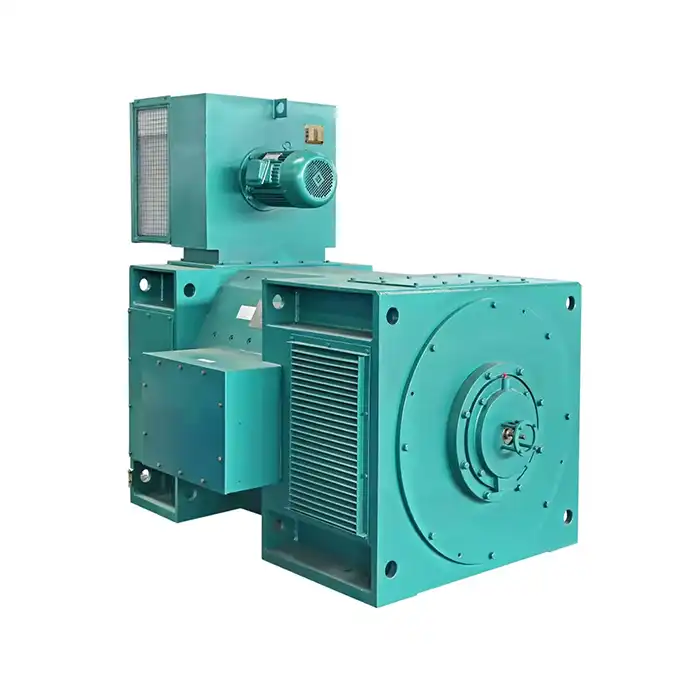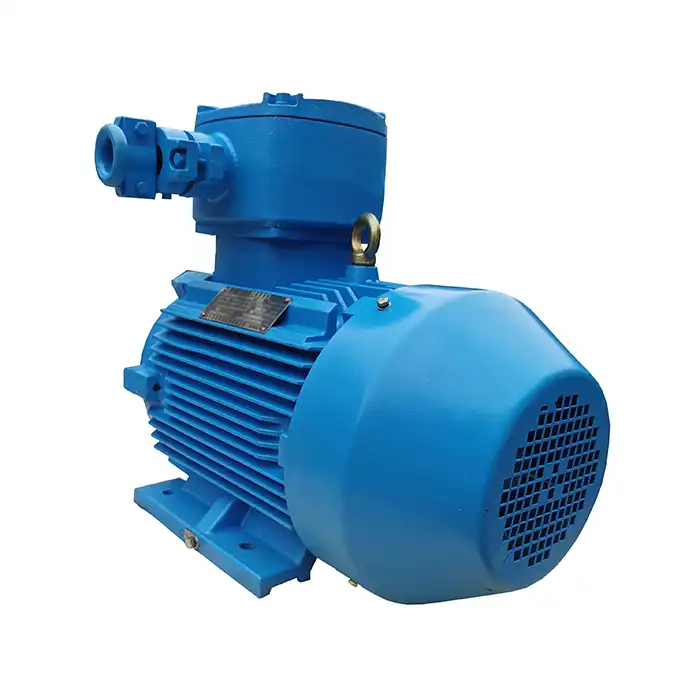




Ball Mill Motor Sizing: Do You Have Enough Torque?
If you are selecting a ball mill motor for a cement grinding line or mineral processing circuit, torque is the number you cannot afford to get wrong. A motor that delivers insufficient starting torque will stall under a loaded mill, trip protective relays, and create costly downtime. This guide walks through how to size a ball mill motor correctly, what torque figures to expect at each operating stage, and how to match motor specifications to real grinding conditions — so your mill starts cleanly, runs efficiently, and keeps production on schedule.
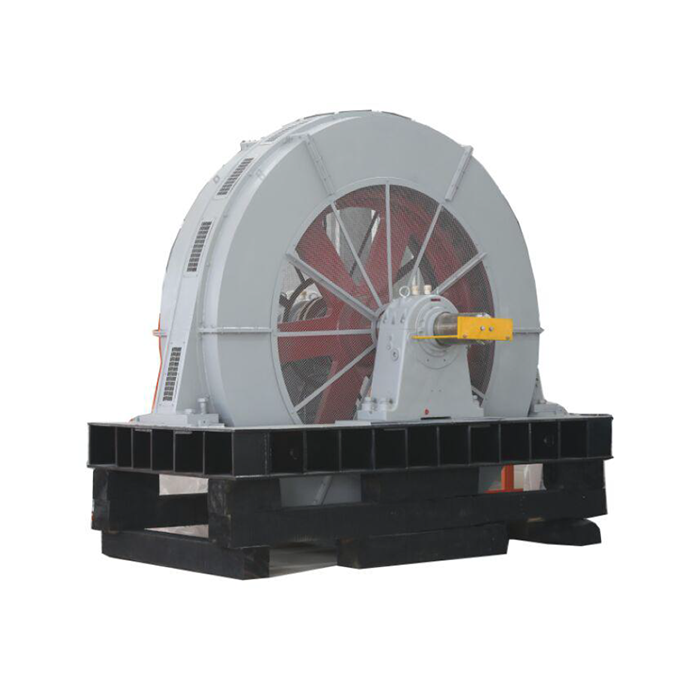
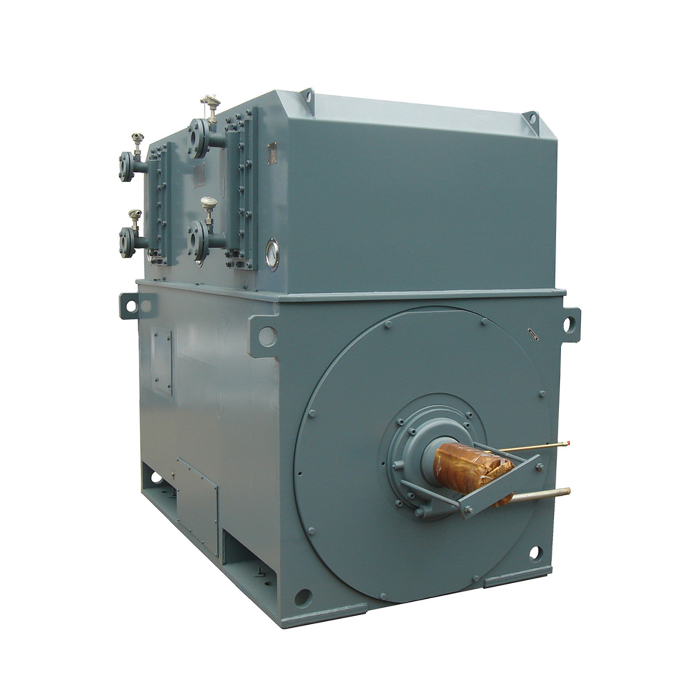
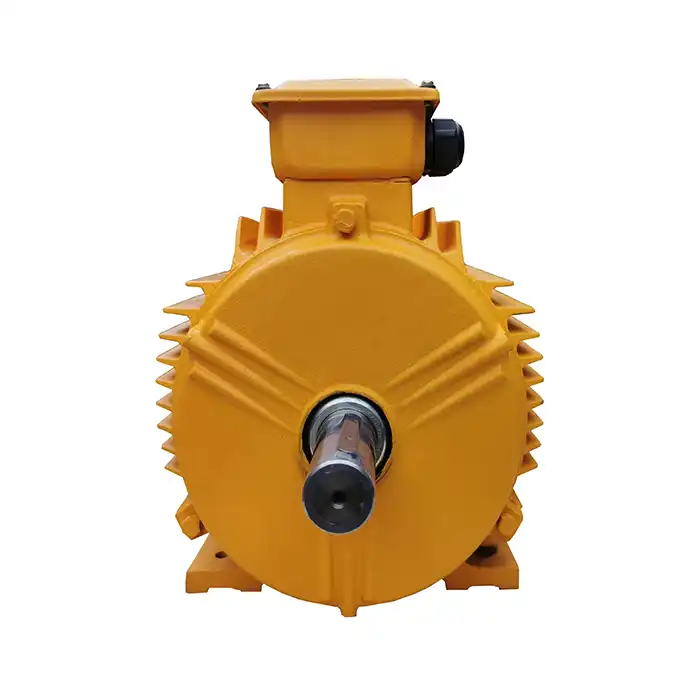
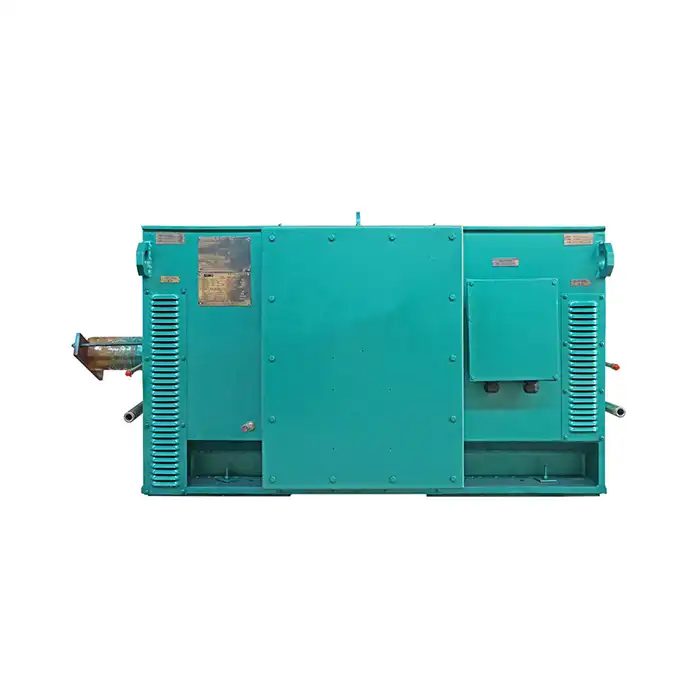
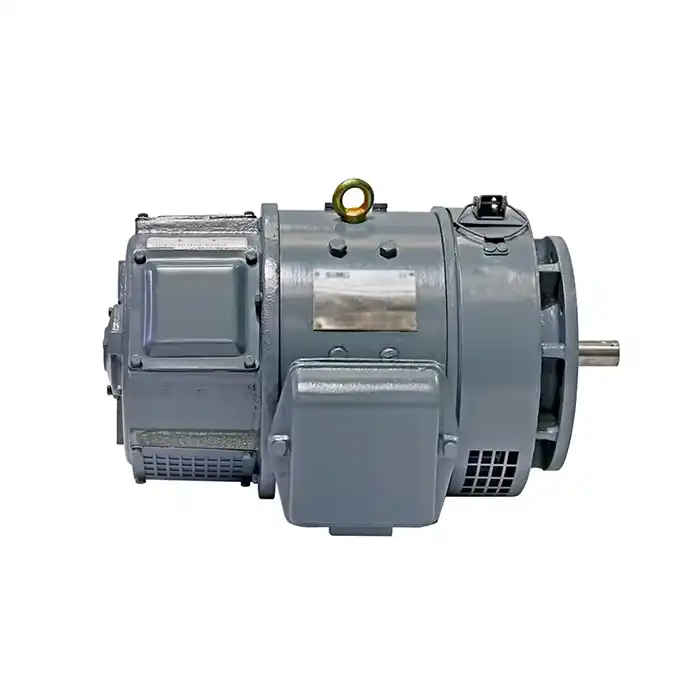
Series:TDMK
Voltage range:3000V±5%,3300V±5%,6000V±5%,6600V±5%,10000V±5%,
Power range:400-2000 kW
Application:Mining, cement.
Advantage:large starting torque.
Others: SKF, NSK, FAG bearings can be replaced according to customer requirements.
Understanding Ball Mill Motor Torque Requirements
How Torque Drives Grinding Performance
Torque is the force that a motor uses to turn the mill shell. In normal use, the mill has to deal with the weight of the grinding charge, friction between the liner and the material, and material resistance all at the same time. If the motor can't provide enough torque at low speed when the mill is first turned on, it won't turn at all. The Cement and Concrete Research journal says that grinding uses about 35–40% of all the energy used in a cement plant. This means that the right motor size has a direct effect on the cost of running the plant.
Key Factors That Affect Torque Demand
Torque needs are based on three operating states: startup, steady-state, and overload recovery. The motor has to do different things at each stage.
- Startup torque is the most demanding phase. A fully loaded mill can require 220–280% of rated torque at the moment of ignition. Undersizing here leads to repeated failed starts and winding stress.
- Steady-state torque reflects normal running load. Proper sizing keeps the motor operating between 75% and 95% of full load, the range where efficiency is highest.
- Overload recovery torque matters when feed composition changes abruptly, such as when harder ore enters the circuit. The motor must absorb the spike without tripping.
To change the torque curve, you can change the material grind size, the mill diameter, the charge amount, and the speed of spinning. A 5-meter ball mill turning at 12 rpm and a 3.8-meter cement mill turning at 17 rpm act in very different ways.
Calculating Motor Power and Torque
As a general rule, T (N·m) = 9,550 × P (kW) / n (rpm). The rated torque for a 1,000 kW motor running at 150 rpm is about 63,667 N·m. To account for changes in the load, procurement engineers should add a service factor of 1.15 to 1.25 to the value they've calculated. The most common mistake in EPC project specifications when it comes to size is skipping this margin.
Types of Ball Mill Motors and Their Torque Characteristics
Three-Phase vs. Single-Phase Motors
Three-phase motors are always used in industrial grinding mills. Motors with only one phase can't make the balanced spinning magnetic field needed to power loads more than a few kilowatts. Three-phase wound-rotor (slip-ring) motors, which are usually called YR or YRKK in Chinese standards, are the most common type used in cement and mines. This is because the external rotor resistance lets the torque be controlled during startup without the current spike that comes with direct-on-line starting.
Wound-Rotor vs. Squirrel-Cage Designs
Engineers can directly control the torque-speed curve of wound-rotor motors by changing the external resistance when the motor is first turned on. Because of this, they are the best choice for heavy grinding jobs where grid impact is a concern, such as ball mill motor applications. Even though squirrel-cage motors are easier to install and require less upkeep, the starting current can be as high as 600–700% of the maximum current. This is something that utility companies and plant electrical teams always warn about as a risk to the network.
Variable Frequency Drives and Torque Control
When you connect a squirrel-cage motor to a Variable Frequency Drive (VFD), the starting current drops to 150% or less, but the torque stays the same at low speeds. VFDs also let operators change the speed while the machine is running, which lets them fine-tune how much energy is used. The U.S. Department of Energy says that VFD-controlled motors can save 15–25% of the energy that is used in grinding tasks compared to fixed-speed operation.
Common Issues Related to Ball Mill Motor Torque and How to Solve Them
Recognizing Torque-Related Failure Symptoms
Longer-than-normal startup times, high winding temperature readings, and small vibration spikes at the drive end bearing are often the first subtle signs of a torque problem. If you don't fix these problems, they will get worse until the insulation breaks down and the winding fails. Vibration analysis and current signature monitoring work together to give maintenance teams the best picture of torque problems before they cause unplanned outages.
Troubleshooting Insufficient and Excessive Torque
Not enough power is usually caused by one of three things: a motor that is too small, rotor resistance contacts that are worn out, or voltage sag at the motor terminals during starting. Too much torque, which is less common but just as harmful, generally means that there is a technical problem in the mill or that the drive ratio is wrong. Here are the main steps you need to take to make a diagnosis:
- Measure terminal voltage under load and compare it with nameplate voltage. A drop greater than 5% at 6 kV or 10 kV significantly reduces available torque.
- Check rotor resistance values against the original commissioning record. Corroded or loose connections raise effective resistance and distort the torque curve.
- Review the DCS startup log for current and speed ramp data. Deviation from the original commissioning baseline points directly to the problem area.
Most torque problems in cement and mining plants can be fixed by doing these three checks instead of replacing the motor.
Maintenance Practices That Protect Torque Capacity
The condition of the bearings has a direct effect on the torque that the load feels from the motor. When a bearing is dirty or worn, mechanical friction rises, and the motor has to work harder to overcome this extra torque demand. While the motor is in use, parasitic torque losses stay low thanks to regular checks for vibration and temperature on both the drive-end and non-drive-end bearings and the right amount of lubrication at the right times.
Selecting the Right Ball Mill Motor for Your Application
Matching the rated power of the grinding equipment is not all there is to picking the proper ball mill motor. Buyers should evaluate starting torque, mill load, operating speed, supply voltage and needs of continuous production. If a motor does not have enough beginning torque it may not be able to spin an all loaded mill. This might result in delays in getting the mill started and extra mechanical stresses. Selecting a motor suited to the actual operating circumstances of the mill helps guaranty reliable grinding performance and decrease the danger of unexpected downtime for mining and cement facilities.
Match Starting Torque to the Mill's Load Conditions
A ball mill frequently requires a lot of torque to overcome the resistance of the grinding media and material within the drum, particularly at a loaded start. Thus, the engineers should consider the beginning needs of the mill and not the rated power. The XCMOTOR ball mill motors have a declared starting torque of 220%-280% of rated torque and so are good candidates for demanding grinding applications, assuming this is verified against the load characteristics of the mill. Before choosing a model, verify the needed breakaway torque, beginning frequency, acceleration duration, and starting technique. These criteria assist assess whether the motor can start the mill to working speed without excessive current or mechanical stress.
Select the Appropriate Power and Voltage Range
Motor power and supply voltage should be compatible with the mill driving system and production needs. XCMOTOR supplies ball mill motors from 400-2,000 kW, with voltage of 3,000V, 3,300V, 6,000V, 6,600V and 10,000V, with a tolerance of ±5%. Engineers must consider the mill diameter, grinding capacity, material hardness, goal throughput and transmission losses when sizing a motor. Oversizing increases the initial investment and may impact the efficiency of operation, while undersizing limits the output under severe load. The proper rating for the application is established by discussing the actual load profile and power needs with the equipment supplier.
Consider Operating Speed, Protection, and Maintenance
Long term performance also depends on the speed of the motor and the mechanical arrangement. The ball mill motor specs of XCMOTOR include a speed of 150–500 rpm, IP20 protection and Class F insulation. Buyers should check the needed shaft speed with the mill’s gearbox, coupler and drive arrangement before ordering. The installation environment is also important. If dust, moisture or other pollutants are present, IP20 protection may need extra protections. The SKF, NSK, FAG are available as replacements of typical deep-groove ball bearing for maintenance planning as per client needs. This may assist avoid installation mismatches and provide more predictable maintenance schedules by verifying these specifics before to purchase.
Future Trends in Ball Mill Motor Technology and Torque Control
Advanced Materials and Construction Methods
Improved motor materials and manufacturing processes are making ball mill motors more reliable in tough mining and cement conditions. Stable electromagnetic performance and mechanical strength under large loads are supported by high-quality core laminations, meticulously developed windings and precision cast housings. For big ball mills these design variables are of particular importance since the motor must provide adequate starting torque to overcome the resistance of loaded grinding media. The XCMOTOR ball mill motors have a starting torque of 220%-280% rated torque and are available in power ratings from 400 to 2,000 kW. Customers may also order SKF, NSK or FAG bearings according to their maintenance preferences and operational needs.
Smart Sensors and Real-Time Torque Monitoring
By putting vibration, temperature, and current sensors right into the motor housing, plant DCS systems can get real-time information on torque loading without having to add extra equipment. The control room can see the trend in torque and change the feed rate before a trip happens when the motor talks over Modbus or Profibus. According to big cement EPC contractors, this method is the right one because they want to use less energy—less than 32 kWh per ton of clinker.
Digital Controls and Long-Term ROI
When you combine VFD speed control, real-time torque tracking, and DCS integration, you can see that both energy costs and unexpected downtime go down. At the industrial electricity rates in the U.S., a 5% drop in specific energy means hundreds of thousands of dollars in savings every year for a 1,500 kW cement grinding motor that runs 8,000 hours a year. That financial case makes it easy to justify spending money on well-designed and well-supported drive systems.
Conclusion
Torque size is not something that you decide on at the end of the motor selection process; it is the first thing that you do. Before sending out a buy order, making sure the starting torque, rated torque, and overload torque numbers are correct stops stalled starts, grid disturbance fines, and early winding failure. This guide talks about ball mill motor specs that are 400–2,000 kW, 6 kV/10 kV, 220–280% starting torque, Class F insulation, and flexible bearing sources. These specs are enough for most grinding jobs in cement and material processing right now.
FAQ
1. How do I know if my ball mill motor has enough torque?
Compare the motor's nameplate starting torque (expressed as a percentage of rated torque) against the mill manufacturer's required breakaway torque. For a fully loaded mill, you typically need 220% or more of rated torque at startup. If your motor's datasheet shows a lower figure, the motor is undersized for that application.
2. Can a VFD increase available torque on an existing motor?
A VFD does not increase peak torque, but it allows the motor to deliver full torque at low speed without the high inrush current of direct-on-line starting. This makes the startup process smoother and reduces the mechanical stress on the drive train and mill shell.
3. What causes a ball mill motor to overheat during startup?
Overheating during startup usually means the motor is taking too long to reach operating speed, which happens when starting torque is insufficient for the mill load. Extended acceleration time forces the rotor and stator windings to absorb more heat than the insulation system is rated to handle over repeated cycles.
4. How often should bearing condition be checked on a grinding motor?
Vibration and temperature readings at the bearing locations should be recorded at least monthly under normal conditions and weekly during the first 500 hours after installation or bearing replacement. Bearing failure is the leading cause of torque loss and unplanned stops in large grinding motors.
Get the Right Ball Mill Motor for Your Grinding Line — Contact XCMOTOR
For use in cement plants and mines, XCMOTOR offers ball mill motors with 400 to 2,000 kW of power at 6 kV and 10 kV. Our motors are certified by ISO 9001:2015, CE, and CCC, and if you ask, we can change the bearings to SKF, NSK, or FAG. To get specs, prices, or a factory acceptance test report from a reliable ball mill motor provider, email our engineering team at xcmotors@163.com or go to motorxc.com.
References
1. Alsop, P. A. The Cement Plant Operations Handbook. Tradeship Publications, 2019.
2. Wills, B. A., & Finch, J. A. Wills' Mineral Processing Technology. Butterworth-Heinemann, 2016.
3. U.S. Department of Energy. Improving Motor and Drive System Performance: A Sourcebook for Industry. Office of Energy Efficiency and Renewable Energy, 2014.
4. IEC 60034-1. Rotating Electrical Machines — Part 1: Rating and Performance. International Electrotechnical Commission, 2022.
5. Boldea, I., & Nasar, S. A. The Induction Machine Handbook. CRC Press, 2010.
6. Taylor, D. A. "Energy Efficiency in Cement Grinding." Cement and Concrete Research, Vol. 52, Elsevier, 2013.