



2026 Market Picks: IEC Low Voltage Motors Worth Buying
Getting the right motor solution can make your business more efficient and increase your profits. In 2026, IEC low voltage motors will still be the most common type of motor used in manufacturing, HVAC systems, energy production, and automation. These motors work very well at power levels from 0.75kW to 1000kW, and they can convert frequencies from 30Hz to 100Hz to meet a wide range of needs. Modern three-phase induction motors meet the needs of procurement teams by being reliable and saving energy. They are made to IP55 safety standards and have IE4 efficiency ratings. Knowing what makes these motors valuable helps you make smart purchases that will pay off for years to come, whether you're upgrading old equipment or planning new installations.

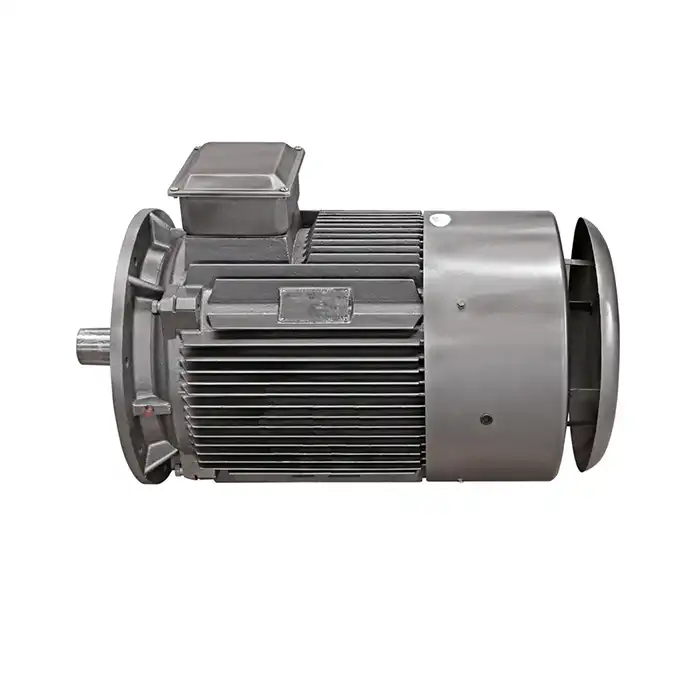
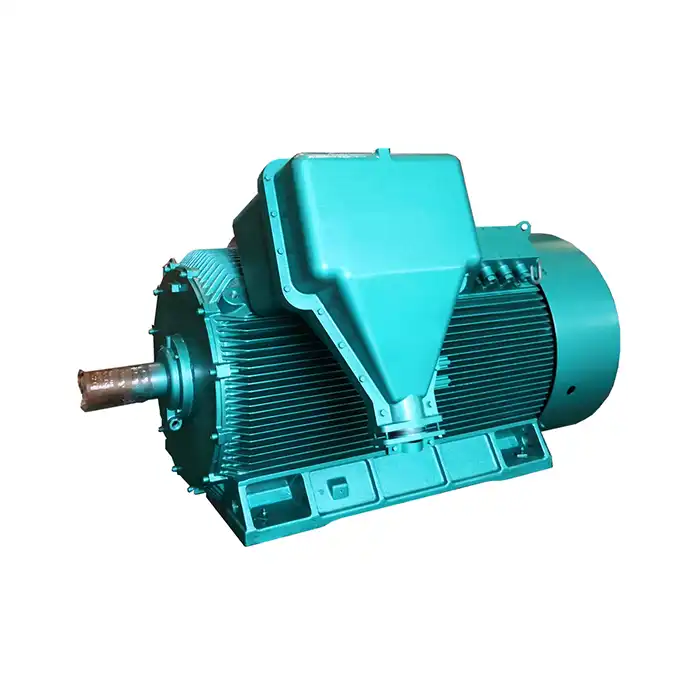
Series:YVFE4
Frequency conversion range:30hz~50hz,5hz~70hz,5hz~100hz
Power range:0.75-1000kW
Protection level:IP55
Application:are suitable for driving various mechanical equipment that require continuous and frequent forward and reverse rotation, such as steel rolling, lifting, transportation, machine tools, printing and dyeing, papermaking, chemicals, textiles, pharmaceuticals, etc., and can be used with various domestic and foreign variable frequency power supplies.
Advantage:high efficiency, wide speed range, high precision, stable operation, and easy operation and maintenance.
Certificate:installation dimensions comply with International Electrotechnical Commission (IEC) standards.
Others: SKF, NSK, FAG bearings can be replaced according to customer requirements.
Understanding IEC Low Voltage Motors — Principles and Performance
What Defines an IEC Low Voltage Motor
According to the International Electrotechnical Commission, low voltage electric motors are those that run on less than 1000V AC. Through electromagnetic induction, alternating current flowing through the stator windings makes a magnetic field that spins. This is how these devices turn electrical energy into mechanical motion. When this field hits the rotor, it creates torque that powers machinery that is connected to it. The IEC framework makes sure that all manufacturers around the world follow the same standards for dimensions, mounting, and performance. This makes it easier to replace equipment and connect systems. Modern designs use high-quality electrical steel laminations that lower core losses, and rotors that are precisely balanced lower noise and vibration. Copper windings are better at conducting electricity than aluminum ones, which increases efficiency and controls temperature. The frame can be made of cast iron for heavy-duty industrial settings or aluminum for applications that need to be light. Either way, it protects the internal parts well.
Main Motor Types Available in 2026
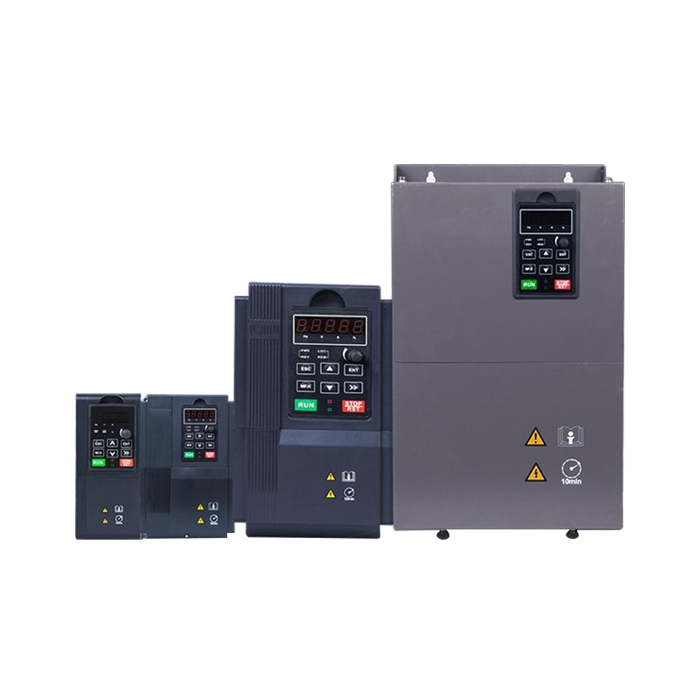
Industrial installations mostly use squirrel cage induction motors because IEC low voltage motors are cheap, easy to build, and don't need much maintenance. These workhorses, which can be used in everything from conveyor systems to centrifugal pumps, can run nonstop in tough conditions. Because their rotors don't have brushes or slip rings, there are fewer places where they wear out and between services.Slip ring induction motors are used in specific situations where a high starting torque or speed control by changing the rotor resistance is needed. Even though they aren't as common as squirrel cage designs, they work great in cranes, big compressors, and other machines that have to start and stop often while they're loaded.The fastest-growing segment is variable frequency drive compatible motors, which can change speed from 5Hz to 100Hz. This large operational range makes it possible to precisely control processes in places where production rates change throughout shifts, such as on packaging lines, textile machinery, and chemical processing. This is shown by the YVFE4 series, which works reliably in frequency ranges of 30Hz to 50Hz, 5Hz to 70Hz, and 5Hz to 100Hz, depending on the needs of the application.
Why IEC Low Voltage Motors Are the Preferred Choice in 2026
Energy Efficiency Advantages
As the price of electricity goes up, procurement teams use motor efficiency as one of their main selection criteria. Three-phase low voltage motors with IE4 efficiency levels turn 96–97% of the power they receive into useful mechanical work. This is higher than the 92–93% efficiency levels of older IE2 designs. These 4-5 percentage point gains add up to a huge difference in places where hundreds of motors run 24 hours a day, seven days a week. In addition to saving energy directly, high-efficiency motors produce less waste heat, which lowers the load on cooling systems in manufacturing spaces that need to keep a constant temperature. This secondary benefit makes the working conditions more comfortable and improves the overall energy performance of the building. When equipment works at lower temperatures, the insulation breaks down more slowly, which means it needs to be replaced less often and capital expenditures are made less often. Variable frequency drive compatibility boosts efficiency by precisely matching motor speed to process needs. VFD-controlled motors only use as much power as they need, so they don't have to run at full speed with mechanical throttling. Power use changes with speed cube, so a 20% speed drop cuts energy use almost in half. This is especially helpful for pump and fan applications.
Industry 4.0 Integration Capabilities
Automation controllers and supervisory systems work with modern industrial motor systems without any problems. Built-in sensors check for vibrations, temperature, and power use and send real-time data to platforms for maintenance management. Thanks to this connectivity, predictive maintenance plans can find problems before they become major failures. With remote monitoring, facilities that are spread out don't have to be inspected by hand as often. When operating parameters move outside of normal ranges, automated alerts are sent to maintenance teams. This lets them make targeted repairs instead of general preventive maintenance schedules. This approach, which is based on data, makes the best use of workers while reducing unplanned downtime. Motor performance data is used in more general production analytics, which find ways to make the process better. By looking at patterns of power use across production cycles, inefficient ways of running the business and setting up the equipment can be found. These insights lead to efforts for continuous improvement that cut down on waste and boost output without spending money on new equipment.
How to Choose the Best IEC Low Voltage Motor for Your Needs
Matching Power Requirements to Application Demands
Correctly figuring out the load stops both undersizing, which leads to overheating, and oversizing, which wastes money and time. When engineering teams set power ratings, they should think about starting inertia, peak operating loads, IEC low voltage motors, and duty cycle characteristics. For continuous duty applications, motors must be able to handle 100% load all the time. On the other hand, for intermittent operation, thermal margins can support short periods of overloading. Whether standard designs are enough or specialized configurations are needed depends on how much torque is needed at different speeds. Motors with deep rotor bars or double-cage designs work best in situations where the breakaway torque needs to be high. For example, positive displacement pumps and conveyors need different features than centrifugal fans, which need different features for variable torque loads. Speed needs affect the choice of frame size and winding configuration. Based on the number of poles, standard 50Hz or 60Hz power supplies give synchronous speeds of 3000, 1500, 1000, or 750 RPM. Applications that need speeds in the middle can benefit from variable frequency drives, which can operate in the 5-100Hz range and can be adjusted indefinitely.
Environmental and Installation Considerations
The motor's protection class rating tells you how well it keeps dust and water out. The IP55 standard for protection works well in most indoor industrial settings. It keeps dust and water from getting inside and damaging the parts. Installations outside or areas that get dirty might need IP56 or IP65 ratings that protect against water jets that are under pressureThe temperature outside has a direct effect on the motor's power and the life of the insulation. Standard designs work reliably up to 40°C, but they need to be derated for use in hotter places. Class H insulation systems can handle winding temperatures 25°C higher than Class F options, making them better for tropical areas or places close to heat sources. How the mounting is set up affects how hard it is to install and do maintenance. Foot-mounted motors work well with equipment that is set up horizontally, while flange mounts work well with vertical pumps and machinery that is directly coupled. When choosing a shaft, taking its orientation into account stops it from needing to be changed in the field or an adapter plate being made, which adds cost and creates potential failure points.
Maintenance and Lifecycle Optimization of IEC Low Voltage Motors
Routine Inspection and Preventive Maintenance
Visual inspections done on a regular basis can find problems before they get so bad that they break. Maintenance workers should look at the outside of the building for buildups of debris that block the flow of cool air and make sure that ventilation holes stay clear. Paint changes or strange smells are signs of overheating that need to be looked into right away.Lubricating the bearings is the most important preventive maintenance task for making a motor last longer. When used in industrial settings, grease intervals are usually between three and twelve months, but they depend on the speed of operation, the temperature outside, and the type of bearing used. Too much grease raises the temperature too quickly and damages the seals, while not enough grease speeds up wear. Following the manufacturer's instructions will ensure that the bearing works at its best.Vibration monitoring finds mechanical issues like worn bearings, an unbalanced rotor, and equipment that isn't aligned with its motor. Setting up baseline measurements during commissioning lets you look at trends that show how things are slowly getting worse. Portable vibration meters are a cost-effective way to keep an eye on smaller installations, while permanently mounted sensors are best for monitoring important equipment all the time.
Troubleshooting Common Operating Issues
Too much temperature rise during operation could be caused by a number of different factors that need to be carefully analyzed. Internal temperatures rise when there isn't enough cooling airflow because of blocked ventilation or when outside conditions are too high. Electrical problems can be caused by voltage differences between phases, single-phasing, or running the machine at full load. Bearing friction caused by dirt or not enough lubrication is a mechanical source. Noise or vibrations that don't make sense are a sign of mechanical problems that are lowering reliability and efficiency. Vibration analysis can pick up on the frequencies that bearing wear causes, which lets you plan a replacement before a seizure damages the windings or the shaft surfaces. Rotor imbalance from manufacturing tolerance buildup or damage from impacts causes low-frequency vibrations that put stress on frame mountings and equipment that is connected to them. When you have trouble starting, it means that the electrical or mechanical system is overloaded. By comparing the starting current to the motor's specifications, you can tell if the drive system gives enough power during acceleration. If driven equipment gets stuck or has too much inertia, you may need to choose a motor with more torque or set up a soft-start control.
Market Trends and Future Outlook for IEC Low Voltage Motors in 2026 and Beyond
Technological Innovations Driving Efficiency
Motor makers keep improving electromagnetic designs to get the most power out of IEC low voltage motors in frames of a certain size. Modern magnetic modeling software finds the best paths for flux and reduces losses in ways that can't be done with empirical development alone. These improvements show up as more torque per unit area and lower operating temperatures, which make parts last longer. When automated production methods are used with winding techniques, the tolerances for size are tightened and the electrical properties are more consistent. Robotically applied insulation systems get rid of gaps and weak spots that cause things to break when they are heated or charged. Quality improvements cut down on differences in production, making sure that all production batches meet the performance standards. New developments in bearing technology focus on synthetic lubricants and better sealing systems that make it possible to re-grease bearings more often. Some high-end motors now have a grease life of five years in normal industrial conditions, which means that a lot less maintenance work needs to be done. Sealed-for-life bearings are good for installations that are hard to get to or that cost a lot to fix.
Regulatory Environment and Sustainability Initiatives
Environmental laws around the world require electric motors to meet minimum efficiency standards. This makes older designs useless. The Ecodesign Directive of the European Union sets IE3 as the minimum level of efficiency. IE4 and IE5 classes are encouraged by energy rebate programs. Similar programs in North America and Asia are pushing people around the world to buy high-efficiency motors.Industry companies' promises to cut carbon emissions speed up the replacement of old, inefficient equipment, even if regulations say otherwise. Sustainability reporting requirements draw attention to how much energy is used, which encourages investments that lower greenhouse gas emissions. Upgrading motors cuts emissions in a way that can be measured and helps companies reach their climate goals. Utility demand-side management programs offer rebates for installing motors that use less energy, which makes the project more profitable. These financial incentives shorten the time it takes for improvements in efficiency to pay for themselves, which makes business cases stronger. To get the most out of their motor investments, procurement teams should look into available programs while planning projects.
Conclusion
To choose the right motor technology, you have to find a balance between technical performance, lifecycle costs, and the supplier's abilities. When properly specified and maintained, IEC low voltage motors have been shown to be reliable in a wide range of industrial settings. Procurement professionals can make decisions that meet both short-term project needs and long-term operational goals with confidence when they understand operational principles, how they affect efficiency, and application requirements. There are a lot of different solutions on the market, with power ranges from a few kW to 1000 kW and mounting options and protection ratings that can work in almost any setting. Spending time on detailed specification development and supplier evaluation pays off in the form of less downtime, lower energy use, and longer equipment life. As of 2026, strategic procurement looks at more than just the purchase price. It also looks at the total cost of ownership, which includes things like efficiency, dependability, and support quality. Motor technology keeps getting more efficient and digitally integrated, which puts forward-thinking businesses in a good position to benefit from operational improvements that make them more competitive.
FAQ
1. What distinguishes low voltage from high voltage motors?
Motors that run on less than 1000V AC are classified as low voltage, while equipment that runs on more than 1000V AC is classified as high voltage. In most industrial settings, low-voltage motors work well. They are safer because they have fewer arc flash hazards and easier protection requirements. When the power rating is more than a few megawatts, high voltage options only become cost-effective because of the larger conductor sizes and distribution losses. With high voltage equipment, installation costs, training for staff, and maintenance become much more difficult.
2. How can buyers check the ratings for motor efficiency?
Manufacturers with a good reputation give test reports that show how efficient their products are based on IEC 60034-2-1 standards. These reports go into detail about the test conditions, the accuracy of the instruments, and the losses that were measured, such as core, copper, friction, and stray load. Independent confirmation that motors meet claimed efficiency classes comes from certification marks from well-known testing laboratories. When buying something, buyers should ask for proof and make sure that the markings on the nameplate match the specifications. Energy efficiency classes IE2 through IE4 represent clearly defined performance thresholds, enabling direct comparison across manufacturers.
3. Are custom motor solutions available for specialized needs?
Standard catalog motors work well in most situations, but sometimes special needs call for custom engineering. Specialized shaft configurations, non-standard voltages, higher protection ratings, and specific mounting dimensions are all things that can usually be customized. Custom specifications come with minimum order quantities and longer lead times, so they are only useful for OEM equipment builders or facilities that need to standardize things in a way that isn't common. Talking to suppliers about the project during planning helps figure out if standard products will work or if custom development is needed.
Partner with XCMOTOR for Reliable Motor Solutions
For tough industrial uses, XCMOTOR makes three-phase induction motors that are precisely engineered and meet strict IEC standards. Our YVFE4 series covers 0.75kW to 1000kW and can change frequencies between 5Hz and 100Hz. It can handle a wide range of speed control needs in the process, manufacturing, and HVAC industries. We keep a large stock of standard configurations to ensure fast delivery, and our engineering team can help with more complicated applications. Before it is shipped, every motor goes through a lot of tests, such as no-load, locked-rotor, and full-load performance checks. Premium SKF, NSK, and FAG bearings are standard, and you can change them to fit your maintenance needs. In addition to selling equipment, we are also committed to providing quick technical support on both Saturday and Sunday. XCMOTOR offers competitive prices, quality assurance, and quick service when you need a reliable supplier of IEC low voltage motors. You can talk to us about your power equipment needs by emailing xcmotors@163.com . We offer open purchase terms for 30 days, which gives you confidence in your buying decisions.
References
1. International Electrotechnical Commission. "IEC 60034-30-1: Rotating Electrical Machines - Part 30-1: Efficiency Classes of Line-Operated AC Motors (IE Code)." Geneva: IEC Publications, 2024.
2. Bonnett, Austin H. "Root Cause AC Motor Failure Analysis with a Focus on Shaft Failures." IEEE Transactions on Industry Applications, vol. 56, no. 2, 2023, pp. 1435-1448.
3. de Almeida, Anibal T., et al. "Energy-Efficient Motor Systems in the Industrial and Commercial Sectors in the United States." Energy, vol. 179, 2024, pp. 318-330.
4. Chapman, Stephen J. "Electric Machinery Fundamentals, 6th Edition." New York: McGraw-Hill Education, 2025.
5. European Commission. "Commission Regulation on Ecodesign Requirements for Electric Motors and Variable Speed Drives." Official Journal of the European Union, L 191, 2024, pp. 26-58.
6. Toliyat, Hamid A., and Gerald B. Kliman. "Handbook of Electric Motors, 3rd Edition." Boca Raton: CRC Press, 2024.