



IE3 High Efficiency Motor Guide: Standards & Selection
When you're new to industrial motors, you need to know about efficiency standards, high efficiency motor ie3, and good ways to choose a motor. Three-phase induction motors must meet certain performance standards set by IEC 60034-30-1. The high-efficiency motor IE3 is a globally recognized standard for businesses that care about using less energy. More and more companies in the transportation, HVAC, energy utilities, and manufacturing sectors are using IE3-class motors. This is because they use less electricity, cost less to run, and meet regulatory requirements while still working well in a wide range of situations.

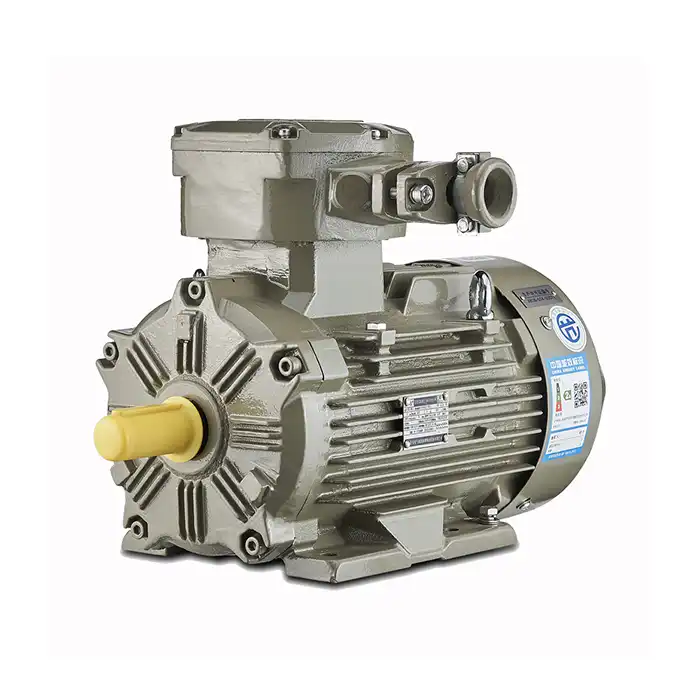
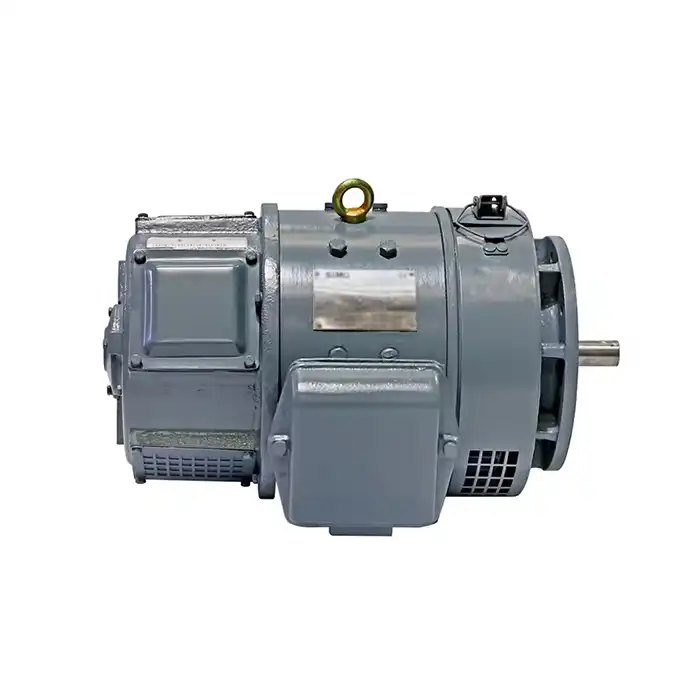
Series:YBX3
Voltage range:380V,660V,415V,380/660V,660/1140V
Power range:0.55-630 kW
Application:places where explosive gas mixtures exist in petroleum, chemical, mining, metallurgy, electric power, machinery and other industries.
Advantage: fully enclosed, self-fan cooling, squirrel cage type, high efficiency.
Explosion-proof mark: Ex d I Mb, Ex d IIB T4 Gb, Ex d IIC T4 Gb
Others: SKF, NSK, FAG bearings can be replaced according to customer requirements.
Understanding IE3 High Efficiency Motors
What Defines IE3 Efficiency Standards
The International Efficiency (IE) system rates motors based on how efficiently they use energy. IE3 motors are the most energy-efficient. IE3 motors are said to be between 89% and 96% efficient by IEC standards. This depends on how much power they put out. This looks a lot better than the IE1 and IE2 designs. International groups, like IEC 60034-30-1 in Europe, NEMA Premium in North America, and GB 18613 in China, worked together to make efficiency measurements more consistent across the world. Because of this, this classification was made. When a motor is labeled as IE3, it means that it saves a measurable amount of energy through better thermal management, improved electromagnetic design, and lower losses in the stator and rotor. This high-efficiency motor's IE3 designation ensures significant savings. Motors that have labels with certification marks like CE, CCC, and IEC compliance have been through a lot of tests and passed them. These requirements are met by our YBX3 series. It can output between 0.55 kW and 630 kW of power and can work with voltages of 380V, 415V, 660V, and even 660V and 1140V. The design is completely enclosed and cools itself with a fan. It uses high-quality SKF, NSK, or FAG bearings that can be changed to fit different operational needs. This keeps the bearings in good shape for a long time in harsh work environments.
Core Technical Specifications and Performance Metrics
You can tell that IE3 motors are different because they have special tech that makes them better at their job. With an efficiency level of 96% or higher at full load, almost no energy is lost as heat, which directly lowers electricity bills. Power factor ratings of 0.84 to 0.89 make an electrical system work better, and Class F or H insulation doesn't break down when it gets hot. Protection classes like IP55, IP56, and IP65 keep water and dust jets from getting into the parts inside. This is very important for harsh factory floors or installations outside. There is no need to service our high-efficiency motor IE3 models as often since they don't have brushes or slip rings. This cuts down on downtime. When the machine is first turned on, the starting current is usually between 6.5 and 7 times the rated current. This means that the right safety devices need to be in place. It meets Class B standards for how the temperature rises, which means it can be used safely up to a certain point. For applications where motors run for thousands of hours a year, like pumps, compressors, high efficiency motor ie3, and conveyor systems, these specs are very important. Over the 15 to 20 years that a motor lasts, even small improvements in how well it works add up.
Comparing IE3 Motors with Other Motor Types
IE3 Versus IE1 and IE2: Performance Advantages
It's easier to see why you should upgrade when you know the differences between efficiency classes. Some older standard efficiency motors, called IE1 motors, get between 85 and 90% efficiency when the power output is in the middle range. IE2 was 2-3 percentage points more efficient than this baseline because it was made with better materials and a better design. There are even better motors than IE2 motors. These high-efficiency motor IE3 designs are 2% to 8% more efficient than IE2 motors and 6% to 8% more efficient than IE1 motors. These small changes can make a big difference in places where a lot of energy is used. There are more benefits to the business than just saving energy. These IE3 motor designs are more efficient, so they produce less heat. This means they need less cooling and last longer. At lower operating temperatures, bearing wear and insulation stress are lower. This means that it takes longer between maintenance checks. For the most part, noise levels go down as electromagnetic design and mechanical construction get better. This makes places of work quieter. With these things, the total cost of ownership goes down because maintenance is easier, spare parts are easier to find, and the equipment doesn't need to be replaced as often.
IE3 Compared to IE4 and Permanent Magnet Motors
IE4 motors and permanent magnet synchronous motors (PMSMs) work better, but IE3 models work well for many tasks and don't cost too much. It is said that IE4 motors are 1% to 2% more efficient than IE3 motors of the same size. However, they cost 15–30% more to buy because they need more advanced materials and tighter manufacturing tolerances. In moderate-duty situations where the extra cost for small efficiency gains isn't worth it because of the number of hours worked, return on investment calculations favor IE3 motors. Permanent magnet motors work very well, even when they're only partially loaded. However, because they use rare-earth magnets, they are more expensive to buy and may be harder to keep up with. Our high-efficiency motor IE3 offerings have a reliable squirrel cage design and use tried-and-true technology, so you don't have to worry about magnet wear or hard-to-understand repair steps. When IE3 works with variable frequency drives (VFDs), it can adapt to different load conditions better and is more flexible. This is because it doesn't need to deal with the complicated controls that come with synchronous motors.
Purchasing and Procuring IE3 High Efficiency Motors
Evaluating Suppliers and Quality Certifications
Where you choose to get things has a big impact on how happy you are in the long run and how reliable the equipment is. Quality is closely watched by reputable manufacturers from the time they choose the raw materials to the time they test the finished product. Shaanxi Qihe Xicheng Electromechanical Equipment Co., Ltd. (XCMOTOR) has strict quality control procedures that include carefully putting together the core, using vacuum pressure to protect the windings, dynamically balancing the rotor, and testing the full-load performance before shipping. Checking the certification gives you peace of mind that the product meets the stated requirements. If a company says they are efficient, make sure they can back it up with written test reports that meet the requirements of IEC 60034-2-1. The CE mark means that the product meets safety and electromagnetic compatibility standards in Europe. The CCC mark, on the other hand, means that the product meets standards for the Chinese market. Our YBX3 series has explosion-proof certifications (Ex d I Mb, Ex d IIB T4 Gb, and Ex d IIC T4 Gb). This means that these motors can be used in dangerous places where explosive gas mixtures may be present, such as power plants, chemical plants, mines, and oil and gas refineries.
Understanding Pricing Structures and Total Cost Considerations
The price of a motor is not just based on how many horsepower it has. The price of something depends on how much power it has, how the voltage is set up, its protection class, and any other features it has, like being able to withstand explosions. When it comes to prices, bigger sizes mean less cost per kilowatt, but that's not always the case. Extra protection classes, special bearings, or different voltage configurations are some of the customization options that can be added at an extra cost as needed for certain applications. The total cost of owning the equipment is a lot more than what it costs to buy. There are costs for installation, like mounting hardware, electrical connections, and labor for commissioning, which add to the initial investment. The motor's operating costs, which are mostly made up of electricity use, usually add up to more than what it costs to buy and set up. There are also costs for maintenance, like rewinding at the end, replacing bearings, and lubricating the machine on a regular basis. Energy use is cut down by the high efficiency motor IE3, high efficiency motor ie3 which means the initial premium is more of an investment than an expense.
How to Select the Right IE3 Motor for Your Business Needs
Assessing Power Requirements and Load Characteristics
It is important to get the motor size right so that it doesn't fail too soon or be too big, which wastes time and money. First, figure out how much load you actually need. This should be done by looking at the driven equipment's specs, the duty cycles, and the conditions of use. Pumps, fans, and compressors of different types handle loads in different ways. As the speed of a centrifugal load changes, so does its torque. But positive displacement equipment needs torque that stays the same at all speeds. You can pick the right motor if you know these things. The high efficiency motor IE3 stays efficient from 50% to 100% of its rated capacity. Safety factors take into account the fact that calculations of load aren't always correct and leave room for production to grow in the future. Usually, 1.15 to 1.25 multipliers are added to calculated loads to find the best balance between oversizing and not oversizing enough to protect equipment. This makes it useful for jobs where the needs change. Take some time to think about how to begin the load. Loads with a lot of inertia might need special ways to start or bigger motors to keep the starting time and heat stress as low as possible.
Environmental and Application-Specific Factors
The type of motor you choose and how long it lasts depend a lot on how it is used. The temperature outside affects how well thermal systems work. If you want to use a standard motor in a hot place, you need to lower its temperature rating. This is because most motors are rated for 40°C ambient. When you go above 1,000 meters, the air density and cooling efficiency go down. This means that you need to either lower the power rating or improve the cooling. By using the right insulation classes and thermal margins, we make sure that our designs work in a lot of different weather conditions. There are rules about how to build buildings in dangerous places. The YBX3 series has explosion-proof housings that meet ATEX and IECEx standards, so they can be used in places where there is a risk of explosions. You can mount things in a number of different ways, such as on feet (which is the most common) or flanges (which are more uncommon), or in other ways. The diameter, length, and key size of the shaft must all match those of the driven equipment couplings. The cost and the environment will help you choose the right protection class. Most installations inside can handle IP55, but IP65 is better for outdoor or high-moisture uses. IP56 is in the middle.
Future Trends and Innovations in High-Efficiency Motors
Emerging Efficiency Standards and Regulatory Evolution
Standards for efficiency will get stricter over time, as seen around the world. New computers will need to high efficiency motor ie3 meet the IE4 (Super Premium Efficiency) and IE5 (Ultra Premium Efficiency) standards in the future. It is already written in the EU's Ecodesign Directive that most industrial motors must be at least IE3 efficient. In the future, they want to add more power ranges and motor types. There are also lower minimum efficiency standards in place in China, Canada, Australia, and Brazil. These standards are also used by the US Department of Energy. If you choose the high efficiency motor IE3 now, you can be sure that your operations will follow the rules and be ready for future needs. These trends should be thought about by businesses that want to buy big-ticket items. Putting in motors now will keep them running for decades, so even if you don't need to right away, it's smart to make choices that save energy now. Harmonizing rules between regions makes it easier to do business around the world because motor specifications can be used at multiple sites without having to deal with different kinds of equipment for each region.
Smart Motor Technologies and Predictive Maintenance
Motor technology is becoming more digital by adding sensors and ways to connect to the internet so you can check on their health. Smart motors have sensors that measure temperature, monitor vibration, and look at current to find problems early on, before they get too big to fix. Data analytics can find odd patterns of operation that could mean a bearing is worn out, the machine isn't lined up right, or the insulation on the windings is breaking down. In this way, maintenance can be done during planned downtimes instead of having to be done quickly during work shifts. IoT platforms gather motor data from many locations and display it to the whole business, letting them know about the assets' health and performance. Predictive maintenance strategies use this data to figure out the best service times based on how the equipment is actually working, not on set dates. The parts that keep an eye on energy use keep track of patterns of use, seeking out ways to improve operations or strange patterns that could point to mechanical issues. The latest high-efficiency motor IE3 designs might not have all the smart features built in, but they do have ways to add sensors after the fact. It will be easier to upgrade installations in the future when the technologies get better and the prices drop.
Conclusion
Selecting the appropriate motor technology is a long-term decision that will have an effect on costs, following rules, and the environment. The high efficiency motor ie3 standard has been tested and found to work well in many different industrial settings. It saves a lot of energy and makes sure the motors always work. You can get the best equipment for your needs now and in the future by learning about the different types of efficiency, giving your choices a lot of thought, and working with suppliers who know what they're doing. Our YBX3 series is a great example of these ideas because it is well-made, has been tested and proven to work, and can be changed to fit specific needs in harsh industrial settings. Businesses that buy high-efficiency motors will be better able to meet regulations and run their businesses well as efficiency standards change and commitments to sustainability get stronger.
FAQ
1. What efficiency improvement can I expect when upgrading from IE2 to IE3 motors?
Depending on the size of the motor, going from IE2 to IE3 can save between 2 and 3 percentage points of energy. This means that a 55 kW motor will always use 94.5% of its power instead of 92%. Over 6,000 hours of use, this will save 9,000 kWh of electricity every year. Every motor saves $900 a year, which is $0.10 per kWh. The money is usually back in less than three years, when the purchase premiums are added in.
2. Are IE3 motors compatible with variable frequency drives?
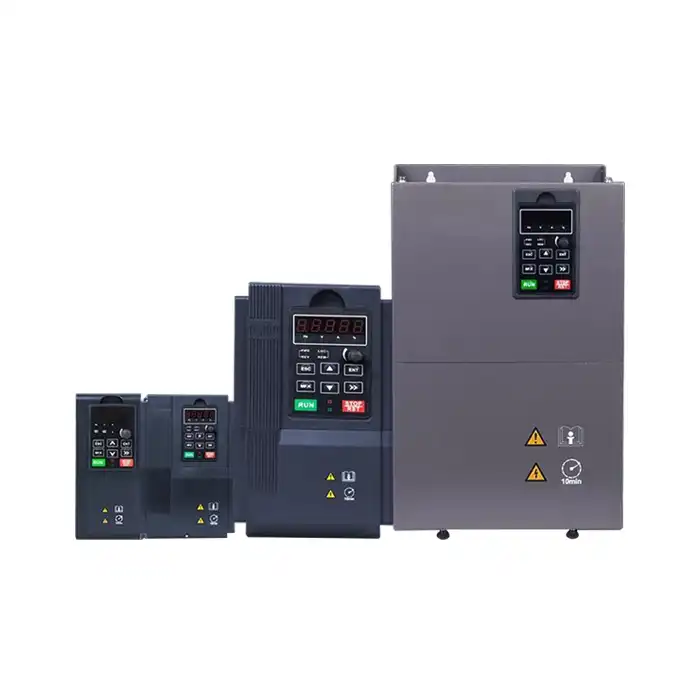
It is true that the high-efficiency motor IE3 designs do work well with VFDs when they are set to inverter duty. The motors we make have better insulation systems that can handle voltage spikes caused by PWM switching. They also have better bearing systems that manage shaft currents. Because of this compatibility, the speed can be changed to best fit the load. This makes it even more efficient by using less power when only some of the load is being met.
3. How do I determine the correct motor size for my application?
Figure out how much load is really needed by looking at how much power the driven equipment uses, the duty cycles, and the mechanical losses. As you use the right safety factors (which are usually between 1.15 and 1.25), keep in mind that the calculations could be wrong and that you may need more space in the future. Think about how to get heavy loads moving. The best way to make sure you get the right size is to talk to our technical team about your application and get advice on the motor specs that will give you the best performance, efficiency, and value for money.
Ready to Upgrade Your Industrial Operations with a Trusted High-Efficiency Motor IE3 Supplier?
When it comes to motor solutions, XCMOTOR specializes in making ones that use less energy and fit your specific industrial needs. The YBX3 series from our company has high-quality parts like SKF, NSK, and FAG bearings, and it has been certified as explosion-proof. On a scale from 0.55 kW to 630 kW, it can be set up in different ways. We know that getting the right tools can make or break your business by lowering your energy costs and making it less dependent on outside help. Please email our technical team at xcmotors@163.com to let them know about your application needs and to get more information. With fast shipping, full warranty coverage, and support seven days a week, we make it easier for you to get what you need and make sure it works perfectly for you. Find out how working with an experienced high efficiency motor ie3 manufacturer can change how well your facility works and how it affects the environment.
References
1. International Electrotechnical Commission, "IEC 60034-30-1: Rotating Electrical Machines - Part 30-1: Efficiency Classes of Line Operated AC Motors," 2014.
2. De Almeida, A.T., Ferreira, F.J.T.E., and Fong, J.A.C., "Standards for Super-Premium Efficiency Class for Electric Motors," IEEE Industry Applications Magazine, 2014.
3. United States Department of Energy, "Energy Conservation Program: Energy Conservation Standards for Electric Motors," Federal Register, 2016.
4. European Commission, "Commission Regulation (EU) 2019/1781: Ecodesign Requirements for Electric Motors and Variable Speed Drives," Official Journal of the European Union, 2019.
5. Saidur, R., "A Review on Electrical Motors Energy Use and Energy Savings," Renewable and Sustainable Energy Reviews, 2010.
6. National Electrical Manufacturers Association, "NEMA Premium Efficiency Electric Motors: Technical Guidelines and Performance Standards," NEMA Standards Publication, 2018.