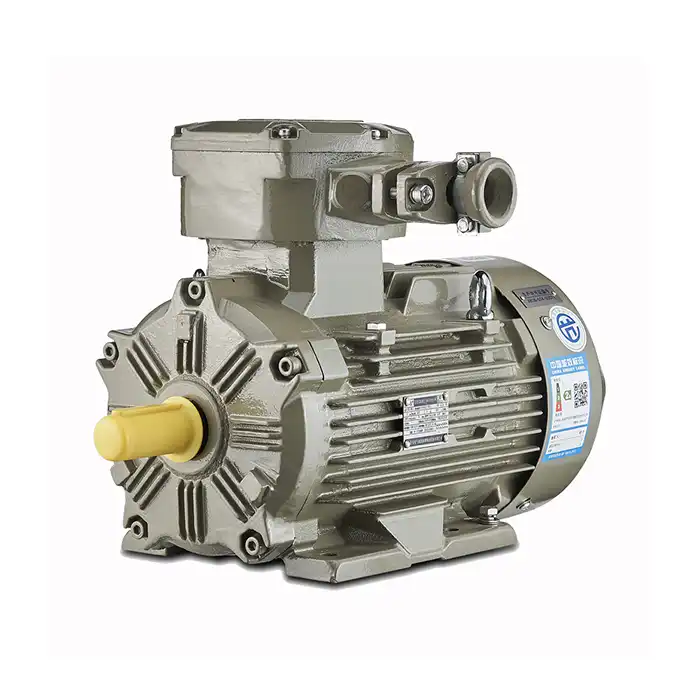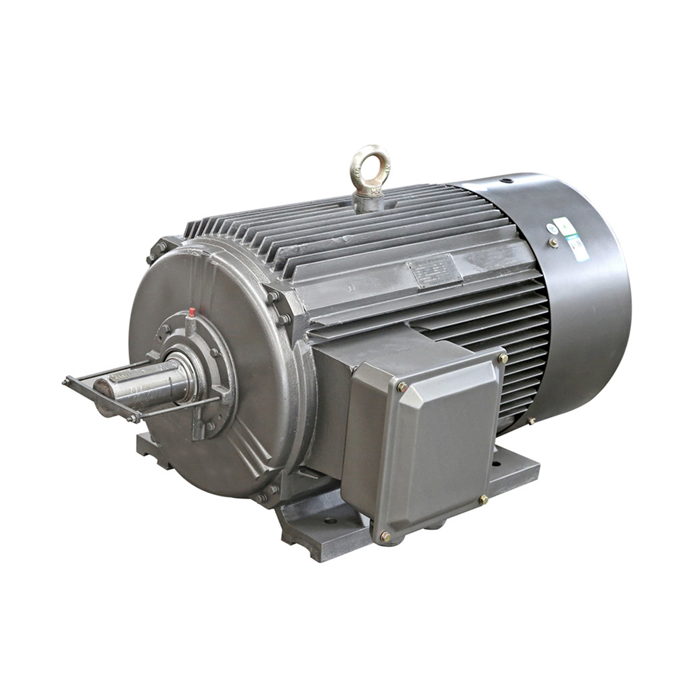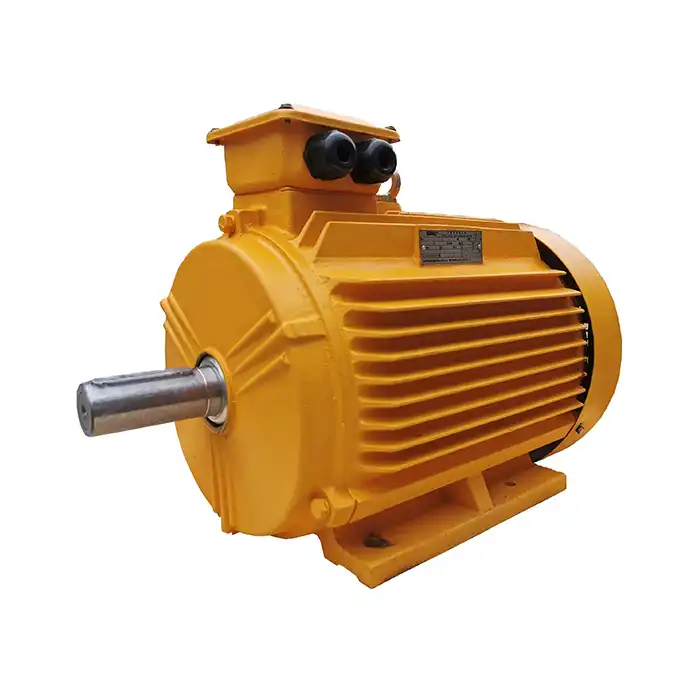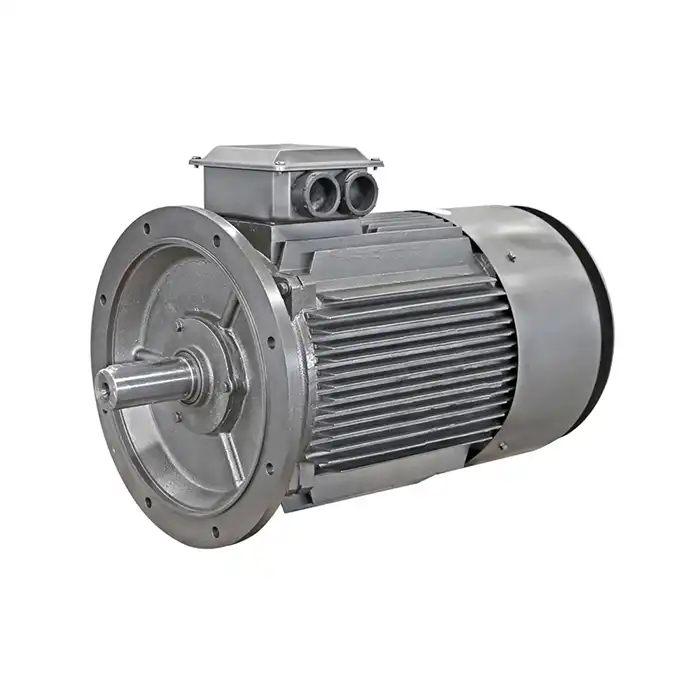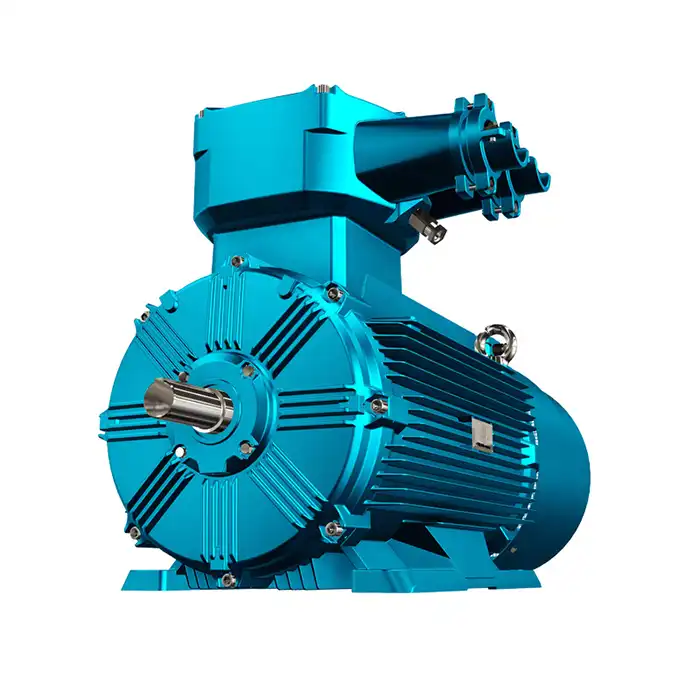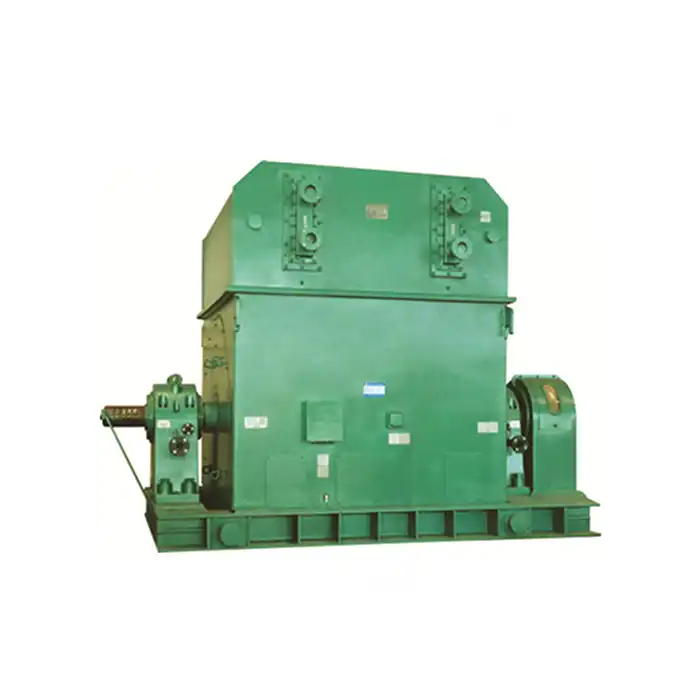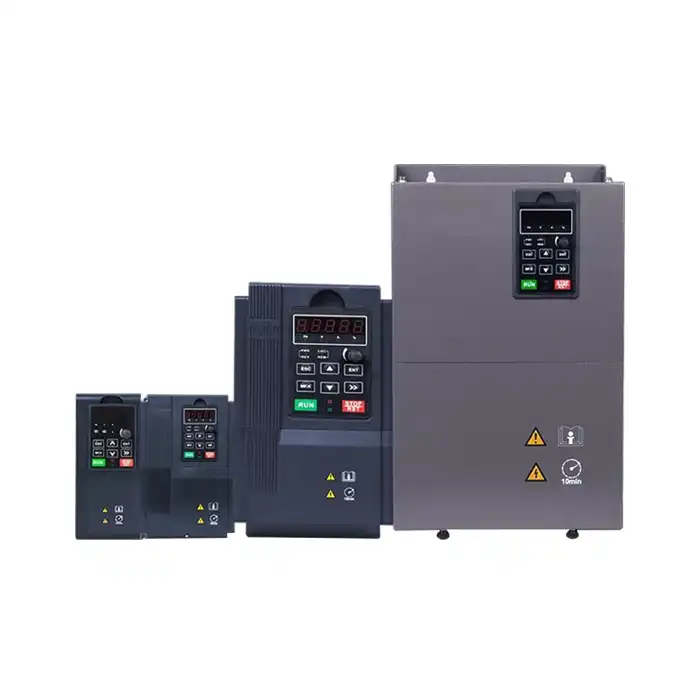




The Role of HV AC Motors in Driving Large Pumps, Fans, and Compressors
High voltage AC Motor technology is an important part of modern industry, especially for running big fans, pumps, and compressors. The voltage of these motors ranges from 3kV to 11kV, and their power rates are between 160kW and 6300kW. Their ability to continuously carry heavy loads makes them essential in factories, power plants, and process industries where the dependability of equipment has a direct effect on profits and productivity.
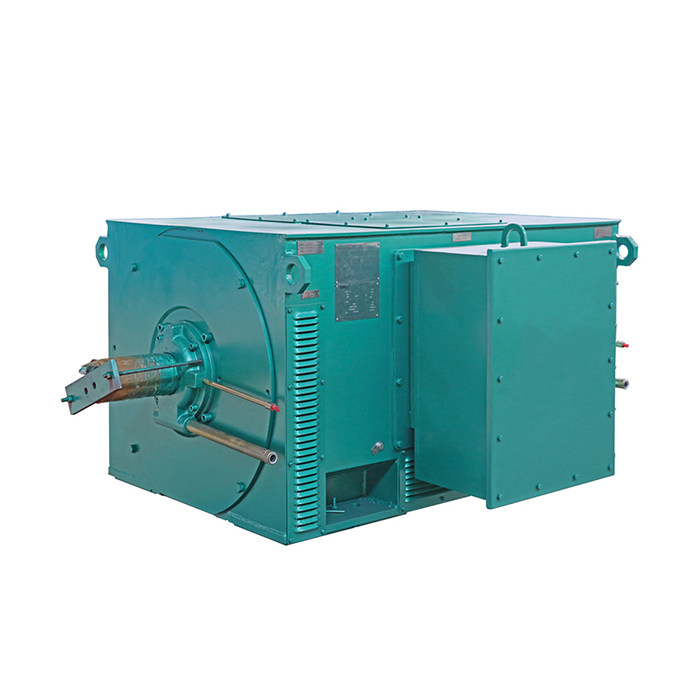
Series:Y-HV
Protection level:IP23
Voltage range:3000V±5%,3300V±5%,6000V±5%,6600V±5%,10000V±5%,11000V±5%
Power range:200-6300 kW
Application:fans, water pumps, compressors, crushers, cutting machine tools, transportation machinery, etc.
Advantage:light weight, low noise, small vibration, long service life, easy installation and maintenance.
Standard: This series of products complies withJB/T 12728 and JB/T 10446 standards.
Others: SKF, NSK, FAG bearings can be replaced according to customer requirements.
Understanding High Voltage AC Motors and Their Industrial Role
What Defines a High-Voltage AC Motor
With common industrial values ranging from 3.3kV, 6.6kV, and 11kV setups, a High Voltage AC Motor works at voltage levels usually above 1000V. Compared to their low-voltage cousins, these machines can handle much higher power levels while still taking up very little space. Class F or H insulation materials, which can withstand temperatures up to 155°C or 180°C, are used in the electromagnetic design. The vacuum pressure impregnation process makes sure that the winding insulation can handle voltages higher than 30kV during tests. This gives strong protection against electrical stress and the harsh conditions that are common in industrial settings.
Primary Motor Types for Heavy Industrial Applications
Because they are easy to use and last a long time, squirrel cage induction motors are the most common type of industrial drive. The die-cast aluminum or copper rotor bars don't need to be connected to anything else, so you don't have to worry about the maintenance issues that come with brushes or slip rings. These motors have steady torque over a wide range of speeds, so they can be used in situations where the load changes often. Their starting current is usually five to seven times the rated current. This needs to be coordinated with the right protections, but make sure there is enough escape torque for big loads.
If you need to precisely control the speed and fix the power factor, synchronous motors are an option. Because they work at a synchronous speed that is set by the supply frequency and pole count, these machines keep their RPM fixed even if the load changes within their maximum capacity. Leading power factor operation, which can make up for trailing reactive power used by other equipment and lower utility penalty charges, is advantageous to industries that use synchronous high-voltage AC Motor setups.
Performance and Efficiency Optimization for Large Pumps, Fans, and Compressors
Design Elements Impacting Motor Efficiency
Eddy current and hysteresis losses in a high voltage AC Motor are kept to a minimum by the magnetic core, which is made of high-grade silicon steel laminations. The width of lamination is usually between 0.35 mm and 0.50 mm. Thinner sheets reduce core losses but make production more difficult. To get the best mix between electrical resistance and thermal efficiency, high-quality copper windings with optimized conductor cross-sections are used. Precision dynamic balance is used on the rotor design to keep shaking levels below 2.8mm/s. This keeps bearings from wearing out and extends the life of mechanical parts.
How you cool things has a huge effect on how well they work over time. Motors with the cooling code IC411 use an outside fan on a shaft to move air through the motor's internal channels. When the temperature outside is high, water-cooled versions with the name ICW37 circulate cooling fluid through jackets that circle the stator frame. This better removes heat from the environment. This means that the machine can keep running at full load even when the air temperature around it gets to 40°C or higher.
Sizing Motors for Specific Applications
To choose the right motor, you must first properly figure out how much mechanical power the equipment being moved needs. Positive displacement compressors need torque that stays pretty constant across their working range, while centrifugal pumps need torque that is related to the square of the speed. Fans have a cubic link between speed and power use, which means that lowering the speed by 10% saves about 27% of the power.
Depending on the purpose, safety factors are usually between 1.1 and 1.25. Higher gaps are needed for processes that start, reverse, or undergo shock loads a lot. When used in continuous job situations with stable loads, smaller sizes are possible. This makes the motor more efficient by running it closer to its rated capacity, which is where efficiency is highest. Motors that are too small take too much current, get too hot, and lose their insulation too soon. When only partially loaded, motors that are too big don't work as well and may have a low power factor.
Comparing High Voltage AC Motors: Making the Right Choice for Your Application
High Voltage Versus Low Voltage Motor Economics
When the power level stays the same, high-voltage motors draw less current, which lets supply lines have smaller conductor shapes. At 400V, a 1000kW motor draws about 1500A, which means it needs expensive heavy-gauge wire and a lot of safety gear. The same amount of power at 6600V only uses 90A, which cuts cable costs by a huge amount, especially when there are long lengths between substations and motor sites. The higher cost of high-voltage equipment is often made up for by the money saved on installation.
The square of the current drop shows how much energy is lost in power lines. Lower distribution losses make the plant more efficient as a whole and lower the load on the transformers. Setting up a high-voltage distribution network that serves all major drives from a shared bus is helpful for facilities with a lot of big motors because it makes it easier to coordinate protection and handle power quality.
Induction Motors Versus Synchronous Alternatives
Squirrel cage induction motors, as a type of high voltage AC Motor, don't need a stimulation system and can handle short overloads without any problems. Their ability to slip gives them built-in relief during changes in load. Synchronous motors need field stimulation through slip rings or brushless exciters, which makes them more difficult to maintain. But synchronous machines work at unity or leading power factor, which could mean they don't need different capacitors for power factor adjustment.
To compare lifecycle costs, you need to look at things like how much energy is used, how often repairs need to be done, and power factor fees. A synchronous motor that costs 20–30% more at first might pay for itself by saving money on energy costs and not having to buy as many capacitor banks. Synchronous technology works best for places that have to deal with demand charges and power factor fines. Plants that mostly use resistive loads don't get much out of synchronous motors, and like how simple induction systems are.
Procurement Considerations for High Voltage AC Motors
Evaluating Manufacturers and Suppliers
Reliable High Voltage AC Motor companies have full quality management systems that are approved to ISO 9001 standards. This makes sure that the manufacturing processes are always the same. Tolerances are tighter in factories that use CNC machining centers and automatic wrapping equipment instead of doing things by hand. Look for providers that use vacuum pressure impregnation of stator windings. This method is better at maintaining insulator integrity than dip-and-bake methods.
XCMOTOR motors meet GB/T, JB/T, and IEC standards, which means that they can be used interchangeably and have good performance. Special mounting setups, shaft shapes, or environmental protection needs that catalog goods can't meet can be met by customized motor designs. Custom engineering extends lead times from 8-12 weeks for standard motors to 16-24 weeks for specialized designs, requiring advance planning during project execution.
Pricing Dynamics and Negotiation Strategies
The prices of motors are based on the changing prices of raw materials, especially copper and electrical steel. When you buy a lot of similar units, you can afford to spend in tools that lower the cost per unit. Standardizing frame sizes across uses helps you get the most out of volume savings and makes it easier to keep track of your spare parts inventory.
When you figure out the total cost of ownership, you have to include the costs of installation, commissioning, energy use, and upkeep over the planned service life. An energy-efficient motor that costs 15% more usually pays for itself in less than two years because it uses less power. Even though they cost more at first, premium bearing kits and improved insulation systems lower lifetime costs by extending the time between replacements.
Future Trends and Innovations in High Voltage AC Motors for Large Industrial Equipment
Smart Monitoring and Predictive Maintenance Technologies
IoT-enabled weather tracking systems keep an eye on factors like temperature, current, voltage, and vibration all the time. Machine learning systems look for trends that show things are about to break down. They then take action to fix them before they do. In retrofit applications, wireless sensor networks get rid of the need for expensive wiring. This makes improved tracking affordable for motor populations that are already in place.
Cloud-based analytics systems collect data from many high voltage AC Motors in different sites and find widespread problems that affect different types of equipment. Comparative research shows motors that aren't working normally, putting repair resources on the assets that are most at risk. Motor experts can check the health of equipment without having to go to the site to do so with remote diagnostics. This cuts down on troubleshooting time and speeds up fixes.
Environmental Regulations Driving Efficiency Standards
Minimum efficiency performance standards are getting stricter around the world. In many places, IE3 efficiency is now needed, and IE4 motors are gaining market share. As governments try to cut down on industry energy use, they are paying more attention to high voltage motors, which used to not be subject to efficiency rules. Ultra-premium efficiency designs with better heat management, optimized magnetic circuits, and less windage loss are able to achieve efficiency gains of 1% to 2% compared to normal goods.
Limits on carbon pollution encourage the replacement of old motors with new, more energy-efficient ones. Carbon price makes energy savings clear in running budgets, which speeds up the process of figuring out when a capital investment will pay for itself. Environmental compliance programs always find that motor upgrades are the most cost-effective way to lower emissions in building energy checks.
Conclusion
High Voltage AC Motor technology keeps getting better with new materials, better designs, and built-in tracking features. To choose the right motors for big pumps, fans, and compressors, you need to know what the application needs, compare different technologies, and look at the total cost over the duration of the machine. The reliability and operating effectiveness of equipment are highest when it is properly sized, installed, and maintained. New rules about smart tracking and energy efficiency affect buying plans, favoring designs that use less energy and upkeep methods that can predict what will go wrong. When industrial facilities spend money on high-quality motor technology and full asset management systems, their businesses have better uptime, lower energy costs, and less of an impact on the environment.
FAQ
1. What voltage levels qualify as high voltage for AC motors?
Industrial High Voltage AC Motor equipment typically operates at 3kV, 3.3kV, 6kV, 6.6kV, 10kV, or 11kV. These voltage classifications differ from low voltage motors running at 380V to 690V. The higher voltage enables greater power transmission with reduced current, making cable sizing more economical and improving efficiency in large industrial installations.
2. How do I determine the correct motor size for my compressor application?
Find out how much mechanical power is needed by using the compressor's movement, pressure ratio, and efficiency to do the math. Add safety factors between 1.1 and 1.25, based on the load and job cycle. Check that the motor's torque curve has enough starting torque and that it works steadily at the point where the resistance curves of the motor and compressor meet.
3. What maintenance intervals should I follow for high-voltage motors?
Thermal imaging and tremor analysis are done every three months to find problems early as they start to happen. As part of yearly checkups, insulation resistance tests, checks for lubricated bearings, and electrical link torque checks should all be done. Major overhauls usually happen every 5 to 7 years or 40,000 to 60,000 hours of use. These include replacing bearings and checking the state of the insulation.
Partner with XCMOTOR for Your High Voltage Motor Needs
Our full line of products covers 160kW to 6300kW and voltages from 3kV to 11kV, so it can meet almost any large-scale industrial drive need. When you order from XCMOTOR, you can customize the motors to fit specific mounting situations, environmental conditions, and performance needs that normal catalog items can't meet. Energy-efficient designs with Class F insulation, precision-balanced blades, and improved cooling systems lower operating costs and increase service life compared to standard options.
The strong cast iron construction can handle the harsh industrial conditions found in petroleum, power generation, mining, and big manufacturing plants. We support setups that are cooled by both water and air, so they can manage heat well no matter what the outside conditions are like. Customers can choose from high-quality SKF, NSK, or FAG bearings, which gives them options for how to maintain their machines and where to get extra parts.
During the life of your tools, our expert team helps you choose the right motor, design applications, and fix problems. XCMOTOR can be reached at xcmotors@163.com to talk about your needs for a high voltage AC Motor. As an experienced maker of high-voltage AC Motors, we can give you low prices without lowering the quality of our products. This means that your investments in industrial technology will be well worth it.
References
1. Boldea, I. and Nasar, S.A. (2010). The Induction Machines Design Handbook, Second Edition. CRC Press, Boca Raton, Florida.
2. Chapman, S.J. (2012). Electric Machinery Fundamentals, Fifth Edition. McGraw-Hill Education, New York.
3. Institute of Electrical and Electronics Engineers (2021). IEEE Standard 112: Test Procedure for Polyphase Induction Motors and Generators. IEEE Standards Association.
4. National Electrical Manufacturers Association (2019). NEMA MG 1: Motors and Generators. NEMA Standards Publication, Rosslyn, Virginia.
5. Stone, G.C., Culbert, I., Boulter, E.A., and Dhirani, H. (2014). Electrical Insulation for Rotating Machines: Design, Evaluation, Aging, Testing, and Repair, Second Edition. Wiley-IEEE Press.
6. U.S. Department of Energy (2018). Improving Motor and Drive System Performance: A Sourcebook for Industry. Advanced Manufacturing Office, Washington, DC.