



Wound Rotor Motor Applications: Cranes, Mills, Hoists
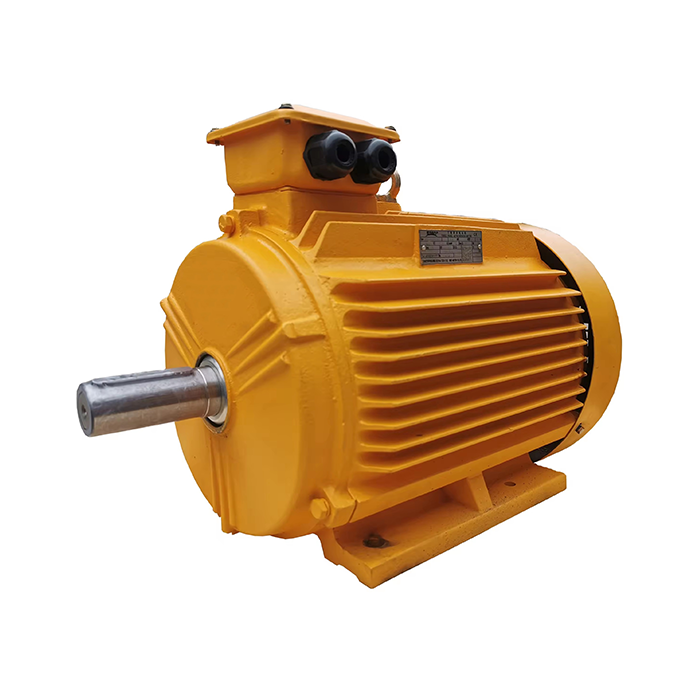
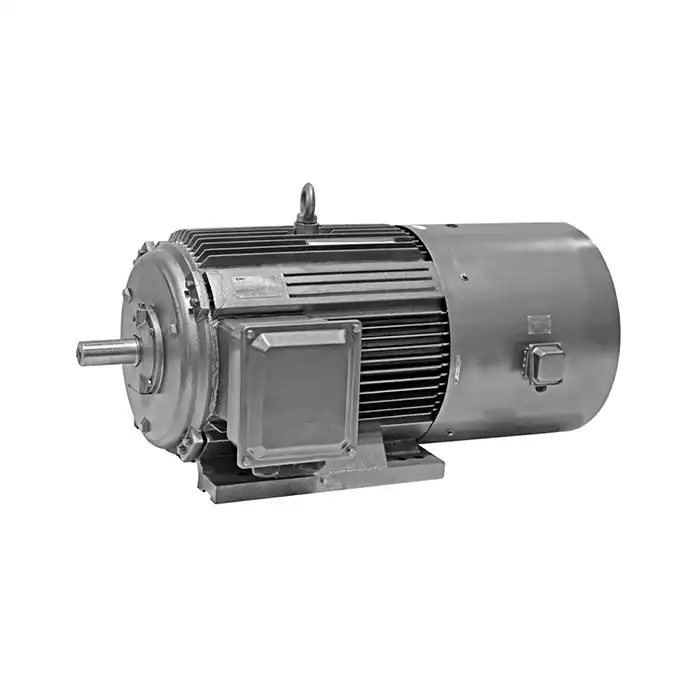
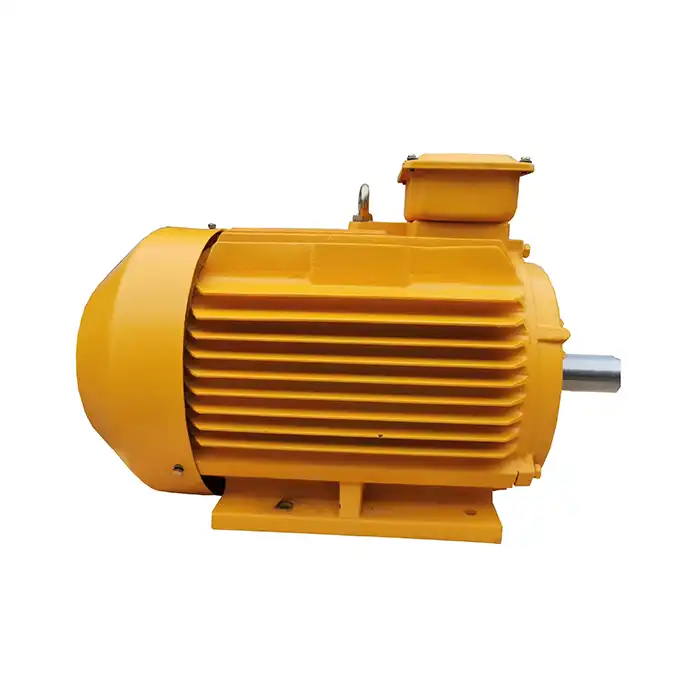
If you work in heavy industries, you already know not every motor handles harsh starting circumstances effectively. That problem is exactly fixed with a wound rotor motor. Instead of a normal squirrel cage motor it has an external rotor winding connected to slip rings . This allows engineers to put resistance in the rotor circuit while starting . The result is a high initial torque at a lower inrush current – a combination that makes the wound rotor motor a realistic solution for cranes, mills and hoists with big loads and challenging beginning conditions.
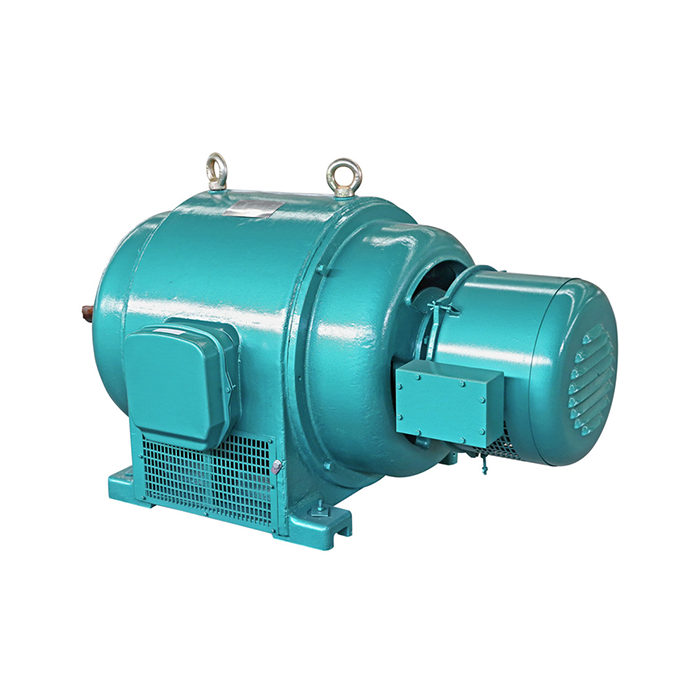
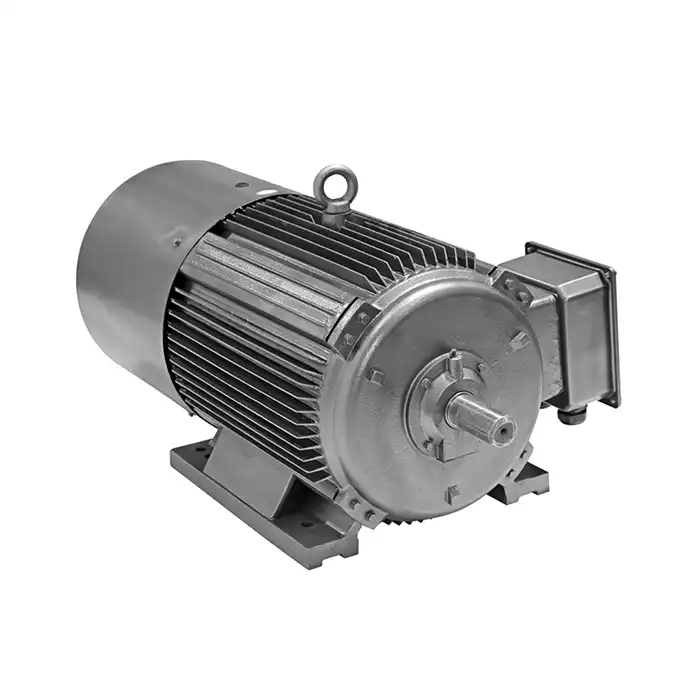
Voltage range:380V±5%
Power range:45-800kW
Application:YRQ(JR) series medium-sized motors can drive a variety of different machinery, such as fans, compressors, water pumps, crushers, ball mills, cutting machine tools, transportation machinery and other equipment, and can be used in coal mines, machinery industries, power plants and various industrial and mining enterprises. Used as prime mover.
Advantage: The JR series medium-sized motors have very powerful driving capabilities and can not only drive conventional mechanical equipment, but also some complex mechanical equipment. For example, it can drive heavy machinery such as ships, cranes, and wind turbines, as well as small household appliances, purifiers, compressors, etc.
Others: SKF, NSK, FAG bearings can be replaced according to customer requirements.
Understanding Wound Rotor Motors in Industrial Applications
When making a purchase decision, it's helpful to know what makes this type of motor different on a mechanical level.
How the Rotor Winding Works
In a wound rotor motor, the rotor has a three-phase winding that ends at three slip rings on the shaft. Carbon brushes ride on these rings and connect to resistance banks outside the motor. By changing that resistance, the torque-speed ratio can be directly controlled, which is not possible with a squirrel cage motor.
Slip Ring Assembly and External Resistance Control
Adding outside resistance to the rotor circuit moves the point of maximum torque down in the speed range. This means that the wound rotor motor can produce full torque from a standstill, which is very important for a crane lifting a heavy bucket or a ball mill breaking rock. This is exactly what the XCMOTOR YR series can do: it can integrate the rotor circuit with external resistance panels.
Wound Rotor vs. Squirrel Cage Motors
A squirrel cage motor is easier to use and less expensive, but it needs a lot of current to start up, often five to seven times the rated current. A wound rotor motor keeps the inrush current to about 2.5 times the rated current and gives up to 2.5 times the rated torque in starting torque. When OEM procurement teams choose equipment for 6 kV or 10 kV switchgear, the difference in starting current has a direct effect on the size of the busbar and the settings for the protection relays.
Key Advantages of Wound Rotor Motors in Cranes, Mills, and Hoists
A lot of the time, engineers and procurement managers wonder why this type of motor is still chosen for new projects when variable frequency drives are so easy to find. The answer lies in certain behavioral traits that are important in high-load situations.
Here are the main ways that the XCMOTOR YR series wound rotor motor performs better:
- High starting torque to 250% of rated torque – The YR series provides high regulated torque at zero speed to protect gearboxes and couplings on mills and hoists from impact loading, which reduces service life.
- Starting current limited to ≤2.5× rated current — Reduced inrush current minimises voltage dips on the supply bus, protecting adjacent equipment and simplifying coordination of protection on 6 kV and 10 kV systems.
- Stall torque 2 rated torque — The motor safely retains a load in the event of an unexpected drop in speed, a critical safety margin for use in overhead crane applications.
- Overload capacity ≥1.6× rated torque for 60 seconds – Short-duration overloads during crane acceleration or mill choke-feeding do not trip the motor, minimising the number of nuisance shutdowns on production lines.
- Low noise and low vibration — Dynamic balancing at the factory and precision winding keep vibration within narrow limits. This is important for wire drawing machines and rolling mills where surface smoothness is influenced by mechanical oscillation.
Practical Applications: Cranes, Mills, and Hoists
Cranes and Hoisting Equipment
Overhead cranes and mine shaft hoists are required to transport heavy loads swiftly and smoothly. The crane’s user or control system has full control over the acceleration ramp thanks to a motor with slip ring and graded external resistance. Sudden starts wear out wire ropes and brake linings. Controlled starts increase service intervals.
Rolling Mills and Wire Drawing Machines
An electric motor in a steel rolling mill has to be able to manage sudden variations of load as new bars are fed into the rolls. When the motor accelerates, the rotor resistance circuit consumes energy in an effort to protect the mechanical gear. The torque control in wire drawing machines operates in a similar way to maintain constant tension of the wire even when the speed fluctuates. The YR series is suitable for voltages from 3,000 V up to 11,000 V thus it may be used on historic mills as well as modern high voltage designs.
Mining Mills and Crushers
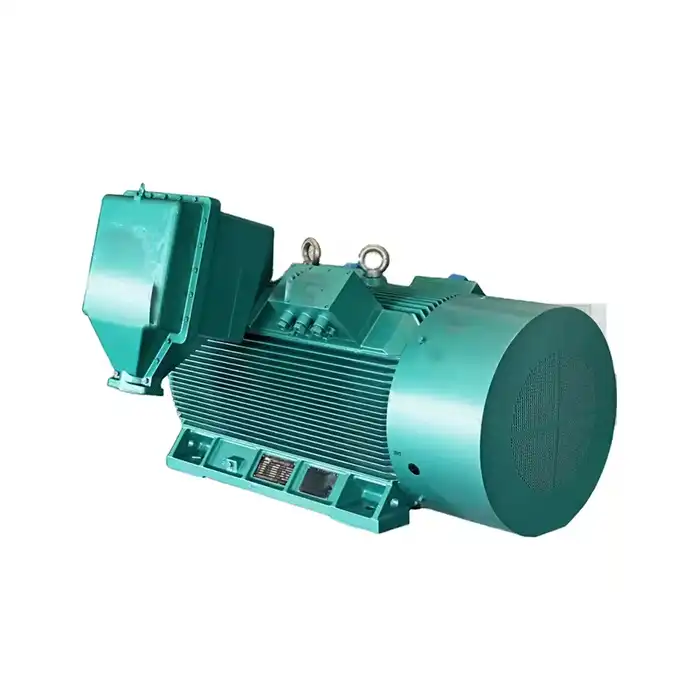
Both ball and rod mills start up with their full weight when the drum is full with ore. The wound rotor motor is the preferred choice for this task, as it can provide great torque at low speed. The YR series can handle all sizes of mills in copper, iron and gold processing plants. The power range is 200 kW-5,600 kW and speed range is 500 r/min-1,500 r/min.
Procurement Guide: Selecting a Wound Rotor Motor for Industrial Use
Choosing a slip ring motor for a specific project calls for careful alignment of electrical and mechanical factors.
Key Electrical Parameters
The YR series has voltages of 3,000 V, 3,300 V, 6,000 V, 6,600 V, 10,000 V and 11,000 V, all with a tolerance of ±5%. Power factor is between 0.80 and 0.90, and efficiency is up to 96%. These estimates need to be validated with the actual supply voltage and power factor adjustment scheme utilised on the project.
Insulation, Protection, and Standards
Insulation class F, 155°C, Protection IP23 The YR series is protected to IP23. It is in compliance with JB/T 10314.1-2002 and JB/T 7594. OEM procurement teams working with design institutes should ensure that the project specifications reference the current applicable version of the standard at the time of contract sign-off.
Bearing Selection and Customization
The YR series can fit SKF, NSK or FAG bearings according to the customer’s needs. The selection of the bearing will impact maintenance intervals and the strategy for spare parts stocking. Some remote projects have only one brand of bearing on all rotating equipment to simplify inventory.
Maintenance and Performance Optimization
Planned maintenance needs to be done on the slip ring and brush gear of a wound rotor motor. Without it, the resistance of the contacts goes up, and the motor's performance changes from what it should be.
Slip Ring and Brush Inspection
Rate of carbon brush wear depends on the amount of current, the condition of the ring surface, and the humidity in the air. Brushes can wear out faster in dry mines than in temperate climates. Unplanned stops can be avoided by using a written inspection schedule to check things like brush length, ring surface finish, and contact pressure.
Insulation and Winding Condition
The YR series treats the stator and rotor windings with VPI (vacuum pressure impregnation), which makes them more resistant to moisture and increases the life of the windings. Testing the insulation resistance once a year with a 1,000 V or 2,500 V megohmmeter finds early signs of wear and tear before they become a failure.
Rotor Resistance System Alignment
The external resistance bank needs to be matched to the rotor circuit impedance of the motor. A mismatch either doesn't produce enough starting power or makes the rotor heat up too much. To get rid of this source of commissioning error, XCMOTOR's engineering team sends resistance bank specifications with every motor order.
Conclusion
A wound rotor motor is still the best choice for cranes, mills, and hoists that need to have high starting torque, low inrush current, and reliable heavy-load performance all at the same time. XCMOTOR's YR series covers 200 kW to 5,600 kW and 3 kV to 11 kV of voltage. It has insulation class F, IP23 protection, and bearing choices from SKF, NSK, and FAG. This type of motor works consistently over a wide range of duty cycles without the complexity of a full variable frequency drive system, as long as it is specified and maintained correctly.
FAQ
1.What is a wound rotor motor used for?
A wound rotor motor is used where high starting torque and controlled acceleration are needed—typical applications include mine hoists, crane drives, rolling mills, and wire drawing machines. The slip ring assembly allows external resistance to be inserted into the rotor circuit, shaping the torque-speed curve to match the load.
2.How does a wound rotor motor differ from a squirrel cage motor?
The rotor windings terminate at external slip rings rather than being short-circuited internally. This allows resistance adjustment during startup, which limits inrush current and raises starting torque—two characteristics a standard squirrel cage motor cannot combine at high power levels.
3.What maintenance does a slip ring motor require?
Regular inspection of carbon brushes, slip ring surface condition, and brush pressure is needed. Insulation resistance testing on stator and rotor windings should be carried out annually. Matching the external resistance bank to the motor specification is also part of the commissioning and maintenance process.
4.What voltage options are available for the YR series?
The YR series is available at 3,000 V, 3,300 V, 6,000 V, 6,600 V, 10,000 V, and 11,000 V, all at ±5% tolerance, making it compatible with most high-voltage industrial distribution systems.
5.Can bearing brands be specified separately?
Yes. SKF, NSK, or FAG bearings can be selected based on project requirements or site spare parts standards.
Partner with XCMOTOR for Your Wound Rotor Motor Supply
The YR series wound rotor motor from XCMOTOR ranges in power from 200 kW to 5,600 kW and is made to meet the standards of JB/T 10314.1-2002 and JB/T 7594. As a wound rotor motor maker with a lot of experience, we can deliver quickly, give you 30 days to decide what to buy, and provide committed support seven days a week. To get a quote, email xcmotors@163.com with your motor specs or go to motorxc.com. When you contact us, our engineering team will give you matched motor options, rotor resistance specs, and all the technical information you need.
References
1. Chapman, S. J. Electric Machinery Fundamentals. McGraw-Hill Education, 2011.
2. Boldea, I., and Nasar, S. A. The Induction Machine Handbook. CRC Press, 2002.
3. IEEE Standard 841. IEEE Standard for Petroleum and Chemical Industry—Premium-Efficiency Sleeved Bearing Polyphase Cage Induction Motors. IEEE, 2009.
4. IEC 60034-1. Rotating Electrical Machines – Part 1: Rating and Performance. International Electrotechnical Commission, 2017.
5. Mohan, N., Undeland, T. M., and Robbins, W. P. Power Electronics: Converters, Applications, and Design. John Wiley & Sons, 2003.
6. Wildi, T. Electrical Machines, Drives, and Power Systems. Pearson Prentice Hall, 2006.