



Why Use a Low Voltage Induction Motor in Industrial Plants?
A low voltage induction motor works well in factories because it can turn three-phase power into shaft torque with simple switchgear, comes in standard frame sizes, and is easy to replace. Low voltage motors can handle up to 690 V and are used to power pumps, fans, compressors, conveyors, and machine tools all over the world. This guide was written for distributors, plant buyers, and procurement managers who want to know everything they need to know before they place an order. How do these motors work? Why do plants choose them? How do they compare to other options? How do I choose and buy one? I also talk about the XCMOTOR YRQ(JR) series so you can see what the real specs are.
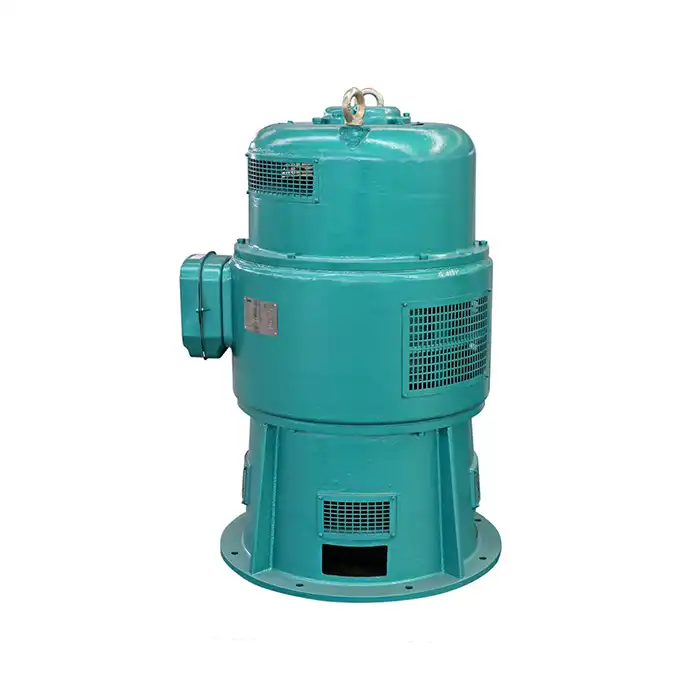
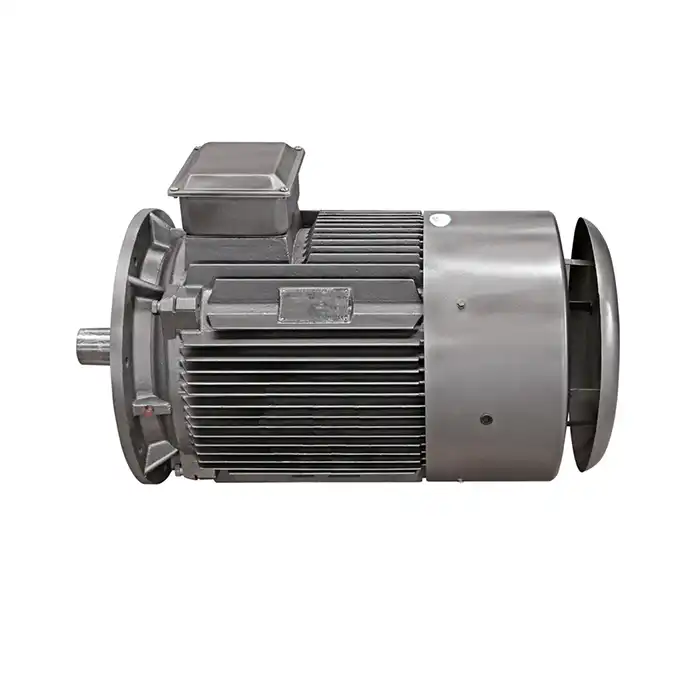
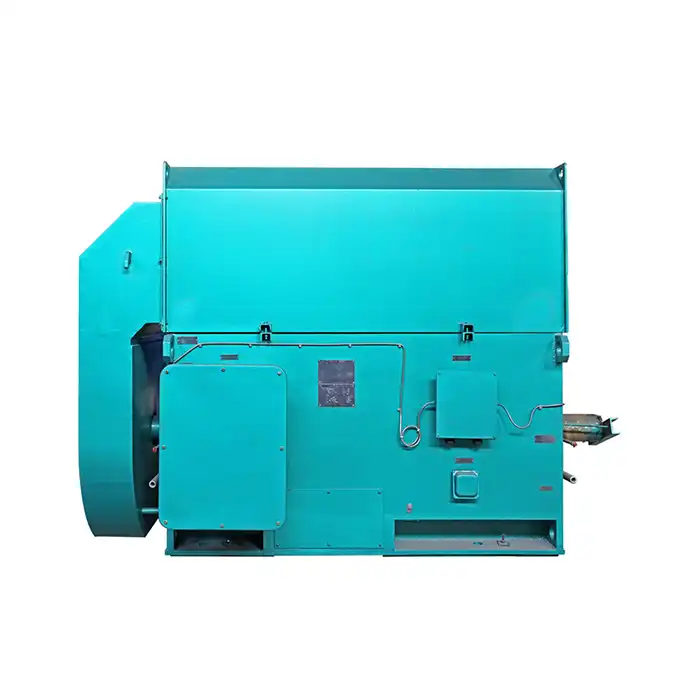
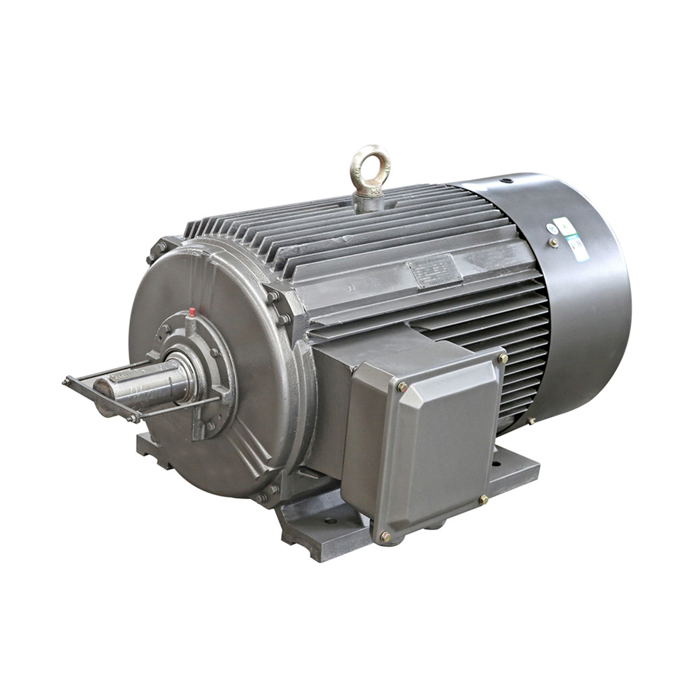
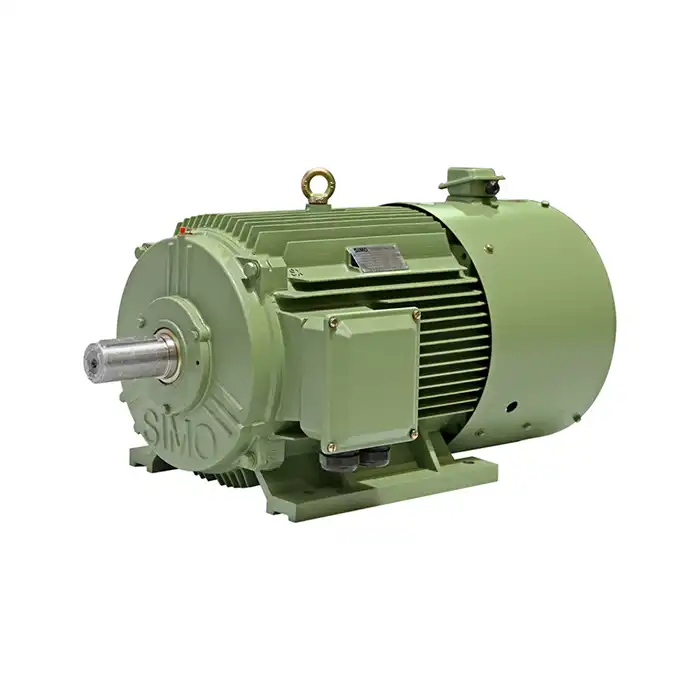
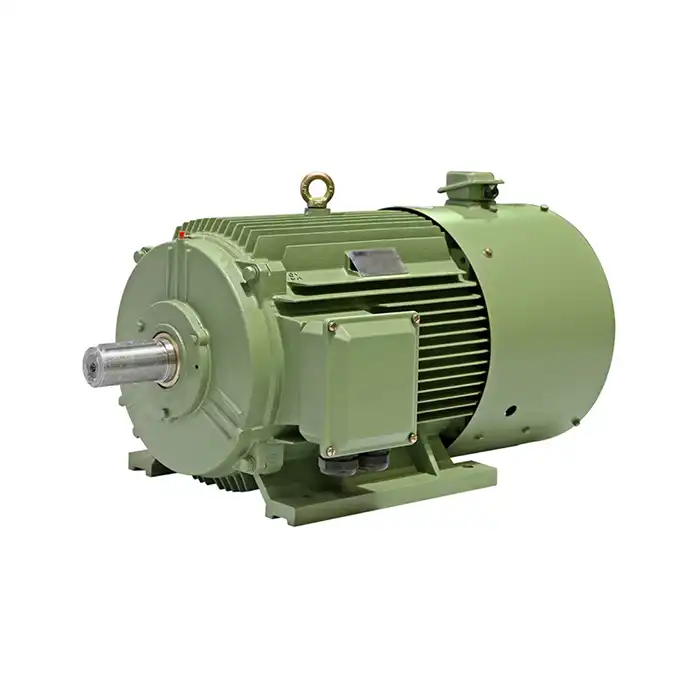
Series:YRQ
Voltage range:380V±5%
Power range:45-800kW
Protection level:IP23
Application:YRQ(JR) series medium-sized motors can drive a variety of different machinery, such as fans, compressors, water pumps, crushers, ball mills, cutting machine tools, transportation machinery and other equipment, and can be used in coal mines, machinery industries, power plants and various industrial and mining enterprises. Used as prime mover.
Advantage: The JR series medium-sized motors have very powerful driving capabilities and can not only drive conventional mechanical equipment, but also some complex mechanical equipment. For example, it can drive heavy machinery such as ships, cranes, and wind turbines, as well as small household appliances, purifiers, compressors, etc.
Others: SKF, NSK, FAG bearings can be replaced according to customer requirements.
How a Low Voltage Induction Motor Works
Rotating Field, Slip, and Torque
Through electromagnetic induction, a low voltage induction motor makes torque. A rotating magnetic field is made by three-phase current in the stator windings. The field then causes current to flow through the rotor. The rotor moves with the field, but it never quite matches its speed. Slip is the word for the difference in speeds. The field speed of a four-pole motor running at 50 Hz is 1,500 rpm, which is 120 times the supply frequency divided by the number of poles. Slip makes the torque, which is also why the starting current is so much higher than the running current. Read the speed on the motor's nameplate, not the synchronous number, when matching it to a pump or fan.
Main Parts Inside the Motor
Figuring out what a low voltage induction motor's parts do can help you decide how good it is and plan for spares. Inside the frame of the stator are copper windings. The insulation class tells us how hot these windings can get. There are two bearings on the shaft that hold up the rotor. The supply cables are connected to the fan on the shaft, which moves cool air over the frame. The frame of the XCMOTOR YRQ(JR) series is made of cast iron, the windings are made of copper, and the rotor is perfectly balanced to reduce vibration. One of the most common reasons motors break down is a bad bearing, so you should pay close attention to the quality of the bearings.
Squirrel-Cage, Wound-Rotor, and Three-Phase Designs
Two types of rotors are most important. Because the ends of the conductor bars in a squirrel-cage rotor are shorted, it doesn't need brushes and is easy to take care of. A wound-rotor design has windings that are connected to slip rings. This lets external resistance work, which means that the starting torque is higher while the starting current is lower. Single-phase motors are good for small loads, but plants choose three-phase units for most of their machinery because they have smoother torque and more power. Power, voltage, frequency, speed, duty, and power factor are some nameplate data that you should check. If the motor will be controlled by a variable frequency drive, make sure the insulation, cooling, and bearings are up to the task.
Why Plants Choose a Low Voltage Induction Motor?
Simpler Switchgear and Installation
Low voltage supply keeps the equipment around it simple. 380 V or 660 V starters, breakers, cables, and protection relays are easy to find, wire, and know how to work with by electricians. A medium voltage induction motor, on the other hand, needs more space between the insulation, its own switchgear, and stricter safety rules. Usually, it is easier to extend a low voltage network than a high voltage network for machines that are spread out in a plant, like fans, pumps, and conveyors. That ease of use cuts down on the time it takes to install and make inspections routine. Before they look at anything else, I always tell people who are buying a low voltage induction motor to make sure it works with the voltage in the building.
Standard Frames and Easier Replacement
If a motor fails, the plant can replace it without having to redesign the base or coupling because the frame sizes, shaft sizes, and mounting patterns are all the same. Feet, flanges, and feet-flanges can be used to mount most machines. Many repair and replacement jobs can be done by distributors with just a few models of low voltage induction motors that they keep in stock. These sizes are also used for bearings and other spare parts, which helps maintenance teams plan what they need to keep on hand. Rating and performance rules are set by standards like IEC 60034-1 and NEMA MG 1. This lets buyers compare motors from different brands on the same level. Standardization is still not the same as first checking the drawing.
Speed Control, Smooth Starts, and Running Cost
Without a variable frequency drive, a low voltage induction motor would have to run at full speed all day. Instead, it could run at the speed needed by the process. Centrifugal pumps and fans use about as little power as the cube of their speed, so even a small drop in speed can save electricity. The drives also manage speed, which lowers the starting current and protects couplings, belts, and gearboxes from shock. Motors use a lot of industrial electricity, and the cost of energy over the life of a motor is much higher than its purchase price. This is why the U.S. Department of Energy puts out motor and drive guidance. Check the insulation, cooling at low speed, and bearing arrangement of a motor and drive before connecting them.
Low Voltage Induction Motor vs. Other Motor Technologies
Low Voltage vs. Medium and High Voltage
The voltage class changes the whole set-up. Low voltage motors can be up to 690 V, medium voltage motors can be up to 1 kV, and high voltage motors are usually 10 kV or more. For the same amount of power, higher voltage means less current. This means that medium and high voltage motors work best with very large centralized loads and shorter cables. They also need special switchgear, longer lead times, and more space around them for safety. A low voltage induction motor works well in our series' 45 kW to 800 kW range, where cables and starters are still useful. If it's above that range, you should look at a medium voltage induction motor.
Induction vs. Synchronous Motors
A synchronous motor runs at the exact speed of the supply frequency and can fix the power factor. It also needs to be excited or controlled in a special way, and it usually costs more to buy and keep up. Induction motors start from the line, don't need to be excited, and can handle changes in the load. There are also fewer parts to check on a low voltage ac induction motor, which is good for plants with small maintenance teams. If the project is about exact speed or power factor correction, then the cost of a synchronous design may be worth it. A low voltage induction motor is usually a better choice for general-purpose pumps, fans, crushers, and conveyors because it costs less.
Cast Iron vs. Aluminum Housings
Weight, strength, and cooling are all impacted by the low voltage induction motor's frame. Frames made of aluminum are lighter and better at keeping heat away, so they work well for smaller motors and tight spaces. Because they are heavier, cast iron frames can handle vibrations, impact, and wear better in crushers, mills, and other rough duty applications. Shipping costs go up because of the extra weight, which is a fair trade for heavy machinery. The frame of the XCMOTOR series is made of cast iron. If the area is wet or chemical, check the rating of the coatings and the enclosure. Choose an explosion-proof motor if there is flammable gas or dust around. IP23 does not cover that risk.
How to Choose and Buy a Low Voltage Induction Motor?
Define Load, Voltage, Frequency, and Frame
Start with the machine that is being driven. Type of load, torque curve, duty cycle, and speed needed should all be written down. Then check the rated power, supply voltage, and frequency. If the voltage is off, the motor will not last as long. We have a low voltage induction motor series called YRQ(JR) that is rated for 380 V ±5% and also lists 660 V. It can run at 50 Hz or 60 Hz. Users in the US should check these ratings against what their site offers and send us the information so we can look it over. Next, check the size of the frame, how it's mounted, the size of the shaft, and how it's started. If any of these don't match up, it usually shows up on the day of installation, when it costs the most to be late.
Match the Environment
A low voltage induction motor also needs to be able to work with its surroundings. IEC 60034-5 says that IP23 protects against solid objects bigger than 12.5 mm and water spray up to 60 degrees from the vertical. It works better in indoor, well-ventilated halls than in washdown areas. All of our motors can work in temperatures between -20 °C and +40 °C, and their insulation class is B. IC01 means open, self-ventilated air cooling, so make sure there are no blocks in the flow of air. Before you order, talk to the supplier about any special needs you have and check the altitude, humidity, dust, and corrosion exposure.
Prepare a Complete RFQ and Compare Suppliers
A full question about a low voltage induction motor saves many emails. I think you should send these three sets of information:.
- Application and load: name the driven machine, load type, duty cycle, required speed, and starting conditions. A crusher with shock loads needs different attention than a fan with steady torque, and a supplier can only confirm the correct motor type when these facts are on the table from the start.
- Electrical and mechanical data: list power, voltage, frequency, frame size, mounting type, shaft dimensions, and enclosure rating. If you are replacing a unit, attach the machine drawing or a clear photo of the old nameplate, because one photo often settles frame and shaft questions within minutes, before any quotation is prepared.
- Commercial details: state quantity, destination port, target delivery date at your warehouse, and whether you want a trial order first. Request lead time, warranty, and tiered pricing for mixed-model orders in writing so every quotation compares on the same basis. Packaging and spare-parts support belong in that same written request.
When you buy from a Chinese low voltage motor factory or a local store, don't just look at the unit price. You should also look at the total cost, which includes energy, downtime, and the warranty.
Installation and Maintenance Basics
A good installation will protect your purchase. Carefully align the coupling, ground the frame, make sure the cables are the right size for full load current, and check the phase sequence before the first start. Before starting up, check the insulation resistance. IEEE Std 43 describes a suggested test method. Once the machine is up and running, it should be checked for temperature, vibration, loose connections, and blocked cooling air paths on a regular basis. Most of the time, voltage imbalance, misalignment, blocked ventilation, or worn bearings are to blame for overheating, excessive vibration, and overload trips. Check those four things first.
XCMOTOR YRQ(JR) Series Medium-Sized Motors for Industrial Plants
Core Specifications
The XCMOTOR YRQ(JR) series has 45 kW to 800 kW at 380 V ±5%, and it also has 660 V at 50 Hz or 60 Hz. The speed is between 500 and 1,500 rpm, the protection level is IP23, and the cooling method is IC01. For insulation, the class is B. Duty is S1 all the time, and the normal temperature range is -20 °C to +40 °C. Frame is made of cast iron, windings are made of copper, and there are three ways to mount it: foot, flange, and foot-flange. If you want, SKF, NSK, or FAG bearings can be put in. These numbers come from our product data, so you can easily match them up with your own needs, and a china low voltage motor factory should publish the same specifications.
Where the Series Fits
Our low voltage induction motors are the main moving parts in fans, compressors, water pumps, crushers, ball mills, cutting tools, and transportation equipment. This type of motor is used in coal mines, machinery plants, power plants, and other mining and industrial businesses. Heavy machinery like cranes are also listed as loads that the series can pull in our product data. It can also be used for blowers, conveyors, HVAC systems, and farm equipment. For each, I suggest that you check with our engineers about the starting torque and duty before placing your order. For projects in dangerous areas, you need an explosion-proof motor, which is a different type of product than this IP23 series.
Supply Terms for Distributors and Buyers
Often distributors are concerned about modest orders and not knowing from whence the items originate. We may conduct trial orders of one to five units and the lead time is fifteen to thirty days. The guarantee is 18 months from the date of shipping or 12 months from the date of installation. Shaanxi Qihe Xicheng Electromechanical Equipment Co.,Ltd. is the firm operating XCMOTOR. They offer authentic things, serve clients on Saturday and Sunday, and allow consumers return items in 30 days. The same crew is on hand to answer any technical issues before or after the transaction. Useful if you don't have a local service partner. Obtain formal quotation for each low voltage induction motor required, indicating the price of each unit.
Conclusion
It is still a good idea for industrial plants to use a low voltage induction motor because it easily converts three-phase power into torque and can be used with common switchgear, cables, and drives. Standard frames and mounting patterns make replacement easier, and variable frequency drives let you control the speed and make starts less harsh. Instead of medium voltage or synchronous options, it works with moderate-power machines without the need for extra infrastructure. A heavy-duty cast iron frame makes it work well. Matching load, voltage, frequency, frame, enclosure, and environment are what determine selection. A thorough investigation stops costly mismatches. As long as the motor is installed correctly and the bearings, vibration, and insulation are checked regularly, it will work as it should.
FAQ
1. What is a low voltage induction motor?
The motor can handle up to 690 V and makes torque by induction between the stator field and the rotor. When it's in the shape of a squirrel cage, it doesn't need brushes and can power pumps, fans, compressors, and conveyors.
2. How does it differ from a medium voltage motor?
A medium voltage motor can handle loads as large as 1 kV, but it needs special switchgear and more space around it for safety. Starters and cables for low voltage units are less complicated.
3. Can it run on a variable frequency drive?
Yes, if the insulation, cooling, and bearings are right for how the drive is used. A fan on a shaft moves less air when the speed goes down, so check the cooling when the speed is low.
4. What should a quotation request include?
Please send the application, power, voltage, frequency, speed, frame, mounting, enclosure, environment, quantity, and where the electronic parts are going. Drawings or a picture of the nameplate help confirm faster.
Request a Low Voltage Induction Motor Quotation from XCMOTOR
Looking for a company that sells low voltage induction motors and can answer your technical questions? XCMOTOR sells original items, helps customers on Saturdays and Sundays, and lets them return items within 30 days. Send your application, power, voltage, frequency, frame size, and quantity to xcmotors@163.com. Our team will look over the information and suggest a YRQ(JR) model that works well for you.
References
1. U.S. Department of Energy, Improving Motor and Drive System Performance: A Sourcebook for Industry, 2014
2. National Electrical Manufacturers Association, NEMA MG 1 Motors and Generators, 2021
3. International Electrotechnical Commission, IEC 60034-1 Rotating Electrical Machines – Part 1: Rating and Performance, 2022
4. International Electrotechnical Commission, IEC 60034-5 Rotating Electrical Machines – Part 5: Degrees of Protection Provided by the Integral Design of Rotating Electrical Machines (IP Code), 2020
5. IEEE, IEEE Std 43 Recommended Practice for Testing Insulation Resistance of Electric Machinery, 2013
6. Stephen J. Chapman, Electric Machinery Fundamentals, 2011