


Where Does a 20 hp dc electric motor Deliver the Best Performance?
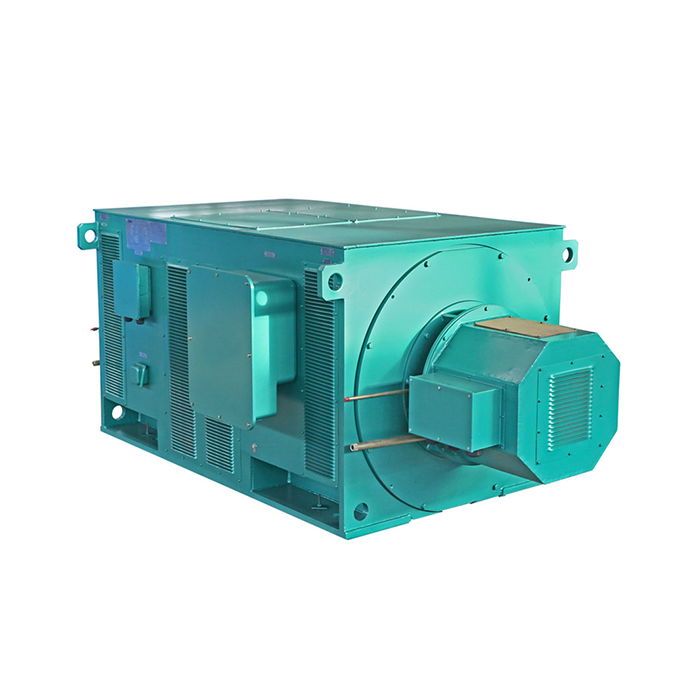
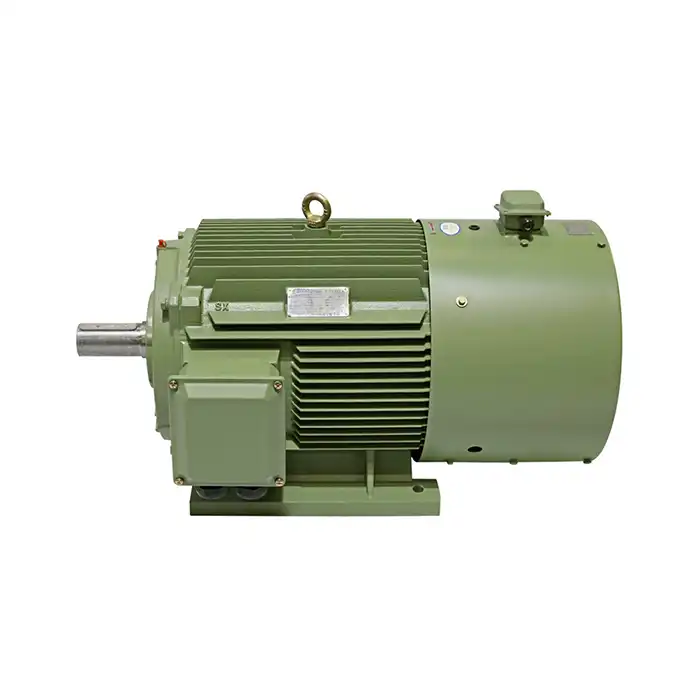
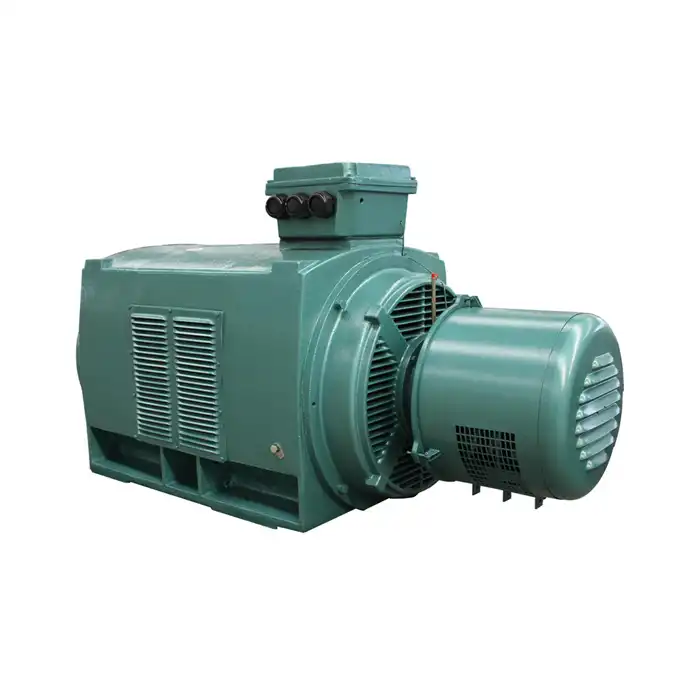
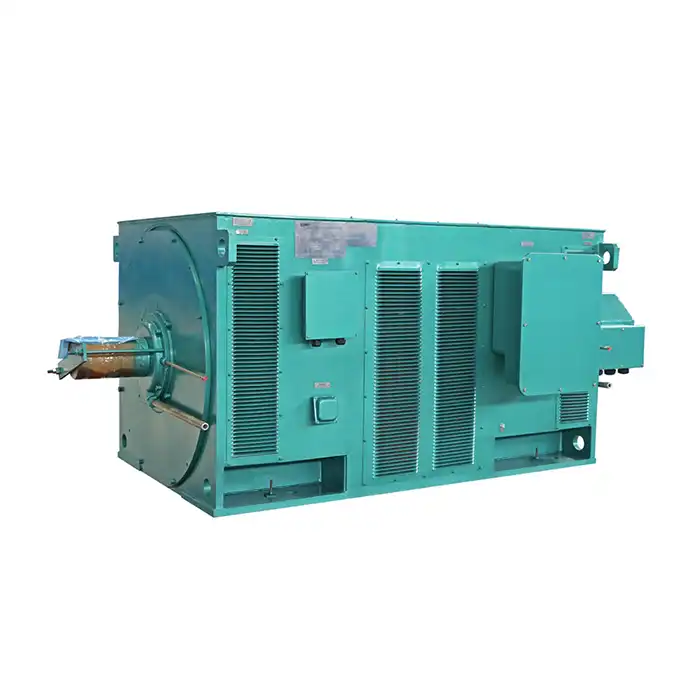
A 20 hp DC electric motor is ideal for machines that demand steady power from a DC bus, smooth speed control and powerful torque at low speeds. Think of the roller tables, loopers, printing lines, paper machines, machine tools, coilers and uncoilers in a rolling mill. A 20 hp dc electric motor consumes roughly 14.9 kW to turn the shaft . Our Z4 series from XCMOTOR offers F-class insulation, 20:1 constant torque speed range and 4:1 constant power range, so it can handle this size. I’ll show you where it fits, and how to verify the specifications, and how to purchase it so you don’t have too many surprises.
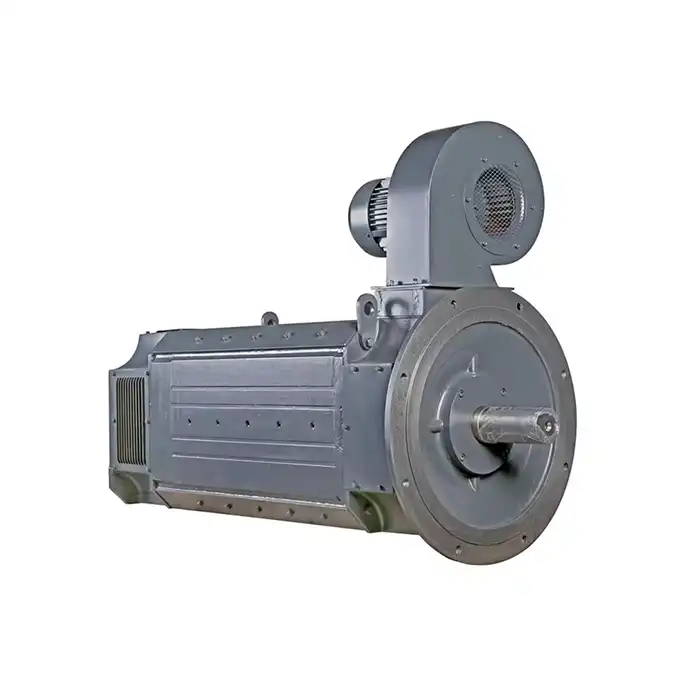
Series:Z4
Frame number: 100-450
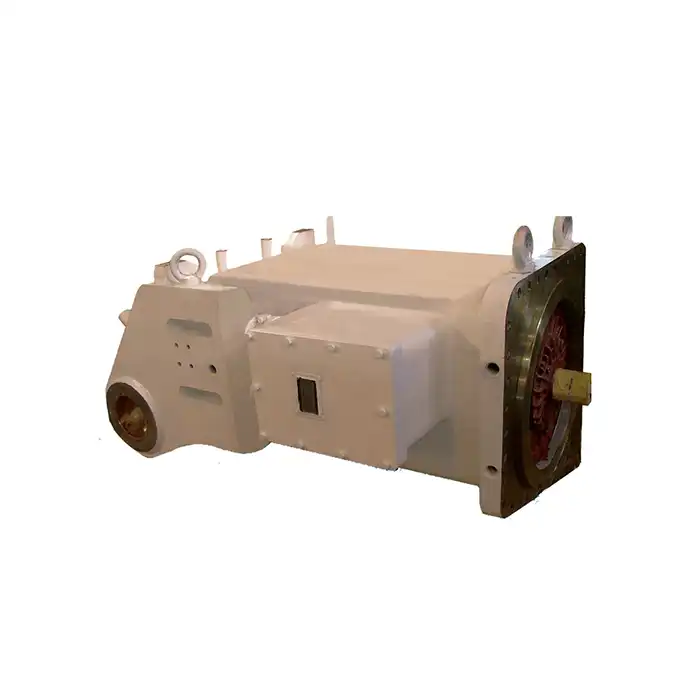
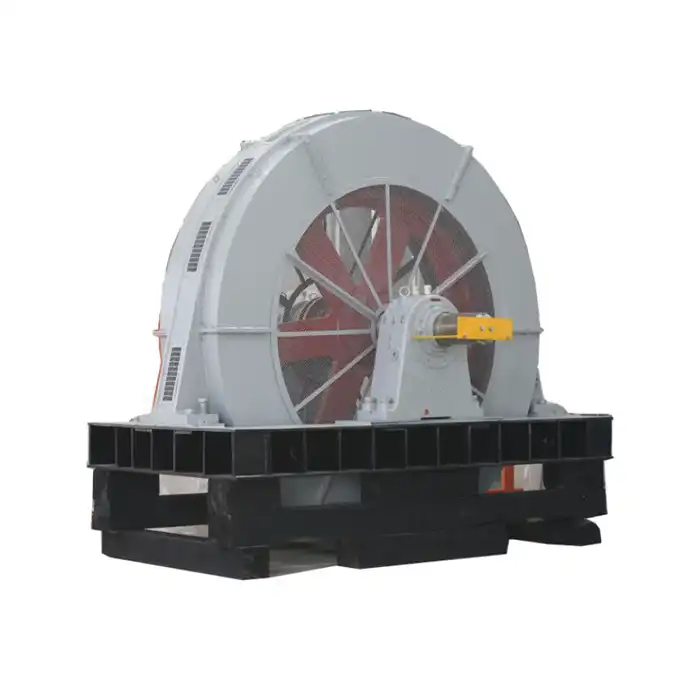
Application:Z4 series motorsThis series of motors can be widely used in various industrial sectors such as metallurgical industrial rolling mills, metal cutting machine tools, papermaking, dyeing and weaving, printing, cement, and plastic extrusion machinery.
Power range:1.5-600kW
Voltage range: 160V,440V, etc.
Certificate: The performance of this series of motors not only complies with the national standard GB/T755 "Basic Technical Requirements for Rotating Electrical Machines", but also basically complies with the German VDE0530 standard.
Advantage:Z4 series DC motor has greater advantages than Z2 and Z3 series. It can not only be powered by DC unit power supply, but also suitable for static rectifier power supply. It has small moment of inertia, good dynamic performance, and can withstand high load change rates. It is especially suitable for control systems that require smooth speed regulation, high efficiency, automatic speed stabilization, and responsive response. It has reached the current international advanced level..
Others: SKF, NSK, FAG bearings can be replaced according to customer requirements.
What Is a 20 HP DC Electric Motor?
What Does 20 HP Mean in Real Terms?
One horsepower is equal to 745.7 watts, so 20 HP is equal to about 14.9 kW, which is what many nameplates round to. That number only shows the output of the shaft. The real performance is also affected by the load you connect, the duty cycle, the base speed, the current, the voltage, and the current. A 20 hp dc electric motor that runs a roller table for short periods of time will get hotter than one that keeps tension on a coiler for a full shift. This is what I look for first when I look over a request: voltage, speed range, and duty. Horsepower alone doesn't always tell the whole story.
Where the Z4 Series Fits?
The 20 hp DC electric motor from XCMOTOR is part of the Z4 series, which is the fourth generation of Chinese DC motors that meet international standards. Frames range from 100 to 450 and 1.5 to 600 kW, which means that 15 kW is well within the range. Voltage ranges from 160 V to 440 V, and other ratings can be made to fit your control system. When it comes to heat, F-class insulation works better in Z4 motors than B-class insulation did in older Z2 designs. Performance is up to GB/T 755 standards and mostly follows the German VDE 0530 standard. A small moment of inertia also lets things speed up and slow down quickly.
Nameplate Details Worth Checking
It is important to read the rated armature voltage, current, speed, excitation data, insulation class, cooling code, and enclosure of any 20 hp dc electric motor before you buy it. Z4 motors have three types of cooling: water cooling ICW37A8, self-ventilated IC0141, and forced air IC06. If you ask, you can get bearings from top brands. Now look at your drawing and see how the shaft size, keyway, foot pattern, and position of the terminal box match up. You can also change the shaft, change the way it's mounted, and add an encoder. A few millimeters of difference in size during a retrofit can take days to fix on site, so our engineers check the sizes before we quote.
Which Applications Get the Best Performance from a 20 HP DC Motor?
Rolling Mill Auxiliary Drives
Gears that coil, uncoil, roller tables, and loop on copper, aluminum, and steel lines need to be able to handle sudden changes in load and keep their torque steady. That's exactly why Z4 motors are aimed at metallurgical rolling mills. They get their power from a DC unit or a static rectifier, so changing an old imported motor doesn't mean you have to change the drive. A 20 hp DC electric motor with the same armature voltage and mounting dimensions as the old motor can replace it if your plant keeps its DC bus. Send us the old nameplate and tell us what the bus voltage is. We'll make sure the two match.
Paper, Printing, and Textile Lines
Long webs are a penalty to those who cannot regulate their pace. “A printing press runs slow when you’re getting started, but once it’s rolling it rolls fast. The tension has to be the same throughout this entire procedure. Z4 motors are useful for paper manufacturing, printing, dyeing and weaving because they retain a consistent speed automatically and react rapidly to feedback. It may run sluggish in the 20:1 constant torque range and quicker in the 4:1 constant power range when the field diminishes. A 20 hp dc electric motor provides uniform web motion in this configuration. This assists in maintaining a high level of print registration and sheet quality.”
Machine Tools, Cement, and Plastic Extrusion
Tools for cutting metal need to have a stable spindle speed even when the cutting load changes. Dust and vibration are made by cement crushers and conveyors. Because melt temperature and screw speed work together, plastic extrusion needs a steady flow of plastic. If your machine slows down when it's under a lot of stress, forced air IC06 or water cooling ICW37A8 can help keep the temperature in the right range. Also, keep the airways clean and check the commutator area more often in plants that are dusty. Different tasks need different amounts of torque, cooling, and duty, so look at the whole picture when making your choice, not just the horsepower, and a 20hp electric motor should be selected against these same criteria.
How Do You Evaluate the Specs of a 20 HP DC Electric Motor?
Estimating Current and Cable Size
Let I = P ÷ (V × η) be your answer. P stands for shaft power in watts, V for armature voltage, and η for motor efficiency. Let us use 14,900 W and an assumed efficiency of 0.85 as an example and nothing else. When the voltage is 440 V, the current is about 40 A. It goes up to about 110 A at 160 V. When voltage is higher, current is lower, cables are smaller, and there is less voltage drop over long runs. It takes a lot more wires to connect a 20 hp DC electric motor to 160 V of power than it does to 440 V. Always use the rated current on the nameplate or data sheet to figure out the right size cable, fuse, or drive.
Torque and Speed Range
The value of torque in N·m is equal to 9,550 times the power in kW divided by the speed in rpm. That gives about 95 N·m for 14.9 kW at 1,500 rpm. For example, a motor that needs to deliver 14.9 kW at 750 rpm needs about 190 N·m. This is why a motor that is sized for torque is needed for low-speed work. You can change the armature voltage and keep the torque constant over a 20:1 range when the speed is below the base speed. When the speed is higher than the base speed, field weakening keeps the power constant over a 4:1 range and the torque goes down as the speed goes up. Before you order, plot your slowest and fastest speeds against the motor curve.
Defining the Load Profile
Please list the running hours, ambient temperature, reversing frequency, acceleration time, peak load, and times when the machine is not in use. Twice the strip tension times the coil radius is torque on a coiler. To get to the motor shaft, divide this number by the gearbox ratio. When a roller table flips over a lot, it causes repeated current peaks and heat, so it needs to be cooled down more. High load change rates are fine for Z4 motors, but I still size every 20 hp dc electric motor to make sure that peak demand stays below the data sheet's overload limit. The right size keeps things from overheating, drawing too much current, and failing too soon.
Which Motor Design and Power Supply Fit Your Application?
Z4 Compared With Z2 and Z3
In many ways, the Z4 series is better than the Z2 and Z3 series. It has insulation of class F, while Z2 uses insulation of class B. It has a wider range of speeds than Z2, which has a narrower range. The frame is smaller, and there is less noise and vibration. The small moment of inertia lets things speed up and slow down quickly, which is important on lines that start and stop a lot. Z4 is slowly taking the place of Z2. If you are taking care of an older line, a Z4 20 hp dc electric motor is a newer model that works with the same DC control method.
Matching the Existing DC Supply
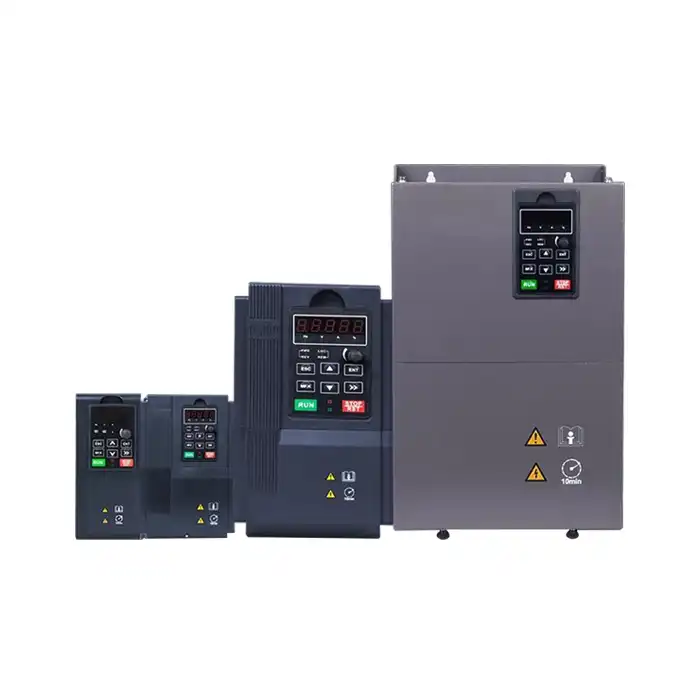
You can power a Z4 motor with either a DC unit supply or a static rectifier. This means that it can work with both older generator sets and thyristor drives. Arc voltage is the first thing that is checked. Find the right motor rating for your bus voltage and then ask what peaks your drive makes. Voltage spikes can be sent to the motor by older plants with unstable grids. To check the motor itself as well as the surge protection, current limits, and drive settings, I suggest doing this. Even though F-class insulation adds more thermal safety, over-voltage protection devices are still the most important thing. Send us the information about your bus, and we'll give you a good rating.
DC Retrofit or AC Conversion?
Some plants are thinking about switching to variable-frequency drives and AC motors. That path needs new drives, cables, panels, and time to get them up and running. A like-for-like DC motor replacement can cut down on downtime and project costs if your DC bus, controls, and cabinets still work. DC does need regular care for the commutator and brush, but when it converts to AC, the maintenance needs change. I think you should look at the total cost of installation and the time of the outage, not just the price of the motor. A 20 hp dc electric motor with dozens of units means that even a small difference can add up, and the same is true when specifying a 20hp electric motor.
How Do You Install, Maintain, and Buy a 20 HP DC Electric Motor?
Installation and Commissioning Checks
Start with a solid base, a properly aligned shaft, and a coupling that can handle the load. Ground the frame, make sure the cables are the right size for the rated current, and check the polarity on both the armature and field circuits. Before turning on a 20 hp dc electric motor, you need to check the insulation resistance. IEEE Std 43 explains how to do this. As you watch the current, temperature, vibration, and noise, turn the shaft by hand and run the motor without any load on it. Then, add load one bit at a time. Check early on the direction of rotation. Keep track of the readings because having a baseline helps you see problems months before they happen.
Controlling Commutator Wear and Sparking
Any DC machine has wear parts like brushes and the commutator. The commutator should have a thin, even layer of brown film on it. Heavy sparking is often a sign of worn brushes, low spring pressure, a commutator that is dirty or out of round, too much current, or vibration. Check the brushes at times that work for you, and check them less often in dusty mills. Keep the airflow open, replace the brushes before they reach the minimum length, and keep an eye out for hot bearings. Having a spare motor and brush set for important positions lowers the risk of an outage. If you need help, our team can answer your technical questions before and after the sale.
Comparing Suppliers and Sending an RFQ
Check out the technical fit, delivery time, warranty, documentation, test reports, and customer service after the sale. Voltage, current, speed range, duty, cooling method, dimension drawing, shaft details, quantity, and delivery date should all be written in a clear RFQ. The company Shaanxi Qihe Xicheng Electromechanical Equipment has been making industrial power equipment for more than 20 years. We use SAP to keep an eye on production and give each 20 hp dc electric motor a final overload and thermal cycling test, as well as several other checks. We have certifications from CCC, CE, ISO9001:2000, CRCC, and UL, and we can ship by sea, land, air, or a combination of these. People in the US who use IEEE 113 test methods can ask for test documents along with the quote.
Conclusion
When a line needs smooth speed control, strong low-speed torque, and a steady DC supply, a 20 hp dc electric motor works best. In that group are roller tables, rolling mill coilers, paper and printing lines, and machine tools. The Z4 series has F-class insulation, a constant torque range of 20:1, a constant power range of 4:1, small frames, and can work with either a DC unit or a static rectifier. Not just horsepower is important for making a good choice; you should also look at the torque curves, cooling, and the clear load profile. The motor keeps running thanks to proper installation, regular checks of the commutator and brushes, and surge protection on older grids. An old bus can stay in use with a like-for-like DC replacement.
FAQ
1. What is the difference between Z2 and Z4 DC motors?
The Z4 has F-class insulation, a wider speed range, a small structure, and less noise and vibration. The Z2 generation is older and has a narrower speed ratio and B-class insulation. The Z4 generation is slowly taking its place.
2. What voltages does the Z4 series use?
160 V and 440 V DC are common armature voltages. We can change the ratings to fit local rules or your control system if you send us your bus voltage.
3. What cooling methods are available?
The self-ventilated IC0141, the separately forced air IC06, and the water cooling ICW37A8 are all options. Forced air and water cooling are good for heavy work that goes on all the time.
4. What is the speed regulation range?
The constant power ratio gets to 4:1, and the constant torque ratio gets to 20:1. That works for machines that need a wide range of speeds.
5. Can it run from a rectifier?
Yes. A DC unit power supply or a static rectifier can power a Z4 motor.
Request a 20 HP DC Electric Motor Quote from XCMOTOR
Looking for a 20 HP DC electric motor supplier who knows how to retrofit rolling mills? Please email xcmotors@163.com with your bus voltage, speed range, duty, dimensions, and quantity. Our engineers will look at the details and suggest a Z4 20 hp dc electric motor that will work with it. We offer fast delivery, a 30-day open purchase policy, and support on the weekends.
References
1. Electric Machinery Fundamentals, 2012
2. Fitzgerald and Kingsley's Electric Machinery, 2013
3. IEEE Std 113, Guide: Test Procedures for Direct-Current Machines, 1985
4. IEEE Std 43, Recommended Practice for Testing Insulation Resistance of Electric Machinery, 2013
5. NEMA MG 1, Motors and Generators, 2021
6. Improving Motor and Drive System Performance: A Sourcebook for Industry, U.S. Department of Energy, 2014