



Why Upgrading to HV AC Motors Significantly Lowers Plant Operating Costs
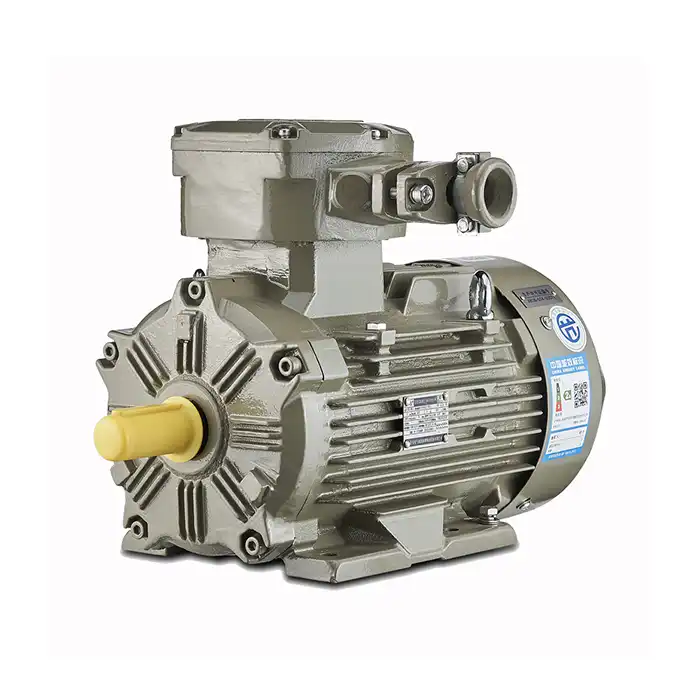
Investing in a high voltage AC Motor is a smart move that lowers the cost of running the plant by making it more energy efficient, reducing downtime, and making equipment last longer. The power of these motors is higher than 1,000 volts, and they work very well in harsh industrial settings. Their advanced insulation systems, precisely balanced rotors, and optimized cooling designs cut electricity use by up to 15% compared to traditional options. This means that facilities in the manufacturing, energy production, and process control sectors that run continuously can save a lot of money every year.
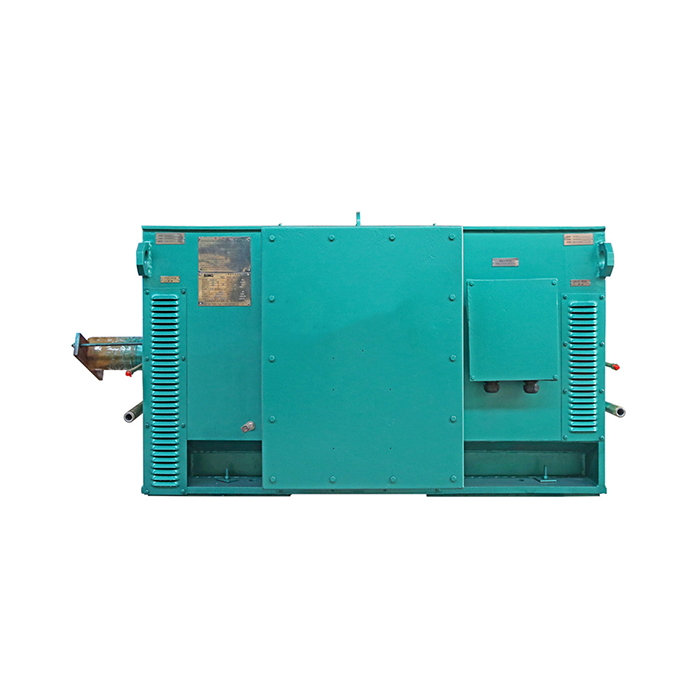
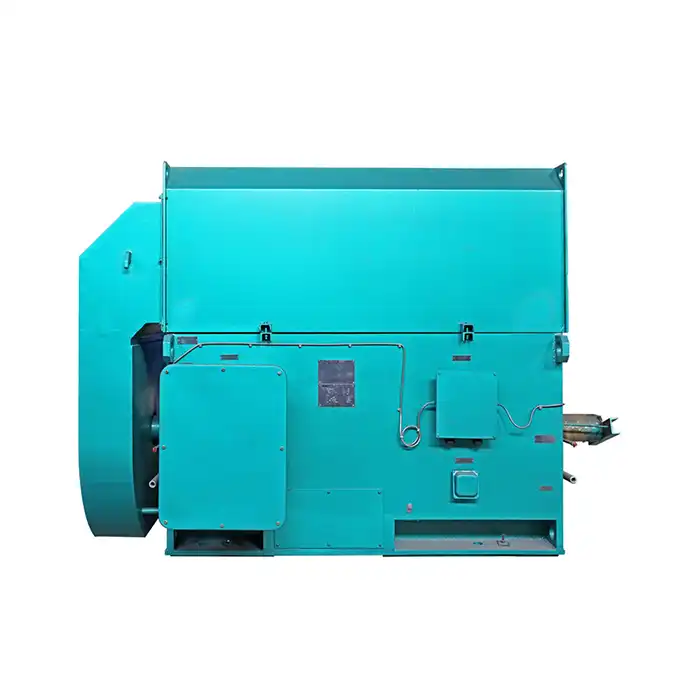
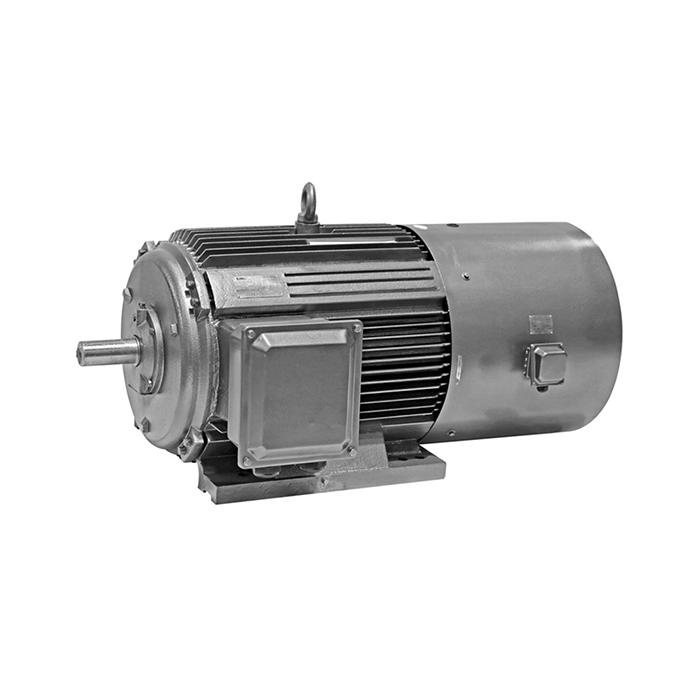
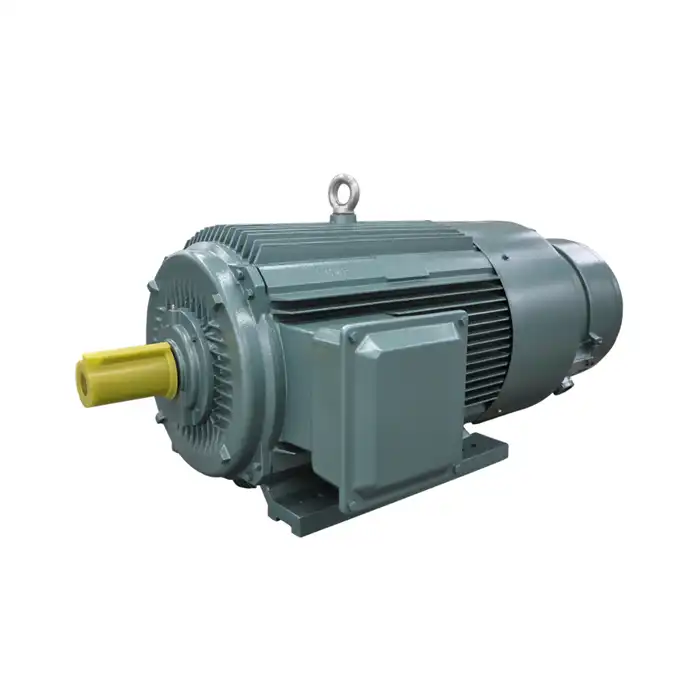
Series:YX
Protection level:IP23
Voltage range:3000V±5%,3300V±5%,6000V±5%,6600V±5%,10000V±5%,11000V±5%
Power range:220-3550 kW
Application:fans, water pumps, compressors, crushers, cutting machine tools, transportation machinery, etc.
Advantage:high efficiency and energy saving, light weight, low noise, small vibration, long service life, easy installation and maintenance.
Standard: This series of products complies with JB/T 12728 and JB/T 10446 standards.
Others: SKF, NSK, FAG bearings can be replaced according to customer requirements.
Understanding High Voltage AC Motors and Their Impact on Plant Efficiency
For large-scale commercial processes, High Voltage AC Motor technology has greatly advanced over the past twenty years. These motors work with voltages between 3,000V and 11,000V and are very good at turning electrical energy into mechanical power—often more than 96% efficient. The basic design includes high-quality silicon steel laminations that keep core losses to a minimum. Premium copper windings make sure that the conductivity is at its highest and that heat doesn't build up during long operation cycles.
Core Design Features That Drive Performance
Modern high-voltage AC Motor units are built with longevity and efficiency in mind. At XCMOTOR, our motors have frames made of cast iron, which increases their strength and helps them get rid of heat better. Even when the temperature changes from -20°C to +40°C, these frames keep their shape. They can handle tough industrial circumstances. Precision-balanced wheels keep vibrations to less than 3mm/s, which keeps linked equipment safe and greatly increases the life of bearings.
Class F or H insulation systems can handle temperatures of up to 155°C or 180°C, which is very important for safety during times of high load. Vacuum pressure impregnation (VPI) treatment makes sure that the glue goes all the way through the winding structures, getting rid of any air spaces that might weaken the dielectric strength. When this process is used to make something, the shielding breaks down at voltages higher than 30kV. This is much higher than what is needed for operation and protects against voltage spikes that happen in industrial power lines.
Cooling Technologies and Energy Conservation
Good temperature control has a direct effect on how well and how long a motor works. The water-cooled systems (ICW37) we use in our range of 220kW to 6,300kW have closed-loop cooling jackets that keep the inside temperatures stable even when they are running at full load all the time. This method works especially well in places like steel mills, mines, and power plants where the temperature outside often goes above what is normal for operation.
Air-cooled versions (IC411, IC611) have better fan designs and ventilation paths that are placed in a way that lets the most air flow through without causing too many parasitic losses. The choice of cooling method affects the total amount of energy used. When it comes to high temperatures, water-cooled high-voltage AC Motor setups are usually 2 to 3 percent more efficient than air-cooled ones, but they need extra water drainage systems. When defining cooling options during the buying process, plant engineers have to look at the local conditions, the services that are available, and the ability to do upkeep.
Key Factors Why HV AC Motors Reduce Operating Costs
The financial case for upgrading is based on three benefits that work together: better dependability, less expensive upkeep, and using less energy. For factories with a lot of big motors, the return time can be as short as 18 to 24 months just from saving electricity. Other benefits, like less downtime and lower repair costs, make the total value offer even stronger.
Energy Efficiency and Electricity Savings
High Voltage AC Motor technology cuts power use by a measured amount by using better materials and better electromagnetic design. Motors that meet IE3 economy guidelines have power factors between 0.85 and 0.89, which means they use less reactive power from the grid and pay less in demand charges. At $0.12/kWh, a 2,500kW motor that runs for 8,000 hours a year can save about $36,000 a year compared to a motor that is only 3% less efficient. This is a modest estimate based on average industrial energy rates in the US.
Computer-aided design studies help us make sure that the magnetic flux lines are the best they can be and that eddy current losses are kept to a minimum. High-quality copper windings lower resistance losses, and precise die-casting of rotor parts makes sure that the air gaps are all the same size, which stops magnetic imbalances that waste energy. These small improvements in engineering add up to real savings on costs over the motor's useful life, which is usually between 20 and 25 years in well-kept systems.
Extended Service Life and Maintenance Cost Reduction
Long-term operating costs are determined by the quality of the parts just as much as the initial purchase price. As usual, our High Voltage AC Motor line has Class F insulation. For harsh situations, Class H insulation is also available. This insulation cushion lets motors work well within their temperature limits, which slows down the wear and tear that usually ends a motor's life. Independent tests show that running a Class F motor at a Class B temperature rise (80K vs. 105K) can double the insulation's life span.
This means that the motor will need to be rewound fewer times and cost less to maintain over its lifetime. When used in dirty places like cement plants, mines, and farms, sealed bearing designs keep dirt and other contaminants out. Because these bearings don't need much oil, planned maintenance can be cut from three times a year to once a year in many situations. Our motor designs have removable bearing housings and easily accessible terminal sections that cut down on service times and the number of skilled labor hours needed for regular checks. This makes it easier for maintenance teams to get to important parts.
Comparing High Voltage AC Motors to Alternative Solutions
When engineering teams look at motor changes, they have to think about a number of different technologies, each of which has its own benefits in certain situations. Understanding these differences helps make sure that the capabilities of the tools are perfectly matched with the needs of the business. This avoids expensive mistakes that hurt performance or raise the total cost of ownership.
Performance Metrics Across Motor Technologies
DC motors, low-voltage AC motors, and synchronous motors are the main competitors in heavy industry uses for high-voltage AC Motor Induction designs. Induction motors are very simple and durable. They don't need to have their brushes maintained and can work in tough environments that would damage commutator-based DC designs. For squirrel cage designs, starting torque usually hits 60–80% of maximum torque, which is enough for most pump and fan uses. Different types of wound rotors can reach starting torques higher than 250% of their rated values.
This means they can handle loads with a lot of inertia, like crushers, mills, and hoists. Synchronous motors have better power factor performance, often reaching 0.95. This lowers utility demand charges and makes the voltage security of the system better. These motors keep the exact speed they're set to, even when the load changes. This makes them useful in situations where exact speed control is needed, like in conveyor systems and precision machine tools. The trade-off is higher starting costs for high-voltage AC Motors and control systems that are more complicated and need specialized knowledge to set up. Engineers at XCMOTOR can do a full application study to help you decide whether synchronous or induction technology will work best for your needs.
Lifecycle Cost Considerations and Budgeting
The full cost of ownership includes more than just the purchase price. It also includes the cost of installation, energy use, repairs, and removal. An in-depth lifetime study shows that over the course of a 20-year service life, the initial capital investment is far outweighed by the 85–92% of total ownership costs that come from running a High Voltage AC Motor. This distribution shows why making things more efficient, even if it costs 15-20% more up front, saves a lot of money in the long run through lower power bills. When estimating maintenance costs, it's important to include both planned preventative maintenance and fixes that come up out of the blue.
High Voltage AC Motor bearings are the parts that need to be repaired the most. They usually need to be replaced every 40,000 to 60,000 hours, but this depends on how they are used and how well they are oiled. Professional testing of winding insulation using partial discharge testing or polarization index readings is usually needed every 5 to 7 years. Industrial sites with skilled electricity maintenance teams and the right testing tools can stick to a budget of $0.008 to $0.015 per working hour for regular maintenance.
Procurement Considerations for Upgrading to HV AC Motors
To get the best value, successful High Voltage AC Motor buying combines technical requirements, sourcing skills, and business terms. The engineering and buying teams need to work together to make sure that the equipment specs are based on real working needs and not just general opinions that could limit seller options or raise costs without need.
Supplier Evaluation Criteria and Quality Assurance
When choosing a vendor, you should look for ones that have a history of producing high-quality products and offer thorough warranties and quick technical support. Advanced CNC machine centers and automatic winding systems are used by XCMOTOR in its factories to make sure that all of its parts are precisely made and the same across all production runs. Our quality control systems are in line with ISO 9001:2015 standards. They offer organized ways to check the design, check the production process, and confirm the end performance.
The warranty terms should be carefully read, especially the parts that say how long the policy lasts, what a failure is, and where help is available. Standard guarantee terms usually last between 18 and 24 months from the date of shipment or from the date of starting, whichever comes first. Options for longer warranties may save you money in critical situations where a motor failure means big losses in production. XCMOTOR offers flexible guarantee designs that are based on the risk profile of the customer and the seriousness of the application. This is backed up by our promise to provide parts quickly and respond to service calls in the field.
Delivery Logistics and Installation Support
Depending on the power level, customized needs, and production list depth, lead times for High Voltage AC Motor orders are usually between 8 and 16 weeks. Standard frame sizes with common voltage values usually have faster delivery windows. On the other hand, production plans are longer for custom designs that need custom windings or non-standard mounting setups. When plant managers plan big changes, they should talk to suppliers 6 to 9 months before the installations are due.
This gives enough time for technical reviews, production, shipping, and coordinating the installations. Because of their size and weight, motors that are more than 2,000kW need special handling when they are being transported. Units that are close to or more than 6,000kW may need to be taken apart for shipping and then put back together at the installation site, which adds to the cost and complexity. XCMOTOR works with experienced freight forwarders and lifting companies to make sure that deliveries are made safely. They do this by giving clear shipping instructions and handling instructions that keep the motors from getting damaged during transport. During the construction process, our expert team is always ready to help commissioning engineers and answer any questions that may come up in the field.
XCMOTOR Partnership Advantages for North American Markets
As XCMOTOR, Shaanxi Qihe Xicheng Electromechanical Equipment Co., Ltd. has built a strong reputation in North America by providing reliable services to the energy, HVAC, industrial automation, and other specialized application sectors. Our range of products includes those with power ratings from 160kW to 6,300kW and voltage ratings from 3,000V to 11,000V. These ranges cover the vast majority of industrial needs in places like factories, water treatment plants, power plants, and process industries. Customer comments always show how quick we are and how deep our expert knowledge is.
Engineering help goes beyond just choosing a product; it also includes motor specification optimization, efficiency analysis, and help with integration for apps that use variable frequency drives. This consultative method keeps procurement teams from giving too many details while still making sure there are enough performance gaps for future changes to the process or capacity growth. Case applications in the production of airplane parts and the processing of petrochemicals show that we can provide solutions that meet the high-performance and dependability standards needed by controlled industries.
Maintenance Best Practices to Maximize Cost Savings with HV AC Motors
Systematic repair plans keep investments in High Voltage AC Motors safe and keep them working at a high level of efficiency for the whole time they are in use. Condition tracking technologies used in predictive maintenance strategies are especially cost-effective because they find problems before they become major breakdowns that stop production and require expensive emergency fixes.
Vibration Analysis and Bearing Condition Monitoring
Vibration signature analysis can tell you early on when bearings are wearing out, rotors aren't balanced, or parts are becoming loose. Setting up standard data right after approval lets you do trend analysis, which finds small changes that mean problems are starting to appear. Portable vibration testers or devices that are permanently placed can keep an eye on acceleration levels across a wide range of frequencies. If an alarm goes off, repair needs to be done before something major breaks down.
Monitoring the state of a bearing focuses on the frequencies that are linked to problems with the inner race, the outer race, the cage, and the rolling elements. When spectral analysis shows that these characteristic frequency bands have a lot of energy, it means that the bearings are worn out and need to be fixed. Modern systems for analyzing vibrations instantly match recorded bands to databases of fault frequencies. This makes it easier for maintenance workers who haven't had special training in vibration analysis to understand what the data means. XCMOTOR motors come with standard tracking features, such as fixing spots for sensors inside the bearing case and position marks on the shaft that make phase analysis easier when trying to figure out why complex shaking patterns happen.
Insulation Testing and Thermal Monitoring
High Voltage AC Motor winding problems are most often caused by electrical insulation wearing down. Megohmmeters are used to test the insulation's resistance on a regular basis. Readings below certain levels indicate that the insulation is wet or damaged and needs to be looked into. Comparing the resistance readings after 1 minute and 10 minutes with a polarization index test gives more information about the state of the insulation; rates lower than 2.0 indicate contamination or damage that needs more investigation. Thermal imaging scans find strange heating patterns that could mean there are problems with the connections, the insulation is breaking down, or there is too much friction.
Infrared cameras can easily find hotspots in the terminal area that are caused by loose connections. If these problems aren't fixed, they can turn into arcing faults. Monitoring the temperature of the bearing case, either with built-in resistance temperature detectors (RTDs) or regular infrared scans, makes sure that the bearings are properly oiled and finds problems before they get too hot and damage them. When linked to distributed control systems or stand-alone monitoring equipment, the PT100 temperature sensors built into XCMOTOR motor designs in both the stator windings and the bearing housings allow for constant status tracking.
Predictive Maintenance Technology Integration
Internet of Things (IoT) platforms and industrial condition tracking systems change upkeep from being reactive or time-based to being condition-based, which makes better use of resources and stops unexpected downtime. Wireless shaking sensors, temperature monitors, and current signature analysis units send operating data to central platforms all the time. These platforms use machine learning algorithms to find problems and estimate how long something will work.
When it comes to high-voltage AC Motors, current signature research is very helpful for finding problems with the rotor and stator. Broken rotor bars, shorted turns, and eccentricity conditions show up as characteristic frequency components in motor current spectra. These can be found by using portable motor circuit analysis tools to do regular or continuous surveys. This non-intrusive testing method finds growing electrical problems without having to take apart motors or stop production. This lets maintenance be planned for planned downtimes instead of having to be done quickly in an emergency.
Conclusion
When a company switches to High Voltage AC Motor technology, its running costs go down significantly because it uses less energy, is more reliable, and needs less upkeep. These motors work better than regular ones in a number of operating measures that have a direct effect on revenue. This is because they are made with advanced materials, are precisely manufactured, and have an optimized electromagnetic design. To have a successful adoption, you need to carefully choose your provider, do a lot of application engineering, and follow strict upkeep procedures that protect your investment for many years. Industrial sites that focus on operational efficiency see changes to high-voltage AC motors as long-term investments that make them more competitive by lowering energy costs and increasing production uptime.
FAQ
1. What are typical energy savings from upgrading to high-voltage AC motors?
Energy saves depend on how efficient the motors are already and how they are used, but sites usually see 8–15% drops in their electricity use. If a 1,000kW motor ran for 7,500 hours a year at $0.10/kWh, it would save about $11,250 a year and be 15% more efficient, which would pay for itself in less than three years in most commercial settings.
2. How do I select the appropriate High Voltage AC Motor for my application?
To make the right choice, you have to match the motor's features to the load's needs. You have to think about things like power grade, speed, starting torque, duty cycle, and the surroundings. At XCMOTOR, our tech team helps with application research to make sure that the right size and setup are used. You can get detailed advice about your unique needs by emailing xcmotors@163.com.
3. Are bulk order discounts available for multi-motor plant upgrades?
In manufacturing and transportation, economies of scale are taken into account by volume price systems. Tiered discounts are usually available for orders of three or more units, with bigger discounts for orders of five or more units. Custom pricing offers can include shipping schedules that are spread to match phased implementation plans. This can help with cash flow and get better prices for large orders.
Partner with XCMOTOR for Your High Voltage AC Motor Needs
High Voltage AC Motor is an expert at providing complete solutions that are made to fit the needs of difficult industry uses in the process, energy, and manufacturing sectors. Our engineering team has decades of experience between them in motor design, application analysis, and integration support. This means that the equipment you choose will perfectly meet your working needs and performance goals. We keep a large stock of popular frame sizes and voltage ratings, so we can quickly fulfill orders for both planned and emergency repairs.
Our dedication goes beyond just delivering the product; it also includes full professional support, help with installation, and quick service after the sale. XCMOTOR has the knowledge and tools to help you finish your project, whether you just need one motor replaced or the whole building upgraded. As a reputable High Voltage AC Motor provider, we offer low prices without sacrificing quality. Our products come with strong warranties and have been shown to work reliably in the toughest industrial settings.
Get in touch with our technical experts right away at xcmotors@163.com to talk about your unique needs. To learn more about how XCMOTOR High Voltage AC Motor options can help your business run more efficiently and cost-effectively, you can ask for full product specs, personalized quotes, or a meeting.
References
1. Industrial Electric Motor Energy Efficiency Standards and Performance Benchmarking, National Electrical Manufacturers Association Technical Report, 2022.
2. Total Cost of Ownership Analysis for High Voltage Motor Systems in Heavy Industry, Institute of Electrical and Electronics Engineers Industrial Applications Society, 2021.
3. Predictive Maintenance Technologies for Rotating Equipment: Implementation Guidelines for Manufacturing Facilities, Society for Maintenance and Reliability Professionals, 2023.
4. Comparative Life Cycle Assessment of Motor Technologies in Industrial Applications, American Society of Mechanical Engineers Power Division, 2022.
5. High Voltage Motor Insulation Systems: Design, Testing, and Reliability Analysis, International Electrotechnical Commission Technical Documentation, 2021.
6. Energy Efficiency Improvement Potential in Industrial Motor Systems: United States Manufacturing Sector Analysis, Department of Energy Industrial Technologies Program, 2023.