



What You Need to Know About Vertical Pump Motors
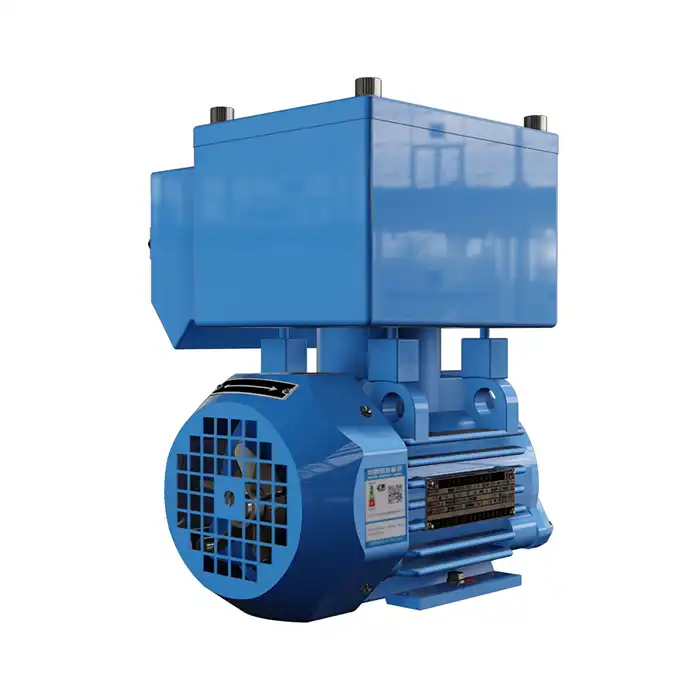
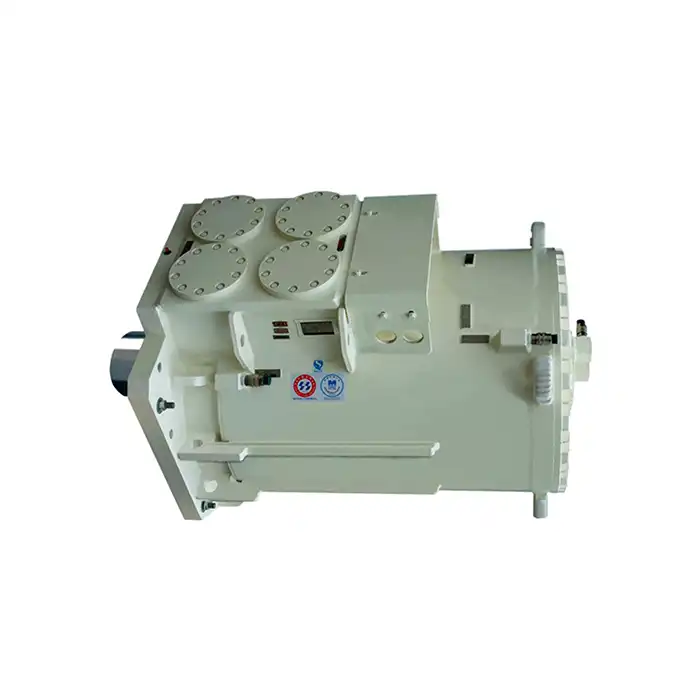
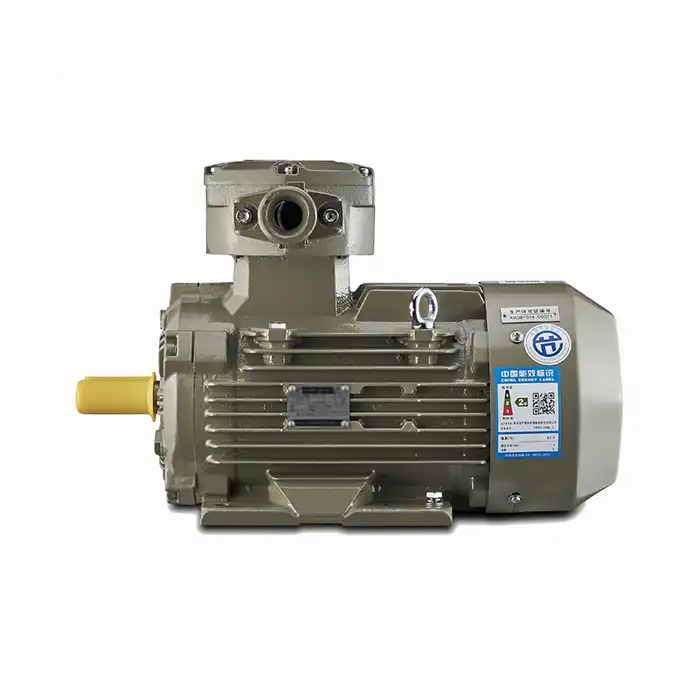
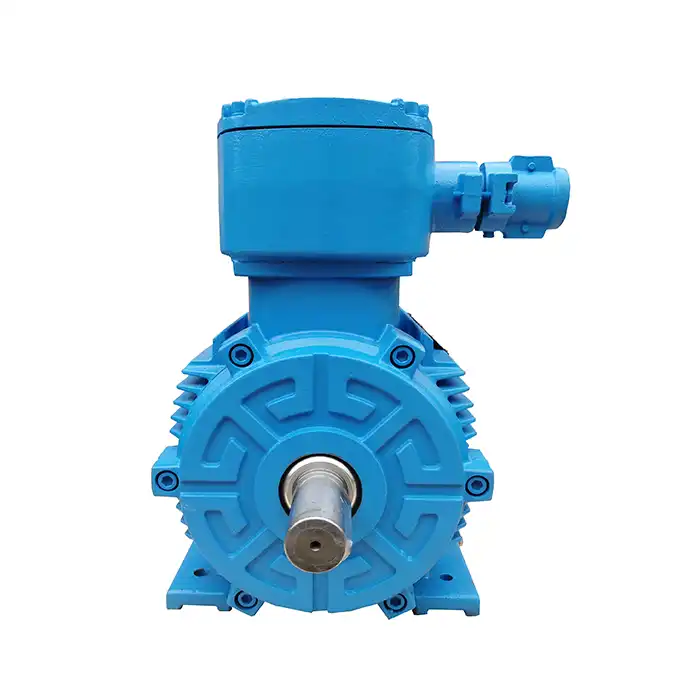
It is important to understand vertical water pump motor technology when looking at options for moving fluids in industrial settings. These special motors have wheels that are directed vertically. They provide reliable pumping performance in tight spaces and deep-well uses. Their special shape makes them very useful for city water systems, farming irrigation, industrial processes, and HVAC installs. When choosing the right motor, you need to carefully think about its technical specs, how it will be used, and how much upkeep it will need over time to make sure the system works well and doesn't cost too much.
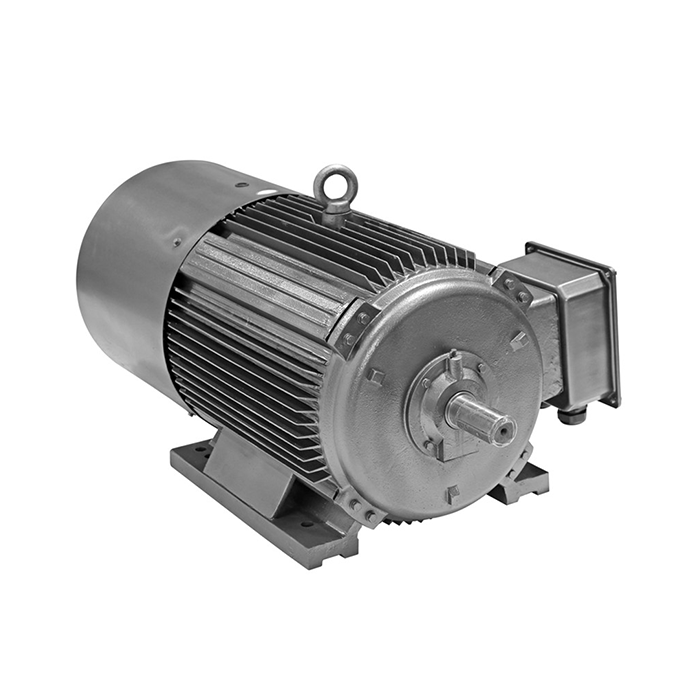
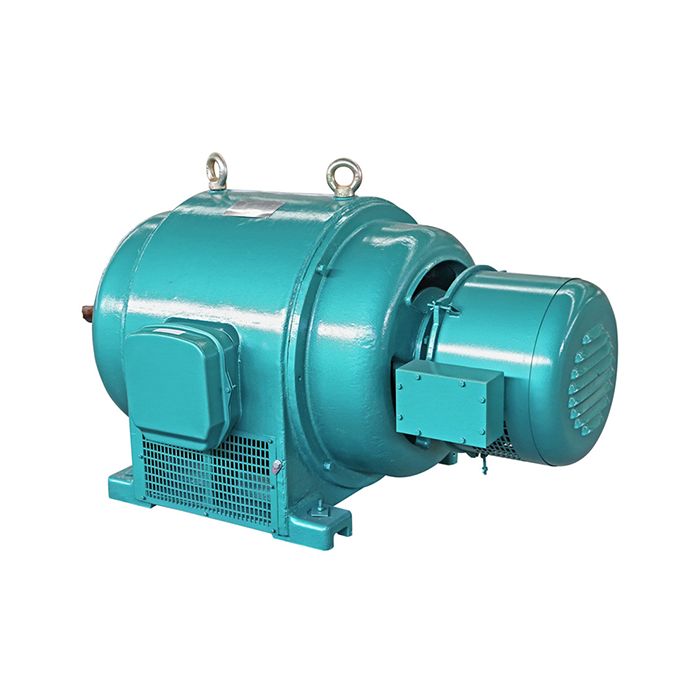
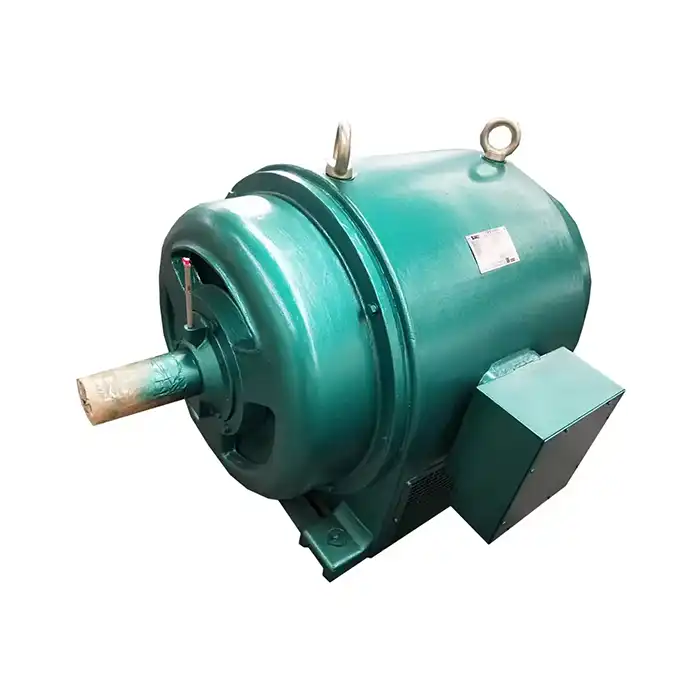
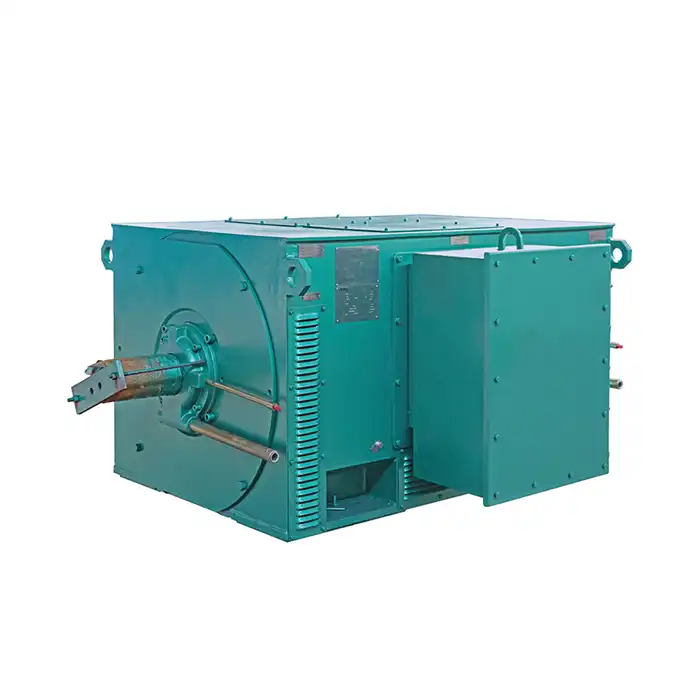
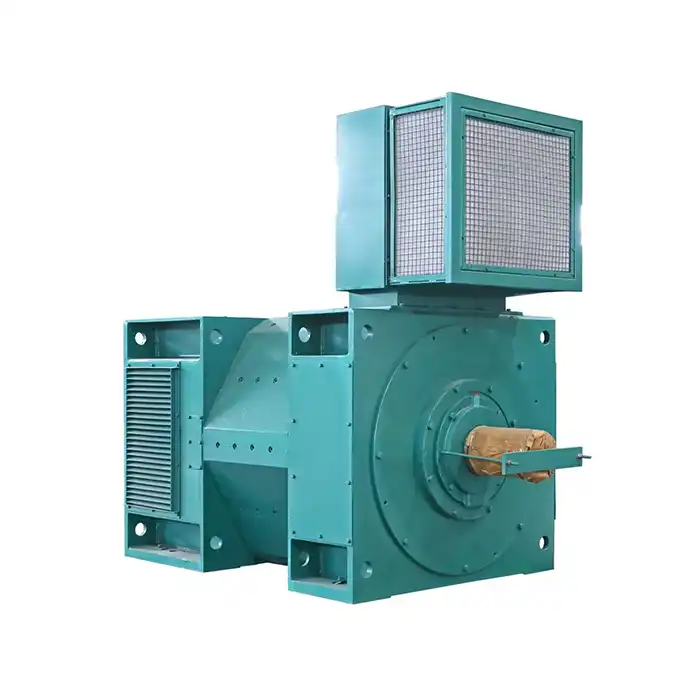
Series:YVFE2
Frequency conversion range:30hz~50hz,5hz~70hz,5hz~100hz
Power range:0.75-355kW
Protection level:IP55
Application:are suitable for driving various mechanical equipment that require continuous and frequent forward and reverse rotation, such as steel rolling, lifting, transportation, machine tools, printing and dyeing, papermaking, chemicals, textiles, pharmaceuticals, etc., and can be used with various domestic and foreign variable frequency power supplies.
Advantage:high efficiency, wide speed range, high precision, stable operation, and easy operation and maintenance.
Certificate:installation dimensions comply with International Electrotechnical Commission (IEC) standards.
Others: SKF, NSK, FAG bearings can be replaced according to customer requirements.
Understanding Vertical Water Pump Motors: Design, Functionality, and Applications
How Vertical Pump Motors Work
Vertical water pump motors have shaft sections that are perpendicular to the mounting surface. This makes them small, which is great for places where there isn't much horizontal room. A vertical shaft link connects the motor straight to the pump blade. This sends spinning energy down into the pumping chamber. This setup gets rid of the need for complicated moving parts, which cuts down on energy waste and makes the system work better overall. Because they are mounted vertically, they can naturally be used in situations that need deep suction pulls. This makes them especially useful in wells, sumps, and other small areas where horizontal motors can't fit.
Core Design Features
Cast iron frames that can handle rough working conditions are essential to the structural stability of vertical water pump motor systems. High-quality copper windings provide good electromagnetic performance with low resistance losses. Precision-balanced blades make sure that the machine runs smoothly and with little sound, which extends the life of the bearings and lowers the need for upkeep. Thermostats keep an eye on the inside temperatures of things to keep them from breaking from getting too hot during long periods of use or when the load isn't normal. When put together, these design features make motors that can work continuously in harsh industrial settings.
Industrial Applications Across Sectors
Vertical water pump motors are used in process cooling systems, chemical transfer operations, and automatic production lines that need fluids to move consistently. These motors are used in the aircraft and automobile industries to move water during cutting and in systems that wash parts. Sanitary-grade vertical water pump motors handle moving products and cleaning while they're still in place in food processing plants, where strict cleanliness standards are needed. In the energy sector, vertical water pump motors power big pumps that move thousands of gallons of water every minute in power plant cooling towers.
For example, these motors are used in underground heat exchange systems and concentrated solar power setups. Vertical water pump motors are always running in water treatment plants for taking in raw water, adding chemicals, backwash systems, and distributing cleaned water through local networks. Agricultural businesses can use vertical water pump motor technology to improve draining, washing systems for animals, and irrigation systems. Dewatering pumps with vertical water pump motors are used on building and mining sites to remove rainwater from tunnels and underground vertical water pump motor workings. This keeps the work areas safe.
Advantages and Efficiency Insights of Vertical Water Pump Motors
Space Optimization and Installation Flexibility
When compared to horizontal motor-pump pairs, the vertical design takes up a lot less floor space. This means that multiple units can fit into small pump rooms. This benefit is especially useful for repair jobs where the old buildings don't have enough room for adding more equipment. The vertical form also makes it easier to lay out the pipes because there are fewer elbow joints and the pressure drops that come with them.
Performance Benefits and Operational Reliability
Vertical water pump motors have a number of practical benefits that save money in a clear way. The direct-drive link between the motor and pump gets rid of the inefficiency losses that come with belt drives and lowers the upkeep needed for replacing and tightening the belts. When used in dirty or wet places, sealed bearing sets protect internal parts from contamination and extend the time between cleaning. The vertical shaft position keeps dirt and other particles from building up on the motor's surfaces, so it keeps running at its best for as long as it's possible. When motors exactly match what the system needs, they work more efficiently.
The high precision speed control and wide speed range cut down on energy waste during partial-load operation, which makes up most of the downtime in many situations. The IP55 grade means that the device will work reliably in wet, dusty, or temperature-changing conditions ranging from -20°C to +40°C. Class F insulation that is set to 155°C gives you a temperature cushion that lets you keep working in tough conditions. These efficiency traits lower the total cost of ownership by lowering energy costs, increasing system uptime, and extending the time between repair visits. Stable operation means that related equipment isn't put under as much mechanical stress. This keeps expensive pumps and pipe systems from getting damaged by shaking or shock loads.
Maintenance, Troubleshooting, and Performance Optimization
Preventive Maintenance Strategies
Vertical water pump motors work at their best and don't break down when they're least expected when they're inspected on a regular basis. Every three months, an eye review should make sure that the fixing bolts are tightened properly, that there are no signs of water getting in at the cable entry points, and that the air holes are still clear of any debris. Monitoring bearing noise finds early signs of deteriorating grease or component wear before a catastrophic failure happens. How to lubricate depends on the type of bearing and how it is being used. Our motors have sealed bearings that make them last longer because they don't need to be greased regularly. However, replacement times must be tracked based on working hours. With SKF, NSK, and FAG bearings, you can easily find new parts that fit your needs and those of your supply chain. This means that your equipment will be down for as little time as possible during maintenance.
Diagnostic Approaches for Common Issues
Unusual shaking is often a sign that the vertical water pump motor and pump shafts are not aligned properly, which needs to be fixed right away to avoid damaging the bearings. Most shaking problems can be fixed by vertical water pump motor, the state of the connection, and making sure the shaft is properly aligned using dial markers. If there is a strange noise during operation, it could mean that a bearing is wearing out and needs to be replaced before it fails. Overheating can be caused by a lack of cooling airflow, too much load, or an imbalance in the voltage, and each needs a different set of fixes. Monitoring the temperature while the machine is running helps find problems early on, before they damage the motor. When surface temperatures are higher than standard working ranges, it could mean that there are problems inside that need to be looked into. Thermal imaging cameras measure temperatures without touching them, showing hot spots that could mean there are problems with the windings or a blockage in the cooling system.
Enhancing System Performance
Matching the motor's powers to the system's needs is the first step in improving performance. Oversized motors lose energy when they're only partially loaded, and small motors wear out faster because they are constantly overloaded. By measuring flow and pressure while the machine is running, you can tell if the installed motor is working within its efficiency range or if it needs to be replaced with a better-matched unit. When variable frequency drives are added to fixed-speed motors, they become systems with changeable output that can exactly meet demand. Installing a VFD lowers starting current spikes that put stress on the electrical infrastructure. It also eliminates mechanical shock from across-the-line starts, which extends the life of the motor and lowers energy use by 30 to 50 percent in variable-load situations. Our vertical water pump motors can change frequencies from 5Hz to 100Hz, which gives them a wide range of speeds that can be used to match pump output to system needs in a variety of operating situations.
Comparing Vertical Pump Motors: Making Informed Procurement Decisions
Evaluating Motor Types for Specific Applications
Vertical water pump motors are great for situations where space is limited and a strong force is needed. Their direct-drive design means they lose less energy than horizontal motors that are driven by belts and need less upkeep. Submersible motors are better for deep well uses, but they are more expensive to fix when they break and need special retrieving tools to be serviced. Think about the total cost of ownership instead of just the initial buy price when considering choices. Motor economy scores have a direct effect on the costs of running a vertical water pump motor over a number of years. In big systems, a motor that uses 5% less energy than a competitor saves thousands of dollars a year, quickly making up for any extra cost. Long-term costs are also affected by insurance terms and the availability of the service network. For example, longer warranty coverage and quick technical help can lower the costs of downtime.
Technical Specifications That Matter
Power ranges from 0.75kW to 355kW, which can be used for everything from small circulation systems to big industrial vertical water pump motors. There are different voltage choices, such as 380V, 400V, 415V, and 660V, to meet foreign electricity guidelines and specific high-voltage needs. IEC standard fitting measurements make sure that pumps from different countries can be used together. This makes it easier to find equipment and makes integration simpler.
Installation Guide and Technical Specifications for Seamless Integration
Site Preparation and Mounting Requirements
Proper installation begins with foundation preparation, providing rigid, level support that maintains alignment of vertical water pump motors throughout thermal expansion and operational vibration. Pay close attention to the gap sizes, vertical water pump motor, and bolt force values given in the installation instructions when installing a coupling.
Electrical Connection Best Practices
Local rules and codes must be followed when making electrical connections, and the right-sized wires must be used based on the vertical water pump motor's full-load current values. Terminal box entry makes soldering easier and protects electrical lines from the outdoors. Electrical safety is established by grounding links, which keep people and equipment safe from fault currents. When integrating a variable frequency drive, there are some extra things that need to be thought about. For example, insulated cables are needed to reduce electromagnetic interference. The drive needs to be programmed correctly for the motor settings, and cooling needs to be checked because the VFD may reduce fan-driven cooling at low speeds. Our vertical water pump motors can change frequencies over a wide range, from 5Hz to 100Hz. This means that the drive systems we use need to be able to work steadily across this wide range while still protecting the motor.
After-Sales Support Importance
Professional installation help makes sure that the guarantee is followed and that the system works at its best from the start. During completion, technical help makes sure everything is working right, finds any problems with the system that need to be fixed, and teaches the user how to do regular maintenance. Problems can be fixed quickly with fast technical help throughout the motor's useful life. This keeps production running smoothly and protects the investment in the equipment. Shaanxi Qihe Xicheng Electromechanical Equipment Co., Ltd. offers full support for installing vertical water pump motors. They do this by drawing on their many years of experience with industrial power equipment used in a wide range of situations. Our promise to solve technology problems before and after the sale makes sure that customers get the most out of the tools they buy.
Conclusion
To choose the right vertical water pump motors, you have to weigh the technical specs, the needs of the application, and the total cost of ownership. In industrial automation, HVAC, energy, and other specialized uses, these motors offer small setups, stable operation, and high performance. When buying, teams know about design principles, upkeep needs, and installation standards; they can make decisions that support operating goals. Many current vertical water pump motors have advanced features that make them useful for difficult fluid handling tasks. These features include wide frequency conversion ranges, strong safety rates, and a variety of gear choices. Partnering with experienced suppliers who provide genuine components, responsive support, and comprehensive technical assistance maximizes equipment performance and operational reliability.
FAQ
1. How often should vertical water pump motors undergo maintenance inspections?
Quarterly visual inspections suffice for most installations, checking for loose connections, unusual noise, and proper ventilation. Bearing condition monitoring should occur monthly in critical applications, while annual comprehensive inspections, including insulation resistance testing and thermal imaging, provide a thorough condition assessment. Operating environments with high dust, moisture, or temperature extremes may require more frequent attention.
2. What indicators suggest a vertical water pump motor is operating inefficiently?
Rising energy consumption compared to historical baselines indicates declining efficiency. Increased operating temperatures, abnormal vibration levels, and longer startup times all signal developing problems affecting performance. Flow and pressure measurements below design specifications suggest motor or pump degradation requiring investigation and possible corrective action.
3. Can vertical water pump motors be customized for specific industrial requirements?
Voltage specifications, frequency ranges, mounting configurations, and bearing selections can be tailored to application needs. Custom shaft dimensions, special coatings for corrosive environments, and enhanced protection ratings address unique operational challenges.
Partner with XCMOTOR for Reliable Vertical Water Pump Motor Solutions
Industrial operations demand pumping equipment that delivers consistent performance and minimal downtime. XCMOTOR specializes in providing vertical water pump motor solutions engineered for efficiency and durability across diverse applications. Our YVFE2 series motors span power ranges from 0.55kW to 315kW with variable frequency capability, IP55 protection, and compliance with IEC standards. We source components exclusively from trusted bearing manufacturers, including SKF, NSK, and FAG, ensuring reliability throughout extended service lives. Whether you need motors for manufacturing processes, HVAC systems, water treatment facilities, or agricultural applications, our team provides technical expertise guiding proper equipment selection. Contact us at xcmotors@163.com to discuss your project requirements with experienced professionals who understand industrial pumping challenges. We offer fast delivery, comprehensive support available through weekends, and 30-day return policies protecting your procurement investment.
References
1. Hydraulic Institute. Pump Standards for Vertical Pump Applications. Hydraulic Institute Engineering Standards, 2021.
2. Driscoll, F.G. Groundwater and Wells: Pump Selection and Installation Practices. Johnson Screens Publishing, 2019.
3. Karassik, I.J., et al. Pump Handbook: Motor Selection and Integration for Vertical Configurations. McGraw-Hill Professional, 2020.
4. IEEE Standards Association. IEEE Standard 841: Petroleum and Chemical Industry Motors. Institute of Electrical and Electronics Engineers, 2021.
5. NEMA Standards Publication. Energy Efficiency Standards for Industrial Motors MG-1. National Electrical Manufacturers Association, 2022.
6. Europump and Hydraulic Institute. Variable Speed Pumping: A Guide to Successful Applications. Elsevier Technical Publications, 2020.