



Why Choose an IE5 5hp Induction Motor for Energy Savings?
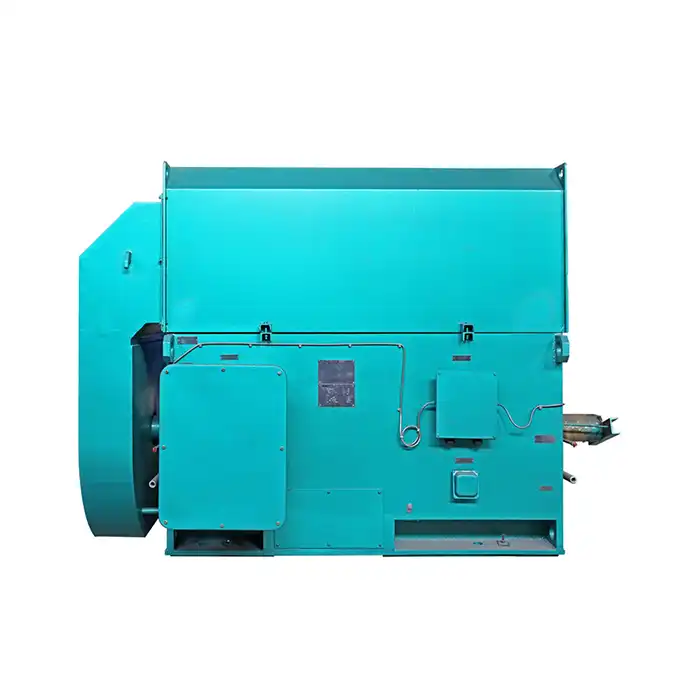
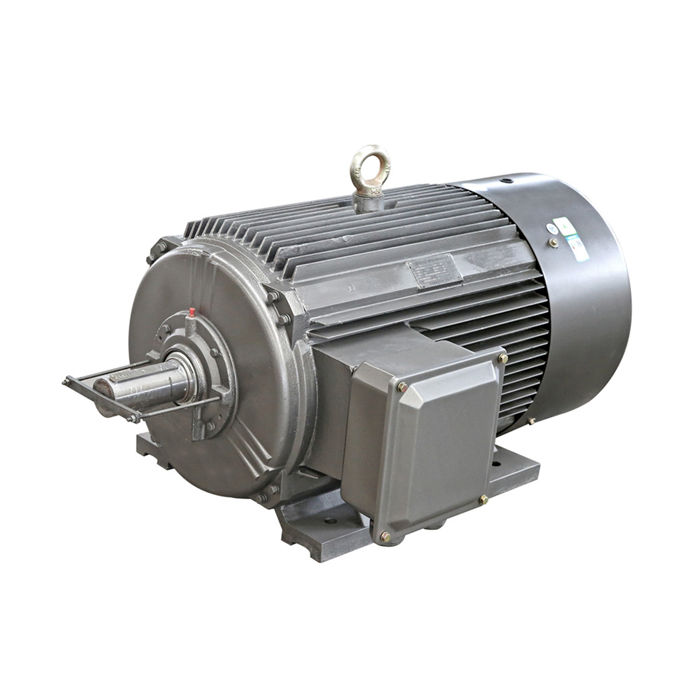
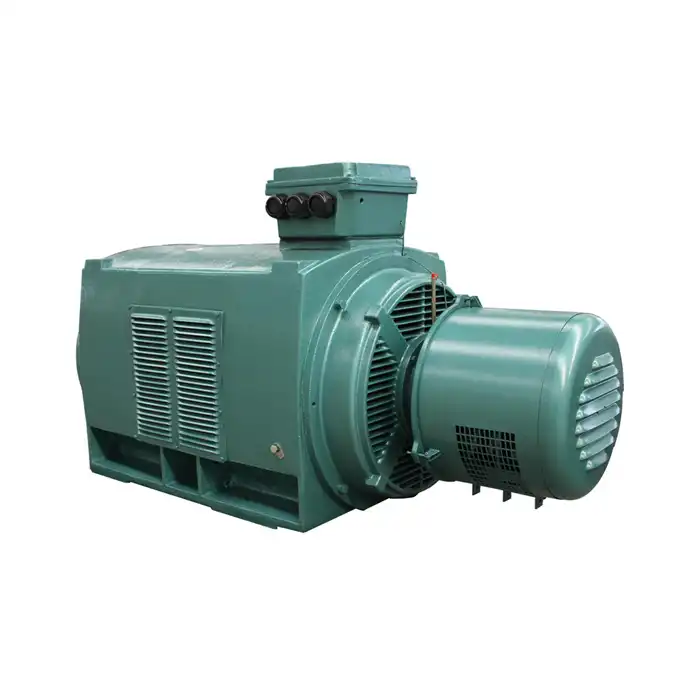
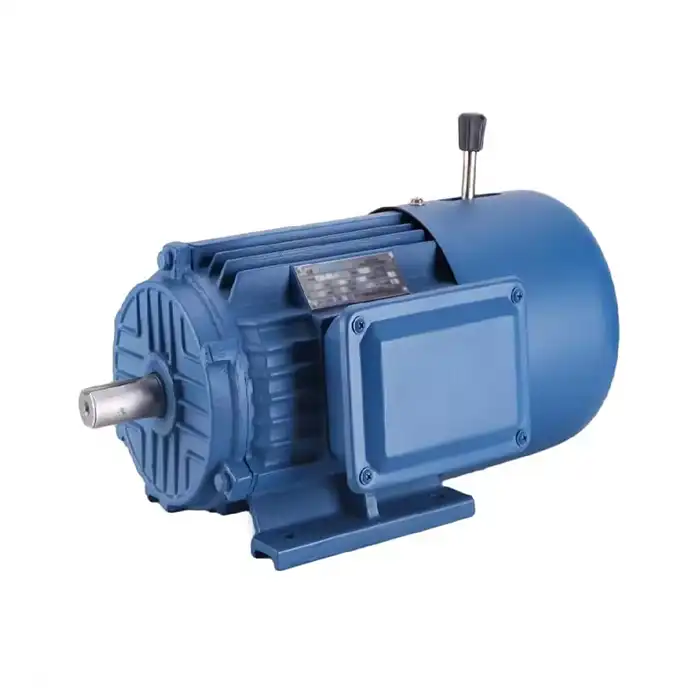
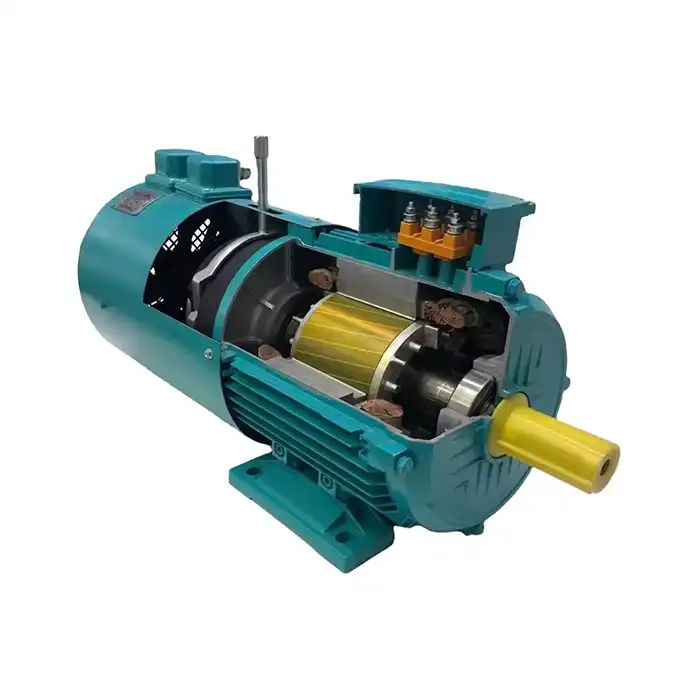
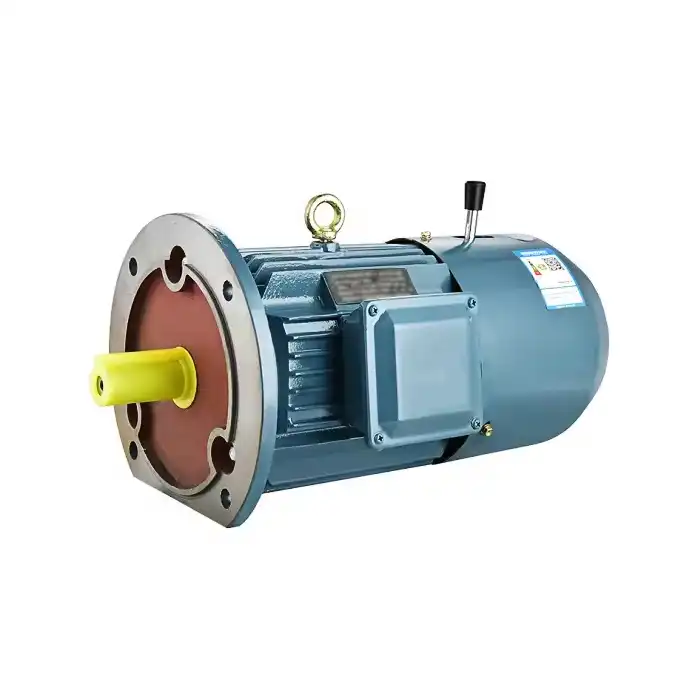
Choosing an IE5 5hp 3 phase induction motor represents a strategic decision for operations managers seeking measurable reductions in electricity costs. These premium efficiency motors comply with the international standard IEC60034-30 and deliver energy consumption reductions of 20-40% compared to older IE2 or IE3 units. Operating across voltages including 380V, 400V, 415V, and 660V, IE5 motors suit manufacturing lines, water pumps, HVAC systems, and compressors where uptime and reliability drive profitability. The robust cast iron construction and IP55 protection rating enable deployment in challenging environments without compromising performance or lifespan.
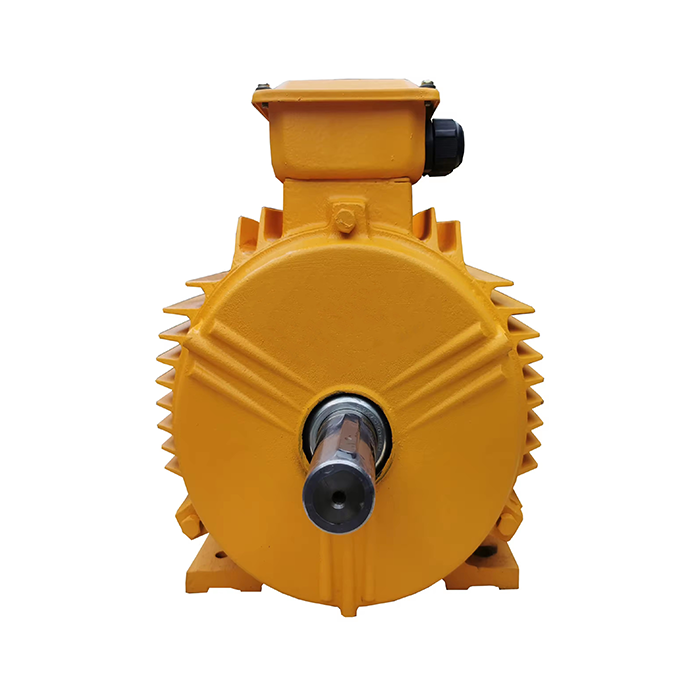
Series:YE5
Frame number: 80-450
Power range:
Protection level:IP55
Energy efficiency class: IE5
Voltage range: 380V,400V,415V, 660V,etc.
Application:can be used in various fields of the national economy, such as machine tools,water pumps,fans,compressors,and can also be used in transportation, mixing, printing, agricultural machinery, food and other occasions that do not contain flammable, explosive or corrosive gases.
Certificate: international standard IEC60034-30 "Efficiency Classification of Single-speed Three-Phase Squirrel Cage Induction Motors".
Advantage:The high quality of the electric motor guarantees high operational reliability.
Others: SKF, NSK, FAG bearings can be replaced according to customer requirements.
Understanding the IE5 5hp Induction Motor and Its Energy Efficiency
What Makes IE5 the Highest Efficiency Class?
The number IE5 means that the energy efficiency level is the highest level possible according to IEC guidelines. Motors in this category have precisely designed silicon steel laminations that lower core losses, advanced copper winding methods that lower resistive heating, and improved rotor designs that raise magnetic flux density. It is said that a 5hp 3 phase induction motor with an IE5 rating works at more than 91% efficiency, which means that less of the energy it takes in is lost as waste heat and more is directly turned into mechanical output.
Operating Principles of Three-Phase Power Systems
Three-phase induction motors make spinning magnetic fields by sending alternating current through three different windings that are 120 degrees apart from each other. This setup gives constant torque without the pulsing that comes with single-phase designs. This makes operation smoother, lowers vibration, and increases bearing life. The even power draw across phases also keeps current harmonics and voltage fluctuations to a minimum. This protects the electrical infrastructure upstream and the sensitive equipment that shares the circuit.
Energy Consumption and Cost Impact
Electricity costs usually make up 97% of a motor's total lifecycle cost, while the original buy only makes up 1% to 2% of that amount. If you switch to an IE5 unit, a 5hp 3 phase induction motor that runs 16 hours a day could save 2,000 to 5,000 kWh per year, which is about $200 to $600 in avoided costs at the present industrial energy rates in the US. Over the motor's useful life, which is usually more than 10 years with proper care, these savings add up.
Environmental and Regulatory Considerations
Less energy use directly lowers the carbon pollution that come from making electricity. When facilities use IE5 motors, they show they are following stricter environmental rules and put themselves in a good position for corporate sustainability reporting requirements. Many places now have minimum efficiency standards for industrial motors. This means that IE5 technology is not only a good idea from an economic point of view, but it is also required by law for some uses and new installs.
Key Performance Factors and Typical Applications of IE5 5hp Induction Motors
Efficiency Ratings and Performance Metrics
When the rated load is between 75% and 100%, the IE5 motors are at their most efficient. They still perform well when only partially loaded, which is common in applications with changing demand. Frame sizes range from 80 to 450 so that they can fit a variety of hanging situations and amount of room. The IP55 rating protects against dust and low-pressure water jets, so it can be used in places like food processing plants, outdoor farm equipment, and wash-down areas where wetness is often present.
Speed Control Technologies
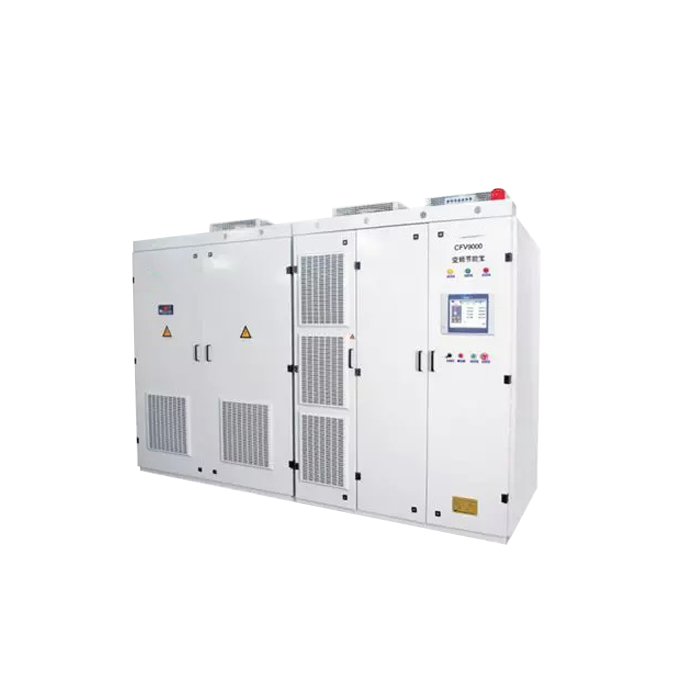
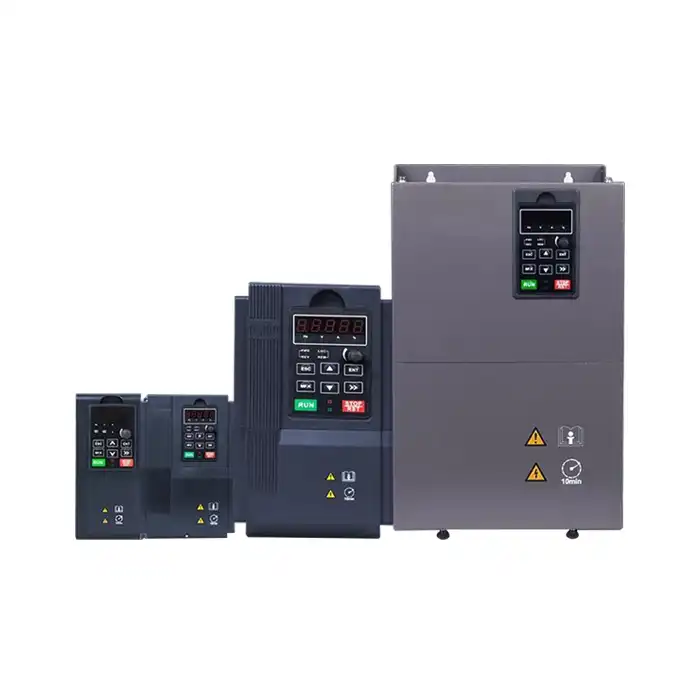
It is possible to save even more energy by matching the motor speed exactly to the load needs when a 5hp 3 phase induction motor is paired with a variable frequency drive (VFD). VFD-controlled systems get rid of throttling losses in pump and fan applications. In centrifugal loads, slowing down by 20% can cut energy use by almost 50% because speed and power are related in a cubic way. The motors can work at frequencies ranging from 0 to 3000 rpm, which makes them useful in a wide range of situations.
Industrial Use Cases
These motors are used in CNC machines, conveyor systems, and automatic assembly lines in factories to keep production plans on track. They do this by maintaining constant torque and minimising downtime. HVAC workers use them in air handlers, cold water pumps, and cooling tower fans where the changing loads during different seasons can benefit from having a VFD built in. They keep systems like clarifiers, chemical dosing pumps, and filter systems running all the time in water treatment plants, where high reliability standards are expected.
Knowing what these motors do best helps buying teams find ways to adapt and decide which new installations to prioritise. The units work well in temperatures from -15°C to 40°C, and for even harsher conditions, you can add thermal protection devices.
Maintenance Practices and Troubleshooting
Regular maintenance keeps efficiency gains and extends the life of motors. Checking the state of the bearings every three months should include checking the electrical connections for tightness and oxidation, as well as making sure there are no blockages in the airflow paths. The motors have high-quality bearings from SKF, NSK, or FAG that can be replaced if the customer wants to. In normal duty-cycle uses, the bearings need to be oiled every 10,000 hours.
Troubleshooting abnormal operation begins with measuring the voltage balance across all phases. This should stay within a 1% range so that the system doesn't overheat and break down too soon. A lot of vibration is usually a sign that the motor and the equipment it drives are not lined up correctly. Weird noise patterns could mean that a bearing is wearing out or the rotor isn't balanced, which needs immediate attention to avoid major damage.
Why Choose IE5 over Traditional 5hp 3 Phase Induction Motors?
Efficiency Comparison and Financial Returns
When you look at IE5 motors next to IE3 motors, you can see how much energy older designs waste. The IE3-rated 5hp 3 phase induction motor works for 4,000 hours a year and uses about 15,200 kWh. However, the same mechanical output from an IE5 unit only needs 13,700 kWh. At $0.12/kWh, the 1,500 kWh savings save $180 a year, which means that the higher price of an IE5 motor is paid back in 18 to 36 months, based on duty cycle and local energy rates.
Facilities that run motors for more than eight hours a day get their money back in less than four years, which means that replacement is financially viable even if the old motors are still working. When you add in the saved costs of unplanned downtime, which is about $5,000 per hour in automated production settings, the math makes more sense.
Enclosure Types and Environmental Suitability
Totally Enclosed Fan Cooled (TEFC) designs have fans inside the motor housing that move air over the outside cooling fins without letting outside contaminants into the motor housing. This design works well in places that are dirty, wet, or corrosive, like food processing, chemical handling, and outdoor projects. Open Drip Proof (ODP) motors let cool air from outside pass through the housing but stop liquids from dripping. This makes them good for clean, climate-controlled spaces where air flow helps keep the temperature just right.
Selecting the appropriate enclosure type affects both the motor's life span and the amount of upkeep it needs. TEFC motors can work in rougher conditions but produce a little more heat inside. ODP types are better at cooling in the right conditions but need to be cleaned more often to keep garbage from building up on the inside parts.
Documented Cost Reductions
When factories switch from IE3 to IE5 motors in their pump systems, the annual energy costs go down by 18–32%. These savings are bigger in applications that use variable-torque motors that are controlled by VFDs. When 22 motors ranging from 5hp to 25hp were retrofitted, they saved the textile factory $14,000 a year in electricity costs. The project paid for itself in 2.8 years. These results show that strategic motor repair plans can help you save money in real ways.
Selecting and Procuring the Right IE5 5hp 3 Phase Induction Motor
Evaluating Critical Specifications
When buying something, you have to make sure that the motor's specs match the needs of the purpose. The frame size affects whether it can be mounted on current equipment bases, which keeps the installation process simple and low-cost. Power ratings need to take starting loads and overloads into account. To keep thermal stress from happening during transient events, safety margins of 15-20% are suggested. The voltage you choose should work with the electrical systems in the building. For example, 660V options work well in heavy industry and mining settings where higher voltages make power transfer more efficient.
Supplier Selection Criteria
Reliable providers show their technical know-how by responding quickly to pre-sales questions and helping customers figure out how to choose the right specifications and find the best applications for them. Professional wholesalers are different from transactional vendors because they offer after-sales support, such as installation instructions, starting help, and troubleshooting tools. Products that meet international safety and performance standards are guaranteed by compliance documentation that shows they meet IEC60034-30 standards, CE certification, ISO 9001:2015 quality management, and GOST certification.
At XCMOTOR, we help procurement teams by providing them with technical knowledge and detailed product paperwork for the 5hp 3 phase induction motor. Before they are shipped, all of our YE5 series motors go through strict quality control steps, such as precision die-casting, vacuum pressure impregnation treatment, dynamic rotor balancing, and a long list of tests that make sure they meet performance requirements. We keep frames in stock in sizes 80 to 450, so we can send quickly and keep project delays to a minimum.
Procurement Channel Considerations
Direct relationships with manufacturers often offer better pricing and technical support than multi-tier distribution networks. Online shopping sites are convenient and make prices clear, but they might not offer the application-specific help that is useful for complicated installations. Local wholesalers can help with knowledge about local electrical codes, installation methods, and service networks, but they might charge more than direct buying.
Balancing these factors requires assessing project complexity, technical support needs, and total landed cost including shipping, customs clearance, and payment terms. Large-scale retrofits benefit from direct manufacturer engagement, while single-unit replacements may favor local availability despite marginal price differences.
Long-Term Value and Future Prospects of IE5 5hp Induction Motors
Lifecycle Cost Analysis
The total cost of ownership includes more than just the purchase price. It also includes the amount of energy used, the cost of repairs, and how often the item needs to be replaced. A full lifecycle analysis shows that an IE5 5hp 3 phase induction motor, which costs $150 more than an IE3 equivalent, saves $2,400 in energy costs over the course of 10 years, assuming that the motor is used for 4,000 hours per year and the cost of electricity is $0.12/kWh. Less bearing wear and temperature stress extends service life by 15 to 25 percent, which saves money on replacement costs and labour costs for installation.
Regulatory Trends and Compliance
Environmental laws around the world are making high-efficiency motors more and more necessary for business uses. The Ecodesign Directive of the European Union sets minimum efficiency standards that make IE2 motors useless in most situations. Similar standards are also being introduced in Asia, North America, and developing markets. By engaging in IE5 technology now, facilities can get ahead of the rules and avoid having to repair old equipment or face fines, while also saving energy right away.
Corporate sustainability commitments drive parallel demand for efficiency improvements measurable through carbon footprint reduction and ESG reporting metrics. It is known that IE5 motors are good for the environment and boost corporate reputation and stakeholder confidence. This is especially true for publicly traded companies that have to deal with investors who are looking closely at their climate impact.
Emerging Technologies and Industry 4.0 Integration
Smart motor technologies use sensors to keep an eye on things like temperature, shaking, power use, and operating hours so that repair plans can be made ahead of time. These streams of data are fed into asset management tools that figure out the best times to do repair, estimate how much longer something will last, and spot loss of efficiency before it breaks. IE5 motors with built-in monitoring help with digital transformation projects that follow the ideas of Industry 4.0. They provide operating data that helps with making decisions and allocating resources better.
Advanced inverter technologies continue improving performance, expanding speed ranges, and enhancing harmonic mitigation. The newest VFDs have active front-end rectifiers that almost completely get rid of current distortion, regenerative braking that stores energy from deceleration, and complex control algorithms that change based on the load characteristics in real time. When you pair IE5 motors with these drives, the system works more efficiently and can do things that aren't possible with other motor-starter combinations.
Conclusion
IE5-rated 5hp 3 phase induction motor technologies offer measurable benefits such as lower energy costs, higher operating stability, and better compliance with regulations. These benefits make them worth using in manufacturing, HVAC, water treatment, and farming. The 20–40% increase in efficiency compared to older motor generations directly leads to lower carbon emissions, lower electricity costs, and longer equipment life. Strong construction with cast iron frames, IP55 protection, and high-quality bearings guarantees reliable performance in tough industrial settings where downtime costs a lot of money. When procurement teams look at motor replacement plans, they should give IE5 technology the most weight for uses that run for more than 2,000 hours a year, because that's when the fast payback periods and lifecycle cost benefits become most clear. Strategic investments in high-efficiency motors put facilities ahead of stricter environmental rules and give them immediate operational benefits that make them more competitive and profitable.
FAQ
1. Can IE5 Motors Retrofit into Existing Systems?
Standardised frame sizes and mounting arrangements allow IE5 motors to work with traditional designs without any problems. The motors can be put on current equipment bases without any changes being made. This makes retrofitting easier and lowers the cost of installation. When voltage and frequency requirements match facility distribution systems, electrical connections are still easy, but adding a VFD may need extra wiring and control programming.
2. What Maintenance Intervals Are Recommended?
Visual checks every three months to look for strange noises, vibrations, or temperature changes can help find problems early on. Bearing lubrication every 10,000 hours of use keeps the rotation smooth, and electrical testing once a year to check the resistance of the insulation and the continuity of the windings finds damage before it happens. These low maintenance needs lower the total cost of ownership over time compared to equipment that needs to be serviced often.
3. How Much Energy Savings Result from Upgrading?
If you replace an IE3 motor with an IE5 5hp 3 phase induction motor, you can save between 1,200 and 1,800 kWh per year in uses that run for 4,000 hours per year. At $0.12/kWh energy rates, that's about $144 to $216. Variable-torque applications controlled by VFDs save an extra 20–50% by optimising speed. This makes system upgrades especially cost-effective for pump and fan installations where load changes with the seasons or during operating cycles.
Partner with XCMOTOR for Premium IE5 Motor Solutions
XCMOTOR offers approved 5hp 3 phase induction motor technology, along with engineering know-how and full customer support. Our YE5 series motors are safe and meet IEC60034-30 standards. They can work with different voltages and have frame sizes that range from 80 to 450, making them suitable for a wide range of industrial uses. We deliver reliably, have low prices, and offer technical advice that makes choosing specifications easier for manufacturers, HVAC contractors, water treatment plants, and farms all over North America.
As a well-known seller to business-to-business procurement teams, we know how important it is to send high-quality products on time and provide quick customer service after the sale. Our motors have SKF, NSK, or FAG bearings that can be changed depending on what the customer wants. They also go through vacuum pressure impregnation treatment and are tested thoroughly before they are shipped. You can email our team at xcmotors@163.com to talk about your specific needs, ask for technical documentation, or get quotes for projects that are coming up. Check out our full line of products at motorxc.com and learn how IE5 motor technology can help you meet your sustainability goals while also lowering your running costs. We offer free returns on all purchases for 30 days, fast shipping on all items, and committed help, even on weekends, to make sure your projects move forward smoothly.
References
1. International Electrotechnical Commission. "IEC 60034-30-1: Rotating Electrical Machines - Part 30-1: Efficiency Classes of Line-Operated AC Motors." Geneva: IEC Publications, 2014.
2. de Almeida, Anibal T., et al. "Energy-Efficient Motor Systems in the Industrial and Commercial Sectors in the European Union." Energy Policy Journal, vol. 28, no. 5, 2003, pp. 673-690.
3. National Electrical Manufacturers Association. "NEMA MG 1-2016: Motors and Generators Standard." Rosslyn: NEMA Technical Publications, 2016.
4. Waide, Paul, and Conrad U. Brunner. "Energy-Efficiency Policy Opportunities for Electric Motor-Driven Systems." International Energy Agency Working Paper Series, Paris: IEA Publications, 2011.
5. Ferreira, Fernando J.T.E., and Aníbal T. de Almeida. "Induction Motor Downsizing as a Low-Cost Strategy to Save Energy." Journal of Cleaner Production, vol. 24, 2012, pp. 117-131.
6. Saidur, Rahman. "A Review on Electrical Motors Energy Use and Energy Savings." Renewable and Sustainable Energy Reviews, vol. 14, no. 3, 2010, pp. 877-898.