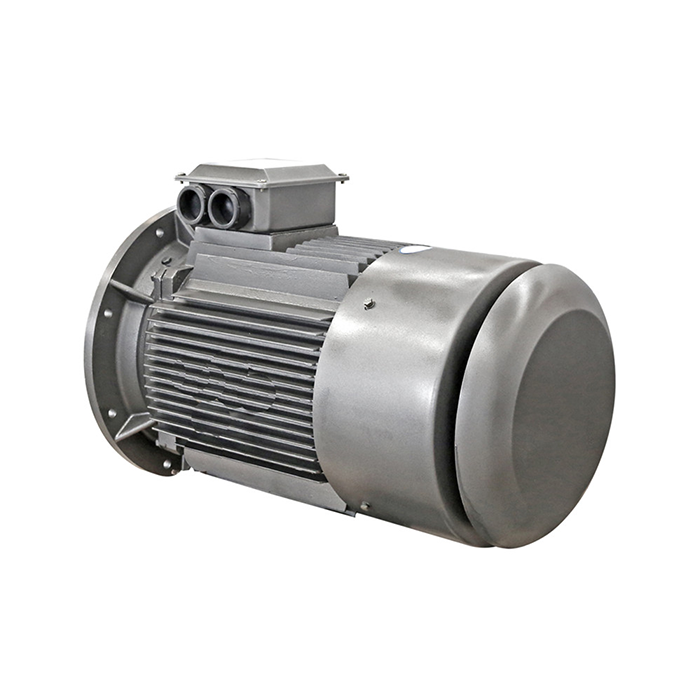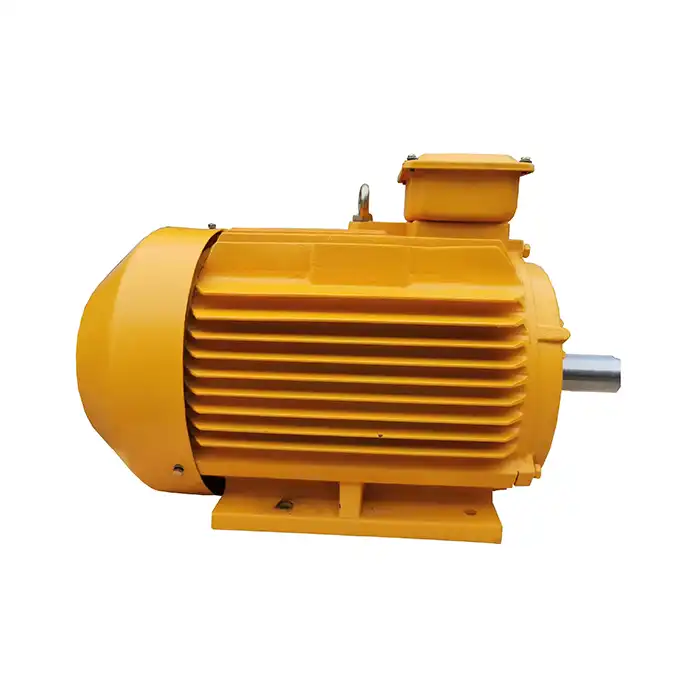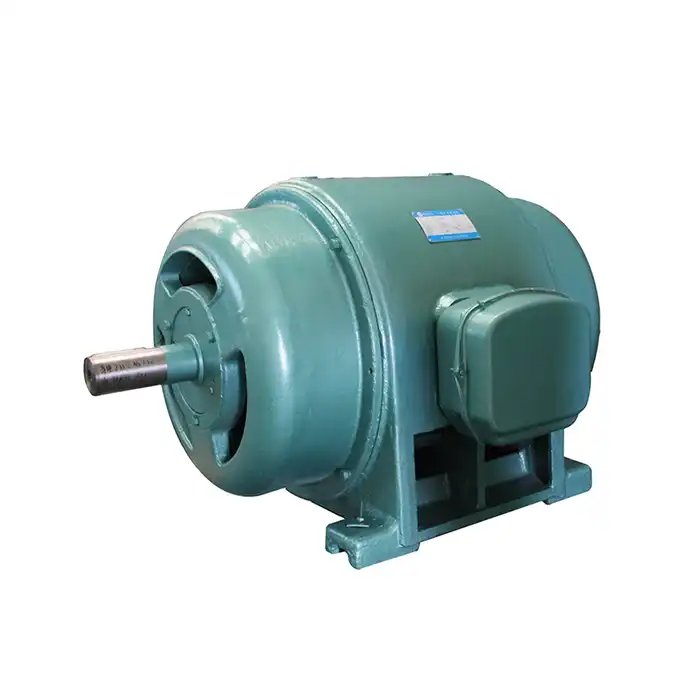




What are the Noise Reduction Techniques for LV Induction Motors?
Noise reduction solutions for LV induction motors are based on a multi-faceted strategy which combines electromagnetic design optimisation, mechanical refinement and strategic installation procedures. Important techniques include skewed rotor slots to decrease slot harmonics, precise bearing selection and balancing to reduce vibration and the use of anti-vibration mounts and sound-dampening enclosures. The selection of three-phase squirrel cage induction motors with IE3 efficiency ratings, together with appropriate maintenance schedules and acoustic enclosures, may effectively reduce operating noise without compromising performance criteria. Such solutions target electromagnetic, mechanical and aerodynamic noise sources, leading to quieter industrial settings.
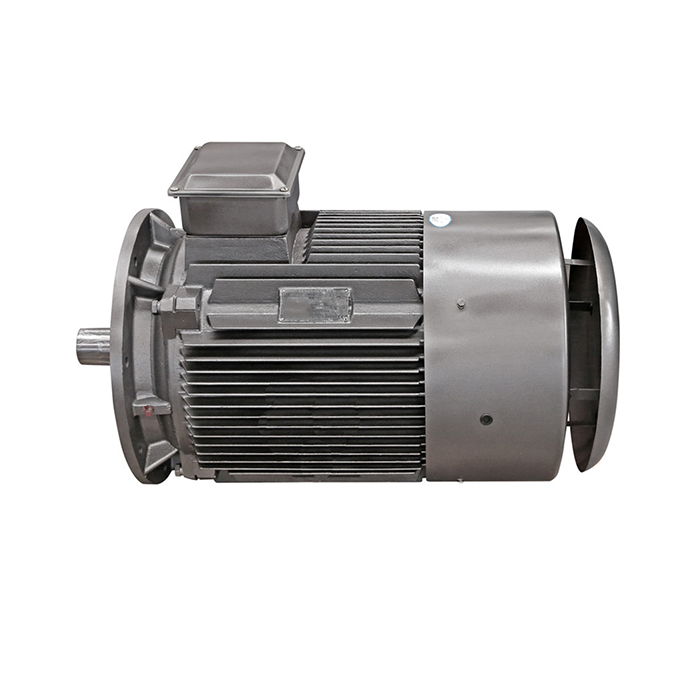
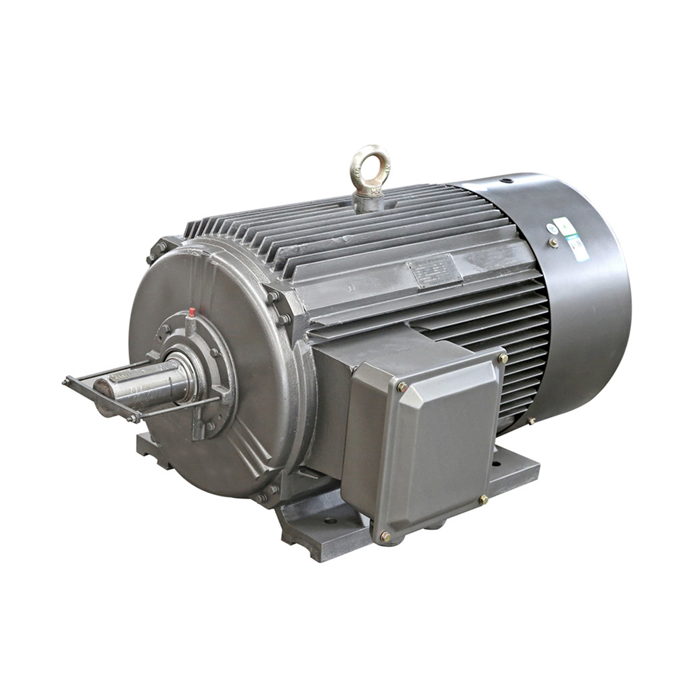
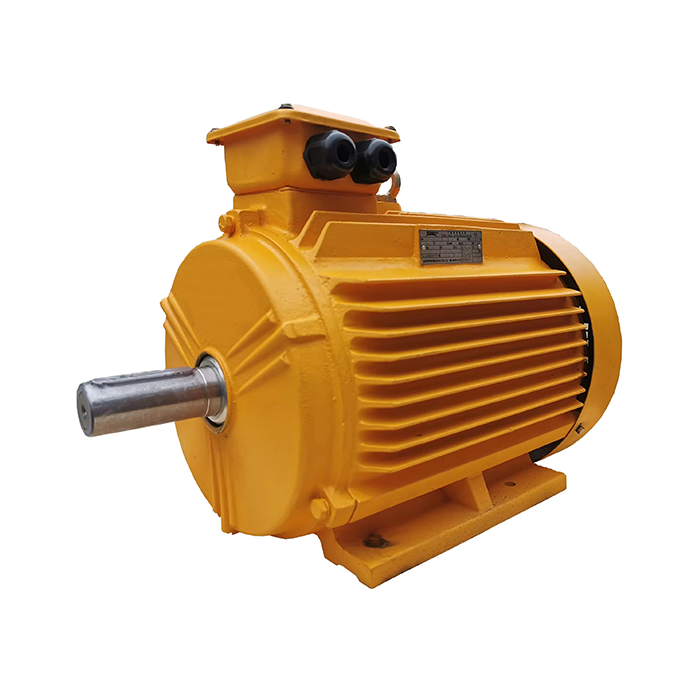
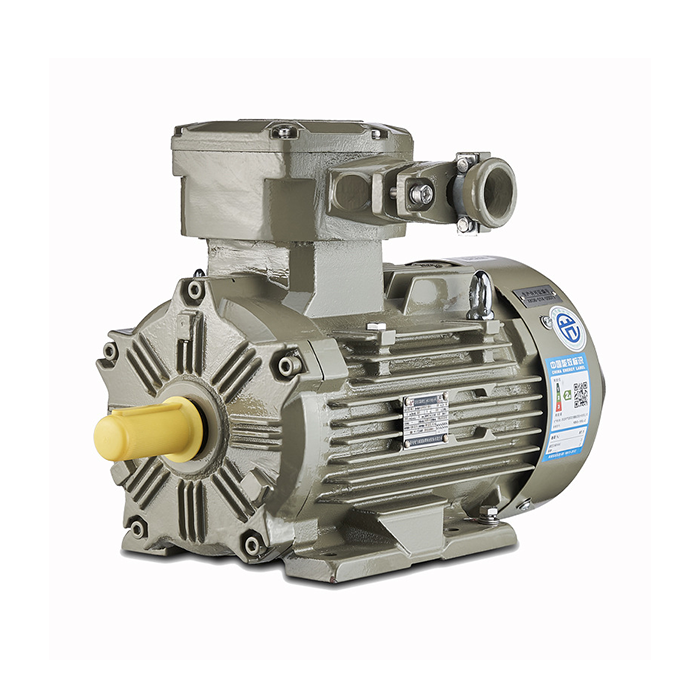
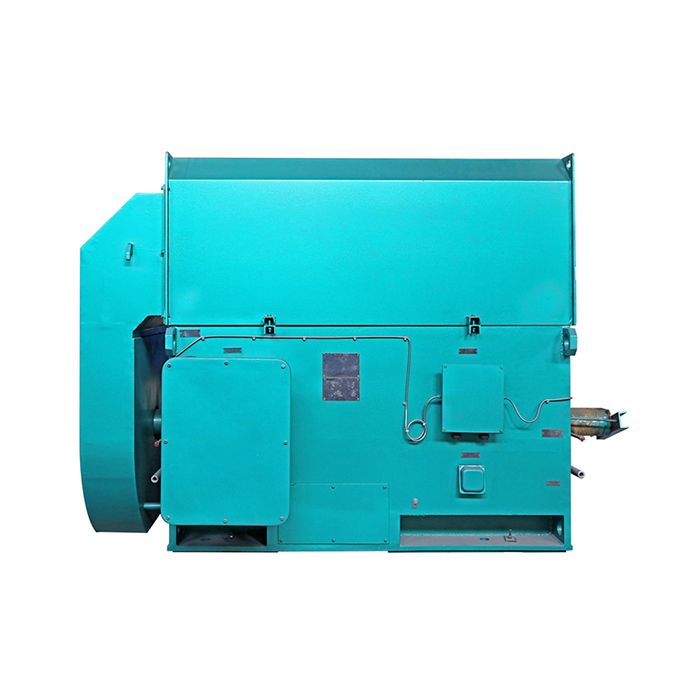
Series:YE3
Frame number: 80-450
Power range:0.75-1000kW
Protection level:IP55
Energy efficiency class: IE3
Voltage range: 380V,400V,415V,660V, etc.
Application:can be used in various fields of the national economy, such as machine tools,water pumps,fans,compressors,and can also be used in transportation, mixing, printing, agricultural machinery, food and other occasions that do not contain flammable, explosive or corrosive gases.
Certificate: international standard IEC60034-30 "Efficiency Classification of Single-speed Three-Phase Squirrel Cage Induction Motors".
Advantage:The high quality of the electric motor guarantees high operational reliability.
Others: SKF, NSK, FAG bearings can be replaced according to customer requirements.
Introduction
All over the United States, low-voltage three-phase motors are now necessary in manufacturing plants, HVAC setups, water treatment plants, and green energy businesses. Their robustness and cost-effectiveness make them attractive choices, yet excessive noise remains a persistent challenge that affects worker comfort, regulatory compliance, and even equipment longevity. When purchasing managers look at different motor options, noise levels, along with efficiency and dependability metrics, become more and more important in their decisions.
We know that noise isn't just a bothersome thing; it can be a sign of possible mechanical problems, it's a safety issue under OSHA rules, and it raises the total cost of ownership by requiring more maintenance. There may be problems with the bearings, the rotor, or the electromagnetic field that cause noise levels to be too high. These problems can shorten the life of the machine and make it more expensive to fix when they break down. This guide gives industrial engineers and procurement workers useful, technically sound advice on how to choose and keep quieter motor solutions that meet both operational needs and budget constraints.
Our method is based on techniques that can be used right away on motors ranging from 0.75kW to 1000kW, working at voltages from 380V to 660V, and being used in things like pumps, compressors, conveyor systems, and process equipment. Organisations can improve the work environment while improving motor performance and efficiency by figuring out where noise comes from and putting in place focused noise reduction strategies.
Understanding Noise Sources in LV Induction Motors
Industrial three-phase motors make noise in three different ways, and each one needs a different way to be fixed. When maintenance teams know about these sources, they can correctly identify problems and put the right answers in place.
Electromagnetic Noise Origins
The magnetic forces inside the motor's core cause electromagnetic noise. Magnetostriction—the physical growth and contraction of laminated steel under magnetic flux—creates vibrations that pass through the frame as audible sound. Slot harmonics occur when stator and rotor slot interactions produce pulsating magnetic fields, producing distinct humming or buzzing tones. When the load changes, these electromagnetic effects get stronger, and they can be especially noticeable when motors aren't working as efficiently as they could be. Motors that are built to IEC60034-30 standards usually have design features that keep these harmonic distortions to a minimum. This lowers the amount of electromagnetic noise they produce.
Mechanical Noise Contributors
Mechanical noise stems from rotating components and structural interactions. Bearing wear represents a main source, producing grinding or rattling sounds as lubricant degrades or contamination breaks rolling elements. Rotor imbalance causes centrifugal forces that excite structure resonances, especially in motors running at higher speeds between 1500 and 3000 RPM. When the shaft isn't lined up right, it causes more vibrations that travel through the supporting structures and into the surrounding environment. Premium bearing brands like SKF, NSK, and FAG offer superior tolerances and lubrication systems that significantly reduce mechanical noise generation when properly maintained.
Aerodynamic Noise Characteristics
Aerodynamic noise is made when air moves across objects in cooling devices. Broadband noise is made by external cooling fans that stir up the airflow, and whistle tones at certain frequencies are made by internal ventilation through rotor channels. The IP55 standard for protection requires enclosed designs that balance how well they cool with how well they keep noise out. When temperatures outside get close to 40°C, motors need more cooling power. If designers don't include acoustic optimisation features like better fan blade geometries and airflow diffusers, aerodynamic noise could get worse. By knowing about these three types of noise, procurement teams can choose LV induction motors that produce less noise and use maintenance methods that keep the equipment running quietly for as long as possible.
Core Principles Behind Noise Reduction Techniques
To effectively reduce noise, strategies must take into account design, installation, and operation factors. Rather than treating noise as a separate problem, successful methods understand the intertwined nature of electromagnetic, mechanical, and acoustic domains.
Electromagnetic Design Optimization
Improving the geometry of the stator and rotor is the first step in lowering electromagnetic noise. When you rotate the rotor bars around the shaft axis, you mess up the slot harmonic patterns. This makes the electromagnetic forces spread out more evenly around the circumference. By using this method, tonal noise components are cut down without affecting torque characteristics. High-quality silicon steel laminations reduce core losses and magnetostriction effects, which helps the motor run more quietly. Motors incorporating these design features usually show 3-5 dB noise reductions compared to standard designs while maintaining power factors between 0.80 and 0.89.
Mechanical Precision Engineering
Controlling mechanical noise depends on how well the parts are made and how precise the manufacturing is. Dynamic rotor balancing to ISO G6.3 standards makes sure that rotational forces stay within accepted limits throughout the speed range of operation. Precision-machined bearing housings keep the bearings in the right place and stop early wear patterns that cause noise. Die-cast aluminium frames make structures that are rigid and don't let vibrations pass through. They also help keep temperatures down. When you combine Class F insulation with a strong frame, you get steady performance over a torque range of 5 Nm to 2400 Nm.
Acoustic Installation Practices
Installation methods have a big effect on how noise gets into the surrounding areas. Anti-vibration bolts with elastomeric or spring separation systems stop vibrations from moving through the base to the structure. Flexible couplings cut down on noise that is sent from motors to driven equipment by shafts. Sound-absorbing containers using foam or mineral wool materials reduce airborne noise, particularly effective for aerodynamic frequency ranges. These improvements to assembly go well with the changes to motor design to make complete noise control systems. Together, these principles create a basis for selecting and implementing quieter LV induction motor solutions that meet application requirements without performance compromises.
Practical Noise Reduction Techniques for LV Induction Motors
Implementing targeted noise reduction strategies requires knowing which methods address specific noise sources and operating situations. The methods below are tried-and-true methods that can be used in a wide range of industrial settings.
Electromagnetic Mitigation Strategies
Choosing squirrel cage rotor designs naturally reduces noise compared to wound rotor designs because they are easier to build and have less electromagnetic complexity. When choosing motors for noisy jobs, units with skewed rotor slots should be given priority. This design feature spreads electromagnetic forces across time, which gets rid of sharp harmonic peaks. Variable frequency drive compatibility lets you do soft-starting, which lowers electromagnetic transients during startup and lowers noise surges. Electric motors that meet the efficiency standards set by IEC60034-30 have electromagnetic improvements that make them use less energy and make less noise.
Mechanical Maintenance Excellence
Regular upkeep has a direct effect on the noise level of mechanical parts over the life of the motor. Setting up lubrication plans based on what the maker says will stop bearing wear that causes grinding noises. Using handheld meters or constant tracking tools for vibration analysis can find imbalances that are starting to form before they break. When vibration readings go above certain limits, precision balancing services bring the rotor back to a balanced state. Replacing bearings with high-quality parts from companies like SKF, NSK, or FAG guarantees continued quiet operation, especially in demanding uses that run 24 hours a day, seven days a week.
Installation and Environmental Controls
Strategic choices about placement make motor design features work even better. Anti-vibration mounts should be the right size for the motor's weight and frequency of operation, usually isolating frequencies above 10 Hz. Putting motors on supports that are reinforced stops resonance from being amplified by structure elements. Sound-absorbing enclosures work especially well for fan-cooled motors that make a lot of aerodynamic noise. When designed correctly and with enough ventilation, they can cut noise levels by 10 to 15 decibels. Putting acoustic barriers between motors and occupied areas is a cheap way to lower noise without changing the motors. Above and beyond these basic methods, choosing LV induction motors that are naturally more efficient often leads to lower noise levels.
Selecting the Right LV Induction Motor for Noise-Sensitive Applications
When buying things for places where noise is a problem, you need to carefully look at the technical specs, compliance standards, and seller abilities. During the selection process, the acoustic performance, operational needs, and lifecycle costs should all be taken into account.
Evaluating Noise Performance Specifications
Noise levels measured according to ISO 1680 guidelines should be included in manufacturer datasheets. These levels are usually given in decibels (A) at a distance of one metre. Noise levels change a lot depending on the power range. Motors with 0.75kW to 10kW power output usually make 55 to 65 dB(A), while motors with 100kW to 1000kW power output may make 75 to 85 dB(A). Different acoustic properties are found for frame sizes between 80 and 450. Larger frames tend to produce higher absolute noise levels but possibly lower noise per kilowatt ratios. To find the LV induction motors with the best sound quality, compare the specs of models with similar frame sizes and power outputs.
Standards Compliance and Protection Classes
International guidelines set the rules for how to measure noise and the quality of motor building. IEC60034-30 approval makes sure that motors meet efficiency levels, which are often linked to less noise through better electromagnetic design. When something is labelled with an IP55 protection class, it means that it is enclosed, blocks out noise, and is resistant to dust and water, making it suitable for industrial settings. If you choose the IP56 or IP65 grade, you'll be better protected in tough conditions, but the noise level may go up a little because of less air flow. Class grades for insulation—standard Class F or extra Class H—affect how well it keeps heat in and how long it lasts, but they don't have much of an effect on noise.
Supplier Reliability and Support Infrastructure
Beyond product specifications, supplier skills significantly influence long-term happiness with lv induction motor choices. Before they are shipped, quality control measures like thorough workplace testing make sure that the products work properly and don't make noise. Certification to ISO 9001:2015 shows that quality management is systematic, and CE marking shows that the product meets European safety standards. Total ownership value is affected by things like being able to get technical help for questions specific to an application, having a warranty that covers early failures, and being able to get replacement parts like bearings. Customisation options from suppliers, such as different voltages, mounting configurations, or upgraded bearings, make it easier to get the best noise performance in certain installations.
Maintenance and Troubleshooting for Sustained Noise Reduction
To keep motors running quietly for their entire work lives, they need to be maintained regularly and have testing tools that can find problems before they break.
Preventive Maintenance Protocols
Structured maintenance plans should handle all noise-contributing factors consistently. The amount of time between lubrications depends on the type of bearing and the operating conditions. For example, motors that run continuously in clean environments might need to be oiled again every 8000 hours, but in dusty or hot environments, they need to be serviced more often. By measuring vibrations every three months, standard trends can be found that show how things are slowly getting worse. Visual inspections identify loose mounting hardware, damaged fan covers, or debris accumulation that affects aerodynamic noise. Thermal imaging can find hot spots that are growing, which could mean that there are problems with the bearings or the insulation, before they cause noise problems.
Diagnostic Techniques for Noise Source Identification
Figuring out the difference between electric and mechanical noise sources lets you take specific steps to fix the problem. Electromagnetic noise usually has sound qualities at multiples of the electrical frequency. For example, in 60 Hz power systems, the fundamental frequency is 120 Hz, and the harmonic frequencies are 240 Hz and 360 Hz. Noise from mechanical bearings has broad frequencies that are often centred above 1000 Hz and have wavy patterns. Noise from cooling fans that is caused by aerodynamics is broad below 500 Hz. Handheld spectrum analysers or shaking apps for smartphones can do frequency analysis to find the main sources of noise and help with the right steps to take.
Predictive Maintenance Technologies
New tracking technologies allow condition-based repair plans that choose the best time to intervene. IoT-enabled vibration sensors placed on motor frames constantly track acceleration data, finding strange patterns weeks or months before they break. Cloud-based analytics systems compare present signatures with past baselines and groups of similar equipment, sending out alerts when limits are crossed. This method of planning ahead cuts down on unexpected downtime and keeps small problems from getting worse and needing a whole new motor. Maintenance plans that are based on data are especially helpful for mission-critical applications where investing in monitoring systems is necessary to ensure ongoing operations. These maintenance and testing procedures make sure that LV induction motors keep working well even after decades of use.
Conclusion
In order to reduce the noise of industrial three-phase motors, it is necessary to consider the electromagnetic design, mechanical perfection and the installation of motors as a whole. Good acoustic performance starts with selecting motors with optimal rotor designs, precise bearings and the correct safety classes. Anti-vibration mounting, sound enclosures and regular maintenance can help keep equipment running quietly throughout its life. When purchasing anything consumers should think about how noisy it is, how efficient it is and how well the provider can support them. This gives them the confidence that the motors they choose will be suitable for use in the manufacturing, HVAC, energy and process sectors. Applying these methods regularly can help organisations meet regulations, improve working conditions and reduce their total ownership costs. This is due to their reduction in maintenance requirements and life extension of equipment in noise sensitive areas of industrial plants.
FAQ
1. How does motor construction influence noise levels?
The electromagnetic design, mechanical correctness, and construction of a motor affect its noise. Skewed rotor slots reduce electromagnetic humming, and high-quality laminated silicon steel reduces magnetostriction vibrations. Quality and balance of bearings produce mechanical noise. Tight tolerances and enough oil make premium bearings quieter than regular parts. Frame type impacts sound transmission. IP55 enclosures reduce internal noise and reduce vibrations, and die-cast aluminium frames are rigid. Mechanical noise is affected by cooling fan blade design and airflow. Improved LV induction motors generate 5–10 dB less noise than typical designs while maintaining power output and efficiency throughout all operating ranges.
2. What distinguishes noise characteristics between low-voltage and high-voltage motors?
Low-voltage motors from 380V to 660V make different noises than high-voltage motors over 1000V due to design and electromagnetic properties. Higher voltage motors require greater insulation and air gaps, which strengthen magnetic field interactions and increase electromagnetic noise. Designing for high voltage often means larger cooling systems with more airflow noise. However, larger frames reduce shaking frequencies by adding structural mass. Small designs and stricter manufacturing standards reduce moving part noise in low-voltage motors. When comparing motors with the same power but different voltage classes, frequency content differs. Higher voltage motors have greater harmonic components, whereas lower voltage motors create more mechanical wideband noise.
3. Do premium efficiency motors provide noise reduction benefits?
Premium efficiency motors like IE3 classes provide little noise advantages over regular designs. Electromagnetic optimisations like better lamination materials, smaller air gaps, and better slot shapes improve efficiency. The improvements help reduce electromagnetic noise-causing slot harmonics and magnetostriction. Reduced heat loss may lead to quieter, cooler, and less-moving fans. Precision in manufacturing increases bearing alignment and rotor balance, reducing mechanical noise and increasing efficiency. Most notable is their economy, but these motors also reduce noise by 2–4 dB. In addition to conserving energy, lifespan cost reduces maintenance owing to smoother operation and increases bearing life due to decreased vibration levels during service.
Reduce Noise in Your Operations with XCMOTOR's Engineered Solutions
In industrial settings, motors must have the right amount of power, efficiency, and noise level. XCMOTOR makes three-phase squirrel cage induction motors ranging from 0.75kW to 1000kW with IE3 efficiency rates and IP55 protection. These motors are designed to make as little noise as possible while running across frame sizes 80–450. The skewed rotor designs, precision-balanced parts, and high-grade silicon steel laminations in our motors cut down on electromagnetic and mechanical noise sources. Our products work well in pumps, compressors, fans, conveyors, and process equipment because they can handle voltages from 380V to 660V and come with high-quality bearings from SKF, NSK, and FAG. Contact us at xcmotors@163.com to talk to our expert team about how to reduce noise. We offer customised suggestions backed by ISO 9001:2015 certification as well as full support for procurement managers looking for reliable LV induction motor sources for noise-sensitive applications.
References
1. Chapman, S.J. (2012). Electric Machinery Fundamentals, Fifth Edition. McGraw-Hill Education, New York.
2. Boldea, I. and Nasar, S.A. (2010). The Induction Machines Design Handbook, Second Edition. CRC Press, Boca Raton.
3. Gieras, J.F., Wang, C., and Lai, J.C. (2006). Noise of Polyphase Electric Motors. CRC Press, Taylor & Francis Group, Boca Raton.
4. Tavner, P., Ran, L., Penman, J., and Sedding, H. (2008). Condition Monitoring of Rotating Electrical Machines. Institution of Engineering and Technology, London.
5. International Electrotechnical Commission (2014). IEC 60034-30-1: Rotating Electrical Machines - Part 30-1: Efficiency Classes of Line Operated AC Motors. IEC Publications, Geneva.
6. Verma, S.P. and Balan, A. (1998). Determination of Radial-Forces in Relation to Noise and Vibration Problems of Squirrel-Cage Induction Motors. IEEE Transactions on Energy Conversion, Volume 13, Issue 2.