



Why Choose a 20 hp dc electric motor for Heavy-Duty Machinery?
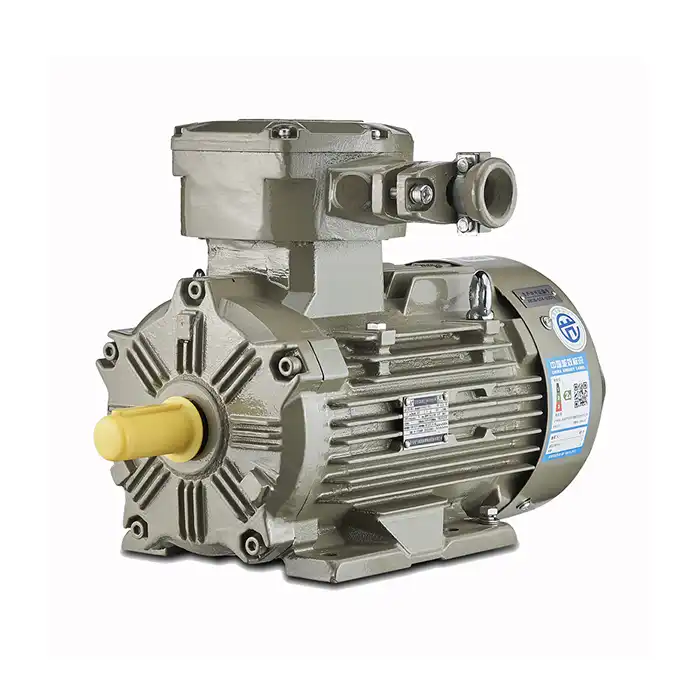
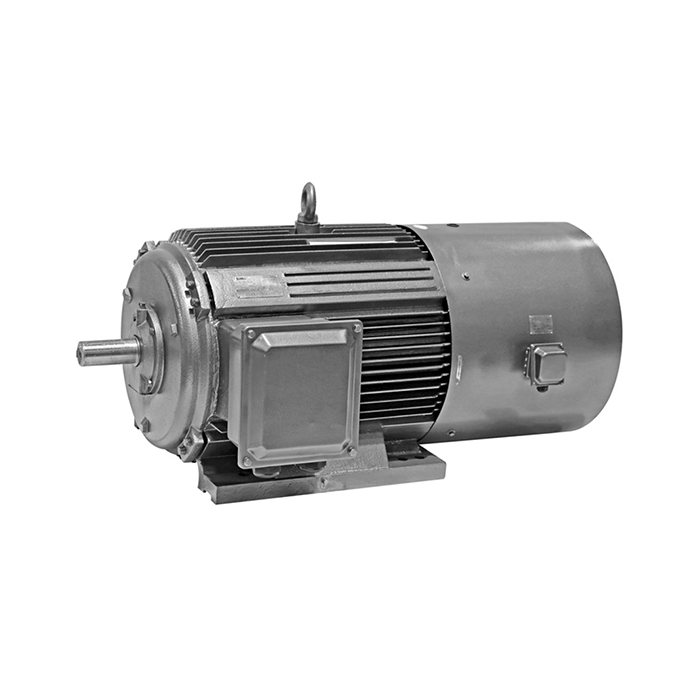
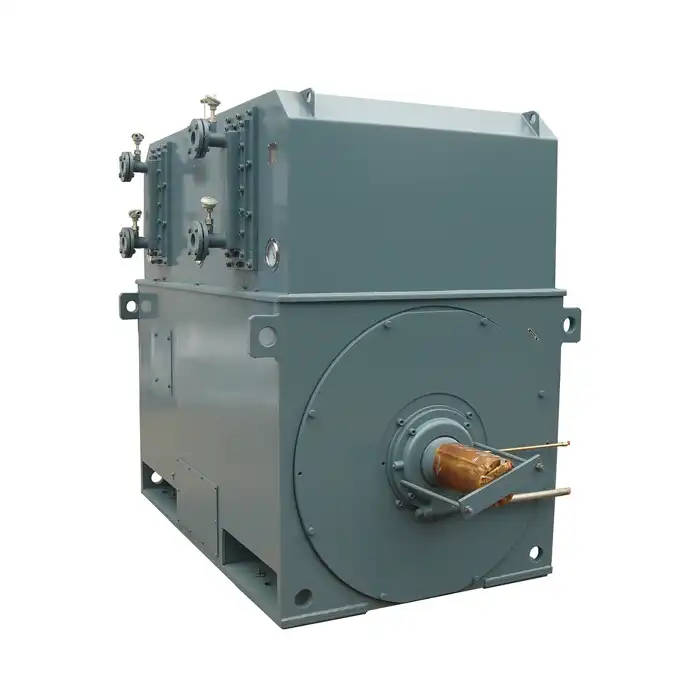
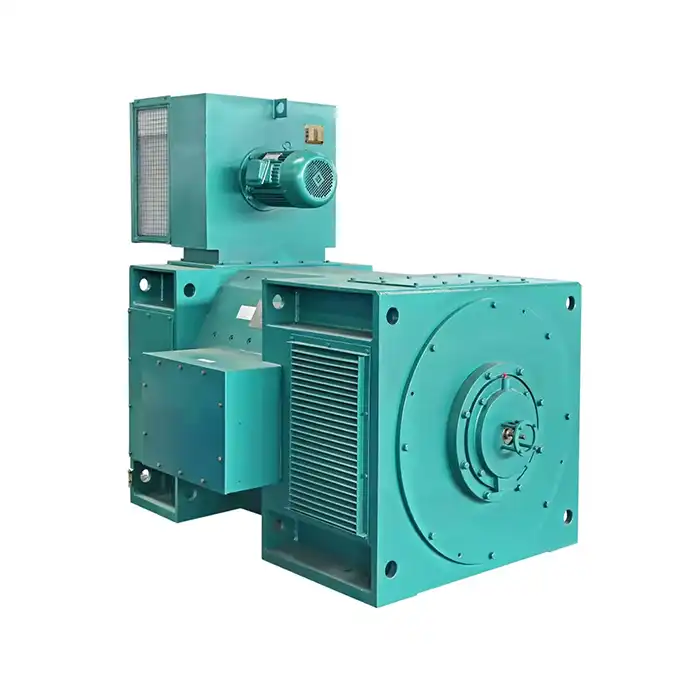
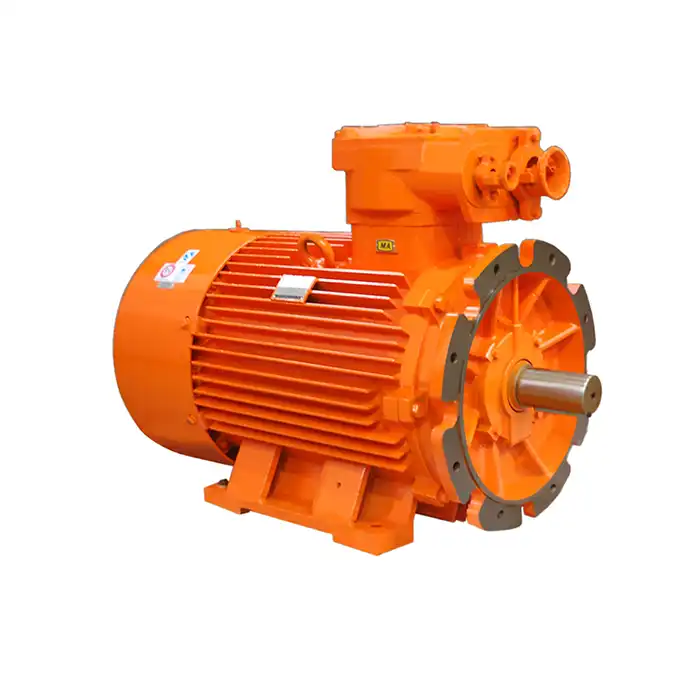
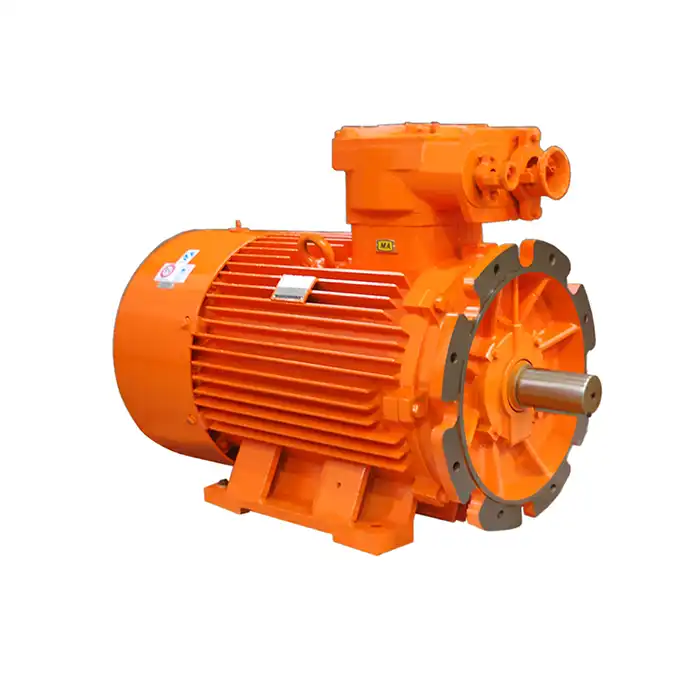
20 hp dc electric motor should be used for heavy duty machines that demand high torque at low speed, smooth speed control and direct fit on existing dc supply. It can handle coilers, uncoilers, roller tables and other similar line equipment up to approx. 14.9 kW. The insulation of XCMOTOR Z4 series is Class F. The constant torque speed range is 20:1. The constant power range is 4:1. It works from a DC unit or static rectifier therefore can typically function with the drive you have now. Use this advice to check fit, risk and cost before you get a quotation.
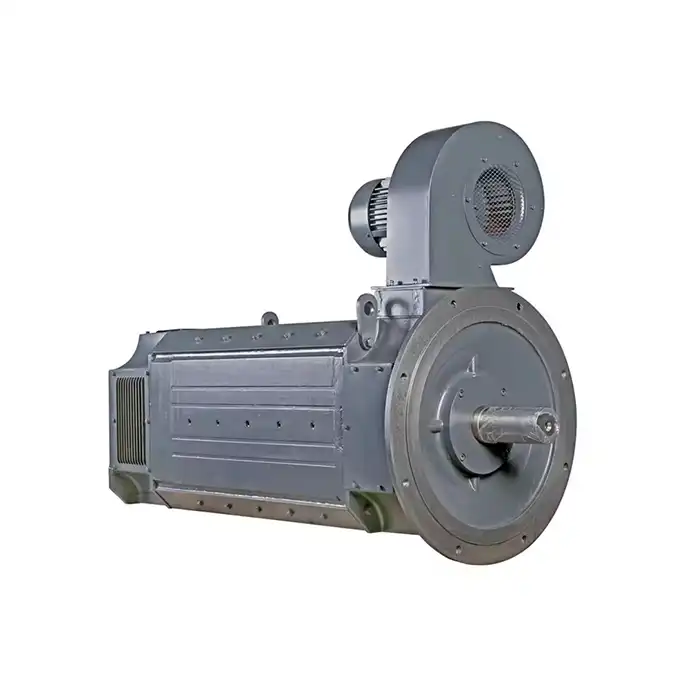
Series:Z4
Frame number: 100-450
Application:Z4 series motorsThis series of motors can be widely used in various industrial sectors such as metallurgical industrial rolling mills, metal cutting machine tools, papermaking, dyeing and weaving, printing, cement, and plastic extrusion machinery.
Power range:1.5-600kW
Voltage range: 160V,440V, etc.
Certificate: The performance of this series of motors not only complies with the national standard GB/T755 "Basic Technical Requirements for Rotating Electrical Machines", but also basically complies with the German VDE0530 standard.
Advantage:Z4 series DC motor has greater advantages than Z2 and Z3 series. It can not only be powered by DC unit power supply, but also suitable for static rectifier power supply. It has small moment of inertia, good dynamic performance, and can withstand high load change rates. It is especially suitable for control systems that require smooth speed regulation, high efficiency, automatic speed stabilization, and responsive response. It has reached the current international advanced level..
Others: SKF, NSK, FAG bearings can be replaced according to customer requirements.
What Is a 20 HP DC Electric Motor?
Power, Torque, and Current in Plain Numbers
A 20 hp dc electric motor is delivering around 14.9 kW to the shaft, since one horsepower is equivalent to 745.7 watts. Speed alters the torque. Multiply horsepower by 5,252 and divide by rpm to get torque in lb-ft. Usually. You get around 60 lb-ft at 1,750 rpm. You get roughly 91 lb-ft at 1,150 rpm. The current is affected by the voltage. 14,900 W / 440 V = ~ 34 A 220 V / 14,900 W = ~ 68 A Those values don’t account for losses, so the nameplate current will be greater. The easiest way to know the size of fuses and cables is to check the nameplate not to do a hasty calculation.
Z4 Series Specifications at a Glance
The 20 hp dc electric motor we provide is the fourth generation Z4 series. From frame number 100 to 450, from 1.5 kW to 600 kW, this series has it all. Typical armature voltages are in the range of 160 V to 440 V. The IEC 60085 classifies Class F insulation at 155 °C. The performance is excellent enough for GB/T 755, Chinese standard for basic criteria for rotating machines, and also quite well enough for the German VDE 0530 standard. You may purchase whatever brand of bearings you choose. Speed control is up to 20:1 at constant torque and down to 4:1 at constant power. If you like you may compare datasheets of various providers using these numbers.
Why Two Motors With the Same Rating Can Perform Differently?
Power alone doesn't tell the whole story. The base speed, armature voltage, duty rating, enclosure, cooling, frame, and shaft design of two 20-hp motors can be different. A motor with the same amount of power but a faster base speed gives less torque at the shaft. On your DC bus, a motor that is rated for the wrong armature voltage will not work right. If the shaft or foot pattern doesn't match, it takes days more work to fix during a swap. Before you ask any supplier for a price, I think you should write these things down so that all of the quotes cover the same machine.
Key Advantages of a 20 HP DC Electric Motor for Heavy-Duty Machinery
Strong Torque Across a Wide Speed Range
A DC motor can produce its maximum torque even while stationary, and its speed can be readily regulated by changing the armature voltage. When an item begins up it should be under load. A coiler with a hefty strip, or a roller table with a plate. The Z4 series has a constant torque speed ratio of 20:1. This implies that a 20 hp dc electric motor may operate at a quicker pace or slowly thread. The field weakens above base speed and speed goes up in constant power range and that's when the Z4 hits 4:1. One motor may do many steps in the process, keeping your line flexible.
Small Inertia and Quick Response to Load Changes
The Z4 has a tiny moment of inertia, therefore the rotor changes rapidly from fast to slow. It also adapts to varying loads and can manage high rates of load fluctuation. On a serpentine line, which permits the drive to continue running even if the strip is pulled or the coil grows. The output is kept stable by means of automated speed stabilisation and feedback control, which preserve the product quality. The Z4 series is superior in many aspects than the earlier Z2 and Z3 series, notably in its smooth speed control and fast reaction. Also, a consistent pace causes less stress in couplings and gears when the load varies abruptly.
Compatibility With Your Existing DC Supply
A number of mills run off a DC bus that was constructed years ago and not many desire to repair it. The Z4 may be operated from a DC unit supply or from a static rectifier, and can thus be connected to either. Standard armature voltages are 160 V and 440 V although different ratings may be discussed to fit with existing control systems. For example, tell us your bus voltage, 220, 440 or 660 V and we will let you know whether the winding will work with your new 20 hp dc electric motor. It will replace an old, imported one. When the grid swings, compare the overvoltage limitations of the drive with the rated armature voltage of the motor.
Performance, Cooling, and Durability of a 20 HP DC Electric Motor
Class F Insulation and Heat Limits
Now, the insulation class informs you how much heat the motor can take before it fails. Class F insulation is good up to 155 °C. Class B insulation is good up to 130 °C. (IEC 60085) That increased room helps in heated mill bays and while accelerating over and over again. A 20 hp dc electric motor with Class F insulation can take the same load but cool down more. The Z2 motors were Class B, but the Z4 motors are Class F. If you want to know what the limit is for the hottest area in the winding, not the air in the room, ask for temperature increase data and compare it to your circumstances.
Cooling Methods for Continuous Duty
There are three ways to cool down Z4 motors. The IC0141 is self-ventilated and works well in clean areas with steady loads. Separate forced air: The IC06 has its own blower, which keeps the airflow strong at low speeds. This is important for slow, high-torque duty. The ICW37A8 water cooler works well in hot or confined areas where air alone can't get rid of the heat. Self-ventilated motors have the most trouble when they are running slowly at full torque because the fan turns slowly. We will help you find the right method if you tell us your duty cycle and the temperature where you are, and a 20hp electric motor should be cooled according to the same considerations.
Bearings, Commutator, and Brush Wear
For good reason, mill engineers worry a lot about sparking and commutator wear. Any brushed DC motor, including a 20 hp DC electric motor, has brushes and commutators that wear out. As for the commutator material, it could be a silver-copper alloy. Also, ask your supplier about the bar-to-bar height deviation. A common quality goal is less than 0.005 mm. Sparking can also be stopped by using the right brush grade, clean cooling air, and the right load. We do precise machining and multiple checks of electrical values, insulation, and alignment. If you want, we can also change the bearings to a different brand. Describe these things in your ask for a quote.
Comparing a 20 HP DC Electric Motor With AC Options and Matching Applications
DC Motors Versus AC Motors
AC induction motors don't need much maintenance and can run on three-phase power. This makes them a good choice when there is already a suitable drive or when speed control isn't important. When a plant already has a DC bus, needs a lot of torque at a low speed, or wants easy, accurate speed control, a 20 hp DC electric motor earns its place. To change a DC line to an AC line, you have to replace the drive. Cabinets and wiring may also need to be replaced. Buyers don't always realize how much that costs. Don't just look at the price of the motor when you make your choice. Compare the whole conversion bill.
Z4 Versus Older Z2 and Z3 Motors
Z2-era or imported DC motors are still used in a lot of plants. They are better in a number of ways, including having Class F insulation instead of Class B, a wider speed range, a smaller structure, less noise and vibration, and a smaller moment of inertia. Z2 has a smaller speed ratio and is being replaced bit by bit. We can change the sizes to fit installations that are already in place, so before you order, ask for a drawing to compare it to your old frame, shaft, and foot pattern. Getting those points to match up saves time and foundation work.
Matching the Motor to Your Application
Z4 motors are used in rolling mills for metal, machines that cut metal, machines that make paper, dye and weave fabric, print, make cement, and extrude plastic. A 20 hp dc electric motor can power extra equipment on rolling lines where it's important to have smooth torque and be able to handle changes in load. For paper and printing lines, the web tension needs to stay flat. Crushers and conveyors in cement plants make a lot of dust and vibration. When temperatures change, extrusion lines need to keep their output steady. Find out the load weight, duty cycle, gear ratio, drum diameter, and ambient conditions before you confirm a configuration, and a 20hp electric motor should be specified against the same data. This will help you make sure that the motor is right for the job.
How to Choose, Buy, and Maintain a 20 HP DC Electric Motor?
A Three-Step Selection Process
I think engineers and buying teams should follow this short process.
- Define the load. List low-speed torque, duty cycle, starts per hour, speed range, and the environment, including dust, heat, and humidity. Note whether the supply is a DC unit or a static rectifier, so motor and drive match from the start.
- Match voltage and fit. Confirm armature and field voltage against your DC bus. Check frame, shaft, mounting, terminal position, and weight against certified drawings or the original motor, and confirm the cooling method.
- Check the supplier. Ask about customization, documentation, test reports, lead time, warranty, and spare parts. Request commutator material and bar-to-bar data, and ask which test procedure applies, such as IEEE 113 for DC machines.
When you follow these steps, most surprises at the commissioning stage are avoided, and it's easy to compare bids.
Cost, Supply, and Support
Prices for 20 hp dc electric motors depend on the type of winding, voltage, speed, cooling, enclosure, customization, testing, and the number of motors that are ordered. So even if the price of the motor is low at first, it may end up costing you more in the long run because of things like setup, downtime, repairs, and spare parts. If the frame and shaft are still in good shape, you can fix the unit. But if it's broken or its parts are no longer available, it's better to replace it. XCMOTOR has fast delivery, free delivery on all items, an open purchase policy for 30 days, and support on Saturdays and Sundays. We've been in this business for more than 20 years and have contracts with more than 30 motor manufacturers.
Installation and Maintenance Basics
If you carefully install and take care of your 20 hp dc electric motor, it will last longer. Make sure the shaft and coupling are lined up, that the polarity and grounding are correct, that the cables are the right size for the nameplate current, and that the circuit is tested with no load before adding load gradually. Then check the commutator surface, bearings, vents, terminals, insulation, carbon dust, and brushes on a regular basis. Overheating is usually caused by too much load, bad cooling, starting up too often, the wrong drive settings, voltage drop, or being out of alignment. If the line keeps getting too hot, shaking, or the speed isn't stable, or if the brush keeps breaking, you should stop the line and call service support. Our team can help you figure out what's wrong.
Conclusion
A 20 hp dc electric motor puts out about 14.9 kW. The voltage controls the current and the base speed controls the torque. It has Class F insulation, a constant torque range of 20:1, a constant power range of 4:1, and it works with both DC unit and static rectifier supplies. Three ways to cool it down work with different duty cycles, and taking care of the commutator and brushes stops wear. A DC motor works best when there is already a DC bus, because converting to AC adds to the cost of the drive. The Z4 has better insulation, less inertia, and a wider speed range than the Z2 and Z3. From rolling mills to extrusion, there are a lot of uses. The choice of sound depends on the load, the voltage, the fit, the documentation, and the total cost.
FAQ
1. What is the difference between Z2 and Z4 DC motors?
The Z4 has Class F insulation, a wider speed range, a small structure, and less noise and vibration. Older than the Z1, the Z2 has a narrower speed ratio and Class B insulation.
2. What does Z4 stand for?
Z stands for a DC motor, and 4 indicates the fourth generation design. It is better than Z2 in terms of performance, size, and speed regulation.
3. Which voltages and insulation class are common?
Typical armature voltages are 160 V, 400 V, and 440 V DC. The level of insulation is F.
4. What cooling methods are available?
You can choose from the self-ventilated IC0141, the separate forced air IC06, or the water cooling ICW37A8.
5. What is the speed regulation range?
The constant power ratio gets to 4:1, and the constant torque ratio gets to 20:1.
6. What should I send with a quote request?
Send the destination, voltage, speed, duty cycle, dimensions, environment, amount, and quantity.
Talk to XCMOTOR About Your 20 HP DC Electric Motor
XCMOTOR will suggest a Z4 configuration for your line based on the bus voltage, speed range, frame size, and number you give us. As a company that makes and sells 20 hp dc electric motors, we offer fast shipping, an open purchase policy for 30 days, and support on Saturdays and Sundays. To get a datasheet, dimensional drawing, and lead time, email xcmotors@163.com.
References
1. IEEE Guide: Test Procedures for Direct-Current Machines (IEEE Std 113), 1985
2. NEMA MG 1 Motors and Generators, 2016
3. IEC 60034-6 Rotating Electrical Machines, Methods of Cooling (IC Code), 1991
4. IEC 60085 Electrical Insulation, Thermal Evaluation and Designation, 2007
5. Improving Motor and Drive System Performance: A Sourcebook for Industry (U.S. Department of Energy), 2008
6. Electric Machinery Fundamentals (McGraw-Hill), 2011