



Why Does a YKK Motor Deliver Reliable Performance Under Heavy Loads?
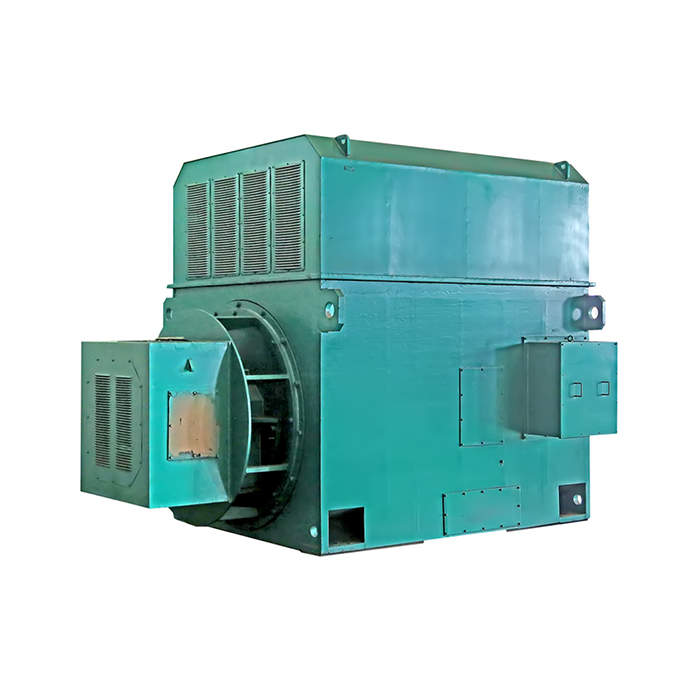
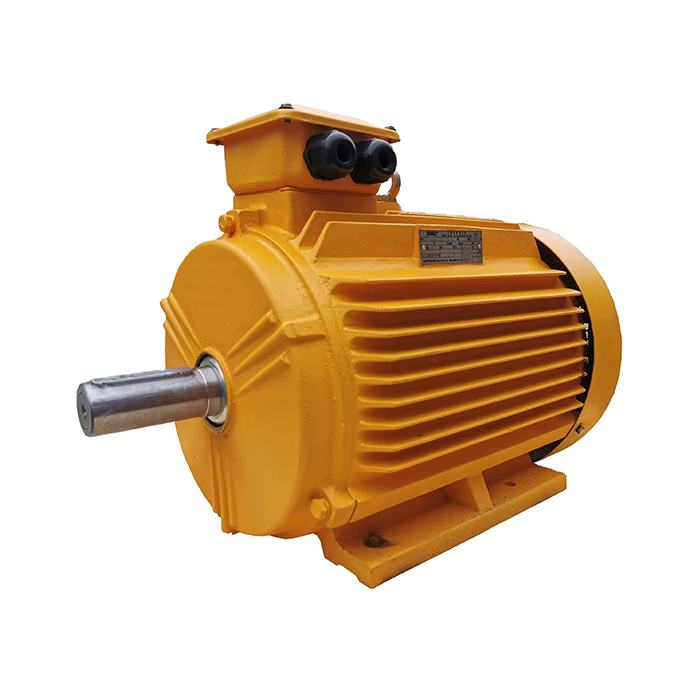
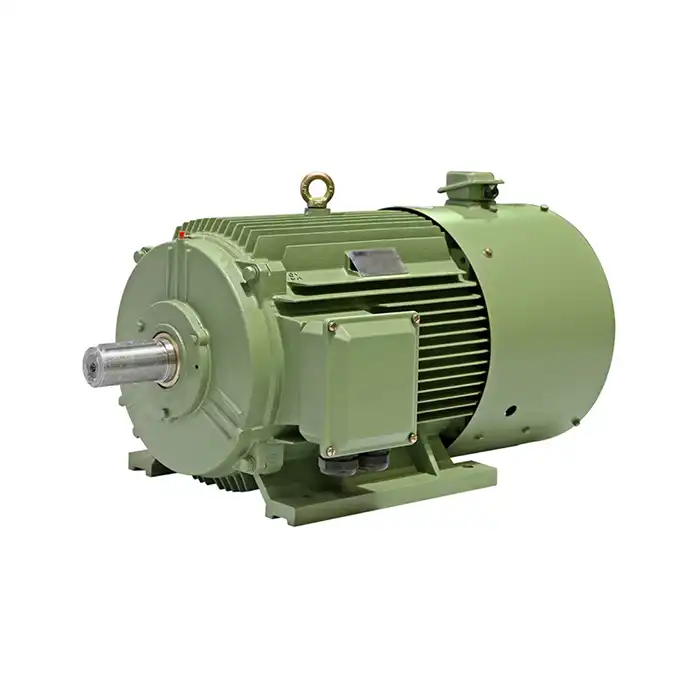
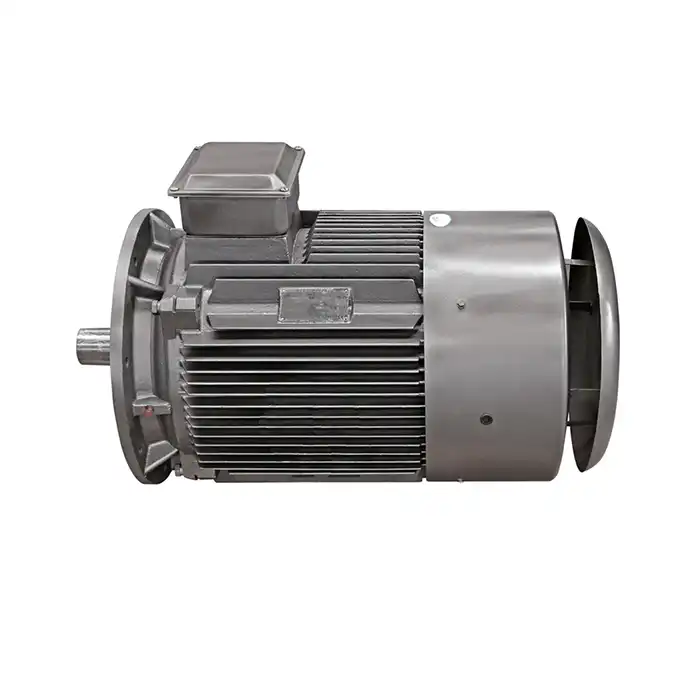
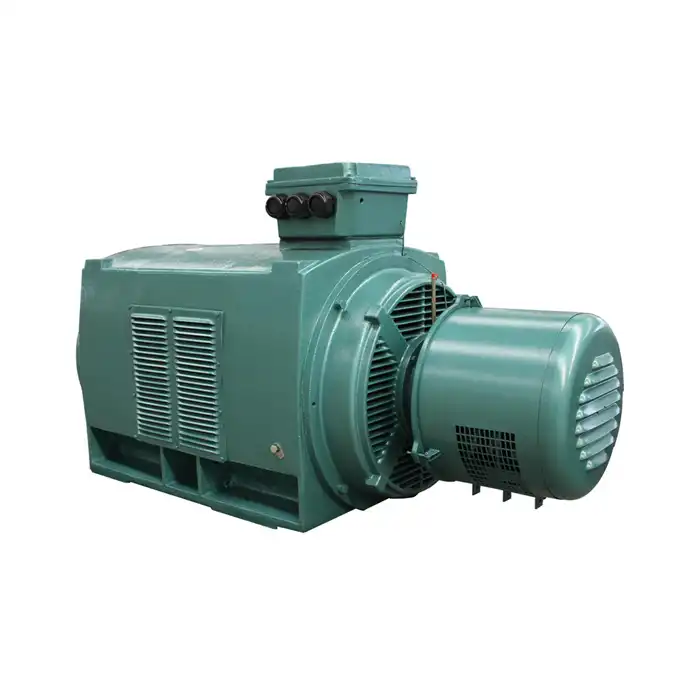
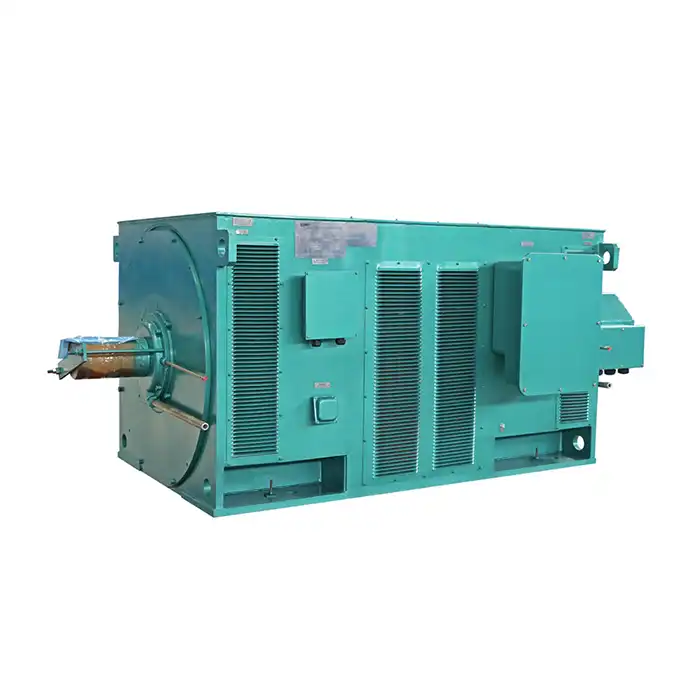
A ykk motor works reliably even when it's under a lot of stress because it's made to handle torque, heat, and vibration, which are the three main stresses of continuous duty.It features a robust stator and a squirrel cage rotor that can start and run with a lot of torque. The windings are kept at safe temperature by a robust cooling system and Class F insulation (Class H is also available). The IP54 housing keeps out dust and splashing water, while the bearing system maintains the shaft stable under stress. Be sure the motor is a good fit. The motor can work consistently in fans, pumps, compressors and crushers with voltages of 3000 V and 11000 V and power of 200 kW and 6300 kW.
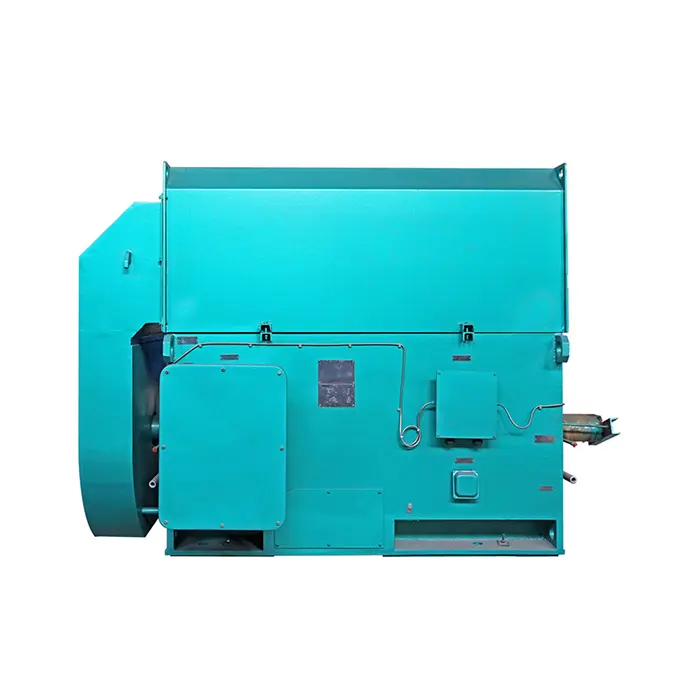
Series:YKK
Protection level:IP54
Voltage range:3000V±5%,3300V±5%,6000V±5%,6600V±5%,10000V±5%,11000V±5%
Power range:200-6300 kW
Application:fans, water pumps, compressors, crushers, cutting machine tools, transportation machinery, etc.
Advantage:low noise, low vibration, long service life, easy installation and maintenance.
Standard: This series of products complies with JB/T 12730 and JB/T 12729 standards.
Others: SKF, NSK, FAG bearings can be replaced according to customer requirements.
How the Construction of a YKK Motor Carries Heavy Loads
Squirrel Cage Rotor and Stator Core
A ykk motor is a squirrel cage induction motor with three phases and high voltage. The rotor has end rings that connect the conductor bars, so it doesn't have any brushes or slip rings that wear out. It works well for crushers and conveyors that start out full and work long shifts. The coils are held in place by the stator core, and the air gap stays the same as the torque goes up thanks to a rigid frame. It's important to have a steady air gap because an uneven gap pulls the rotor to one side, which increases vibration and bearing load. The frame, core, and rotor of a heavy-duty drive must fit the torque curve of the machine it drives. I do not just look at the drive's kilowatt rating when I review it.
Shaft, End Shields, and Terminal Box
All the torque goes to the machine being driven by the shaft. The diameter, strength of the material, and how well it fits with the coupling all affect how long it lasts. Seals at each end keep the bearings lined up with the bore of the stator. Here, bad machining leads to misalignment, which makes noise and heat. The position of the terminal box and the length of the shaft also affect installation. People who buy ykk motors to build fans, pumps, or compressors often send drawings to make sure the motor fits with the base and coupling. These sizes are part of the order at XCMOTOR because a motor that doesn't fit the skid wastes days on the job site. Before you sign off on a quote, make sure you understand the shaft size, mounting form, and cable entry side, and a ykk series electric motor buyer should confirm these dimensions early.
Starting Torque and Overload Capacity
When they first start up, heavy machines ask the most of a motor. The YKK motor has a high starting torque and a strong overload capacity, which helps a crusher or large pump accelerate a shaft that is loaded. The starting torque is only useful if the power source can send the current. IEC 60034-1 says that continuous duty (S1) is a load that stays the same for long enough for the temperature to balance. This means that a heavy-load drive should have a rating that matches the duty it actually works at. If the load starts and stops a lot, I ask how many times it starts every hour and think about getting a soft starter or drive. Find the right way to start the plant for the supply before you place your order.
How Cooling, Insulation, and IP54 Protection Keep a YKK Motor Steady
Cooling Arrangement and Temperature Control
As the load goes up, so does the winding current and heat. Heat shortens the life of insulation. A lot of these kinds of high-voltage motors use closed-circuit air cooling, which moves air around inside the motor and sends heat to air outside the motor. When people buy something, I tell them not to guess what the IC code on the datasheet means; it's set by IEC 60034-6. How much heat the ykk motor gives off depends on its altitude, the temperature outside, and the flow of air around it. If the site is hot or the room is small, talk to the supplier about derating or a different way to cool the space before you sign. Clear out fan guards and air passages to keep a good design in place.
Insulation Class F and Class H
Our YKK motors come with Class F insulation as standard, with Class H insulation available as an option. IEC 60085 says that the temperature limit for Class F is 155°C and for Class H it is 180°C. These are limits on the materials, not goals for how they should work. A winding that runs cooler lasts longer. When there is a lot of starting and stopping of heavy loads, the winding is constantly under thermal stress. High-voltage windings are also under electrical stress, so the quality of the insulation is important at 6 kV and 10 kV. Ask about Class H if the site is very hot or if you use a variable-speed unit to drive the motor. Always check the datasheet for the final class and the highest temperature that can rise.
IP54 Enclosure for Dust and Splashing Water
The level of protection for our motors is IP54. The first number in IEC 60034-5 stands for "dust protection." Some dust may get in, but not enough to stop the device from working. The second number, 4, means that the water won't come from any direction. That works for pump rooms, fan houses, and many other covered industrial areas inside. It doesn't cover washing in water or with high pressure. Before ordering a YKK motor for use in a cement plant, mine, or other outdoor area with a lot of dust or rain, make sure it needs extra protection. When dust and moisture get into an enclosure, they damage the windings and bearings first. The right enclosure choice keeps these parts clean.
How Voltage, Power, and Bearings Match a YKK Motor to Your Drive
Voltage Range and Power Range
XCMOTOR's ykk motor range goes from 200 kW to 6300 kW at 50 Hz. You can choose between 3000 V, 3300 V, 6000 V, 6600 V, 10000 V, and 11000 V, and there is a ±5% tolerance for each. For normal operation, IEC 60034-1 also uses a voltage band of ±5%. This means that the motor will stay within its rated performance as long as the supply is stable. Pick the voltage that works with your medium-voltage bus. If the two don't match, you have to use extra transformers or the motor won't get enough voltage when it starts. The normal frequency is 50 Hz, so people who are buying for systems that use 60 Hz, like many plants in the U.S., should call us to confirm the frequency, speed, and drive arrangement before placing their order.
Bearings, Alignment, and Vibration
Bearings hold the rotor in place and take loads in both directions. We can switch the brand of the bearing to SKF, NSK, or FAG if you ask. Set up based on the direction of the load, the speed, and the type of coupling, such as belt or direct drive. Failure studies often list bearings and winding insulation as two of the main reasons motors break down, so be careful with this choice. Low noise and low vibration are listed as benefits of the ykk motor series. Whether you see them depends on the foundation and how it is aligned. When installing, make sure to check the soft foot, shaft alignment, and anchor bolts. Also, follow the manufacturer's instructions for setting the type of grease and how often to re-grease.
Fans, Pumps, Compressors, and Crushers
This type of motor is used in fans, water pumps, compressors, crushers, cutting tools, and transportation equipment. Mining, oil and gas, and water treatment plants are all common places for them to be. Every load does something different. Since torque goes up with speed, a centrifugal pump or fan starts out lighter than a conveyor belt that is full. A crusher needs a lot of torque to start up and be able to handle shock loads. During long runs, a compressor needs a steady speed and good cooling. A ykk motor can work with one load but be too much for another, so I always ask what machine it will power. If you have the torque curve and load inertia, please share them.
What to Verify Before and After You Buy a YKK Motor?
Standards and Factory Test Records
The series satisfies the standards of JB/T 12730 and JB/T 12729. And the technical data also proves that it fits the criteria of IEC and GB. You will get the test report with your purchase. Records usually contain such factors as winding resistance, insulation resistance, no-load current, temperature increase, vibration, etc. But, be sure that you agree on the scope in writing, since every projects are different. Good reference for such problems is IEEE Std 112 which provides the approved methods for testing polyphase induction motors. A thorough report saves time at site acceptance, since the inspector may examine measurable values rather than simply a nameplate. An order for a YKK series electric motor should confirm the same scope. Before you pay, tell us what testing your project need. Then there will be no shocks when it runs for real.
Customization, Delivery, and Warranty
“We engineer custom motor solutions such as bearing brand, terminal box location or shaft size.” XCMOTOR offers unique products using parts from well-known companies. Our requirements are based on the series of 30+ partner brands. If you are sending in a new motor you will have to send the old nameplate in since the frame, shaft, speed, voltage and bearing all have to match. Normally the lead time is between 2 and 4 weeks, although this depends on the requirements and quantity of things you need. The quote confirms the date. The normal warranty is for a year, but you may purchase it for longer if you desire. You get free shipping, you may return an item within 30 days and we are open Saturdays and Sundays for customer care. Don’t be misled by the unit pricing when you compare costs. Spare parts and downtime are sometimes more expensive than the initial purchase.
Installation and Routine Maintenance
A decent installation and some basic maintenance will give you years of service from the motor. Before starting the motor for the first time, ensure that it is mounted on a firm base, the shaft is in line with the coupling, the motor is rotating in the correct direction and the insulation and grounding are tested. Record current, speed, temperature of windings and bearings, vibration, start time throughout commissioning. Trends may be viewed in more than one way. Listen for unusual noises, smells, heat and sensations while it operates. Clean the cooling tubes, re-oil as required and perform insulation checks regularly. The U.S. Department of Energy’s motor system sourcebook provides guidance on how to plan maintenance for motor-powered systems. Overheating is frequently caused by too much current, not even voltage, cooling that cannot get through, or worn out bearings.
Conclusion
A ykk motor can handle heavy loads because of how its parts work together. The squirrel-cage rotor, sturdy frame and strong shaft transmit the torque. Thanks to its strong starting torque and overload capacity, it is able to accelerate machines that are already full. Heat, dust and splashing water are kept out by a robust cooling system, an IP54 casing and Class F (optional Class H) insulation. Voltage range from 3000 V up to 11000 V. Power range from 200 kW up to 6300 kW. The driving machine features a system of bearings to minimise vibrations. Buyers will verify the outcomes by checking the datasheet, factory-test records and conformity with standards. Then, they safeguard the motor by proper installation and frequent checks. Dependable heavy-load performance is a function of design and how you care for it.
FAQ
1. What is a YKK motor?
A YKK motor is a three-phase, high-voltage squirrel cage induction motor designed for heavy-duty use constantly. From 200 kW to 6300 kW, 3000 V to 11000 V, 50 Hz, our range has it all. It comes with IP54 protection and Class F insulation as standard. Check the datasheet for exact values.
2. Which machines can a YKK motor drive?
It powers things like fans, water pumps, compressors, crushers, cutting tools, and tools for moving things. Mining, water treatment plants, and oil and gas plants are all common places for them to be.
3. Can I choose the bearings and configuration?
Yes. You can ask for the bearing brand to be changed to SKF, NSK, or FAG, and we'll make it happen. Include the needs for the shaft, mounting, and terminal box in your inquiry.
4. What are the warranty and lead time?
The standard warranty lasts for one year, but you can get it for longer. Lead time ranges from two to four weeks, depending on the requirements and quantity.
5. What details should I send for a quotation?
Send the power, voltage, frequency, speed, driven machine, starting method, site conditions, amount, and place where the goods will be delivered. We can check the match before quoting when we have all the data.
Request a YKK Motor Quotation from XCMOTOR
If you email xcmotors@163.com with your power, voltage, speed, driven machine, and delivery location, our team will find a ykk motor that fits your needs. We provide original products, free shipping, 30-day returns, and weekend support as a YKK motor supplier. For more information, and then email us your specifications right away so we can make a quote that fits your needs.
References
1. IEC 60034-1: Rotating Electrical Machines – Part 1: Rating and Performance, International Electrotechnical Commission, 2022
2. IEC 60034-5: Rotating Electrical Machines – Part 5: Degrees of Protection Provided by the Integral Design of Rotating Electrical Machines (IP Code), International Electrotechnical Commission, 2020
3. IEC 60034-6: Rotating Electrical Machines – Part 6: Methods of Cooling (IC Code), International Electrotechnical Commission, 1991
4. IEC 60085: Electrical Insulation – Thermal Evaluation and Designation, International Electrotechnical Commission, 2007
5. IEEE Std 112: IEEE Standard Test Procedure for Polyphase Induction Motors and Generators, Institute of Electrical and Electronics Engineers, 2017
6. Improving Motor and Drive System Performance: A Sourcebook for Industry, U.S. Department of Energy, 2014