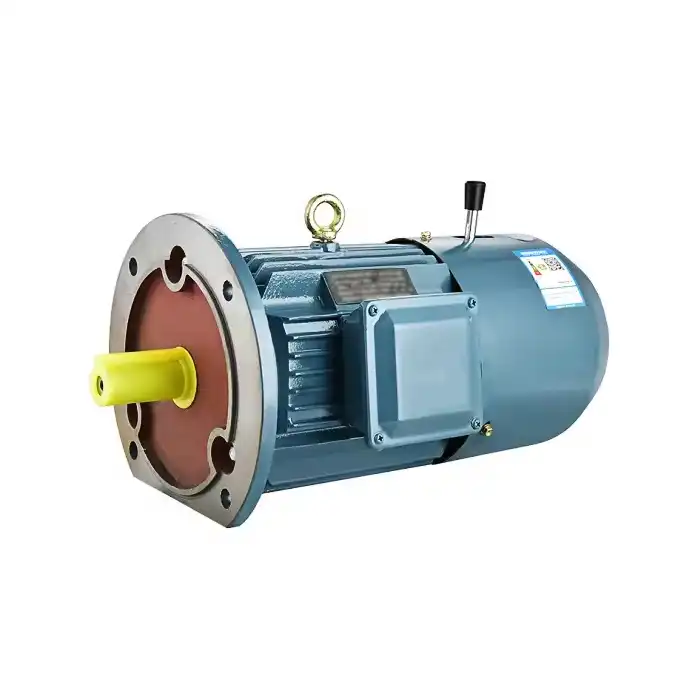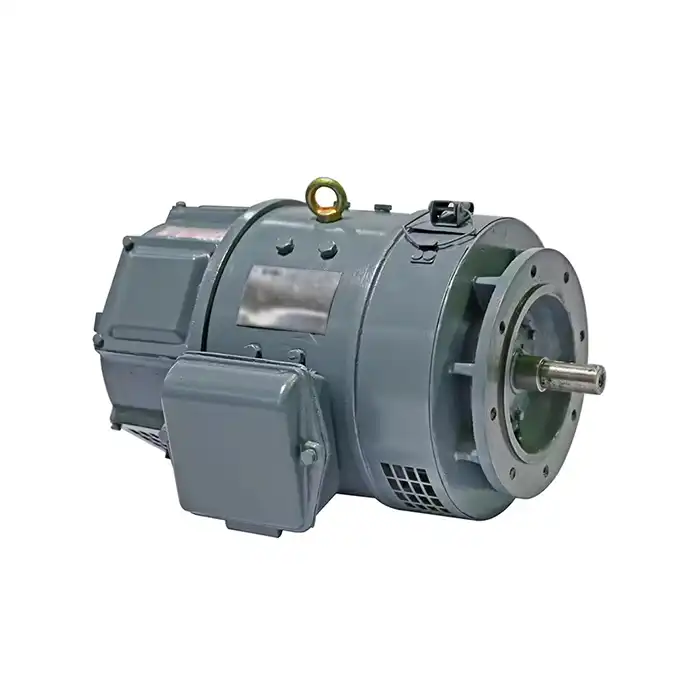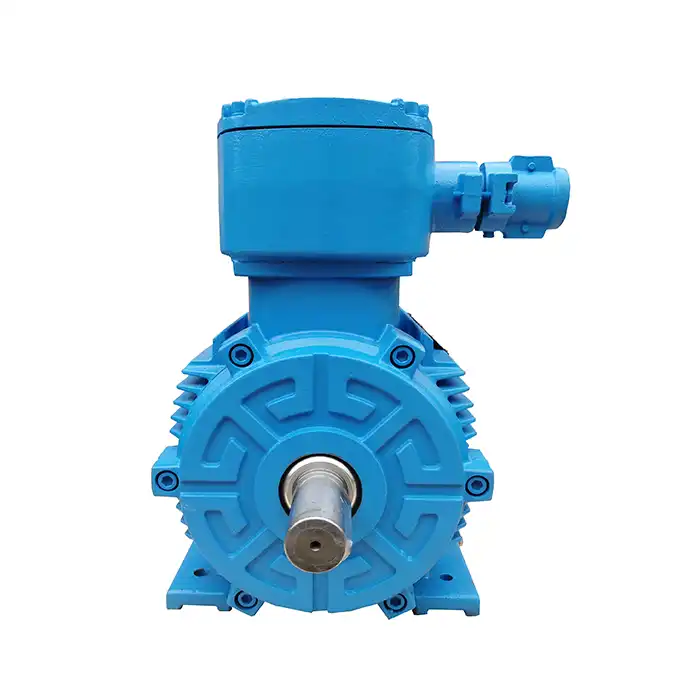




Why a Ball Mill Motor Is Critical in Mining Operations
Ball mills are very important in mining because they grind up ores so that minerals can be extracted more easily. The ball mill motor, which powers the grinding process and makes sure the mill runs continuously and efficiently, is at the heart of their operation. The whole system for handling ore would stop working without this important part. Electrical energy is turned into mechanical power by the motor. This makes the cylinder shell spin and the grinding media inside break down materials into small pieces that can be used in other processes. This guide looks at the most important parts of these motors and is meant for procurement workers and expert decision-makers in the mining industry around the world. We talk about different kinds of motors, how to get the best performance, how to buy them, how to maintain them, and how to handle risks. This is all to help you make smart choices that will improve operating stability and cost-effectiveness.
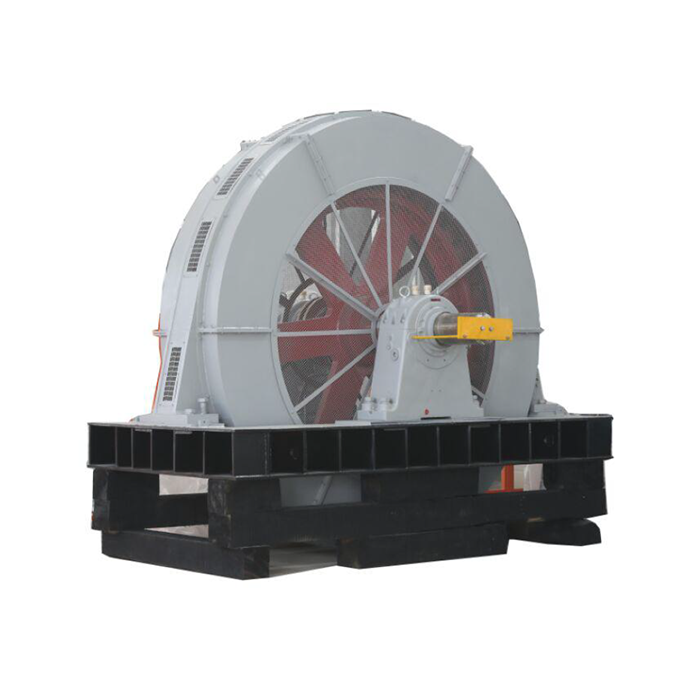
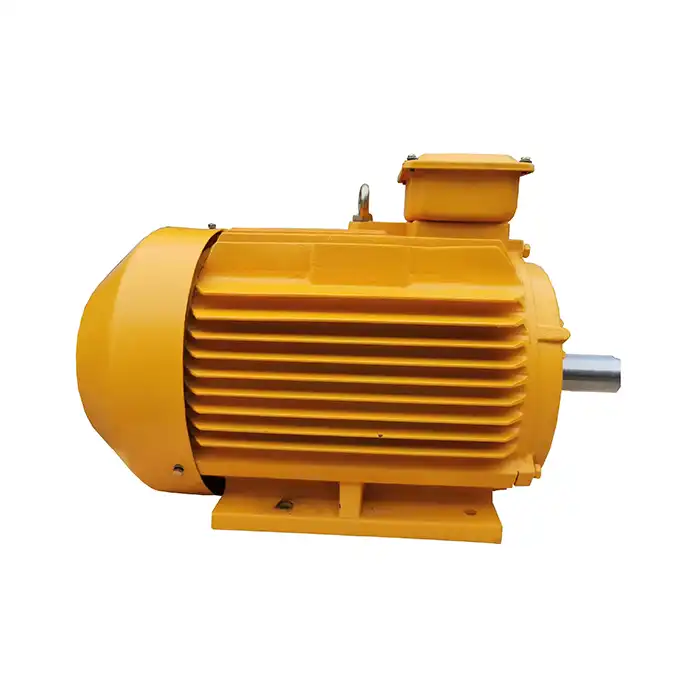
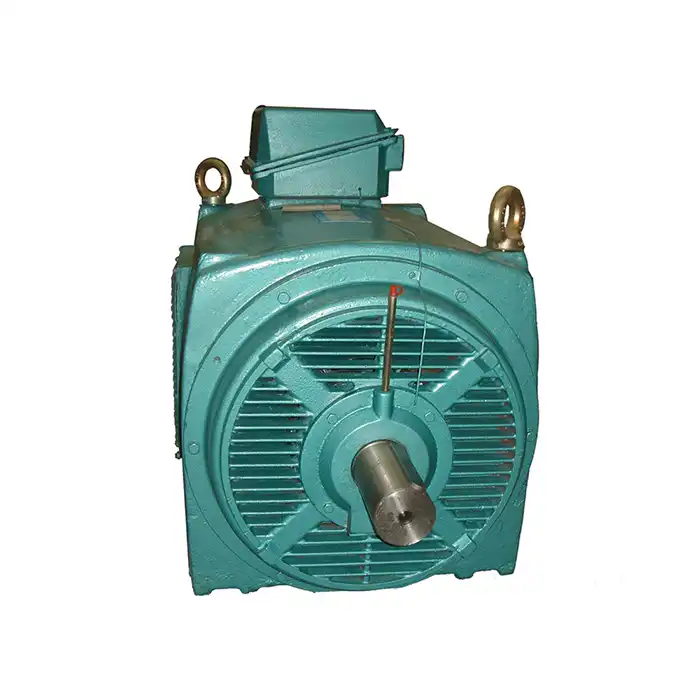
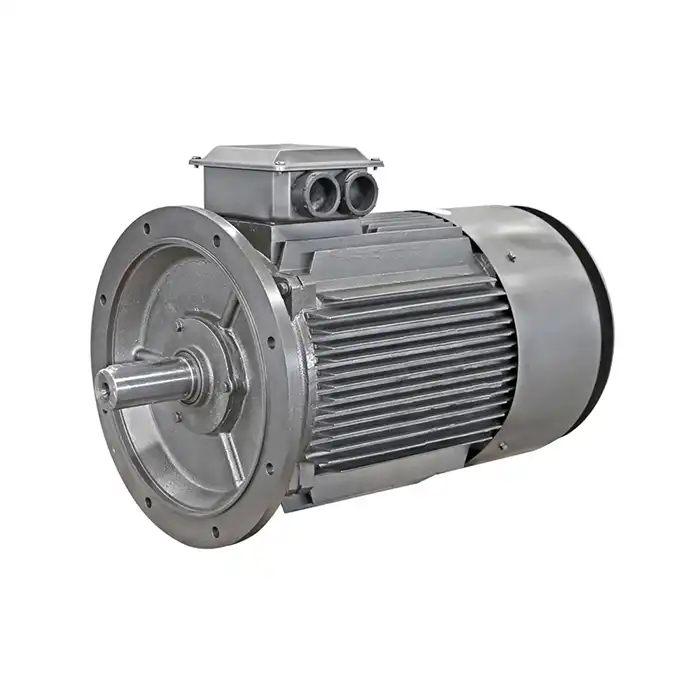
Series:TDMK
Voltage range:3000V±5%,3300V±5%,6000V±5%,6600V±5%,10000V±5%,
Power range:400-2000 kW
Application:Mining, cement.
Advantage:large starting torque.
Others: SKF, NSK, FAG bearings can be replaced according to customer requirements.
Understanding Ball Mill Motors in Mining Operations
The Core Function of Grinding Motors
The ball mill motors are very important parts because they turn electrical energy into the mechanical force that turns the mill's cylinder shell. These motors have to work in tough conditions and keep up a steady power to keep the grinding process going smoothly. AC synchronous motors, DC motors, and 3-phase induction motors are all common types of motors. Each is best for a certain type of action. Which of these types to use relies on things like the power infrastructure that is accessible, the control needs, and the operational flexibility.
Key Specifications That Impact Performance
Power grade, torque output, and rotational speed all have a direct effect on how well grinding works and how much energy it uses in mine. The power range of our motors is 400 to 2000 kW, so they can be used for both small and large-scale tasks. Voltage options include 3000V±5%, 3300V±5%, 6000V±5%, 6600V±5%, and 10000V±5%, so they can work with a range of power systems. The speed goes from 150rpm to 500rpm, so workers can match the motor's features to the mill's design and the hardness needs of the material. These specs aren't made up on the spot; they're the result of decades of technical work to find the best balance between power delivery and energy economy.
Common Operational Challenges
To keep things running smoothly and keep workers safe, it's important to understand how motors are put together and spot common issues like burning or shaking. In mines, motors have to deal with heavy loads, rough dust, changes in temperature, and sometimes shock loads when they first start up. Overheating usually happens when there isn't enough air flow, the temperature outside is too high, or the machine is used for too long at its stated capacity. Misalignment, broken bearings, or uneven loads inside the mill are often the causes of vibration problems. Having a good understanding of these basic technology issues helps procurement workers choose the best motor option for harsh mining conditions.
Performance Optimization of Ball Mill Motors in Mining
Identifying and Addressing Bottlenecks
Finding and fixing performance problems in ball mill motors is important for increasing productivity and lowering costs. Many older systems have poor ways of starting up, speed changes that can't be controlled, and using too much energy when they're not working. Doing regular performance checks helps you find places where making changes will have a big impact. Monitoring things like power use, heat performance, and sound patterns can help you spot problems before they get too bad.
Implementing Variable Frequency Drives
Variable frequency drives are one way to precisely control motor speed, which cuts down on energy use and wear. VFDs change the motor's frequency to match the grinding needs at any given time. This keeps the motor from going at full speed all the time, which wastes energy. In normal mining situations, this technology can cut energy use by 15 to 30 percent. VFDs also have soft-start features that reduce motor stress during starting and increase the life of equipment. Usually, the starting cost of VFD technology pays for itself in two to three years just by saving money on energy costs.
Proactive Maintenance Practices
Unexpected breakdowns can be avoided by doing proactive maintenance tasks like inspecting and lubricating things on a regular basis. Setting up a predictive maintenance plan based on load conditions, working hours, and bearings will make sure that electrical connections, insulation systems, and insulation systems get fixed before problems get worse. Our motors can come with SKF, NSK, or FAG bearings, depending on what the customer wants. This gives them options for planning maintenance and finding parts. Case studies from real life show how planned motor optimization has helped mine operations become much more productive. With these new insights, operators and buying teams can make focused changes that make motors last longer and make the whole process more reliable.
Comparison and Selection of Ball Mill Motors for Mining Procurement
Evaluating Power Demands and Efficiency
To choose the best ball mill motors, you need to look at how much power it needs, how energy efficient it is, how long it will last, and whether it will work with other mills. For grinding to work, the motors need to be able to keep up a high torque level, especially when the mill is first started up and fully loaded with material. Our motors have starting torques between 220% and 280% of their maximum torque, so they can start up reliably even in tough situations. This high starting torque gets rid of the need for complicated extra tools for starting up. This makes installation easier and lowers the original cost of capital.
Motor Type Considerations
Three-phase AC motors are the most common type used in heavy-duty mining because they are more durable, more efficient, and need less upkeep than DC motors. We use a synchronous motor with a horizontal three-phase salient-pole design in our goods. It has an IP20 security class and Class F insulation. This design makes sure that it will work reliably in mines where dust and changes in temperature are common problems. The open air cooling system gets rid of heat quickly and efficiently while staying small.
Critical Procurement Factors
When buying grinding machines for mine use, there are a few things that need to be carefully thought through. Power factor rates between 0.85 and 0.92 make sure that the electricity system is used efficiently and that reactive power charges are kept to a minimum. Because the motor can work with a voltage tolerance range of ±5%, it can handle changes in the power source that are typical in remote mining areas. Deep groove ball bearings are common and can handle a lot of weight and last a long time between services. The building of the stator winding uses F-grade self-adhesive double-glass-coated flat copper wire, which offers better insulation and protection to moisture, which are important qualities in humid mining settings.
Quality Assurance and Certifications
Quality approvals give customers peace of mind that the product is reliable and meets foreign standards. Our motors have been certified with the ISO 9001:2015 Quality Management System, the CE mark, and the CCC mark. This shows that they were made and tested according to strict guidelines. Before it is shipped, every unit goes through a lot of tests, such as operation with no load, load testing, insulation resistance proof, and vibration analysis. This thorough quality control method lowers the chance of failure before its time and costly production stops.
Maintenance Strategies and Risk Management for Ball Mill Motors
Establishing a Robust Maintenance Framework
Maintenance must be done correctly to avoid unplanned breaks and fixes that cost a lot of money. Problems that often happen with ball mill motors are bearing wear from rough conditions, insulation degradation from thermal cycles, and electrical problems caused by dust contamination. Using vibration analysis, temperature tracking, and troubleshooting tools to find early signs of failure lets you act quickly. Putting in vibration sensors and thermal imaging cameras that are permanently fixed lets you keep an eye on things all the time without stopping activities.
Scheduled Inspection Protocols
Setting up inspection times based on business hours instead of date times gives more accurate repair timing. For operations that see a lot of use, inspections may need to happen every three months. For operations that see less use, inspections can happen every six months. On inspection lists, things like bearing state, lubrication quality, electrical link integrity, insulation resistance, and how well the cooling system works should all be listed. Keeping detailed records of services helps find problems that keep happening and guides future choices about what to buy.
Spare Parts Management
Managing extra parts in a timely manner makes sure that important parts are available when they are needed without keeping too much capital in stock. Bearings, cooling fans, terminal blocks, and insulation materials are some of the most important extra parts. Working with sellers who keep parts in stock in your area cuts down on the time it takes to get emergency supplies. Our support team helps you find replacement parts, write technical paperwork, and fix problems so that you have as little downtime as possible. By using these risk-reduction strategies, you can make sure that motors keep working, which helps mining operations stay productive and safe in harsh conditions.
Procurement and Supply Chain Considerations for Ball Mill Motors
Sourcing Options and Supplier Evaluation
This part tells buying teams how to find their way around the complicated world of ball mill motors suppliers. You can buy directly from manufacturers, use distributor networks, or go to online industry markets. When you buy more than one item directly, you can usually get better prices and have easier conversations about modification. When you work with a distributor, you can get local expert help, faster delivery for replacements you need right away, and lower prices on a lot of different types of equipment.
Customization and Lead Time Planning
Some important things to consider when buying a motor are its ability to be customized, its lead time, its price, and its guarantee coverage. All of these things affect the time and cost of the job. Standard setups usually ship between 8 and 12 weeks, while custom specs may need 14 to 18 weeks for production and design proof. Specific placement needs can be met by changing the voltage levels, bearing options, mounting arrangements, and cable entry points. If you talk about these issues early on in the buying process, you can avoid delays and expensive changes in the field.
Logistics and Delivery Optimization
Logistics and shipping strategies improve the speed and cost-effectiveness of delivery. Large motors need special tools to handle and special ways to be transported. The cost of freight per unit goes down when motors are shipped with other tools in a single package. Customs delays can be avoided by knowing the rules, fees, and paperwork needed for foreign shipping. Damage caused by shipping is covered by insurance that is proportional to the value of the equipment. By understanding these supply chain factors, mining businesses can make purchases more efficiently, lower the risk of losing inventory, and find the most reliable motors at the best price for their needs.
Conclusion
Choosing the right ball mill motor will have long-lasting effects on how well the business runs, how much it costs, and how reliable its output is. It is very important that the technical details, like power levels, voltage compatibility, starting torque, and bearing quality, match exactly with what your mill needs and how it works. By knowing the basics of motors, using performance optimization techniques, setting up strong repair routines, and carefully navigating procurement issues, mining companies can get the most out of their equipment and keep the total cost of ownership as low as possible. The information in this guide gives expert decision-makers the skills they need to make sure their choices are well-informed and will help them keep up output in tough mining situations.
FAQ
1. What Power Rating Do I Need for My Grinding Application?
Power needs depend on the width, length, rotating speed, and properties of the material. The power of our ball mill motors ranges from 400 kW to 2000 kW, which is enough for most mining needs. To figure out the exact power draw, you have to look at the hardness of the rock, the size of the feed, the fineness of the product you want, and the filling ratio. Talking to experienced engineers about the right size will help you avoid setups that are too small or too big.
2. What Are the Benefits of Variable Frequency Drives?
With VFDs, you can precisely control the speed of an electric motor, which lets you do soft starts that lower mechanical stress and energy-efficient operation at partial loads. Because they lower thermal and mechanical cycling, they can cut power use by 15–30% while also making tools last longer. VFDs also help improve processes by letting workers change the grinding settings based on the properties of the ore.
3. How Often Should Maintenance Be Performed?
How often something needs to be maintained depends on how long it is used, how much it is loaded, and the surroundings. In heavy-duty situations, bearings usually need to be inspected and oiled every three months, and they need a full review once a year. Monitoring vibrations and heat images on a regular basis can help find problems early on, allowing condition-based upkeep that makes the best use of resources.
Partner with XCMOTOR for Reliable Ball Mill Motor Solutions
Mining activities demand ball mill motors that work consistently in harsh environments. If you need power tools that fits the exact needs of ore mining and material extraction, XCMOTOR is the company for you. Our motors come with a wide range of power choices, high-quality bearings, and a lot of starting torque to make sure they work reliably in your grinding circuits. When something goes wrong in a work setting, the costs add up quickly. That's why we offer fast delivery, 30-day returns, and dedicated help even on weekends. Whether you're upgrading old equipment or choosing motors for brand-new setups, our team can help you match technical requirements with working needs. Email us at xcmotors@163.com right now to talk about your needs with experienced ball mill motor suppliers who care about your output.
References
1. Wills, B.A., & Finch, J.A. (2015). Wills' Mineral Processing Technology: An Introduction to the Practical Aspects of Ore Treatment and Mineral Recovery. Butterworth-Heinemann.
2. Napier-Munn, T.J., Morrell, S., Morrison, R.D., & Kojovic, T. (1996). Mineral Comminution Circuits: Their Operation and Optimisation. Julius Kruttschnitt Mineral Research Centre.
3. Gupta, A., & Yan, D.S. (2016). Mineral Processing Design and Operations: An Introduction. Elsevier Science.
4. IEEE Industry Applications Society. (2018). IEEE Standard 841: Standard for Petroleum and Chemical Industry - Severe Duty Totally Enclosed Fan-Cooled Squirrel Cage Induction Motors.
5. Kawatra, S.K. (2006). Advances in Comminution. Society for Mining, Metallurgy, and Exploration.
6. International Electrotechnical Commission. (2014). IEC 60034 Series: Rotating Electrical Machines - Part 1: Rating and Performance. IEC Publications.