



Best Medium Voltage Induction Motor Solutions for Mining Industry
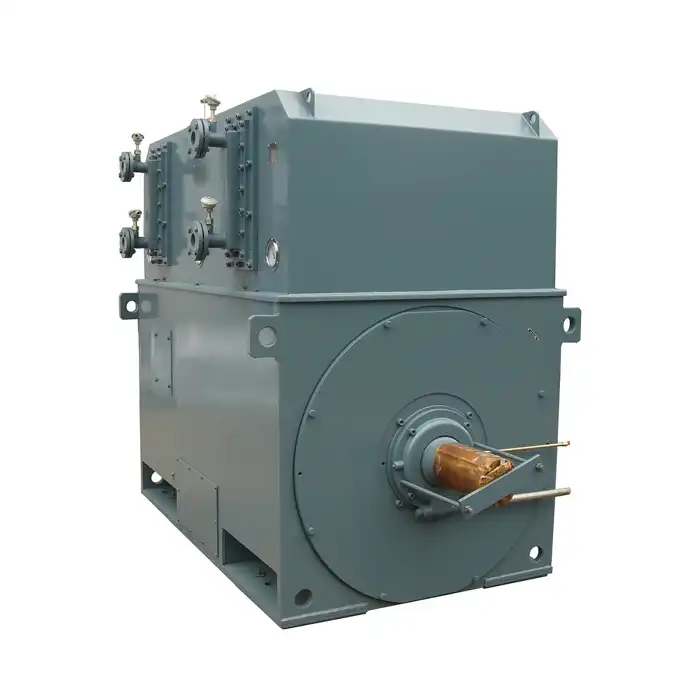
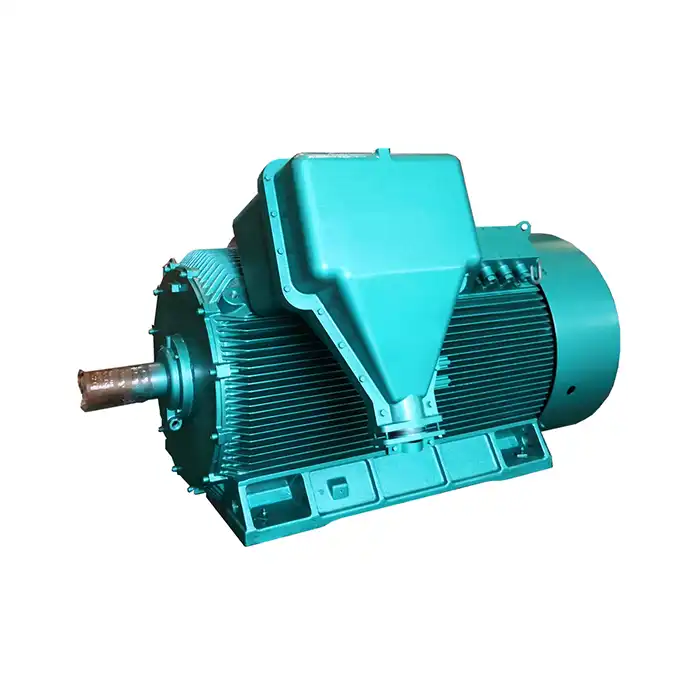
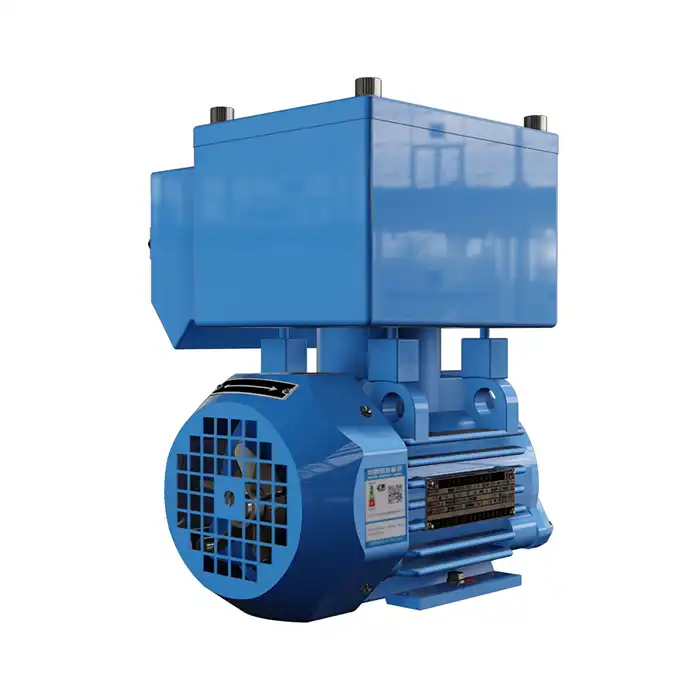
Mining operations need power options that are stable, can handle harsh conditions, and keep activities running smoothly. For powering crushers, conveyors, water pumps, and mills on mine sites, medium voltage induction motors have become indispensable. The power output of these motors, which ranges from 185 kW to 1800 kW and operates between 3 kV and 11 kV, gives mining workers the reliable performance they need. They are essential for ongoing mining activities because they use very little energy, last a long time, and can work in harsh conditions. If they break down, the company loses a lot of money.
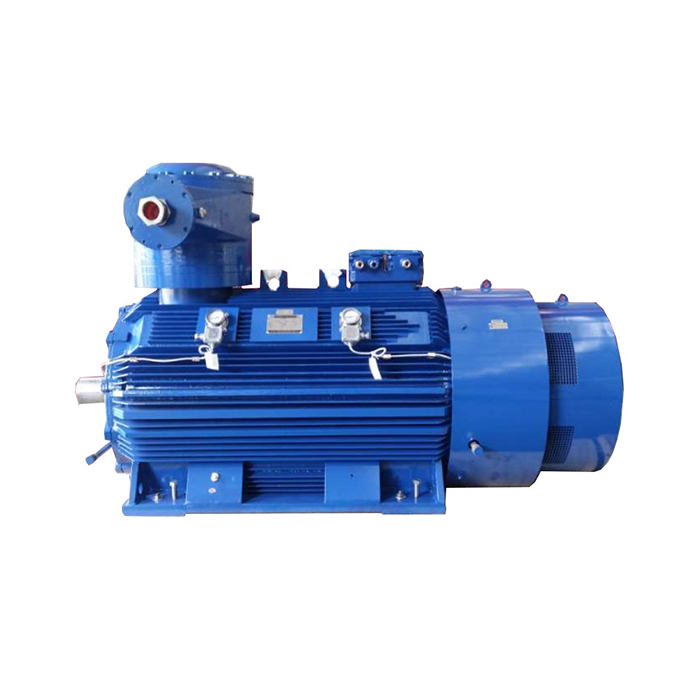
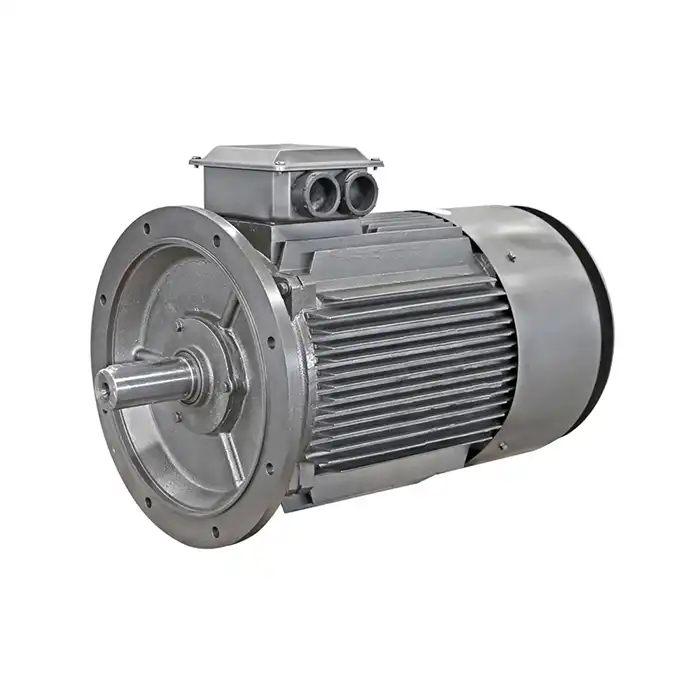
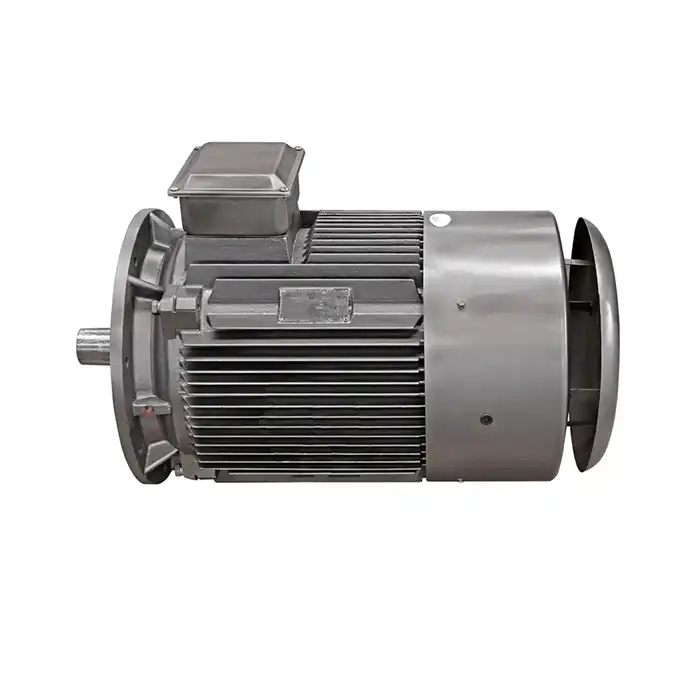
Series:YBBP-HV
Voltage range:3000V±5%,3300V±5%,6000V±5%,6600V±5%,10000V±5%,11000V±5%
Power range:185-1800 kW
Application:compressors, water pumps, crushers, cutting machine tools, transportation machinery.
Advantage: wide modulation range, high efficiency and energy saving, low noise, long life, high reliability.
Others: SKF, NSK, FAG bearings can be replaced according to customer requirements.
Understanding Medium Voltage Induction Motors in Mining
Working Principles and Design Features
Mining environments demand specialized motors operating on electromagnetic induction optimized for rugged use. Rotor design ensures smooth rotation under varying loads common in mining. Precision-balanced components prevent structural vibration over extended periods. Cast iron frame construction withstands physical impacts and environmental hazards. Premium copper windings reduce energy losses. Class F insulation (155°C) with Class B temperature rise protects internal components from thermal stress and prevents short-circuit failures in medium voltage induction motor.
Key Advantages for Mining Applications
The specific design features that are built into current induction motors are very helpful for mining activities. Here are the main benefits that meet the needs of the mining industry:
- Energy Efficiency: The large modulation range lets motors work well with different loads. Compared to older motor technologies, they use up to 15% less electricity, which saves a lot of money over the life of the motor.
- Noise Reduction: Advanced rotor balance and optimized cooling systems keep operating noise levels below 85 dB. This makes the workplace safer and means that people who work near motor installations don't have to wear hearing protection.
- Environmental Resilience: Protection classes from IP55 to IP65 make sure that the equipment can work reliably in dusty, wet industrial settings where less-protected equipment would break down quickly from being exposed to dust and water.
- Extended Service Life: The strong construction, high-quality materials, and improved cooling techniques make the operational life longer than 100,000 hours under normal running conditions. This means that replacements are needed less often, which saves money on capital costs.
These benefits have a direct effect on mine output by making sure that important machines like crushers, conveyors, and water management systems keep running. The IC416 cooling method keeps the motor running at its best temperature even when it's under a lot of load for a long time. This stops thermal damage that shortens the motor's life.
Squirrel Cage Motor Design Considerations
Squirrel cage design dominates mining due to simplicity and reliability for medium voltage induction motor. Eliminating brushes and slip rings reduces maintenance requirements and service interruptions. Rotor design enables high starting torque overcoming static friction for ball mills and SAG mills. Stator windings incorporate adequate turn-to-turn spacing enabling airflow for enhanced heat removal. This thermal management proves critical in mining where ambient temperatures exceed industrial norms and continuous operation leaves little cooling time during medium voltage induction motor downtime.
Comparing Medium Voltage Induction Motors for Optimal Mining Deployment
Voltage Classifications and Selection Criteria
Low-voltage motors operate below 1000V; high-voltage exceeds 10000V. Our medium voltage induction motor handles 3000V, 3300V, 6000V, 6600V, 10000V, and 11000V within ±5% range. Higher voltages allow smaller conductor cross-sections carrying equivalent power, reducing cable costs for long runs between distribution points and motor locations. This characteristic benefits large mining operations with equipment spread across extensive areas requiring extensive cabling for medium voltage induction motor installations.
Performance Comparison with Alternative Technologies
Synchronous motors offer precise speed control but require complex excitation systems needing ongoing maintenance for medium voltage induction motor. DC motors provide high starting torque but need frequent brush replacement and perform poorly in dusty mining environments. Permanent magnet motors deliver efficiency improvements but carry significantly higher upfront costs extending payback periods. Induction motors dominate where speed, reliability, and cost-effectiveness matter. Their medium voltage induction motor ability to start under load suits crushers and mills starting with material in chambers.
Total Cost of Ownership Analysis
Energy costs typically represent 85–90% of industrial medium voltage induction motor lifetime expenses. Our efficiency ratings save thousands of kilowatt-hours annually compared to standard options. Over 15-year service life, these savings dwarf any premium for energy-efficient medium voltage induction motor. Maintenance costs also impact procurement decisions. Robust construction and premium SKF, NSK, or FAG bearings extend service intervals. Unplanned downtime in mining costs heavily because stopped processing affects entire production chains. Reliable medium voltage induction motor protects revenue streams.
Procurement Insights: Buying and Specifying Medium Voltage Induction Motors for Mining
Technical support availability proves critical for troubleshooting operational issues or optimizing medium voltage induction motor performance. Our support teams remain available weekends and holidays recognizing mining operations require assistance regardless of calendar. Lead times affect project schedules; standard configurations ship in 4–6 weeks, custom designs require 8–10 weeks additional. Planning procurement timelines prevents delays during new installation commissioning or failed equipment replacement for medium voltage induction motor.
Warranty Terms and After-Sales Service
Comprehensive warranty protects critical equipment investments for medium voltage induction motor. Extended coverage options for mining account for harsh operating conditions. Customized maintenance plans include scheduled inspections, predictive maintenance tools, and priority parts access. Spare parts availability often determines how quickly failed medium voltage induction motor returns to service. Stocking regularly replaced components including bearings, cooling fans, and terminal box assemblies minimizes downtime. We maintain critical spares expediting delivery to mining sites.
Customization and Bulk Order Considerations
Mining operations frequently require medium voltage induction motor features unavailable in standard catalog items. Custom speed configurations, special mounting arrangements, or enhanced environmental protection may be necessary. Our engineering team collaborates directly developing specifications meeting all application requirements while respecting budget constraints. Bulk orders for large projects or fleet standardization secure volume pricing and coordinated delivery schedules for medium voltage induction motor. Phased deliveries aligned with construction timelines ensure motors arrive when needed without extended on-site storage.
Enhancing Performance and Longevity of Medium Voltage Induction Motors in Mining
Maintenance Best Practices
Preventive repair plans make motors last a lot longer and keep them from breaking down when they're least expected. Bearing state, coil insulation integrity, and cooling system function should all be checked on a regular basis. Vibration analysis finds problems before they become catastrophic fails. This lets fixes happen during planned maintenance windows instead of having to be done in an emergency.
The lubrication schedules must match the working conditions and specs of the bearings. Too much lubrication can cause burning and seal failure, while not enough oil speeds up the wear on bearings. In mining areas with a lot of dust, lubrication may need to be done more often to get rid of contaminants that get into bearing systems even though they have safety seals.
Common Failure Modes and Troubleshooting
In mining uses, about 40% of motor problems are caused by broken bearings. Too much shaking, strange noise, or high bearing temperatures are all signs of problems that need to be fixed right away. Using thermal images during operation can find hot spots that mean there isn't enough cooling or electricity imbalances, which can be fixed before the damage gets too bad.
Insulation breakdowns lead to winding failures that need expensive rewinding or a whole new motor. Testing the insulation's resistance on a regular basis can find damage while fixes are still doable. When insulation is exposed to chemicals or high humidity in a mining environment, it wears out faster, so testing needs to be done more often than in normal industry settings.
Moisture and dust get into motor housings through broken casings or covers that don't work right. Checking the gaskets, drain plugs, and wire entry spots on a regular basis stops damage from getting into the system. Maintaining the purity of the safety class keeps the motor reliable in harsh mining conditions.
Vibration Control and Noise Reduction Strategies
Too much shaking hurts motor parts and related equipment, and it makes working conditions uncomfortable for people nearby. When you place a base the right way, it makes sure that the mounting is rigid, which stops resonance and reduces transferred energy. To keep horizontal forces from overloading bearings and causing them to fail early, the position of the shafts between motors and driven equipment must stay within certain limits.
By balancing moving parts, vibrations are cut down at their source. To keep running smoothly, motors should be dynamically balanced both when they are being made and after any rotor fixes. Choosing the right coupling can also change how vibrations are sent. Flexible couplings can handle small misalignments and stop vibrations from moving from the motor to the driven equipment.
Upgrading and Retrofitting Opportunities
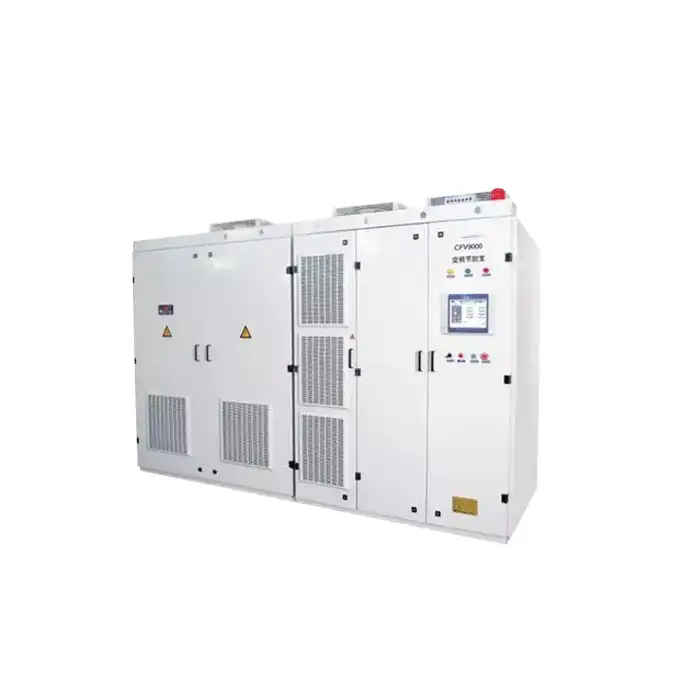
Motor changes that make older systems more efficient can often be made without having to replace the whole system. With variable frequency drives, you can change the speed and start the motor slowly, which lowers the load on the motor and the electricity needed. Adding new drives to old motors can make them last longer and save enough energy that the cost of the upgrades is covered in two to three years.
Rewinding services can get broken motors working again for about 60% of the cost of a new one. By using better materials and better winding patterns, modern rewinding methods can actually make the original build more efficient. This method is cost-effective when motor frames and blades are still physically sound even though windings are failing.
Future Trends and Innovations in Medium Voltage Induction Motors for Mining
Digital Monitoring and Smart Controls
New technologies are adding sensors to medium voltage induction motor systems for continuous monitoring of operating parameters. Temperature monitors embedded in medium voltage induction motor windings provide real-time thermal data enabling predictive maintenance and preventing failures before they occur. Vibration sensors on medium voltage induction motor detect bearing wear weeks before routine inspections would identify issues, allowing repairs during scheduled downtime. These smart monitoring capabilities significantly extend medium voltage induction motor service life and reduce unplanned production interruptions in mining and industrial applications.
Instead of going at full capacity all the time, smart motor controls adjust performance based on the load. These systems change the motor's settings on the fly, using less energy when there isn't much demand, but not affecting access when full power is needed. The resulting gains in economy work with the way motors are built to save the most energy.
Energy Efficiency Regulations and Sustainability
More and more, government rules require industrial motors to meet basic energy standards. Motors with 1 to 200 horsepower must meet efficiency standards set by the U.S. Energy Policy Act. Performance standards are raised on a regular basis. Mining companies have to make sure that any new motors they buy meet current standards and also plan for future needs that will affect their choices about what to replace.
Sustainability efforts go beyond just following the rules. Investors, customers, and towns all put pressure on mining companies to lessen the damage they do to the earth. Energy-efficient motors help reduce carbon emissions by lowering the amount of energy used and the pollution that comes from making electricity. Keeping track of these changes helps companies meet their sustainability reporting standards and improves how the public sees them.
Strategic Planning for Technology Adoption
Mining companies should come up with long-term plans for replacing motors that take into account both current needs and new technologies that will come out in the future. Keeping up with groups of motors that are all different ages and levels of efficiency makes servicing harder and stops the benefits of standardization. Capital expenditures are spread out over several budget cycles with phased replacement plans that focus on replacing the older or least efficient units first. This gradually brings installations up to date.
Working with providers who keep up with changes in technology makes sure that you can use new ideas as they become more grown. We are always looking at new materials, control strategies, and tracking technologies. We only include developments that have been tested and shown to work in our products and stay away from ideas that haven't been tested and aren't suitable for critical mining applications.
Conclusion
To choose the right medium voltage induction motors, you have to weigh the technical specs against the needs of the business and the cost. Most mining needs can be met by motors with power outputs between 185 kW and 1800 kW and voltages between 3 kV and 11 kV. These motors are used in everything from water pumps and mills to crushers and conveyors. They are built to last, use little energy, and work reliably even in harsh circumstances, which makes them essential for mining activities that need to be fruitful. Strategic choices about what to buy, taking into account total ownership costs instead of just the purchase price, improve long-term value while ensuring operating consistency, which is necessary for mine to make money.
FAQ
1. What factors determine the right motor voltage for my mining application?
The best voltage choice is based on the amount of power needed by the application, the distance of the wire runs, and the current electrical infrastructure. Longer runs of cables with higher voltages cost less, but they need stronger switching equipment and stricter safety rules. Matching the motor voltage to the site's power distribution makes installation easier and lowers the cost of extra equipment.
2. How do induction motors compare with synchronous motors for mining efficiency?
In terms of how well they work in mining, how do medium voltage induction motors and synchronous motors compare? Induction motors are cheaper, easier to build, and don't need as much upkeep. They're also efficient enough for most mining uses. Synchronous motors are a little more efficient and can fix problems with the power factor, but they need special systems to get started and need to be serviced regularly, which makes them more difficult to use. Induction motors are better overall for most mining activities, even though they are a little less efficient at their peak.
3. What maintenance practices maximize motor reliability in dusty mining environments?
What types of care make motors more reliable in dusty mine environments? Regular checks of seals, gaskets, and the structure of the cage stop dust from getting in and damaging the windings and bearings. When you lubricate bearings more often, you get rid of contaminants before they cause wear. Cleaning the cooling ducts on a regular basis keeps the temperature performance high. Protection class ratings that are right for the environment (IP55 at the very least, IP65 is better in very dirty places) are necessary to keep the environment clean.
Partner with XCMOTOR for Superior Medium Voltage Induction Motor Solutions
XCMOTOR specializes in providing stable medium voltage induction motor solutions that are made to meet the needs of the mining industry. Our wide range of products has voltages from 3000V to 11000V and power rates from 185 kW to 1800 kW, making them great for use in crushers, conveyors, water pumps, and other processing equipment. We only buy parts from reputable companies, like quality SKF, NSK, and FAG bearings that can be customized to your needs. This makes sure that they will work very well in harsh mining settings.
Our dedication goes beyond just delivering the goods. Technical support teams are ready seven days a week to help you when you need it the most. Before it is shipped, every motor goes through a strict quality check that follows ISO 9001:2015, IEC 60034, CE, and CCC standards. We offer fast shipping and 30-day returns on all of our goods, which lowers the risks of buying them and speeds up project timelines.
Email our team at xcmotors@163.com to talk to skilled application engineers about your unique needs. For your working needs and funds, we'll help you figure out the best motor configurations. As a dedicated provider of medium voltage induction motors, we want to help you succeed in mining by giving you tried-and-true, energy-efficient solutions and full support.
References
1. National Electrical Manufacturers Association. (2021). NEMA Standards Publication MG 1-2021: Motors and Generators. Rosslyn, VA: NEMA.
2. Institute of Electrical and Electronics Engineers. (2020). IEEE Standard 841-2020: IEEE Standard for Petroleum and Chemical Industry - Premium Efficiency Severe Duty Totally Enclosed Fan-Cooled (TEFC) Squirrel Cage Induction Motors. New York: IEEE.
3. Bonnett, A. H. (2019). Root Cause AC Motor Failure Analysis with a Focus on Medium Voltage Motors. Hoboken, NJ: John Wiley & Sons.
4. International Electrotechnical Commission. (2018). IEC 60034 Series: Rotating Electrical Machines Standards. Geneva: IEC.
5. Chapman, S. J. (2022). Electric Machinery Fundamentals: Medium and High Voltage Applications. New York: McGraw-Hill Education.
6. Mining Equipment Manufacturers Association. (2023). Best Practices for Motor Selection and Maintenance in Mining Operations. Denver, CO: MEMA Publications.