



Unlocking the Benefits of IE3 Motors for Industrial Applications: A Comprehensive Guide
By saving energy, following the rules, and lowering costs over time, investing in a high efficiency motor ie3 changes the way businesses work. As energy costs rise around the world and rules about the environment get stricter, using IE3-rated motors has gone from being a choice to a must. These motors get the most out of the power they use without losing speed. Companies that want to be productive and environmentally friendly can't do without them. This guide shows engineers, buying managers, and procurement professionals why IE3 motors are a good choice in the transportation, HVAC, manufacturing, and energy sectors. It does this by explaining the technical benefits, application strategies, and procurement issues.
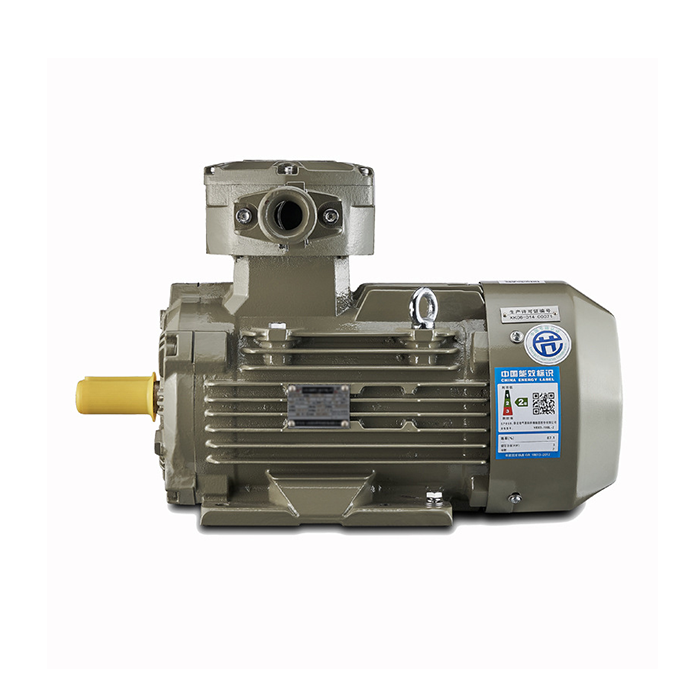
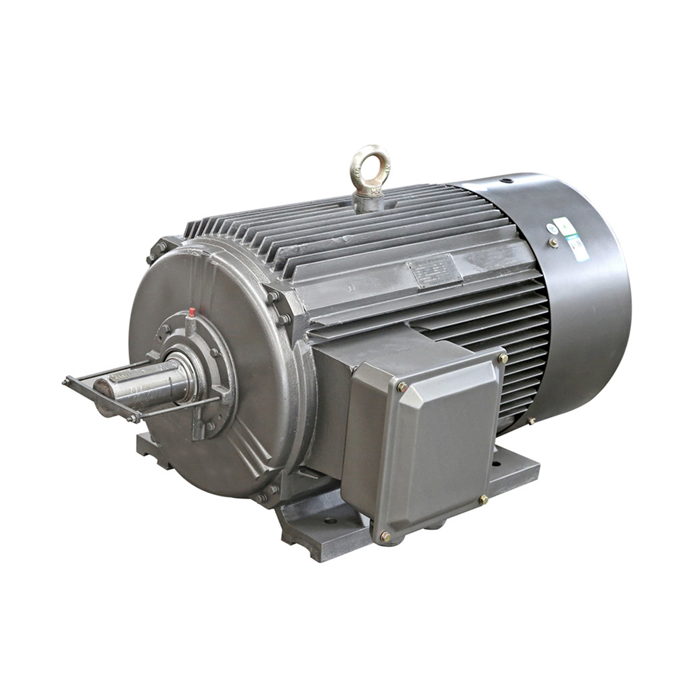
Series:YBX3
Voltage range:380V,660V,415V,380/660V,660/1140V
Power range:0.55-630 kW
Application:places where explosive gas mixtures exist in petroleum, chemical, mining, metallurgy, electric power, machinery and other industries.
Advantage: fully enclosed, self-fan cooling, squirrel cage type, high efficiency.
Explosion-proof mark: Ex d I Mb, Ex d IIB T4 Gb, Ex d IIC T4 Gb
Others: SKF, NSK, FAG bearings can be replaced according to customer requirements.
Understanding IE3 Motors: Efficiency, Design, and Performance
Learn about IE3 motors' performance, design, and efficiency. International standards, such as IEC 60034-30-1 and NEMA Premium, describe IE3 motors as a type of energy-efficient electric motor. At full load, these motors usually get scores for efficiency between 90% and 96%, which is much better than IE1 and IE2 classifications. Advancements in design, like better winding arrangements, high-quality electrical steel laminations, and precise rotor balance, are what make the difference. These features are built into our high efficiency motor ie3 types, so they work the same way in all kinds of situations.
How IE3 Motors Reduce Energy Consumption?
Lower operating costs are directly linked to using less energy. Compared to older motor classes, a high efficiency motor ie3 needs less electricity to make the same amount of mechanical output. This decrease adds up to big savings over the motor's normal 15 to 20-year life span. After improving, factories that use a lot of motors all the time can cut their energy bills by 10 to 20 percent. The better design also makes less heat, which means less cooling is needed and parts last longer.
Compliance with Global Regulations
More and more, regulatory systems in the US, EU, and Asia require industrial motors to meet minimum energy standards. These standards are met or surpassed by IE3 motors, which helps buying teams escape fines and protect their equipment investments for the future. For checks and reports, the high efficiency motor ie3 series from XCMOTOR has IEC 60034-30-1, CE Marking, and CCC Certification, which are all pieces of paper that show it follows the rules.
Compatibility with Modern Control Systems
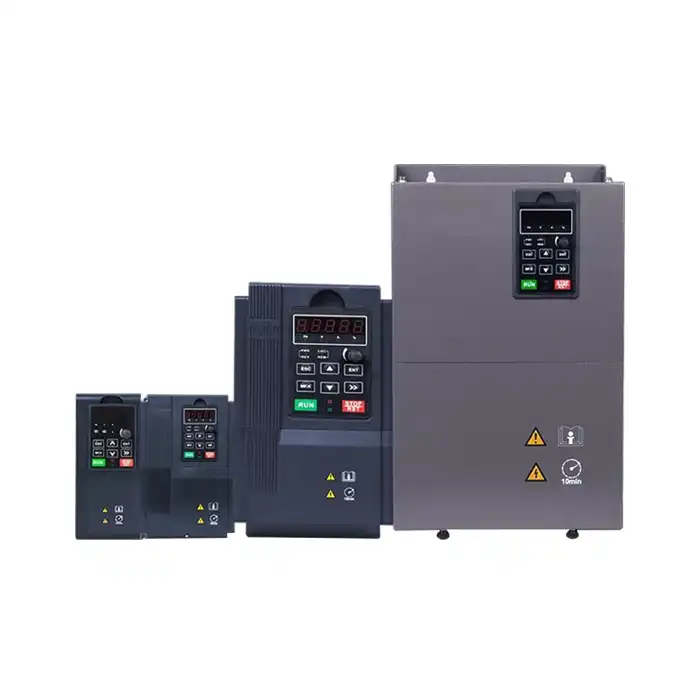
IE3 motors work well with variable frequency drives (VFDs), which lets you finetune the speed and save even more energy. With a VFD, the motor speed is changed to match the needs of the process. This cuts down on wasted energy during partial-load operation. Our high efficiency motor ie3 types have efficiency curves that stay mostly flat between 50% and 100% load. This means that they always work at the same level of efficiency, even when they're not going at full capacity or at slower speeds when demand is low.
Comparing IE3 Motors with Other Efficiency Classes and Brands
Knowing how IE3 motors fit into the bigger picture of efficiency helps buying teams make smart choices. Even though IE1 and IE2 motors are still available, they use more energy and are less efficient. IE4 motors are the next type. They are 2% to 3% more efficient than IE3 motors, but they cost more, so they may not always be worth the extra money right away in every situation.
IE1 and IE2 Motors: Why Upgrading Matters
IE1 motors, which are the least efficient, waste a lot of energy as heat. Even though IE2 motors are a little better, they are still not up to par with the best methods currently used. The energy saves alone from switching from an IE1 or IE2 to a high efficiency motor ie3 usually pay for themselves in three to five years. Using less energy, having lower maintenance costs, and a lower chance of unexpected downtime more than make up for the initial investment.
IE4 Motors: Weighing Future Standards
IE4 motors are even more efficient, which makes them appealing to businesses with strict environmental goals or very long running hours. But the price difference between it and IE3 can be big. A high efficiency motor ie3 hits a good mix, saving a lot of energy without taking as long to pay for itself as IE4 technology does. As more IE4 motors are sold and their prices level off, they may become the standard. For now, though, IE3 is still the best choice for most commercial uses.
Total Cost of Ownership Considerations
When judging motors, you need to look at more than just the price. By using less energy, needing less cooling, and needing less maintenance, a high efficiency motor ie3 lowers total running costs. Premium parts, such as SKF, NSK, or FAG bearings, which are available as choices on our YBX3 line, make it even more reliable and lower the number of times it needs to be serviced. Total cost of ownership clearly favors IE3 motors when looked at over the motor's working life.
Application Areas and Industrial Use Cases for IE3 Motors
A high efficiency motor ie3 can be used in a lot of different industries, and each one can benefit from custom power solutions. Our YBX3 line has voltage choices of 380V, 660V, 415V, 380/660V, and 660/1140V and power ranges from 0.55 kW to 630 kW. This makes it suitable for a wide range of applications in markets around the world.
Manufacturing and Process Control
IE3 motors power conveyors, mixers, extruders, and assembly line tools in the automotive, aircraft, electronics, and food processing businesses. With a high efficiency motor ie3, power output stays constant, which helps with precision manufacturing processes and keeps energy waste to a minimum. The YBX3 series' fully sealed, self-fan cooling design works well in places where dust, moisture, or changes in temperature can affect the durability of motors.
HVAC and Refrigeration Systems
IE3 motors power fans, blowers, and compressors in both commercial and domestic HVAC systems. A high efficiency motor ie3 is appealing to site managers and HVAC workers because it has a direct effect on the costs of running a building. Less heat production also makes systems last longer and eases the cooling load on refrigerator equipment, which is an added benefit of increased efficiency.
Energy and Utilities Infrastructure
IE3 motors are used in power plants, water treatment plants, and green energy sites for pumps, compressors, and other systems. Our YBX3 line is built to last and works very well. It has explosion-proof grades (Ex d I Mb, Ex d IIB T4 Gb, and Ex d IIC T4 Gb), so it can be used in dangerous places in the mining, metallurgy, oil, and chemical industries. The security classes IP55, IP56, and IP65 make sure that the device works reliably even in harsh conditions.
Transportation and Logistics
Material handling systems, luggage elevators, and ground support equipment used by airlines, railroads, and shipping companies all use IE3 motors. A high efficiency motor ie3 can handle a wide range of applications, from small sorting systems to heavy-duty freight conveyors, thanks to its flexible voltage setups and wide power range. It provides steady performance while keeping energy costs low.
Agriculture and Healthcare Applications
IE3 motors are used in farming for air systems, grain handling, and watering pumps. Healthcare centers count on them for HVAC, laundry equipment, and sterilization systems that must be reliable and use little energy. The reliability that these important uses need is provided by our high efficiency motor ie3 models.
How to Select and Procure IE3 Motors: A Buyer's Guide?
To get the best fit and value, it's important to look at a number of technical and financial factors when choosing the right high efficiency motor ie3.
Determining Power and Voltage Requirements
First, figure out how much mechanical load you need, taking into account the duty cycle, starting torque, and working speed. Power levels in our YBX3 line range from 0.55 kW to 630 kW, so they can be used in a lot of different situations. The voltage you choose will rely on the electrical infrastructure of your building. Voltages like 380V, 660V, 415V, and dual-voltage choices like 380/660V and 660/1140V give you options for different regional standards and equipment setups.
Evaluating Environmental Conditions
The security class and enclosure type are determined by the operating surroundings. While IP65 protection is appropriate for washdown applications or outdoor installations, a high efficiency motor ie3 with an IP55 grade is suitable for general industrial settings. Explosion-proof approvals for the YBX3 series cover dangerous areas where flammable gases or dust may be present, which is necessary for compliance in the mining, oil, and chemical industries.
Assessing Supplier Capabilities
The reliability of the seller, professional help, and service after the sale are all important for procurement success. We know that broken equipment can slow down production, so XCMOTOR keeps a deep collection that lets us send quickly all over the United States. Our dedicated support team is available seven days a week, even on weekends, so you can get professional help whenever you need it. When evaluating a provider, you should look at things like warranty terms, the availability of new parts, and service agreements.
Calculating Return on Investment
Reduced energy use, lower upkeep costs, and a longer useful life are all benefits of a high efficiency motor ie3. To find out how much energy you'll save each year, compare the efficiency of the IE3 to that of your current motors and then multiply by the number of running hours and the local electricity rate. Less heat stress, fewer bearing repairs, and less downtime all add up to lower maintenance costs. Most industrial sites get their money back within three to five years, and they keep saving money as long as the motor lasts.
Installation and Integration Planning
When installed correctly, motors work better and last longer. Make sure the mounting surfaces are level and rigid, that the electrical lines meet the voltage and phase needs, and that the VFD will work if you want to use it with changeable speed. Our high efficiency motor ie3 types come with 2, 4, 6, or 8 poles, so you can choose the speed that best fits your needs. Insulation grades of F or H can handle high temperatures, and class B temperature rise makes sure that the system is safe to use even when it is on constant duty.
Future Trends and Innovations in IE3 Motor Technology
Today, the high efficiency motor ie3 is the norm, but new technologies are making it possible to do even more. Smart monitors built into motors allow for real-time state monitoring, keeping an eye on things like temperature, vibration, and the health of the bearings. This information is used by predictive maintenance systems to let workers know about possible breakdowns before they happen. This keeps unplanned downtime to a minimum.
IoT Integration and Predictive Maintenance
Connecting motors to the Internet of Things turns them from inactive parts into smart assets. A high efficiency motor ie3 with Internet of Things (IoT) sensors sends performance data to centralized tracking systems, allowing for data-driven maintenance choices. Maintenance teams can plan their work to happen during planned shutdowns by looking at patterns in power use, sound, and temperature. This way, expensive emergency fixes are avoided.
Advanced Materials and Manufacturing Techniques
Researchers are still working to find more efficient magnetic materials, protection systems, and ways to make things more precisely. In the future, the high efficiency motor ie3 might have nanocrystalline cores that cut down on eddy current losses or more advanced cooling designs that make temperature rise even less noticeable. Using additive manufacturing could make it possible to improve rotor shapes that aren't possible with standard machining, which would lead to even better performance.
Regulatory Evolution and Compliance Planning
Around the world, efficiency requirements keep getting stricter. At the moment, IE3 meets most area needs, but facilities will be better off if they plan for future adoption of IE4. Standardized mounting arrangements and modular motor designs make changes easier in the future. By investing in VFD infrastructure now, you can be sure that it will work with next-generation motors. This protects your capital investments against changes in the rules.
Conclusion
Adopting a high efficiency motor ie3 has real benefits, such as saving energy, following the rules, and making sure the machine works reliably. Our YBX3 line shows these benefits with its strong build, wide range of power and voltage levels, and unique features such as explosion-proof approval and high-quality bearing choices. When replacing old equipment or choosing motors for new setups, IE3 technology is a smart investment that saves money and helps meet sustainability goals for the entire life of the motor.
FAQ
1. What energy savings can I expect from upgrading to a high efficiency motor ie3?
When I switch to a high efficiency motor ie3, how much energy will I save? Saved energy amounts depend on how long the machine is used, how much it is loaded, and what efficiency class it is replacing. Most of the time, switching from IE1 to IE3 cuts energy use by 15% to 20%. At $0.10 per kWh, a 75 kW motor that runs for 6,000 hours a year could save between $6,000 and $8,000 a year, paying for itself in three years.
2. Are IE3 motors compatible with variable frequency drives?
Of course. The exact speed control and extra energy savings made possible by a high efficiency motor ie3 are seamless with VFDs. VFD support lets you fit the motor speed to the needs of the process. This keeps efficiency high during partial-load operation and avoids wasting energy.
3. What is the typical lifespan of an IE3 motor?
If you take care of your IE3 motors the right way, they will last 15 to 20 years. Our YBX3 line has high-quality bearings like SKF, NSK, and FAG that make between-service times longer. Less heat stress from efficient operation makes motors last longer than motors with lower efficiency.
Partner with a Trusted High Efficiency Motor IE3 Supplier
When it comes to motor options, XCMOTOR focuses in making them fit your unique industrial needs. As a specialized high efficiency motor ie3 manufacturer, we offer both technical know-how and full help to make sure that projects go smoothly. Our YBX3 line is designed to handle tough jobs in the machinery, electric power, mining, metals, petroleum, and chemical industries. It comes with explosion-proof certifications and high-quality part choices. Our prices are low, we send quickly across the US, and you can return items within 30 days, so there is little risk in buying from us. You can talk to our technical team about your motor needs by emailing xcmotors@163.com. We offer support on the weekends and specific expert help to answer questions, recommend the best configurations, and make sure that the whole process goes smoothly, from quoting to commissioning.
References
1. International Electrotechnical Commission. (2014). "Rotating Electrical Machines – Part 30-1: Efficiency Classes of Line Operated AC Motors (IE Code)." IEC 60034-30-1.
2. U.S. Department of Energy. (2021). "Energy Efficiency Standards for Electric Motors: Compliance and Implementation Guide."
3. European Commission Directorate-General for Energy. (2019). "Ecodesign Directive: Motors and Variable Speed Drives Regulation (EU) 2019/1781."
4. American Council for an Energy-Efficient Economy. (2020). "Industrial Motor Systems Energy Efficiency: Technical Assessment and Market Analysis."
5. Institute of Electrical and Electronics Engineers. (2018). "IEEE Standard Test Procedure for Polyphase Induction Motors and Generators." IEEE Std 112-2017.
6. National Electrical Manufacturers Association. (2016). "NEMA Premium Efficiency Motors: Performance Standards and Application Guidelines." NEMA MG 1-2016.