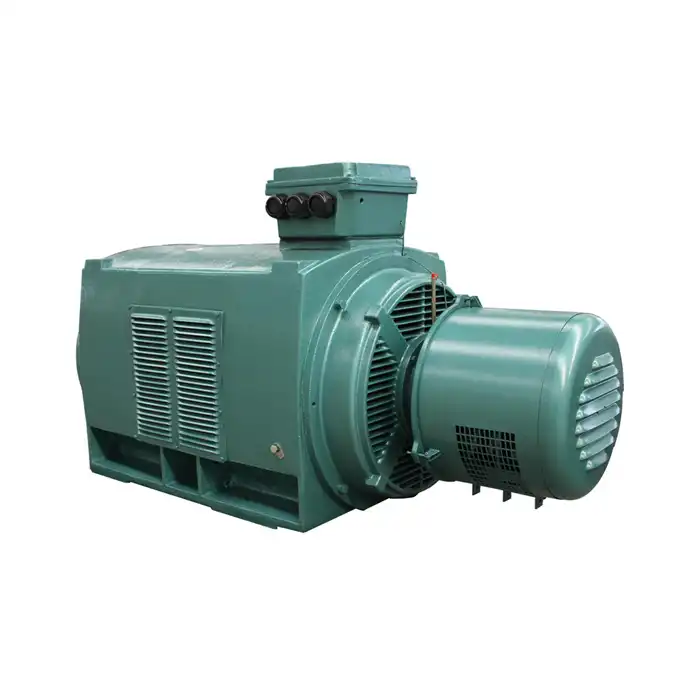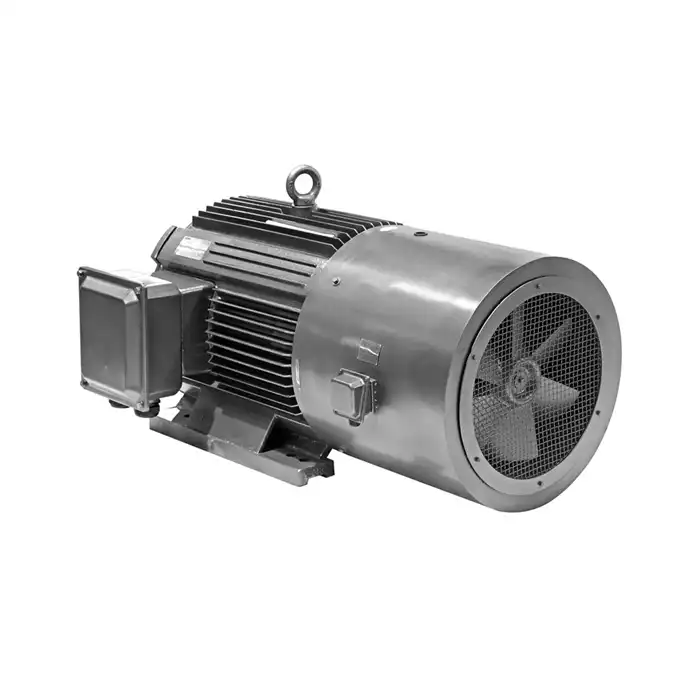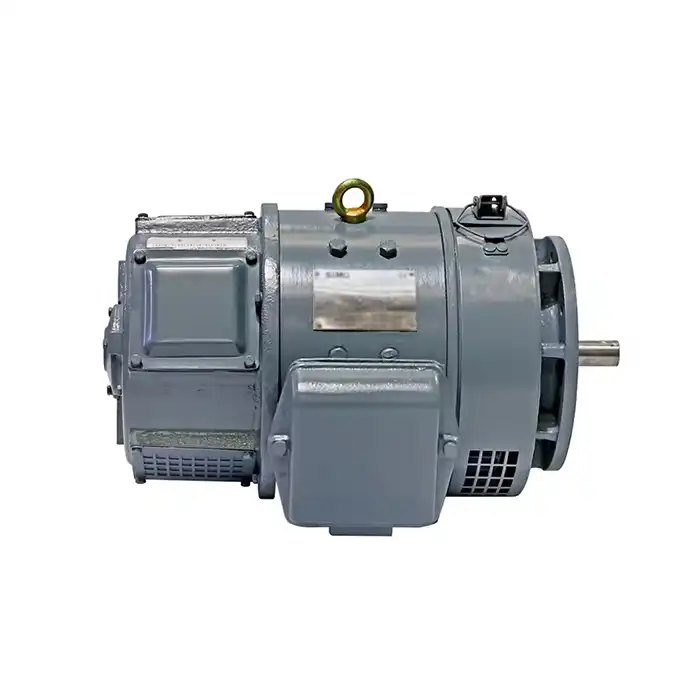




Why a 2500 kW Motor Delivers Cost-Savings Long-Term?
When an industrial business needs stable power that is also cost-effective, a 2500 kW motor is a good investment. These large units use less energy because they are well-designed, don't break down unexpectedly because they are strong, and cost less over their lifetime because they are easier to maintain. After years of use, the initial purchase price is less important than the money saved on power bills, repairs, and lost output. Choosing a good 2500 kW motor today will directly lead to long-term profits tomorrow.
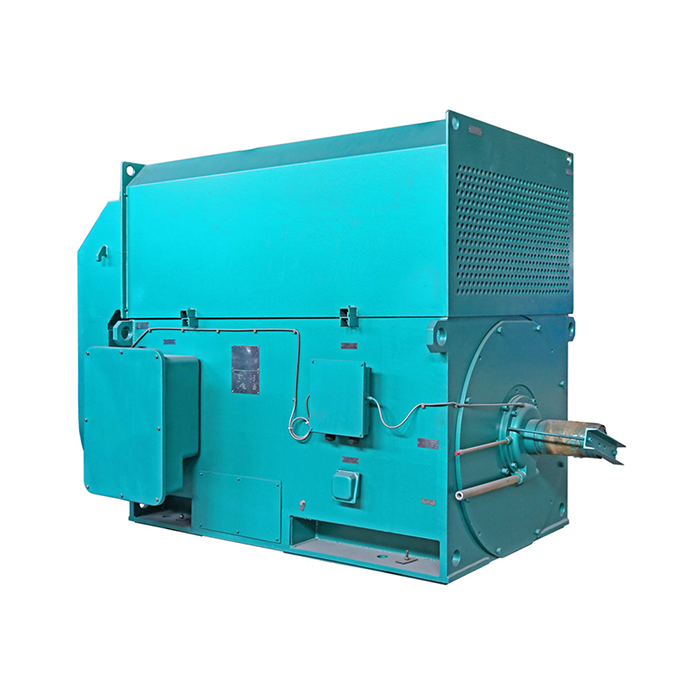
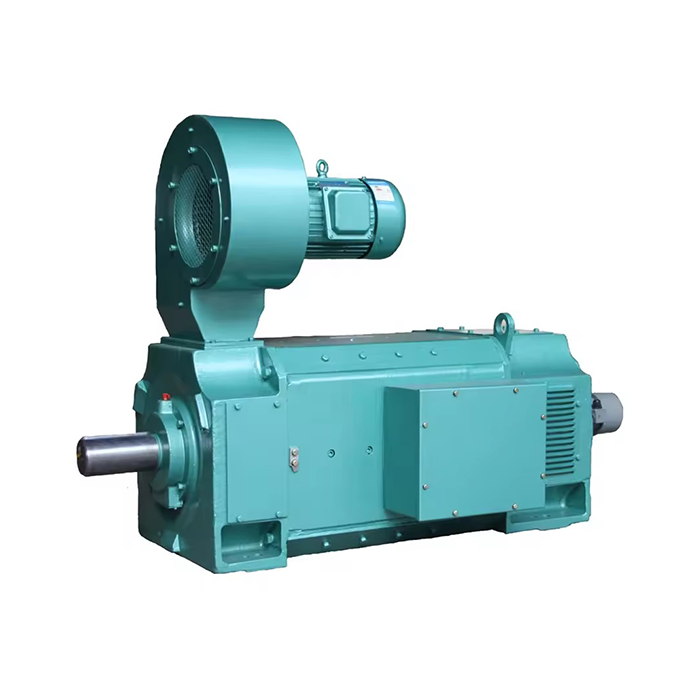
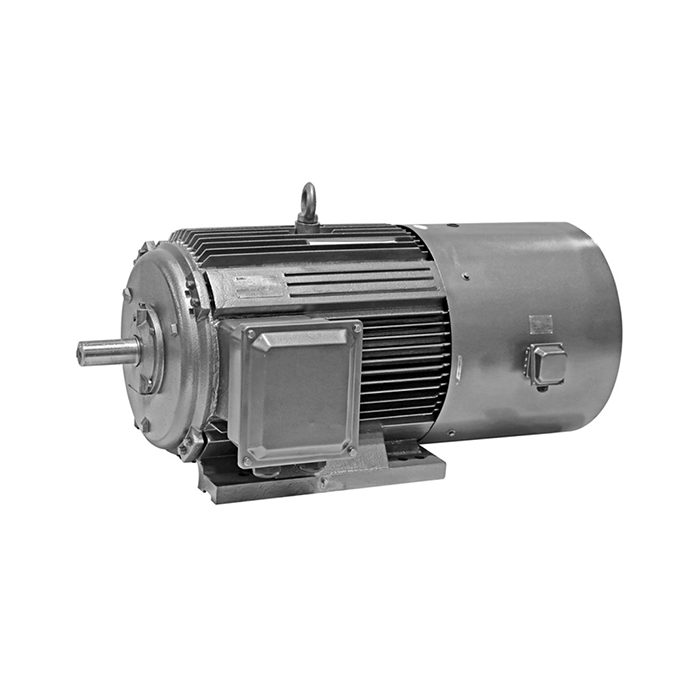
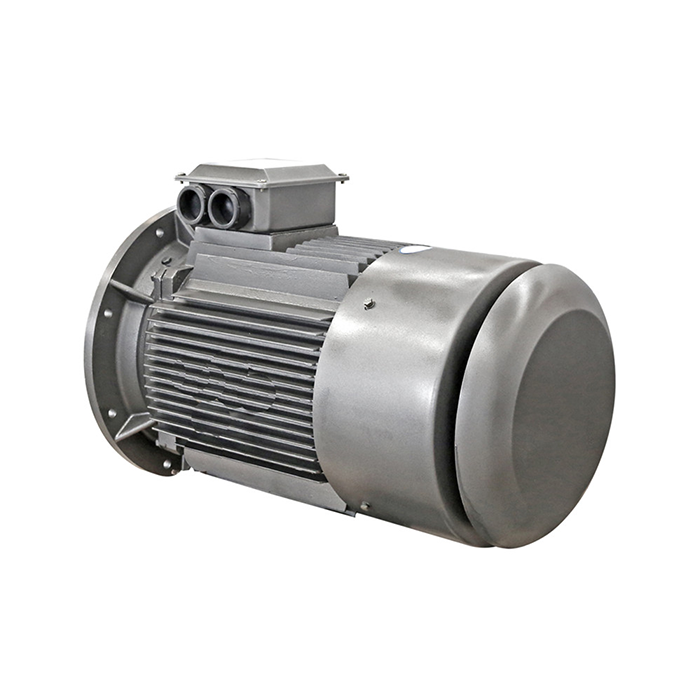
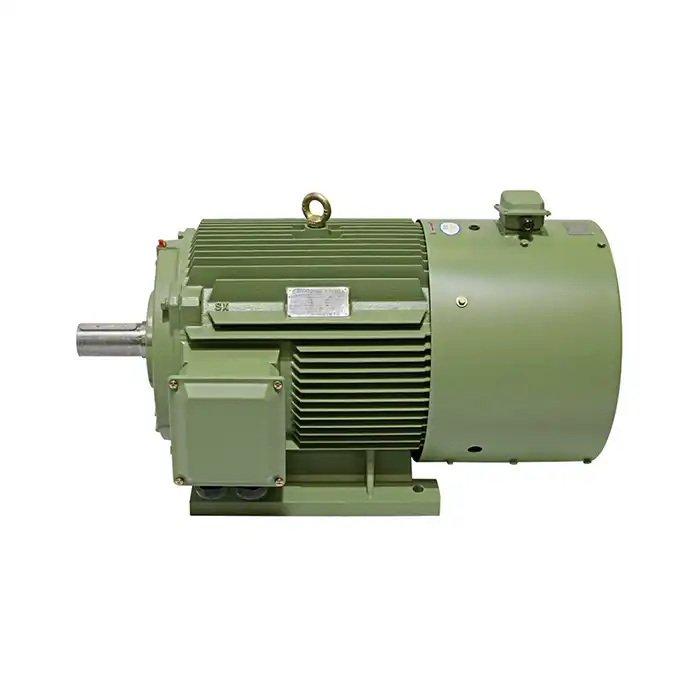
Series:YKK
Protection level:IP54
Voltage range:3000V±5%,3300V±5%,6000V±5%,6600V±5%,10000V±5%,11000V±5%
Power range:200-6300 kW
Application:fans, water pumps, compressors, crushers, cutting machine tools, transportation machinery, etc.
Advantage:low noise, low vibration, long service life, easy installation and maintenance.
Standard: This series of products complies with JB/T 12730 and JB/T 12729 standards.
Others: SKF, NSK, FAG bearings can be replaced according to customer requirements.
Understanding the Core Benefits of 2500 kW Motors for Long-Term Cost Savings
To save money in the long run, learn about the main benefits of 2500 kW motors. 2500 kW motors are a great choice for industrial buildings that need reliable heavy-duty power. They offer a good mix between power and cost. These motors have a lot of power and are made in a way that makes them efficient and long-lasting. This makes them especially appealing for businesses where downtime directly affects income.
Superior Efficiency Reduces Operating Expenses
Energy consumption is usually greatly reduced by modern 2500 kW motor designs, which typically achieve these levels of efficiency. When a motor runs for thousands of hours a year, even small gains in efficiency save a lot of money. Our YKK series motors meet the requirements of JB/T 12730 and JB/T 12729, which means they work the same way no matter what the load is. We use advanced winding methods to lower electrical resistance. This means that more of the energy we put in is turned into useful mechanical work instead of heat that is lost. This means that the price of power will go down every month, every year.
Precision casting of frame parts improves thermal cooling, which keeps efficiency from dropping due to too much heat. With vacuum pressure impregnation for better protection, these motors keep working at the same level of performance for as long as they are used. Facilities that use compressors, water pumps, or crushers will see their electricity bills go down right away, and the saves will grow as energy prices change.
Robust Construction Minimizes Downtime
Unplanned repair events cause delays in production and raise the cost of doing business. A 2500 kW motor with long-lasting cast iron frames and blades that are dynamically balanced works easily even when things are tough. A big part of how we make motors is putting them under a lot of stress, just like in real life. This helps us find any problems with the motors before they get to customers.
The IP54 grade keeps dust and water out of the internal parts, so there are longer periods of time between service checks. Low shaking operation keeps bearings and linked equipment from wearing out, and the advanced design of the rotor keeps it stable even when the load changes quickly. This dependability saves money right away because it cuts down on emergency fixes, keeps production from being held up, and protects equipment guarantees.
Proactive Maintenance Extends Service Life
A 2500 kW motor can save you money, and strategic repair practices can make those savings even bigger. Condition tracking systems find early signs of problems like worn bearings, deteriorating insulation, or cooling systems that aren't working as well as they should before they become major problems. Our motors can use SKF, NSK, or FAG bearings, depending on what the customer wants. This makes managing extra parts easier and lowers the cost of keeping them in stock.
Design features that are easy to get to make checks and regular maintenance go more quickly, which saves money on labour and shortens downtime. Because the installation and upkeep steps are so simple, techs spend less time fixing problems and more time making the system run better. Over the course of 20 years, these factors make a big difference in lowering the total cost of ownership.
Comparing 2500 kW Motors to Alternatives: Making the Right Investment
When you compare power rates, control technologies, and efficiency grades to your specific business needs and budget, it's easier to make choices about what to buy.
Power Rating Selection: Balancing Capacity and Cost
Analysing real load needs vs. installed capacity is necessary when deciding between a 2500 kW motor and a 3000 kW motor. Oversizing motors costs more up front and is less efficient when only partially loaded, while undersizing them increases the chance of overheating and failure before its time. It is more efficient for a 2500 kW motor that is close to its stated capacity to run at 70% load than for one that is too big and uses more energy per unit of work.
Our power range goes from 200 kW to 6300 kW, so we can perfectly match the power to the needs of the product. The voltage range, which includes 3000V, 3300V, 6000V, 6600V, 10000V, and 11000V with a ±5% tolerance, makes it possible to work with existing electrical systems without having to make expensive changes. This ability to change keeps costs low while increasing efficiency.
Variable Speed Versus Fixed Speed Operation
Variable frequency drive support is helpful for applications that need to change the speed a lot. When you pair a 2500 kW motor with VFD technology, you can save a lot of energy because the motor speed is perfectly matched to the needs of the process. Since the amount of power used by pumps and fans is related to the cube of their speed, running them at slower speeds when demand is low saves a lot of money.
Fixed-speed motors are good for uses where the load stays the same. They have easier control systems and require less money to buy at first. The IC611 standard for the cooling method manages heat well in both operating modes, keeping efficiency high no matter the control strategy. By looking at the features of your process, you can find the best long-term business method.
Efficiency Class Investment Analysis
Premium efficiency motors cost more to buy, but they pay for themselves faster because they save energy. In continuous-duty situations, the difference in how much power normal and high-efficiency 2500 kW motors use adds up quickly. To figure out the return on investment, you need to look at the yearly working hours, energy rates, and motor load profiles.
Our vacuum pressure impregnation insulation method makes sure that the motor stays efficient throughout its life, which stops the performance loss that often makes cheaper options less valuable. The low noise and low shaking features add even more value by lowering the costs of environmental compliance and making the workplace better.
Real-World Applications Where 2500 kW Motors Drive Cost Efficiency
Because 2500 kW motors are so flexible, they can be used in many different types of industries where power needs meet cost and dependability concerns.
Mining and Material Processing
In mining activities, 2500 kW motors run crushers, conveyors, and grinding mills that work all the time in harsh conditions. The strong construction can handle rough dust, sudden changes in temperature, and mechanical shocks that are common in mining settings. Less frequent repair means less downtime for production, which protects income streams that depend on steady output.
Our motors' long service life is especially useful in rural mining areas where getting spare parts and trained workers can be hard. Facilities say they save a lot of money because they don't have to do major overhauls as often. In fact, some installations go over 15 years of constant service before they need to repair major parts.
Petrochemical and Refining
Pumps, compressors, and fans in refineries use 2500 kW motors to keep the process under tight control. The IP54 grade keeps chemical vapours and wetness from getting inside, protecting the electrical integrity in environments that are likely to corrode. In these energy-intensive processes, choosing the right motor is a smart economic choice because it has a direct effect on production costs.
Process uptime standards in petroleum plants don't leave much room for broken equipment. During production, our motors go through strict quality control checks, such as dynamic balancing to get rid of vibrations that could damage pipe systems or instruments that are attached to them. This focus on the little things makes things reliable, which saves both safety margins and profits.
Power Generation and Water Treatment
Plants that make electricity need extra motors to move cooling water, move fuel, and control pollution. A 2500 kW motor that powers a cooling tower fan works for thousands of hours a year, so any improvements in efficiency are important to the plant's bottom line. Similarly, water treatment plants that use big pumps can save a lot of money by making sure the motors work as well as they can.
The voltage range is flexible enough to work with the different electrical setups that are found in utility systems. Our motors work perfectly with both 6600V and 11000V power systems, so you don't have to pay for expensive transformers or deal with conversion losses that eat away at efficiency gains.
Manufacturing and HVAC Systems
2500 kW motors are used in large factories for process ventilation, industrial cooling, and general air handling systems. The mix of low noise and smooth performance makes working conditions better while keeping energy costs down. The precise control and reliability that these motors offer are also useful for transportation equipment, cutting tools, and automatic production lines.
The feature that makes installation easy cuts down on the time and money needed for finishing. Our support team helps customers with both the initial setup process and ongoing optimisation, making sure they get the most out of their motor purchases for the whole service life.
Procurement Considerations: How to Buy the Right 2500 kW Motor for Your Business
To do a good job of buying, you need to find a balance between technical requirements, business terms, and the supplier's skills in order to reduce risk and maximise total cost of ownership.
Technical Evaluation Criteria
Before you can evaluate a 2500 kW motor, you need to make sure it works with the power, frequency (50 Hz is normal), and mounting arrangements. The IP54 protection class works well in most commercial settings, while IP55 options offer better security for very demanding uses. Check that the cooling method requirements match the environment and the cooling equipment that is accessible.
Motor economy is a main selection factor because it has a direct effect on running costs. Ask for proof that the product meets important standards such as JB/T 12730 and JB/T 12729. Specifications for bearings are important for planning maintenance. Our ability to offer SKF, NSK, or FAG bearings works with existing spare parts plans and supplier relationships.
Noise and shaking standards affect how well regulations are followed and the quality of the workplace. Precision production and dynamic balance help our motors make little noise, which helps businesses follow environmental rules without having to spend a lot of money on expensive soundproofing. These details, which are often missed during the original purchase, have a big effect on both long-term happiness and total cost.
Commercial and Logistics Factors
Lead times for big industrial motors depend on how customised they need to be and how busy the maker is. Standard setups ship more quickly, but custom voltage rates or unique mounting arrangements make shipping times longer. By making project schedules clear early on, delays that affect building or upkeep schedules can be avoided.
Shipping logistics for 2500 kW motors call for unique handling and shipping plans. We send all of our goods for free, so there are no surprises when it comes to costs, and it's easier to plan your budget. Motors will come safely and on time if you know how to package them, what insurance covers them, and how to coordinate delivery.
Customization and Supplier Selection
Customising a motor lets you meet the needs of a specific purpose without affecting its performance or dependability. With a ±5% tolerance, voltage levels from 3000V to 11000V can handle a wide range of electrical systems. The flexibility of the bearing supplier makes it easy to work with current repair plans. Talking about customisation options early on in the buying process makes sure that solutions fit business needs perfectly.
To find a reliable provider, you need to look at their production skills, quality control systems, and customer service infrastructure. Every step of the production process, from carefully making the parts to checking the final load, is subject to strict quality control. This is to make sure that every 2500 kW motor meets the highest standards. Because we've worked with fans, water pumps, compressors, crushers, cutting tools, and transportation equipment, we can give you application-specific information that general providers can't.
Get competitive quotes from several 2500 kW motor providers to find out what the market price is and what the value offerings are. When you compare products, don't just look at the prices; also look at how efficient they are, how long the warranties last, when they'll be delivered, and how good the customer service is. Having the lowest starting cost doesn't always mean having the lowest total cost of ownership.
Optimizing Performance and Maximizing ROI with a 2500 kW Motor
Modern control technologies and smart operation help 2500 kW motor setups make as much money as possible over their entire useful lives.
Operational Best Practices for Efficiency
Making sure the motor is installed correctly and electrically connected is the first step in keeping it running at its best. When the motor and the equipment it drives are not lined up correctly, the equipment vibrates, the bearings wear out, and efficiency drops. All of these problems add up to big costs. We give application instructions to make sure that the right steps are taken from the start.
Motors work best when they're within the load ranges they were built for. This also makes them last longer. Keeping an eye on load factors can help you find chances to improve matching by changing process settings or driven equipment. By avoiding running machines for long periods of time with very low loads, you can keep their efficiency from going down and fix problems with the power factor that cause utility bills to go up.
Problems with the cooling system can be found before they affect efficiency by doing regular thermal checks. Our IC611 cooling method standard makes sure that enough heat is lost under rated conditions, but problems with blocked airflow or cooling fans make it less effective. Monitoring that is done ahead of time stops efficiency losses caused by high running temperatures.
Advanced Control Integration
Variable frequency drives (VFDs) integrated with 2500 kW motors significantly improve energy efficiency in variable-torque applications, especially for pumps and fans, with savings exceeding 50% under partial loads and typical payback within 18–36 months. Remote condition monitoring enables predictive maintenance through vibration, temperature, and electrical analysis, reducing downtime. Soft start functions reduce mechanical stress and inrush current, extending equipment lifespan in high-inertia applications.
Future-Proofing Your Investment
Long-term motor value depends on adaptability to evolving technologies and efficiency standards. Future-proof designs allow upgrades such as VFD retrofitting and integration with tracking systems without full replacement. Energy-efficient motors reduce carbon emissions and support compliance with environmental regulations. Digital compatibility with industrial communication standards enables integration into smart and Industry 4.0 systems, helping ensure long-term relevance and protecting investment from technological obsolescence.
Conclusion
A 2500 kW motor is good for the economy in the long run because it is efficient, reliable, and easy to keep, all of which lower the total cost of ownership. These motors work great in tough manufacturing settings where cost-effectiveness and steady operation are key to staying competitive. If you choose, install, and maintain things correctly, you'll get the most out of your investment. You'll save money over the course of their work lives, which are often more than twenty years. As energy prices change and operating needs grow, the strategic value of investing in high-quality motors becomes clearer.
FAQ
1.What is the typical lifespan of a 2500 kW motor?
With regular upkeep, high-quality 2500 kW motors can last between 15 and 25 years. Operating conditions have a big effect on how long something lasts. Motors that are kept in controlled settings and serviced regularly last longer than units that are left in tough conditions and not taken care of. Many of our systems have been running nonstop for more than 20 years, thanks to their long-lasting build and high-quality parts.
2.How much energy does a 2500 kW motor consume annually?
How much energy a business uses each year depends on its load rate and working hours. Approximately 21,900 MWh are consumed annually by a 2500 kW motor operating constantly at full load. Partial-load function cuts down on consumption in a linear way, and high-efficiency designs cut down on waste as much as possible. For exact calculations, you need to know the real load and working schedules, but 3-5% efficiency gains save between 650 and 1,100 MWh per year.
3.What maintenance does a 2500 kW motor require?
As part of routine upkeep, bearings are oiled, the cooling system is cleaned, electrical connections are checked, and vibrations are recorded. The amount of time between bearing replacements depends on the purpose, but it's usually between 3 and 7 years. It's easy to do upkeep on our motors, which cuts down on service time and labour costs. Proactive condition monitoring keeps things in good shape so that major overhauls can be put off longer and unexpected fails can be avoided.
Partner with XCMOTOR for Your 2500 kW Motor Requirements
XCMOTOR, which stands for Shaanxi Qihe Xicheng Electromechanical Equipment Co., Ltd., offers a wide range of power equipment options for use in HVAC systems, process control, industrial automation, and energy generation. Our engineers have decades of experience matching 2500 kW motors to specific practical needs, making sure that the motors work at their best and use the least amount of energy. We only sell original parts from well-known names, and we offer fast shipping, 30-day returns, and help on the weekends.
Contact our specialists at xcmotors@163.com to discuss your application requirements and receive detailed technical specifications for our YKK series motors. As an experienced 2500 kW motor manufacturer, we provide competitive quotations, customization options, and application engineering support that simplifies procurement while maximizing long-term value. Visit motorxc.com to explore our complete product range and discover how our power equipment solutions can reduce your operational costs while improving reliability.
References
1. Bonnett, A. H., & Soukup, G. C. (1992). "Cause and Analysis of Stator and Rotor Failures in Three-Phase Squirrel-Cage Induction Motors." IEEE Transactions on Industry Applications, 28(4), 921-937.
2. De Almeida, A. T., Ferreira, F. J., & Fong, J. A. (2011). "Standards for Efficiency of Electric Motors." IEEE Industry Applications Magazine, 17(1), 12-19.
3. Penrose, H. W. (2008). "Electrical Motor Diagnostics: A Practical Approach." Success by Design Press, 2nd Edition.
4. Petroleum and Chemical Industry Committee (2015). "Motor Selection and Application Guide for Petrochemical Plants." IEEE Standard 841-2009 Review and Implementation.
5. Thorsen, O. V., & Dalva, M. (1995). "A Survey of Faults on Induction Motors in Offshore Oil Industry, Petrochemical Industry, Gas Terminals, and Oil Refineries." IEEE Transactions on Industry Applications, 31(5), 1186-1196.
6. United States Department of Energy (2014). "Premium Efficiency Motor Selection and Application Guide: A Handbook for Industry." Industrial Technologies Program, Energy Efficiency and Renewable Energy Division.