



What is the working principle of a vertical water pump motor?
A vertical water pump motor turns electrical energy into mechanical rotating force. This force turns the pump shaft and propeller so they are positioned vertically. The rotor of the motor spins inside the stator, sending electric power to the impeller. When the propeller turns, it creates centrifugal force, which speeds up the water moving away from the center and makes a low-pressure zone at the entrance. This difference in pressure keeps drawing water into the pump and pushing it upward through the discharge exit. This is an important process for many uses, from deep-well pumping to industrial cooling systems.
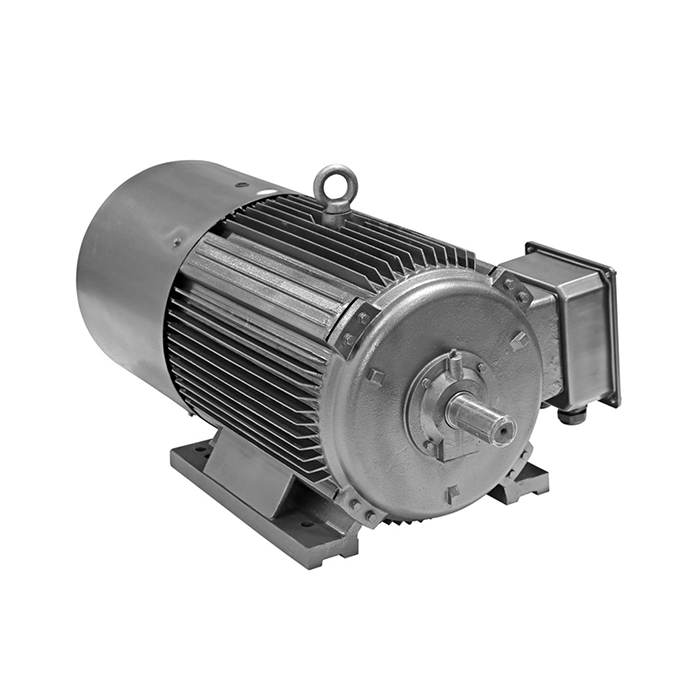
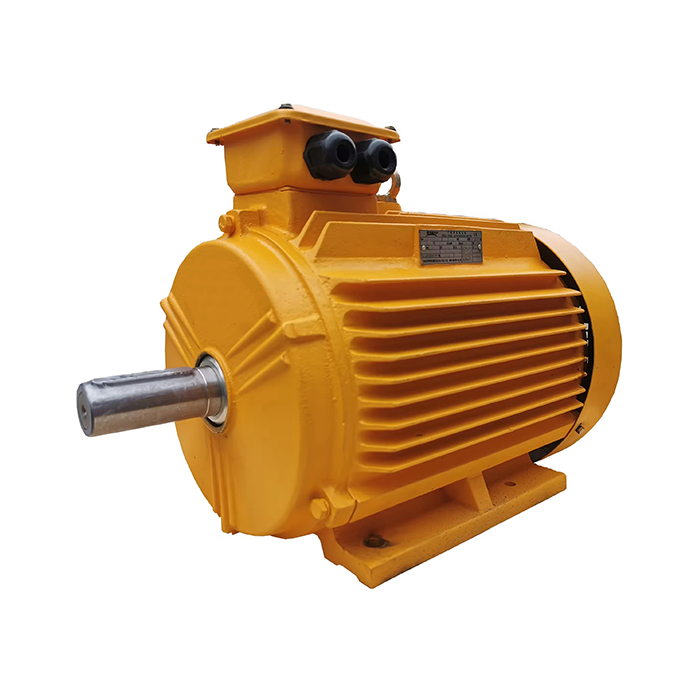
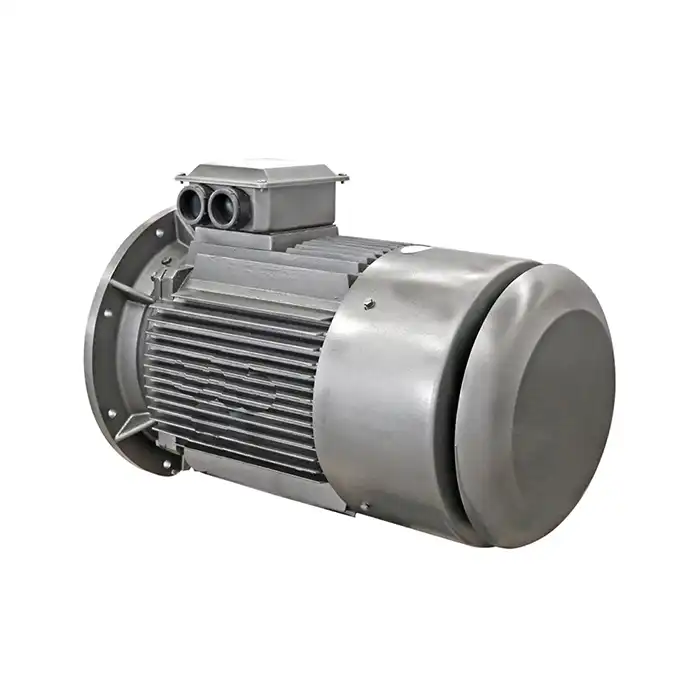
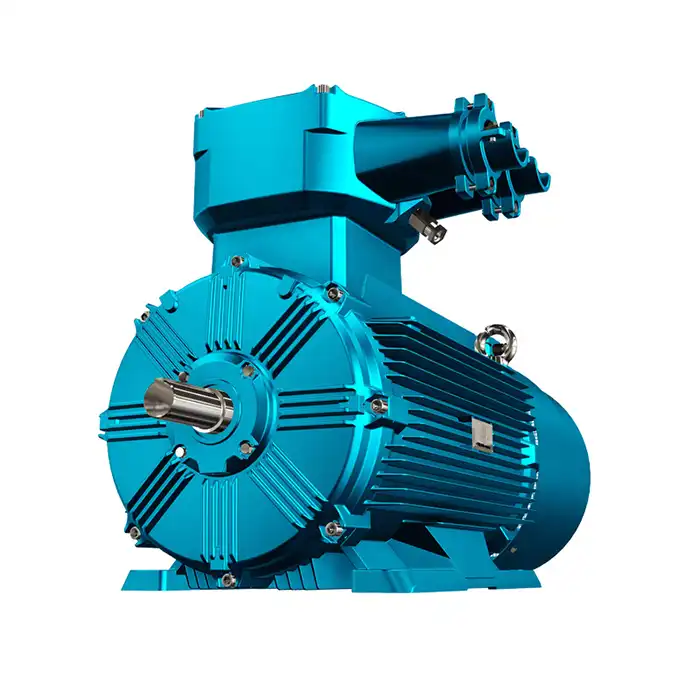
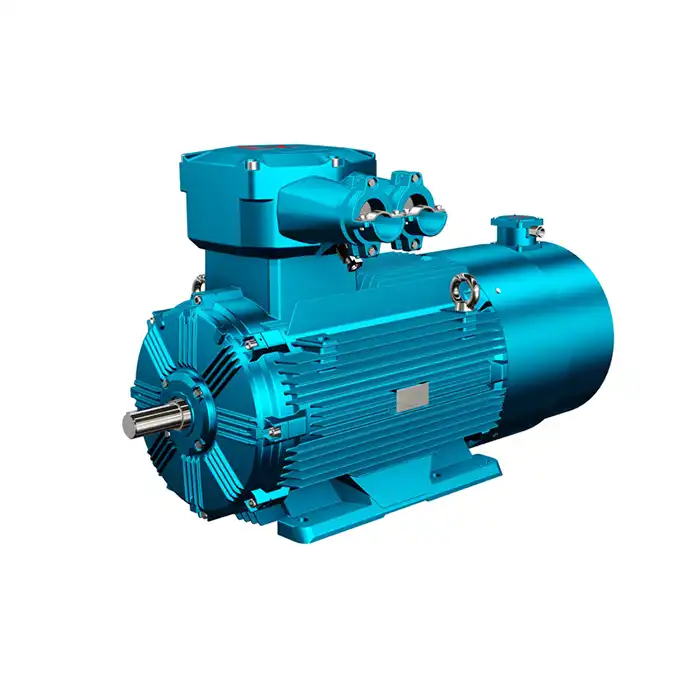
Series:YVFE2
Frequency conversion range:30hz~50hz,5hz~70hz,5hz~100hz
Power range:0.75-355kW
Protection level:IP55
Application:are suitable for driving various mechanical equipment that require continuous and frequent forward and reverse rotation, such as steel rolling, lifting, transportation, machine tools, printing and dyeing, papermaking, chemicals, textiles, pharmaceuticals, etc., and can be used with various domestic and foreign variable frequency power supplies.
Advantage:high efficiency, wide speed range, high precision, stable operation, and easy operation and maintenance.
Certificate:installation dimensions comply with International Electrotechnical Commission (IEC) standards.
Others: SKF, NSK, FAG bearings can be replaced according to customer requirements.
Understanding the Working Principle of Vertical Water Pump Motors
Core Components and Their Functions
Each vertical water pump motor is made up of several parts that are all linked to each other and work together to move fluids smoothly. The stator is inside the motor housing. It has copper windings that make a spinning magnetic field when electricity runs through them. The rotor, which is on a rod that is pointing up, starts to spin inside this magnetic field. In order to join directly with the impeller, which moves water, this tube goes all the way down.
Bearings along the shaft make it possible for the shaft to rotate smoothly while reducing friction and wear. You can choose high-quality brands like SKF, NSK, or FAG bearings based on your needs. This will make sure that the bearings last longer, even when they are used continuously. The whole system stays perfectly aligned along its axes, which stops vibrations and makes energy flow as efficient as possible.
Electromechanical Energy Conversion Process
When three-phase alternating current flows into the stator windings, it starts to change electrical energy into mechanical energy. This makes a magnetic field that spins and causes current in the rotor bars. This creates torque through electromagnetic induction. In a motor, the number of poles and the frequency of the input determine how fast the rotor spins. Electric motors that can change frequencies, like those that work between 5Hz and 100Hz, give you a lot of options for matching power to the needs of your application.
Our YVFE2 series motors can produce power levels ranging from 0.55kW to 315kW, meeting a wide range of commercial needs. The motor is directly above the pump in the vertical arrangement, so there is no need for horizontal connections. This means that less energy is lost through mechanical gearbox. This direct-drive setup makes the device more efficient generally and makes it easier to do maintenance.
Fluid Dynamics and Centrifugal Force
When the propeller starts to turn, its bent vanes catch the water coming in and speed it up as it moves outward. This speeding up makes centrifugal force, which speeds up the water and gives it more kinetic energy. When the water leaves the tips of the impellers, it goes into a volute case or diffuser, which changes its speed into pressure energy. This creates a difference in pressure that pushes water up through the outlet pipe, beating the effects of gravity and friction.
When pumping from deep sources or tight areas, the vertical position is especially helpful. The small size of the pump's footprint means it doesn't take up much floor room, which is important in crowded industrial buildings or treatment plants where every square foot counts.
Types and Applications of Vertical Water Pump Motors
Single-Stage vs. Multi-Stage Designs
Single-stage pumps only have one impeller and work best in situations where the head pressure needs to be mild, like in watering systems for farms or water supply systems for buildings. They are simple, need little upkeep, and are a good value for sites where discharge pressures stay mostly the same.
In multi-stage systems, there are several impellers stacked along the same shaft. Each step adds more pressure than the last. This setup works well for situations that need high discharge heads, like deep-well extraction, high-rise building supply, and industrial process uses. Multi-stage pumps can create higher pressures without needing to spin at very high speeds. This means that mechanical parts last longer and wear less quickly.
Submersible vs. Dry-Installed Motors
Submersible vertical water pump motors work completely underwater, and their protected housings keep electrical parts from getting wet. Installing these motors below the water level removes the need for priming and lowers noise transfer, making them perfect for deep-well applications, wastewater treatment sumps and mine dewatering tasks.
Mounting motors dry means that they are not submerged in water; only the pump part is. This setup makes it easy to connect electrical parts and get to them for regular checks. Industrial cooling towers, local water treatment plants, and HVAC systems that need to be easy to get to and serve often use dry installations.
Protection grades of IP55 are good for both setups because they keep dust and water jets from any direction out. This strong defence makes sure that the system works well in harsh settings, like chemical plants and outdoor farming setups.
Industrial and Agricultural Applications
Many different industries depend on vertical pump motors to do important work. In factories, they move cooling water through injection moulding machines, keep the pressure of hydraulic fluids steady in welding machines, and move process fluids between food production lines. Because they can handle frequent and ongoing forward and backward rotation, they can be used in steel rolling mills, dyeing processes for textiles, and drug production.
Vertical pumps are used by municipal water companies to bring in raw water, pressurise the delivery network, and move wastewater. Because they don't take up much room, they can be installed in pump stations that are tight on space without affecting performance. These pumps are used in farms for irrigation systems, watering animals, and spraying crops, all of which depend on reliable water delivery to increase output.
Vertical pumps are used in underground heat exchange systems and concentrated solar power plants as part of renewable energy projects. When paired with variable frequency drives, their ability to work across wide frequency ranges (30Hz to 50Hz, 5Hz to 70Hz, or 5Hz to 100Hz) lets you precisely direct flow and get the most out of your energy.
Benefits and Efficiency Considerations
Space Optimization and Installation Advantages
When compared to horizontal layouts, the vertical footprint of vertical water pump motors takes up a lot less floor room. When you mount the motor directly above the pump, you don't have to deal with long shaft connections and base structures. This makes vertical units perfect for retrofitting in existing facilities that don't have a lot of space. Installation teams like how easy it is to put things, especially when they are using standard base frames that meet International Electrotechnical Commission (IEC) standards.
Less floor room means lower building costs for new facilities and more options for how equipment is set up. Maintenance workers can get to the motor from above without disturbing other machines, which cuts down on downtime during regular maintenance. The sealed bearing design keeps dirt and other things from getting into the internal parts, which means they don't need to be oiled as often and can last longer between repair visits.
Energy Efficiency and Performance Factors
Several things affect how well a motor works, such as the quality of the windings, the shape of the rotor, and the amount of friction lost in the bearings. High-quality copper windings reduce resistance losses as much as possible, turning more of the power that is put in to useful mechanical work. Precision-balanced wheels cut down on shaking and the wasted energy that comes with it, and they also make bearings last longer.
Oversizing, which causes motors to work in inefficient ranges, can be avoided by matching motor specs to real load needs. Our motors have a wide range of speeds and precise controls, so workers can change flow rates without having to slacken valves, which loses energy because it turns useful pressure into heat. Variable frequency drives allow for soft starts, which lowers the inrush currents that damage electrical systems and shorten the life of motors.
Thermal safety systems keep an eye on the temperatures of the windings and turn off the power before damage to the insulation happens. Insulation in Class F that is rated to 155°C has large thermal reserves, so it can handle temperatures up to 40°C without losing its function. This strong design makes sure that it will work reliably in a wide range of temperatures and during all four seasons.
Maximizing Equipment Lifespan
Regular checks should make sure the bearings are properly aligned, listen for strange noises or vibrations, and make sure the right amount of oil is in the bearings. Many managers plan eye checks every three months, along with more in-depth exams once a year that include tests for insulation resistance and vibration analysis.
Proper lubrication is still very important for the life of bearings. Too much lubrication can lead to too much heat and damage to the seals, while too little oil speeds up wear. Following the manufacturer's instructions for greasing times and using the right type of grease keeps things from breaking down too soon. Even though sealed bearings require less upkeep, they should still be checked for temperature changes that could mean they are about to break.
The environment affects the need for upkeep. Motors that work in acidic or dusty environments should be cleaned more often to keep dirt from building up and blocking the flow of cool air. In places with a lot of humidity, the drain holes should be checked on a regular basis to make sure they stay clear. This keeps water from building up inside the motor case.
Professional maintenance by trained techs finds problems early, before they become major, expensive breakdowns. Thermal photography can find hot spots that show electrical faults or worn-out bearings. Vibration tracking finds wheels that are out of line or unbalanced, which could damage shafts or couplings. With these diagnostic tools, forecast maintenance plans can be made that schedule fixes for planned downtime instead of waiting for emergencies to happen.
How to Choose the Right Vertical Water Pump Motor for Procurement
Defining Operational Requirements
To be successful at buying a vertical water pump motor, you must first clearly define the exact wants of your application. Figure out the flow rates that are needed by looking at times of high demand and taking into account how much capacity will grow in the future. To find the total head, add up the static lift, the friction losses through the pipes, and any release pressure that needs to be set at the endpoint.
Environmental factors have a big effect on power choosing. When installations are higher than 1000 meters above sea level, they need to be derated to make up for the lower cooling efficiency. When the weather outside of the normal range of -20°C to +40°C happens, extra cooling or insulation measures need to be taken. When there are corrosive or explosive atmospheres, you need more security than the usual IP55 grade.
Motor size is affected by the duty cycle. For continuous duty (S1) uses, motors need to be able to keep working without changing through different temperatures. Intermittent duty cycles let smaller motors work because they cool down between times of operation. By accurately describing your job cycle, you can avoid oversizing, which raises the cost of capital, or undersizing, which leads to early fails.
Matching Motor Specifications to Applications
The power needs should match the pump shapes that show the relationship between flow and head over the whole range of operation. Most industrial and farming tasks can be done with motors ranging from 0.75kW to 355kW. By choosing a motor that is a little bigger than what was calculated to be needed, you can get enough operating leeway without going too big.
Voltage choices like 380V, 400V, 415V, and 660V meet local electricity standards and make it easier to connect to current systems. Customisable voltage specs make installation easy and don't need expensive extra transformers. The number of poles—2, 4, 6, or 8—determines the uniform speed and should match the flow and pressure needs of the device.
The size of the electricity grid is affected by the choice of starting method. Direct-on-line (DOL) starting is easy, but it needs high inrush currents, which could mean that the wiring or generator needs to be improved. Star-delta starting lowers the inrush current to about a third of the DOL values. This protects the electrical systems while making control a little more difficult. Soft starts offer the smoothest movement, preventing mechanical shock and increasing the life of parts.
Supplier Reliability and Support Considerations
You can get full technical help for as long as the motor is in use if you work with well-known providers. Shaanxi Qihe Xicheng Electromechanical Equipment Co., Ltd. keeps a large stock of original parts from well-known names. This lets them ensure fast delivery without lowering the quality. Our 30-day open buy policy gives you peace of mind by giving you time to test the item thoroughly before accepting it as final.
Every day, even on the weekends, there are dedicated support teams ready to answer technology questions and solve problems as they come up. This response cuts down on downtime and keeps things running smoothly. Procurement professionals should make sure that possible sellers offer complete paperwork, such as catalogues of spare parts, installation instructions, and upkeep schedules.
The terms of the warranty show that the maker trusts the product to work well. Strong guarantees that cover materials and labour for long periods of time lower the total cost of ownership by protecting against costs related to defects. Making the warranty's terms clear about installation requirements, upkeep duties, and unauthorised changes stops arguments from happening if problems happen.
Installation Guide and Troubleshooting Essentials
Best Practices for Motor Installation
Preparing the spot correctly sets the stage for the effective operation of a vertical water pump motor. It's important that the fixing surface is flat, straight, and strong enough to hold the motor's weight plus any dynamic loads it faces while it's running. When you grout the base frame after the first alignment, it stops shifting, which could lead to future misalignments.
It takes time and accurate measure tools to line up the shafts of the motor and pump. Too much imbalance causes vibrations, speeds up the wear on bearings, and can lead to shaft stress failures. Laser positioning systems are very accurate—within thousandths of an inch—so that power flows smoothly and parts last a long time.
Local safety rules and laws must be followed when making electrical links. When wires are the right size, voltage drop doesn't happen, which lowers motor power and efficiency. Ground links are very important for protecting against electrical problems because they send harmful currents safely into the ground. Check the phase rotation before turning on the motor, because the wrong rotation can damage pump parts or cause the flow to go in the wrong direction.
For thermal safety devices to work with a motor, they need to be set up correctly. Setting overload relays too sensitively causes them to trip during regular starting transients, while setting them too strongly doesn't protect against real overload situations. By following the manufacturer's suggestions, you can get proper security without having to stop operations.
Common Troubleshooting Scenarios
Unusual operation noises often indicate mechanical issues such as insufficient lubrication or bearing wear, requiring immediate attention to prevent shaft damage. Excess vibration is commonly caused by imbalance or misalignment and can often be resolved through rebalancing or realignment. Power inefficiency may result from voltage issues, phase imbalance, or poor electrical connections. Overheating can stem from airflow restrictions or overload conditions, while complex faults involving insulation or windings require professional repair.
Conclusion
Vertical water pump motors are important pieces of tools for HVAC systems, industrial robotics, making energy, and farming. Their basic idea is to turn electrical energy into rotational force, which moves water around centrifugally. This makes them reliable for settings with limited room. When buying teams understand how motor parts, electromagnetic principles, and fluid dynamics work together, they can choose the right equipment that combines cost, performance, and efficiency.
To make the right choice, you need to carefully look at the operational needs, the surroundings, and the job cycles. Working with dependable providers who offer full support, high-quality parts, and quick service guarantees setups that meet production goals. Regular maintenance and quick fixing make technology last longer and reduce the amount of time it needs to be shut down unexpectedly.
FAQ
1.How long do vertical water pump motors typically last?
The average life span of a vertical water pump motor that is well taken care of and works within its rated limits usually exceeds 15 to 20 years. The actual lifespan relies on how hard the job cycle is, the environment, and how well the parts are maintained. Motors that work in clean, temperature-controlled areas and get regular checks often last longer than these standards. On the other hand, motors that work in difficult conditions may not last as long.
2.What distinguishes vertical from horizontal pump motors?
Vertical motors are mounted above the pump, and their shafts are straight down. This saves floor room and makes installation easier in deep-well or pit situations. The shaft of a horizontal motor is parallel to the ground, which makes it easy to do upkeep but takes up more space. Because they have direct drives, vertical designs can usually handle bigger heads well.
3.What maintenance routines are essential?
Regular checks should make sure that the bearings are properly oiled, listen for strange noises or vibrations, and keep an eye on the working temperatures. Visual checks every three months and thorough checks once a year, which include insulation tests and vibration analysis, find problems early. Most early breakdowns can be avoided by following the manufacturer's instructions for lubrication plans and keeping motors clean.
Partner with XCMOTOR for Reliable Vertical Water Pump Motor Solutions
XCMOTOR specialises in making industrial-grade vertical water pump motors that are built to handle tough jobs in agriculture, utilities, and industry. Our YVFE2 line has power levels ranging from 0.55kW to 315kW and can change frequencies between 5Hz and 100Hz. This allows for precise flow control and saves energy. Each motor is made of strong cast iron, has high-quality copper windings, and sealed bearings that work with high-end SKF, NSK, or FAG standards. As a reliable vertical water pump motor provider, we keep a large stock on hand to ensure quick shipping and provide expert support seven days a week. You can email our experts at xcmotors@163.com or go to motorxc.com to talk about your unique needs and get quotes that are suited to your business.
References
1. Hydraulic Institute. Pump Standards for Vertical Pumps: Installation and Maintenance Guidelines. Hydraulic Institute Publications, 2021.
2. Chapman, Stephen J. Electric Machinery Fundamentals. McGraw-Hill Education, 2019.
3. Karassik, Igor J., et al. Pump Handbook: Fourth Edition. McGraw-Hill Professional, 2018.
4. International Electrotechnical Commission. IEC 60034-30-1: Rotating Electrical Machines - Efficiency Classes of Line-Operated AC Motors. IEC Standards, 2020.
5. Chaurasia, Sanjay Kumar. Industrial Motor Selection and Application Guide. CRC Press, 2022.
6. American National Standards Institute. ANSI/HI 9.6.8: Rotodynamic Pumps for Vertical Pump Vibration Measurements and Allowable Values. ANSI Publications, 2020.