



IC611 Motor Troubleshooting: Common Cooling and Maintenance Issues
When industrial operations grind to a halt because of motor failures, the financial impact can be staggering. The ic611 motor, designed with a fully enclosed fan-cooled system and integrated heat exchanger for air-to-air cooling, represents a reliable solution for demanding environments across manufacturing, power generation, and HVAC sectors. Despite its robust engineering, even these high-performance motors encounter cooling and maintenance challenges that can compromise productivity. Understanding how to identify and resolve these issues quickly is what separates efficient operations from costly downtime.
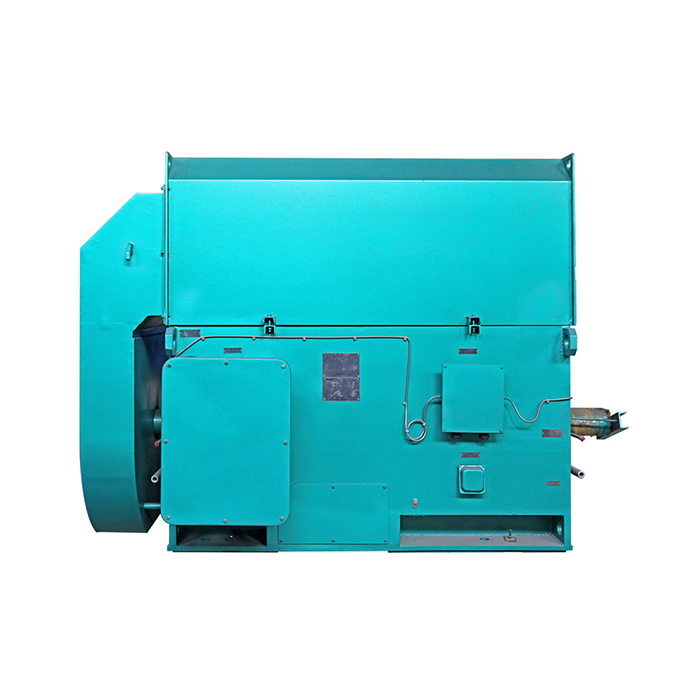
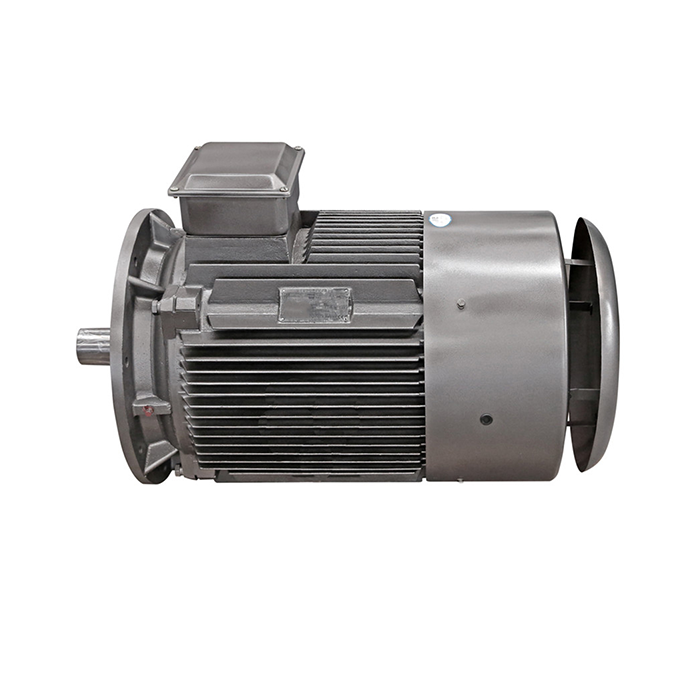
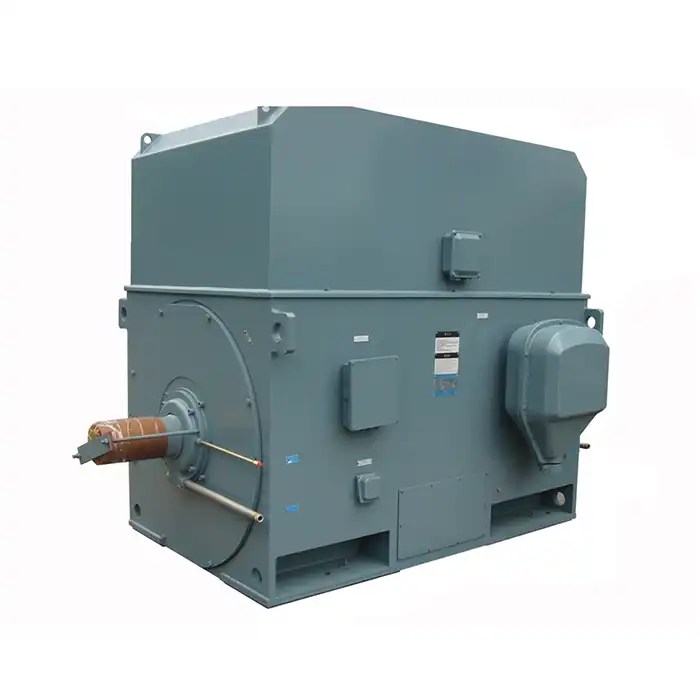
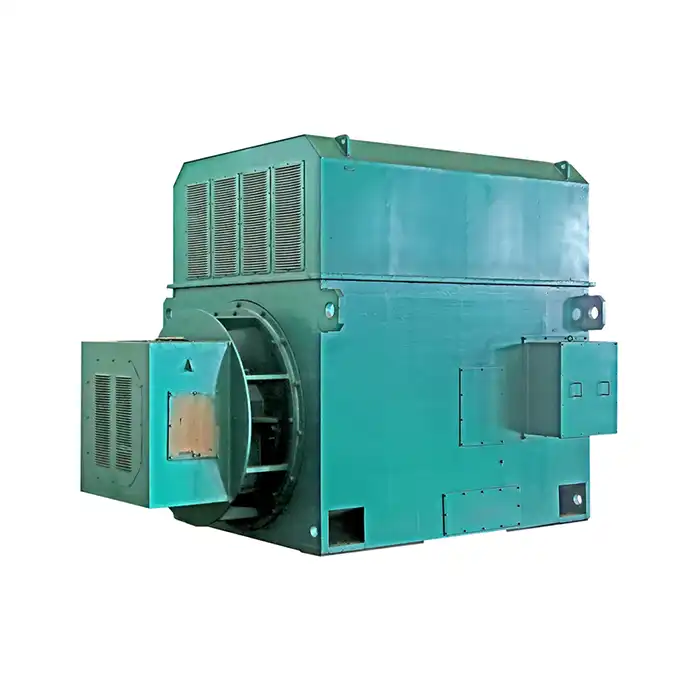
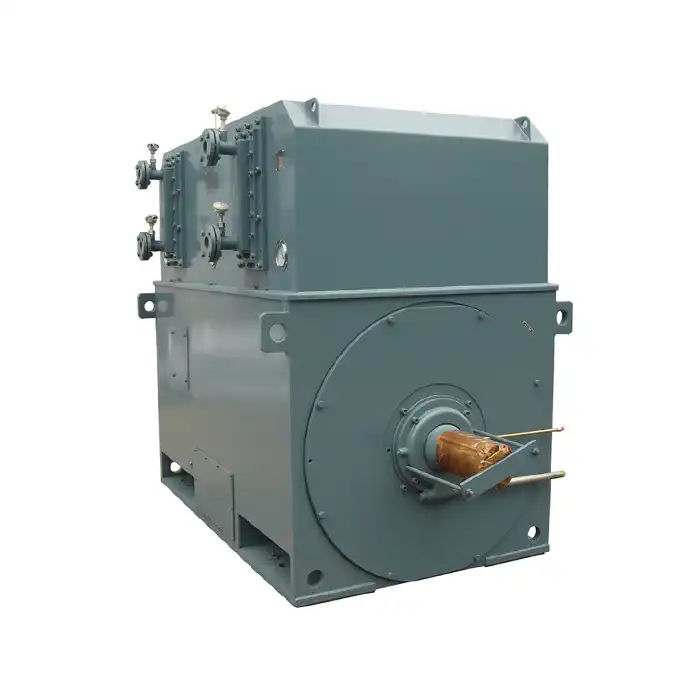
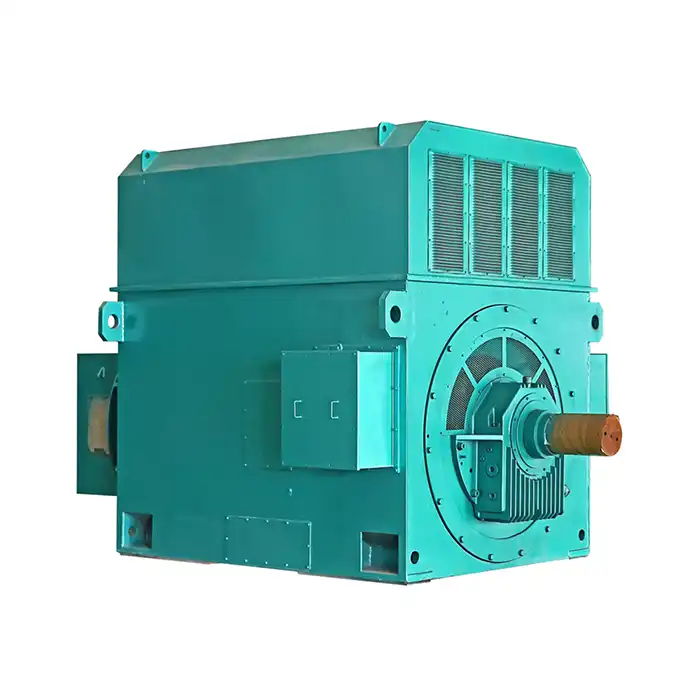
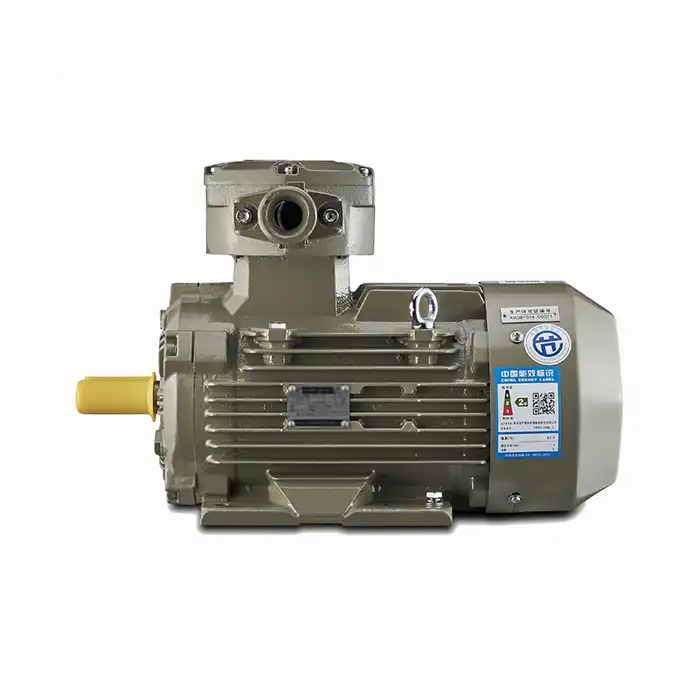
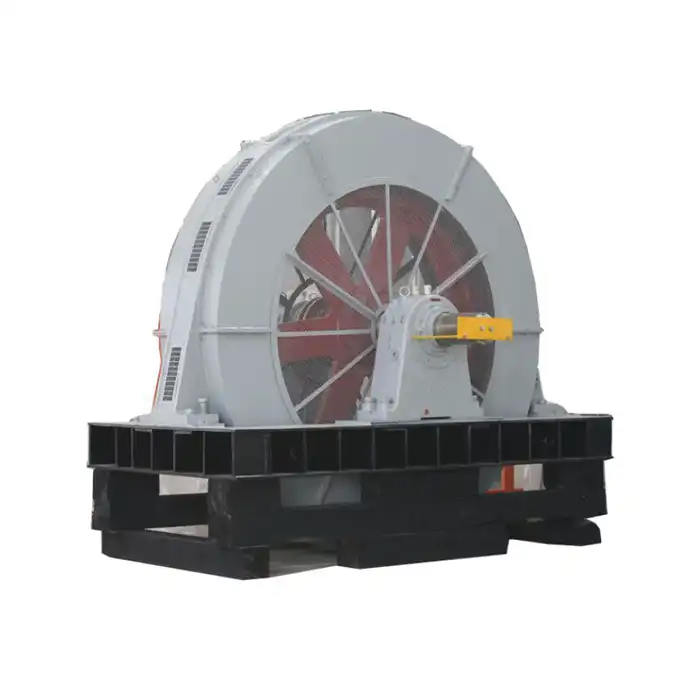
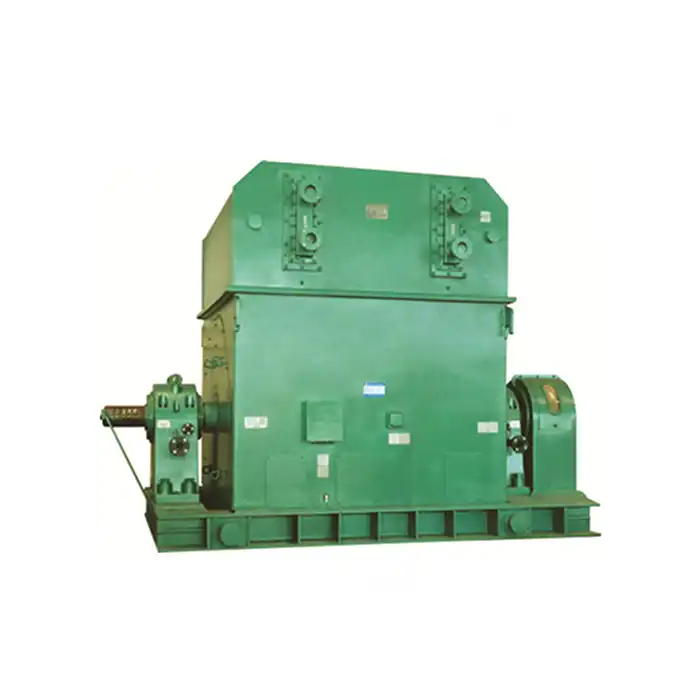
Series:YXKK
Protection level:IP54
Voltage range:3000V±5%,3300V±5%,6000V±5%,6600V±5%,10000V±5%,11000V±5%
Power range:200-3150 kW
Application:fans, water pumps, compressors, crushers, cutting machine tools, transportation machinery, etc.
Advantage:high efficiency and energy saving, low noise, small vibration, long service life, easy installation and maintenance.
Standard: This series of products complies with JB/T 12730 and JB/T 12729 standards.
Others: SKF, NSK, FAG bearings can be replaced according to customer requirements.
Understanding Common Cooling Issues in IC611 Motors
Overheating: The Silent Productivity Killer
It's not always big fails that show that something is too hot. It can get in slowly at times, destroying insulation, twisting parts, and shortening the life of motors. If you run an IC611 motor above the temperature range it was made for, the thermal stress speeds up the wear on the bearings and windings. There have been times when motors that were working in places with temperatures above 40°C and not enough air flow shut down within months instead of years. The IP54 level of protection is good at keeping dust and water out, but it can't fix problems with heat exchangers or ventilation paths that are blocked.
Airflow Obstructions and Environmental Contaminants
Most industrial settings don't stay spotless for long. The most common reason why cooling fails is probably dust building up on the fins of the heat exchanger. Particulate matter slowly forms a thermal layer around cooling surfaces in places like cement plants, flour mills, and metal manufacturing shops. In the worst cases, this insulation effect makes heat transfer up to 40% less effective. This wear and tear can be stopped by checking the external heat exchanger once a month and cleaning it every three months. Another problem is humidity; condensation inside the heat exchanger can speed up corrosion. This is especially true in chemical processing plants or facilities near the coast where the air is salty or corrosive.
Fan and Heat Exchanger Component Failures
The fan inside the motor that is attached to the shaft is very important for moving cool air around. Airflow slows down a lot when fan blades crack or come loose because of vibrations or material wear and tear. Similarly, the cooling circuit is limited when heat exchanger tubes become blocked, either because of debris getting inside or internal corrosion. One useful way to figure out what's wrong is to measure the difference in temperature between the motor case and the air around it while it's running. Deviations of more than 10°C from the baseline readings usually mean that the cooling system isn't working properly. During regular checks, thermal imaging cameras find hot spots before they get worse and cause crashes.
Troubleshooting Approach for Cooling Faults
Systematic observation is the first step in solving problems. In order to find cooling problems, we suggest the following steps:
- Visual Inspection Protocol: Check for physical obstructions around ventilation holes, look at heat exchanger fins for damage or blockage, and make sure that the cooling fan appears to be turning normally through inspection ports. If you think something is too hot, look for things like paint that has changed color or insulation damage on wire ties.
- Temperature Monitoring: Put thermocouples in the housings of the bearings and the windings of the stator to keep track of the operating temperatures for the ic611 motor and compare them to the manufacturer's recommendations. For motors with 200–3150 kW of power and voltages between 3000V and 11000V, the bearing temperature should not go over 80°C and the winding temperature should not go above 155°C for Class F insulation.
- Vibration Analysis: Cooling problems are often accompanied by excessive vibration, especially when fans become uneven or bearings start to fail. Taking baseline measurements of vibrations during commissioning gives you a way to find problems.
Experience from auto factories shows that proactive cooling maintenance stops catastrophic failures before they happen. Over the course of two years, one facility cut down on unplanned motor shutdowns by 67% by cleaning the heat exchangers every three months and keeping track of the temperatures every month.
Maintenance Challenges and Best Practices for IC611 Motors
Bearing Wear and Lubrication Management
Motor bearings are mechanically strained the greatest. IC611 motors typically use long-lasting SKF, NSK, or FAG bearings. Even these bearings require regular oiling. Motors used frequently in tough environments should have their bearings examined every 2,000 hours and re-oiled according to the bearing maker's plan. Both too much and too little lubricant cause seal deterioration and heat buildup. We recommend using just the grease kind and quantity estimated based on the bearing size mentioned in the motor's literature.
Electrical Connection Integrity
Electrical connections must be made with great care when working with 6600V or 10000V motors. When terminals aren't connected properly, they cause resistance, which in turn causes localized burning that can carbonize insulation and cause phase shifts. When a machine starts up and stops, thermal cycling slowly loosens connected connections. A useful maintenance plan checks the torque on all power terminals every six months using torque wrenches that have been calibrated and set to the manufacturer's specifications. Using infrared thermography in operation can find link problems before they become major problems.
Maintenance Schedule Framework
Setting up a tiered maintenance plan strikes a balance between thoroughness and practical efficiency:
- Daily Checks: Listen to the operating sounds for any strange noises, make sure the cooling fans work without rattling, and look for excessive vibrations or strange smells that could mean the machine is overheating.
- Monthly Inspections: Once a month, check the bearing temperatures with infrared thermometers and clean the outside surfaces and heat exchanger fins. Also, look for signs of burning or loose wire connections.
- Quarterly Services: Do a thorough study of vibrations on the ic611 motor, use megohm meters to test insulation resistance, make sure motors are aligned with driven equipment, and write down trending data for later comparison.
- Annual Overhauls: When you do an annual maintenance check, you should take the machine apart to look inside, replace any worn-out bearings if it has been used for more than the recommended number of hours, clean all the inside parts well, check the insulation and winding resistance, and fix or replace any cooling fan assemblies that are showing signs of wear.
This organized method, along with careful record-keeping, creates a database of reliability that predicts failure patterns and makes the best use of parts inventory.
When to Call Professional Support
In-house maintenance can't always handle certain situations. Specialized tools and knowledge are needed for situations like winding failures, major bearing damage that needs the rotor to be removed, or precise balance after the rotor has been fixed. Building relationships with qualified auto repair shops before an emergency happens makes sure that you can get help quickly when you need it. However, only buying new parts from approved sellers will ensure compatibility and protect your warranty. This is especially important for motors that meet JB/T 12730 and JB/T 12729 standards.
Comparing IC611 Motor Cooling & Maintenance with Other Motors
IC611 versus IC616 and IC666 Cooling Systems
The amount of maintenance required depends on the cooling technique. A closed internal cooling cycle is created via air-to-air heat exchanges and shaft-mounted internal fans in IC611 systems. In hot areas, IC616 improves heat exchanger cooling by providing external forced air to the secondary circuit. IC666 features two motor-driven fans for interior and exterior heat exchanger ventilation. The machine cools better but is more sophisticated and needs more maintenance. The IC611 motor balances performance and affordability for most industrial applications. It cools effectively without fan maintenance.
Durability and Service Interval Advantages
When it comes to dusty or humid places, the sealed form of drip-proof motors is better than open ones. The IP54 protection class stops most of the contaminants that would quickly damage open motors from getting in. When the conditions are the same, enclosed fan-cooled designs usually need service 30 to 50 percent more often than equivalent open motors. The heat exchanger setup improves cooling compared to totally enclosed fan-cooled (TEFC) systems without them. This lets higher continuous power ratings be achieved in the same frame sizes.
Application-Specific Considerations
Choosing the right way to cool a motor relies on the duty cycle and the surroundings. For water treatment plants with a lot of humidity, the enclosed design keeps water from getting in. The improved cooling of the heat exchanger system keeps safe working temperatures in power generation uses that need to run all the time at high loads. The motor can handle different loads without overheating, which is useful for crushing and compressor applications. Because of these factors, motors that use this method of cooling work so well in fans, water pumps, compressors, and conveyor systems in many different industries.
Procuring IC611 Motors: Considerations for Cooling and Maintenance
Evaluating Supplier Capabilities
Reputable vendors have many distinguishing features. They include cooling system specifications, maintenance directions, and repair recommendations. Genuine replacement parts with trackable quality certificates are dependable and compatible with your automobile. By providing quick technical assistance for operational issues, long downtime may be avoided. Get references from similar clients and seek for quality management system certifications like ISO 9001:2015 while researching vendors.
Cooling System Assessment Criteria
When ordering motors like the ic611 motor, the cooling capacity must match the needs of the application. If the motors are going to be installed in a small space, think about the temperature ranges in that space, the height (which affects air density and how well cooling works), and the enclosure ventilation. For motors with power between 200kW and 3150kW, make sure the design of the heat exchanger allows for enough thermal capacity for ongoing rated operation. Ask for thermal performance data that shows the temperature rise above room temperature when the load is full.
Voltage and Power Configuration Selection
System integration is made easier by the fact that voltages of 3000V, 3300V, 6000V, 6600V, 10000V, and 11000V are all available, with a tolerance of ±5%. For the same amount of power, higher voltages lower current. This lowers the cost of cables and lowers electrical losses in large buildings. Higher volts, on the other hand, need stricter upkeep plans and special testing tools. By matching the motor voltage to the facility's distribution systems, you can avoid having to install expensive transformers.
Warranty and Service Agreement Considerations
For critical usage, lengthier guaranties give more security than 12-month guaranties. Service agreements that incorporate preventive maintenance, priority parts delivery, and emergency repair reduce operational risk. Use volume to negotiate better warranty terms and maintenance support for significant purchases like new buildings or fleet replacements. These agreements are particularly useful in maintenance-intensive industries like mining and cement, where motor dependability affects production capacity.
Preventive Strategies to Avoid Cooling and Maintenance Issues
Installation Best Practices
Effective functioning begins with proper installation. Make sure the mounting surfaces are level and sturdy to prevent the frame from bending and misaligning the rotor and stator. Maintain at least 150 mm between cooling air inlets and heat exchanger surfaces as indicated by the manufacturer. This prevents airflow slowdown. Check the IP54 rating before putting motors outdoors or in rusty areas. Mention IP55 for extra security. Electrical connections need the correct terminal size and torque, and the wires must be routed to avoid stressing the terminal boxes as the temperature rises.
Environmental Control Measures
When you can, controlling the motor's working conditions makes it last longer. Putting motors in protected areas keeps them from being exposed to direct weather. Adding extra ventilation to enclosed motor rooms keeps the temperature from rising. If you live in a very dusty area, you might want to put pre-filters on the air intakes of your heat exchanger to cut down on how often you have to clean them. These small investments pay off because they cut down on maintenance needs and make parts last longer.
Comprehensive Monitoring Systems
Instead of regular inspections, modern predictive maintenance focuses on tracking all the time. Putting fixed temperature monitors on the bearings and windings lets you track things in real time and set off automatic alarms when parameters go over certain limits. Vibration sensors can find motor problems weeks before they break down. Monitoring current and power finds electrical problems that could mean circuit damage or load issues. These monitoring systems work with software for managing buildings, so when repair is needed, work orders are immediately made.
Maintenance Training and Documentation
Without properly trained staff, even the most carefully planned maintenance program will fail. By giving maintenance teams training, you can be sure that they know how to properly take care of enclosed fan-cooled motors. Training should include the right way to grease bearings, test high-voltage equipment safely electrically, and understand data on shaking and temperature. Just as important is keeping detailed records of all inspections, repairs, and operating parameters in maintenance files. These records show patterns that help predict failures and decide what parts to keep on hand.
Conclusion
To keep sealed fan-cooled motors running at their best, you need to know how the cooling systems and repair methods work together. When operators use systematic troubleshooting, stick to structured maintenance schedules, and get quality parts from reputable suppliers, the IC611 motor is very reliable. Common cooling problems, like heat exchanger fouling and fan failures, can be handled by inspecting and cleaning the system regularly. Long-term dependability is built on taking care of bearings, making sure electrical connections are solid, and keeping the surroundings under control. Procurement teams lower both the initial investment and the total cost of ownership by comparing different cooling methods and choosing motors that are best for the job. Maintenance can go from being reactive firefighting to strategic asset management that protects production capacity and improves uptime with preventative strategies like proper installation, continuous tracking, and full training.
FAQ
1. What maintenance intervals are recommended for motors with this cooling method?
Maintenance frequency depends on how the machine is used, but on average, heat exchanger visual inspections and cleaning should be done once a month, temperature checks and vibration analysis every three months, electrical connection torque checks every six months, and full inspections with bearings oiled or replaced once a year. Motors under tough environments such excessive dust, extreme temperatures, or constant service need shorter intervals. Tracking all maintenance chores builds reliability, which helps you make better scheduling selections for your requirements.
2. How do I identify whether cooling problems stem from the heat exchanger or internal fan?
For differential diagnosis, temperatures need to be taken at more than one location. If the motor case gets too hot but the air coming out of the heat exchanger stays pretty cool, it's likely that the internal fan has stopped working or that airflow routes inside the motor are blocked. If, on the other hand, both the motor housing and the heat exchanger surfaces get hot, it's likely that the heat exchanger is dirty or broken. Listening for fan operation through ventilation openings during startup gives more diagnostic information; if you don't hear any airflow noise, the fan is probably broken.
3. Can these motors operate reliably in temperatures above 40°C?
Standard motors can handle temperatures up to 40°C. When operating in higher temperatures, motors that are designed for higher ambient conditions need to be downrated or specified. Derating lowers the power flow so that safe working temperatures are kept. Usually, 1% less power is lost for every degree above 40°C. Motors can also be ordered with better cooling systems or higher insulation classes. Talking to providers about specific application temperatures during the buying process makes sure that the right motor is chosen.
Partner with XCMOTOR for Reliable IC611 Motor Solutions
Working with an experienced IC611 motor provider makes it a lot easier to deal with the complicated issues of motor cooling and upkeep. We at XCMOTOR (Shaanxi Qihe Xicheng Electromechanical Equipment Co., Ltd.) are experts at customizing power equipment solutions for the transportation, energy utilities, industrial automation, and HVAC industries all over the United States. Motors that meet the standards of JB/T 12730 and JB/T 12729 are in our large collection. They come in a range of power levels, from 200kW to 3150kW, and voltage levels, from 3000V to 11000V. We sell original substitute parts, such as high-quality SKF, NSK, and FAG bearings, to make sure they work with your system and are reliable. In addition to selling equipment, we also offer full technical support for problems with cooling, planning maintenance, and fixing problems. We want to keep your business running smoothly as much as possible by offering fast delivery on all products, 30-day return policies, and dedicated support that's available even on weekends. Contact our team at xcmotors@163.com or go to motorxc.com to talk about your specific application needs and find out how our solutions can make your facility more reliable and efficient.
References
1. Industrial Electric Motor Handbook: Cooling Systems and Thermal Management, Society of Manufacturing Engineers, 2021.
2. High Voltage Motor Maintenance: Best Practices for Industrial Applications, Institute of Electrical and Electronics Engineers Technical Publication, 2020.
3. Predictive Maintenance Strategies for Rotating Equipment in Process Industries, Reliability Engineering Journal, Volume 34, 2022.
4. Comparative Analysis of Electric Motor Cooling Methods in Heavy Industry, International Journal of Industrial Engineering, 2023.
5. Bearing Technology and Lubrication Management for High-Power Electric Motors, Tribology and Maintenance Association Technical Guide, 2021.
6. Thermal Management and Energy Efficiency in Enclosed Fan-Cooled Motors, Energy Systems Research Institute, 2022.