



What is the maximum temperature rise of a 4160v motor?
If you want to talk about how medium-voltage motors work, you need to know about temperature rise. This is important for stability and life. The biggest temperature that a 4160V motor can get to is usually between 80°C and 105°C above room temperature. This depends on the insulation class. Most motors that work at this voltage level have Class F insulation and a Class B temperature rise, which means that the windings can handle temperatures of up to 155°C while the motor itself operates at an 80°C rise. This cushion guards against thermal degradation, which keeps the motor's efficiency and makes it last longer in harsh industrial settings.
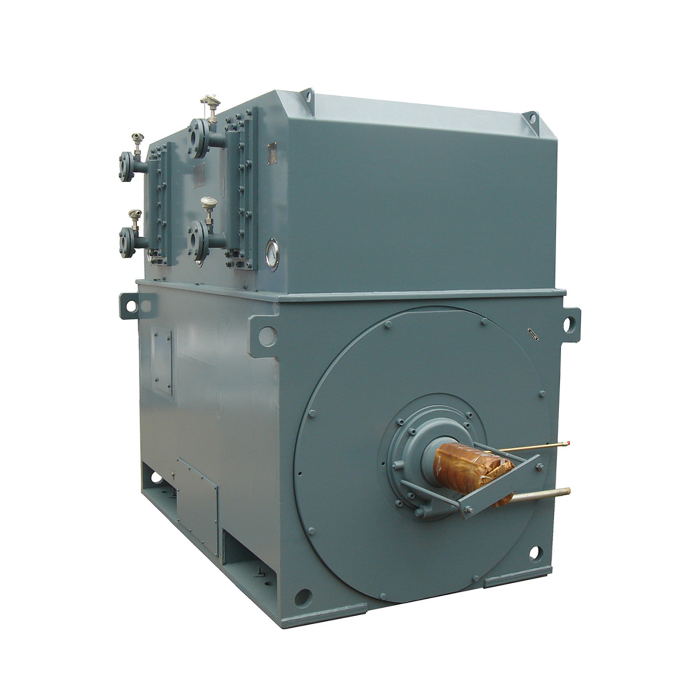
Series:YKS
Protection level:IP54
Voltage range:3000V±5%,3300V±5%,6000V±5%,6600V±5%,10000V±5%,11000V±5%
Power range:220-6300 kW
Application:fans, water pumps, compressors, crushers, cutting machine tools, transportation machinery, etc.
Advantage:low noise, low vibration, long service life, easy installation and maintenance.
Standard: This series of products complies withGB/T 1032 and GB/T 13957 standards.
Others: SKF, NSK, FAG bearings can be replaced according to customer requirements.
Understanding Temperature Rise in 4160V Motors
Temperature rise is the difference between how much hotter the windings of a motor are than the air around them when it is running. This number has a direct effect on how long your equipment will work efficiently before it needs expensive repairs or replacement.
What Causes Heat in High-Voltage Motors
Electric motors use electricity to make mechanical work, but this process isn't always very good. When current runs through windings, resistance heating happens, which is equal to the square of the current. This causes copper to be lost. Changes in the magnetic flux in the stator core cause iron losses. Friction in the bearings and windage from the rotor add to the heat load. Ventilation systems are always working to get rid of this heat, but when there are a lot of people or bad conditions, temperatures rise quickly.
Medium-voltage motors that run on 4160V make a lot of heat because they handle a lot of power, between 220 kW and 6300 kW. A compressor motor that is always going in a petrochemical plant is subject to different thermal pressures than a crusher motor that is only used sometimes in a mining operation. Knowing about these heat sources helps procurement teams choose motors that meet working needs without losing thermal safety.
Industry Standards for Temperature Limits
Based on the shielding materials, international standards like IEC 60034 and national standards like GB/T 1032 and GB/T 13957 set the highest temperatures that can be reached. Insulation in Class A can handle a rise of 60°C, Class B can handle an increase of 80°C, Class F can handle 100°C, and Class H can handle 125°C above room temperature. Most current medium-voltage motors have Class F insulation but work at Class B temperature rise. This gives the insulation a safety cushion that makes it last a lot longer.
Assumptions about the ambient temperature are very important. In normal settings, the ambient temperature is usually 40°C. This means that a motor with an 80°C rise could hit 120°C winding temperature. To keep the thermal performance reasonable, installations in desert conditions, enclosed areas, or tropical buildings need to be derated or cooled more. Pay attention to the temperatures of the bearings as well, since oil breaks down faster when temperatures go above what the maker recommends.
Factors Influencing the Maximum Temperature Rise of 4160V Motors
The real working temperatures of installed tools are based on a number of factors that work together. Knowing about these things helps buying experts choose the right 4160V motors and come up with good cooling plans.
Motor Design and Insulation Class
Insulation systems are the building blocks of high-voltage motors' temperature control. Class F insulation materials can handle higher temperatures than older Class B systems. This lets makers make motors that are smaller or add thermal gaps that make them last longer. Our motors have Class F insulation that can withstand temperatures up to 155°C and Class B temperature rise requirements. This makes sure that the winding temperatures stay well below the material limits even when big loads are applied for a long time.
How something is cooled has a big effect on how well it can get rid of heat. External air-to-water heat exchangers move cooling water through finned tubes in the ICW37 cooling system, while internal fans move air across windings. This setup works especially well in dirty or acidic places where direct air cooling would bring in dirt and other contaminants. Motors that have an IP54 or IP55 grade protect the internal parts from outside particles and keep the motor cool through closed-loop air flow.
Through current intensity and conductor structure, the shape of the winding affects how well it handles heat. Precision wrapping technology makes sure that the conductors are evenly spaced and that there are no hot spots that speed up the breakdown of the insulation. Randomly wound stators may have temperature ranges that aren't even, but form-wound designs are better at keeping temperatures even. Precision die-casting and other advanced production methods are used to make rotors that are very good at transferring heat from underground wires to cooling air streams.
Operational Load and Duty Cycles
Motors can work with a range of load patterns, from full load all the time to switching between full power and rest. In water treatment plants, continuous-duty motors run steadily for weeks on end, building up heat that stays stable at the desired temperature rise. Equipment that only works sometimes, like crushers or hoists, goes through a thermal cycle, which means that temperatures rise when the equipment is working and fall when it is not.
Overloading is a common reason why temperatures rise too quickly. When a motor is running at 110% of its normal load, copper losses rise by about 21%, which could cause wound temperatures to rise above what is safe. Service factor numbers tell you how much overload a motor can handle without breaking, but running it over its nameplate capacity for a long time will always shorten its projected lifespan. Monitoring the real load conditions helps find motors that are too small before they get damaged by heat.
Best Practices for Controlling and Monitoring Temperature Rise
For thermal management to work, the right design must be chosen along with focused operating practices. When companies put motor thermal health first, they have fewer unexpected breakdowns and their equipment lasts longer.
Routine Inspection and Maintenance Protocols
Inspections done at regular times on 4160V motors find problems as they start to form before they become major problems. Visual checks are done once a month to look for blocked air holes, strange vibrations, and strange bearing noises. Four times a year, thermographic scans plot the surface's temperature distributions, finding hot spots that show problems inside the machine, such as shorts in the windings or blocked cooling pathways. Readings of temperatures that are 10°C higher than the standard statistics should be looked into.
Upkeep for bearings has a direct effect on how well they work in cold conditions. Proper lubrication lowers friction and heat production, while lube that isn't working right or has been broken down greatly raises bearing temperatures. Over-lubrication is also a problem because it leads to spinning losses and high temperatures. Thermal problems with bearings can be avoided by following the manufacturer's cleaning plans and using the right type of grease. High numbers on the bearing temperature should mean that there are problems with lubrication or mechanical misalignment. Normally, the temperature should stay within 40°C of the outdoor temperature.
Maintenance on the cooling system makes sure that it can continue to remove enough heat. ICW37 cooling systems need to have their water circuits cleaned every so often to get rid of scale layers that make heat movement less effective. Depending on how much dust is in the air, air filters that protect internal ventilation systems need to be replaced every three to six months in industrial settings. As insulation's cooling power decreases, working temperatures slowly rise, shortening its life even when no clear problems are seen.
Identifying Abnormal Temperature Rise Causes
Unexpected rises in temperature are a sign of practical problems that need to be fixed right away. Voltage instability, phase loss, and harmonic distortion from variable frequency drives or other power electronics are some electrical reasons. When the voltage difference is more than 1%, it causes large negative sequence currents that heat the rotor too much. Three-phase tracking gear finds these situations before they cause more damage from the heat.
Mechanical problems like worn bearings, misaligned couplings, and driven equipment that won't move raise the load and the heat that comes with it. Vibration analysis uses unique frequency patterns to find mechanical problems that are getting worse. A motor that is both getting hotter and shaking more often is probably breaking down mechanically and needs to be fixed. If you ignore these warning signs, bad things will happen that will require a lot of downtime and expensive fixes.
The factors of the process also change the thermal stress. When fluids have a higher viscosity or density than what was designed, they cause pump motors to draw more power. When the discharge pressure goes above the standard working points, the compressor motors have to work harder. Knowing how the driven equipment works can help you tell the difference between regular changes in load and conditions that mean something is wrong with the process or the equipment is breaking down.
Comparison and Evaluation of 4160V Motor Temperature Rise Across Brands and Models
Different companies deal with temperature control in different ways, using different design ideas and tech solutions. Knowing about these differences helps buying teams choose the best tools for each job when evaluating 4160V motors.
Thermal Management in Leading Motor Designs
A lot of money is spent by well-known companies on temperature optimization through computational fluid dynamics models and real-world testing. In more advanced designs, ventilation paths are designed to get the most air to important hot spots while reducing parasitic windage losses. Rotor bar designs balance electrical performance and thermal conductivity to make sure that heat produced deep inside the rotor structure gets to the air that cools it effectively.
Another thing that sets them apart is their insulation methods. Premium motors use shielding materials that are better at transferring heat than standard systems. This means that there is less thermal resistance between the copper wires and the cool air. Vacuum pressure impregnation methods get rid of empty spaces in wound insulation, which makes it stronger and better at moving heat. Because of these improvements in manufacturing, motors can work closer to their thermal limits without losing their durability.
The actual thermal performance of our motors is based on tried-and-true design features. When Class F insulation is combined with Class B temperature rise, there is a large safety cushion under normal working conditions. ICW37 cooling systems control heat consistently, even when there is a lot of dust in the air. This is especially helpful in tough industrial settings. Power ranges from 220 kW to 6300 kW, which is enough for most process industries, power generation, and heavy manufacturing.
Voltage Class Temperature Rise Comparisons
Medium-voltage motors that run at 4160V have different temperature properties than motors that run at lower voltages. The thicker insulation needed for higher voltage can handle thermal stress better than the thin insulation used in 460V motors, but it also makes more thermal resistance, which makes it harder for heat to escape. To get a good temperature rise, these opposite factors must be balanced in the form of the winding.
For power distribution requirements in different areas, our product line has voltages above 4160V, including 3000V±5%, 3300V±5%, 6000V±5%, 6600V±5%, 10000V±5%, and 11000V±5%. This adaptability makes sure that the cooling design is optimized for certain power levels while keeping the quality the same across the range. All voltage settings meet the requirements of GB/T 1032 and GB/T 13957, which means they are all compatible with procurement specs that need confirmed compliance.
Through windage losses and how well ventilation works, speed values affect thermal efficiency. Motors made to run at 3000 rpm produce more windage warmth than motors made to run at 500 rpm, but they also produce more self-ventilation. Matching the motor speed to the needs of the application improves both efficiency and heat management. This way, you can avoid using speeds that are too high and don't add any useful functionality.
Procurement Guide: Selecting the Right 4160V Motor Based on Temperature Rise
To choose the right 4160V motor, you need to weigh the technical specs against the needs of the product and your budget. A methodical technique makes sure that bought equipment works as expected for as long as it's supposed to.
Evaluating Temperature Rise Specifications
Carefully read the manufacturer's datasheets for 4160V motors and make notes on both the insulation class and the real temperature rise design. When it comes to thermal margin, a motor that is rated for Class F insulation but built for Class B temperature rise is better than one that is run at Class F limits. Ambient temperature assumptions in specifications affect how well a system works in real life. Check to see if grades are based on 40°C ambient or some other reference state.
Claimed efficiency is backed up by certification documents. Motors that were approved to the IEC 60034 standards were tested in controlled environments to make sure they could handle temperature rise. If a company has ISO 9001:2015 certification, it means that its quality control methods keep production standards consistent. These certifications make sure that the given equipment fits what was promised in the specifications. This lowers the risk of buying something.
Protocols for testing show how carefully makers check the thermal performance. Type testing on prototype designs sets the standard for what can be done, while regular testing on production units finds differences in how they are made. Comprehensive testing methods that look at performance, durability, and safety in a variety of working situations show that the maker cares about quality. We use strict quality control throughout the whole production process to make sure that every motor meets the high standards for dependability and durability set by the industry.
Matching Motors to the Needs of the Application
Application research figures out the temperature needs based on the job cycle, the environment, and the type of work. Continuous-duty uses, like water pumps, compressors, and fans, need motors that can run at full load for a long time without getting too hot. Intermittent service in breakers, cutting tools, and moving equipment lets the machinery recover thermally between work cycles, which could allow for higher rapid loads.
An environmental study looks at how temperature, altitude, and pollution in the air affect motor cooling. In dusty places, completely protected designs with closed-loop cooling work best because they keep rough particles from getting into motors and wearing down insulation. Chemical processing plants need materials that can stand up to harsh environments that break down standard parts. Our IP54 protection grade offers strong environmental protection that is good for general industrial setups while still managing heat well.
Whether to get a custom or standard motor depends on how well the application needs match the store's options. Standard motors are cheaper and can be delivered faster if the specs match up with popular layouts. Custom designs can be made to fit odd mounting setups, cooling needs, or electrical properties that aren't standard. When apps need features that aren't available in standard products, our tech team comes up with custom solutions to make sure the best performance and customer satisfaction.
Conclusion
When the temperature goes up, it has a big effect on the dependability, economy, and service life of medium-voltage motors used in industry. When purchasing equipment, knowing that most 4160V motors work with a temperature rise of 80°C to 105°C above normal helps them choose the right equipment for their needs. Actual thermal efficiency is affected by many things, such as the type of insulation used, the design of the cooling system, the operating load, and the weather. Motors work as intended for longer because they are properly installed, maintained on a regular basis, and partnered with quality suppliers. When you look at the specs for temperature rise along with the needs of the application, you can make smart purchasing choices that balance initial costs against lifecycle value. This helps you achieve operational excellence by providing reliable, thermally optimized motor solutions.
FAQ
1. What is the typical maximum temperature rise for industrial medium-voltage motors?
Depending on the insulation class and the design of the cooling system, industrial motors that run on 4160V motor standards usually get hotter than room temperature by 80°C to 105°C. Most current motors use Class F insulation with Class B temperature rise. This gives the insulation a large thermal margin that makes it last longer and work better in a variety of working situations.
2. How often should the temperature of high-voltage motors be checked?
Visual checks of the temperature once a month and thermographic surveys every three months are enough to keep most commercial sites safe. Embedded sensors that send alerts when readings go above safe limits can be used to keep an eye on temperatures continuously in critical applications. This lets workers do preventative maintenance before thermal damage builds up.
3. Can cooling system upgrades reduce temperature rise in existing motors?
Existing systems can have their working temperatures lowered by improving external cooling through better water circulation, extra ventilation, or heat exchanger updates. When process changes make the thermal loads higher than what was originally planned, these retrofits come in handy. They can possibly extend the service life of the motor without having to replace it completely.
Partner With XCMOTOR for Reliable Medium-Voltage Motor Solutions
XCMOTOR, which is also known as Shaanxi Qihe Xicheng Electromechanical Equipment Co., Ltd., makes high-performance motors that are designed to meet strict temperature rise standards in a wide range of challenging industrial settings. Our line of 4160V motors has Class F insulation and Class B temperature rise, which gives them safe thermal margins for use in heavy industrial, process control, power production, and HVAC systems. With voltage ranges from 3000V to 11000V and power levels from 220 kW to 6300 kW, we can provide solutions that are perfect for your needs.
Low noise, little vibration, longer service life, and easier upkeep are some of the benefits that provide practical value throughout the lifecycle of equipment. Our dedication to high-quality production, thorough testing, and customer service makes sure that the tools you buy work as expected. Contact our technical team at xcmotors@163.com to talk about your 4160V motor needs with experienced suppliers who know how to deal with the difficulties of industrial thermal management. We have low prices, fast shipping, and committed customer service to help you get the most out of your power equipment purchases.
References
1. Institute of Electrical and Electronics Engineers, "IEEE Standard Test Procedure for Polyphase Induction Motors and Generators," IEEE Std 112-2017, Revision of IEEE Std 112-2004.
2. National Electrical Manufacturers Association, "Motors and Generators," NEMA Standards Publication MG 1-2016, Rosslyn, Virginia.
3. International Electrotechnical Commission, "Rotating Electrical Machines - Part 1: Rating and Performance," IEC 60034-1:2017, Geneva, Switzerland.
4. Chapman, Stephen J., "Electric Machinery Fundamentals," Fifth Edition, McGraw-Hill Education, 2012.
5. Bonnett, Austin H., and Soukup, George C., "Cause and Analysis of Stator and Rotor Failures in Three-Phase Squirrel-Cage Induction Motors," IEEE Transactions on Industry Applications, Volume 28, Number 4, July/August 1992.
6. Stone, Greg C., Boulter, Edward A., Culbert, Ian, and Dhirani, Hussein, "Electrical Insulation for Rotating Machines: Design, Evaluation, Aging, Testing, and Repair," Second Edition, IEEE Press Series on Power Engineering, Wiley-IEEE Press, 2014.