



What Is an IP23 Motor? Key Facts for Engineers
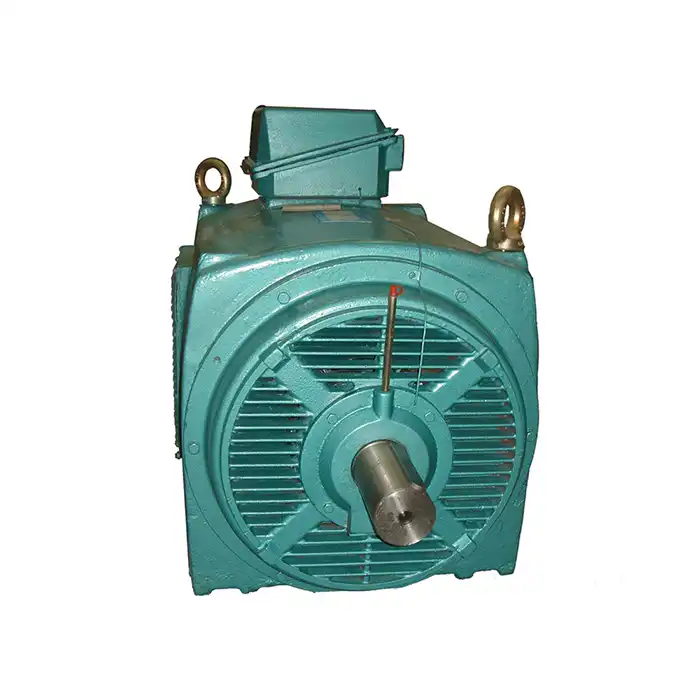
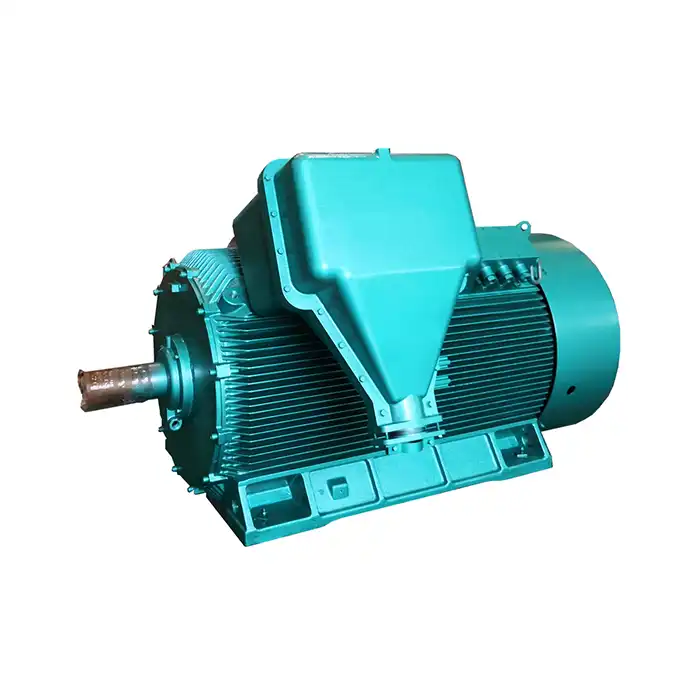
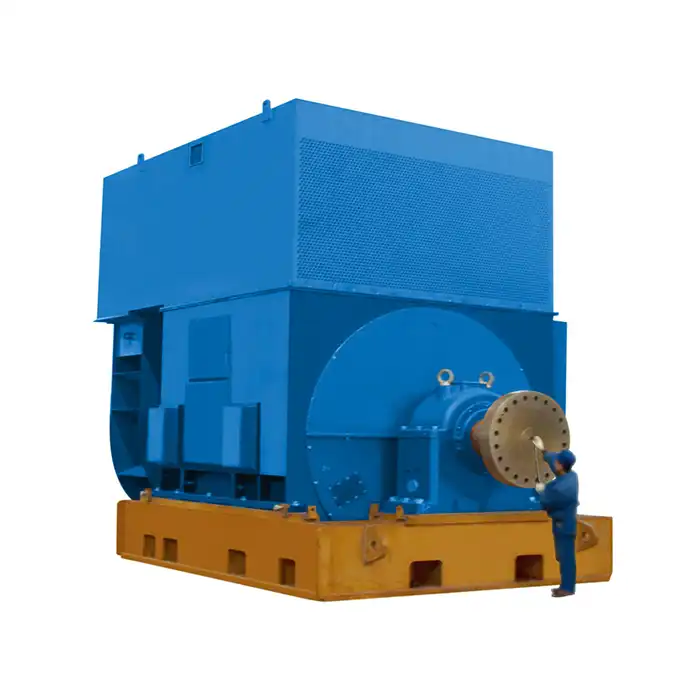
When industrial equipment demands reliable performance in challenging environments, engineers often turn to IP23-rated motors as their go-to solution. An IP23 motor provides excellent protection against strong particles bigger than 12.5mm and water splash at points up to 60 degrees, making it suitable for dry, dust-free indoor applications where higher assurance isn't fundamental. These three-phase slip ring acceptance engines exceed expectations in control plants, fabricating offices, and mechanical settings where cost-effectiveness meets execution requirements. The noteworthiness of understanding IP23 engines amplifies past fundamental details. Engineers must explore complex choices around engine assurance, proficiency, and toll optimization. This article investigates everything you require to know about IP23 engines, from their center usefulness to real-world applications across different industries.

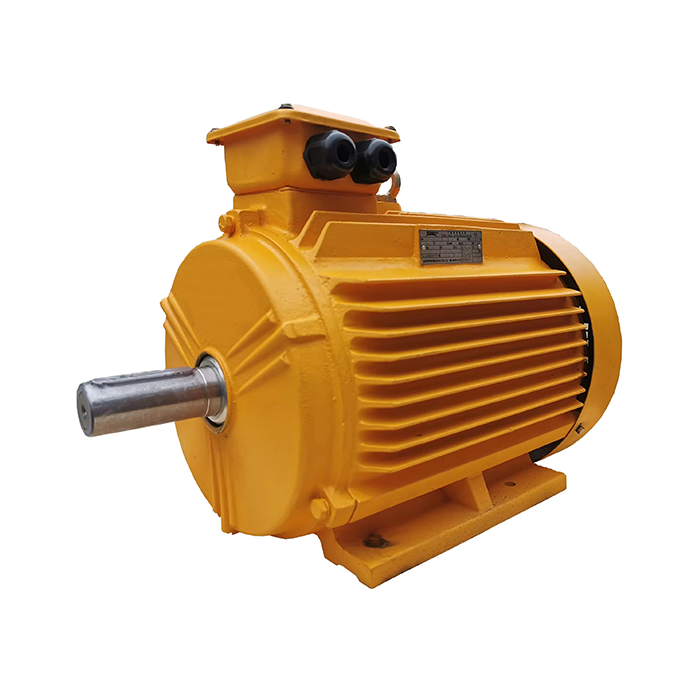
Series:Y
Voltage range: 380V±5%
Power range: 55~355 kW
Protection level:IP23
Application: This series of motors can be used to drive various machinery. Such as ventilators, compressors, water pumps, crushers, cutting machine tools and other equipment, and can be used as prime movers in coal mines, machinery industries, power plants and various industrial and mining enterprises.
Advantage: This series of motors has the advantages of high efficiency, energy saving, low noise, small vibration, light weight, reliable performance, and convenient installation and maintenance.
Certificate: The motor complies with JB5271-91
Others: SKF, NSK, FAG bearings can be replaced according to customer requirements.
Understanding IP23 Motor Technology and Protection Standards
An IP23 motor represents a specific category of electrical motors designed with precise protection characteristics defined by the International Protection Marking standard. The "IP" stands for "Ingress Protection," while the numbers "23" specify exact protection levels against environmental factors.
The to begin with digit "2" at the beginning demonstrates assurance against strong remote objects with breadths surpassing 12.5mm. This implies the engine lodging successfully anticipates bigger clean particles, flotsam and jetsam, and inadvertent finger contact with inner components. The moment digit "3" means security against water shower from any heading up to 60 degrees from vertical, guaranteeing dependable operation indeed when uncovered to direct dampness conditions.
Electric engines with IP23 evaluations utilize open ventilation structures, ordinarily utilizing IC11 self-ventilation or IC21 outside ventilation frameworks. This plan choice essentially impacts engine cooling proficiency, conveying 15-20% way better warm dissemination compared to completely enclosed engines. The upgraded cooling capability avoids over the top winding temperature rise, which straightforwardly contributes to amplified engine life expectancy and progressed reliability.
The construction of IP23 motors involves precision engineering with cast iron frames that provide exceptional durability while maintaining optimal heat transfer properties. Copper windings undergo precision winding processes, followed by vacuum pressure impregnation for superior insulation quality. High-quality bearings from trusted manufacturers minimize vibration and noise levels during operation.
These engines ordinarily work inside voltage ranges of 380V±5% and control yields crossing 55kW to 355kW, making them appropriate for medium to high-power mechanical applications. The vigorous plan guarantees beginning streams stay underneath 6.5 times the evaluated current, whereas conveying beginning torques surpassing 160% of appraised torque values.
Industrial Challenges That IP23 Motors Address
Balanced Protection for Manufacturing Environments
Manufacturing situations display one-of-a-kind challenges that require carefully adjusted engine assurance arrangements. Conventional completely enclosed engines frequently give inadequate assurance for indoor applications, resulting in higher costs and decreased cooling efficiency. Then again, engines with deficient security evaluations may endure untimely disappointments when exposed to mechanical dirt and incidental dampness. IP23 engines bridge this hole superbly by advertising satisfactory security for controlled indoor situations, while keeping up cost-effectiveness, guaranteeing that assurance levels adjust accurately with real operational requests, or maybe surpassing them unnecessarily.
Performance Across Key Industrial Sectors
In car fabricating plants, these engines drive transport frameworks, mechanical gear, and assembly line equipment where exact natural control exists but intermittent cleaning and splash cleaning happens. Control era offices depend intensely on assistant gear that works in semi-controlled situations, with assistant fans, cooling water pumps, and ventilation frameworks requiring engines that can withstand operational tidy whereas keeping up high productivity. IP23 engines provide solid execution over these assorted segments by giving security coordinated to real-world conditions without the superfluous cost of higher assurance ratings.
Specialized Applications in Process and Precision Industries
Process control applications in chemical, food preparation, and pharmaceutical businesses require solid engine execution in situations where cleaning methods include water shower and tidy era. IP23 engines exceed expectations in these scenarios, giving vital security whereas empowering proficient warm scattering pivotal for continuous operation cycles. So also, the aviation and hardware fabricating segments utilize these engines for exactness apparatus that works in controlled cleanroom-adjacent zones, where assurance against periodic defilement must be adjusted with the cooling effectiveness vital for keeping up accuracy operations over extended periods.
Core Features and Advanced Functionality
The engineering excellence behind IP23 motors stems from carefully designed features that optimize performance across diverse applications. The open ventilation design serves as the foundation for superior thermal management, allowing natural airflow to remove heat generated during operation effectively.
Motor effectiveness comes to ideal levels through precision-wound copper windings that minimize electrical misfortunes whereas maximizing control exchange. The winding process utilizes progressed methods to guarantee uniform conductor arrangement and ideal space fill components, coming about in advanced electromagnetic execution and diminished vitality consumption.
Dynamic adjusting of rotor congregations disposes of vibration issues that commonly torment mechanical engines. This accuracy adjusting handle includes computer-controlled hardware that distinguishes and rectifies miniature lopsided characteristics, indeed, guaranteeing smooth operation and amplified bearing life. The result interprets to diminished upkeep necessities and made strides operational reliability.
Insulation systems in IP23 motors typically employ Class F materials with Class H options available for demanding temperature conditions. The vacuum pressure impregnation process ensures complete resin penetration throughout the winding structure, creating superior protection against moisture, chemicals, and thermal stress.
Bearing frameworks utilize high-quality components from set up producers, with choices for SKF, NSK, or FAG heading depending on particular application needs. These accuracy orientation experience cautious choice based on stack characteristics, speed necessities, and natural conditions to guarantee ideal execution and longevity.
Motor control compatibility amplifies over different beginning strategies, from direct-on-line beginning to modern variable recurrence drive applications. The vigorous development handles beginning stresses whereas keeping up electrical characteristics reasonable for present day control systems.
Technical Specifications and Performance Parameters
IP23 motors deliver impressive performance characteristics that meet demanding industrial requirements. Starting current limitations of 6.5 times rated current ensure compatibility with electrical infrastructure while providing sufficient starting capability for various load types. This controlled starting characteristic reduces electrical stress on supply systems and minimizes voltage dips during motor startup.
Maximum torque capabilities exceeding 200% of rated torque provide substantial overload capacity for applications with varying load demands. This torque reserve ensures reliable operation during temporary overload conditions and accommodates load variations common in industrial processes.
Temperature rise characteristics remain within 80K limits for Class B insulation systems, ensuring safe operation even under demanding thermal conditions. The efficient cooling design maintains winding temperatures well below critical limits, contributing to extended insulation life and improved reliability.
Motor speed characteristics accommodate various frequency requirements, with standard 50Hz designs providing precise speed control when combined with variable frequency drives. The robust rotor construction handles speed variations while maintaining low vibration levels across the operating range.
Power factor optimization ensures efficient electrical operation, reducing reactive power demands on electrical systems. High-efficiency designs minimize energy consumption while delivering full rated output, contributing to reduced operational costs and environmental impact.
Noise levels remain acceptably low due to precision manufacturing and careful attention to electromagnetic design. Vibration control through dynamic balancing and precision assembly results in smooth, quiet operation suitable for industrial environments where noise control matters.
Key Advantages and Competitive Benefits
IP23 motors offer compelling advantages that make them attractive for numerous industrial applications. The enhanced cooling efficiency provided by open ventilation design directly translates to improved motor performance and extended service life. This cooling advantage becomes particularly valuable in continuous-duty applications where thermal management critically impacts reliability.
Cost optimization represents another significant benefit, as IP23 motors eliminate the expense associated with higher protection ratings when full enclosure isn't necessary. This cost advantage extends beyond initial purchase price to include reduced cooling requirements and simplified installation procedures.
Energy efficiency improvements result from the combination of precision manufacturing, optimal thermal management, and advanced electrical design. These efficiency gains contribute to reduced energy costs over the motor's operational lifetime, providing substantial economic benefits in high-utilization applications.
Maintenance accessibility improves significantly compared to fully enclosed designs, allowing easier inspection and routine maintenance procedures. The open design facilitates visual inspection of internal components and simplifies bearing maintenance tasks, reducing downtime and maintenance costs.
Installation flexibility stems from the lighter weight construction and simplified mounting requirements. The reduced weight makes handling easier while maintaining structural integrity necessary for industrial applications. Standard mounting dimensions ensure compatibility with existing equipment installations.
Reliability improvements result from the combination of superior cooling, precision manufacturing, and quality components. The enhanced thermal management reduces stress on electrical insulation while precision balancing minimizes mechanical stress on bearings and rotating components.
Understanding Limitations and Application Considerations
While IP23 motors excel in appropriate applications, engineers must understand their limitations to make informed decisions. The open ventilation design makes these motors unsuitable for environments with fine dust, aggressive chemicals, or high moisture levels that exceed the IPX3 rating.
Outdoor applications generally require higher protection ratings due to weather exposure, making IP23 motors primarily suitable for indoor installations. The protection level adequately handles incidental water spray but cannot withstand direct water jets or submersion conditions.
Environmental temperature limitations must be considered, as the open design allows ambient temperature to directly affect internal temperatures. Applications in high-ambient-temperature environments may require additional cooling considerations or motor derating to ensure reliable operation.
Installation location requirements include adequate ventilation clearances to ensure proper airflow for cooling. Restricted airflow conditions can significantly impact motor performance and lifespan, making proper installation planning crucial for optimal results.
Contamination sensitivity requires careful evaluation of the operating environment. While the IP2X rating protects against larger particles, fine dust or conductive particles can still enter the motor housing, potentially causing problems in sensitive applications.
Maintenance planning must account for the open design's exposure to environmental conditions. Regular inspection and cleaning schedules become more critical compared to fully enclosed motors, particularly in environments with moderate dust levels.
IP23 Motors Versus Alternative Protection Ratings
Comparing IP23 motors with alternative protection ratings helps engineers make informed selection decisions. IP55 motors provide superior protection against dust and water but sacrifice cooling efficiency and add significant cost. The fully enclosed design requires larger frame sizes for equivalent power ratings and may require external cooling in demanding applications.
IP21 motors offer slightly less water protection, making them suitable only for environments without any water spray exposure. While this lower protection rating might reduce costs marginally, the IP23 rating provides valuable additional protection with minimal cost increase.
Totally enclosed fan-cooled motors represent the opposite extreme, providing maximum protection but requiring external cooling fans and larger frame sizes. These motors excel in harsh environments but prove unnecessarily expensive and complex for controlled indoor applications where IP23 motors thrive.
Open drip-proof motors, while offering good ventilation, provide insufficient protection for most industrial environments. The minimal protection makes them suitable only for very clean, controlled conditions where even IP23 protection might be considered excessive.
The performance comparison reveals IP23 motors striking an optimal balance between protection, cooling efficiency, and cost-effectiveness for their target applications. This balanced approach makes them particularly valuable in industrial automation, HVAC systems, and process control applications where environmental conditions remain moderately controlled.
Target Applications and Ideal Use Cases
Manufacturing industries extensively utilize IP23 motors for various equipment types. Automotive production lines employ these motors for conveyor systems, assembly equipment, and material handling machinery where controlled indoor environments exist but occasional cleaning operations introduce water spray.
HVAC and refrigeration applications represent ideal use cases for IP23 motors. Commercial HVAC systems, industrial ventilation equipment, and refrigeration compressors operate in environments where moderate protection suffices while cooling efficiency remains paramount for reliable operation.
Power generation facilities deploy IP23 motors for auxiliary equipment including cooling water pumps, auxiliary fans, and ventilation systems. These applications occur in controlled indoor environments within power plant buildings where higher protection ratings would provide unnecessary expense without operational benefits.
Process control applications in chemical processing, food manufacturing, and pharmaceutical production utilize IP23 motors for pumps, compressors, and mixing equipment. These environments require protection against cleaning operations while maintaining the cooling efficiency necessary for continuous production cycles.
Water treatment facilities employ IP23 motors for various pumping applications where controlled indoor installation provides adequate environmental protection. The robust construction handles the demands of continuous operation while the protection rating suits typical water treatment plant environments.
Industrial machinery applications including machine tools, crushers, and cutting equipment benefit from IP23 motor characteristics. These applications often occur in controlled manufacturing environments where moderate protection suffices while the enhanced cooling supports demanding duty cycles.
Conclusion
IP23 motors represent an intelligent balance between protection, performance, and cost-effectiveness for industrial applications. Their enhanced cooling efficiency, robust construction, and moderate protection rating make them ideal for controlled indoor environments across manufacturing, HVAC, and process control sectors. Understanding their capabilities and limitations enables engineers to make informed decisions that optimize both performance and economics. As industrial automation continues advancing, IP23 motors will remain valuable components in applications where thoughtful protection rating selection drives operational success.
Frequently Asked Questions
Q1: What environments are suitable for IP23 motor installation?
A: IP23 motors work best in dry, dust-free indoor environments such as power plant buildings, manufacturing facilities, and controlled industrial spaces. They handle incidental water spray from cleaning operations while providing excellent cooling efficiency for continuous operation.
Q2: How does IP23 protection compare to higher-rated alternatives?
A: IP23 motors offer adequate protection for controlled environments while providing 15-20% better cooling efficiency than enclosed motors. They cost less than IP55 or IP65 alternatives while delivering superior thermal performance for applications where higher protection isn't necessary.
Q3: Can IP23 motors operate with variable frequency drives?
A: Yes, IP23 motors work excellently with variable frequency drives due to their robust construction and controlled electrical characteristics. The precision winding and quality insulation systems handle VFD operations while maintaining reliable performance across varying speed ranges.
Partner with XCMOTOR for Your IP23 Motor Requirements
XCMOTOR delivers high-quality IP23 motor solutions designed specifically for demanding industrial applications. Our extensive experience serving the manufacturing, HVAC, and process control industries ensures you receive motors that meet exact specifications while providing exceptional value. Whether you need a reliable IP23 motor supplier for ongoing projects or require custom solutions, our dedicated support team provides expert guidance throughout your selection process. Contact xcmotors@163.com to discuss your specific requirements and discover how our IP23 motor solutions can enhance your operational efficiency.
References
1. Institute of Electrical and Electronics Engineers. "Standard Test Procedure for Polyphase Induction Motors and Generators." IEEE Std 112-2017.
2. International Electrotechnical Commission. "Degrees of Protection Provided by Enclosures." IEC 60529:2013 Standard.
3. National Electrical Manufacturers Association. "Motors and Generators MG 1-2016." NEMA Standards Publication.
4. Zhang, L., & Chen, M. "Thermal Analysis and Cooling Optimization of Open-Type Industrial Motors." Journal of Electrical Engineering Technology, Vol. 15, No. 3, pp. 1247-1256, 2020.
5. American Society of Mechanical Engineers. "Energy Efficiency Test Methods for Three-Phase Induction Motors." ASME PTC 112-2020.
6. Roberts, D.A., & Kumar, S. "Protection Rating Selection Guidelines for Industrial Motor Applications." Industrial Power Systems Magazine, Vol. 28, No. 4, pp. 45-52, 2019.