



What Is a Low Voltage Induction Motor?
A low voltage induction motor is an electric engine that works on voltages ordinarily below 1,000V AC, utilizing electromagnetic induction to create rotational motion. These engines convert electrical energy into mechanical energy through the interaction between a pivoting attractive field in the stator and initiated streams in the rotor, making them fundamental components in countless mechanical applications worldwide.

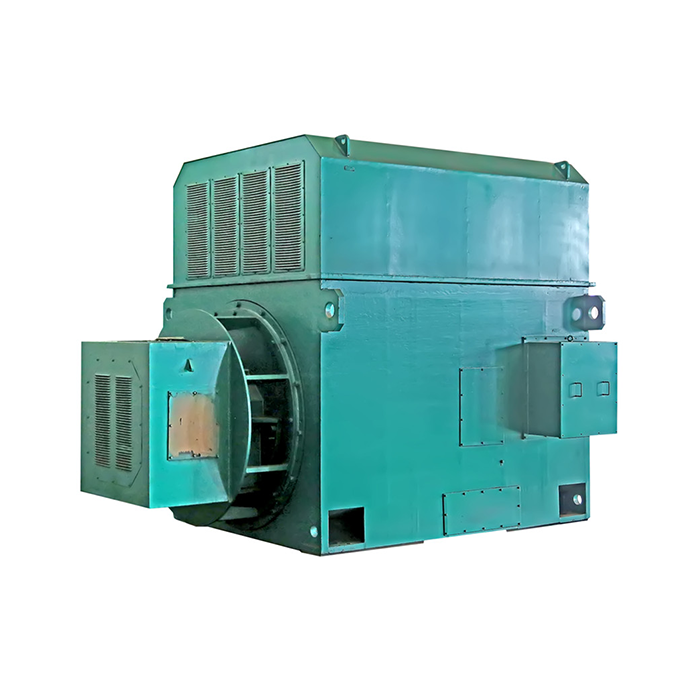
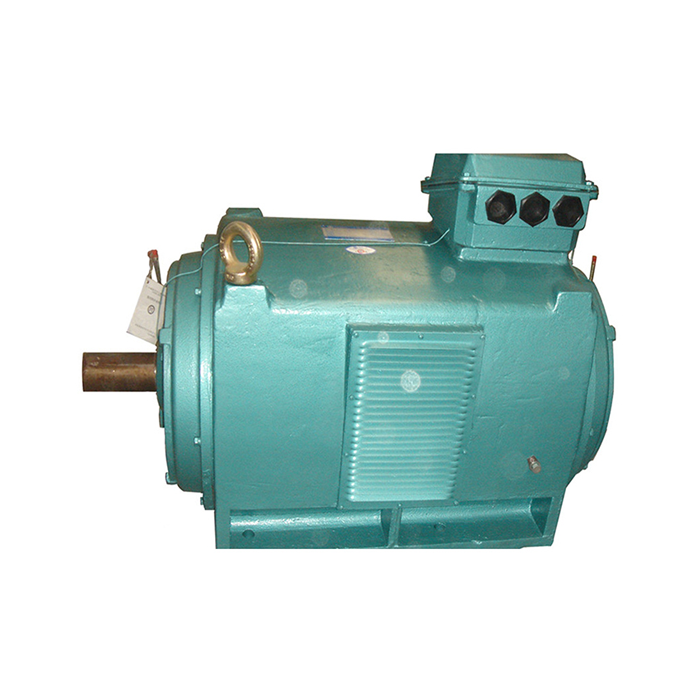
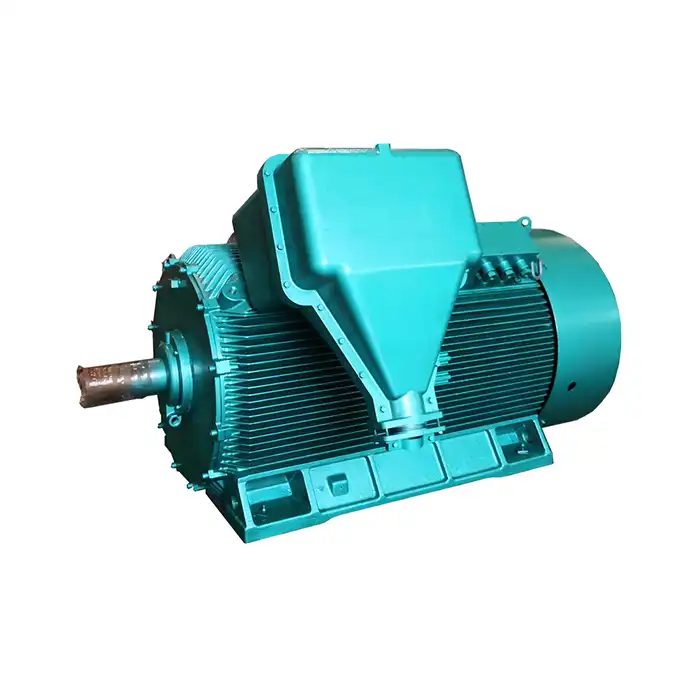
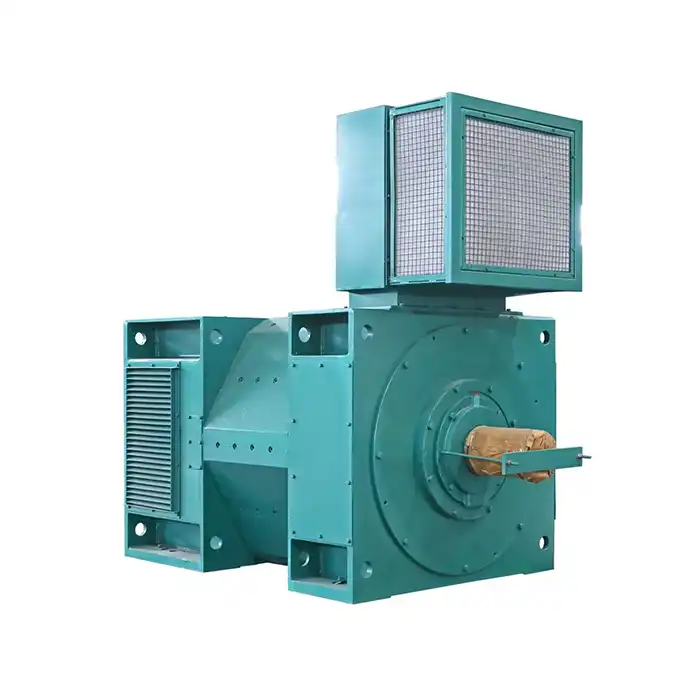
Series:YRQ
Voltage range:380V±5%
Power range:45-800kW
Protection level:IP23
Application:YRQ(JR) series medium-sized motors can drive a variety of different machinery, such as fans, compressors, water pumps, crushers, ball mills, cutting machine tools, transportation machinery and other equipment, and can be used in coal mines, machinery industries, power plants and various industrial and mining enterprises. Used as prime mover.
Advantage: The JR series medium-sized motors have very powerful driving capabilities and can not only drive conventional mechanical equipment, but also some complex mechanical equipment. For example, it can drive heavy machinery such as ships, cranes, and wind turbines, as well as small household appliances, purifiers, compressors, etc.
Others: SKF, NSK, FAG bearings can be replaced according to customer requirements.
Understanding Low Voltage Induction Motor Technology
A low voltage induction motor represents one of the most reliable and widely-used electric motors in modern industry. These three-phase motors operate by creating a rotating electromagnetic field in the stator windings, which induces currents in the rotor without direct electrical connection. The beauty of this design lies in its simplicity and durability.
The principal rule spins around electromagnetic induction, found by Michael Faraday in the 1830s. When substituting current streams through the stator windings, it produces a pivoting attractive field. This field cuts through the rotor conductors, actuating voltage and current that make its claim an attractive field. The interaction between these areas produces torque, causing the rotor to spin.
Most mechanical applications utilize squirrel cage rotors due to their strong development and maintenance-free operation. The rotor comprises aluminum or copper bars short-circuited by end rings, taking after a squirrel cage. This plan disposes of the requirement for slip rings and brushes, decreasing support prerequisites significantly.
The voltage rating decides the motor's classification as moo voltage. In mechanical settings, these engines regularly work at 380V, 440V, or 660V, making them appropriate for different control dispersion frameworks. The recurrence, ordinarily 50Hz or 60Hz depending on territorial measures, influences the motor's synchronous speed and execution characteristics.
The Critical Industrial Problems These Motors Solve
Manufacturing facilities face numerous challenges that low voltage induction motors address effectively. Energy costs continue rising, pushing companies to seek efficient solutions that reduce operational expenses. These motors deliver exceptional efficiency ratings, often exceeding 95% in larger sizes, translating to substantial energy savings over their operational lifetime.
Process control applications require solid hardware that works persistently without failure. Pumps, compressors, and transport frameworks cannot manage startling downtime. The vigorous development of acceptance engines, highlighting cast press outlines and precision-balanced rotors, guarantees a long time of reliable benefit indeed in unforgiving mechanical environments.
Variable stack conditions challenge numerous engine innovations, but acceptance engines handle stack variances nimbly. Their torque characteristics give fabulous beginning capability whereas keeping up steady operation over shifting stack requests. This flexibility makes them perfect for applications where stack necessities alter all through the working cycle.
Maintenance costs essentially affect operational budgets. Conventional engine plans with brushes and slip rings require normal upkeep, making continuous costs and potential disappointment focuses. The brushless plan of squirrel cage acceptance engines kills these concerns, decreasing upkeep necessities to occasional bearing grease and common inspection.
Environmental variables posture extra challenges in mechanical settings. Clean, dampness, and temperature varieties can compromise engine execution. Quality acceptance engines include suitable security evaluations, such as IP23, defending inner components whereas permitting fundamental ventilation for cooling.
Core Features and Functionality Deep Dive
Stator and Winding Design
The stator gets together shapes the stationary parcel of the engine, lodging the windings that make the turning attractive field. High-quality copper windings guarantee ideal conductivity and warm dissemination. The winding setup decides the motor’s post number, straightforwardly influencing synchronous speed. Common arrangements incorporate different shaft plans, advertising diverse speed ranges for assorted applications. The cautious course of action of these windings inside the stator center builds up the establishment for proficient electromagnetic vitality change, specifically impacting both operational characteristics and in general engine performance.
Rotor Construction and Insulation Systems
Rotor development essentially impacts engine execution and unwavering quality. Accurate fabrication strategies make uniform conductor bars that guarantee adjusted operation and minimize vibration. The rotor's warm characteristics influence effectiveness and life expectancy, with fabric choice adjusting cost-effectiveness against execution requests. Engine cover frameworks secure windings from electrical and warm stretch, with progressed separator appraised for high operation, giving fabulous toughness for most mechanical applications. These materials stand up to dampness, chemicals, and warm cycling, amplifying engine life significantly.
Structural Components and Protective Features
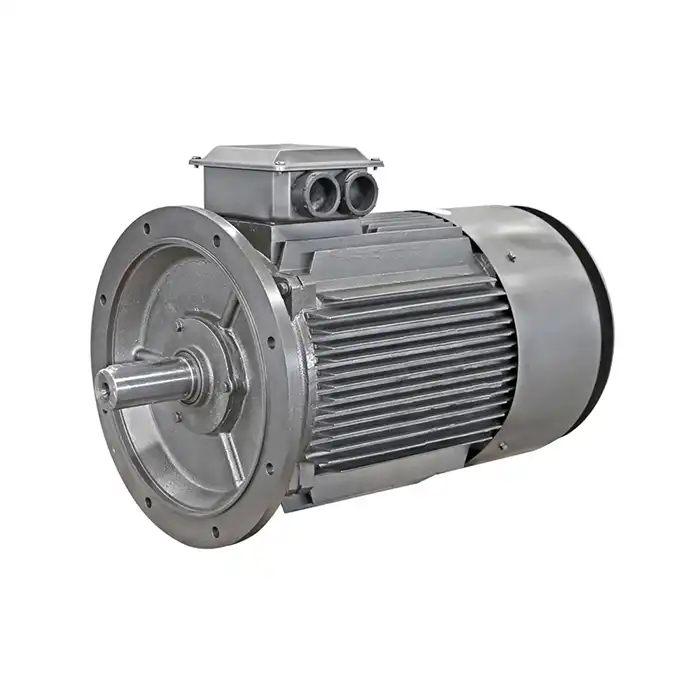
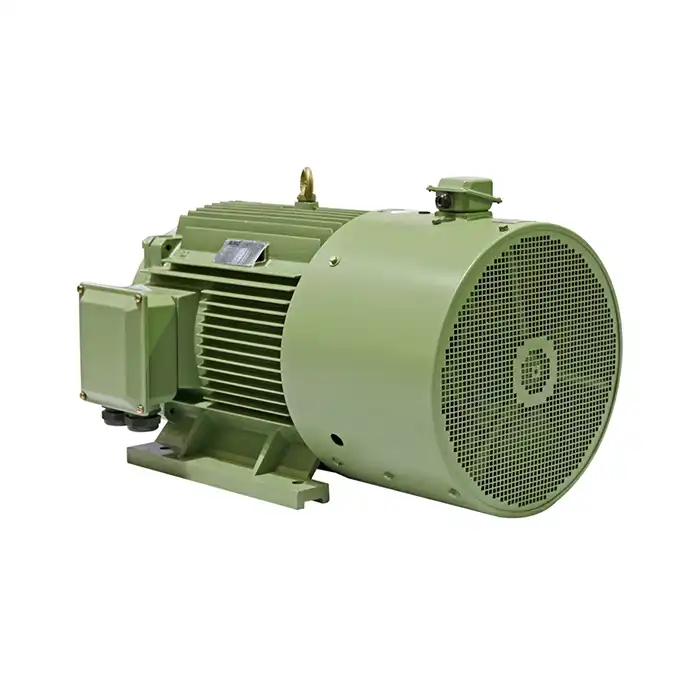
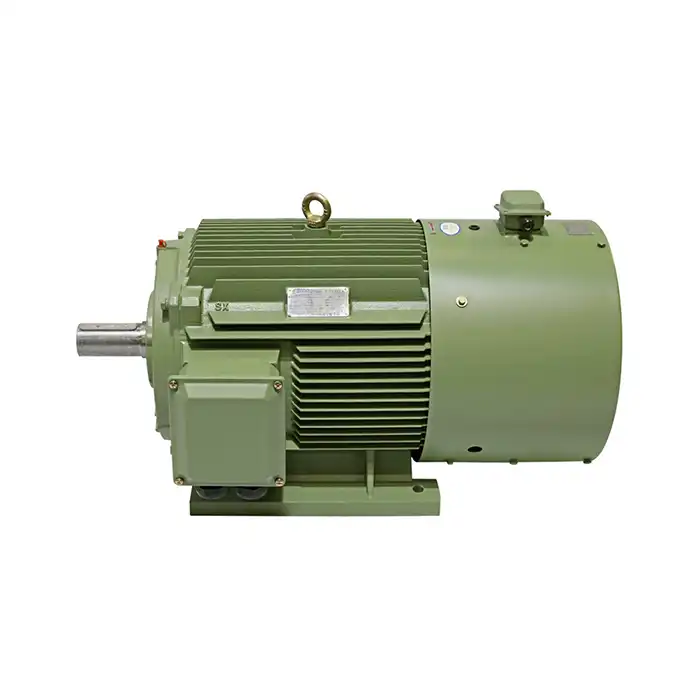
The engine outline gives auxiliary back and warm dissemination, with development materials advertising great stability and warm mass to offer assistance keep up steady working temperatures. Mounting adaptability obliges different establishment prerequisites, including foot-mounted, flange-mounted, and combination arrangements. Bearing choice impacts engine unwavering quality and support requirements, with high-quality components guaranteeing smooth operation and amplified benefit life. Temperature sensors implanted in the windings screen warm conditions and trigger defensive activities when limits are surpassed, anticipating harm from overheating conditions and expensive engine failures.
Understanding the Technology Behind Induction Motors
The electromagnetic standards overseeing acceptance engine operation make captivating intelligence between electrical and mechanical systems. The turning attractive field voyages at synchronous speed, decided by the supply frequency and shaft speed. The rotor continuously works at a marginally less than synchronous speed, making the slip essential for torque production.
Slip rate straightforwardly relates to engine stacking and proficiency. At full stack, commonplace slip values extend from 2-5%, meaning the rotor pivots 2-5% slower than the synchronous speed. This slip actuates the rotor streams essential for torque generation. Higher slip shows expanded stacking, but moreover decreased effectiveness due to expanded rotor losses.
Starting characteristics recognize acceptance engines from other engine sorts. Amid startup, the engine draws an altogether higher current, frequently 6-8 times the full stack current. This beginning current surge requires cautious thought in electrical framework plan. Different beginning strategies, counting direct-on-line, star-delta, and delicate starters, oversee these characteristics based on application requirements.
Power calculate changes with stacking conditions, influencing electrical framework's efficiency. Gently stacked engines display destitute control figure, whereas appropriately stacked engines keep up satisfactory control figure levels. Capacitor banks or control calculate adjustment gear regularly compensate for responsive control utilization in huge installations.
Harmonic substance in the supply voltage can influence engine execution and efficiency. Cutting-edge control hardware make consonant mutilation that may cause extra warming and vibration. Quality engine plans highlight that minimize consonant affectability and keep up execution beneath these conditions.
Key Advantages That Drive Market Adoption
Reliability stands as the primary advantage driving widespread adoption of low voltage induction motors. The absence of wearing components like brushes and slip rings eliminates common failure points. Properly maintained induction motors routinely operate for decades with minimal intervention, providing exceptional return on investment.
Cost-effectiveness encompasses both initial purchase price and lifetime operating costs. Induction motors offer competitive pricing compared to other motor technologies while delivering superior efficiency. Energy savings over the motor's lifetime often exceed the initial purchase cost, making them economically attractive for budget-conscious operations.
Versatility enables these motors to serve diverse applications across multiple industries. The same basic motor design adapts to different loads and operating conditions through mounting options, protection levels, and accessories. This standardization simplifies procurement, spare parts inventory, and maintenance procedures.
Speed control capabilities have expanded significantly with modern variable frequency drives. While traditionally considered constant-speed devices, induction motors paired with electronic drives provide precise speed control over wide ranges. This combination delivers the reliability of induction motors with the flexibility of adjustable speed operation.
Environmental compatibility makes these motors suitable for challenging industrial environments. Robust construction withstands temperature extremes, humidity, dust, and vibration. Special designs accommodate explosive atmospheres, corrosive environments, and outdoor installations.
Efficiency levels continue improving through advanced design techniques and materials. Premium efficiency motors reduce energy consumption by 2-8% compared to standard designs. Over the motor's lifetime, these improvements generate substantial cost savings while reducing environmental impact.
Potential Limitations and Considerations
Starting current requirements present challenges in some electrical systems. The high inrush current during motor startup can cause voltage dips affecting other equipment. Weak electrical systems may require special starting methods or infrastructure upgrades to accommodate large induction motors.
Power factor characteristics vary significantly with loading conditions. Unloaded or lightly loaded motors consume reactive power, affecting overall system efficiency. This consideration becomes important in applications with frequent starting and stopping or variable load patterns.
Speed control limitations exist when using basic induction motors without electronic drives. The synchronous speed depends on supply frequency and pole count, providing limited speed adjustment options. Applications requiring wide speed ranges or precise speed control need additional equipment.
Efficiency drops at partial loads, a consideration for applications with varying demand. Motors operate most efficiently at or near full load ratings. Oversized motors operating at partial loads waste energy and increase operating costs.
Environmental factors can affect performance and lifespan. High ambient temperatures reduce motor capacity and efficiency. Altitude affects cooling and insulation performance. These factors require consideration during motor selection and installation.
Maintenance requirements, while minimal, cannot be ignored completely. Bearing lubrication, thermal monitoring, and electrical connections need periodic attention. Neglecting basic maintenance leads to premature failures and reduced efficiency.
Low Voltage Induction Motors vs. Alternative Technologies
Comparing low voltage induction motors to permanent magnet synchronous motors reveals distinct advantages and disadvantages. Permanent magnet motors offer superior efficiency and power density, but cost significantly more. The rare earth magnets face supply chain uncertainties and price volatility. Induction motors provide stable pricing and readily available materials.
Brush-type DC motors require frequent maintenance due to commutator wear. While offering excellent speed control characteristics, the maintenance burden and shorter lifespan make them less attractive for continuous duty applications. Induction motors eliminate these concerns while providing comparable performance with electronic drives.
Synchronous motors achieve higher power factors and slightly better efficiency but require more complex control systems. The added complexity increases initial costs and maintenance requirements. Most applications find induction motors provide adequate performance at lower total cost.
Servo motors excel in precision positioning applications but cost substantially more than induction motors. Their sophisticated control systems and feedback devices add complexity unsuitable for basic industrial applications. Induction motors serve general-purpose applications more economically.
Universal motors offer high speed and power-to-weight ratios but suffer from brush wear and limited lifespan. Their use typically restricts to portable tools and small appliances rather than industrial applications requiring long service life.
Target Audience and Ideal Use Cases
Manufacturing facilities across automotive, aerospace, electronics, and food processing industries rely heavily on induction motors for various applications. Conveyor systems, machine tools, and processing equipment benefit from their reliability and versatility. The ability to operate continuously in demanding environments makes them indispensable in production environments.
HVAC and refrigeration systems utilize these motors extensively for fans, compressors, and pumps. Commercial buildings depend on reliable motor operation for comfort and safety systems. Residential applications include air conditioning systems, heat pumps, and ventilation equipment.
Energy and utilities sectors employ large induction motors for critical infrastructure. Power generation facilities use them for auxiliary equipment like cooling water pumps and fuel handling systems. Water treatment plants rely on their dependability for pumps and blowers essential to water quality maintenance.
Process control applications in chemical, oil, and gas industries demand motors capable of continuous operation in challenging environments. Pumps, compressors, and agitators require the robust construction and reliability that induction motors provide.
Transportation industries utilize these motors in various applications including conveyor systems, ventilation equipment, and auxiliary machinery. Railways, shipping companies, and airports depend on their reliable operation for cargo handling and passenger comfort systems.
Conclusion
Low voltage induction motors continue evolving to meet increasingly demanding industrial requirements. Advanced materials and manufacturing techniques improve efficiency while reducing costs. Integration with smart monitoring systems enables predictive maintenance and optimized performance. The push toward sustainability drives continued efficiency improvements and reduced environmental impact. Future developments will likely focus on enhanced efficiency, reduced material consumption, and improved recyclability. These motors will remain essential components in the transition to more sustainable industrial operations. Market demand continues growing across all industrial sectors, driven by infrastructure development and industrial automation expansion. The proven technology, combined with ongoing improvements, ensures these motors will continue serving as reliable workhorses in industrial applications for decades to come.
Frequently Asked Questions
Q1: What voltage range qualifies as low voltage for induction motors?
A: Low voltage induction motors typically operate below 1,000V AC, with common industrial voltages including 380V, 440V, 480V, and 660V. The specific voltage depends on regional power distribution standards and application requirements.
Q2: How long do low voltage induction motors typically last?
A: Quality induction motors routinely operate for 15-20 years or more with proper maintenance. Factors affecting lifespan include operating environment, load conditions, maintenance quality, and initial motor quality. Some motors in favorable conditions exceed 30 years of service.
Q3: Can induction motors operate at variable speeds?
A: While induction motors naturally operate at fixed speeds determined by frequency and pole count, variable frequency drives enable precise speed control over wide ranges. This combination provides the reliability of induction motors with flexible speed adjustment capabilities.
Partner with XCMOTOR for Your Low Voltage Induction Motor Needs
XCMOTOR stands ready to support your industrial motor requirements with our comprehensive range of reliable induction motors. As an experienced low voltage induction motor supplier, we understand the critical role these motors play in your operations. Our YRQ series motors, spanning 45-800kW, deliver the performance and durability your applications demand. Contact our technical team at xcmotors@163.com to discuss your specific requirements and discover how our solutions can enhance your operational efficiency and reliability.
References
1. Chapman, Stephen J. "Electric Machinery Fundamentals." McGraw-Hill Education, 2012.
2. Fitzgerald, A.E., Charles Kingsley Jr., and Stephen D. Umans. "Electric Machinery." McGraw-Hill Science Engineering Math, 2003.
3. Boldea, Ion, and Syed A. Nasar. "The Induction Machine Handbook." CRC Press, 2002.
4. Sen, P.C. "Principles of Electric Machines and Power Electronics." John Wiley & Sons, 2013.
5. Krause, Paul C., Oleg Wasynczuk, and Scott D. Sudhoff. "Analysis of Electric Machinery and Drive Systems." IEEE Press, 2013.
6. Miller, John M. "Power Electronics and AC Drives." Prentice Hall, 1989.