



Import Vertical Water Pump Motors: Cost & Tips
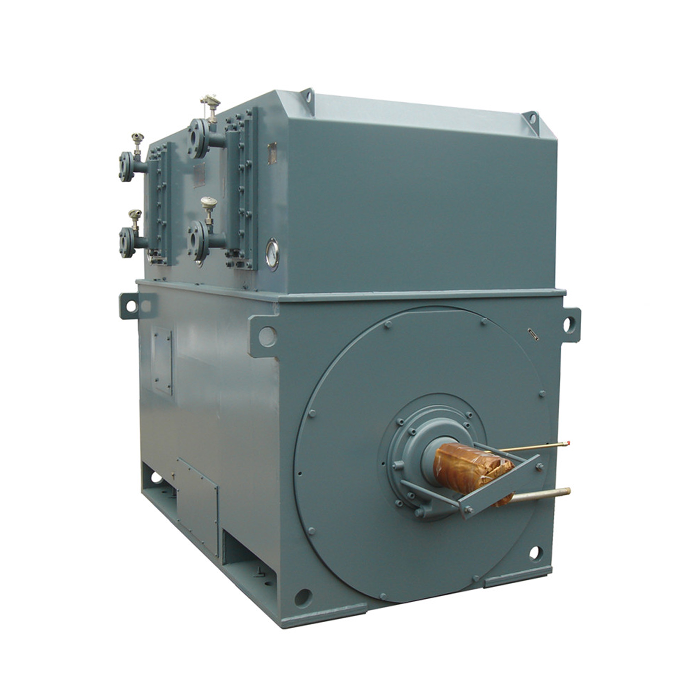
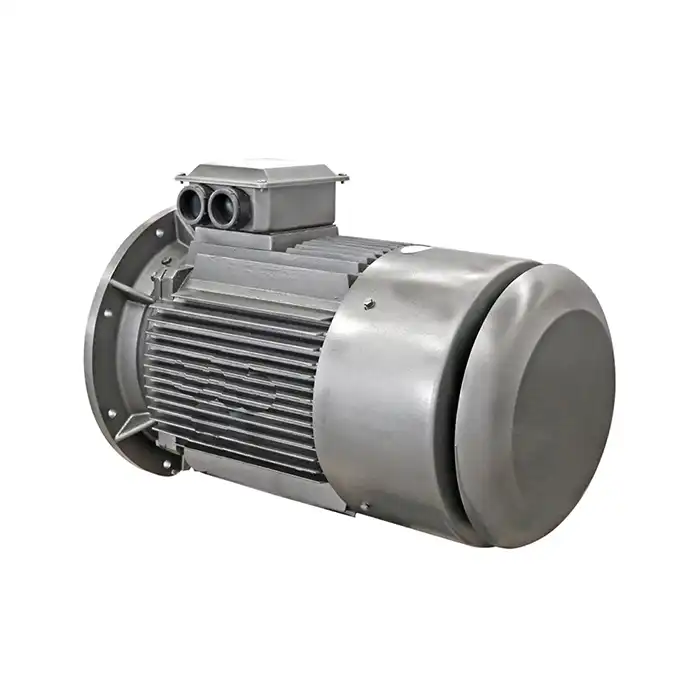
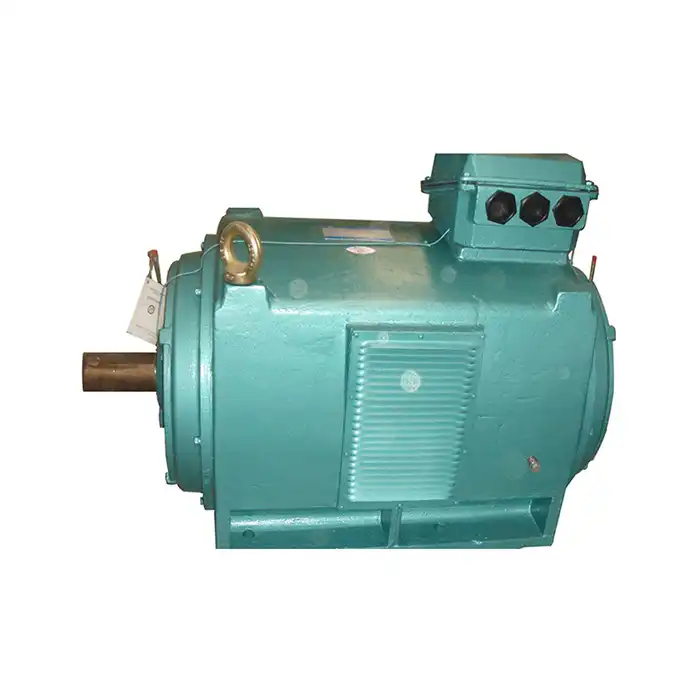
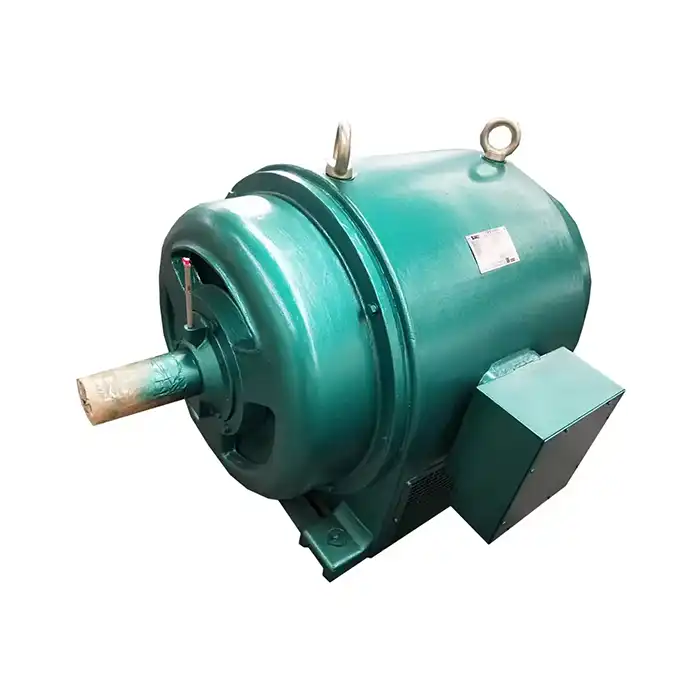
Technical parameters, regulatory compliance, and supply chain management are crucial when importing a Chinese vertical water pump motor. Understanding pricing structures, trade terms, and quality standards helps prevent procurement mistakes. Successful supplier assessment, certification verification, and clear communication build long-term industrial collaborations. International industrial equipment sourcing requires strategic planning and experienced direction. Vertical pump motors come in several price and quality ranges. Cost and performance must be balanced while traversing complicated import processes and paperwork.
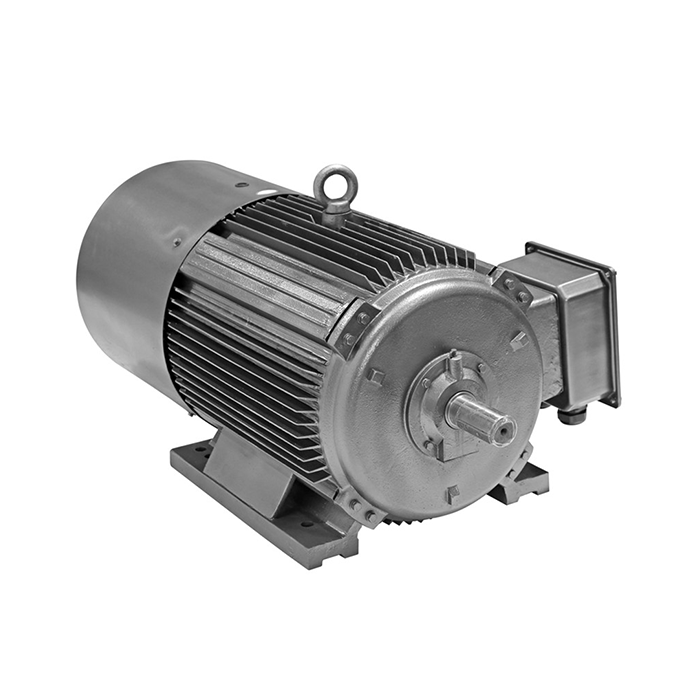
Series:YVFE2
Frequency conversion range:30hz~50hz,5hz~70hz,5hz~100hz
Power range:0.75-355kW
Protection level:IP55
Application:are suitable for driving various mechanical equipment that require continuous and frequent forward and reverse rotation, such as steel rolling, lifting, transportation, machine tools, printing and dyeing, papermaking, chemicals, textiles, pharmaceuticals, etc., and can be used with various domestic and foreign variable frequency power supplies.
Advantage:high efficiency, wide speed range, high precision, stable operation, and easy operation and maintenance.
Certificate:installation dimensions comply with International Electrotechnical Commission (IEC) standards.
Others: SKF, NSK, FAG bearings can be replaced according to customer requirements.
Why Source Vertical Water Pump Motor from China?
Manufacturing Excellence and Innovation
Chinese electric motor production has become a global leader in recent decades. The country produces 60% of global electric motors, principally vertical water pump motors. Technical innovation, R&D spending, and industrial process improvement have led to this dominance for decades. Chinese companies have world-class manufacturing capability. Advanced automation, accurate machining, and quality control preserve product quality. Global quality management systems at many facilities need comprehensive testing to establish performance objectives across operating conditions. Supplier concentration drives innovation and cost optimisation via competition. Manufacturers invest in new technology, materials, and designs to compete. In this competitive market, international buyers may get cutting-edge products at low prices.
Cost Advantages and Value Proposition
Due to economies of scale, efficient supply chains, and better production processes, Chinese manufacturing costs are competitive. Supply networks with component suppliers, raw material sources, and assembly facilities nearby help vertical water pump motor manufacturers. Integration reduces transportation costs, lead times, and produces just-in-time. Labour productivity has increased, but wage growth is lower than in affluent countries. Chinese manufacturers have spent heavily in automation and process optimisation, increasing productivity and lowering costs for global customers. Depending on specs and purchase quantities, these reductions may be 20% to 40% off equivalent products from other sources.
Understanding Technical Specifications and Standards
Critical Performance Parameters
Selecting a vertical water pump motor requires careful evaluation of technical factors that impact system performance and reliability. Since most industrial applications demand 0.55kW to 315kW, power is the key concern. Pump settings, head, flow rates, and system efficiency goals affect power needs. Modern pumps require frequency conversion. Speed control using variable frequency drives saves energy and prolongs equipment life. Flexible for various operating conditions, the YVFE2 series spans 5Hz to 100Hz. A smooth start, speed optimisation, and energy savings under varying loads are possible with this wide frequency range. The local power grid must meet voltage norms. Standard configurations include 380V, 400V, 415V, and 660V, with customisation. Motor protection class ratings indicate environmental resistance. Most industrial applications only need IP55 dust and water protection; higher certifications are available for extreme conditions.
Material Quality and Construction Standards
Motor construction quality impacts performance, reliability, and durability. Cast-iron frames are stronger and vibration-resistant than aluminium. The strong construction can handle pumping and vertical installation. Quality copper windings improve electrical and thermal performance. Bearing quality considerably impacts reliability and maintenance. High-quality SKF, NSK, and FAG bearings last longer and perform better. These bearings operate reliably under tough working conditions following quality testing. Sealed bearings save maintenance and pollution. Insulation class indicates thermal resistance. Class F insulation (155°C) provides thermal protection and efficiency over temperature for most applications. Balanced rotors decrease vibration and noise and work smoothly at all speeds.
International Compliance and Certifications
Certifications verify product compliance with international and regulatory requirements. 9001:2015 certifies quality management and continuous improvement. CE certification ensures EU safety, health, and environmental requirements, enabling EU market access. Regional certifications may be required when GOST certification opens markets in former Soviet nations. IEC standards govern motor size, performance, and testing. IEC standards facilitate integration and ensure global equipment compatibility. Environmental rules increasingly impact motor design and production. Energy efficiency, material restrictions, and end-of-life recycling vary by region. Understand these standards to simplify imports and prevent compliance issues.
Navigating Import Procedures and Trade Terms
Understanding Trade Terms and Cost Allocation
International trade agreements set buyer-seller responsibilities, expenses, and risk. Understanding these terms facilitates cost comparisons and eliminates misinterpretation. Ex Works (Ex Works) requires the client to handle supplier plant shipping, insurance, and customs. This system requires substantial logistics yet is cost-transparent. FOB provisions transfer responsibility to the consumer when things are shipped. Suppliers pass export customs and deliver to ports. Sea freight, insurance, and import are handled by buyers. This balances tariffs and international transit expenses. CIF ocean freight and marine insurance are included in the purchase price. The client takes the risk when the provider ships to port. Buyers gain from streamlined logistics, but insurance rates and carrier alternatives may rise.
Documentation Requirements and Procedures
Importers must document transaction data, product specifications, and compliance. Commercial invoices provide products, quantities, unit prices, and totals. An accurate invoice prevents customs delays and ensures duty calculations. Packing lists include container contents, dimensions, and weights. Customs and port cargo processing benefit from this data. Transport bills of lading establish commodity ownership. These documents must accurately reflect shipment and consignee. Certificates of origin authenticate product manufacturing sites and provide preferential tariff treatment under trade agreements. Technical certifications verify safety, quality, and performance. Materials may include test findings, inspection certificates, and manufacturer comments.
Payment Methods and Risk Management
Payment arrangements balance security and cashflow. Bank-to-bank T/T transactions are cheap and fast. Producers get operational financing and risk mitigation with 30% deposit and 70% balance before delivery. Bank guarantees and letters of credit ensure payment and shipment and paperwork compliance. Both sides are protected by these costly and sophisticated technologies. Banks manage paperwork in cheaper documentary collections than letters of credit. Trade finance addresses international cash flow and currency issues. Trade credit finances imports, whereas forward contracts lock in exchange rates for future payments.
Cost Structure and Budget Planning
Component Analysis and Price Factors
Vertical water pump motor price includes many cost components that purchasers should grasp for budgeting. Materials like copper, steel, and specialty alloys account for 40-50% of production expenses. Copper prices affect motor costs owing to winding and conductivity requirements. Labor expenditures make up about 15-20% of overall costs, depending on industrial complexity and automation. Assembly, quality control, and testing demand trained professionals and increase labor costs. Facility charges, equipment depreciation, and administrative costs account for 20-25% of manufacturing costs. Quality control and testing increase production costs by 5-10% but assure product dependability and compliance. Material inspection, performance testing, and certification verify product requirements and regulatory compliance.
Market Pricing and Negotiation Strategies
Price strategies depend on order quantity, customisation, and suppliers. Most volume discounts start at 10-50 units, with considerable savings for purchases above 100. Long-term supply agreements provide project supply certainty and advantageous cost. Customization affects price via engineering, tooling, and manufacturing complexity. Specialist designs entail development expenses that may be amortized over numerous purchases, but standard layouts are most cost-effective. Understanding specification requirements optimizes cost-performance trade-offs. Raw material costs, market circumstances, and manufacturing capacity utilization affect pricing. Suppliers may give discounts for new customers or during low-demand times. Partnering with several vendors ensures cost and supply security.
Supply Chain Management and Lead Times
Production Planning and Scheduling
Vertical water pump motor manufacturing lead times vary depending on specs, customisation, and production volume. Customized designs might take 30-45 days, while standard versions take 15-25. Advanced specs or high-power versions may demand more engineering and production time. Order backlogs, material availability, and manufacturing capability determine the production schedule. Construction seasons and big project cycles may lengthen lead times. Early supplier participation improves production planning and delivery schedules. Quality control delays manufacturing but ensures product dependability. Testing processes may take days for performance validation, certification, and documentation. Rushing manufacturing might undermine quality control and raise defect risks.
Logistics and Transportation Considerations
International shipping conditions greatly affect delivery times and prices. Ocean freight is the cheapest way to ship basic goods, taking 15–35 days depending on destination ports. Container consolidation makes shipping smaller amounts cheaper. Air freight delivers important items more quickly but costs more. Express shipping reduces key application transit times to 5-10 days. Partial air shipping of crucial components ensures project continuity and lowers transportation expenses. Port efficiency and customs clearance impact delivery times. Smaller ports may be cheaper but slower, whereas major ports provide quicker processing and better service. Understanding port characteristics optimizes routing.
Quality Assurance and Supplier Evaluation
Manufacturing Capability Assessment
Assessing supplier production capabilities demands thorough facility, equipment, and process evaluation. Advanced machining centers, automated assembly systems, and testing equipment are used in modern factories. Quality and manufacturing efficiency are shown by these investments. Quality management systems ensure product quality and improvement. ISO 9001 certification shows quality management, but vendors may behave differently. Manufacturing, quality control, and worker competence may be assessed during facility audits. Design engineering, customisation, and problem-solving are technical skills. Technical support, design optimization, and application help are available from competent engineering suppliers. Complex applications and continuing product development benefit from these capabilities.
Testing and Validation Procedures
Comprehensive testing techniques verify motor performance under specific situations. Performance testing covers efficiency, temperature increase, vibration, and noise tests. These tests verify requirements and detect reliability concerns. Extreme temperatures, humidity, and contamination resistance are tested in the environment. These tests forecast field performance and reveal design flaws. Accelerated life testing reveals long-term dependability and maintenance needs. Independent third-party testing and certification verify performance and regulatory compliance. Accredited testing facilities provide reliable verification services that meet client and regulatory standards.
Why XCMOTOR is Your Ideal Import Partner?
Proven Track Record and Industry Expertise
Shaanxi Qihe Xicheng Electromechanical Equipment Co., Ltd. has decades of power equipment solutions expertise in many industries. Manufacturing, HVAC, energy utilities, and demanding vertical water pump motor applications are the company's specialties. This extensive industry knowledge helps comprehend application needs and performance expectations. XCMOTOR's high-efficiency, low-consumption power equipment meets current sustainability and operating cost goals. The company's consistent power supply offers dependable performance in demanding applications where downtime is costly. Technical competence covers pre-sales advice and after-sales assistance across equipment lifecycles. XCMOTOR's value proposition prioritizes product authenticity. Using genuine parts from renowned companies minimizes worries about counterfeits or poor materials. This method supports long-term operational goals and performance reliability, and international standards.
Service Excellence and Customer Support
XCMOTOR provides weekend customer service. This commitment emphasizes the worldwide nature of industrial operations, where equipment failures may occur outside schedules. Rapid reaction reduces downtime and ensures vital application continuity. Product selection and quality are assured by the 30-day return policy. This philosophy shows product quality confidence while giving clients freedom to handle specification discrepancies or unexpected application needs. Comprehensive return processes reduce administrative hassles and resolve difficulties with ease. Project timelines and emergency replacements benefit from fast delivery. Free delivery reduces acquisition expenses and simplifies procurement. Effective logistics management enables timely delivery across regions and markets.
Technical Innovation and Customization Capabilities
XCMOTOR's vertical water pump motors vary from 0.55kW to 315kW, meeting industrial needs. Voltage flexibility supports varied electrical systems, while 5Hz–100Hz frequency conversion allows accurate speed control and energy management. SKF, NSK, and FAG bearings provide high reliability and long service life. Premium components cut maintenance costs and increase system dependability, justifying greater initial expenditures. Customize bearing selection depending on application and operating circumstances. B3, B5, B35, and V1 mounting configurations meet different installation needs. This adaptability facilitates system integration and meets mechanical and space requirements. Applications with unusual setups might need custom mounting techniques.
Common Pitfalls and Risk Mitigation
Specification and Compatibility Issues
Correct specification communication saves expensive errors and delivery delays. Electrical voltage, frequency, and protection class must meet application needs and local infrastructure. Mechanical criteria like mounting, shaft, and connection guarantee system integration. The environment greatly affects motor selection and performance. Design and material choices depend on operating temperature, humidity, and pollution. Altitude affects cooling and insulation, especially for high-elevation sites. Motor size and design depend on load and application duty cycles. Thermal management differs for intermittent and continuous duty applications. Optimized efficiency curves and variable frequency drive compatibility may benefit fluctuating load scenarios.
Quality Control and Inspection Procedures
Products are inspected before shipping to ensure quality and requirements. Manufacturing faults, damage, and non-conformities are seen visually. Performance testing ensures electrical, mechanical, and operational aspects meet standards. Certificates, test results, and conformity declarations are verified by documentation review. Missing or improper paperwork might delay customs, regulations, or warranties. Thorough documentation review avoids these issues and streamlines imports. Independent third-party inspections verify quality and reduce risk. These services are especially useful for high-value orders or essential applications where product failures have serious repercussions. Independent inspection reports enhance quality assurance with impartial evaluations.
Financial and Legal Considerations
To balance risk and clarify performance requirements, contract terms must be reviewed. Payment terms should match project needs and cash flow while protecting both parties. Delivery terms must match project timelines and logistics. Transportation hazards, product flaws, and performance failures are insured. Marine insurance covers shipping hazards, and product liability covers defects. Design and specification flaws are covered under professional responsibility. Warranty and service duties must be clearly defined to avoid conflicts and provide proper protection. Warranty coverage should include manufacturing faults and performance promises with clear claim processes. Service availability and technical support affect TCO and operational risk.
Conclusion
Technical requirements, supplier assessment, and import processes are crucial when importing Chinese vertical water pump motors. Understanding pricing structures, quality standards, and regulations helps make long-term purchase choices. International sourcing connections that support operational goals across varied industrial applications need strong supplier alliances, thorough documentation, and good communication.
FAQ
1. What are the key factors to consider when importing a vertical water pump motor from China?
Technical specifications, including power ratings, voltage requirements, and protection classes, must align with application demands. Supplier evaluation should encompass manufacturing capabilities, quality certifications, and service support. Import procedures require an understanding of trade terms, documentation requirements, and customs procedures. Quality assurance through testing and inspection ensures product compliance and performance reliability.
2. How do trade terms affect the total cost of importing vertical pump motors?
Trade terms determine responsibility allocation for transportation, insurance, and customs procedures. EXW terms place maximum responsibility on buyers but provide cost transparency. FOB terms balance responsibilities while enabling shipping control. CIF terms include freight and insurance, but may limit carrier selection and increase costs.
3. What certifications should I look for when sourcing a vertical water pump motor from China?
Essential certifications include ISO 9001 for quality management, CE marking for European compliance, and IEC standards for technical specifications. Regional certifications such as GOST may be required for specific markets. Product-specific certificates, including efficiency ratings, safety approvals, and environmental compliance, demonstrate adherence to international standards.
Partner with XCMOTOR for Your Vertical Water Pump Motor Requirements
XCMOTOR stands ready to support your vertical water pump motor procurement needs with comprehensive technical expertise and reliable supply chain management. Our extensive product range, from 0.55kW to 315kW, addresses diverse industrial applications while maintaining competitive pricing and superior quality standards. Connect with our experienced team at xcmotors@163.com to discuss your specific requirements and discover why XCMOTOR serves as the preferred vertical water pump motor supplier for industrial automation, HVAC, energy utilities, and specialized applications worldwide.
References
1. International Electrotechnical Commission. "Rotating Electrical Machines - Part 1: Rating and Performance Standards." IEC 60034-1:2017.
2. China Association of Electrical Equipment Industry. "Annual Report on Electric Motor Manufacturing Industry Development." Beijing: CAEEI Publications, 2023.
3. World Trade Organization. "Technical Barriers to Trade Agreement: Electrical Equipment Standards and Certification Requirements." Geneva: WTO Publications, 2022.
4. International Organization for Standardization. "Quality Management Systems - Requirements for Motor Manufacturing." ISO 9001:2015 Guidelines.
5. Maritime and Port Authority. "International Shipping Documentation and Procedures for Industrial Equipment." Singapore: MPA Technical Bulletin, 2023.
6. Global Water Pumping Systems Market Research. "Vertical Pump Motor Technology Trends and Market Analysis." Industry Research Publications, 2024.