



How to Choose the Best 200HP DC Motor for Your Application
Selecting the right 200hp dc motor for your industrial operation demands careful evaluation of technical specifications, operational requirements, and supplier reliability. A well-chosen motor delivers consistent performance, minimizes downtime, and reduces energy costs across manufacturing, process control, HVAC systems, and power generation applications. Understanding voltage compatibility, torque characteristics, cooling systems, and duty cycles ensures your investment aligns with your production goals. This guide walks you through the essential criteria procurement managers and engineers need to evaluate when sourcing high-performance DC motor solutions for demanding industrial environments.
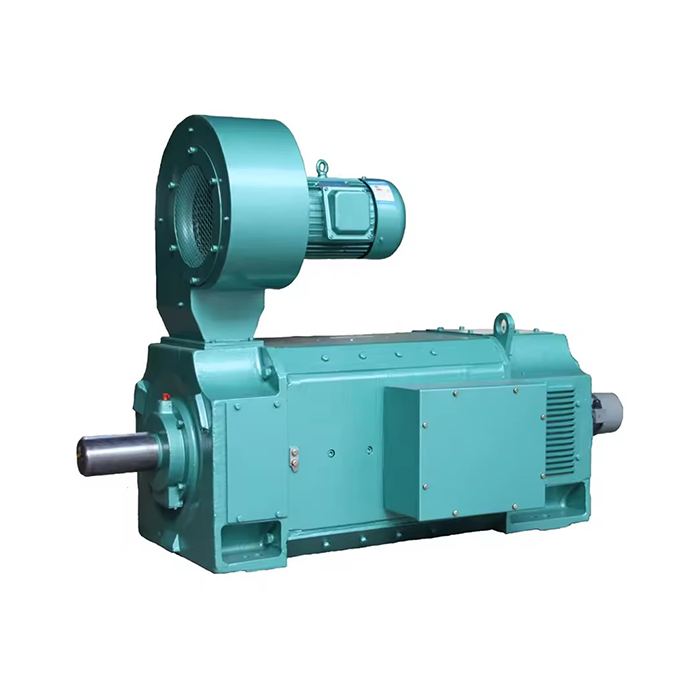
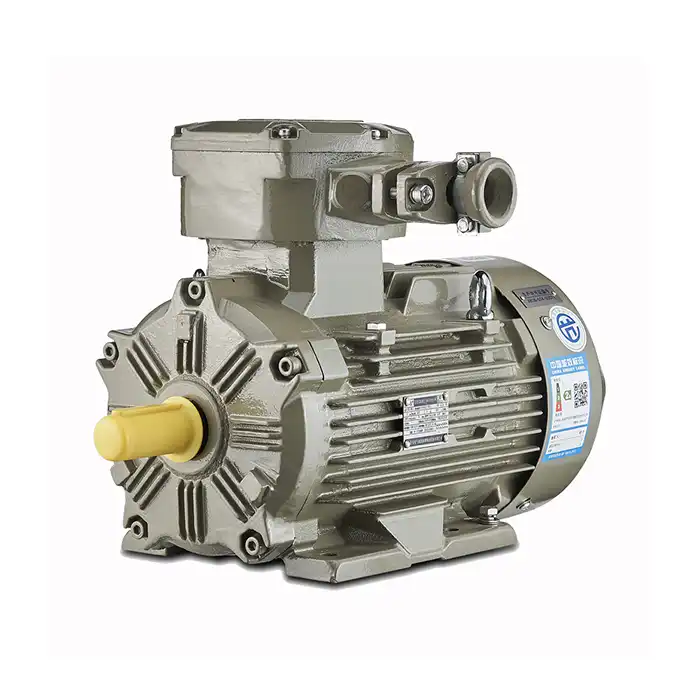
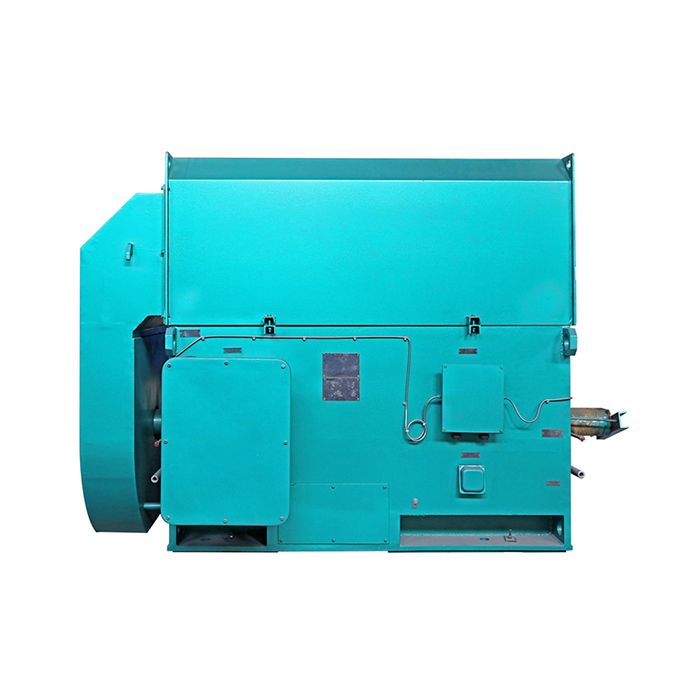
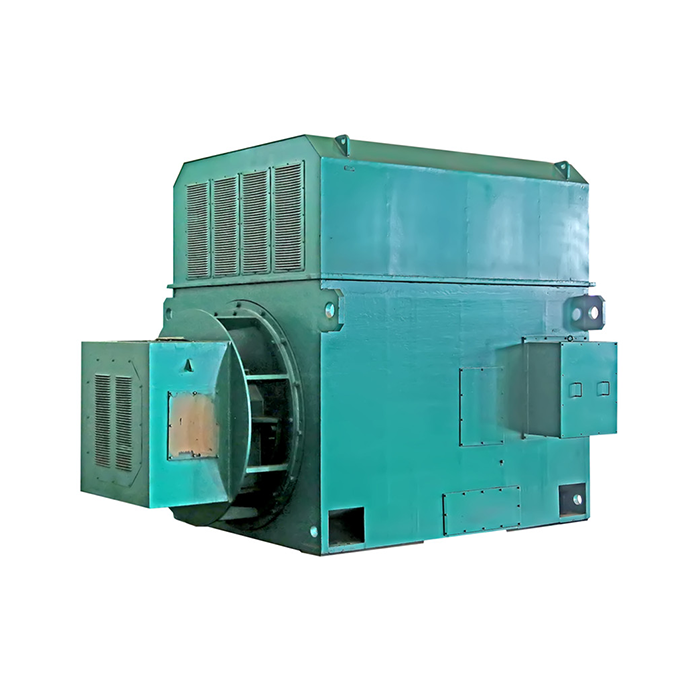
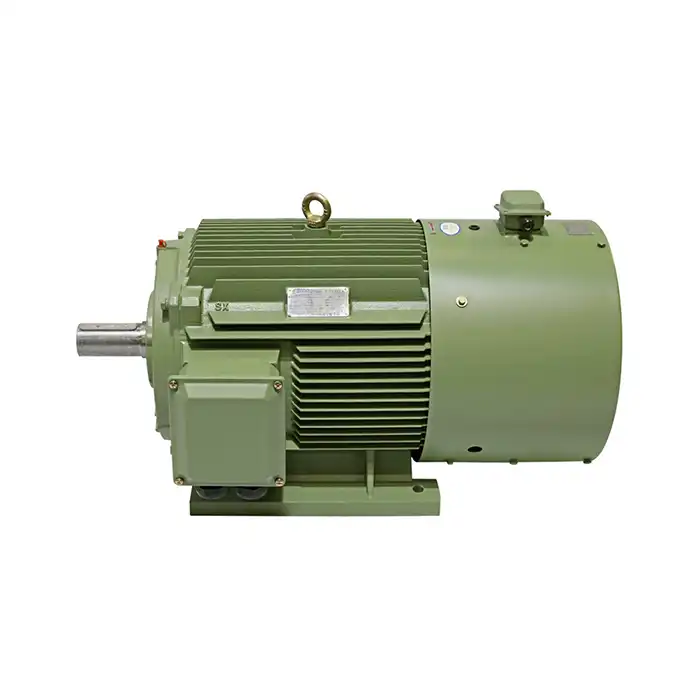
Series:Z4
Frame number: 100-450
Application:Z4 series motorsThis series of motors can be widely used in various industrial sectors such as metallurgical industrial rolling mills, metal cutting machine tools, papermaking, dyeing and weaving, printing, cement, and plastic extrusion machinery.
Power range:1.5-600kW
Voltage range: 160V,440V, etc.
Certificate: The performance of this series of motors not only complies with the national standard GB/T755 "Basic Technical Requirements for Rotating Electrical Machines", but also basically complies with the German VDE0530 standard.
Advantage:Z4 series DC motor has greater advantages than Z2 and Z3 series. It can not only be powered by DC unit power supply, but also suitable for static rectifier power supply. It has small moment of inertia, good dynamic performance, and can withstand high load change rates. It is especially suitable for control systems that require smooth speed regulation, high efficiency, automatic speed stabilization, and responsive response. It has reached the current international advanced level..
Others: SKF, NSK, FAG bearings can be replaced according to customer requirements.
Understanding the Fundamentals of 200HP DC Motors
What Makes a 200HP DC Motor Essential for Industrial Operations
200hp dc motors are perfect for heavy-duty industrial tasks that need precise speed control and a lot of starting torque. Through electromagnetic principles, these motors turn direct current electrical energy into mechanical power. They are easier to handle than many other options. There is a power range of about 149 kilowatts for the 200hp dc motor, which works well in metallurgical rolling mills, metal cutting machine tools, papermaking equipment, and cement production machinery. Because they can handle different amounts while keeping the same speed, they are very useful in many areas.
Core Specifications That Define Performance
The motor's power rating tells you how much work it can do over time. Voltage needs are usually between 160V and 440V, but you can change the voltage to fit your building's electricity system. The motor's ability to beat resistance and start moving depends on its torque output. This is especially important during the starting phase. Operators can smoothly change rotation speeds from 0 RPM to maximum RPM when speed regulation is available. Insulation class F (155°C) protects against heat, and IP23 protection class keeps dust and water out of the internal parts. By knowing these specs, you can better match the motor's abilities to its needs.
Design Features: Construction Types and Cooling Methods
Brushed 200hp dc motor designs are easy to set up and don't cost much because they use carbon brushes to move current to the rotating armature. Brushless configurations get rid of actual contact points, which makes upkeep easier and increases the life of the product. The frame number 100-450 series is made of strong, high-quality materials that can handle heavy use over and over again. For optimal temperature ranges between -15°C and +40°C, forced ventilation cooling systems get rid of the heat that is produced during operation. You can add high-quality bearings from companies like SKF, NSK, and FAG based on the needs of the product. This makes them more reliable in difficult conditions.
Comparing 200HP DC Motors With Alternatives: Making the Right Choice
DC Motors Versus AC Motors for Heavy-Duty Applications
AC induction motors are popular in some industries because they are tough and easy to use. However, 200hp dc motors are better for tasks that need precise speed control. Most AC motors keep their speed fixed by changing the frequency of their power source. 200hp dc motor variants, on the other hand, can change their speed indefinitely by changing the voltage or current. There are big differences in how starting torque works. 200hp dc motors give maximum torque at zero speed, which helps heavy machinery get past initial resistance. When speed changes often or positioning accuracy is important, 200hp dc motor solutions are better because they are easier to control. When it comes to price, AC motors tend to be cheaper to buy, but 200hp dc motors may lower the overall cost of the system by getting rid of complex mechanical transfer parts.
Brushless Versus Brushed DC Configurations
Brushed 200hp dc motor options have simpler control circuitry and require less money up front, which makes them a good choice for projects that need to stay within a budget. The mechanical communication system needs to be maintained because the brushes wear out over time and need to be replaced every so often. Electronic commutation in brushless 200hp dc motors gets rid of this wear point, which means that they don't need to be serviced as often and have less downtime. Brushless designs are a little more efficient when it comes to running costs, but the control electronics make them more expensive at first. In brushless configurations, electromagnetic interference is less likely to happen, which is important for places where electronics are sensitive. Which design works best in a given situation is usually based on the application voltage and control accuracy needs.
Power Class Considerations Beyond 200 Horsepower
Checking to see if 200hp dc motor capacity is really enough for your job stops problems with over- or under-sizing. Undersized motors keep running close to their full capacity all the time, which speeds up wear and increases the chance of failure before its time. When they are only partially loaded, units that are too big waste money and energy. Peak demands, duty cycles, and safety margins should all be taken into account in load analysis. Motors that can handle high load change rates are good for situations where the load changes a lot. The quality 200hp dc motor series' 1.5–600kW power range gives you the freedom to scale up or down as needed. Instead of guessing, talking to applications engineers can help you match the 200hp dc motor power to the real mechanical needs.
Key Criteria for Selecting the Best 200HP DC Motor
Defining Your Precise Application Requirements
Start by writing down the types of mechanical loads that your 200hp dc motor needs to be able to handle. Figure out how much torque is needed at different working speeds, taking into account both steady-state conditions and peak needs during acceleration. Figure out whether your application needs to run all the time, have irregular job cycles, or have different loading patterns. Environmental factors like temperature, humidity, altitude, and dust or corrosive substances can affect the choice of 200hp dc motor. Because of limited space, designs may have to be small or put in a certain way. Depending on the rules in your industry, you may need to have certain certifications or safety classes. This thorough evaluation is the basis for matching motor specs to how they work in real life.
Evaluating Electrical Specifications and Power Supply Compatibility
Voltage compatibility is one of the most important criteria for selection. Facilities that use 160V, 440V, or other voltage standards need 200hp dc motors that are made for those voltage standards. Ratings for current affect the needs for electrical infrastructure, such as the wire gage, safety devices, and delivery equipment. Utility costs are affected by power factor, and you may need special equipment to fix it. It gives you more options for how you run your business because you can use both DC unit power supplies and static rectifier systems. Whether normal or custom setups are needed depends on the speed range. By being clear about these electrical factors early on, you can avoid costly mistakes and make sure that the new system works well with the old one.
Assessing Cooling Systems and Thermal Management
Forced ventilation systems move air over 200hp dc motor windings, which gets rid of the heat that is made when the machine is running. Enough cooling keeps insulation in good shape and stops electrical parts from breaking down too quickly. Ambient operating temperature ranges of -15°C to +40°C work well in most workplace settings, but wider ranges can be used for harsh circumstances. At higher levels above sea level, the cooling system needs to be lowered in order to work as well. Duty cycles affect thermal loading; for example, continuous operation needs stronger cooling than intermittent use. If the environment is dusty or wet, you may need to go above and beyond the standard IP23 protection class. Motor life and dependability are directly linked to how well you handle heat.
Maintenance and Total Lifecycle Cost Analysis
Knowing what repairs will be needed ahead of time helps you make a good budget for long-term ownership. The amount of load, speed, and weather factors affect how often bearings need to be replaced. For brushed 200hp dc motor designs, there are inspection and repair plans for the brushes. Lubrication protocols keep things running smoothly and stop them from wearing out too quickly. When service is needed, having spare parts from dependable suppliers on hand cuts down on downtime as much as possible. The amount of energy a motor uses over its lifetime is often higher than its original cost, so efficiency scores are important from a financial point of view. The costs of downtime vary by industry, but they can be very high in places where production is always going. A full lifecycle analysis shows how decisions about which motor to buy really affect the economy.
Practical Steps to Procure Your 200HP DC Motor
Identifying and Evaluating Qualified Suppliers
Finding possible 200hp dc motor providers starts with looking them up in business directories, trade magazines, and professional networks. Specifications, certificates, and customer reviews can be compared easily on online sites. Manufacturers should be judged on their technical know-how, production capabilities, and quality control methods. Ask for detailed performance curves, 200hp dc motor specification sheets, and proof of compliance. Check to see if the software can be customized if your application needs non-standard settings. Check examples from clients who work in related fields and have similar operational problems. When you visit a factory, you can see how well the products are made and how strict the processes are. Making a short list of suitable providers creates competition, which is good for prices and terms of service.
Understanding Pricing Dynamics and Negotiation Tactics
200hp dc motor prices are based on how much the parts cost, how hard they are to make, and where the product fits in the market. Most of the time, standard catalog items cost less than custom configurations that need engineering changes. When you make a volume commitment, you can get better price and care. Managing cash flow is affected by payment terms. Longer payment windows give you more financial freedom, but they may also raise unit costs. The total cost of ownership includes more than just the price of the item itself. It also includes things like setup, training, replacement parts, and energy use. Transparent communication about project deadlines and budget limits lets suppliers come up with the best solutions. Instead of just lowering prices, negotiations should focus on creating value, which will lead to cooperative relationships that are good for long-term operations.
Navigating Logistics and Installation Support
For 200hp dc motor items that are in stock, lead times range from a few weeks to several months. Things to think about when shipping include how to package the item, how to get it to the destination, what kind of insurance to get, and how to clear customs for foreign sales. By coordinating delivery schedules with project deadlines, you can avoid costly delays or storage costs. Installation help can include anything from simple technical documents to full activation services on-site. Training programs make sure that people who work in maintenance know how to do their jobs and fix problems. Startup help makes sure that the installation went well and that the equipment works properly at first. Making these logistical and support issues clear during procurement stops misunderstandings and makes sure the project goes smoothly.
Emphasizing After-Sales Service and Warranty Coverage
Under comprehensive warranty programs, you are protected against flaws in the manufacturing process and early failures. Standard 200hp dc motor guarantee terms are usually between 12 and 24 months, but you may be able to get longer coverage. Find out what conditions will void your warranty and make sure your working environment meets them. Problems are quickly fixed when you can get technical help by phone, email, or on-site service. How long downtime is during repairs depends on how many spare parts are available. Service networks with locations in the same area can respond faster than sources that are far away. In-house teams are given more power by documentation packages that include operation manuals, maintenance guides, and troubleshooting guides. Strong help after the sale turns sellers into long-term partners who care about the success of your business.
Case Studies and Real-World Applications Across Industrial Sectors
Manufacturing Sector: Precision Metal Cutting Applications
A company that makes accurate aircraft parts had trouble with machined parts having inconsistent surface finishes. Their old motor system didn't have the accurate speed control they needed for tight limits. They were able to achieve ±0.5% speed regulation accuracy after switching to a 200hp dc motor with great speed control features. The small moment of inertia made it possible to react quickly to changes in load during difficult cutting tasks. Improvements to dynamic performance cut cycle times by 12% and improved the quality of the finished part. Maintenance times were stretched because the bearing systems were strong and the cooling worked well, which cut down on unexpected downtime. The amount of energy they used dropped by 8% compared to their old setup, which saved them money over the life of the 200hp dc motor.
Mining Industry: Conveyor System Optimization
A coal mine had a lot of problems with the motors on their main conveyor system, which moved materials from deep activities to the surface. When you mix harsh environmental conditions with changing loads, you get tough working conditions. They asked for industrial-grade 200hp dc motor units with a protection class of IP44 and a wider temperature range. When the machine first started up, the high starting torque reliably overcame belt friction and material inertia. Smooth profiles of acceleration put less stress on the mechanical parts of the conveyor, which made the belt and idler last longer. After 18 months of nonstop use, maintenance records showed that 40% fewer service visits were needed than with their old motors. The investment paid off because it cut down on substitute costs and made the business more available during busy production times.
Material Handling: Automated Storage and Retrieval Systems
A big distribution center put in place automated storage systems that needed to be precisely placed and have speed controls that could be changed. The 200hp dc motors had to be able to handle starting up, stopping, and changing speeds many times a day. By choosing motors with responsive control features, position sensors and control systems could work together more closely. Because it could work well at a lot of different speeds, it wasted less energy when moving into place. Alternatives that made too much noise were not as good for the work environment as ones that were quiet. Over the course of three years of running, the plant showed reliability levels above 99.2% availability. Lessons learned made it clear how important it is to match the dynamic reaction of the motor to the needs of the control system and choose sources who can handle difficult integration issues.
Conclusion
When picking the best 200hp dc motor, you have to balance technical specs with practical buying factors. Knowing the torque, speed, and duty cycle needs of your application is the first step in making the right choice. Long-term dependability and cost-effectiveness are ensured by rating the quality of the construction, the cooling systems, and the energy efficiency. By comparing brushed vs. brushless designs and DC vs. AC options, you can find the technology that works best for your needs. Purchasing risks can be reduced by working with trustworthy providers who offer customization options, full guarantees, and strong after-sales support. The ideas and frameworks in this guide give procurement managers and engineers the power to make smart choices that improve operational performance and keep lifecycle costs low.
FAQ
1. What distinguishes a 200hp dc motor from an equivalent AC motor?
Changing the voltage on a 200hp dc motor is an easy way to change its speed, while changing the frequency on an AC motor usually requires a complicated variable frequency drive. When the speed of a DC unit is zero, it has the most power, which is helpful for big starting loads. AC motors usually cost less at first, but they might need extra control gear. Which one to use depends on whether your application needs precise speed control and dynamic response or whether it wants to keep things simple and save money up front.
2. How frequently should maintenance be performed on industrial DC motors?
When to do maintenance depends on how the 200hp dc motor is used and how it was built. Every 1,000 to 2,000 hours of use, brushed motors need to have their brushes checked and replaced if they need to be. Depending on the load and speed, bearings need to be oiled every 2,000 to 5,000 hours. Every year, a full checkup should check the electrical links, the cooling system, and the insulation resistance. More frequent attention is needed in harsh environments. Setting up condition-based tracking tools helps you get the most out of your repair schedule and avoids failures that you didn't expect.
3. Can 200 horsepower DC motors be customized for specific applications?
Good makers give you a lot of ways to customize their 200hp dc motor products, such as choosing the voltage rating, speed range, mounting setup, and safety class. Different needs can be met by changing the shaft size, bearing type, and cooling system. Frame changes can be made to fit in tight spaces or meet specific mounting needs. Control connections can be changed so that they work with robotic systems that are already in place. Talking to tech teams about specific application factors makes sure that the best configuration fits the needs of operations.
Partner With XCMOTOR for Your Industrial Motor Solutions
As Shaanxi Qihe Xicheng Electromechanical Equipment Co., Ltd., XCMOTOR's main business is providing power equipment solutions that are specifically made for tough industrial uses. We offer 200hp dc motors that are both reliable and have high-tech features that make them ideal for heavy machinery installations, manufacturing processes, and metallurgy. As a result, we only buy parts from well-known brands, so you can be sure of the quality for long periods of time. Dedicated technical support is available seven days a week to help with selection, installation, and ongoing use. Our dedication goes beyond delivering products; it also includes full after-sales service backed by clear guarantee coverage. Our engineering team works together to make sure that the specifications we provide meet your needs as a reliable 200hp dc motor supplier, whether you need standard configurations or custom solutions. You can email us at xcmotors@163.com to talk about your unique application needs and get full technical proposals. Visit motorxc.com to explore our complete product range and discover how our power equipment solutions improve operational efficiency while keeping costs low over the life of the equipment.
References
1. Chapman, Stephen J. Electric Machinery Fundamentals. Fifth Edition. McGraw-Hill Education, 2012.
2. Hughes, Austin and Bill Drury. Electric Motors and Drives: Fundamentals, Types and Applications. Fourth Edition. Newnes, 2013.
3. Boldea, Ion and Syed A. Nasar. The Induction Machines Design Handbook. Second Edition. CRC Press, 2010.
4. Fitzgerald, A.E., Charles Kingsley Jr., and Stephen D. Umans. Electric Machinery. Sixth Edition. McGraw-Hill, 2003.
5. Kenjo, Takashi and Akira Sugawara. Stepping Motors and Their Microprocessor Controls. Second Edition. Oxford University Press, 1994.
6. Gottlieb, Irving M. Electric Motors and Control Systems. McGraw-Hill Professional, 1994.