



Water Cooled Electric Motor vs. Air Cooled Motor: Which Is Better?
When deciding between electric motor systems that are cooled by water and those that are cooled by air, the answer depends on the needs of your application. Water Cooled Electric Motor systems work best in high-power situations, places where they have to run all the time, and places where room is limited. These systems are better at getting rid of heat, which lets them handle more power and last longer. Motors that are cooled by air work well for normal tasks that don't need a lot of power and have enough air flow. The best choice depends on things like the temperature, the amount of power needed, the amount of room available, and how you like to maintain your equipment.

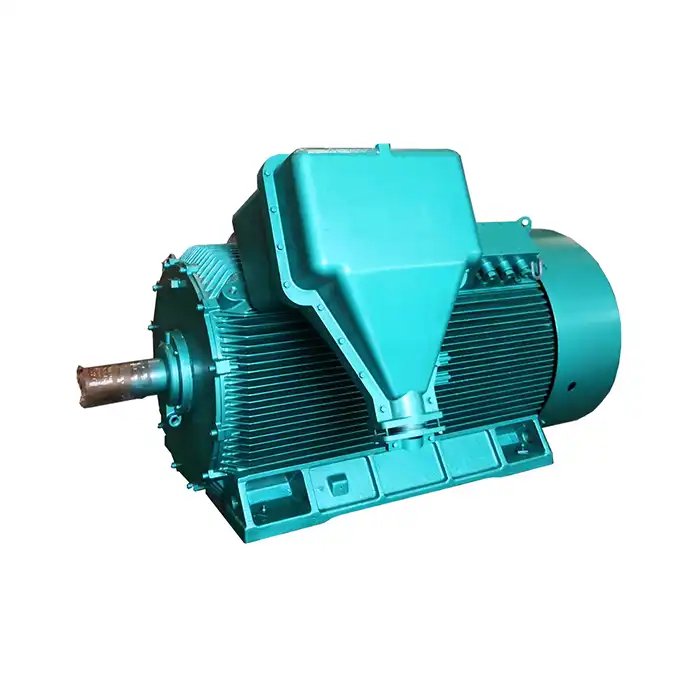
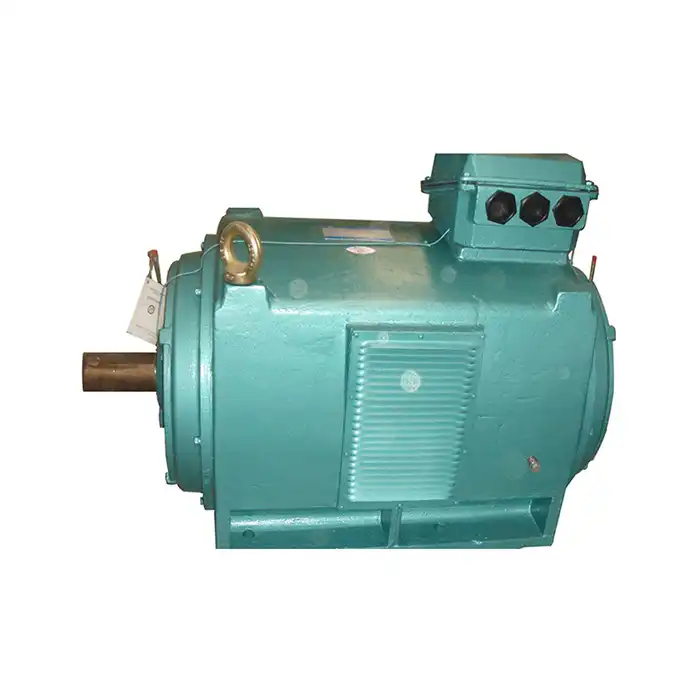
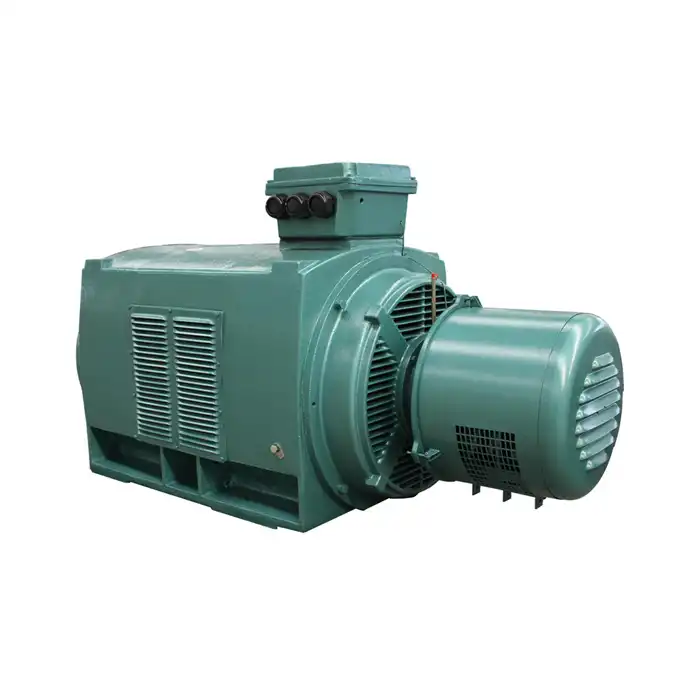
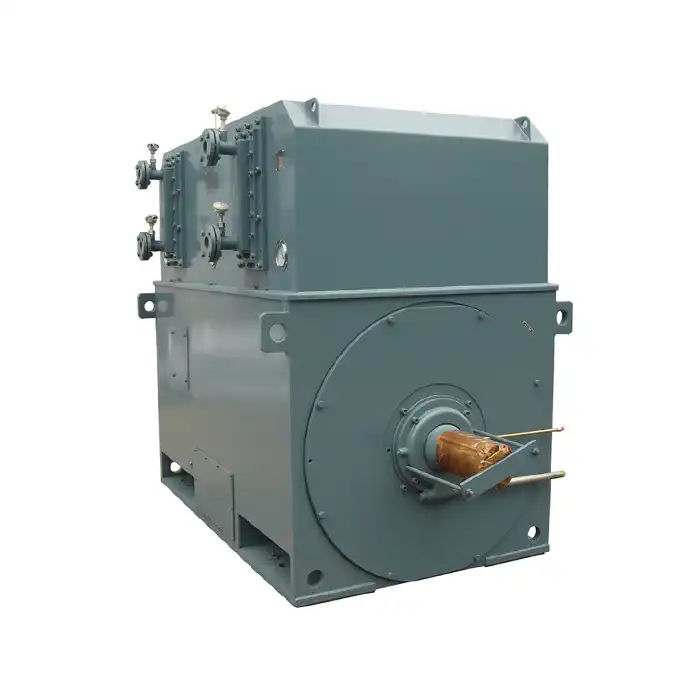
Series:YKS
Protection level:IP54
Voltage range:3000V±5%,3300V±5%,6000V±5%,6600V±5%,10000V±5%,11000V±5%
Power range:220-6300 kW
Application:fans, water pumps, compressors, crushers, cutting machine tools, transportation machinery, etc.
Advantage:low noise, low vibration, long service life, easy installation and maintenance.
Standard: This series of products complies withGB/T 1032 and GB/T 13957 standards.
Others: SKF, NSK, FAG bearings can be replaced according to customer requirements.
Understanding Motor Cooling Fundamentals
Effective cooling of electric motors is a key factor in their performance and life. Electrical losses in the windings and mechanical friction in the gears make all electric motors hot when they're running. If you don't control temperatures properly, high temperatures can damage insulation, lower efficiency, and greatly shorten the life of a motor.
Two primary cooling methods dominate industrial applications:
- Air cooling systems rely on ambient air circulation
- Liquid cooling systems utilize water or specialized coolants
- Hybrid approaches combine both methods for optimal performance
The choice of cooling method affects the form of the motor, how it is installed, and how it works. Engineers can make better choices for certain uses when they understand these basics.
Controlling the temperature of the motor has a direct effect on how consistently it works. According to studies, motor performance drops by 2% to 3% for every 10°C rise in temperature above the best settings for operation. This drop in efficiency means that energy costs will go up and tools will become less reliable over time.
Water Cooled Electric Motor Technology Explained
Specialized cooling sleeves are wrapped around the motor shaft in water-cooled electric motor systems. When these jackets are put through tough conditions, they keep the right working temperatures by moving coolant through carefully designed pathways.
The cooling jacket design varies based on motor size and application requirements. Three common configurations include:
- External jacket systems wrap around the motor frame
- Integrated cooling channels built into the motor housing
- Heat exchanger systems for complex installations
Modern motor designs that use water cooling are very good at keeping heat in through improved engineering. Thermal engineering studies show that the liquid cooling system gets rid of heat about 25 to 30 times better than air cooling methods.
Movement pumps, heat exchanges, temperature tracking systems, and coolant tanks are some of the most important parts of water-cooled systems. Together, these parts keep the motor's temperature stable no matter what the outside conditions are or how much load is on it.
As a general rule, water-cooled electric motors work better than air-cooled ones when they need to be used continuously in hot places or when tiny motor setups are needed.
Air Cooled Motor Design and Operation
Motors that are cooled by air use natural or forced air flow to get rid of the heat they make while they're running. To help get rid of heat faster, these motors have cooling fins, air holes, and sometimes fans on the outside.
The design simplicity of air cooled motors makes them popular for many industrial applications. Standard air cooled motors include several heat dissipation features:
- Cooling fins increase surface area for heat transfer
- Ventilation ports allow air circulation through the motor
- External fans provide forced air movement when needed
- Strategic housing design optimizes natural convection
When the outside temperature stays within acceptable ranges and there is enough air flow, air-cooled systems work well. With enough air flow, these motors usually work well in temperatures up to 40°C.
Keeping the cooling surfaces clean and ensuring that there are no obstructions to the passage of air are typically the maintenance needs for air-cooled motors. A considerable reduction in the efficiency of heat dissipation may occur when dust accumulates on cooling fins.
When it comes to your application, air-cooled motors provide a number of practical benefits, particularly if you want a straightforward installation with a limited amount of auxiliary systems and work at temperatures that are mild.
Performance Comparison Analysis
Thermal performance represents the most significant difference between water cooled and air cooled motor systems. Water cooled electric motor designs maintain consistent temperatures even under heavy loads, while air cooled motors experience temperature variations based on ambient conditions.
A study of power densities shows that water-cooled systems have big benefits. Motors that are cooled by water can make 20–40% more power in the same space as motors that are cooled by air. This higher power density is useful in setups with limited room.
Efficiency measurements show interesting patterns across different operating conditions:
- Continuous operation: Water cooled motors maintain 94-96% efficiency consistently
- Variable load conditions: Water cooled systems show less efficiency variation
- High ambient temperatures: Water cooling preserves motor performance when air cooling becomes inadequate
The amounts of noise produced by various cooling technologies are very different. The noise levels of water-cooled electric motor systems are generally five to ten decibels lower than those of equivalent air-cooled ones that include cooling fans.
Service life comparisons indicate water cooled motors often achieve 150-200% longer operational life due to consistent temperature control and reduced thermal stress on motor components.
If you need maximum power output in limited space with quiet operation, then water cooled electric motor technology delivers superior performance characteristics.
Industrial Application Scenarios
The conditions in which motor cooling systems are used in manufacturing provide a variety of issues. As a result of the fact that steel mills, foundries, and chemical processing facilities often encounter ambient temperatures that are higher than sixty degrees Celsius, air cooling is inadequate for the operation of motors in a dependable manner.
Water cooled electric motor applications thrive in these demanding environments:
- Steel production mills require motors operating near blast furnaces
- Mining operations need reliable performance in underground conditions
- Marine applications benefit from seawater cooling capabilities
- Power generation facilities demand continuous operation reliability
Process control applications frequently utilize water cooled motors for pumps, compressors, and conveyors operating continuously. These applications benefit from consistent motor performance regardless of seasonal temperature variations.
HVAC and refrigeration systems increasingly adopt water cooled motor technology for large commercial installations. The superior heat dissipation allows for more compact equipment designs while maintaining excellent performance.
Automation and robotics applications leverage water cooled motors when precision and consistency matter most. The stable operating temperatures contribute to improved positioning accuracy and reduced thermal drift.
If you need reliable performance in high-temperature industrial environments or continuous operation applications, then water cooled electric motor solutions provide the necessary thermal management capabilities.
Energy Efficiency and Operational Costs
The choice of motor cooling technique has a considerable influence on long-term operating costs because of the energy consumption, maintenance needs, and equipment lifetime concerns involved. Electric motor systems that are cooled by water often exhibit higher energy efficiency when used to high-power applications.
The energy consumption analysis reveals several cost factors:
- Motor efficiency preservation reduces electrical consumption
- Auxiliary system energy for pumps and heat exchangers
- Cooling system maintenance affects operational availability
- Extended motor life reduces replacement costs
Water cooling systems require additional energy for circulation pumps and cooling equipment. However, the improved motor efficiency often offsets these auxiliary power requirements in motors above 500kW.
Maintenance cost comparisons show mixed results depending on application specifics. Water cooled systems require coolant monitoring, pump maintenance, and leak prevention measures. Air cooled motors need regular cleaning and fan replacement but involve simpler maintenance procedures.
Lifecycle cost analysis typically favors water cooled electric motor installations for high-power, continuous operation applications. The extended motor life and consistent performance justify the additional system complexity.
If you need maximum energy efficiency for large motors or operate in environments where motor replacement proves difficult, then water cooled motor technology offers compelling economic advantages.
Installation and Maintenance Considerations
Installation complexity varies significantly between water cooled and air cooled motor systems. Water cooled electric motor installations require additional infrastructure including coolant supply lines, drainage systems, and temperature monitoring equipment.
The installation process involves several specialized requirements:
- Coolant system design must match motor cooling capacity
- Piping infrastructure requires proper sizing and insulation
- Monitoring systems ensure optimal cooling performance
- Backup systems provide redundancy for critical applications
Maintenance schedules differ based on cooling method selection. Water cooled systems require coolant analysis, pump inspection, and leak detection procedures. These maintenance tasks require specialized knowledge but prevent costly motor failures.
Air cooled motor maintenance focuses on cleanliness and ventilation. Regular inspection of cooling fins, fan operation, and air flow paths maintains optimal performance with standard maintenance skills.
Emergency repair scenarios favor air cooled systems due to their simpler design. Water cooled electric motor repairs may require specialized coolant handling and system isolation procedures.
Training requirements vary between cooling technologies. Water cooled systems benefit from specialized maintenance training while air cooled motors align with standard electrical maintenance practices.
If you need simple maintenance procedures with standard industrial skills, then air cooled motors provide operational advantages. Complex installations with dedicated maintenance teams can effectively manage water cooled electric motor systems.
Making the Right Choice for Your Application
Selecting between water cooled electric motor systems and air cooled alternatives requires careful evaluation of multiple factors. Application requirements, environmental conditions, and operational priorities guide the decision-making process.
Critical evaluation criteria include:
- Power requirements and duty cycle demands
- Ambient temperature ranges and ventilation availability
- Space constraints and installation flexibility
- Maintenance capabilities and support infrastructure
- Budget considerations for initial and operational costs
Water cooling technique is often beneficial for high-power applications that output more than one thousand kilowatts. It is possible to retain small installations while yet achieving dependable operation because to the greater heat dissipation.
Continuous duty applications favor water cooled electric motor designs due to consistent temperature control. Applications with frequent start-stop cycles may function adequately with air cooling systems.
In the process of selecting a cooling technique, environmental considerations play a very important role. Environmental conditions that are dusty provide difficulties for air-cooled systems, while corrosive atmospheres have the potential to harm water-cooled components.
If you need maximum reliability for critical processes or operate in challenging thermal environments, then water cooled electric motor technology provides the robust performance your application demands.
Conclusion
The choice between water cooled electric motor systems and air cooled alternatives depends on specific application requirements, environmental conditions, and performance priorities. Water cooled motors excel in high-power, continuous operation scenarios where thermal management proves critical. Air cooled systems serve well in standard applications with moderate power demands and adequate ventilation. Understanding these differences enables informed decisions that optimize motor performance, reliability, and operational costs for your specific industrial application.
XCMOTOR Water Cooled Electric Motor Solutions
XCMOTOR delivers advanced water cooled electric motor solutions designed for demanding industrial applications. Our comprehensive product range covers 220kW to 6300kW power ratings with voltage options from 3000V to 11000V, meeting diverse industry requirements effectively.Engineering excellence defines our water cooled motor technology. Each unit features precision-balanced rotors, high-quality bearings, and robust cast iron frames ensuring reliable performance. The specialized cooling jacket design provides uniform heat distribution while maintaining IP54 protection standards.
As a trusted water cooled electric motor manufacturer, XCMOTOR offers customization options tailored to specific application needs. Our technical team provides comprehensive support from initial specification through installation and ongoing maintenance. Contact our experts at xcmotors@163.com to discuss your water cooled electric motor requirements and receive personalized solutions.
References
1. Chapman, S.J. "Electric Machinery Fundamentals: Motor Cooling Systems and Thermal Management" McGraw-Hill Education, 2019.
2. Pyrhönen, J., Jokinen, T., and Hrabovcová, V. "Design of Rotating Electrical Machines: Advanced Cooling Techniques" John Wiley & Sons, 2020.
3. Boglietti, A. "Thermal Analysis of Electric Motors: Water Cooling vs Air Cooling Performance Study" IEEE Transactions on Industrial Electronics, 2021.
4. Miller, T.J.E. "Electric Motor Efficiency and Cooling Methods: A Comparative Analysis" Institution of Engineering and Technology, 2022.
5. Staton, D. "Motor Thermal Management: Liquid Cooling Applications in Industrial Settings" Power Electronics Technology Magazine, 2023.
6. Anderson, R.K. "Industrial Electric Motors: Selection Criteria for Cooling Systems" Industrial Maintenance & Plant Operation, 2023.