



Vibration Monitoring for Motors: ISO 10816 Alarm Limits
Vibration monitoring is one of the most practical ways to check motor condition before little problems become expensive breakdowns. Knowing the ISO 10816 alarm limitations enables OEM purchasing teams buying pumps, fans, compressors and cranes a clear, measurable framework to give maintenance engineers to act with. This standard categorises vibration severity into four zones – A to D – allowing teams to transition from reactive repair to scheduled, condition-based maintenance. Maintaining motors at normal vibration levels enhances equipment life, reduces downtime and keeps procurement costs predictable.
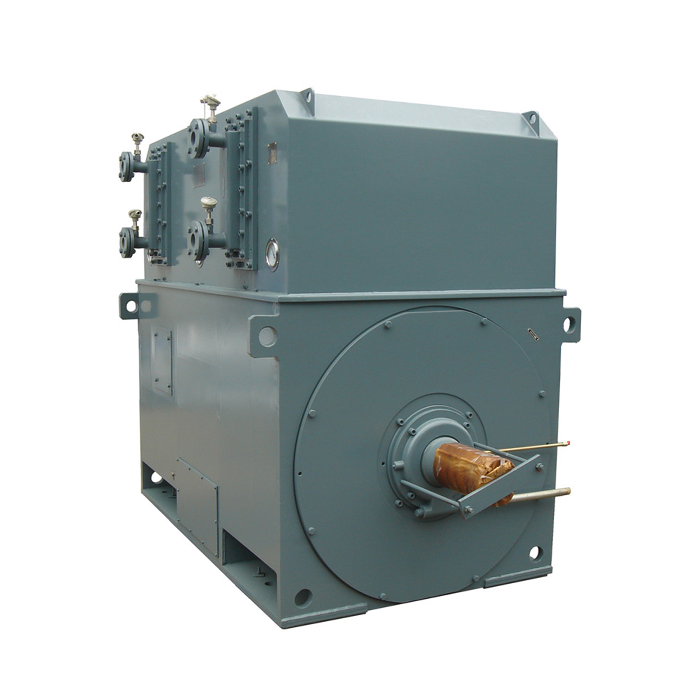
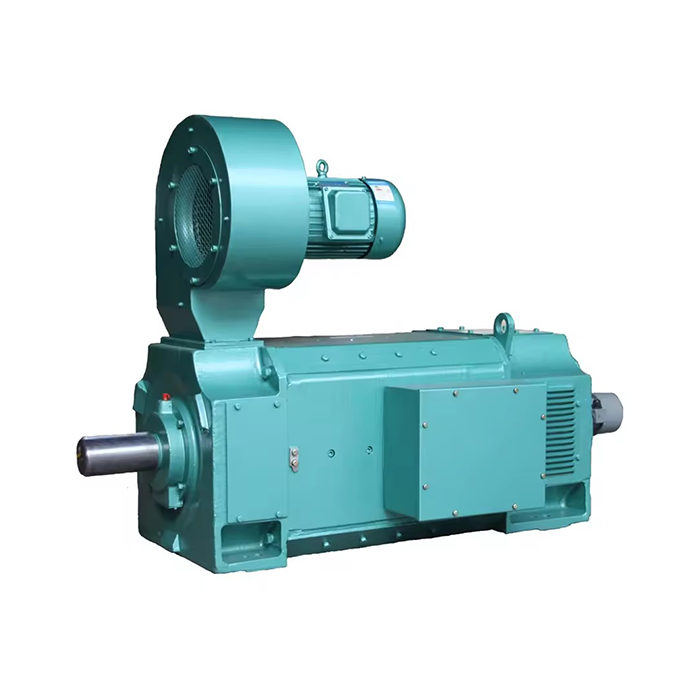
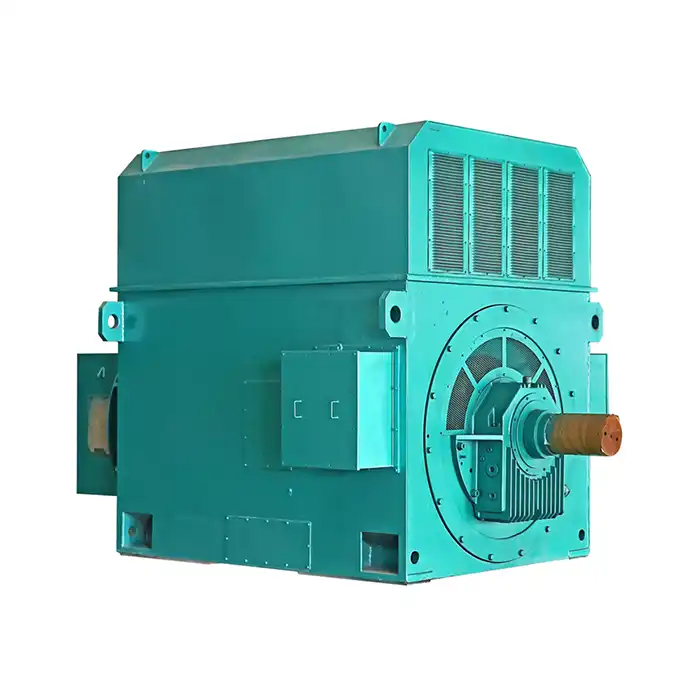
Series:YKS
Protection level:IP54
Voltage range:3000V±5%,3300V±5%,6000V±5%,6600V±5%,10000V±5%,11000V±5%
Power range:220-6300 kW
Application:fans, water pumps, compressors, crushers, cutting machine tools, transportation machinery, etc.
Advantage:low noise, low vibration, long service life, easy installation and maintenance.
Standard: This series of products complies withGB/T 1032 and GB/T 13957 standards.
Others: SKF, NSK, FAG bearings can be replaced according to customer requirements.
What Is Vibration Monitoring and Why ISO 10816 Matters
Vibration monitoring is a technique to measure the mechanical oscillation of rotating machinery to detect growing defects. It operates by detecting signals from sensors located on the motor housings, bearings or attached shafts and comparing these values with set thresholds.
The Core Sensors Used in Motor Vibration Monitoring
Industrial motor applications often use two types of sensors. High frequency vibration measurement and bearing defect, looseness and rotor imbalance detection by accelerometers. Velocity sensors detect low to mid frequency motion, and are commonly selected for overall motor condition evaluation under ISO 10816, which represents warning limits in terms of velocity (mm/s RMS).
What ISO 10816 Actually Defines
ISO 10816 is an international standard for vibration monitoring on non-spinning portions of rotating machinery. It separates the severity of vibration into four zones. Zone A is for new equipment within permissible limits. Zone B is for suitable long term operation. Zone C shows the need for monitoring. Zone D is for damage requiring prompt action.
Why This Standard Matters for OEM Procurement
ISO 10816 provides a single language of evaluation for procurement teams sourcing motors across numerous product lines, from general-purpose low voltage to inverter duty and explosion-proof. It supports engineers in the setting of alarm limits in maintenance systems, contributes to warranty claims based on captured condition data, and provides OEM project managers with evidence of supplier responsibility where vibration levels exceed agreed limitations.
How to Interpret ISO 10816 Alarm Limits for Effective Motor Health Assessment
If you want to read vibration data accurately you need to know which characteristics are most important and why each zone border is there. ISO 10816 is not a 'one size fits all' guideline – motor size, speed and mounting type all move the applicable limit values.
Key Vibration Parameters: Velocity vs. Acceleration
ISO 10816 employs velocity in mm/s RMS as the main measurement. For a motor in the 15 kW to 300 kW class, rigidly mounted, Zone A is usually below 2.3 mm/s, Zone B up to 4.5 mm/s, Zone C up to 7.1 mm/s and Zone D above this threshold. Acceleration data is complementary to velocity data, revealing high-frequency bearing faults that velocity sensors tend to under-report.
Frequency Range and Measurement Placement
For most industrial motors, the measurements should be able to detect frequencies from 10 Hz to at least 1,000 Hz. The most complete picture for ac motor maintenance is obtained by placing sensors on the bearing housing in three axes – axial, radial horizontal and radial vertical. One reading point delivers incomplete data. Engineers who measure only one axis are in danger of overlooking growing misalignment or looseness issues.
Mapping Readings to Maintenance Decisions
If a motor is found in Zone B during the normal inspection, the proper action is continuous periodic monitoring and no immediate action. A transition from Zone B to Zone C after two consecutive measurement cycles deserves higher measurement frequency and root cause analysis whether misalignment, bearing wear or rotor unbalance is developing. Zone D values suggest that the motor should be taken out of service for inspection.
Comparison of Vibration Monitoring Techniques and Systems for Motor Diagnostics
There is no one monitoring strategy that fits all operations. The decision to use wired, wireless, fixed and portable systems depends on the size of the fleet, budget and importance of each motor.
Wired vs. Wireless Sensor Systems
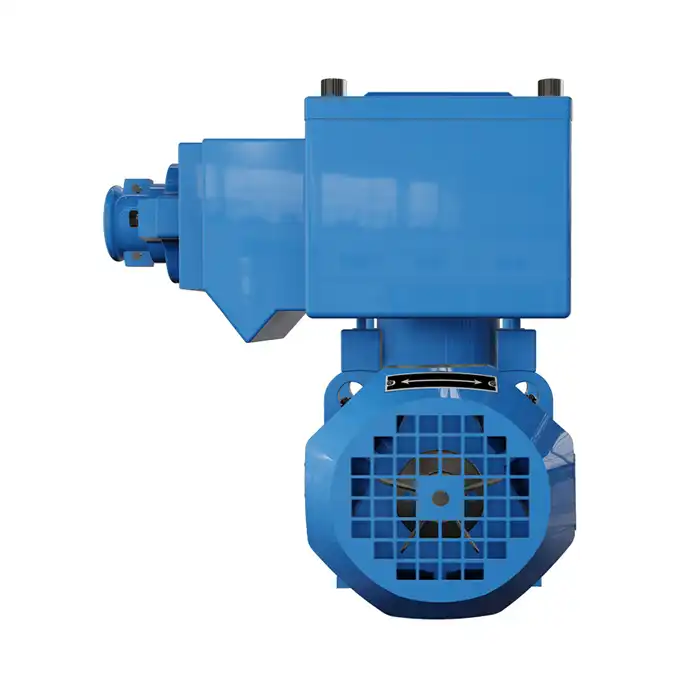
Wired systems offer decreased signal delay and constant data quality, making them suitable for big critical motors running continuously in compressor or fan duty. Wireless solutions can lower installation costs in tough-to-reach locations. Wireless is practicable for motors in explosion-proof enclosures where routing of cables is challenging. Wireless deployments still have to worry about signal dependability in electromagnetically loud situations.
Fixed Continuous Monitoring vs. Portable Route-Based Inspection
Fixed systems give real-time data and can trigger an alarm as soon as a threshold is exceeded, which is crucial when the failure of only one motor can bring a manufacturing line to a standstill. Portable data collectors can be used on periodic inspection routes in large populations of motors where ongoing surveillance of each unit is not cost justifiable. Many facilities employ both. Continuous systems on important drives. Portable instruments on secondary machinery.
Software and ISO 10816 Alarm Customization
Many ISO 10816 compatible software packages allow maintenance teams to establish zone thresholds per motor class, record trend data and provide conditional alarms before the readings exceed Zone D. Integration with existing CMMS platforms ties vibration data directly to work order creation, removing the manual step between a negative reading and a maintenance response.
Procurement Considerations: Selecting Vibration Monitoring Systems with ISO 10816 Compliance
When you purchase tracking gear, you have to consider the technical performance of the gear and the support of the supplier. If the system is reliable, if the sensors function well with the motor series, and if it can be designed to work with a lot of motors, the system will be valuable in the long term.
If the procurement managers are looking to acquire a monitoring system, they must make sure the following:
- Sensor frequency range and sensitivity should be compatible with the rated speed and bearing type of the motor.
- A common industrial duty sensor might not be able to sense sub-1 Hz errors in huge slow speed motors.
- It is important that the installation format (top-mounted, side mounted or through bolt attachment) is consistent with the shape of the motor housing across the platform being monitored.
- Calibration traceability to national or international standards is necessary for audit purposes.
- Response times must be included in warranty terms and after-sales support. A 48-hour support response is in line with what production schedules normally require.
- Scalability is important as the monitoring system grows from a few crucial motors to hundreds of units at many sites.
These principles are for a motor whether it is a conventional low voltage motor used for everyday use or an inverter duty motor that is controlled by a variable frequency drive.
Best Practices for Implementing ISO 10816 Alarm Limits in Motor Vibration Programs
Only when measurements, intervals and warning reactions are standardised across the operation, is a monitoring program valuable.
Setting Measurement Intervals Based on Criticality
Primary compressors, major pump sets, overhead cranes and other essential process motors need to be monitored weekly or even continuously. Typically, secondary motors on conveyors or auxiliary fans may be measured weekly as part of ac motor maintenance without overlooking emerging defects. The measurement period should be short enough that you can have two data points before a reading crosses from Zone B to Zone C, providing the team a little window to formulate a reaction.
Embedding Vibration Thresholds into Preventive Maintenance Workflows
ISO 10816 alarm limits should be incorporated into the CMMS as conditional triggers, not only as reference values in a manual. If the motor’s velocity value is above the Zone B/C boundary, the system should instantly create a work order. You can tie vibration data to bearing replacement records and alignment logs to develop a failure history that will assist future maintenance planning.
Training Teams to Reduce False Alarms and Missed Faults
Technicians who can distinguish structural resonance from true rotor unbalance will create fewer false alarms. Training in signal gathering technique, sensor mounting torque and cable routing discipline all increase data quality before any analysis begins. Maintenance teams require a documented baseline of knowledge and certification programs connected to ISO standards such as the ISO Category I and II vibration analyst certifications provide that baseline.
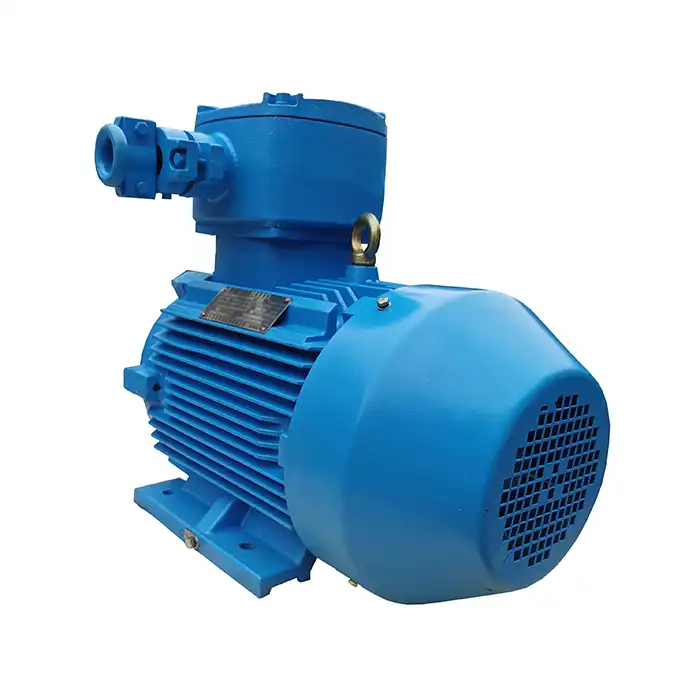
Factory balance for XCMOTOR AC motor series including YE3 low voltage motors, YVFE3 inverter duty motors, YVFE2 long shaft motors, YBX3 explosion-proof motors are all to G2.5 (YE3) or ISO G6.3 (YVFE2) with multiple plane dynamic balancing before shipment. As part of the factory test documentation, all units are supplied with the findings of vibration analysis, giving the maintenance teams a baseline reading from day one.
Conclusion
Vibration monitoring compliant with ISO 10816 is a systematic, quantitative technique to preserving motor assets. The ability to cluster zones, select the appropriate sensors and system architecture, and include alarm limits into routine activities can help OEM operations minimise unplanned downtime. In the workshop XCMOTOR motors are built with parts that don't vibrate too much: finely balanced rotors, CNC-machined shafts with a concentricity of 0.01 mm and SKF, NSK or FAG bearings for each platform. If you start with a good motor build, the baseline is already low. This makes it easy to measure the vibrations .
FAQ
1. How often should I take vibration measurements?
How often readings are taken depends on how important the motor is. Motors that are used for continuous production work better when they are checked every day or once a week. Secondary motors that are only used sometimes can be checked every month.
2. Can I retrofit ISO-compliant vibration sensors on existing motors?
Yes. Most motors can use accelerometers that are attached to the side or top of them without having to change how they are built. Before you put the sensor in place, make sure that its frequency range works with the motor's speed and the way the bearings are set up.
3. Does running a motor on a VFD affect ISO 10816 limits?
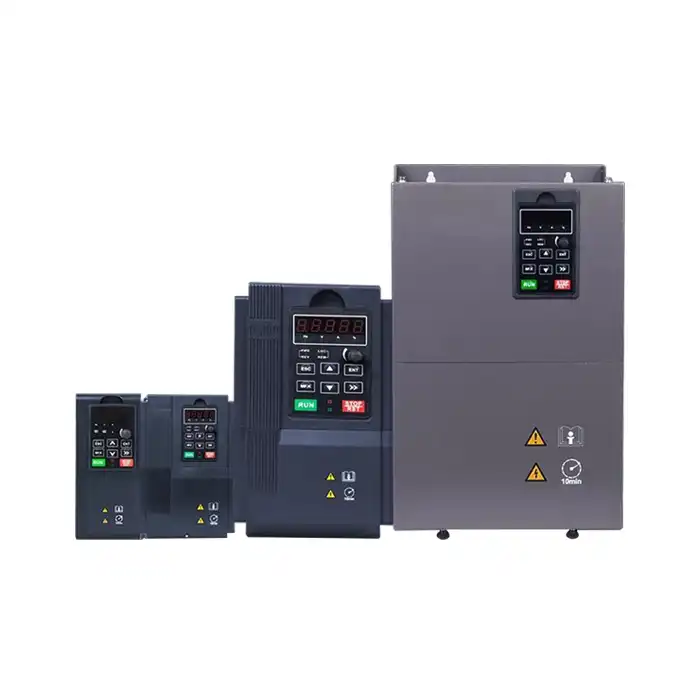
When the frequency changes, so can the motor's stimulation frequency. This can cause the sound patterns to change. It's true that inverter duty motors like the XCMOTOR YVFE3 series have better insulation and separate forced cooling, but vibration limits should still be checked against the frequency range of operation as well as the stated speed.
4. Where can I find vibration baseline data for XCMOTOR motors?
The factory tests each XCMOTOR and includes vibration analysis results in the test report that each unit comes with. This lets maintenance teams start from the day the unit was put in place.
Partner with XCMOTOR for Motors Built for Low-Vibration Operation
The first time you turn on an XCMOTOR motor, it is designed to stay within the acceptable ranges set by ISO 10816 through vibration monitoring. XCMOTOR is a motor supplier for OEM procurement teams that need consistent quality across large orders with multiple SKUs. They have been in business for more than 20 years, work with more than 30 upstream brands, and offer plant help seven days a week. We can be reached at xcmotors@163.com or motorxc.com for more information, specs, or a price quote for a big order.
References
1. International Organization for Standardization. ISO 10816-1: Mechanical Vibration — Evaluation of Machine Vibration by Measurements on Non-Rotating Parts. ISO, 1995.
2. Scheffer, C., & Girdhar, P. Practical Machinery Vibration Analysis and Predictive Maintenance. Elsevier, 2004.
3. Mobley, R. K. An Introduction to Predictive Maintenance. 2nd ed. Butterworth-Heinemann, 2002.
4. Randall, R. B. Vibration-Based Condition Monitoring: Industrial, Aerospace and Automotive Applications. Wiley, 2011.
5. Berry, J. E. How to Implement an Effective Predictive Maintenance Program. Technical Associates of Charlotte, 2000.
6. IEEE. IEEE Std 112: Standard Test Procedure for Polyphase Induction Motors and Generators. IEEE, 2017.