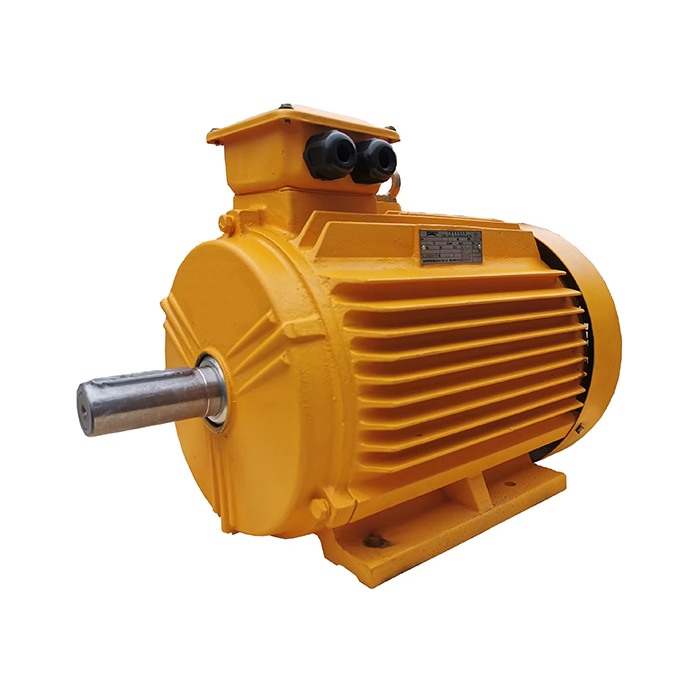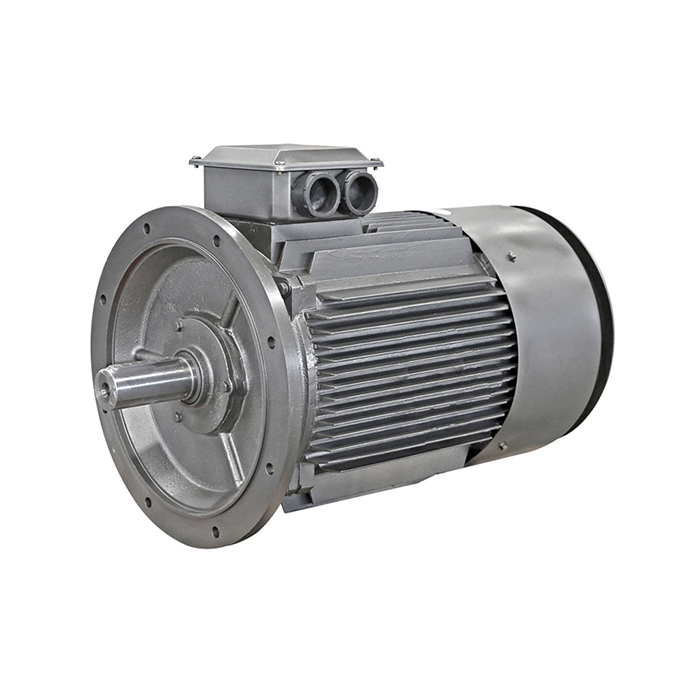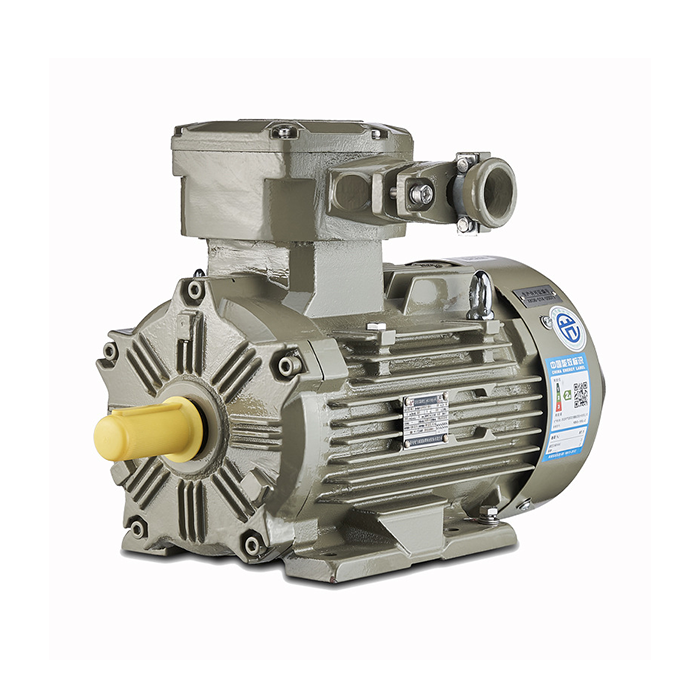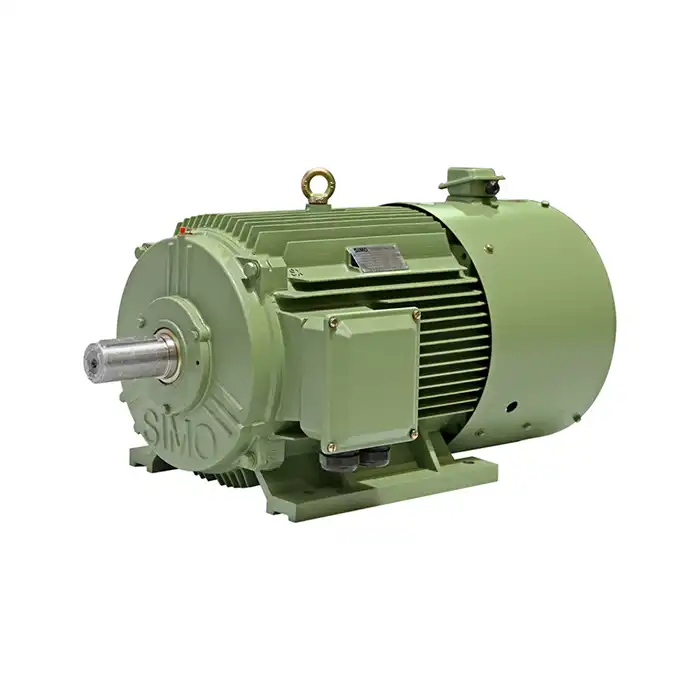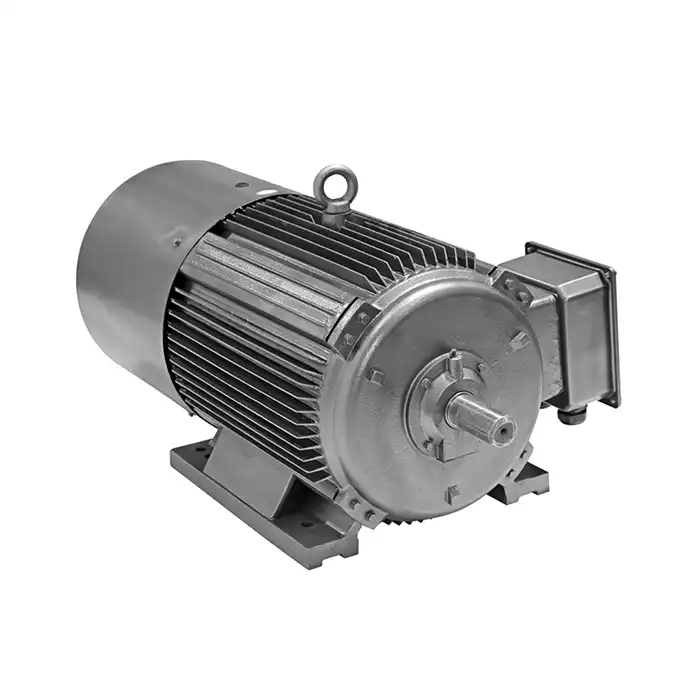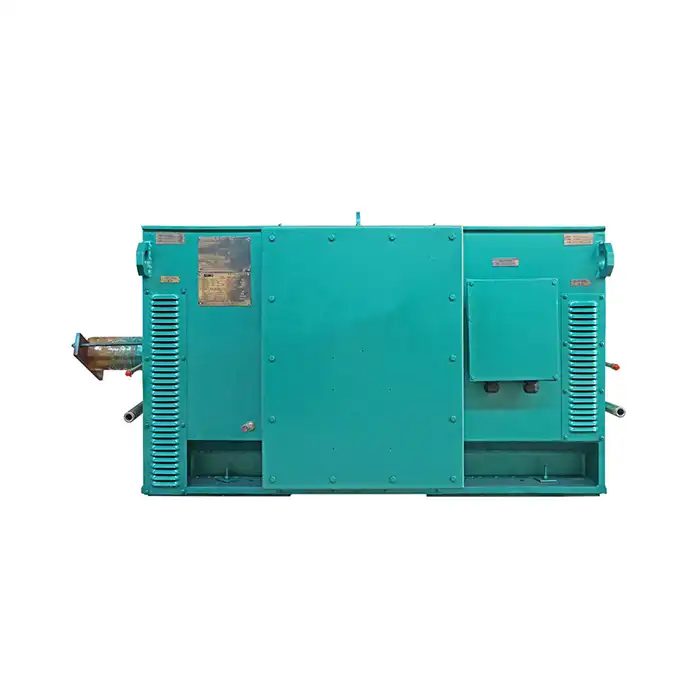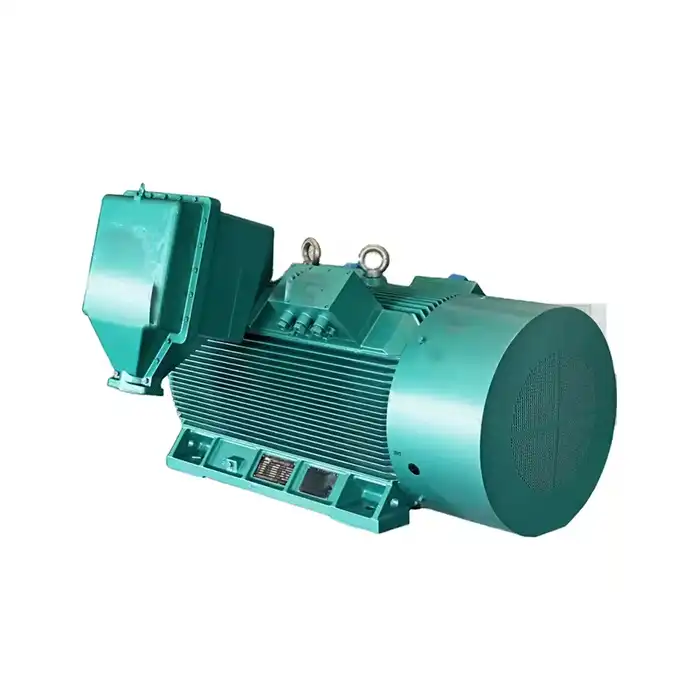




Ex de Motor vs Ex d: Which Protection for Your Zone?
In oil and gas, chemical processing or underground mining, the choice between an Ex de motor and an Ex d motor is not a trivial technical detail. It’s the difference between your facility passing HSE audit, surviving Zone 1 conditions and keeping staff safe. The simple answer: an Ex d motor is one with a flameproof enclosure so that any internal ignition is contained, and an Ex de motor is one with increased-safety terminal design on top of that. Knowing which exd motor type suits your zone classification under IEC 60079-0 is the decision that saves your project and your team.
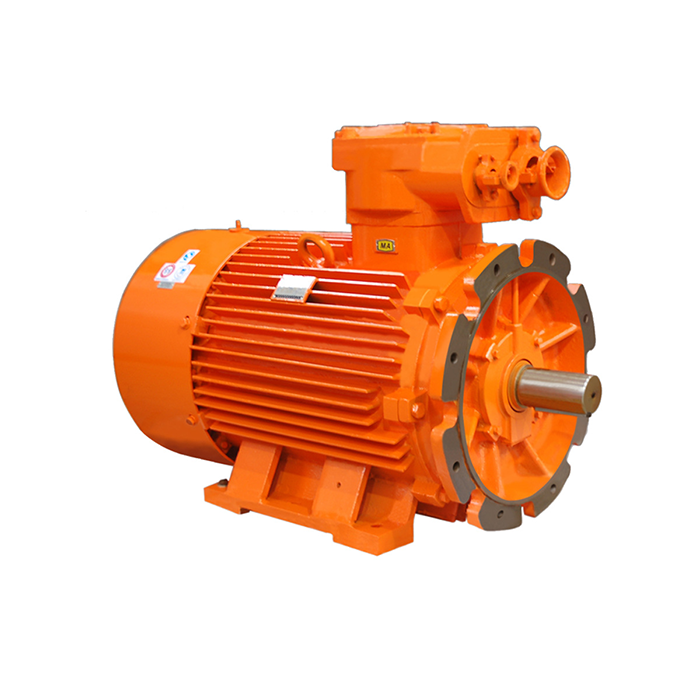
Series:YBK3
Voltage range:380V,660V,415V,380/660V,660/1140V
Power range:0.75-315 kW
Application:used in underground mining working surfaces in coal mines where there is a risk of methane mixture and coal dust explosion.
Advantage: high efficiency, large torque, strong overload capacity, low noise, small vibration, easy installation and maintenance.
Others: SKF, NSK, FAG bearings can be replaced according to customer requirements.
Explosion-proof mark: Ex d I Mb.
Understanding Explosion-Proof Motor Types: Ex d and Ex de
Before comparing the two protection mechanisms, it is useful to understand what each marking genuinely implies under IEC/EN 60079 standards.
What Does Ex d Mean?
Ex d means flameproof enclosure. IEC 60079-1 states that the motor casing is constructed to withstand an internal explosion and to cool any outgoing gases using carefully machined flame routes before they escape to the surrounding atmosphere. For example, the YBK3 series is Ex d I Mb certified – which means that it is designed for use deep inside underground coal mines where methane gas and coal dust are a constant threat of explosion. Its cast iron enclosure, CNC-machined joint surfaces and IP55 rating prevent entry of moisture and dust.
What Does Ex de Mean?
Ex de combines two independent protection concepts. The "d" portion is still the flameproof enclosure, but the "e" element — governed by IEC 60079-7 — means the terminal box, cable entries, and winding connections are built to increased-safety standards. This eliminates potential arc points outside the main enclosure. The YBBP series uses this dual approach, with manufacturing tolerances below 0.01mm on joint surfaces and built-in PT100 winding sensors for real-time thermal monitoring.
Zone Classification and Certification Requirements
Zone 1 areas — where explosive gas atmospheres occur periodically — demand Group II Category 2 equipment. Zone 2 areas accept Category 3. ATEX certification for Zone 1 equipment must carry a four-digit Notified Body number and reference a valid EU Type Examination Certificate (Module B+C1 evaluation path). Checking this number against the official ATEX database is not optional; it is the first thing an HSE auditor will verify on site.
Comparative Analysis: Ex de Motor vs Ex d Motor
Understanding the structural and performance differences helps procurement engineers specify the right motor the first time.
Enclosure and Protection Design
An Ex d motor's entire enclosure — including the junction box — must be flameproof. This makes the housing heavier and more rigid. An exde motor reduces the flameproof requirement to the core motor body only; the terminal box meets increased-safety (Ex e) standards instead. This design distributes protection more efficiently without weakening overall safety. The YBBP series achieves this with independent IC416 cooling fans that maintain airflow even during variable frequency drive (VFD) operation.
Performance Under VFD and Load Variation
The YBX5 series flameproof motor covers 0.55–630 kW across voltages from 380V to 1140V, reaching IE4 efficiency in select configurations. Its squirrel cage design and oxygen-free copper windings deliver consistent output in petroleum refineries, chemical plants, and power generation facilities. The YBBP series, optimized for inverter duty, features F-class reinforced insulation that suppresses corona discharge under harmonic loads — extending service life by approximately 40% compared to standard motors in VFD-driven applications.
Real-World Application Differences
This is where the selection gets useful. The YBX5 with Ex d IIB T4 Gb or Ex d IIC T4 Gb designation is commonly required for a Zone 1 hydrocarbon processing pump drive with specified IIB or IIC gas groups and T4 temperature class. An ex of protection on a Zone 1 pump motor in a refinery skid where the terminal box is accessed frequently during maintenance, reduces the risk of ignite at the connection points when linked to a VFD. YBK3 provides Ex d I Mb for underground coal mine applications which is its direct target.
Procurement Considerations for Ex de and Ex d Motors
It saves weeks of back-and-forth during HSE review if the specification is correct before the RFQ is sent in.
Technical Specifications to Verify
Before sending out a buy order, procurement teams must make sure of the following:
- Gas group and temperature class: Ex d IIB T4 Gb for most petroleum and chemical gas environments. Ex d IIC T4 Gb for hydrogen environments. This is verified by means of site area classification drawings, preventing substitution errors.
- IP rating: Most outdoor industrial applications are IP55 standard, with IP65 upgrades available for dusty or wash-down conditions.
- Voltage configuration: Both the YBX5 and YBBP have 380/660V and 660/1140V dual-voltage winding, making spare-parts complexity simpler in multi-voltage settings.
- Support maintenance standardisation plans on request , available on sales bearing brands : SKF , NSK , FAG etc.
If you check these things when choosing a design college, before the owner's HSE review, you can avoid expensive motor replacements at the FAT stage.
Certification Documentation for HSE Audit
A motor that has “ATEX-rated” written on its data sheet is not the same as one that has a valid ATEX licence. For the supply of goods in Zone 1 to projects in the EU or projects aligned with the EU the paperwork must contain the EU Type Examination Certificate number, the four digit Notified Body identity, the Group II Category 2 marking and the whole IEC 60079-0/-1/-7 reference chain. XCMOTOR provides complete FAT reports and third-party certification documents for each shipment to ensure one-pass HSE acceptance.
Why Choose an Ex de Motor? Advantages and Use Cases
The Ex de motor configuration fills in a gap that pure Ex d designs don't have: the connection zone for the terminals.
In real life, these are the main benefits of Ex de motor protection:
- Double protection against ignition . The flameproof body holds any energy from an internal fault, while Ex e terminals remove arc and spark sources from cable entrance points – the region most disturbed during commissioning and maintenance.
- VFD compatibility The YBBP series independent cooling fan (IC416) is well suited for variable-speed pump and compressor drives in petrochemical Zone 1 locations where thermal stability is needed at any shaft speed.
- Less frequent maintenance intervention: Higher creepage distances and proper insulation grades in increased-safety terminal design lower the chances of terminal degradation in chemically demanding situations.
These characteristics make exde motor a good choice for applications such as oil and gas upstream facilities, pharmaceutical plant solvent handling sections and Zone 1 paint manufacturing lines where containment and connection integrity are crucial.
Making the Right Choice: Ex de vs Ex d Motor for Your Zone
It depends on the operational duty cycle, gas group, and zone classification to choose the right type of protection.
Zone and Gas Group Matching
The YBX5 (Ex d IIB T4 Gb) or YBBP (Ex d IIB T4 Gb) both meet the requirements for Zone 1 gas settings with IIB rating. This includes propane, ethylene, and most refinery gasses. For IIC environments with hydrogen or acetylene, you need to specify Ex d IIC T4 Gb. Installations in underground coal mines need to have Ex d I Mb, which is covered by the YBK3 series.
Avoiding Common Selection Errors
A common mistake is putting Ex tb (IEC 60079-31) markings on gas-zone equipment or Ex tb marks on gas-zone equipment. For flour mills, feed processing areas, or areas where coal powder is made, Ex tb is the right certification. It can't be switched out for Ex d gas-zone certification. Putting these on the same project bill of materials (BOM) causes audit failures right away.
Budget vs. Total Cost of Ownership
Ex de motors cost a little more than standard Ex d configurations, mostly because they need more engineering work on the terminal boxes. Over a 10-year operating cycle, however, the less frequent maintenance and VFD-compatible design usually make up for that initial difference in places where motors are used a lot.
Conclusion
Selecting between an Ex de motor and an exd motor comes down to zone classification, gas group, connection zone risk, and whether VFD operation is involved. Ex d flameproof motors — including the YBX5 and YBK3 series — cover the broadest range of hazardous gas and mine environments. Ex de motors, represented by the YBBP series, add connection-point safety for applications where terminal access and variable-speed drives increase ignition risk. Always verify the ATEX Notified Body certificate number, gas group, and temperature class before finalizing any explosion-proof motor specification.
FAQ
1.What is the difference between an Ex d motor and an Ex de motor?
An Ex d motor uses a flameproof enclosure designed to contain internal explosions and prevent flame propagation to the surrounding atmosphere, per IEC 60079-1. An Ex de motor adds Ex e (increased safety) protection to the terminal box and cable entries, reducing the probability of arc or spark formation at connection points. Ex de is preferred where terminal zone access is frequent or VFD drives are used.
2.Can an Ex d motor be used in Zone 1?
Yes. An Ex d motor marked Group II Category 2 (Gb) is certified for Zone 1 gas environments. Verify the ATEX Notified Body number and EU Type Examination Certificate before specifying for European or EU-compliant projects.
3.What does Ex d IIB T4 Gb mean on a motor nameplate?
Ex d = flameproof enclosure; IIB = gas group covering propane, ethylene, and similar industrial gases; T4 = maximum surface temperature 135°C; Gb = equipment for Zone 1 gas atmospheres. This marking appears on the YBX5 series.
4.Is Ex tb the same as Ex d for dust environments?
No. Ex tb (IEC 60079-31) applies to combustible dust zones (Zone 21/22). Ex d applies to flammable gas zones (Zone 1/2). Using Ex d marking in a dust-classified area, or Ex tb in a gas zone, constitutes a compliance failure.
5.What documentation should accompany an explosion-proof motor order?
A complete package includes the EU Type Examination Certificate, four-digit Notified Body number, IECEx or ATEX certificate, FAT test report, IEC 60079-0/-1/-7 compliance references, and motor nameplate data sheet. XCMOTOR provides all of these documents as standard with each order.
Partner With XCMOTOR for Your Ex d Motor Supply Needs
When it comes to oil and gas, chemical EPC, and mining projects, XCMOTOR (Shanxi Qihe Xicheng Electromechanical Equipment Co., Ltd.) has certified Ex d motor and Ex de motor solutions. The YBX5, YBBP, and YBK3 models are all in our product line. They are all backed by legal ATEX and CCC certification, full FAT paperwork, and on-site commissioning support. We are a reliable company that makes exd motors, so we offer free shipping, a 30-day return policy, and technical support seven days a week. You can email us at xcmotors@163.com or go to motorxc.com to get a product datasheet or a quote that is tailored to your project.
References
1. International Electrotechnical Commission. IEC 60079-0: Explosive Atmospheres – Part 0: Equipment – General Requirements. IEC, 2017.
2. International Electrotechnical Commission. IEC 60079-1: Explosive Atmospheres – Part 1: Equipment Protection by Flameproof Enclosure "d". IEC, 2014.
3. International Electrotechnical Commission. IEC 60079-7: Explosive Atmospheres – Part 7: Equipment Protection by Increased Safety "e". IEC, 2015.
4. European Parliament. Directive 2014/34/EU on Equipment and Protective Systems Intended for Use in Potentially Explosive Atmospheres (ATEX). Official Journal of the European Union, 2014.
5. National Fire Protection Association. NFPA 70: National Electrical Code, Article 500 – Hazardous (Classified) Locations. NFPA, 2023.
6. Standards Australia / Standards New Zealand. AS/NZS 60079-14: Explosive Atmospheres – Part 14: Electrical Installations Design, Selection and Erection. SAI Global, 2021.