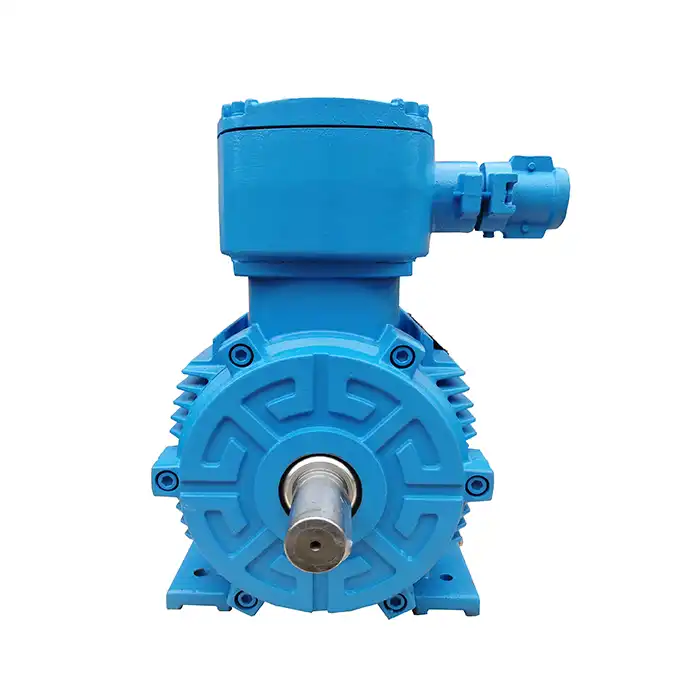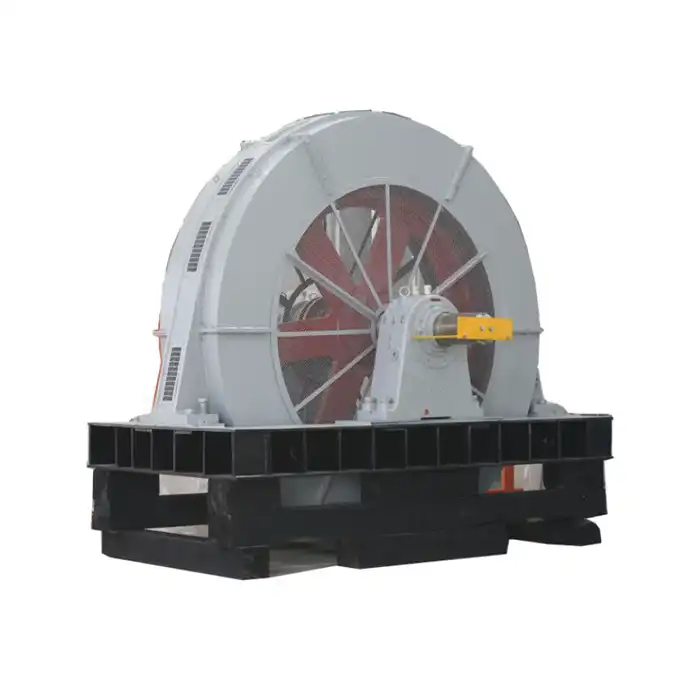




Low Voltage AC Motor Market: What Buyers Should Know?
One of the most useful things you can do whether you’re sourcing industrial motors for resale, equipment assembly, or factory replacement is to comprehend the low voltage AC motor industry. As manufacturing activity in South East Asia, the Middle East, Africa and other regions increases, the worldwide low voltage AC motor market is growing. The buyers who are informed – those who understand stock availability, pricing tiers, compliance certifications and supplier reliability – always enjoy larger margins and fewer difficulties. This tutorial covers everything that important before you place your next order.
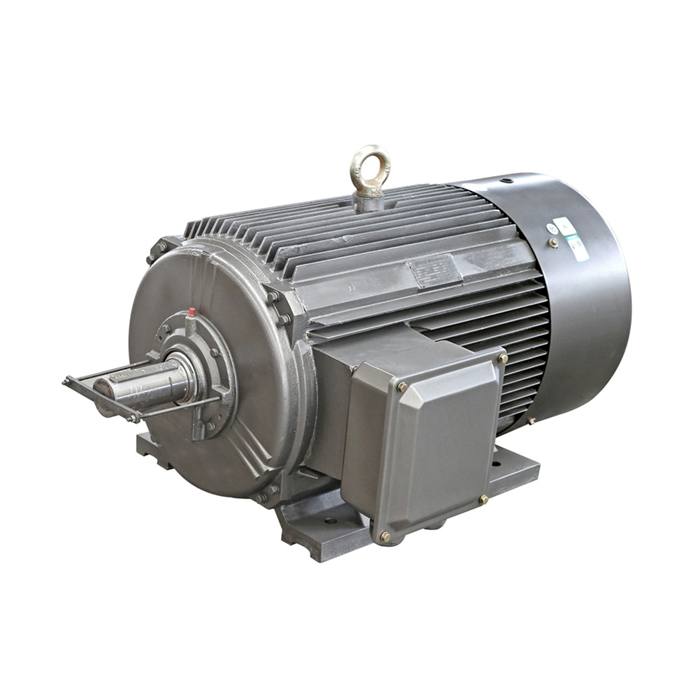
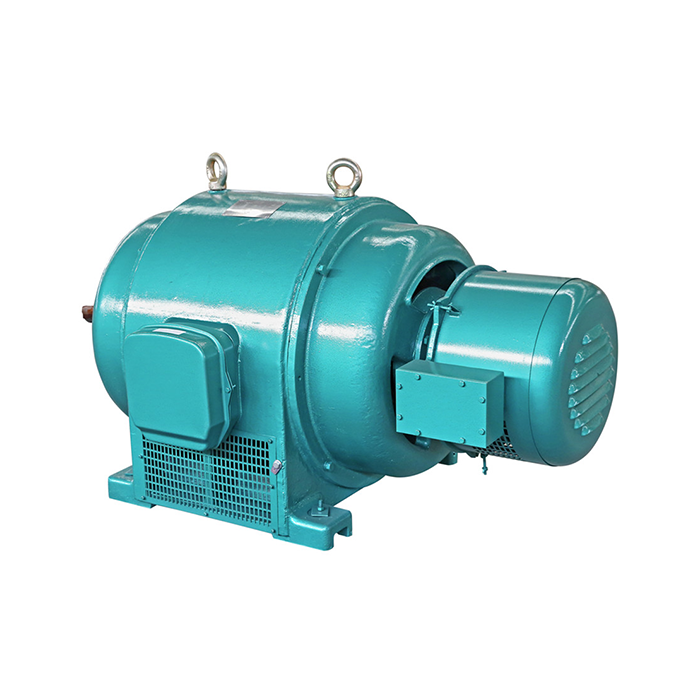
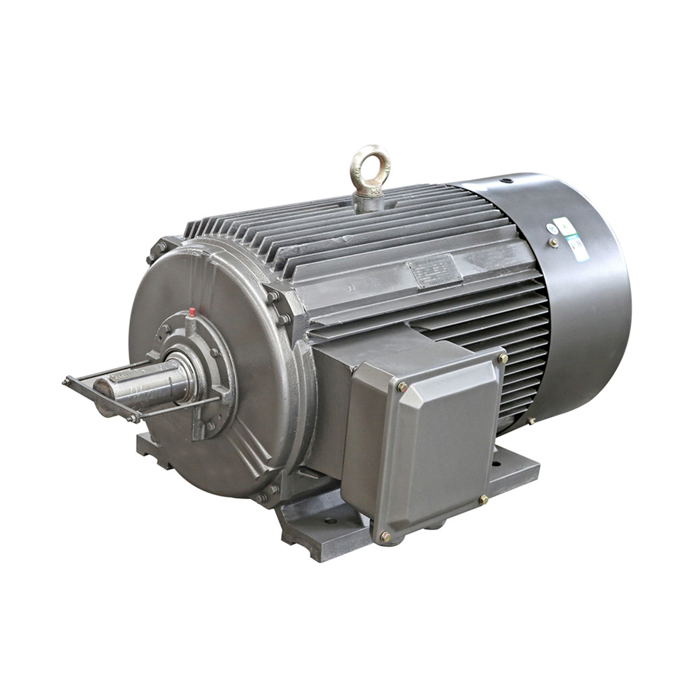
Series:YE3
Frame number: 80-450
Power range:0.75-1000kW
Protection level:IP55
Energy efficiency class: IE3
Voltage range: 380V,400V,415V,660V, etc.
Application:can be used in various fields of the national economy, such as machine tools,water pumps,fans,compressors,and can also be used in transportation, mixing, printing, agricultural machinery, food and other occasions that do not contain flammable, explosive or corrosive gases.
Certificate: international standard IEC60034-30 "Efficiency Classification of Single-speed Three-Phase Squirrel Cage Induction Motors".
Advantage:The high quality of the electric motor guarantees high operational reliability.
Others: SKF, NSK, FAG bearings can be replaced according to customer requirements.
Understanding Low Voltage AC Motors: Key Concepts and Benefits
What Qualifies as a Low Voltage AC Motor?
A low voltage AC motor is an alternating-current motor that is intended to work on relatively low supply voltages, usually up to 1,000 V in industrial applications. These motors are easy to install and maintain, and are used extensively in industries, water treatment, HVAC equipment, compressors, and agricultural gear. In the low voltage AC motor industry the customer is generally focused on energy economy, operational dependability and compatibility with existing power systems. The YE3 series from XCMOTOR is between 0.75 and 1,000 kW with voltage possibilities of 380 V, 400 V, 415 V and 660 V. An efficiency level IE3 and protection class IP55 makes it a feasible choice for many common industrial situations.
Motor Types Worth Knowing
The low voltage ac motor market is dominated by three-phase induction motors, which don't need brushes, produce consistent torque, and need little regular maintenance. In general, synchronous motors are not as common, but they are better when precise speed control is needed. Induction motors make up most of the repeat orders for most distributors and OEM assemblers.
Why Energy Efficiency Ratings Matter to Buyers
Motors are grouped into four groups by the IEC 60034-30 standard: IE1, IE2, IE3, and IE4. In a lot of areas, IE3 (Premium Efficiency) is now the minimum standard. By keeping IE3-rated motors in stock, distributors can avoid regulatory pushback at the point of sale. This also makes it easier to get goods to buyers in Europe and Asia's regulated markets. Compliance with efficiency rules is no longer a choice; it's a sales requirement.
Low Voltage AC Motors vs Alternative Motor Types: Making the Right Comparison
AC Induction Motors vs DC Motors
DC motors let you precisely control the speed, but they need more complex drive systems, new brushes, and regular maintenance on the commutator. Because they last longer between service visits and can withstand rough site conditions better, three-phase induction motors are the gold standard in the low voltage ac motor market. AC motors are easier to stock and move for wholesalers who deal with a lot of product changes.
Low Voltage AC vs High Voltage AC
The decision to choose a low voltage or high voltage AC motor relies on the power needs, installation circumstances, and overall electrical system design. Standard industrial power supply adequately serve low voltage AC motors used commonly in pumps, fans, compressors, machine tools and conveyor systems. High voltage motors are often considered for greater power applications when current levels and distribution efficiency become critical considerations in the design. XCMOTOR’s YE3 series low voltage ac motors range from 0.75 to 1,000 kW, with IP55 protection and IE3 energy efficiency. Voltage possibilities include 380 V, 400 V, 415 V and 660 V, enabling customers to tailor motor specifications to their equipment and location needs.
What About Stepper and Servo Motors?
For precise positioning in CNC and robotics work, stepper and servo motors are made. They are bought through a different channel. Low voltage AC induction motors are what your customers need if they are buying general-purpose industrial or agricultural machinery. Mixing groups makes it harder to keep track of supplies and slows down the sales cycle.
Buying Low Voltage AC Motors: Market Considerations and Procurement Tips
Understanding Price Drivers
Any AC motor is made of three main parts: copper, silicon steel, and aluminum. Price changes in these products around the world have a direct effect on the prices of motors. Buyers who lock in prices through tiered volume commitments rather than spot purchases tend to keep their margins stable in the current low voltage ac motor market. Freight consolidation is also very important; shipping motors with other electrical parts together lowers the cost of landing each unit by a large amount.
How to Evaluate a Supplier
A trustworthy supplier in the low voltage ac motor market should have stock on hand in the most popular frame sizes (IEC Frame 80–450), offer documentation in multiple languages for your end markets, and keep lead times clear. Before committing to bigger orders, it's a good idea to do small MOQ practice orders first. Check that the IEC and CE certifications are up-to-date and are linked to specific batches of products, not just claims made by the company as a whole.
Procurement Tactics That Work
Buyers with a lot of experience in the low voltage ac motor market usually do this: they look at three to five suppliers, place a small order to make sure the quality and packing are good, and then buy more of the items that they were happy with. These are the things that have the most impact on your total procurement cost:
- Tiered pricing structures — Suppliers who offer visible price breaks at 10, 50, and 100+ units let you plan inventory more accurately without overcommitting cash.
- Packaging and labeling — Multi-language manuals and export-grade packaging reduce customs friction and end-user complaints in international markets.
- Bearing flexibility — Suppliers who can swap in SKF, NSK, or FAG bearings on request give you a competitive edge when your customers specify particular brands.
- Payment terms — Flexible arrangements such as T/T, LC, or staged payments reduce financial risk on first orders.
Optimizing Performance and Maintenance for Longevity and Efficiency
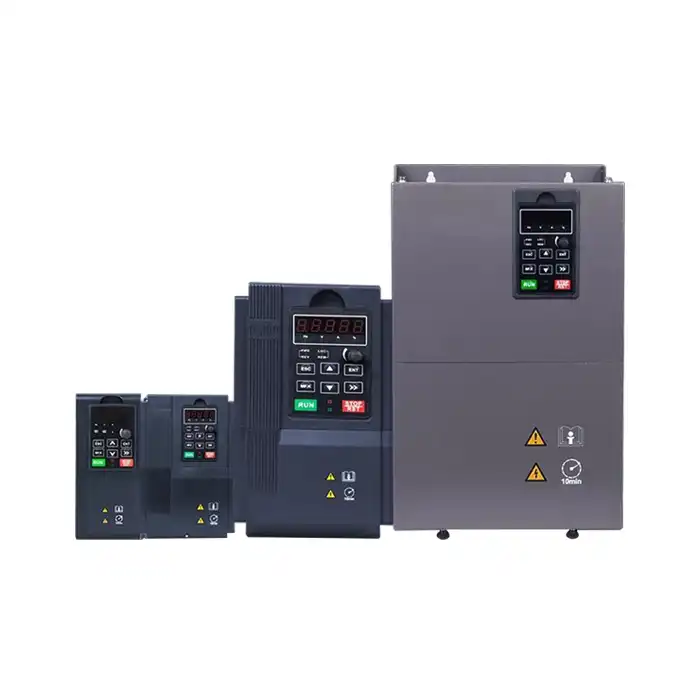
Using VFDs to Extend Motor Life
When you connect a low voltage AC motor to a variable frequency drive (VFD), the VFD lowers the mechanical stress during startup, the energy used during partial-load operation goes down, and the windings last longer. Studies from the U.S. Department of Energy show that VFD-controlled motors can save 20–50% of the energy used by direct-on-line starts in pump and fan uses. There is a strong total-cost case for end users that distributors can use to add value during the sales process.
Routine Maintenance Practices
Motors with an IP55 rating, like the YE3 series, are made to work in places where they may be exposed to dust and water spray. This includes most plant areas and outdoor pump stations. Regular checks should include keeping an eye on the temperature of the bearings, testing the resistance of the winding insulation every six months, and checking the connections between the terminals once a year. Using original-spec SKF, NSK, or FAG bearings when replacing them keeps the motor's shaking and noise ratings.
Diagnosing Common Faults Early
Three of the most common problems in low voltage AC motors are overheating of the windings (from long-term overload or poor air flow), wear on the bearings (seen through vibration or strange noises), and insulation degradation (seen through megohmmeter testing). If you catch these problems early, end users will have less unexpected downtime and wholesalers will have fewer warranty claims, which is good for your image after the sale.
Future Trends in the Low Voltage AC Motor Market
Smart Motor Integration
Because factories are automating condition monitoring, IoT connectivity is making its way into the low voltage ac motor market. Motors with built-in sensors can track temperature, shaking, and load in real time, sending information to platforms that can predict repair needs. If you are a distributor who works with system integrators or smart factory projects, having motors that work with common monitoring protocols on hand gives your product line a more modern look.
Sustainability and Regulatory Direction
Sustainability is becoming a significant factor in the low voltage ac motor industry as manufacturers try to cut energy use and fulfil growing efficiency standards. Increasingly buyers are looking at the motor efficiency classes, estimated running hours and lifetime energy expenses and not just the purchase price. YE XCMOTOR3 series IE3 energy efficiency and IEC 60034-30 efficiency categorisation standard for single speed three phase squirrel cage induction motors. These motors have power ratings of 0.75 to 1,000 kW and IP55 protection and are used in applications such as pumps, fans, compressors, and industrial machines. Buyers should check the efficiency criteria that apply in their market since regulatory requirements differ from market to market.
Automation Is Driving Volume
There is a greater need for standard low voltage AC motors as more factories move to Southeast Asia, the Middle East, and Africa. According to a study released in 2023 by the International Energy Agency, electric motors use about 45% of the world's energy. This means that improving their efficiency should be a top concern for governments around the world. This demand growth is perfectly matched for distributors who have standard frame sizes in stock and ready to go.
Conclusion
Success in the low voltage AC motor market depends on selecting products that balance energy efficiency, operational reliability, regulatory compliance, and long-term maintenance requirements. Distributors, OEMs and industrial purchasers may eliminate sourcing risks and expensive mismatches by examining motor specs, voltage compatibility, protection ratings, supplier dependability and bearing alternatives prior to purchase. XCMOTOR YE2014The 3 series is available with power ratings from 0.75 to 1,000 kW, frame sizes of 80-450, IE3 energy efficiency, IP55 protection and voltage possibilities of 380 V, 400 V, 415 V and 660 V. Also available on request SKF, NSK and FAG bearings choices. XCMOTOR assists customers to locate motor solutions for their applications with real goods from reputable companies, free shipping, 30 days refund policy and 7 days a week technical assistance. Please feel free to contact us at xcmotors@163.com to discuss your needs and confirm the right specs for your future project.
FAQ
1.What voltage options are available for standard low voltage AC motors?
Most three-phase induction motors in the low voltage AC motor market are wound for 380V, 400V, 415V, or 660V operation. XCMOTOR's YE3 series covers these standard voltages, making them compatible with grid systems across Asia, Europe, the Middle East, and Africa.
2.What does IE3 mean and why does it matter for distributors?
IE3 is the Premium Efficiency class defined by IEC 60034-30. In many regulated markets, IE3 is now the minimum standard for new motor purchases. Stocking IE3-rated motors like the YE3 series means fewer compliance barriers when selling into Europe or government-backed infrastructure projects.
3.Can bearings be specified by brand?
Yes. XCMOTOR can supply YE3 motors with SKF, NSK, or FAG bearings based on customer requirements. This is useful when your end customers have maintenance standardization policies.
4.What is the typical lead time for a trial order?
First orders in the low voltage AC motor market typically ship within two to four weeks depending on stock availability and destination. XCMOTOR maintains ready stock across common frame sizes to support fast consolidation shipments.
5.Is IP55 suitable for outdoor pump and fan installations?
IP55 provides protection against dust ingress and water jets from any direction, which covers most outdoor pump stations, cooling towers, and ventilation systems. It is the standard protection grade for general industrial use in the YE3 series.
Ready to Source from a Trusted Low Voltage AC Motor Supplier?
XCMOTOR supplies the YE3 series low voltage AC motor line — IE3 certified, IP55 rated, available in frames 80 to 450 and power ranges from 0.75 to 1000kW. We support small trial orders, flexible payment terms, and multi-language documentation for international markets. If you are looking for a dependable low voltage AC motor market supplier with real stock and fast shipping, contact us today at xcmotors@163.com or visit motorxc.com to request a quote.
References
1. International Electrotechnical Commission. IEC 60034-30-1: Rotating Electrical Machines — Efficiency Classes of Line Operated AC Motors. IEC, 2014.
2. U.S. Department of Energy. Improving Motor and Drive System Performance: A Sourcebook for Industry. Office of Energy Efficiency and Renewable Energy, 2014.
3. International Energy Agency. Energy Efficiency 2023. IEA Publications, 2023.
4. Waide, P., & Brunner, C. U. Energy-Efficiency Policy Opportunities for Electric Motor-Driven Systems. IEA Working Paper, OECD/IEA, 2011.
5. Grand View Research. Electric Motor Market Size, Share & Trends Analysis Report. Grand View Research, 2023.
6. European Commission. Ecodesign Regulation (EU) 2019/1781 on Electric Motors and Variable Speed Drives. Official Journal of the European Union, 2019.