



VFD Duty Motor vs. LV Induction Motor: Which One to Choose?
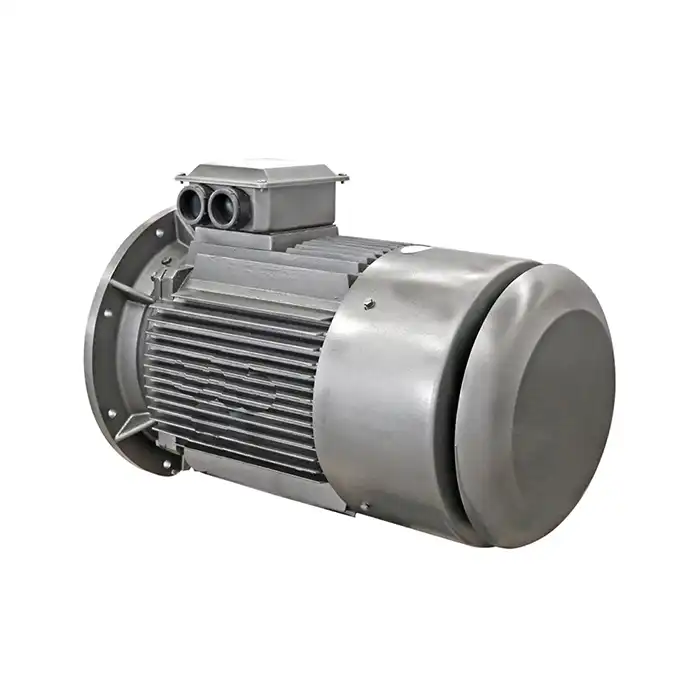
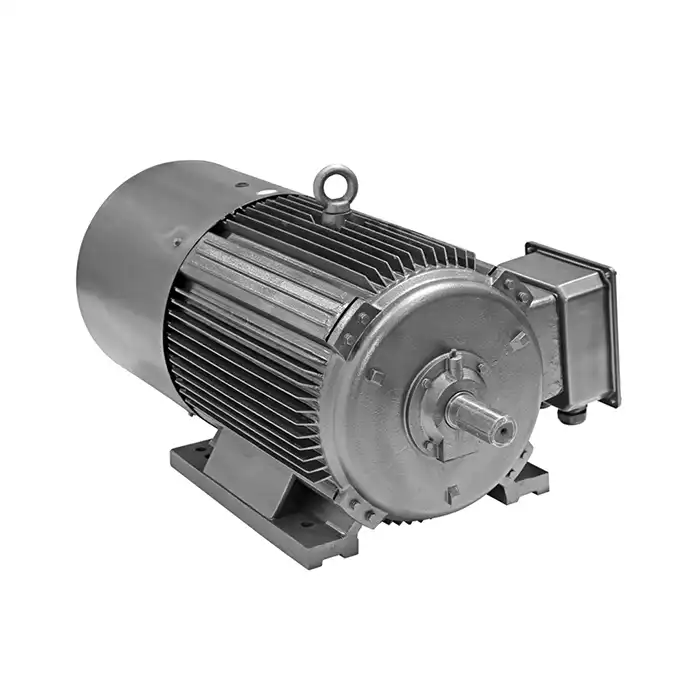
Which one to choose between a VFD duty motor and a low voltage induction motor depends on the needs of your application. A VFD duty motor is clearly the best choice for tasks that need to be able to change speeds, start and stop activities often, and better energy management. These special motors work perfectly with variable frequency drives, letting you precisely control both speed and power. On the other hand, traditional LV induction motors work best in constant-speed situations where ease of use and low cost are more important than advanced control features.

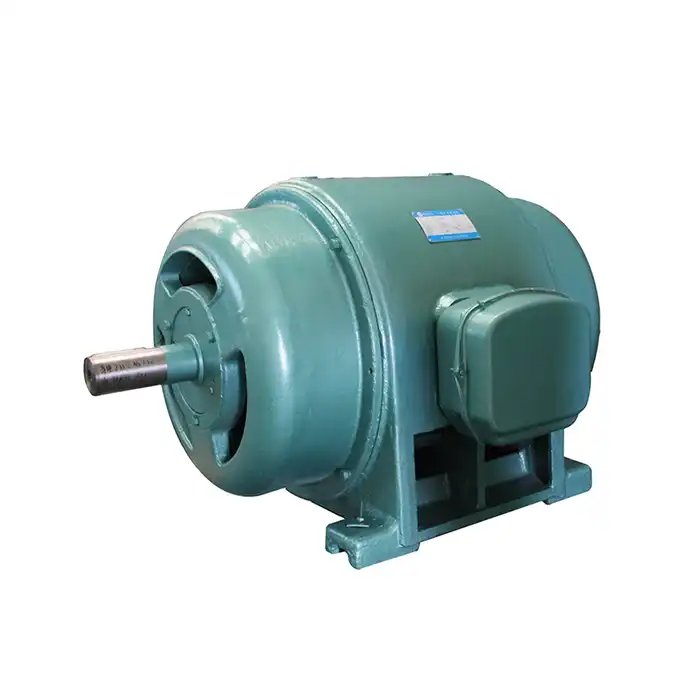
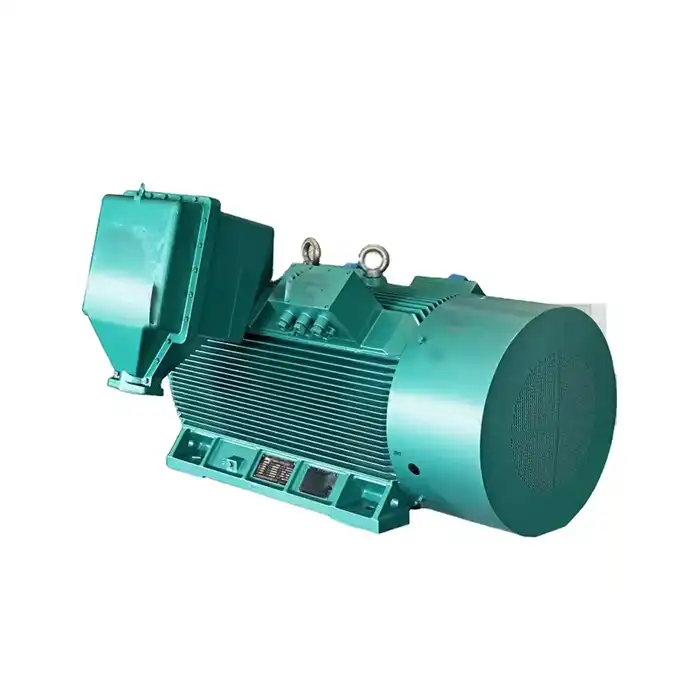
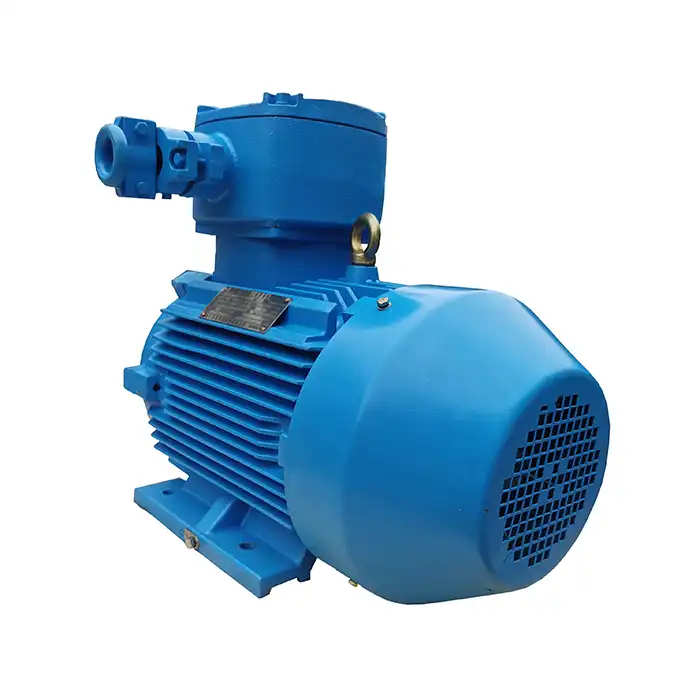
Series:YVFE5
Frequency conversion range:30hz~50hz,5hz~70hz,5hz~100hz
Power range:0.75-1000kW
Protection level:IP55
Application:are suitable for driving various mechanical equipment that require continuous and frequent forward and reverse rotation, such as steel rolling, lifting, transportation, machine tools, printing and dyeing, papermaking, chemicals, textiles, pharmaceuticals, etc., and can be used with various domestic and foreign variable frequency power supplies.
Advantage:high efficiency, wide speed range, high precision, stable operation, and easy operation and maintenance.
Certificate:installation dimensions comply with International Electrotechnical Commission (IEC) standards.
Others: SKF, NSK, FAG bearings can be replaced according to customer requirements.
Understanding the Core Differences Between Motor Technologies
The fundamental distinction between these motor types lies in their design philosophy and operational capabilities. VFD duty motors incorporate specialized insulation systems, reinforced bearing structures, and enhanced cooling mechanisms to withstand the electrical stress imposed by variable frequency drives.
Three core differences define these technologies:
- Insulation resistance: VFD duty motors feature Class F or Class H insulation systems capable of handling voltage spikes and harmonic distortions
- Bearing protection: Enhanced bearing designs accommodate shaft currents and electromagnetic forces generated by frequency converters
- Speed regulation range: Variable speed motors achieve 10:1 constant torque ratios compared to single-speed operation in standard induction motors
Recent testing data demonstrates that VFD duty motors maintain 95% efficiency across a 5Hz to 70Hz frequency range, while standard induction motors experience significant efficiency drops below 85% when operated through basic inverters. The advanced construction enables these motors to handle continuous operation at frequencies ranging from 30Hz to 50Hz in standard applications, with extended ranges of 5Hz to 100Hz available for specialized industrial automation requirements. If you need precise speed control for conveyor systems or pump applications, then VFD duty motors provide superior performance and operational flexibility.
Performance Analysis: Speed Control and Torque Characteristics
The performance characteristics between these motor technologies reveal significant operational advantages in specific applications. VFD duty motors deliver exceptional torque control across variable speed ranges, maintaining consistent power output from 0.75kW to 1000kW capacity ratings. Motor control systems utilizing variable frequency drives achieve remarkable speed regulation precision, with accuracy levels reaching ±0.1% of rated speed. This precision enables soft start capabilities, reducing mechanical stress on connected equipment and extending operational lifespan.
Testing conducted on industrial automation systems shows that VFD duty motors provide:
- Torque stability within 2% variation across the 20:1 variable torque range
- Response times under 50 milliseconds for speed adjustments
- Overload protection capabilities handling 150% rated current for 60 seconds
Energy efficiency measurements indicate that drive motors equipped with PWM frequency converters consume 20-30% less power compared to traditional motor control methods using mechanical speed reduction systems. If you need applications requiring frequent speed changes or load variations, then VFD duty motors offer superior adaptability and performance consistency.
Energy Efficiency and Cost Considerations
The economic implications of motor selection extend beyond initial purchase costs to encompass operational expenses and maintenance requirements. VFD duty motors demonstrate superior long-term value through reduced energy consumption and enhanced operational control. Power electronics integrated with variable speed motors enable load management optimization, particularly beneficial in HVAC systems and industrial automation applications. Real-world data from manufacturing facilities indicates energy savings of 25-40% when replacing constant-speed motors with VFD-controlled systems.
Cost analysis reveals several factors:
- Initial investment: VFD duty motors typically cost 15-25% more than standard induction motors
- Installation expenses: Variable frequency drive panels and motor feedback systems require additional upfront investment
- Operational savings: Reduced energy consumption generates payback periods of 12-18 months in most applications
- Maintenance costs: Enhanced bearing protection and robust construction reduce service intervals
The IP55 protection class standard in VFD duty motors provides excellent environmental resistance, reducing maintenance requirements in demanding industrial environments. Premium materials including high-quality silicon steel laminations and copper windings contribute to extended operational life expectancy. If you need to optimize long-term operational costs while maintaining precise control, then VFD duty motors deliver superior economic benefits despite higher initial investment.
Application-Specific Recommendations Across Industries
Different industrial sectors present unique requirements that influence optimal motor selection. VFD duty motors excel in applications demanding variable speed operation, precise control, and enhanced operational flexibility. Manufacturing and process control applications benefit significantly from variable frequency drive integration. Steel rolling, lifting equipment, and transportation systems require the continuous forward and reverse rotation capabilities that VFD duty motors provide. The wide speed range and high precision operation suit machine tools, printing and dyeing, papermaking, and chemical processing applications.
Industry-specific advantages include:
- HVAC and Refrigeration Systems: Variable speed control enables precise temperature regulation and energy optimization. Commercial HVAC systems achieve 30-35% energy savings through speed modulation based on actual cooling or heating demands.
- Energy and Utilities: Power generation facilities utilize VFD duty motors for pump and compressor control, enabling load matching and grid stability support. Renewable energy applications, particularly wind turbines, benefit from the wide frequency range capabilities.
- Process Industries: Water treatment plants, pharmaceutical manufacturing, and textile operations require the precise control and harmonics filter compatibility that drive motors provide.
The TEFC cooling system and C45 steel shaft construction ensure reliable performance across diverse environmental conditions. SKF, NSK, and FAG bearing compatibility allows customization for specific application requirements. If you need motors for applications involving variable loads or speed requirements, then VFD duty motors provide optimal performance and operational flexibility.
Installation and Maintenance Requirements
The installation process for VFD duty motors requires specific considerations to maximize performance and operational reliability. Proper VFD panel configuration and motor feedback system integration ensure optimal speed regulation and torque control. Installation dimensions complying with International Electrotechnical Commission standards facilitate straightforward integration into existing systems. The standardized mounting configurations accommodate various mechanical equipment interfaces while maintaining proper alignment and vibration control.
Maintenance protocols for VFD duty motors emphasize:
- Bearing inspection: Regular monitoring of enhanced bearing systems prevents premature failure
- Insulation testing: Periodic megger testing verifies insulation integrity under VFD stress conditions
- Connection verification: Proper cable shielding and grounding prevent electromagnetic interference
- Cooling system maintenance: TEFC cooling components require periodic cleaning for optimal heat dissipation
The precision-balanced rotors and reinforced bearing construction minimize vibration and extend maintenance intervals. Quality control procedures ensure consistent performance standards and certification compliance including CE marking and ISO 9001:2015 requirements. Operational data logging through motor feedback systems enables predictive maintenance strategies, reducing unplanned downtime and extending equipment life cycles. The advanced motor protection features integrated into VFD duty motors provide comprehensive fault detection and system preservation. If you need reliable motor systems with reduced maintenance requirements, then VFD duty motors offer superior operational convenience and system protection.
Making the Right Choice for Your Specific Application
The selection between VFD duty motors and standard LV induction motors depends on evaluating operational requirements against performance capabilities and economic considerations. Variable frequency drive compatibility becomes crucial when applications demand speed control, energy optimization, or load variation management.
Decision criteria should encompass:
- Operational Requirements: Applications requiring constant speed operation may achieve adequate performance with standard induction motors. However, systems demanding variable speed control, soft start capabilities, or precise torque regulation benefit substantially from VFD duty motors.
- Environmental Factors: Industrial environments with demanding conditions favor the robust construction and enhanced protection features of drive motors. The IP55 protection class and premium bearing systems provide superior reliability in challenging operating conditions.
- Economic Analysis: While VFD duty motors require higher initial investment, the energy savings and operational flexibility often justify the additional cost. Applications with variable load patterns or extended operating hours typically achieve favorable payback periods.
- Future Flexibility: Variable speed motor systems provide adaptation capabilities for changing operational requirements. The wide frequency range and advanced control features accommodate process modifications without requiring complete motor replacement.
Integration with modern industrial automation systems favors VFD duty motors due to their compatibility with advanced control systems and feedback mechanisms. The ability to interface with process control networks and provide operational data enhances overall system performance and monitoring capabilities. If you need motors for modern industrial applications with evolving requirements, then VFD duty motors provide superior adaptability and future-proofing capabilities.
Conclusion
The decision between VFD duty motors and LV induction motors comes down to the needs of your application in terms of controlling speed, managing energy, and being able to operate in a variety of ways. Standard induction motors work well in situations where the speed stays the same, but VFD duty motors work better in situations where the speed changes. They save more energy, are easier to control, and are built to last. When making this important choice for your industrial systems, you should think about your working needs, the environment, and your long-term economic goals.
Choose XCMOTOR for Your VFD Duty Motor Requirements
XCMOTOR, a trusted VFD Duty Motor manufacturer, offers premium VFD duty motors designed for demanding industrial applications. Our YVFE5 series spans a wide power range with IE5 premium efficiency ratings and versatile frequency capabilities. We provide dedicated technical support, quick delivery, and flexible return options. Contact xcmotors@163.com for expert consultation on your motor needs.
References
1. "Variable Frequency Drive Motor Design Principles and Applications in Industrial Systems" - IEEE Transactions on Industrial Electronics, 2023
2. "Comparative Analysis of Motor Technologies for HVAC and Process Control Applications" - International Journal of Electrical Power & Energy Systems, 2022
3. "Energy Efficiency Standards and Performance Metrics for VFD-Compatible Motors" - Institution of Engineering and Technology Power Electronics, 2023
4. "Bearing Protection and Insulation Requirements for Variable Speed Motor Applications" - IEEE Industry Applications Magazine, 2022
5. "Cost-Benefit Analysis of Variable Frequency Drive Integration in Industrial Manufacturing" - Journal of Manufacturing Science and Engineering, 2023
6. "Motor Control Systems and Harmonics Management in Modern Industrial Applications" - Electric Power Systems Research, 2022