




VFD Duty Motor Selection for Conveyor Systems
For the best performance and efficiency in industrial settings, choosing the right VFD duty motor for conveyor systems is very important. This complete guide will show you the most important things you need to think about when picking VFD duty motors for your conveyor systems. This way, you can be sure that you make smart choices that will increase productivity and lower costs.

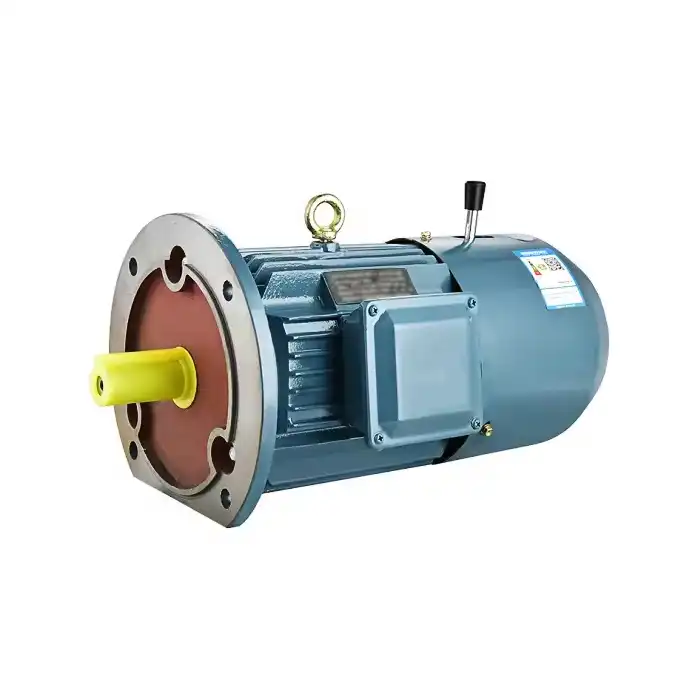
Series:YVFE5
Frequency conversion range:30hz~50hz,5hz~70hz,5hz~100hz
Power range:0.75-1000kW
Protection level:IP55
Application:are suitable for driving various mechanical equipment that require continuous and frequent forward and reverse rotation, such as steel rolling, lifting, transportation, machine tools, printing and dyeing, papermaking, chemicals, textiles, pharmaceuticals, etc., and can be used with various domestic and foreign variable frequency power supplies.
Advantage:high efficiency, wide speed range, high precision, stable operation, and easy operation and maintenance.
Certificate:installation dimensions comply with International Electrotechnical Commission (IEC) standards.
Others: SKF, NSK, FAG bearings can be replaced according to customer requirements.
Mapping Conveyor System Load Profiles and Control Needs
Understanding the load profiles and control requirements of your conveyor system is the foundation for selecting the appropriate VFD duty motor. Let's delve into the key aspects you need to consider:
Load Characteristics
Different types of loads behave in different ways on conveyor systems, which affects the choice of motor. Some of these are:
- Needs for starting torque
- Changes in running torque
- Demands at peak load
- Patterns of duty cycle
By making accurate maps of these load patterns, you can figure out what size and type of motor your conveyor system needs.
Speed Control Requirements
Different uses for a conveyor may need different amounts of speed control:
- Operating at a constant speed
- Controls for different speeds
- Ability to precisely position
Figuring out what kind of speed control you need will help you choose a VFD duty motor that can do the job well.
Environmental Factors
Think about where your conveyor system will be used:
- Ranges of temperatures
- Levels of humidity
- Dust, dirt, or corrosive substances should not be present.
- Thoughts on altitude
These things affect how the motor is built and what safety measures are needed to make sure it works well in tough conditions.
Energy Efficiency Goals
Look over your goals for saving energy:
- Levels of business efficiency that are wanted
- Goals for saving energy
- Following the rules for energy
Making sure that the motor you choose fits these goals can help you save a lot of energy and money over time.
Critical Compatibility Factors Between VFDs and VFD Duty Motors
It is important to make sure that Variable Frequency Drives (VFDs) and VFD duty motors can work together for the best performance and longest life. Let's look at the most important things that affect this compatibility:
Voltage and Current Ratings
Make sure that the VFD and motor have the same voltage and current ratings:
- Compatibility with nominal voltage
- Capacity to handle things now
- Overload safety settings
When these grades are lined up correctly, they stop electrical stress and make sure the system works safely.
Frequency Range
Take a look at the operating frequency range:
- Base speed of the motor
- Maximum frequency that can be used
- The lowest stable frequency for operation
To get the speed control you want, you must make sure the VFD can provide the needed frequency range.
Insulation System
Check out the motor's protection system:
- Ability to handle voltage spikes
- Rating for insulation class
- Compatible with waveforms produced by VFD
A strong insulation system keeps the motor safe from electric stress and makes it last longer.
Bearing Protection
Take care of possible bearing problems:
- Systems for fixing shafts
- Bearings with insulation
- Getting rid of common mode currents
Electrical discharge machining (EDM) effects can cause bearings to fail early if they are not properly protected.
Cooling System Compatibility
Make sure the motor is cool enough at all speeds:
- Forced airflow vs. self-ventilation
- Devices that protect against heat
- How well cooling works at low speeds
Matching the cooling system to the way the VFD works keeps the motor from getting too hot and makes it last longer.
Comparing VFD Duty Motor Options for Various Conveyor Types
Depending on the type of machine, the motor needs to have certain features. Here are some VFD duty motor choices for common conveyor systems that we will look at:
Belt Conveyors
For conveyor belts, think about:
- High ability to start up torque
- Operation with constant torque
- Strong construction for dusty places
Most of the time, induction motors with inverter-duty rates can be used with belt conveyors.
Roller Conveyors
Usually, roller machines need:
- Accurate control of speed
- Low friction lets you start and stop quickly.
- Small design for easy fitting
When it comes to roller transport systems, permanent magnet motors or servo motors may work best.
Screw Conveyors
To run screw conveyors, motors must have:
- Low speeds with a lot of torque
- Being able to handle different loads
- How well it resists vibrations
Most of the time, geared motors or high-pole count induction motors are used with screw conveyors.
Optimizing Motor-VFD Pairing for Efficiency and Longevity
To get the most out of your VFD duty motor and drive system and make it last as long as possible, try these improvement strategies:
Proper Sizing and Selection
Don't go too big or too small by:
- Doing a thorough study of load
- Taking into account both peak and average load needs
- Taking into account the need for future growth
The right size makes sure that energy is used efficiently and that parts don't have to work too hard.
Harmonics Mitigation
Fix problems with harmonics by:
- Putting in place active filters or line reactors
- Using VFD setups with multiple pulses
- Thinking about front-end drives that are active
Getting rid of vibrations makes the system work better and extends the life of the motor.
Cable and Grounding Considerations
Improve placement by:
- Using motor wires with shields
- Using the right methods for grounding
- Keeping wire lengths as short as possible
Using the right cables and grounding can cut down on electromagnetic radiation and make a system more reliable.
Specifying the Ideal VFD Duty Motor for Your Conveyor Application
These steps will help you choose the best VFD duty motor for your conveyor system:
Comprehensive Application Analysis
Think carefully about how you will be using your conveyor:
- Write down working cycles and load profiles
- Find out what speed range you need.
- Check the conditions of the surroundings
Your motor specification is based on this research.
Performance Requirements Definition
Make it clear what motor performance is needed:
- Features of torque (constant vs. changing)
- Accuracy of speed control
- Goals for efficiency
These specs help cut down the choices for motors that will work.
Motor Type Selection
Based on your research, pick the right type of motor:
- AC engines with magnets
- Motors with permanent magnets
- Reluctance motors that work together
Each type of motor has its own benefits and is best used for certain types of transportation tasks.
Compatibility Verification
Make sure it works with the VFD you've chosen:
- Check the values for voltage and current
- Check the frequency range's skills
- Make sure the shielding system works.
In this step, problems that could happen because of parts that don't fit together are avoided.
Conclusion
Getting the right VFD duty motor for your conveyor system is very important because it determines how well it works, how much power it uses, and how long it lasts. When picking a motor for your machine, you can make it work better by carefully considering the types of loads, the controls you need, and whether the motor will work with other parts. Just remember to think about the weather, your energy goals, and how you want to grow in the future when you make your choice. When you connect the right motor to the right VFD, your conveyor systems will work better, get more done, and cost less to keep.
FAQ
Q1: What are the key benefits of using VFD duty motors in conveyor systems?
A1: VFD duty motors offer several advantages for conveyor systems, including precise speed control, energy efficiency, soft start capabilities, and the ability to handle varying load conditions. These benefits lead to improved process control, reduced wear on mechanical components, and lower operating costs.
Q2: How does the operating environment affect VFD duty motor selection?
A2: The operating environment plays a crucial role in motor selection. Factors such as temperature, humidity, dust levels, and the presence of corrosive substances can impact motor performance and longevity. When selecting a VFD duty motor, it's essential to choose one with appropriate ingress protection (IP) ratings and cooling systems that can withstand the specific environmental challenges of your conveyor application.
Q3: What are the common challenges in pairing VFDs with motors, and how can they be addressed?
A3: Common challenges include voltage spikes, bearing currents, and harmonics. These issues can be addressed by using motors with reinforced insulation systems, implementing shaft grounding or insulated bearings, and using appropriate line filters or reactors. Proper cable selection and installation practices also play a significant role in mitigating these challenges and ensuring optimal VFD-motor system performance.
Choose XCMOTOR for Your VFD Duty Motor Needs
When choosing a VFD duty motor for conveyor systems, XCMOTOR is a trustworthy and creative source. Our wide selection of high-performance motors meets industrial automation and conveyor needs. XCMOTOR's VFD duty motors perform well in harsh situations due to its energy economy, durability, and precision control.Our expert engineers can help you identify the right motor for your conveyor. From initial consulting to after-sales assistance, we strive to maximize your investment.
Don't compromise on conveyor system performance. Trust XCMOTOR as your VFD duty motor supplier and discover the difference quality and expertise can make. Email xcmotors@163.com to discuss your project and learn how we can optimize your conveyor operations.
References
1. Johnson, A. R. (2022). Advanced Motor Control in Conveyor Systems: Principles and Applications. Industrial Automation Press.
2. Smith, L. K., & Brown, T. E. (2021). VFD-Motor Compatibility: Ensuring Optimal Performance in Industrial Applications. IEEE Transactions on Industry Applications, 57(4), 3421-3435.
3. Miller, R. D. (2023). Energy Efficiency in Conveyor Systems: The Role of VFD Duty Motors. Energy Engineering Journal, 120(2), 78-92.
4. Thompson, G. H. (2022). Conveyor System Design and Optimization: A Comprehensive Guide. Mechanical Engineering Publications.
5. Chen, Y., & Davis, M. (2021). Environmental Factors Affecting Motor Selection in Industrial Settings. Journal of Industrial Electronics, 45(3), 567-582.
6. Wilson, K. L. (2023). Harmonics Mitigation Strategies for VFD-Driven Motors. Power Electronics Magazine, 18(2), 34-41.
YOU MAY LIKE
- VIEW MOREatex electric motor
 VIEW MOREYPKK series high voltage frequency asynchronous motor
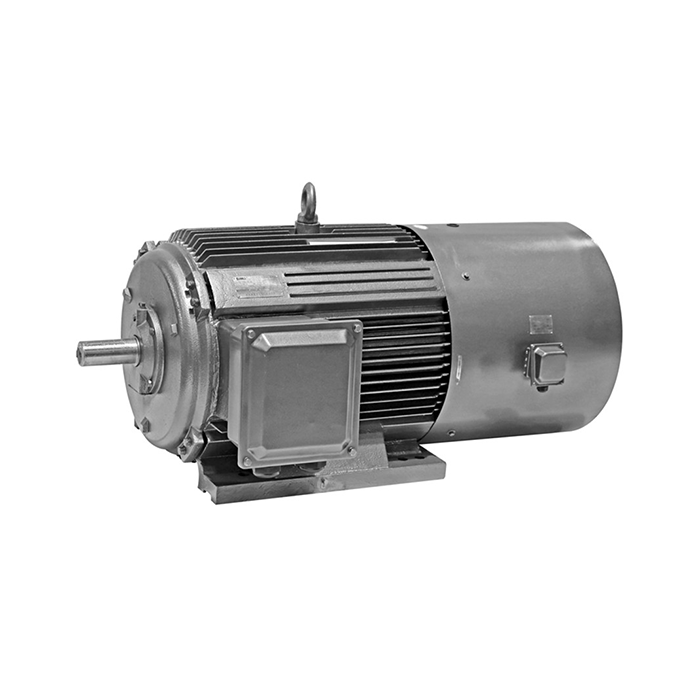 VIEW MOREYVFE3 frequency conversion speed regulating motor
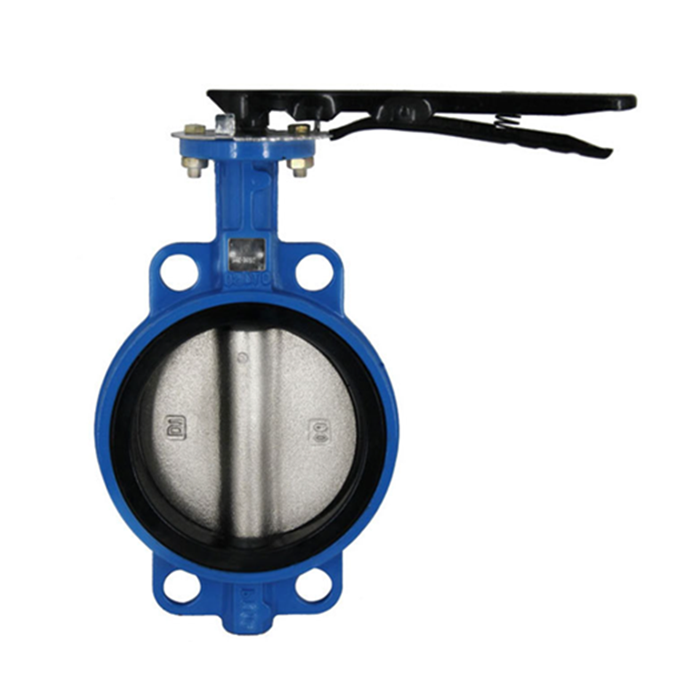 VIEW MOREfull lug butterfly valve
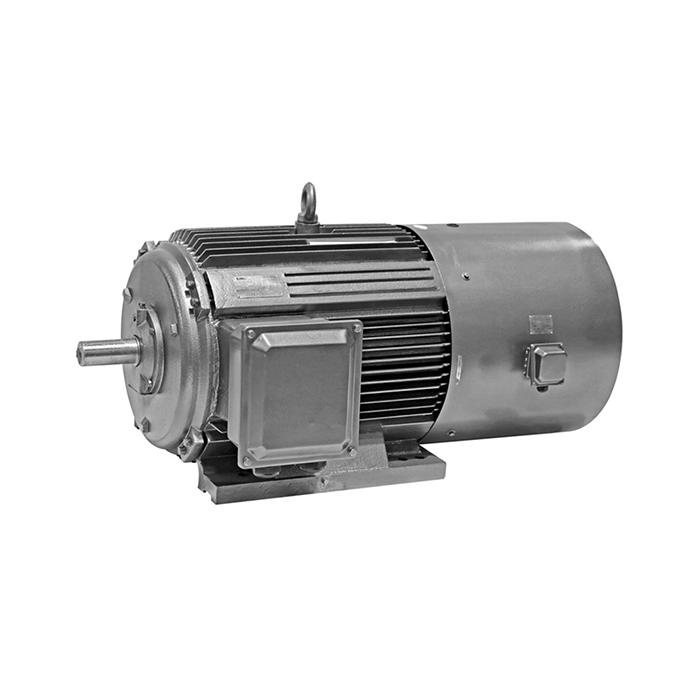 VIEW MOREinverter duty motor
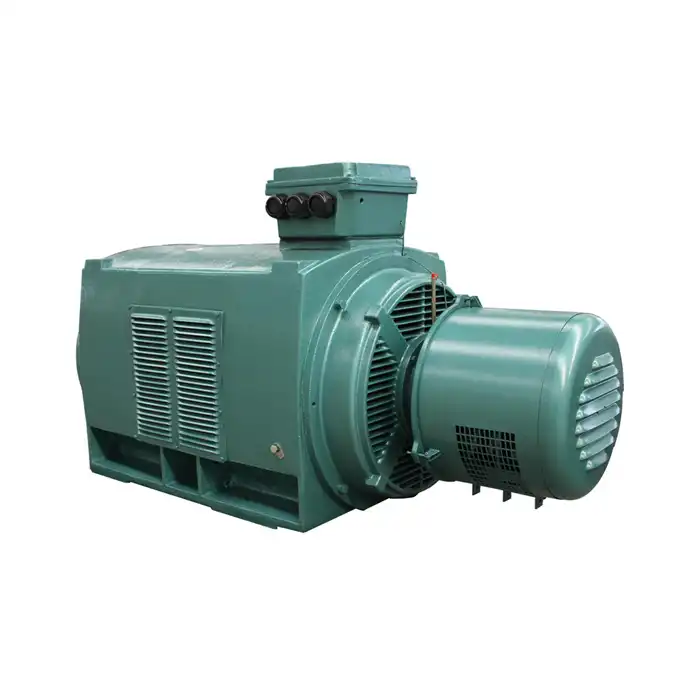 VIEW MOREac wound rotor motor
 VIEW MORE3 phase induction squirrel cage motor
 VIEW MOREexplosion proof motor enclosure