



IP23 Motor vs. IP55 Motor: Key Differences Explained
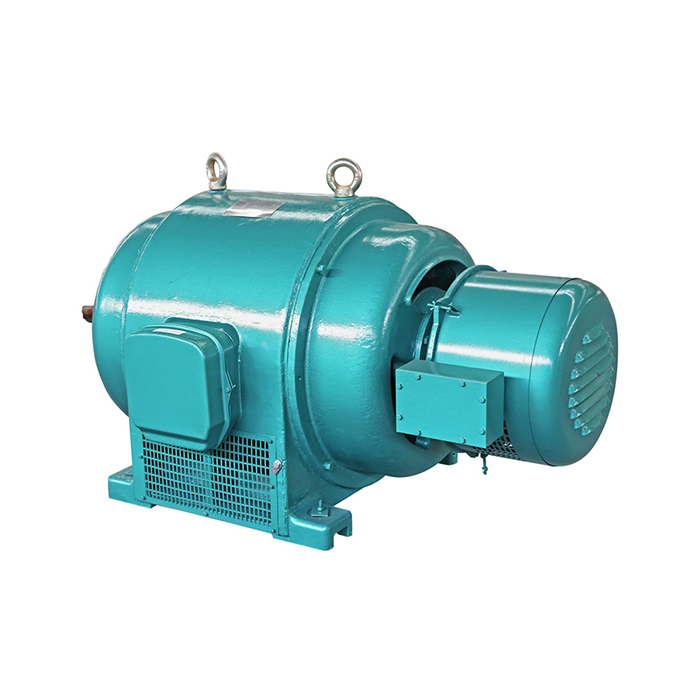
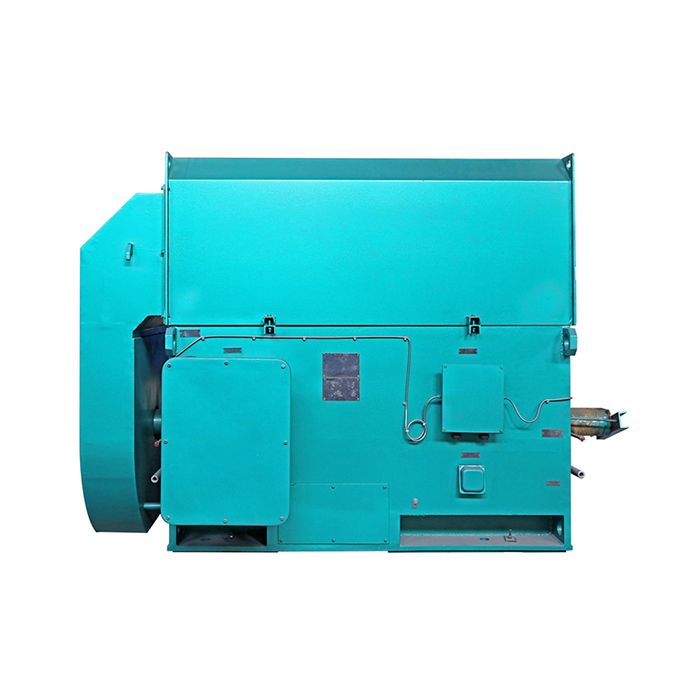
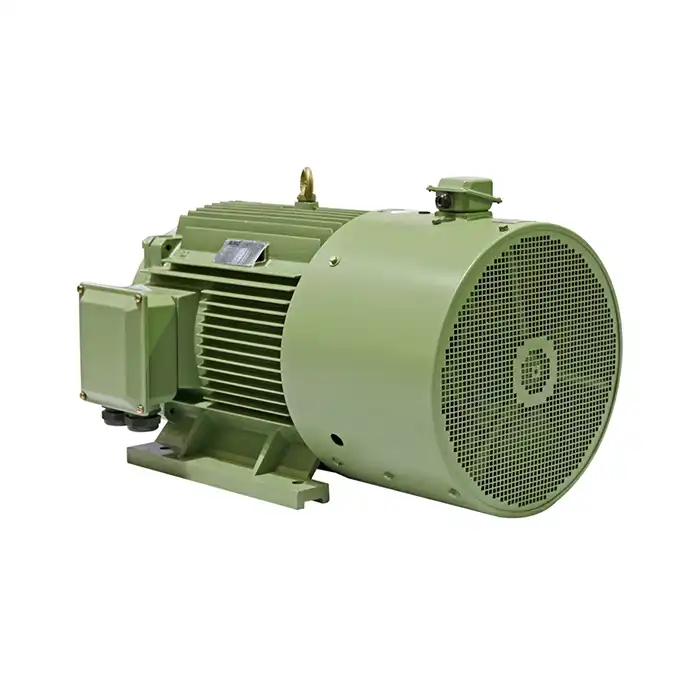
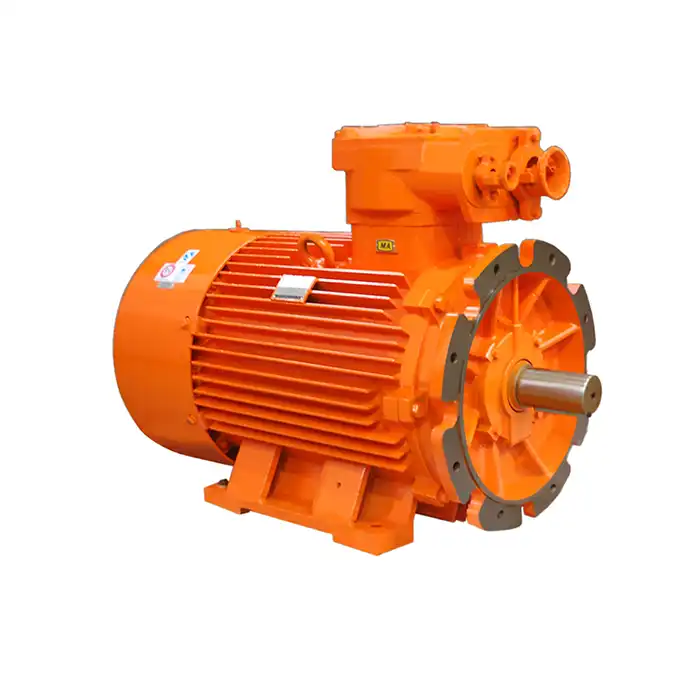
When selecting electric motors for industrial use, understanding protection ratings is key to ensuring optimal performance. IP23 and IP55 motors differ in their protection levels, environmental suitability, and application types. IP23 motors offer basic protection against larger solid particles and water spray from specific angles, while IP55 motors provide full dust protection and resistance to water jets from all directions. This distinction influences cooling systems, durability needs, and cost considerations for various industrial environments.

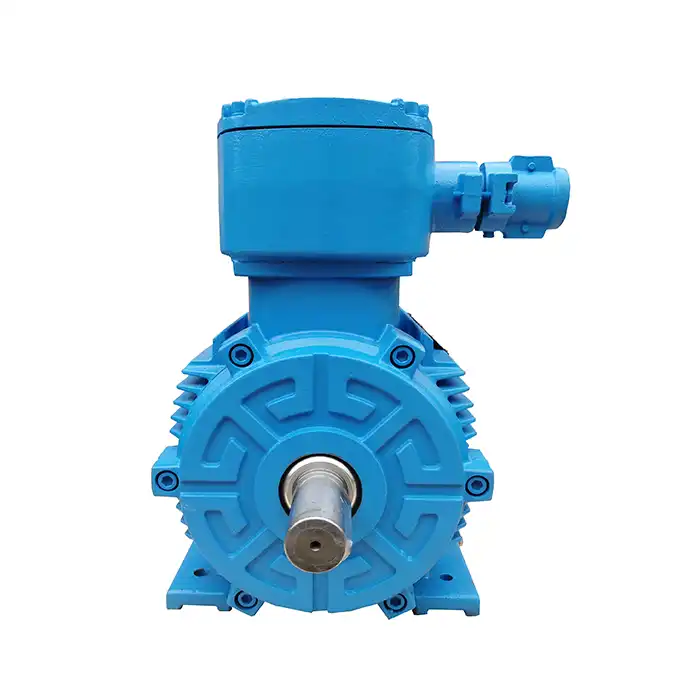
Series:Y
Voltage range: 380V±5%
Power range: 55~355 kW
Protection level:IP23
Application: This series of motors can be used to drive various machinery. Such as ventilators, compressors, water pumps, crushers, cutting machine tools and other equipment, and can be used as prime movers in coal mines, machinery industries, power plants and various industrial and mining enterprises.
Advantage: This series of motors has the advantages of high efficiency, energy saving, low noise, small vibration, light weight, reliable performance, and convenient installation and maintenance.
Certificate: The motor complies with JB5271-91
Others: SKF, NSK, FAG bearings can be replaced according to customer requirements.
Understanding Motor Protection Ratings and Their Industrial Impact
The IP (Ingress Protection) rating system defines how well electrical equipment resists environmental factors. Each IP23 motor designation contains two digits that reveal specific protection capabilities. The first digit indicates solid particle protection, while the second addresses water resistance levels.
According to the International Electrotechnical Commission, IP grade norms are based on international rules. These rules make sure that motors work the same way in all kinds of industry settings. Companies that make things use these scores to help them choose the right tools for each job.
Motor safety has a direct effect on how long equipment lasts and how often it needs to be maintained. When security isn't good enough, things break down early, cause more downtime, and need expensive fixes. When buying teams understand these rates, they can make choices that balance the costs of the original purchase with the costs of running the business in the long term.
If you need reliable protection in controlled indoor environments, then IP23 motor solutions provide cost-effective performance for manufacturing and process control applications.
Detailed Analysis of IP23 Motor Protection Standards
- IP23 motors feature protection against solid objects exceeding 12.5mm diameter, preventing finger contact with internal components. This protection level suits environments where large debris poses minimal risk. The water protection resists spray at angles up to 60° from vertical, making these motors suitable for indoor applications with limited moisture exposure.
- Testing data shows IP23 motors maintain operational integrity when exposed to water spray rates of 10 liters per minute for 10 minutes. This protection handles typical industrial conditions including occasional cleaning operations and minor water splashing.
- The open ventilation design in IP23 motors enables efficient heat dissipation through enhanced airflow. This cooling method supports continuous operation in applications requiring sustained power output. Manufacturing environments benefit from this thermal management approach, particularly in automotive and electronics production.
- Maintenance accessibility represents another advantage of IP23 protection. The design allows easier inspection of internal components and simplified servicing procedures. This accessibility reduces maintenance time and associated labor costs in industrial facilities.
If you need motors for clean manufacturing environments with minimal dust exposure, then IP23 motor options deliver excellent thermal performance and maintenance convenience.
Comprehensive IP55 Motor Protection Features
- IP55 motors provide dust-tight protection, preventing any particle ingress that could affect operation. This complete dust protection makes them essential for harsh industrial environments including mining operations, outdoor installations, and processing facilities with high particulate levels.
- Water resistance testing confirms IP55 motors withstand water jets from 6.3mm nozzles at 12.5-liter-per-minute flow rates. This protection handles pressure washing, heavy rain exposure, and direct water contact during cleaning operations. Food processing and chemical industries rely on this enhanced water resistance.
- The enclosed design requires internal cooling systems or specialized ventilation arrangements. Heat dissipation occurs through frame conduction and controlled air circulation, maintaining optimal operating temperatures without external contamination risks.
- Installation flexibility increases with IP55 motors due to their environmental resilience. These motors operate effectively in outdoor applications, washdown areas, and locations with variable atmospheric conditions. Power generation and water treatment facilities utilize IP55 motors for critical equipment protection.
If you need motors for outdoor installations or environments with significant dust and moisture exposure, then IP55 motors provide superior protection and operational reliability.
Cooling System Variations Between Protection Levels
- IP23 motors utilize direct air cooling through open ventilation systems. External fans draw ambient air through the motor housing, providing efficient heat removal during operation. This cooling method achieves temperature rises typically below 80K under rated load conditions. IP55 motors employ closed cooling systems to maintain environmental protection. Heat transfer occurs through surface cooling, internal air circulation, or specialized heat exchangers. These systems require careful thermal design to prevent overheating while preserving ingress protection.
- Performance testing demonstrates IP23 motor cooling systems maintain consistent thermal management across varying ambient temperatures. The open design enables rapid heat dissipation, supporting applications with frequent start-stop cycles or variable load demands.
- Cooling efficiency differences affect motor sizing and application suitability. IP23 motors often achieve higher power density due to superior heat dissipation capabilities. IP55 motors may require larger frames or enhanced cooling features to achieve equivalent thermal performance.
- The cooling system design influences noise levels and vibration characteristics. Open-cooled IP23 motors typically generate higher noise levels due to cooling fan operation. Enclosed IP55 systems often produce lower acoustic emissions but may require additional vibration control measures.
If you need motors with superior heat dissipation for continuous duty applications, then IP23 motor cooling systems provide optimal thermal management and power density.
Application-Specific Performance Comparison
- Manufacturing environments benefit from IP23 motor applications in conveyor systems, machine tools, and processing equipment. The enhanced cooling capability supports high-duty cycles common in automotive production and electronics manufacturing. These applications prioritize thermal performance over environmental protection.
- HVAC systems frequently utilize IP23 motors for indoor air handling units, circulation fans, and building automation equipment. The protection level suits controlled environments while providing excellent heat dissipation for continuous operation requirements.
- Power generation facilities employ both protection levels depending on specific applications. IP23 motors serve indoor equipment including cooling water pumps, fuel handling systems, and auxiliary power units. The thermal advantages support reliability requirements in critical power infrastructure.
- Process control applications in chemical and petrochemical industries often specify IP55 motors for pump drives, compressor systems, and material handling equipment. The enhanced protection handles challenging atmospheric conditions including chemical vapors and moisture exposure.
- Water treatment facilities rely heavily on IP55 motors for sewage pumps, filtration equipment, and chemical feed systems. The water resistance capabilities ensure reliable operation in high-moisture environments with frequent washdown requirements.
If you need motors for precision manufacturing with controlled environments, then IP23 motor solutions provide optimal performance and cost-effectiveness for indoor industrial applications.
Cost Analysis and Maintenance Considerations
- IP23 motor procurement costs typically run 15-25% lower than equivalent IP55 motors due to simpler construction requirements. This cost advantage makes them attractive for budget-conscious projects with appropriate environmental conditions. Initial savings can fund additional equipment or system enhancements.
- Maintenance requirements differ significantly between protection levels. IP23 motors allow direct access to internal components, reducing inspection time and simplifying troubleshooting procedures. Bearing replacement, winding inspection, and general maintenance tasks require less labor investment.
- Operational costs reflect the cooling system differences. IP23 motors may consume additional energy for cooling fans but often achieve better overall efficiency due to superior thermal management. This efficiency advantage can offset higher cooling energy consumption over the motor's service life.
- Reliability data shows IP23 motors in appropriate environments achieve mean time between failures comparable to IP55 motors. The key factor involves matching motor protection to actual environmental conditions rather than over-specifying protection requirements.
- Long-term ownership costs include energy consumption, maintenance labor, and replacement part availability. IP23 motors generally offer lower total cost of ownership in suitable applications due to reduced initial investment and simplified maintenance requirements.
Spare parts inventory requirements vary between protection levels. IP23 motor components often feature standard designs with broad availability. This standardization reduces inventory costs and improves replacement part lead times for critical applications.
If you need cost-effective motor solutions with simplified maintenance for controlled industrial environments, then IP23 motor options deliver superior value and operational efficiency.
Industry-Specific Selection Guidelines
- Automotive manufacturing facilities benefit from IP23 motor installations in assembly line equipment, painting booth ventilation, and material handling systems. The controlled environment suits IP23 protection while the thermal performance supports demanding production schedules.
- Aerospace applications utilize IP23 motors for test equipment, tooling systems, and facility HVAC installations. The precision requirements and controlled manufacturing environments align with IP23 capabilities while maintaining strict quality standards.
- Electronics production requires clean environments where IP23 motors provide adequate protection. Circuit board manufacturing, component testing, and clean room ventilation systems benefit from the enhanced cooling and maintenance accessibility of IP23 protection.
- Food processing operations often specify IP55 motors for production equipment requiring frequent sanitation. The water resistance handles aggressive cleaning procedures while maintaining hygienic standards required in food safety applications.
- Renewable energy installations utilize IP55 motors for outdoor applications including solar tracking systems, wind turbine auxiliary equipment, and weather monitoring systems. The environmental protection ensures reliable operation despite weather exposure.
- Transportation infrastructure employs both protection levels depending on installation location. IP23 motors serve indoor applications like station ventilation and escalator drives, while IP55 motors handle outdoor installations and weather-exposed equipment.
IP23 motor solutions provide the best possible performance for applications in the manufacture of electronics, aircraft, and automobiles. If you need motors for precise manufacturing in controlled environments, contact us.
Conclusion
The choice between IP23 and IP55 motor safety relies on the surroundings and the needs of the application. IP23 motors work best in controlled indoor settings where better cooling and lower costs are more important than better environmental protection. Because they are good at managing heat, they are perfect for steady job uses in HVAC, process control, and industrial systems. Knowing these basic differences lets you make smart choices that improve performance while keeping costs low. When choosing the right motor for an industrial purpose, it's important to make sure it works reliably, needs little upkeep, and gives you the best return on your investment.
Ready to Select the Right Motor Protection for Your Application?
XCMOTOR specializes in delivering reliable IP23 motor solutions designed for demanding industrial applications. Our comprehensive range covers 55kW to 355kW power ratings with proven performance in manufacturing, HVAC, and process control systems. Each motor undergoes rigorous quality testing and carries international certifications including CE and ISO 9001:2015 compliance. As a trusted IP23 motor manufacturer, we provide dedicated technical support, fast delivery, and 30-day return policies to ensure complete customer satisfaction. Contact our engineering team at xcmotors@163.com to discuss your specific motor requirements and receive expert application guidance.
References
1. International Electrotechnical Commission Standards for Motor Protection Rating Classifications and Testing Procedures, 2023 Edition
2. Industrial Motor Performance Analysis: Thermal Management and Environmental Protection Comparison Study, Journal of Electrical Engineering Applications, 2023
3. Cost-Benefit Analysis of Motor Protection Levels in Manufacturing Environments, International Conference on Industrial Automation, 2024
4. Motor Selection Guidelines for HVAC and Process Control Applications, American Society of Mechanical Engineers Technical Publication, 2023
5. Reliability Studies of Electric Motors in Various Industrial Protection Configurations, IEEE Transactions on Industrial Electronics, 2024
6. Maintenance Cost Comparison Between Open and Enclosed Motor Designs in Manufacturing Facilities, Industrial Maintenance and Plant Operation Magazine, 2023