



Understanding Explosion Proof Three Phase Motors: Essential Insights for Electrical Professionals
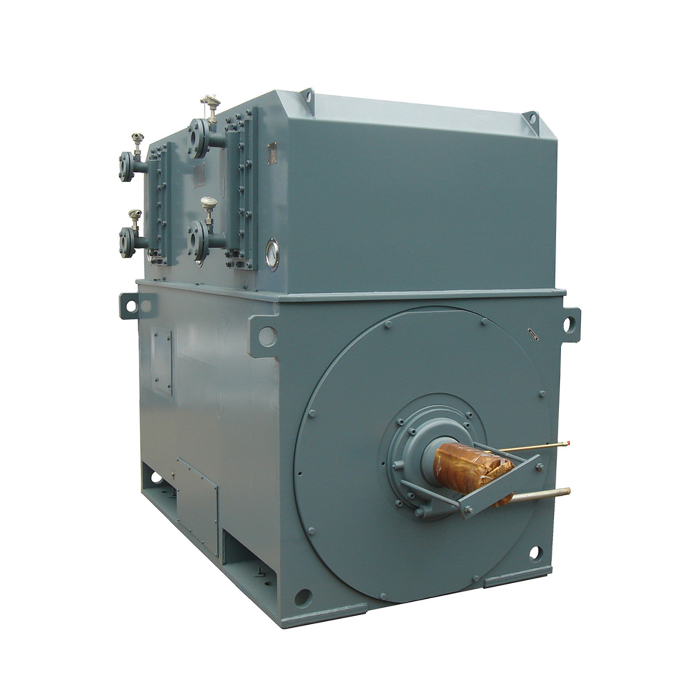
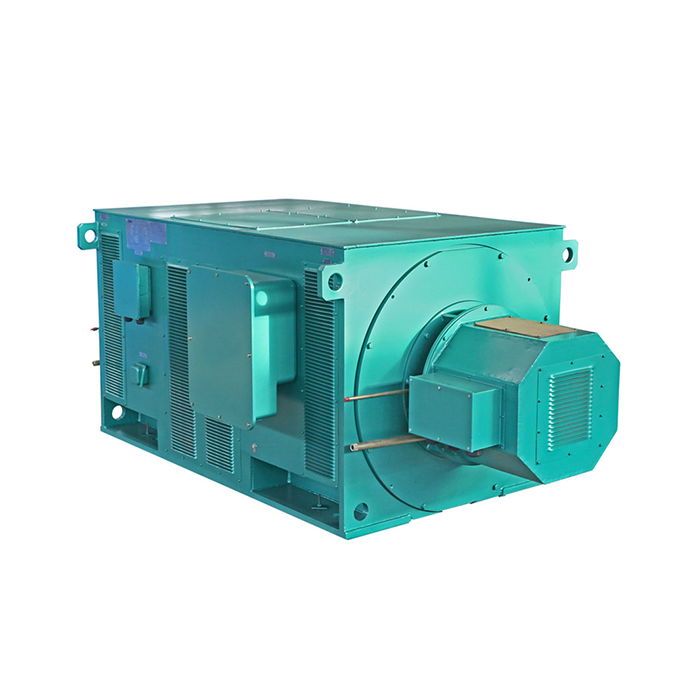
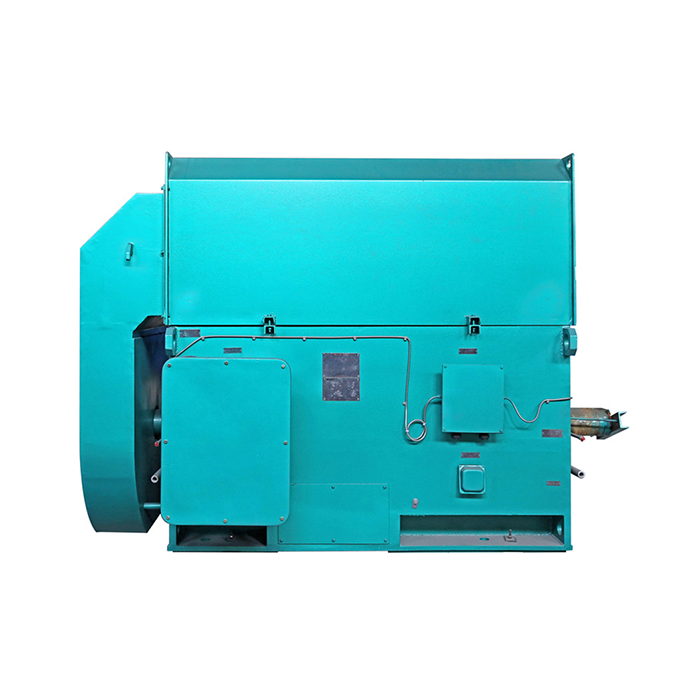
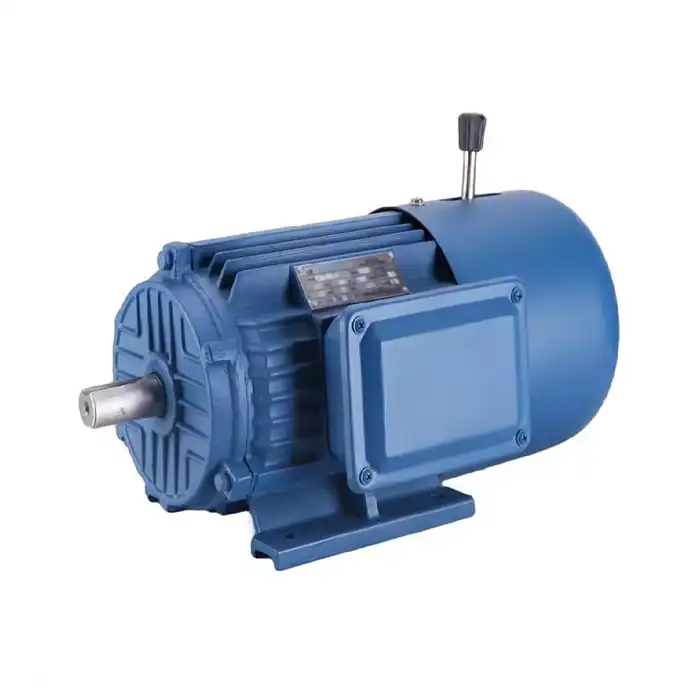
An explosion proof ac motor is a three-phase motor that has been tested such that an internal spark cannot escape to ignite an external flammable gas, mist or dust. The hefty casing contains the explosion and cools hot gasses using accurately carved flame channels. This is a safety element of a normal motor that does not have and may create a harmful environment. When choosing the proper unit, it’s not only horsepower that matters. You also need to make sure it meets the site classification, gas group, temperature class and mechanical fit. This manual will assist you to choose, install and purchase these motors as it explains how they operate and how to understand their marks.
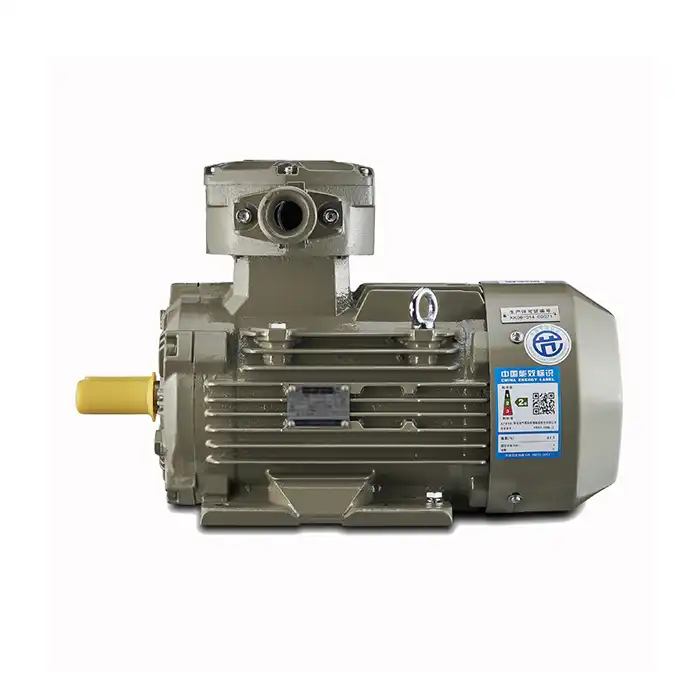
Series:YBX3
Voltage range:380V,660V,415V,380/660V,660/1140V
Power range:0.55-630 kW
Application:places where explosive gas mixtures exist in petroleum, chemical, mining, metallurgy, electric power, machinery and other industries.
Advantage: fully enclosed, self-fan cooling, squirrel cage type, high efficiency.
Explosion-proof mark: Ex d I Mb, Ex d IIB T4 Gb, Ex d IIC T4 Gb
Others: SKF, NSK, FAG bearings can be replaced according to customer requirements.
What Is an Explosion Proof Three Phase Motor?
How a Three Phase Motor Produces Torque
The stator windings are supplied by a three-phase supply creating a spinning magnetic field. This field causes current to flow through the rotor bars of a squirrel cage rotor. When the two magnetic fields come together they generate torque at the shaft. In this design there are no brushes or commutators hence there is no common spark source. An explosion proof AC motor is one that has a certified enclosure, flame resistant machining routes, a sealed terminal box, permitted cable entrance points and if desired, temperature sensors in the windings. One thing I want to make clear, is that construction does not prevent internal flaws. It has the energy of an internal combustion engine and cools the exiting gas, keeping the air surrounding safe.
How an Explosion Proof AC Motor Differs From a General-Purpose Motor
There are gaps and coverings on a general purpose motor that have never been tested against an internal explosion. Thick cast iron and lengthy accurately machined joints, plus a terminal box inspected as part of the approved assembly, provide a flameproof construction. Our explosion safe AC motor line has copper windings, cast iron frame and end shields, and corrosion resistant paint. It is all encased and has a fan to keep itself cool. It is a squirrel cage. An all-in-one fan cooled (TEFC) body excludes just water and filth. There is no ranking for risky places. Changing a cover, cable entrance or fastening invalidates the certification. Also it is crucial to ensure the system is compatible since starters, drives and glands all need to fit in the same place.
Where an Explosion Proof AC Motor Runs
Oil and gas facilities, refineries, chemical plants, factories that make paint and solvents, grain elevators, flour mills, underground mines, and factories that make medicines are all common places for this to happen. There are also places with explosive gas mixtures in metallurgy and power plants. Power tools like fans, compressors, mixers, and conveyors are run by motors in these plants. If you're in a refinery and a pump motor is next to a seal that can leak hydrocarbon vapor, you need to mark that spot with the right classification. In grain and flour areas, there is flammable dust that needs to be marked with a dust rating. Check the nameplate to make sure of this. What is allowed is set by local rules and the site classification drawing. You should check these out before you buy anything.
Explosion Proof Motor Types, Standards, and Temperature Class
Motor Types and Enclosure Terms
Induction motors with squirrel cages make up most industrial units. There are also brake motors, drive-duty models, and versions for cold, wet, mining, dusty, corrosive, or humid environments on the bigger market. Three-phase designs are better than single-phase ones in terms of power range, starting torque, and steady running. This is why fans and pumps that work all the time use them. In our YBX3 series, each explosion proof AC motor has 2, 4, 6, or 8 poles and can handle 0.55 to 630 kW. The language used varies by region. Documents from North America say that something is explosion proof, but documents from IEC and ATEX say that it is flameproof, written Ex d. Both talk about a container that can hold up against an explosion inside. TEFC talks about sealing and cooling, not getting approval for dangerous areas.
Classes, Divisions, and Zones
US sites follow NEC Article 500, which sorts dangers into three groups: Class I is for gasses and vapors, Class II is for dust that can catch fire, and Class III is for fibers. Division 1 means that the danger is present when things are running normally. Division 2 means that it only shows up when things aren't normal. Instead, Zones 0, 1, and 2 are used for gasses, and Zones 20, 21, and 22 are used for dust. These are NEC Articles 505 and 506 and the IEC scale. Zone 1 is about the same as Division 1, and Zone 2 is about the same as Division 2. Each explosion proof AC motor must be appropriate for the environment it will be operating in. Which listing is accepted by the local authority is up to them. An ATEX certificate does not replace a US listing, so I ask buyers to make sure they know what they need first when choosing a top flameproof motor factory in china.
Gas Group, Temperature Class, and Markings
Ex d I Mb, Ex d IIB T4 Gb, and Ex d IIC T4 Gb are the marks we use. Fireproof is what ex d means. Group I mining equipment is marked with an Mb, which means it can only be used for mining. Zone 1 gas equipment is marked with a Gb. The gasses that are easiest to ignite are in Group IIC, which includes hydrogen and acetylene. Gasses like ethylene are in Group IIB. It is possible for IIC equipment to serve IIB areas, but not the other way around. This means that a downgraded marking is not accepted. T4 keeps the surface temperature below 135°C, which is the temperature at which the substance starts to burn on its own. The first class is at 450°C and the last class is at 85°C. Before putting it in stock, check the marking on every explosion proof AC motor.
Explosion Proof AC Motor Performance and Selection
Sizing Beyond Horsepower
Only horsepower can be misleading. It's possible for both a 5 hp (3.7 kW) and a 10 hp (7.5 kW) motor to fit on a pump skid, but the starting current, torque curve, and speed will be different. Rate of power, speed, torque demand, duty cycle, service factor, starting current, acceleration time, and number of starts per hour should all be checked. Checking the supply is part of sizing an explosion proof AC motor. There are 380V, 400V, 415V, 660V, 1140V, and 380/660V and 660/1140V dual ratings in our range, all at 50Hz. The temperature range for the environment is -20°C to +40°C, and the height limit is up to 1000 m. When efficiency goes up, less heat and electricity are used by the winding, which is good inside a sealed enclosure.
Variable Frequency Drive Operation
Tell me before I order if a drive will run the motor. The way a drive works changes the heat, the bearing current, and the insulation stress. There are set limits on what a certified motor can do, and the temperature class must stay the same across the whole speed range. Low speed is important because it means the fan on a self-fan cooled design moves less air. Ask the supplier if the certificate covers how the drive works and what speed range it covers. Check the type of insulation, the arrangement of the bearings, and the grounding of the shaft. Heat rise class B or F is used in our motors, and insulation class F or H is used. So that the technical file matches the real duty when an explosion proof AC motor is running on a drive, I advise writing down the drive details.
A Step-by-Step Selection Method
The location, the substance, its class or zone, gas group, temperature class and the circumstances under which it is found are listed below. Then, verify the driving load is correct. This might be a fan, a pump, a compressor, a mixer, a conveyor or a blower. Then verify the voltage, frequency, number of poles, mounting and the rating of the enclosure (IP55, IP56 or IP65 for our series). Copy the existing nameplate and confirm that the frame dimensions, flange, foot spacing and shaft extension are same so the new unit will fit without needing to be adjusted. Not get a grade lower than the initial grade Lastly, think about the cost of shipping, replacement parts, warranty and technical assistance. The lifetime cost of these items is larger than the cost of the item itself.
Installation, Maintenance, and Common Risk Factors
Installation Rules That Protect the Certification
Use only cable glands and plugs authorized for the motor and of the correct thread and entry type. Seal conduit when NEC requires it. Leave the grounding route open and tighten the terminal connections to the specified torque amount. Ensure the shaft is straight, there is enough room around the fan cover for air circulation and that the overload protection is set to the current indicated on the nameplate. Follow site installation drawings and local electrical regulations . Do not file, sand or paint over flameproof joints. harm widens the course of the flame. Do not remove the terminal box and enclosure sides. To ensure safety of persons and papers, an explosion resistant AC motor is carefully placed.
Routine Maintenance Checks
And keeping a set regimen doesn’t only keep the motor safe, it helps it live longer. Check bearings and lubrication regularly. Test winding insulation resistance and monitor vibration and housing temperature changes. Clean air flow over the cover and fan. Check for corrosion in the paint particularly where it is exposed to water or chemicals. Recheck grounding after any work and maintain a log of each examination. We can provide our motors with bearings from major brands upon request. This is useful for plants that employ just one sort of bearing. Trends are more essential than a single measurement, since frequently a growing vibration or heat indicates problems before it fails. These data also provide predictive maintenance for each explosion proof AC motor.
Mistakes That Cause Failures and Rejections
The mistakes happen over and over in plants. Teams put a TEFC motor that isn't certified in a restricted area, choose the wrong temperature class, or put IIB and IIC units on the same spares shelf. Others put a motor with a drive that isn't right for it, don't adjust the derating for heat or altitude, or use an illegal part to replace a cover bolt or cable entry. Also, a sign or manual written in the wrong language can slow down site acceptance. I think you should mark the spare parts, compare each box to the order, and keep the English manuals next to the nameplate data. Most problems are found before the motor gets to the plant floor by a short receiving check.
Working with a Supplier and Procurement Checklist
What to Ask a Manufacturer
Ask for drawings, routine test reports, and certificates that list the gas group and temperature class for each model, as well as a number that tells you what each one covers. Make sure you know which markets each certification is good for. Our motors are certified by both ATEX (for use in potentially explosive atmospheres) and CCC (for use in China). If you let us know early on that you need more information for a US project, we can talk about what documents we can provide. Ask about their experience with exporting, spare parts, warranty terms, and the time it takes to make a custom voltage or mount. A clear written answer to each question demonstrates that the supplier of any explosion proof AC motor is familiar with the intended use and custom explosion-proof motors procurement in china.
Batch Consistency, OEM, and Wholesale Orders
When buyers restock once a year, they need the same item every time. Ask if the materials, plant, and process stay the same from one batch to the next. Precision machining, winding and insulation, assembly and balancing, testing and certification, final inspection and packaging are the steps we take to make our products. Before production starts for OEM labeling or distributor orders, make sure the nameplate, manual language, and packaging options are correct. Also, make sure that trademark responsibility is clear in writing. For orders that qualify, we can talk about OEM labeling and manual localization. In order to compare the appearance and temperature rise from batch to batch on repeat orders for a replacement explosion proof AC motor, ask for photos and test records.
Pre-Purchase Verification Checklist
Before you approve an order, make sure that the following things are included in a technical submittal: the area class or zone, the gas or dust group, the temperature class, the certification documents, the power, the speed, the voltage, the frequency, the duty, the rating for the enclosure, the ambient temperature, the drive details, the mounting dimensions, the cable glands, the brake needs, and the manuals. Then check the supplier's delivery history, warranty, spare parts, quality system, test capabilities, and technical support. First, gather information about the application. Next, ask for a quote. Finally, look over the drawings and give your approval to the whole package before paying. If you skip the paperwork step, the motor will probably be turned down and the restart will be delayed.
Conclusion
Choosing an explosion proof AC motor is not based on horsepower or price, but rather on compliance and engineering. An internal ignition is built into a flameproof enclosure, and the necessary marking is set by the class, division, zone, gas group, and temperature class. A lower number, like IIB instead of IIC, can't be used instead of the original. The certificate and the people who work with it are both protected by proper sizing, drive details, certified cable entries, and regular inspections. For a like-for-like replacement, the frame, flange, and shaft sizes must be the same, and the batch history must be written down. In the US, the listing that is acceptable is determined by local law and the authority with jurisdiction. This means that a full technical submittal should be approved before it is bought.
FAQ
1. Are explosion proof and flameproof motors the same?
They both talk about the same idea: a container that can withstand an explosion inside and keep flames from escaping. It says "explosion proof" on documents from North America, but it says "flameproof" (marked Ex d) on documents from IEC and ATEX. Rules for approval vary by region, so make sure the listing is one that your site will accept.
2. Can I use a standard TEFC motor in a hazardous area?
No, TEFC only talks about sealing and cooling. A motor for a dangerous area needs to be certified for its case, joints, terminal box, and cable entries, and it also needs to be marked with the right information for the site.
3. What does T4 mean?
T4 limits the surface temperature to 135°C at most. A class whose limit is below the substance's ignition temperature is the one you should pick.
4. What does a supplier need to quote an explosion proof ac motor?
Please send the area class or zone, gas group, temperature class, power, speed, voltage, frequency, mounting, drive, or brake needs, as well as a picture of an old nameplate and the date you need it delivered.
Request a Technical Recommendation
Send XCMOTOR your delivery needs, area classification, and nameplate data at xcmotors@163.com. Our team will look over them and get back to you with a quote. We provide fully enclosed, self-fan cooled YBX3 units with support on Saturdays and Sundays as an explosion proof AC motor supplier. Ask for advice on your next explosion proof AC motor replacement at motorxc.com after viewing the product details there.
References
1. IEC 60079-1: Explosive Atmospheres – Equipment Protection by Flameproof Enclosures "d," 2014
2. IEC 60079-0: Explosive Atmospheres – Equipment – General Requirements, 2017
3. IEC 60079-10-1: Explosive Atmospheres – Classification of Areas – Explosive Gas Atmospheres, 2015
4. NFPA 70: National Electrical Code, 2023
5. NFPA 497: Recommended Practice for the Classification of Flammable Liquids, Gases, or Vapors and of Hazardous (Classified) Locations for Electrical Installations in Chemical Process Areas, 2021
6. IEEE 1349: Guide for the Application of Electric Machinery in Hazardous (Classified) Locations, 2011