


380V AC Motor 200HP: Direct Starting or Reduced Voltage?
When the transformer, feeder, and load can handle an inrush of five to eight times full-load current, direct starting is appropriate for an AC motor 200hp only. It is safer to use reduced-voltage starting if your power supply is weak, the load is heavy, or you start your engine often. The best answer for a wound-rotor motor on a ball mill or crusher is somewhere in the middle. You give the stator full voltage and use external rotor resistance to limit the current. This guide was written to help you choose the best way to start your grid, machine, and outage window before you place your order.
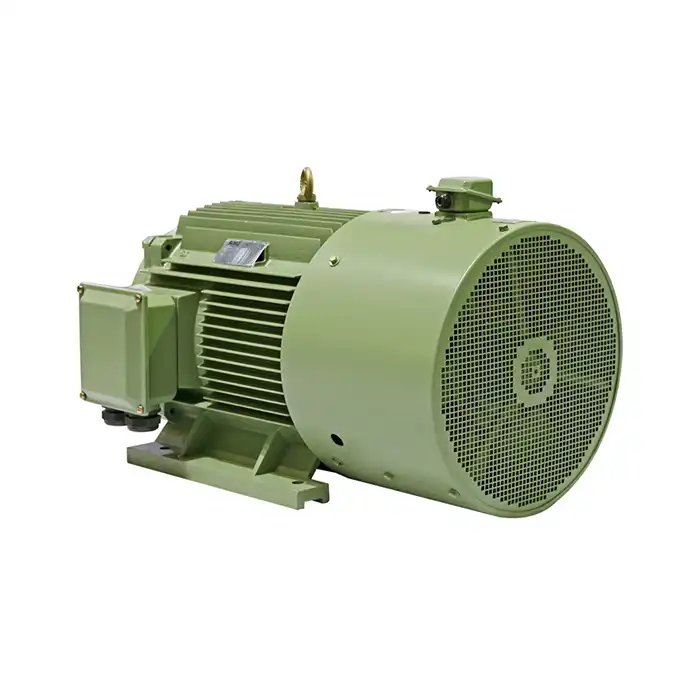
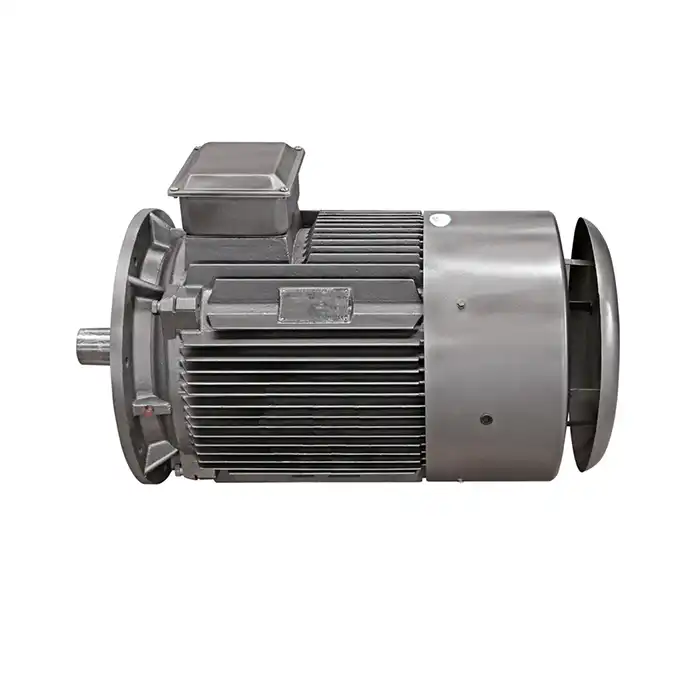
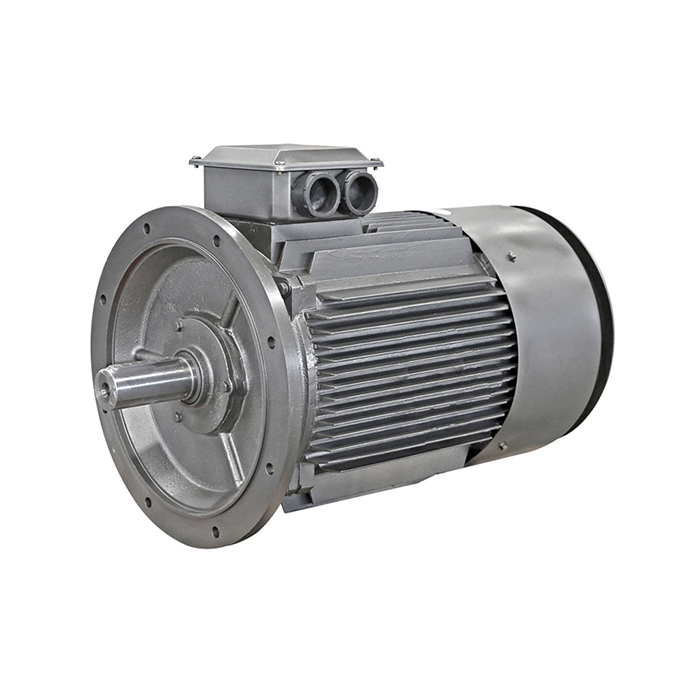
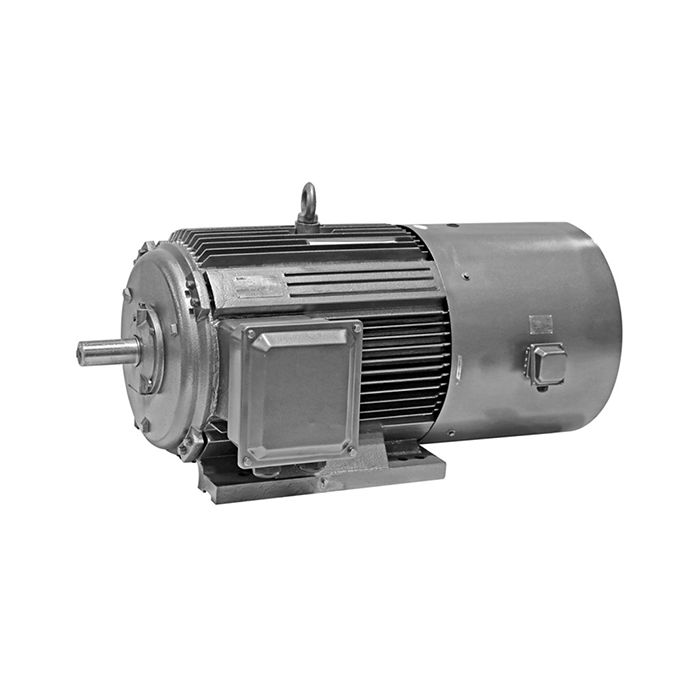
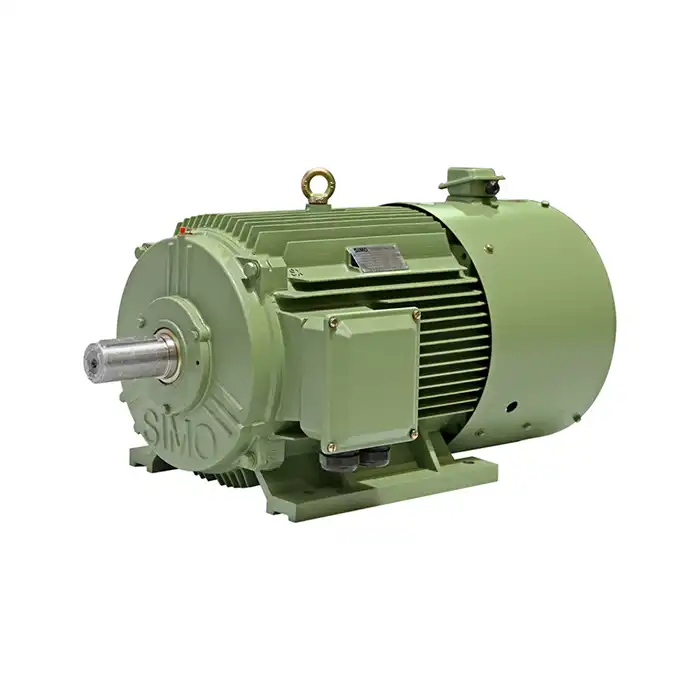
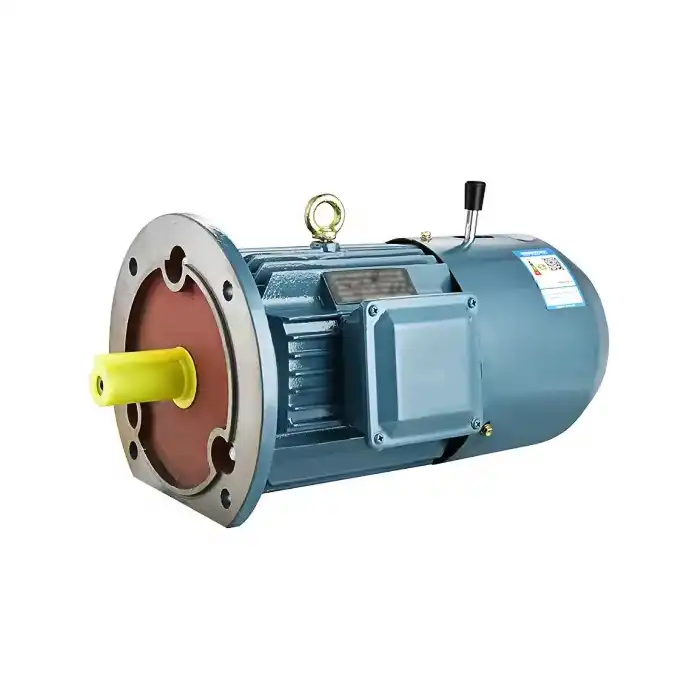
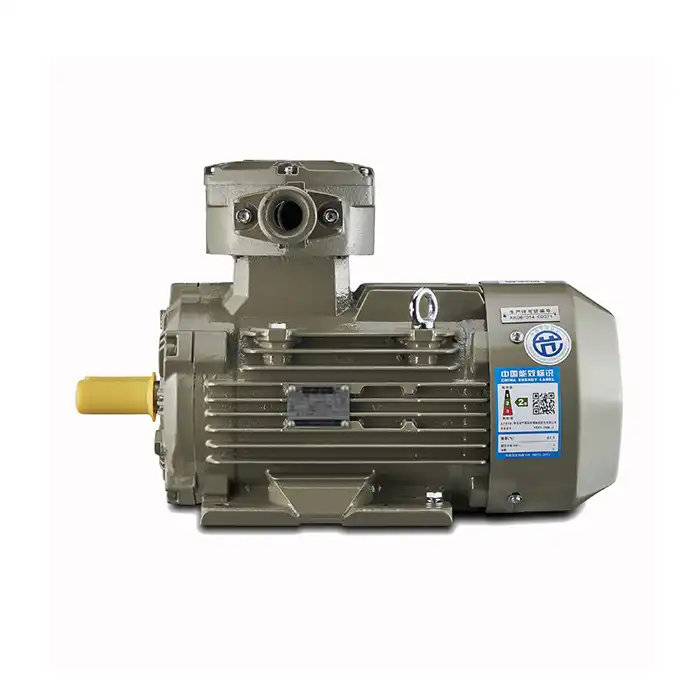
Series:YVFE3
Frequency conversion range:30hz~50hz,5hz~70hz,5hz~100hz
Power range:0.75-1000kW
Protection level:IP55
Application:are suitable for driving various mechanical equipment that require continuous and frequent forward and reverse rotation, such as steel rolling, lifting, transportation, machine tools, printing and dyeing, papermaking, chemicals, textiles, pharmaceuticals, etc., and can be used with various domestic and foreign variable frequency power supplies.
Advantage:high efficiency, wide speed range, high precision, stable operation, and easy operation and maintenance.
Certificate:installation dimensions comply with International Electrotechnical Commission (IEC) standards.
Others: SKF, NSK, FAG bearings can be replaced according to customer requirements.
Understanding a 380V AC Motor 200HP Before Choosing a Starter
Before I compare starters, I always make sure I know what kind of motor they have. There are three more parts that talk about the rating, the series data, and the fit checks.
Power Rating, Current, and Nameplate
About 149 kW of shaft power is equal to 200 HP. Since losses raise the input voltage, line current is based on power factor, load, and efficiency. An AC motor 200hp typically draws between 280 and 320 A at full load when operating at 380V three-phase, but the nameplate always takes precedence. They give us a power factor of 0.88 and a service factor of 1.15. Not just horsepower, but also the nameplate current helps me figure out the right size for cables, protective devices, starters, and the upstream transformer. Often, trips that are annoying after commissioning are caused by wrong assumptions made at this stage.
What the XCMOTOR YQ(JS) Series Offers
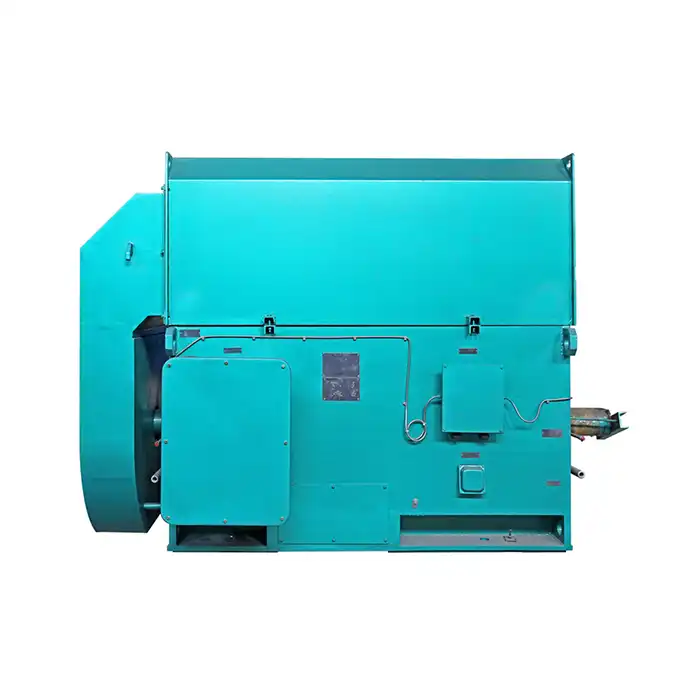
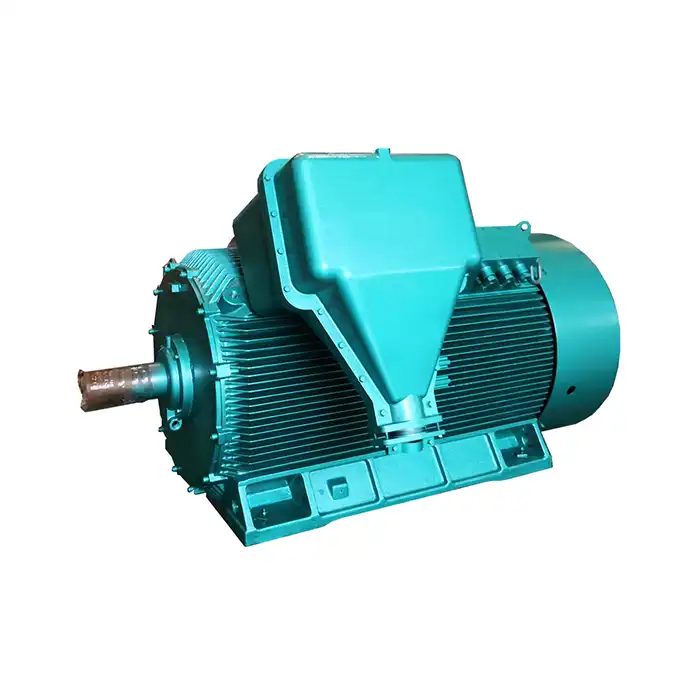
The XCMOTOR YQ(JS) series has Class B insulation and IP23 protection. It can handle 45 kW to 800 kW at 380V ±5% and 50 Hz. We give separate quotes for each power point because the range is so big. 149 kW is one of them. The frame is made of strong cast iron, the rotor is perfectly balanced, and you can choose which brand of bearings to use. The noise level is given as 85 dB(A). This series has a wound-rotor design, which is important for getting it going. In coal mines, power plants, and other mining and industrial sites, it powers fans, compressors, water pumps, crushers, ball mills, cutting tools, and transportation equipment.
Mechanical Fit and Enclosure Checks
Horsepower doesn't show a replacement. I compare the frame size, shaft height, shaft extension, keyway, mounting arrangement, terminal box position, base dimensions, and weight of a 200 hp ac electric motor swap to dimensional drawings. By matching the foundation and coupling, you can avoid road work and long power outages. The same care should be given to the enclosure. Based on the IEC degrees-of-protection standard, IP23 describes an open design that keeps out larger solid objects and spray at an angle. IP54 or higher is often needed in mines and cement plants, so make sure you get written confirmation of the enclosure before you buy. Keep in mind that many plants in the US use 460 V at 60 Hz, but this series is only rated for 380 V at 50 Hz.
Why Starting an AC Motor 200HP Requires Careful Planning
When a motor is first turned on, it is under the most stress. The electrical system and the machine are both put under a lot of stress.
Inrush Current and Voltage Dips
An induction motor can draw five to eight times its full-load current when it starts across the line from an AC motor 200hp. The data sheet for this product says that the starting current for direct starting is 600% of the rated current. To give you an idea, a motor that can handle 290 A would need to pull about 1,740 A six times. The voltage on the bus goes down because of that surge going through the feeder and power transformer. There is a chance that other drives on the same bus will stop working, contactors will lose their connection, and safety relays will trip. The dip gets worse when there are weak supplies, long cable runs, or small transformers.
Mechanical Shock on Couplings and Driven Machines
Another type of surge is a mechanical one. The product data sheet says that the starting torque is 200% of the rated torque. When the motor is started directly, that torque shows up almost right away. The shock is absorbed by the couplings, keys, gearboxes, and belts. It can stretch or break belts on conveyors and cause water hammer in pumps. The motor works hard for longer when ball mills and crushers are used. This is because they add high inertia and high breakaway torque. The windings get hot when the motor starts and stops a lot because starting current is much hotter than running current. Every link in the drive train lasts longer when you start it more slowly.
When Direct Starting Is Acceptable
There is still a place for direct starting. When the transformer is strong, the feeder is short, the load has low inertia, and the utility or plant standard permits the dip, it can be used on an AC motor 200hp. This is often the case for fans and pumps with moderate starting demand. In their design documents, many plants list the biggest voltage drop that can happen, so that's the first thing I check. DOL is still used because it gives the most torque for the least amount of money. For this reason, the decision is based on the supply rather than the motor.
Direct Starting and Reduced-Voltage Options Compared
Starting torque, inrush, cost, and control are all different for each method. For a 380V machine, this is how they are different.
Direct-on-Line and Star-Delta Starting
DOL hooks up the motor directly to the power source. It is easy to use, doesn't cost much, and gives you full torque, but it also causes the most inrush. Star-delta starting first sends a lower voltage to the windings and then increases the voltage to full. The line current drops to about a third of its DOL value, and so does the starting torque. For 380V delta operation, it also needs a motor wound with six leads. Star-delta is better suited to lighter loads because an AC motor 200hp driving a mill or a loaded crusher frequently cannot break away due to torque loss.
Soft Starters, VFDs, and Autotransformers
When the voltage goes up slowly with a soft starter, it lessens the shock on fixed-speed equipment. As voltage changes, so does torque. This means that a low starting voltage also cuts torque very quickly. It costs more and is important to pay attention to harmonics, EMC, motor cooling, cable length, and bearing currents when using a VFD. It also lets you control the speed. Part-winding starters are mostly found in older installations, while autotransformer starters use voltage taps to provide engineered low-voltage starting. Cost, torque, and control requirements must be taken into consideration when selecting an AC motor 200hp.
Wound-Rotor Starting with External Resistance
A wound-rotor motor does something different. The stator gets full voltage, and the rotor circuit is linked to an outside resistor by slip rings and brushes. The extra resistance changes the torque curve, which means the motor can make a lot of torque at low speeds while drawing less current from the line. The resistance steps out as the motor speeds up. It works well with heavy loads like ball mills and crushers because of this. It can also be used instead of a VFD when a fixed speed is enough, which saves money. To get the starting curve for each project, need to know the resistor design because the final current and torque depend on it.
How I Choose the Correct Starting Method for an AC Motor 200HP
Start with the Electrical Supply
The first step is to assess the electrical supply by examining the transformer's kVA rating, short-circuit capacity, cable length, allowable voltage-drop limits, and other loads connected to the same bus. A small transformer may already be operating near its capacity, while a 200 hp AC motor can draw several times its rated running current during startup. The electrical team must determine the minimum acceptable voltage and compare it with the expected starting kVA. Direct-on-line starting may be feasible if the resulting voltage dip remains within the permitted limits. Otherwise, the available alternatives include reduced-voltage starting methods or rotor resistance starting. Skipping this assessment can lead to circuit breaker trips during the first motor startup following an overhaul.
Match the Starter to the Driven Machine
Most pumps and fans need a moderate amount of torque to start up. Mills, conveyors, compressors, and crushers all need a lot of breakaway torque and often start up with a load on them. I also keep track of the number of starts per hour, the time it takes to speed up, the number of times it needs to reverse, and the temperature and humidity outside. For example, a DOL wins when it comes to cost, a soft starter when it comes to smooth acceleration, a VFD when it comes to speed control, and rotor resistance when it comes to torque with limited current. The last one usually works best for a mill that is full. It's easier to compare quotes when you write down the load torque you need before you talk to suppliers.
Account for Brushes, Slip Rings, and Dust
Slip rings and brushes are added by rotor-resistance starting in a 200 hp ac electric motor, and these need to be checked often. For this reason, I need a written maintenance interval in the manual. The right interval depends on the duty cycle, the number of starts per day, and how dusty the site is. Before the power goes out, put extra brushes and brush holders on the shelf. Dust is important in two ways. Because IP23 is an open design, it changes how the brush wears and what kind of enclosure is used. You should also choose who provides the starting resistor and how it is controlled, since a motor that doesn't have the right starting gear can't turn the load on.
Procurement Guide and Common Mistakes
Like-for-like quotes come from good RFQs. When they're not good, things go wrong on the dock.
What to Include in Your RFQ
Power, voltage, frequency, phase, speed, mounting, duty cycle, site conditions, destination, and Incoterms should all be written down. Include a picture of the old motor's nameplate, the best way to start it, and the transformer's capacity. I compare the prices for the starting resistor, spare brush parts, freight, and installation when I compare quotes for an AC motor 200hp. When you compare costs, you should also look at the risk of downtime. This is because a cheap motor that arrives late costs more than a fair one that arrives on time. The standard length of our warranty is 12 months from the date of shipment or installation, whichever comes first.
Mistakes the See Most Often
Choosing DOL just because it has the lowest price is the first mistake. To choose a soft starter without checking the load torque is the second thing. This is the third mistake: adding a VFD without thinking about harmonics, EMC, cooling, or bearing currents. A common mistake is to replace a motor with horsepower without taking into account the geometry of the shaft, how it is mounted, or where the terminal box is located. People also think that IP23 can handle a dusty plant. The enclosure for an AC motor 200hp in a mine to be a written requirement, along with local electrical codes and utility rules. Voltage problems, mechanical damage, and unplanned downtime are all less likely to happen after a full system check.
A Selection Process for Replacement Projects
Let's do it in five steps. Write down the load profile, duty cycle, and driven machine. Find the acceleration time, the voltage drop, and the current. Compare the starters you can use with your grid. Look at the motor's datasheets, curves, drawings, and test reports to make sure it works. Then write the purchase order that includes the acceptance criteria, testing, packaging, shipping documents, and any extras that need to be added. The listed average lead time is 4 to 6 weeks, but this can change based on customization and demand, so make sure that the date of your project fits within the outage window. We give you advice on how to install it and can set up on-site help if you need it.
Conclusion
Supply strength, load torque, and site conditions are the three factors to consider when starting an AC motor 200hp at 380V. Direct starting gives you full torque for the least amount of money, but it also causes the most inrush, so it works best with strong supplies and light loads. Different types of soft starters, autotransformers, VFDs, and star-deltas all lower current in different ways. Most of them also lower starting torque. A wound-rotor motor with external rotor resistance works well for heavy fixed-speed loads like ball mills and crushers because it has a high starting torque and a low line current. However, it needs to be maintained with a brush and slip ring and a matched resistor. Nameplate data, dimensional drawings, a written confirmation of the enclosure, and a clear RFQ make sure that the purchase is technically sound.
FAQ
1. Can a 200 HP motor run on 380V?
If the nameplate says 380V, the frequency is right, and the winding is compatible, then the answer is yes. The YQ(JS) series can handle 45 to 800 kW and 380V ±5% at 50 Hz.
2. What full-load current should I expect?
Around 280 to 320 A is typically drawn by an AC motor 200hp at 380V. The nameplate value tells you how big the cable and protection should be.
3. Is IP23 enough for a dusty mill?
IP23 is a box with no doors. Mines and cement plants often need IP54 or higher, so make sure you get written confirmation of the enclosure before you order.
4. What are the warranty and lead time?
The warranty lasts for 12 months from the date of shipment or installation, whichever comes first. Standard lead time is 4 to 6 weeks, but this can change based on customization and demand.
5. Can the motor be customized?
Yes. Send us your application, and our team will work with you to meet your needs.
Send Your Starting Data to XCMOTOR
Send your ac motor 200hp's nameplate data, transformer capacity, and site conditions to xcmotors@163.com, and our team will check to see if direct or reduced-voltage starting works. Original parts, free shipping, 30-day returns, and support on Saturdays and Sundays are all available from us as an AC motor 200hp supplier. Motorxc.com has information about the product.
References
1. IEEE Std 141 (Red Book): Recommended Practice for Electric Power Distribution for Industrial Plants, 1993
2. IEEE Std 242 (Buff Book): Recommended Practice for Protection and Coordination of Industrial and Commercial Power Systems, 2001
3. NEMA MG 1: Motors and Generators, 2021
4. IEC 60034-5: Rotating Electrical Machines, Degrees of Protection Provided by the Integral Design (IP Code), 2020
5. Improving Motor and Drive System Performance: A Sourcebook for Industry, U.S. Department of Energy, 2008
6. Electric Machinery Fundamentals, Stephen J. Chapman, 2011