



Typical Uses of Medium Voltage Induction Motors
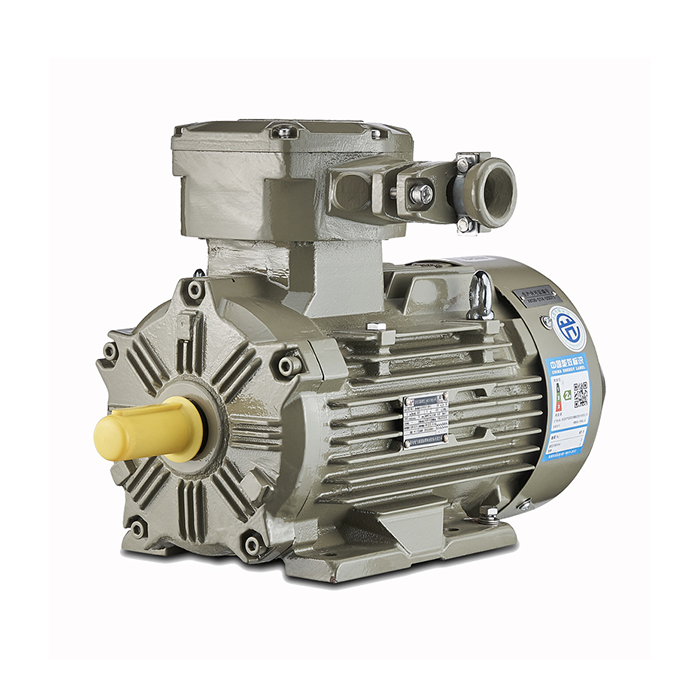
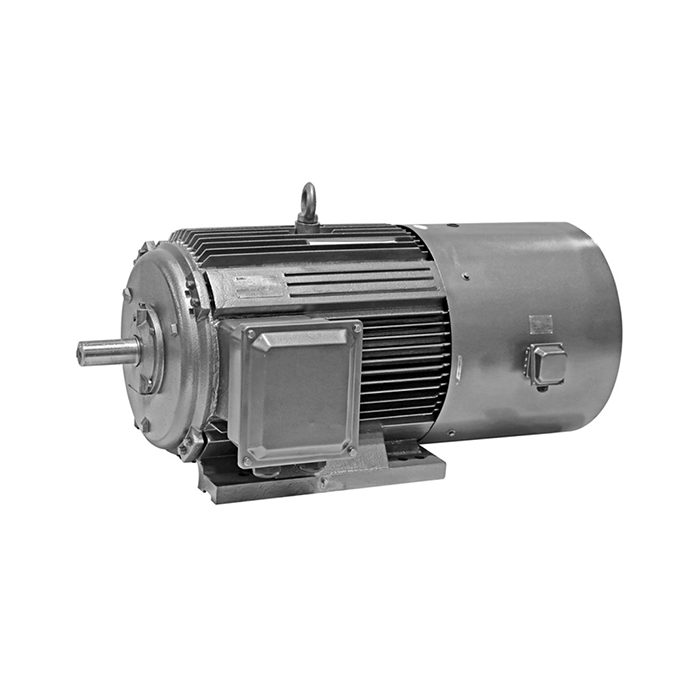
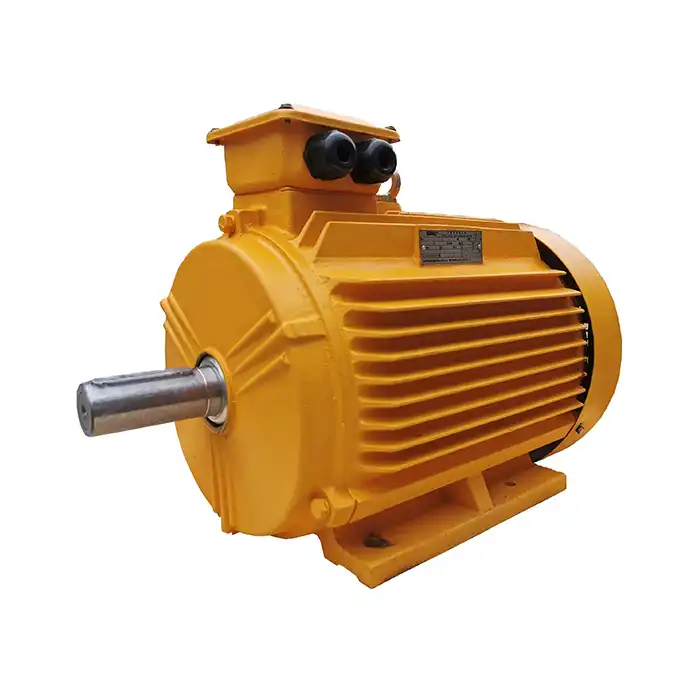
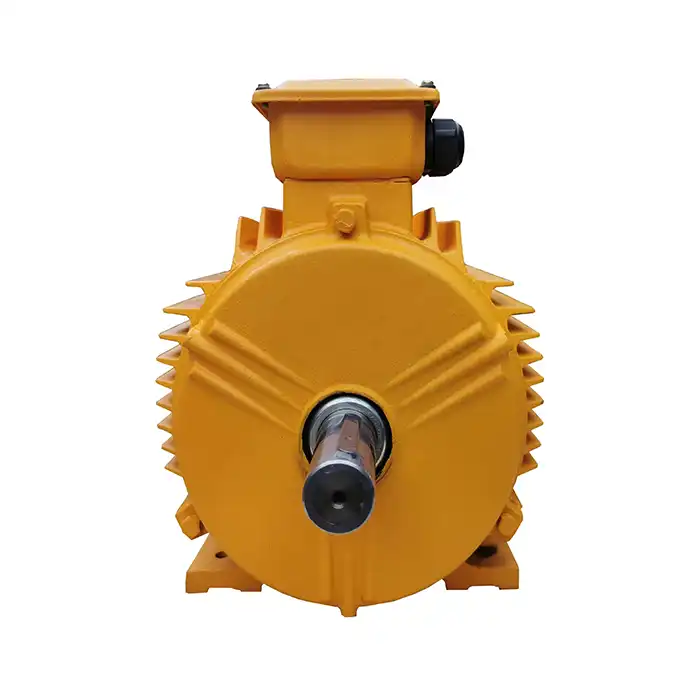
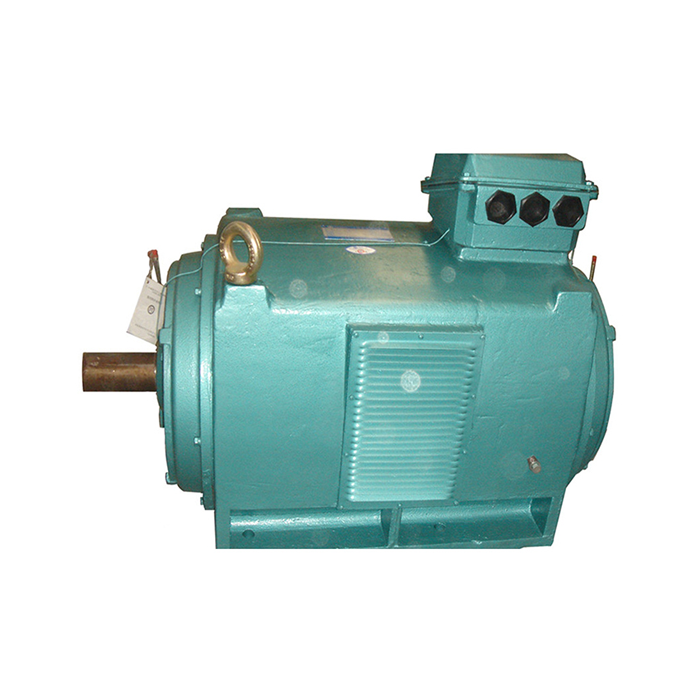
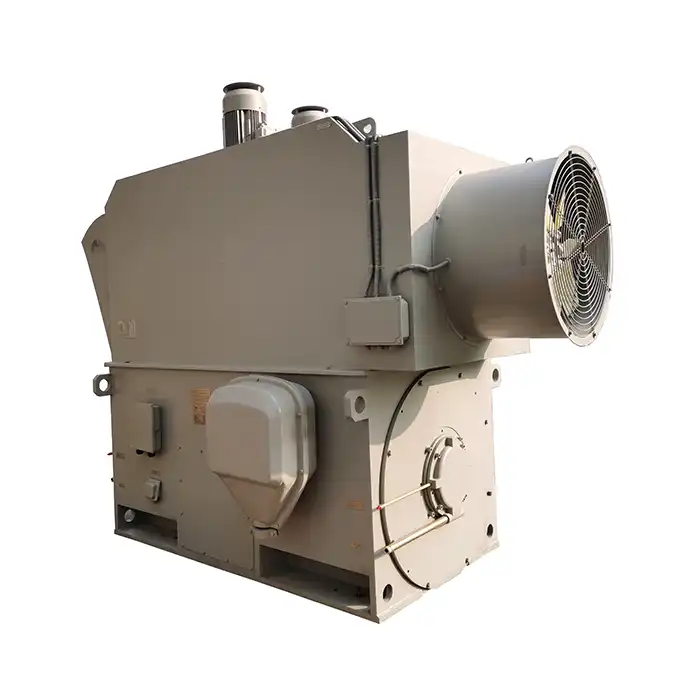
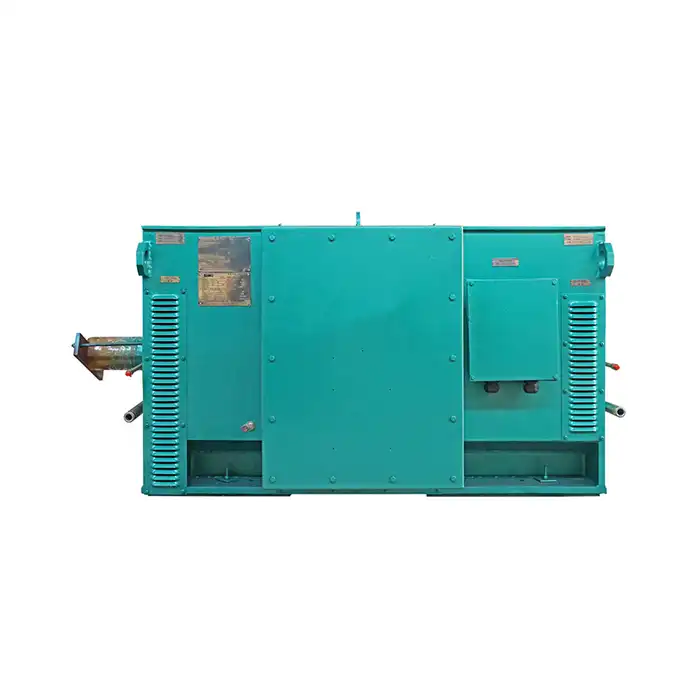
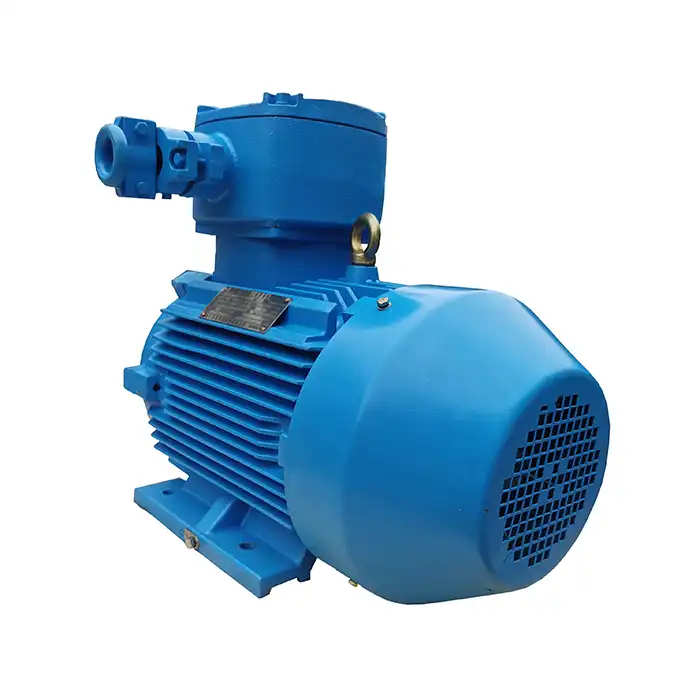
In many industrial processes, medium voltage induction motors are fundamental control sources. They can work with voltages from 3 kV to 11 kV and create control yields of 185 kW to 1800 kW. The AC acceptance engines interface low-voltage frameworks to high-voltage foundations. They offer the best blend of effectiveness, consistency, and cost-effectiveness for controlling compressors, water pumps, crushers, cutting equipment, and transportation gear. They are broadly utilized since they have numerous specialized benefits, such as a wide balance range, high productivity and energy-saving capacities, low noise operation, longer benefit life, and awesome unwavering quality in intense conditions.

Series:YBBP-HV
Voltage range:3000V±5%,3300V±5%,6000V±5%,6600V±5%,10000V±5%,11000V±5%
Power range:185-1800 kW
Application:compressors, water pumps, crushers, cutting machine tools, transportation machinery.
Advantage: wide modulation range, high efficiency and energy saving, low noise, long life, high reliability.
Others: SKF, NSK, FAG bearings can be replaced according to customer requirements.
Understanding Medium Voltage Induction Motors and Their Industrial Relevance
What Makes Medium Voltage Motors Different
In industrial environments, voltage class directly impacts performance and application scope. A medium voltage induction motor operates above 1000V, handling higher power demands than low-voltage units used in light-duty tasks. Coil arrangements ensure proper spacing for airflow, improving heat dissipation and structural support. This enables continuous heavy-load operation without compromising safety. XCMOTOR designs cover ranges from 3000V to 11000V (±5%), allowing procurement teams to match motors with existing systems, simplifying installation while reducing infrastructure modification costs.
Core Design Principles Driving Performance
Modern medium voltage induction motor design reflects progressive design. Cast press outlines give toughness against mechanical and natural push. High-quality copper windings diminish electrical misfortunes, progressing productivity and bringing down lifecycle costs. Separator frameworks such as Course F (155°C) with Lesson B temperature rise guarantee warm assurance amid nonstop operation. Optimized rotor structures decrease contact and mechanical wear, whereas exact adjusting minimizes vibration, amplifying bearing life and keeping up steady execution in requesting mechanical conditions.
Comparing Voltage Categories for Informed Procurement
Selecting the right voltage category requires balancing cost and performance. Low-voltage motors suit applications below 200 kW with lower upfront costs. A medium voltage induction motor becomes more efficient as power increases, reducing current draw, cable size, and transmission losses. High-voltage motors above 10 kV serve niche applications but introduce complexity. The 3–11 kV range offers the best compromise, delivering high power with manageable safety requirements, making it ideal for industries like water treatment, manufacturing, and large-scale processing.
Typical Applications of Medium Voltage Induction Motors Across Industries
Manufacturing and Process Industries
In manufacturing, medium voltage induction motor systems drive compressors, machining devices, and overwhelming preparing hardware working over numerous shifts. Control ranges from 185 kW to 1800 kW back both localized and centralized frameworks. Variable recurrence compatibility permits exact speed control, progressing item quality, and extending equipment life. These engines also work discreetly, improving work environment conditions. In unforgiving situations like cement plants or mining, IP55 (or higher) assurance avoids dirt and contaminants from harming inside components, guaranteeing long-term reliability.
Water and Wastewater Management
Water utilities depend on medium voltage induction motor systems for nonstop pump operation. Tall productivity specifically diminishes vitality costs, which overwhelm operational budgets. Wastewater plants require corrosion-resistant plans due to stickiness and chemical introduction. Progressed separator and coatings guarantee strength. Cooling frameworks like IC416 keep up ideal temperatures indeed in unforgiving situations. In agribusiness, water system frameworks utilize these engines for large-scale water development, with adaptable beginning strategies such as DOL, delicate begin, or VFD to coordinate framework requirements.
Energy Generation and Distribution
Power plants rely on medium voltage induction motor systems for auxiliary operations such as fuel taking care of, cooling, and outflows control. Tall unwavering quality is fundamental to maintain a strategic distance from downtime and production failures. In renewable vitality frameworks, these engines back capacities like solar tracking and wind turbine control. Their capacity to work inside -20°C to +40°C guarantees execution over assorted situations, counting seaward and forsake establishments, supporting advanced energy infrastructure with tried and true mechanical drive solutions.
Transportation and Material Handling
Transportation infrastructure uses medium voltage induction motor systems in transports, cranes, and rail gear. Long-distance transports require steady speed beneath changing loads, whereas tall beginning torque guarantees dependable operation beneath full stack. Railroad upkeep gear benefits from exact speed control and tall control yield. In ports, engines are outlined to withstand stickiness and salt introduction, guaranteeing solidness in coastal situations whereas keeping up operational effectiveness in cargo dealing with systems.
Benefits of Using Medium Voltage Induction Motors in Industrial Settings
Operational Efficiency and Cost Reduction
Efficiency is critical since energy accounts for most lifecycle costs. A medium voltage induction motor offers improved efficiency, reducing electricity consumption and operational expenses. Lower losses generate less heat, extending insulation life and reducing cooling requirements. Facilities with multiple motors benefit from cumulative savings. Evaluating motor usage patterns helps identify optimization opportunities. VFD-compatible motors enable flexible operation across varying loads, reducing inventory needs and simplifying maintenance strategies while maximizing return on investment.
Reliability and Maintenance Advantages
Reliability minimizes costly downtime. A well-designed medium voltage induction motor uses precision-balanced components to reduce vibration and extend bearing life. High-quality bearings from brands like SKF or NSK ensure compatibility with maintenance practices. Service-friendly designs simplify inspections and reduce maintenance time. Integrated monitoring systems track temperature, vibration, and electrical parameters, enabling predictive maintenance. This proactive approach reduces unexpected failures, allowing maintenance to be scheduled during planned shutdowns rather than emergency situations.
Flexibility and Choices for Control
Modern industries require flexible motor control. A medium voltage induction motor paired with VFDs enables precise speed regulation and energy savings, especially in pumps and fans where power demand scales with speed. Soft starters reduce mechanical stress during startup, extending equipment life. Multiple speed configurations eliminate the need for gearboxes, simplifying system design. Direct-drive setups improve efficiency, reduce maintenance, and optimize space utilization in industrial facilities.
How to Choose the Right Medium Voltage Induction Motor for Your Procurement Needs
Assessing Application Requirements
Selecting a medium voltage induction motor begins with analyzing load demands, duty cycles, and environmental conditions. Continuous and intermittent operations require different sizing approaches. High temperatures or altitudes may require derating or enhanced cooling. Corrosive or hazardous environments demand specialized protection. Load characteristics—constant, variable, or high inertia—affect motor design and starting requirements. Proper evaluation ensures reliable performance while avoiding oversizing or premature failure.
Evaluating Technical Specifications
Voltage compatibility ensures seamless integration. A medium voltage induction motor rated at 3300V±5% can tolerate fluctuations without performance loss. Power ratings must account for continuous operation and overload capacity, with service factors indicating allowable margins. Protection classes such as IP55 or IP65 determine resistance to dust and moisture. Correct specification balances protection, efficiency, and cost, ensuring suitability for the intended operating environment.
Considering Total Cost of Ownership
Initial price represents only part of total cost. A medium voltage induction motor with higher efficiency reduces long-term energy expenses significantly. Quality construction lowers maintenance frequency and extends service life. Reliability impacts productivity by minimizing downtime. Evaluating lifecycle costs—including energy, maintenance, and failure risks—provides a more accurate basis for procurement decisions than upfront cost alone.
Best Practices for Installation, Operation, and Maintenance of Medium Voltage Induction Motors
Installation Considerations for Long-Term Success
Proper installation ensures optimal performance of a medium voltage induction motor. Foundations must support static and dynamic loads, with grouting ensuring stability. Precise alignment minimizes vibration and extends component life. Electrical connections require correct cable sizing and torque specifications to prevent overheating. Effective grounding enhances safety and ensures proper fault protection, forming the basis for reliable long-term operation.
Operating Strategies That Extend Service Life
Operating methods significantly influence motor lifespan. A medium voltage induction motor using DOL starting experiences high inrush currents, while soft starters and VFDs reduce electrical and mechanical stress. Monitoring load, current, and temperature identifies early signs of issues. Controlled operation improves efficiency, prevents overheating, and ensures consistent performance under varying load conditions.
Maintenance Programs Supporting Maximum Uptime
Maintenance strategies should match operating conditions. A medium voltage induction motor benefits from baseline measurements taken during commissioning for trend analysis. Bearing maintenance is critical, with vibration monitoring detecting faults early. Insulation testing identifies moisture or degradation. Proper storage conditions prevent damage during inactivity. Predictive maintenance approaches reduce downtime and extend service life, ensuring maximum operational reliability.
Conclusion
Medium voltage induction motors are still important parts of many different types of factories, from those that treat water and make things to those that use renewable energy and transport networks. The fact that they can output large amounts of power (185 kW to 1800 kW) within a voltage range of 3 kV to 11 kV makes them perfect for uses that need to be reliable and efficient. Paying close attention to the needs of the application, choosing the right motor features, and following good installation and maintenance methods will make sure that these motors last for decades while keeping costs low over their entire life.
Frequently Asked Questions
1. How do medium voltage motors differ from low voltage alternatives?
Low-voltage motors work with voltages below 1000V, while medium-voltage induction motors usually work with voltages between 3 kV and 11 kV. The way the coils are arranged in medium-voltage designs lets more air flow through to cool things down and gives the structure more support. The windings of these motors use smaller cables, which gives electrical designers more freedom to make designs that achieve certain performance characteristics. When the voltage is higher, the current is lower for the same amount of power output. This makes the conductors smaller and lowers the amount of electricity lost in industrial distribution systems.
2. What defines the medium voltage motor category?
Medium-voltage motors are AC induction motors that need voltages between 1 kV and about 13.8 kV. Some sources call these motors high-voltage motors if they need voltages above 5–6 kV. Depending on the control needs, these motors can connect directly to local power grids or through AC drives. Asynchronous motors with voltages between 3000V and 3300V are usually used in industrial plants. Voltages higher than 10 kV are best for high-power installations that need them. This voltage range strikes a good balance between the ability to deliver power and the need for safety and ease of installation.
3. Can existing motors be upgraded for improved efficiency?
Facilities that use older motors can improve their efficiency in a number of ways without having to replace them all. When variable frequency drives are added to motors that serve variable-load applications like fans and pumps, the speed is slowed down during partial-load operation, which saves energy right away. Using modern materials and methods to rewind broken motors can bring them back to life or even make them work better. When you upgrade to premium bearings, you cut down on friction losses and extend the time between service visits. Comprehensive motor management programs that find over-sized motors and replace them with more efficient ones that are the right size save a lot of money over the life of the facility.
Partner with XCMOTOR for Your Industrial Motor Solutions
If you need help with your industrial operations, XCMOTOR has carefully designed medium voltage induction motor solutions that range from 185 kW to 1800 kW and voltage range from 3 kV to 11 kV. When it comes to critical applications, our motors have the wide modulation range, high efficiency, low noise, long service life, and high reliability that you need. Our technical team can help you with everything from specifying what you need to buying and setting up the motors for your compressors, water pumps, crushers, cutting tools, or transportation equipment.
We know that choosing a supplier for a medium-voltage induction motor means looking at more than just the product specs. You also need to think about how reliable the delivery is, how much technical support you can get, and how good the service is after the sale. We are committed to more than just selling equipment. We also offer full application help, customized bearings with SKF, NSK, or FAG options, and quick support every day, even on weekends. You can email us at xcmotors@163.com or go to motorxc.com to talk about how our motor solutions can help your business be more productive and efficient.
References
1. Chapman, Stephen J. Electric Machinery Fundamentals, Fifth Edition. McGraw-Hill Education, 2012.
2. Bonnett, Austin H. and Soukup, George C. "Analysis of Rotor Failures in Squirrel-Cage Induction Motors." IEEE Transactions on Industry Applications, Volume 24, Issue 6, 1988.
3. De Almeida, Anibal T. et al. "Electric Motor Standards, Ecodesign and Global Market Transformation." EEMODS Conference Proceedings, 2015.
4. Finley, William R. and Hodgson, Gary. "Selecting Motors and Drives for Hazardous Areas." IEEE Industry Applications Magazine, Volume 12, Issue 3, 2006.
5. Nailen, Richard L. "Understanding and Application of Medium Voltage Motors." IEEE Petroleum and Chemical Industry Technical Conference Record, 1992.
6. Toliyat, Hamid A. and Kliman, Gerald B. Handbook of Electric Motors, Second Edition. CRC Press, 2004.