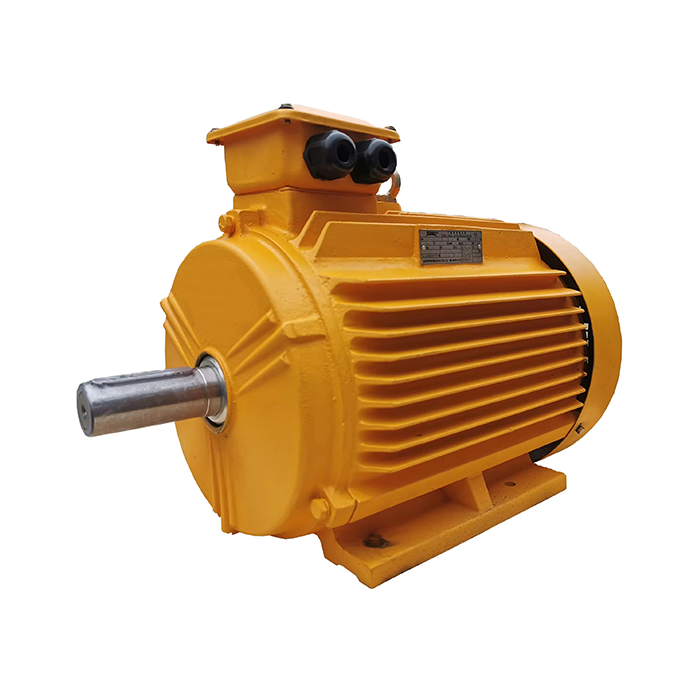
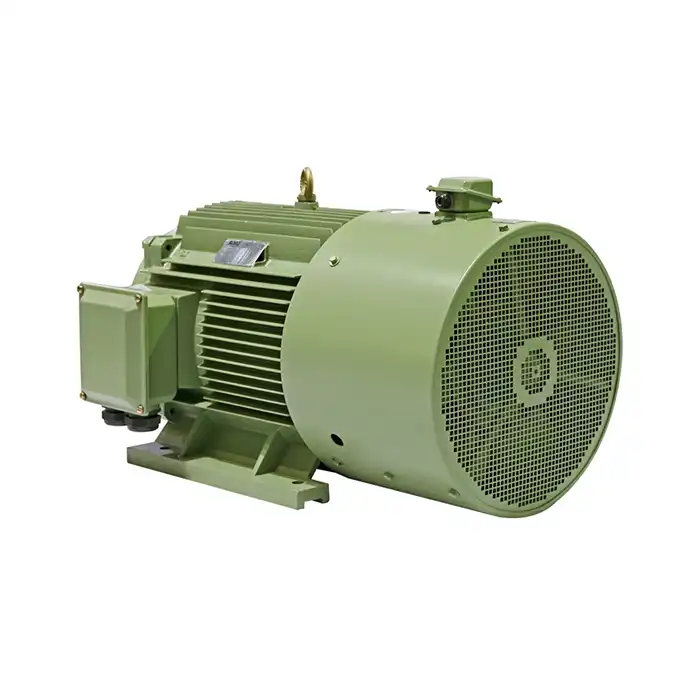
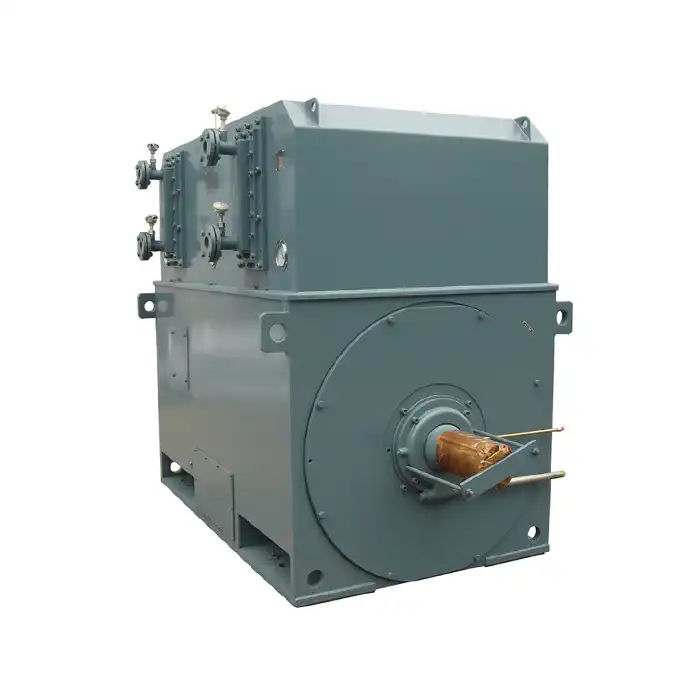
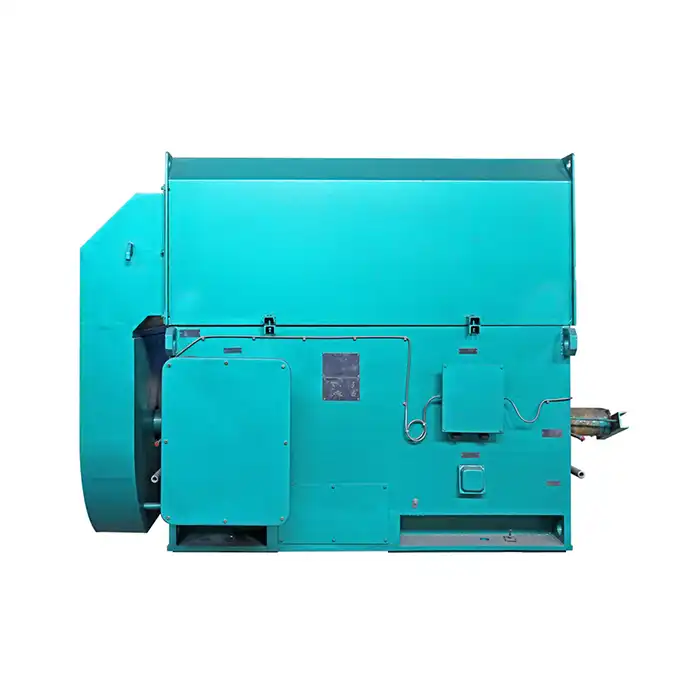
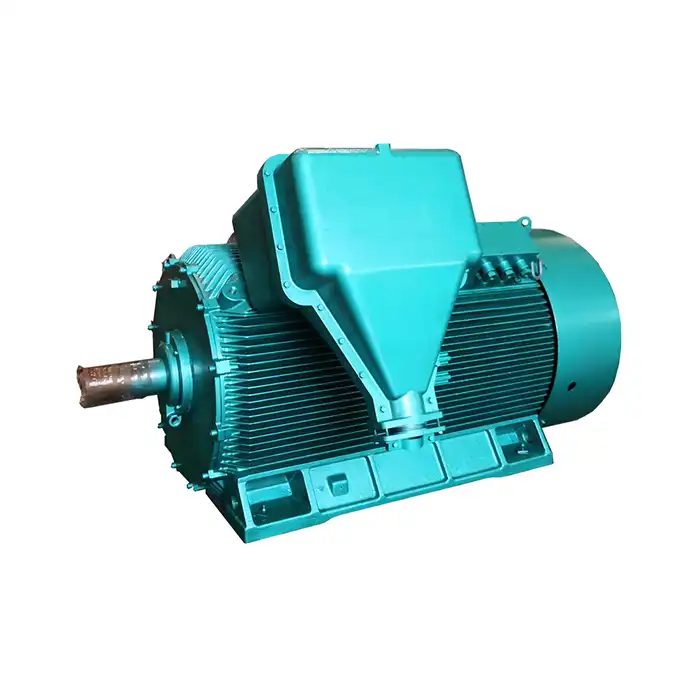
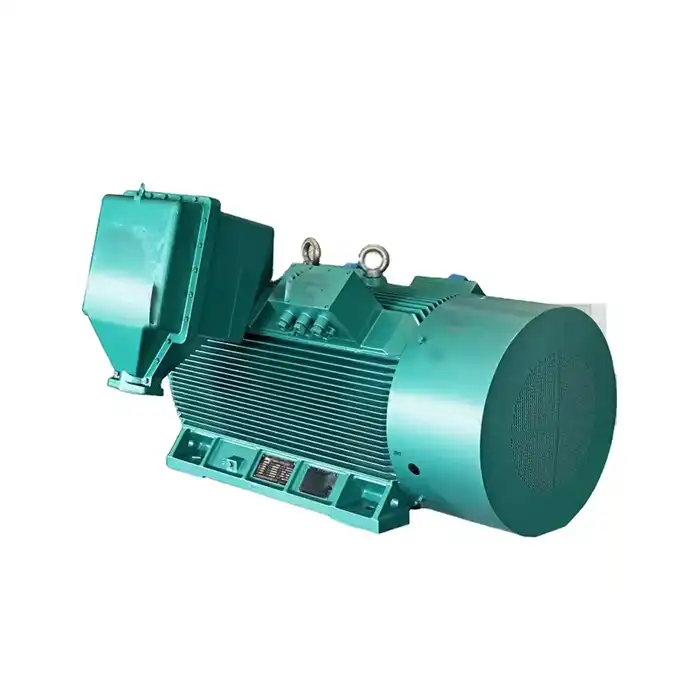
Wastewater treatment plants rely heavily on robust electrical equipment to maintain continuous operations, with 3.3 kV Motor systems serving as essential components across multiple critical applications. These medium-voltage motors deliver exceptional performance in demanding environments, providing the power needed for large-scale pumping, aeration, mixing, and screening processes. Their optimal voltage rating strikes an ideal balance between efficiency and reliability, making them particularly well-suited for the challenging conditions found in municipal and industrial wastewater treatment facilities.
Series:Y2
Protection level:IP54
Voltage range:3000V±5%,3300V±5%,6000V±5%,6600V±5%,10000V±5%,11000V±5%
Power range:160-1600 kW
Application:fans, water pumps, compressors, crushers, cutting machine tools, transportation machinery, etc.
Advantage:compact structure, light weight, low noise, small vibration, long service life, easy installation and maintenance.
Standard: This series of products complies withJB/T10444-2004 standards.
Others: SKF, NSK, FAG bearings can be replaced according to customer requirements.
Understanding 3.3 kV Motors in Wastewater Treatment
Medium-voltage electric machines working at 3,300 volts speak to a sweet spot in mechanical engine applications, especially in wastewater treatment situations. These engines bridge the gap between standard low-voltage frameworks and high-voltage options, conveying predominant productivity whereas keeping up sensible installation and support requirements. The voltage level gives noteworthy focal points in terms of diminished current stream, which deciphers to smaller cable requirements and lower electrical misfortunes all through the dissemination system.
Design Characteristics and Performance Benefits
3.3 kV motors in wastewater treatment offer reduced current, lower heat generation, and improved efficiency. Advanced insulation withstands humidity and chemicals, while compact, low-noise designs suit space-limited or enclosed installations.
Technical Specifications and Standards Compliance
These 3.3 kV motors comply with JB/T10444-2004 standards, offering 160–1600 kW ratings. Premium bearings like SKF, NSK, and FAG enhance reliability, serviceability, and reduce long-term maintenance costs across treatment plants.
Top 5 Uses of 3.3 kV Motors in Wastewater Treatment Plants
The flexibility of medium-voltage engines makes them vital over various wastewater treatment applications. Understanding these essential employments makes a difference acquirement experts make educated choices around hardware determination and framework plan. Each application presents one of a kind challenges that these engines address through their vigorous development and dependable execution characteristics.
Primary and Secondary Pump Systems
3.3 kV motors power raw sewage and effluent pumps, handling variable flows, frequent starts, and corrosive wastewater. High-voltage operation improves efficiency and reduces underwater electrical infrastructure costs.
Aeration System Blowers and Compressors
Medium-voltage 3.3 kV motors drive aeration blowers and compressors, providing reliable oxygen transfer, precise speed control, and energy-efficient operation critical for biological treatment processes.
Sludge Processing and Mixing Equipment
3.3 kV motors deliver high torque for sludge thickening, digestion, and dewatering equipment, ensuring consistent rotational speeds and reliable continuous operation under demanding, high-viscosity conditions.
Screening and Grit Removal Systems
Medium-voltage 3.3 kV motors power bar screens, fine screens, and grit classifiers, providing smooth, reliable operation under variable debris loads while minimizing mechanical wear and optimizing throughput.
Chemical Feed and Dosing Systems
High-capacity chemical pumps and mixers rely on 3.3 kV motors for precise speed control, ensuring accurate dosing and thorough chemical distribution essential for water treatment process optimization.
How to Choose the Right 3.3 kV Motor for Wastewater Treatment Applications?
Selecting suitable engine hardware requires cautious thought of different specialized and operational components. The decision-making handle includes assessing plant-specific requirements against accessible engine characteristics to determine the ideal arrangement for each application. Understanding these choice criteria makes a difference in acquiring experts who dodge exorbitant botches and guarantee long-term operational success.
Power Rating and Load Matching
Accurate stack examination shapes the establishment of appropriate engine choice. Treatment plant gear loads shift essentially based on stream conditions, prepare prerequisites, and regular components. Engine measuring must account for these varieties whereas giving satisfactory security edges for unforeseen stack increments. Larger-than-average engines work wastefully at light loads, whereas undersized units may fall flat rashly due to overloading.
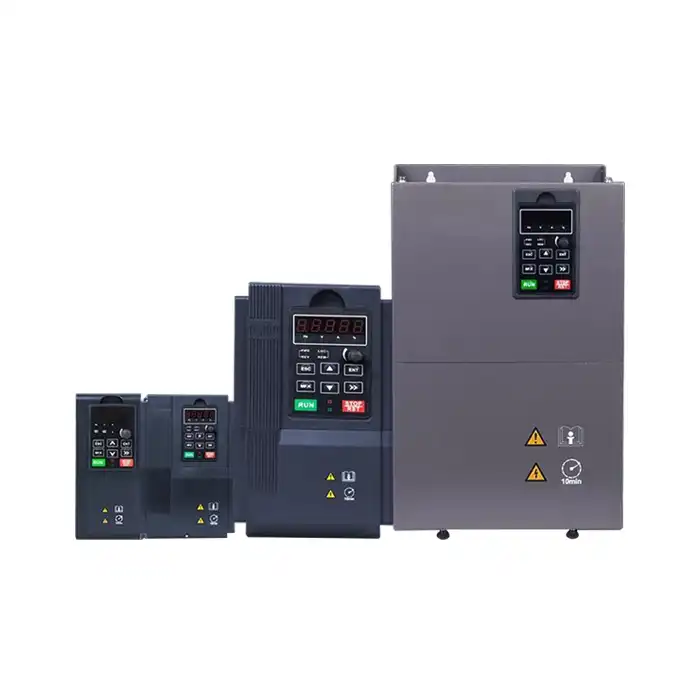
The control runs from 160 to 1600 kW covers most wastewater treatment applications, permitting for exact coordinating of engine capacity to genuine stack prerequisites. Variable recurrence drives can amplify the compelling working extend of engines, empowering vitality reserve funds amid periods of decreased request whereas keeping up full control capability when needed.
Environmental Protection and Enclosure Requirements
Wastewater treatment situations show special challenges for electrical gear. Tall stickiness levels, chemical vapors, and potential water presentation require careful consideration to engine walled in area appraisals. Standard IP54 assurance gives satisfactory assurance for most indoor applications, whereas open-air establishments may require higher assurance levels or extra weatherproofing measures.
Corrosion resistance becomes especially vital in applications including chemical dealing with or forceful wastewater compositions. Specialized coatings and fabric choices can amplify engine life in these challenging situations. The accessibility of explosion-proof plans addresses security necessities in ranges where methane or hydrogen sulfide concentrations may make perilous conditions.
Efficiency and Energy Considerations
Operating costs regularly surpass introductory hardware costs over a motor's benefit life, making effectiveness a basic choice basis. Premium proficiency engines decrease vitality utilization and heat generation, contributing to lower operational costs and progressed framework unwavering quality. The effectiveness benefits of medium-voltage operation ended up more articulated in bigger engine sizes common in wastewater treatment applications.
Energy reviews and life-cycle assessments offer assistance evaluate the long-term benefits of higher-efficiency engines. Utility discounts and motivating force programs may balance the extra introductory fetched of premium effectiveness hardware, making the financial case indeed more compelling for energy-efficient engine selection.
Maintenance and Optimization Tips for 3.3 kV Motors in Wastewater Plants
Proactive support methodologies maximize engine unwavering quality while minimizing operational disturbances. The nonstop operation prerequisites of wastewater treatment offices make preventive support completely fundamental to maintain a strategic distance from expensive impromptu blackouts. Understanding common disappointment modes and executing suitable support strategies extends hardware life and makes strides by and large framework reliability.
Preventive Maintenance Procedures
Regular inspections of 3.3 kV motors include checking overheating, vibration, noise, and contamination. Lubrication management and premium bearing maintenance extend motor life and reduce spare parts inventory needs.
Condition Monitoring Technologies
Advanced 3.3 kV motor monitoring uses current signature analysis, insulation testing, and online systems to detect electrical or mechanical issues early, enabling predictive maintenance and minimizing unplanned outages.
Performance Optimization Strategies
Load balancing, variable frequency drives, and proper alignment optimize 3.3 kV motor performance, reduce energy consumption, minimize mechanical stress, and enhance system efficiency while extending equipment life.
Reliable Motor Solutions for Wastewater Treatment: XCMOTOR Product Overview
XCMOTOR specializes in delivering high-performance medium-voltage motors engineered specifically for wastewater treatment applications. Our comprehensive product line addresses the unique challenges faced by treatment plant operators through innovative design features and robust construction methods. Each motor undergoes rigorous testing to ensure reliable operation in the demanding conditions typical of wastewater treatment environments.
Advanced Engineering and Design Features
Our engineering team has developed motor designs that optimize performance while minimizing maintenance requirements. The compact structure and lightweight construction facilitate installation and service access, reducing overall project costs. Advanced cooling methods ensure consistent performance even under high ambient temperatures common in treatment plant environments.
The incorporation of premium bearing systems extends service intervals and reduces maintenance costs. Customers can specify bearing preferences based on their existing maintenance programs and spare parts inventory. This flexibility simplifies fleet standardization while accommodating specific operational requirements.
Customization Capabilities and Technical Support
Standard motor configurations address the majority of wastewater treatment applications, while custom designs accommodate unique requirements or challenging installation conditions. Our technical team works closely with customers to develop solutions that optimize performance for specific applications. This collaborative approach ensures that each motor delivers maximum value throughout its service life.
Comprehensive technical documentation and training support help customers optimize their maintenance programs. Our field service team provides commissioning support and ongoing technical assistance to ensure optimal motor performance. The combination of quality products and responsive support minimizes operational risks while maximizing equipment availability.
Conclusion
Medium-voltage engines working at 3.3 kV Motor speak to an ideal arrangement for requesting wastewater treatment applications, conveying dependable execution over basic plant frameworks. These engines give the control and effectiveness vital for large-scale pumping, air circulation, blending, and screening operations whereas keeping up reasonable establishment and upkeep necessities. Legitimate determination based on application-specific necessities guarantees ideal execution and long benefit life. XCMOTOR's comprehensive item line and specialized back capabilities empower treatment plant administrators to accomplish their operational objectives whereas minimizing lifecycle costs and maximizing framework reliability.
FAQ
1. What advantages do 3.3 kV motors offer over lower voltage alternatives in wastewater treatment?
Medium-voltage motors provide significant advantages, including reduced current requirements, smaller cable sizes, improved efficiency, and lower electrical losses. These benefits become more pronounced in larger power ratings common in wastewater treatment applications. The reduced current also minimizes heating effects and allows for more compact electrical distribution systems.
2. How often should 3.3 kV motors be serviced to prevent failures?
Maintenance intervals depend on operating conditions and manufacturer recommendations, but typical schedules include monthly visual inspections, quarterly vibration monitoring, and annual comprehensive inspections. Bearing lubrication intervals vary based on bearing type and operating conditions, typically ranging from 6 months to 2 years. Condition monitoring systems can optimize maintenance timing based on actual equipment condition.
3. Can motors be customized for unique wastewater treatment challenges?
Customization options include specialized coatings for corrosive environments, modified cooling systems for high ambient temperatures, and enhanced sealing for high-moisture applications. Custom mounting configurations accommodate unusual installation requirements, while modified electrical connections can simplify field wiring. Engineering support ensures that customizations meet specific operational requirements while maintaining reliability standards.
4. What protection levels are available for harsh wastewater environments?
Standard motors feature IP54 protection, with higher ratings available for particularly challenging conditions. Explosion-proof designs address hazardous location requirements where methane or hydrogen sulfide may be present. Specialized coatings and material selections provide enhanced corrosion resistance for chemical handling areas or aggressive wastewater compositions.
5. How do I determine the correct motor size for my application?
Proper motor sizing requires detailed load analysis including normal operating conditions, peak demands, and safety factors. Our technical team can assist with load calculations and motor selection to ensure optimal performance. Variable frequency drives can extend the effective operating range while providing energy savings during periods of reduced demand.
Partner with XCMOTOR for Your Wastewater Treatment Motor Needs
XCMOTOR stands ready to support your wastewater treatment facility with premium 3.3 kV Motor solutions designed for reliable long-term operation. Our experienced engineering team provides comprehensive technical support from initial selection through commissioning and ongoing maintenance. We offer competitive pricing on standard configurations while maintaining the flexibility to customize motors for unique applications. Contact our specialists at xcmotors@163.com to discuss your requirements and discover why leading treatment facilities choose XCMOTOR as their trusted 3.3 kV Motor supplier for critical applications.
References
1. Water Environment Federation. "Energy Efficiency in Wastewater Treatment Plants: Motors and Drives." WEF Manual of Practice No. 32, 2019.
2. American Society of Civil Engineers. "Wastewater Treatment Plant Design." ASCE Manual and Reports on Engineering Practice No. 76, 2018.
3. International Electrotechnical Commission. "Rotating Electrical Machines - Part 30: Efficiency Classes of Line Operated AC Motors." IEC 60034-30-1, 2020.
4. McGraw-Hill. "Water Treatment Plant Design and Operation." Fourth Edition, Industrial Water Treatment Manual, 2021.
5. IEEE Standards Association. "IEEE Guide for Application of Motors in Class I, Division 2 Hazardous Locations." IEEE Std 1349-2011, 2017.
6. National Association of Clean Water Agencies. "Energy Management for Water and Wastewater Utilities." Technical Report Series, 2020.