



The Complete Guide to Inverter Duty AC Motor
The proper motor for variable speed applications decides whether your manufacturing line operates smoothly or fails often. Variable Frequency Drives cause electrical stress, which an inverter duty ac motor manages consistently over broad speed ranges. These units have improved insulation, independent cooling architectures, and reinforced bearing assemblies for continuous operation, unlike standard motors that degrade quickly under VFD control. Procurement managers, plant engineers, and automation experts may learn about inverter-rated motors, technical specs, and operational advantages from this guide. Understanding these differences when updating equipment or selecting motors for new installations protects your investment and eliminates expensive downtime.

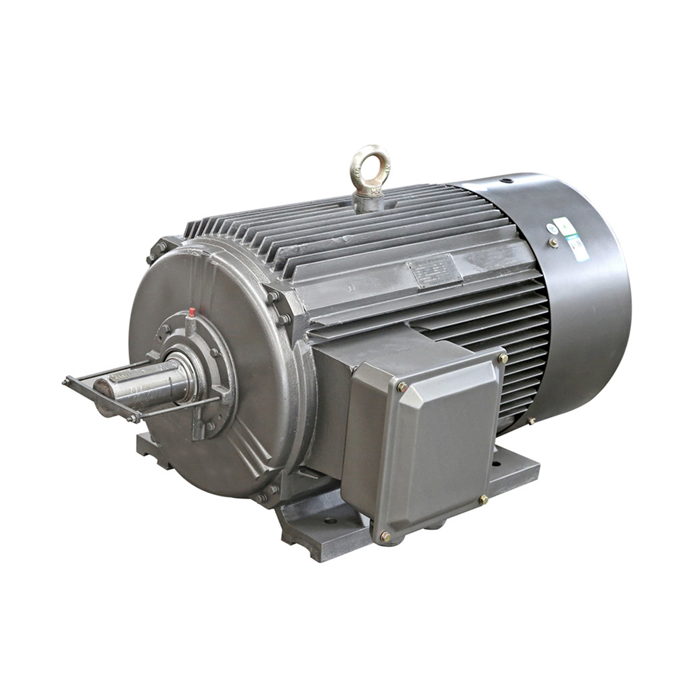
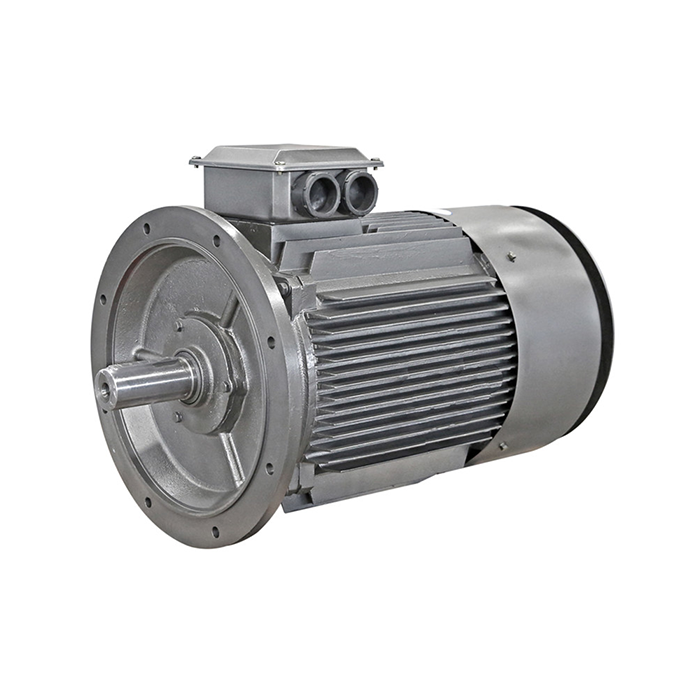
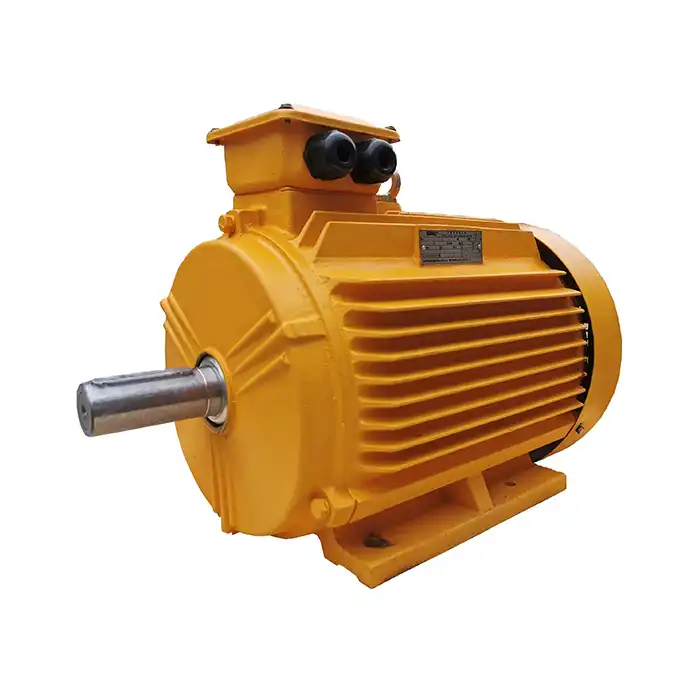
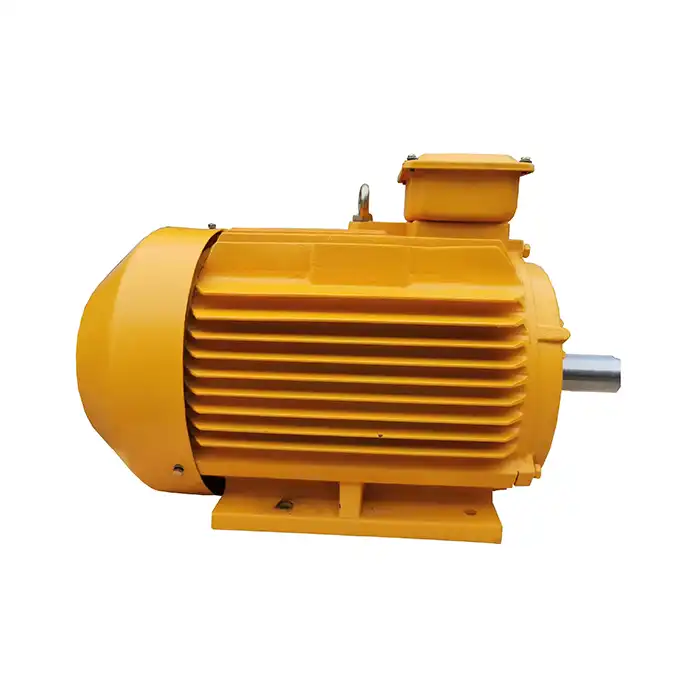
Series:YVFE3
Frequency conversion range:30hz~50hz,5hz~70hz,5hz~100hz
Power range:0.75-1000kW
Protection level:IP55
Application:are suitable for driving various mechanical equipment that require continuous and frequent forward and reverse rotation, such as steel rolling, lifting, transportation, machine tools, printing and dyeing, papermaking, chemicals, textiles, pharmaceuticals, etc., and can be used with various domestic and foreign variable frequency power supplies.
Advantage:high efficiency, wide speed range, high precision, stable operation, and easy operation and maintenance.
Certificate:installation dimensions comply with International Electrotechnical Commission (IEC) standards.
Others: SKF, NSK, FAG bearings can be replaced according to customer requirements.
Understanding Inverter Duty AC Motors
What Makes These Motors Different
An inverter duty ac motor has building improvements that are designed to solve problems with VFDs. When standard motors are exposed to fast voltage changes caused by VFD switching circuits, the insulation breaks down. When these voltage pulses focus on the motor winding terminals, they create dielectric stress that regular insulation systems can't handle for long periods of time.
Inverter-rated designs use high-quality insulation materials with more dielectric strength, more space between the wires in the stator slots, and varnish treatments that resist corona. These changes keep the insulation from failing too soon, which usually happens between 18 and 24 months when normal motors are controlled by a VFD.
Integration with Variable Frequency Drives
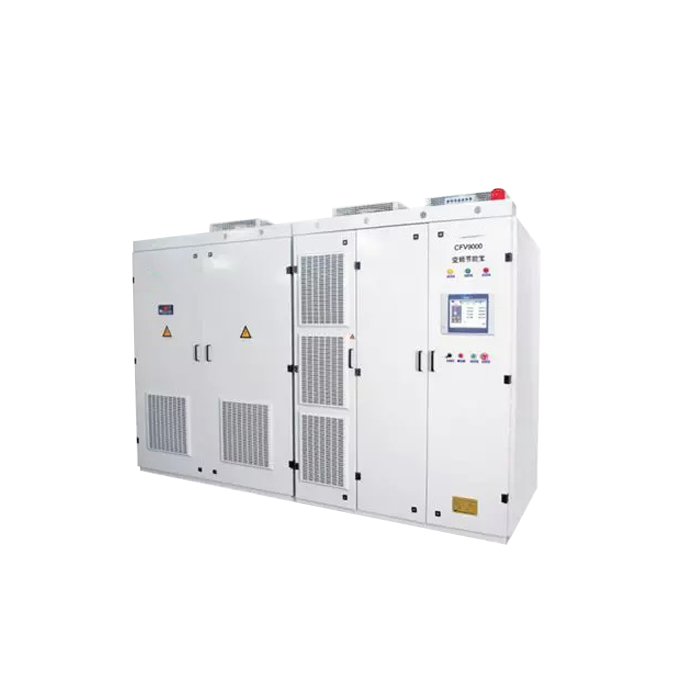
VFDs change the frequency and strength of the electricity that goes to the motor to control its speed. This feature lets operators exactly match motor speed to process needs instead of running at set speeds all the time. From zero speed to its highest rated rpm, the inverter duty ac motor maintains a constant torque output.
When the frequency is low, standard motors lose power quickly because their cooling fans spin slowly, which cuts airflow when heat loads stay high. Inverter-rated units solve this problem with separate cooling systems that work no matter what speed the shaft is going at. This keeps the temperature stable even when the speed is kept low for a long time.
Key Operational Advantages
When motors only run as fast as processes need them to, they use a lot less energy. Compared to fixed-speed setups with mechanical slowing or damper control, VFD-controlled systems use 20–50% less energy. This decrease directly leads to lower energy costs and better process efficiency.
Because VFDs get rid of mechanical starting stress, performance stability goes up. With soft-start, the inrush current drops from 600% of the rated current to 150%. This makes equipment last longer and requires less electrical infrastructure. The inverter duty ac motor can change speeds continuously without the wear and tear that comes with belt-drive systems for changing speeds.
Industrial Applications
Motors with inverter ratings are used all over production areas in factories. Conveyor systems change speed to match processes going upstream and downstream. This gets rid of bottlenecks and lowers the damage that comes from moving things around. Chemical processing companies use pumps to keep exact flow rates while wasting as little energy as possible due to throttle valve restrictions.
When fans and pumps work at different speeds, HVAC systems save a lot of energy. Instead of turning equipment on and off all the time, commercial buildings can save money on cooling costs by matching equipment output to actual thermal loads. The inverter duty ac motor works consistently in these situations, even though the speed changes thousands of times every day.
Textile machines, printing presses, and packaging machines need to have their speeds changed often to work with different materials and products. Precision tension control is only possible in steel rolling mills with variable-speed drives that manage multiple motors at the same time.
Technical Specifications and Performance Insights
Critical Rating Parameters
Voltage and frequency compatibility are the most important things to look for when choosing a motor. It is important that the inverter duty ac motor works with the electrical supply and VFD output of your building. The YVFE3 line from XCMOTOR can convert frequencies between 30Hz and 50Hz, 5Hz and 70Hz, and 5Hz and 100Hz. It can handle a wide range of application needs, from simple loads with changing torque to complex processes that need constant torque.
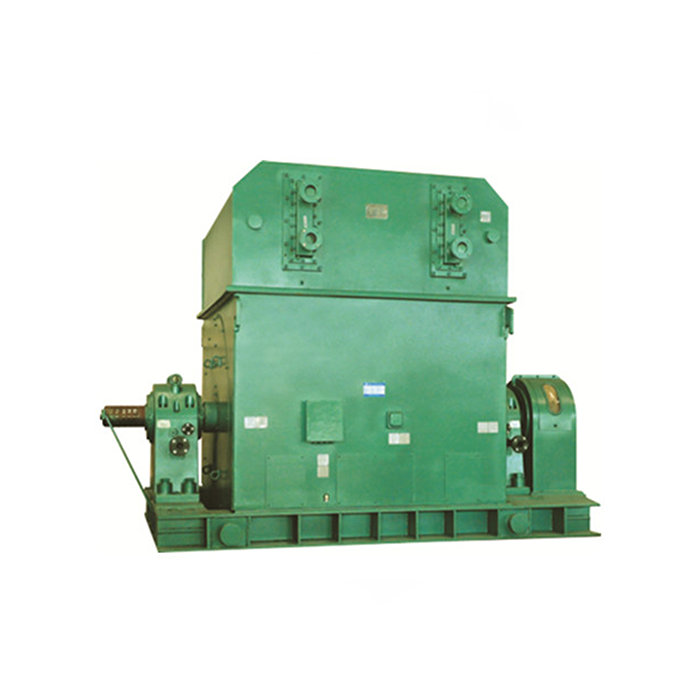
Power levels from 0.75kW to 1000kW cover a wide range of uses, from small tools for moving materials to big industrial blowers and pumps. The IP55 level of protection is good for most industrial settings because it keeps dust out and keeps water jets from hitting it. Applications that need to be cleaned or work in corrosive environments need better sealing options.
Ratings for insulation classes show how well they keep heat in or out. Class F insulation can handle winding temperatures of up to 155°C with the right amount of temperature rise. This gives the motor thermal reserves that make it last longer in tough situations. The IC416 cooling method number means that the airflow is independent and keeps the temperature stable no matter how fast the shaft is turning.
VFD Compatibility Considerations
When VFD switching circuits work, they cause harmonic distortion that heats up motor windings more than linear power sources do. The inverter duty ac motor handles these extra heat loads by making the conductors bigger and making the airflow better. Standard motors that work under the same load conditions get too hot because they aren't designed to handle this.
When there are impedance mismatches between the VFD output steps and the motor input features, voltage jumps happen at the motor terminals. The length of the cable between the drive and the motor affects the size of the spike. Voltage peaks are bigger when the cable runs are longer. Inverter-rated motors have better insulation systems that can handle these electrical stresses for the whole time they are in use.
Another issue that has to do with VFDs is bearing power. High-frequency common-mode voltages make shaft voltages that discharge through motor bearings. This is called electrical discharge machining, and it makes pits in the bearing race. The inverter duty ac motor has systems that protect the bearings from damage by insulating or grounding them.
Comparison with Standard Motors
Standard motors are cheaper at first, but they break down quickly when used with a VFD. Insulation usually breaks down after two years and needs to be rewound or replaced completely. Within 12 to 18 months, bearings break down because they aren't oiled well enough at low speeds and are damaged by electrical discharge.
When you use an inverter duty ac motor with a VFD, you can control the speed to within 0.01% of the setpoint, which keeps the quality of the process constant. Slip causes standard motors to have speed differences of 3–5%, which causes process inconsistencies that affect the quality of the result.
It costs three to five times more for servo motors than for inverter-rated induction motors, but they have better dynamic response and position control accuracy. Servo technology is useful for tasks that need to speed up quickly, be exact, or work at speeds below 10% of their maximum speed. VFD-controlled induction motors are a much cheaper way to get satisfactory performance in most industrial processes.
Maintenance Best Practices
40% of motor problems can be avoided by lubricating bearings regularly as directed by the maker. Depending on the conditions of operation, lubrication intervals are set. For example, high ambient temperatures, dusty environments, and continuous operation need more frequent service. SKF, NSK, or FAG bearings can be used in the YVFE3 series, depending on the application needs and maintenance preferences.
By checking the resistance of the winding insulation once a year, problems can be found before they become too big to handle. Insulation resistance less than 1 megohm per kV of rated voltage means that there is contamination or moisture in the system, which needs quick care.
Thermal imaging finds strange heating patterns that could mean that there is a blockage in the air flow, a problem with the bearings, or an electrical imbalance. Quarterly thermal surveys find problems as they start to happen while the equipment is still working. This lets planned maintenance happen instead of emergency repairs.
Verification of VFD parameters makes sure that the drive settings match the motor's nameplate ratings. When voltage-to-frequency ratios are wrong, they cause too much flux density, which overheats motor cores. When ratios are right, they lower the force that can be used. When VFD programming correctly matches motor characteristics, the inverter duty ac motor works at its best.
Procurement and Market Comparison Guide
Decision Framework
The cost of running a motor over its 15–20-year life depends on how efficient it is. At $0.10/kWh, an electric motor that uses 100kW all the time costs $87,600 a year. A 2% increase in efficiency saves $1,752 a year, which quickly covers any price increase linked to efficiency. When compared to standard efficiency designs, the inverter duty ac motor with an IE3 efficiency grade uses less energy.
The necessary motor size is based on the torque needs at the lowest operating speed. Applications that need constant torque, like positive-displacement pumps and conveyors, need the full rated torque at all speeds. Centrifugal fans and pumps are examples of variable-torque loads. At lower speeds, these loads need less torque, so there is a smaller motor range.
Warranty coverage shows that the company that made the product trusts it to work well. Standard one-year warranties don't offer much safety, but longer covering shows that the product is of high quality. The YVFE3 line is backed by XCMOTOR's full warranty protection and quick technical help that is available seven days a week.
Delivery times affect when projects get done. Standard frame sizes can be shipped quickly from stock at a distributor. However, lead times are longer for custom features or ratings that aren't common. By building relationships with dependable suppliers, you can avoid project delays caused by longer procurement cycles.
Customization and Bulk Ordering
Changes made for specific applications improve motor function for specific needs. Direct coupling to driven equipment is possible with shaft extensions, which gets rid of the alignment problems that come with flexible couplings. Standard setups can cause interference issues in existing facilities, but custom mounting designs make installation easier.
Motors can be matched to existing power sources without the need for step-up or step-down transformers when voltage is customised. Optional temperature sensors let you set up repair plans ahead of time, which stops unplanned downtime. Brake assemblies that are built in during production are more effective than aftermarket brakes that are put in the field.
Buying in bulk lowers the cost per unit and makes sure that the specifications are the same for all installations. Because of volume commitments, custom engineering is allowed to improve performance for specific uses. The inverter duty ac motor line can be changed to meet specific operational needs, and it is delivered with the same level of dependability as standard catalogue items.
Distributor Evaluation
Shaanxi Qihe Xicheng Electromechanical Equipment Co., Ltd. has agreements with major motor makers that allow them to get original parts at reasonable prices. Because we've been in this business for 20 years, we can help customers avoid making common design mistakes that hurt performance.
Technical support is what sets capable suppliers apart from those who are just taking orders. For complicated tasks, you need technical help that looks at the load features, job cycles, and environmental factors that affect motor choice. When you ask a technical question, our team answers quickly and gives you thorough answers based on program experience.
The ability to handle logistics determines whether goods arrive on time and in good shape. We offer free delivery services that keep your investment safe from damage during shipping and keep projects on schedule. Our 30-day return policy shows that we're confident in the quality of our products and keeps customers safe from mistakes in the specifications.
Troubleshooting & Optimizing Inverter Duty AC Motor Performance
Common Operational Issues
The most common problem with VFD-controlled motors is that they get too hot. When cooling movement isn't enough, temperatures in the windings rise above what is safe, which sets off thermal safety devices. The inverter duty ac motor with separate cooling fans gets rid of temperature issues that depend on speed, but if air intake screens or cooling passages get blocked, the motor can still get too hot.
Make sure that the air holes aren't blocked and that the temperature inside the motor is within its recommended range. For enclosed spaces, forced ventilation is needed to get rid of the heat that the motor and VFD are rejecting. When thermal protection devices trip over and over, it means that the motor selection is too small, the duty cycle is too high, or there isn't enough cooling.
Bearing wear, an unbalanced rotor, or a problem with the connection between the motor and the equipment it drives are all signs of excessive shaking. Bearing rattling slowly gets worse as wear happens, giving you a heads-up before a catastrophic failure. Sudden vibrations are a sign of a mechanical problem or contact with a foreign object that needs to be looked into right away.
Electrical harmonics cause torque pulsations at specific rates that depend on the motor pole count and VFD carrier frequency. These pulses set off mechanical resonances in driven equipment, which makes noise and vibrations even when the motor and drive are working as they should. These effects are lessened by the better rotor construction of the inverter duty ac motor, but they can't be completely eliminated without making changes to the VFD code or mechanical separation.
Performance Optimization Strategies
Tuning the VFD parameters makes the system work much better. When the rates of acceleration and braking match the load's inertia, too much current is not drawn when the speed changes. Changes in the voltage-to-frequency ratio improve flux density across the operating speed range, making the most of the torque available while reducing core losses.
Current limit sets keep motors safe when they're overloaded, but they also let you briefly overload the system to start high-inertia loads. When you skip frequency programming, you can't run at speeds that cause mechanical resonances in driven equipment. The inverter duty ac motor works best when the VFD programming is based on what the application actually needs, not the factory's default settings.
Condition tracking technologies find problems that are starting to happen weeks or months before the equipment breaks down. Through vibration analysis, the wear on a bearing can be tracked so that it can be replaced during planned downtime instead of failing completely during production runs. Thermal monitoring shows that the cooling system isn't working as well or that there are too many electrical losses, which are signs of electrical problems.
Motor circuit analysis checks the quality of the insulator, winding resistance, and inductance without taking the motor apart. Shorted turns, ground faults, and rotor bar defects that hurt efficiency can be found with these measures. Systematic condition tracking cuts unexpected downtime by 30 to 40 percent and increases the life of equipment.
Real-World Results
A pharmaceutical packaging facility replaced standard motors with inverter duty ac motor units throughout their production lines. Every year, 34% less energy was used, and the quality of the result got better thanks to better speed control. Because the bearings lasted longer and there were no more belt-drive adjustments, yearly maintenance costs dropped by $47,000.
A water treatment plant upgraded their pump motors to ones that are rated for inverters and are controlled by VFDs that are set to keep the discharge pressure constant. Compared to throttle valve control methods, this method used 42% less energy. The inverter duty ac motor installations worked nonstop for six years without breaking down, while the standard motors they replaced only lasted an average of 18 months.
Conclusion
Choosing the right motors for VFD-controlled applications will protect your investment and make your operations run more smoothly. The inverter duty ac motor delivers reliable performance through enhanced insulation systems, independent cooling designs, and construction features addressing VFD-related electrical stresses. By knowing the technical details, buying factors, and upkeep needs, you can make smart choices that lower the overall cost of ownership. The YVFE3 series from XCMOTOR provides versatile solutions spanning 0.75-1000kW with frequency conversion capabilities matching diverse application demands. Proper motor selection, VFD programming, and regular maintenance improve equipment life while reducing energy consumption and unexpected downtime across industrial, HVAC, and process control applications.
FAQ
1. How does an inverter duty motor differ from a standard AC motor?
Construction differences address VFD-related electrical and thermal stresses. Voltage spikes caused by VFD switching circuits can't damage systems with better insulation. Independent cooling fans keep thermal stability at low speeds where standard motor shaft-mounted fans provide poor airflow. Reinforced bearing systems can handle steady spinning in both directions without the lubrication issues that happen with normal designs when the speed changes.
2. What makes a motor compatible with Variable Frequency Drives?
To ensure VFD compatibility, the inverter duty ac motor has special design elements. High-quality insulation materials can handle sudden changes in voltage at the coil connections. Enhanced winding construction manages harmonic heating beyond what standard motors experience. High-frequency common-mode voltages cause shaft voltages and currents that bearing systems can handle. When these parts work together, they make the VFD control system work reliably for the whole normal service life.
3. Which maintenance practices extend motor service life?
Regular bearing lubrication according to maker plans avoids premature failure. Annual insulation resistance testing uncovers growing problems before fatal winding failure happens. Every three months, thermal imaging looks for strange heating patterns that could mean that airflow is blocked or there are electricity problems. Making sure ventilation passages are clear lets enough cool air flow through. Making sure the VFD parameters are set correctly stops electrical stresses that speed up the breakdown of insulation.
Partner with XCMOTOR for Superior Motor Solutions
For your production, you need equipment that works well, technical support that is quick to respond, and real, high-quality parts. For demanding industrial uses where speed and longevity are important, XCMOTOR provides inverter duty ac motor options. Our YVFE3 series has power ranges from 0.75kW to 1000kW and can change frequencies for both constant-torque and variable-torque uses in the process, HVAC, and manufacturing industries. We keep working relationships with major makers so that we can offer genuine parts at reasonable prices. Email our engineering team at xcmotors@163.com for recommendations that are tailored to your needs, personalised quotes, and technical advice. Our dedicated support staff answers quickly seven days a week to help you choose the best options that save you money on energy costs and make your business more reliable. Find out why procurement professionals choose XCMOTOR as their top inverter duty ac motor supplier by visiting motorxc.com and browsing through our full catalogue.
References
1. Nasar, S.A. (2017). Electric Machines and Power Systems: Design and Analysis. New York: Industrial Press.
2. Chapman, S.J. (2018). Electric Machinery Fundamentals, 6th Edition. New York: McGraw-Hill Education.
3. Hughes, A. & Drury, B. (2019). Electric Motors and Drives: Fundamentals, Types and Applications, 5th Edition. Oxford: Newnes.
4. International Electrotechnical Commission (2020). IEC 60034-17: Rotating Electrical Machines - Part 17: Cage Induction Motors When Fed from Converters - Application Guide. Geneva: IEC Publications.
5. Toliyat, H.A. & Kliman, G.B. (2018). Handbook of Electric Motors, 3rd Edition. Boca Raton: CRC Press.
6. Bonnett, A.H. & Yung, C. (2021). Practical Application of Motor Thermal Models and IEEE 841 Standards in Industrial Environments. IEEE Transactions on Industry Applications, 57(4), 3842-3851.