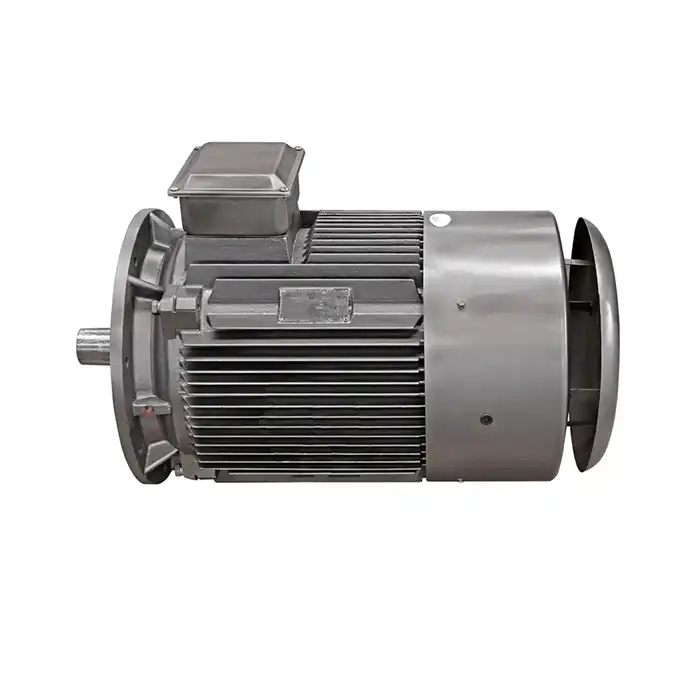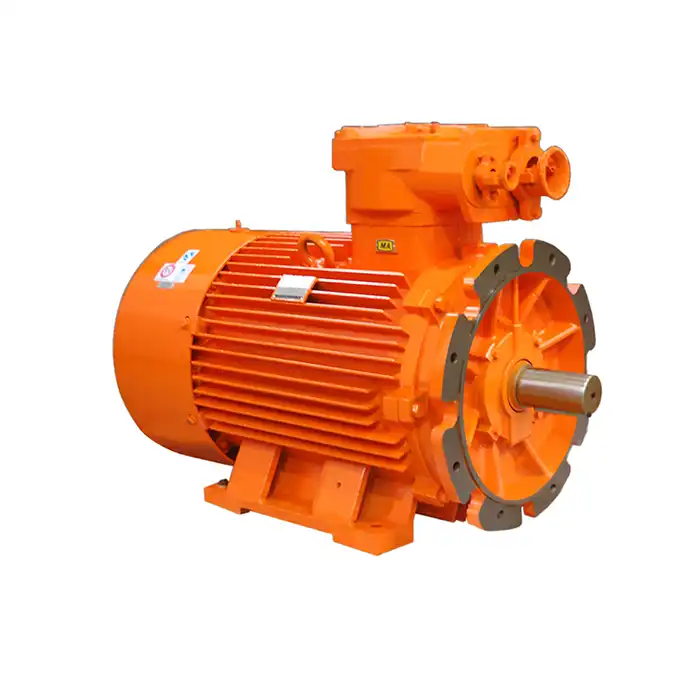




How to Reduce Downtime with Reliable IEC Low Voltage Motors?
Begin with IEC low voltage motors that are dependable, perfectly tailored to your operating needs and manufactured to fulfil demanding international standards. These motors operate at voltages below 1,000 volts and give reliable performance in harsh industrial conditions. Investing in excellent motors with durable construction, correct insulation classes and efficient design means less unexpected failures. Pair the right motor with proactive maintenance practices like vibration monitoring, thermal analysis and scheduled lubrication, and you have a reliable foundation that keeps production lines moving and avoids costly interruptions.
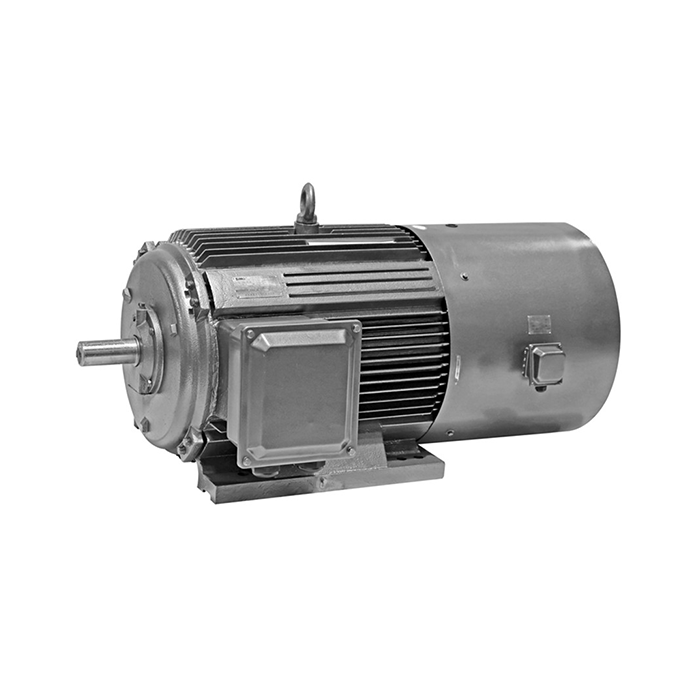
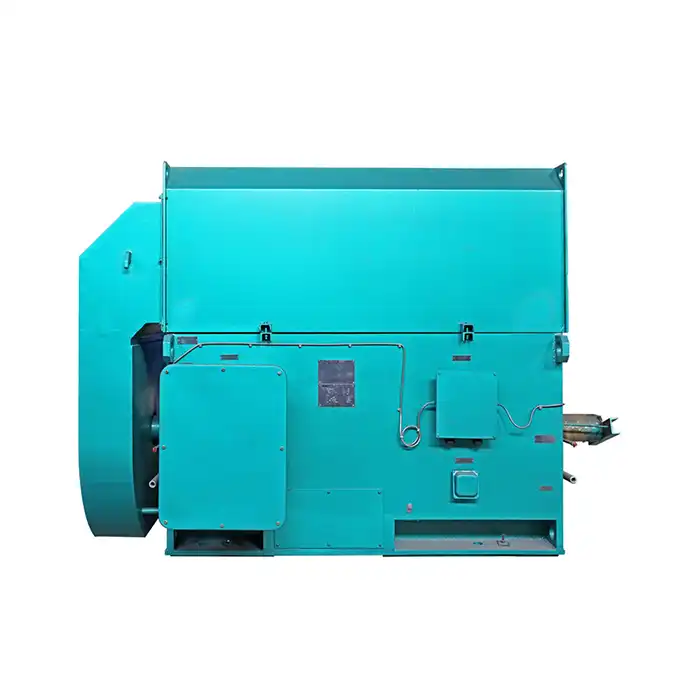
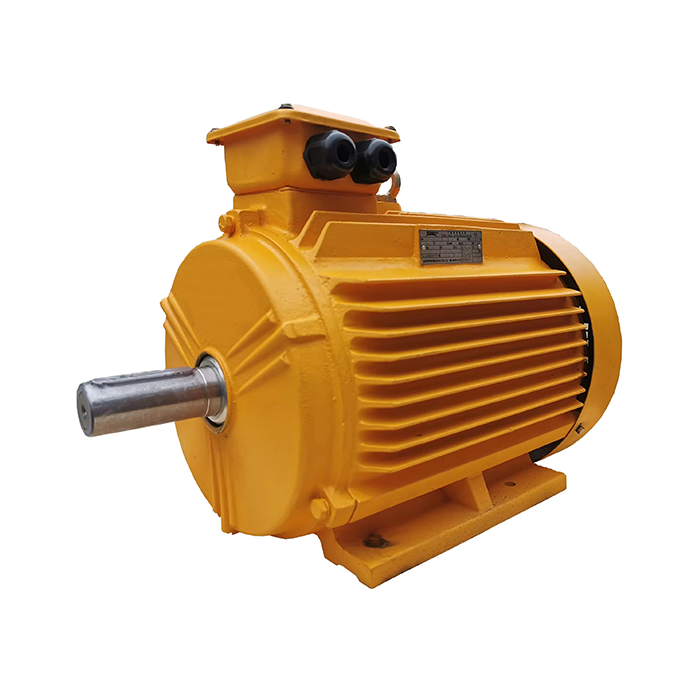
Series:YVFE4
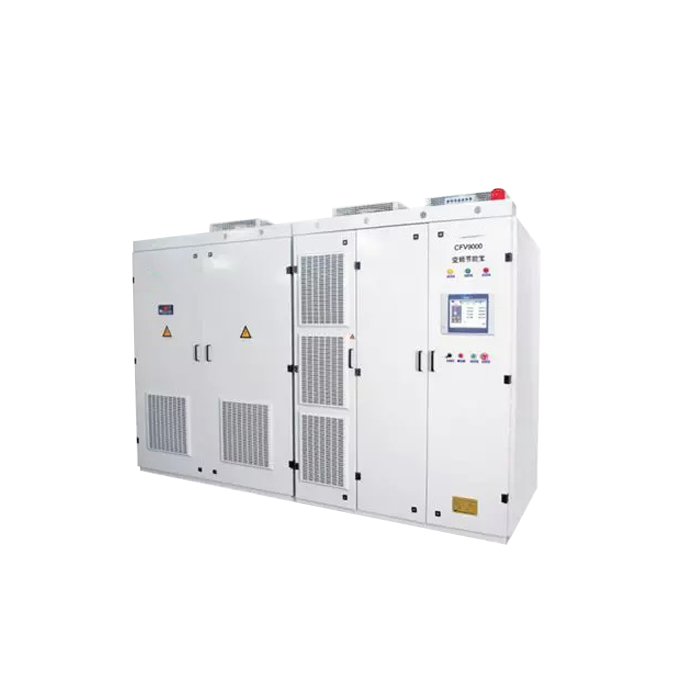
Frequency conversion range:30hz~50hz,5hz~70hz,5hz~100hz
Power range:0.75-1000kW
Protection level:IP55
Application:are suitable for driving various mechanical equipment that require continuous and frequent forward and reverse rotation, such as steel rolling, lifting, transportation, machine tools, printing and dyeing, papermaking, chemicals, textiles, pharmaceuticals, etc., and can be used with various domestic and foreign variable frequency power supplies.
Advantage:high efficiency, wide speed range, high precision, stable operation, and easy operation and maintenance.
Certificate:installation dimensions comply with International Electrotechnical Commission (IEC) standards.
Others: SKF, NSK, FAG bearings can be replaced according to customer requirements.
Understanding IEC Low Voltage Motors and Their Role in Downtime Reduction
What Are IEC Low Voltage Motors?
IEC low voltage motors are standard electrical tools made in accordance with the rules of the International Electrotechnical Commission. They usually work at voltages below 1,000 volts. Equipment in factories, HVAC systems, water treatment plants, and transportation systems is powered by these motors. The IEC standards set the technical measurements, mounting arrangements, and efficiency levels that make sure that products can be used anywhere in the world. This standardization makes buying and maintaining things easier by letting facilities get replacement parts and motors from different suppliers without having to worry about whether they will work together.
Common Motor Types and Design Principles
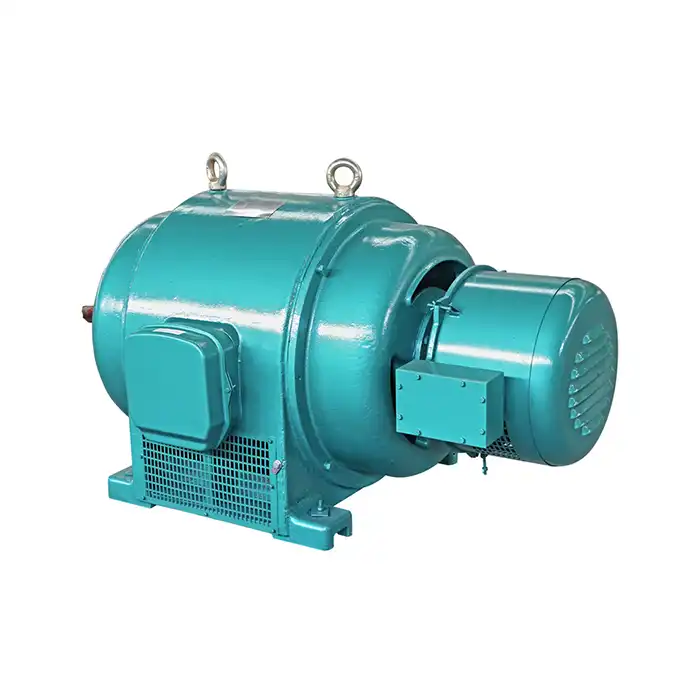
The squirrel-cage induction motors are the most utilised in the industry because they are simple to operate and have a long life. They feature a rotor of conductive bars joined by end rings so they don't need slip rings or brushes . Wound rotor motors are not really popular but allow better control of starting power and speed regulation, making them good for applications where frequent motor starts or precise speed changes are needed. Both types transform electrical energy into mechanical motion by means of electromagnetic induction . Three phase designs provide more uniform power and more steady functioning
How Motor Reliability Impacts Operational Downtime
When motors break down, they mess up production plans, call for emergency maintenance, and put a strain on budgets through repair costs and lost income. The International Energy Agency says that electric motor-driven systems use 53% of the world's electricity. This shows how important they are to industrial operations. When motors stop working for no reason, whole production lines stop, shipping dates get pushed back, and worker productivity drops. Choosing motors that are designed to be reliable—with good bearings, good heat management, and strong insulation—directly lowers the number of failures and increases the time between maintenance tasks.
Identifying Common Failure Modes
Most motor failures are caused by worn out bearings, broken insulation on the windings or unbalanced rotor. Lubrication, contaminants or installation problems are the usual causes of bearing failures. Motors utilised in regions that are too hot or too humid without the necessary safety rates may cause insulation around the windings to break down. Unbalanced rotors create excessive vibrations. This accelerates the wear of bearings and connections. Understanding how these things break helps procurement teams select motors with features that solve specific operational and environmental problems. This provides opportunities for effective strategies to reduce downtime.
Identifying Key Factors Affecting Downtime in IEC Low Voltage Motor Operations
Selecting High-Quality Motors from Reputable Manufacturers
When looking for motors that will work well for years, quality is important. Companies that tightly follow IEC standards spend a lot of money on precise manufacturing methods, strict testing routines, and quality assurance systems that find problems with motors before they get to customers. Look for IEC low voltage motors with frames made of cast iron or aluminum that won't rust or break under heavy loads. They should also have copper windings that conduct electricity and heat better, and they should have high-grade electrical steel laminations that keep energy loss to a minimum. Motors that meet the efficiency standards set by IEC 60034-30-1, especially those that get IE3 or IE4 ratings, show that they are dedicated to performance and dependability.
Matching Motor Specifications to Application Requirements
It takes more than matching horsepower and voltage to choose the right motor. Frame size affects how well it gets rid of heat and how well it can be mounted. The insulation class tells you how well the windings can handle heat. Class F insulation can handle temperatures up to 155°C, and Class H insulation can handle temperatures up to 180°C. Protection grades like IP55 keep dust and water jets from getting into internal parts, which is very important in areas where things need to be cleaned often, like in food processing or medicines. When motors use variable frequency drives, they need to have enough protection around the bearings to keep electrical damage from shaft currents at bay. Our YVFE4 series at XCMOTOR has power outputs ranging from 0.75kW to 1000kW and voltage ranges from 220V to 690V. This makes it suitable for a wide range of uses, such as steel rolling, lifting equipment, machine tools, printing operations, papermaking machinery, chemical processing, textile production, and pharmaceutical manufacturing.
Implementing Preventive Maintenance Best Practices
Scheduled maintenance keeps small problems from getting worse and leading to catastrophic failures. Set up lubrication schedules based on the size, speed, and number of hours the motor is used. Both over- and under-greasing will damage the bearings. Megohmmeter tests can be used to check the quality of the insulation and the resistance of the windings before the insulation breaks. Early detection of bearing wear, misalignment, and mechanical looseness through vibration analysis saves a lot of money compared to fixing problems after the fact. Using thermal imaging cameras to keep an eye on temperatures shows hot spots that mean there isn't enough air flow, the system is overloaded, or there are electrical problems. When these things are done regularly, they make motors last longer and cut down on unnecessary downtime by a large amount.
Installation and Wiring Protocols That Prevent Early Failures
When something is installed correctly, it is ready to work reliably. To keep the frame from warping and the shaft from being out of alignment, make sure the mounting surfaces are flat, rigid, and lined up correctly. Use bendable connections that can handle small misalignments without putting too much stress on the bearings. Cables should be run away from sharp edges and heat sources, and they should have the right-sized conductors to keep voltage drop and heat buildup to a minimum. Before turning on motors, make sure the source voltage is stable and that the phases are balanced. Voltage imbalances of more than 1% shorten motor life and raise working temperatures. Follow the manufacturer's instructions for shielding and grounding the cables when connecting motors to variable frequency drives to avoid electromagnetic interference and bearing currents. Taking these measures during installation will pay off for years of trouble-free use.
Practical Solutions to Optimize Motor Performance and Minimize Downtime
Incorporating Advanced Monitoring Technologies
Condition tracking in the 21st century changes upkeep from being reactive to being proactive. IoT-enabled devices constantly measure temperature, sound, and current draw. They send this information to cloud platforms that look for patterns and alert users to problems. These systems pick up on small changes, like a slight rise in the temperature of a bearing or the start of new vibration frequencies, that show problems are happening weeks before they break. Maintenance teams get alerts with enough time to plan fixes for planned shutdowns, so breakdowns don't happen out of the blue. Putting money into monitoring technology pays off quickly by increasing uptime and lowering the cost of emergency repairs, especially when applied to iec low voltage motors.
Choosing Energy-Efficient Premium Motors
Motors that use less energy not only save you money on electricity, but they also run cooler and last longer. IE4 efficiency motors from XCMOTOR have magnetic circuits that work better, coil losses that are lower, and precise manufacturing that ensures uniform performance. The working temperatures stay within the acceptable range, which lowers the heat stress on the insulator and bearings. Lower working temperatures mean that parts last longer and break down less often. The frequency ranges from 30Hz to 50Hz, 5Hz to 70Hz, and 5Hz to 100Hz, giving you options for uses that need to change the speed. The IP55 rating protects against external contaminants that speed up wear.
Troubleshooting Common Motor Issues
Systematic fixing quickly finds the root causes of problems with motors. Overheating could mean that airflow is being blocked, the temperature outside is too high, the system is overloaded, or the voltage isn't balanced. Control circuit flaws, not enough supply power, or mechanical binding are common reasons why startups fail. Misalignment, bearing wear, or rotor imbalance can all cause too much vibration. Weird noises can be caused by loose parts, damaged bearings, or electrical problems. Knowing these diagnostic patterns helps maintenance teams fix problems quickly, which cuts down on the time that systems are down.
Some problems need to be solved by experts. When the winding fails, the motor needs to be rewound or replaced. When bearings fail in big motors, they might need special tools to align and balance them perfectly. When in-house knowledge isn't enough, working with experienced service providers guarantees good repairs and a quick return to service. Through xcmotors@163.com, XCMOTOR offers full support, answering technical questions and taking care of after-sales needs both during the week and on the weekends to make sure you get help when operational problems happen.
Smart Procurement Strategies to Ensure Supply Chain Reliability
Selecting and Verifying Trusted Suppliers
Uninterrupted activities depend on having providers you can trust. Quality certifications, such as the CE mark and the GOST seal, that show compliance with international standards should be used to judge potential partners. Check the terms of the warranty to see what it covers. Full warranties show that the maker trusts you and protect your investment. Check wait times and how you handle goods to make sure deliveries happen on time. Check the logistics, especially for motors that are too big or too heavy and need special treatment. Suppliers who give original goods from well-known names, fast shipping, and committed customer service show that they care about their customers' success.
Benefits of Bulk Purchasing and Customized Solutions
Through economies of scale, buying in bulk can save you money. When you negotiate contracts for multiple units or a steady supply, the price per unit goes down, and you lock in good terms. Not only do bulk orders save you money, but they also let suppliers set aside inventory just for your needs. This cuts down on delivery times and keeps you from running out of stock at crucial times. Customized solutions are made to fit the specific needs of each operation. You can choose from different shaft configurations, mounting arrangements, or bearing names like SKF, NSK, or FAG. XCMOTOR works closely with procurement professionals to customize motor specs, making sure that the equipment's capabilities are perfectly matched with the needs of the application.
Navigating Current Market Trends and Price Benchmarks
Knowing how the market works helps you make better choices about what to buy. The price of iec low voltage motors is affected by the rates of raw materials, especially copper and steel. When global events or pandemics disrupt the supply chain, they change lead times and inventory. Energy efficiency rules make people want high-end motors, which can cause short-term shortages of the most energy-efficient types. Keeping up with these trends helps procurement teams predict how prices will change and make changes to their buying strategies to match. Building partnerships with dependable manufacturers offers security in times of market volatility by ensuring a steady supply of high-quality iec low voltage motors, no matter what the market conditions are like in general.
Case Studies: How Reliable IEC Low Voltage Motors Helped Reduce Downtime
Manufacturing Plant Achieves 30% Uptime Improvement
A company that makes parts for cars had a lot of motor failures that messed up production schedules and made maintenance more expensive. The facility replaced its old motor fleet with new IE4 efficiency units that have better bearing systems and better heat control after talking to motor experts. The maintenance team set up vibration tracking and planned lubrication programs at the same time. Unplanned downtime dropped by 30% in just six months, and energy use dropped by 18%. The investment paid for itself through lower energy bills and no longer having to pay for emergency repairs. This shows how good motors and proactive upkeep can improve operating reliability.
OEM Partner Gains Performance Through Custom Solutions
A company that makes machine tools needed motors that could start, stop, and change direction often while still letting them precisely control the speed. Standard catalogue motors weren't strong enough to handle these heavy duty runs. Engineers worked with XCMOTOR to design unique wound rotor motors with stronger insulation, larger bearings, and better cooling systems. The motors could handle continuous forward and backward spinning without any problems, and they could handle the rough working conditions needed for heavy machining and steel rolling. Better warranty support gave people more trust, and working together technically made sure that the plans would work perfectly with the manufacturer's equipment.
Distributor Improves Client Satisfaction Through Inventory Optimization
An industrial distributor that worked with many different industries had a hard time keeping track of its inventory. Having too many motors on hand wasted money and time, and not having enough motors on hand led to lost sales and unhappy customers. The distributor organized their stock around models that could be used in a variety of situations by strategically partnering with a reliable manufacturer that offered wide power ranges from 0.75kW to 1000kW and standard IEC dimensions. The manufacturer's promise of fast delivery and 30-day return policies cut down on inventory risks and made sure that customer orders were filled quickly. As wait times got shorter and inventory levels rose, customer happiness scores went up significantly. This made the distributor more competitive.
Conclusion
Reliable IEC low voltage motors need a holistic strategy of quality equipment selection, proactive maintenance and efficient supply chain management to reduce downtime. Rugged design, suitable safety ratings and efficiency optimisation are features of motors designed to rigorous IEC standards, enabling them to operate dependably in a multitude of demanding industrial environments. Condition monitoring technology enable scheduled maintenance to prevent unexpected failures. Through strategic procurement techniques like supplier dependability verification, bulk purchasing, and bespoke solutions, operations can rest certain that they have quality motors that will keep things moving smoothly. When you put these approaches together, motor efficiency becomes a competitive advantage rather than a hassle to maintain.
Frequently Asked Questions
1. What makes IEC low voltage motors different from NEMA motors?
IEC low voltage motors and NEMA motors are mostly different in how they are sized, how efficient they are, and how people in different regions like them. IEC motors use metric measurements and mounting sizes that are standard around the world, while NEMA motors use imperial measures that are popular in North America. The IEC efficiency levels (IE1 through IE4) are not the same as the NEMA premium efficiency levels, but both are meant to cut down on energy use. Most of the time, IEC motors have more frame size options and are more adaptable for use in different countries.
2. How often should IEC low voltage motors undergo maintenance inspections?
How often maintenance is done depends on the duty cycle and operating conditions. Motors that are used all the time in clean, climate-controlled areas may only need to be inspected every three months, but those that are used all the time in tough conditions like high temperatures, moisture, or contamination need to be checked every month. At the very least, check the bearings and lubrication every three months, test the strength of the insulation once a year, and for important uses, do vibration analysis every three months. Set up plans based on what the maker says and what you've learned from running the business.
3. Can variable frequency drives damage IEC low voltage motors?
Variable frequency drives make motors more powerful, but they also put stress on the electrical system, so the motor needs to be designed properly. If you don't have enough insulation, shaft voltages caused by drive changes can damage bearings. Voltage reflections that stress coil insulation are affected by the length and protection of the cable. Motors designed for inverter service have better cooling systems, stronger insulation, and insulated bearings that can safely handle these difficulties. Always choose motors that are rated for inverters when you use variable frequency drives.
Partner with XCMOTOR for Dependable IEC Low Voltage Motors
In the industrial, HVAC, energy, and transportation industries, XCMOTOR specialises in offering high-performance IEC low voltage motors built for dependability. Our YVFE4 series offers power outputs ranging from 0.75kW to 1000kW, with IE4 efficiency, IP55 protection, and frequency ranges from 30Hz to 100Hz, making it suitable for demanding applications that need continuous forward and reverse rotation. As a sole provider of IEC low voltage motors, we provide original goods, quick shipping, easy refunds within 30 days, and support seven days a week. Get in touch with xcmotors@163.com to talk about your specific needs and find custom motor solutions that will cut down on downtime and improve operational efficiency.
References
1. International Energy Agency. (2023). Energy Efficiency 2023: Motors and Motor-Driven Systems. IEA Publications, Paris.
2. Chapman, S.J. (2022). Electric Machinery Fundamentals (6th ed.). McGraw-Hill Education, New York.
3. Bonnett, A.H. & Yung, C. (2021). "Bearing Current Damage in Induction Motors," IEEE Industry Applications Magazine, Vol. 27, Issue 3, pp. 22-31.
4. Institute of Electrical and Electronics Engineers. (2021). IEEE Standard 112: Test Procedure for Polyphase Induction Motors and Generators. IEEE Standards Association, Piscataway.
5. Thorsen, O.V. & Dalva, M. (2023). "A Survey of Faults on Induction Motors in Offshore Oil Industry Applications," IEEE Transactions on Industry Applications, Vol. 59, Issue 2, pp. 1049-1053.
6. International Electrotechnical Commission. (2022). IEC 60034-30-1: Rotating Electrical Machines—Part 30-1: Efficiency Classes of Line-Operated AC Motors. IEC Central Office, Geneva.