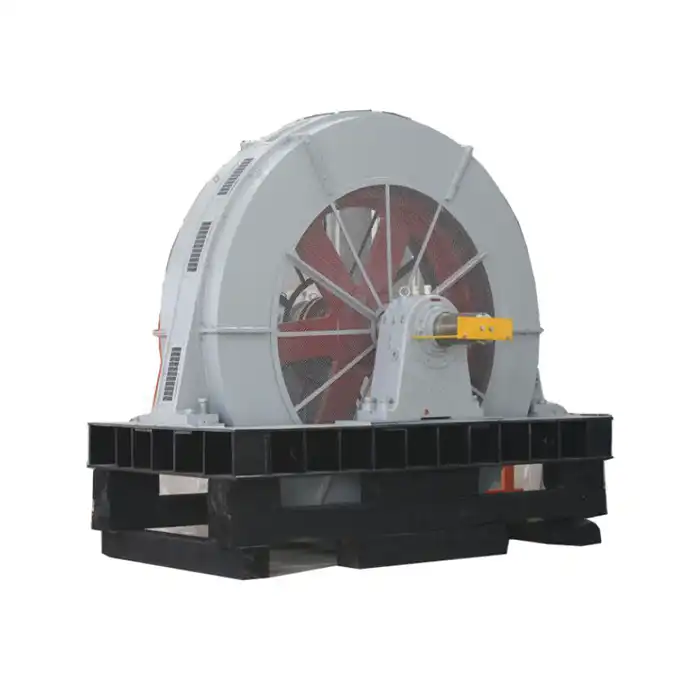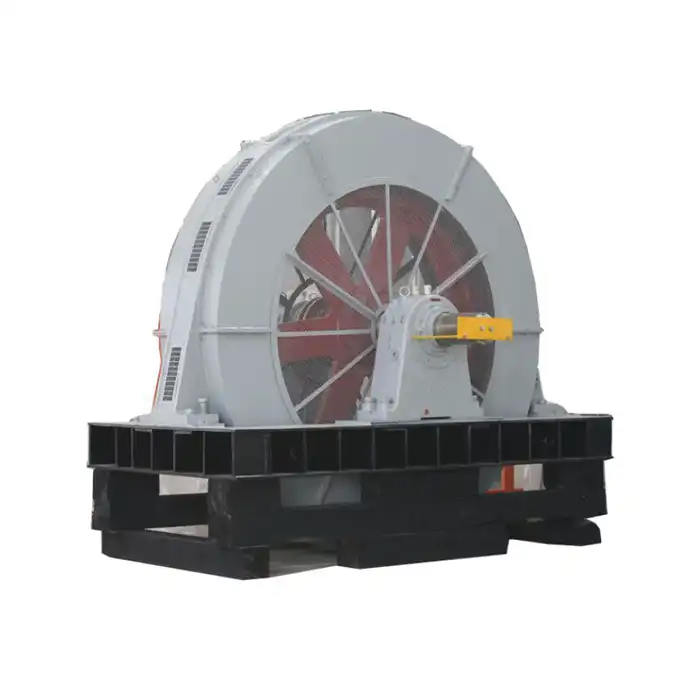




The Complete Guide to IE5 Motors for Industrial Applications
Industrial sites are under more and more pressure to cut down on energy use while still running at a high level. To solve this problem, the IE 5 motor offers ultra-high levels of efficiency that greatly reduce power costs and carbon emissions. As the newest development in electric motor technology, these motors are up to 96.5% efficient, making them better than older versions thanks to their creative design and high-tech materials. The purpose of this guide is to help procurement managers and engineering teams choose, adopt, and get the most out of high-efficiency motor options for a wide range of industrial uses.
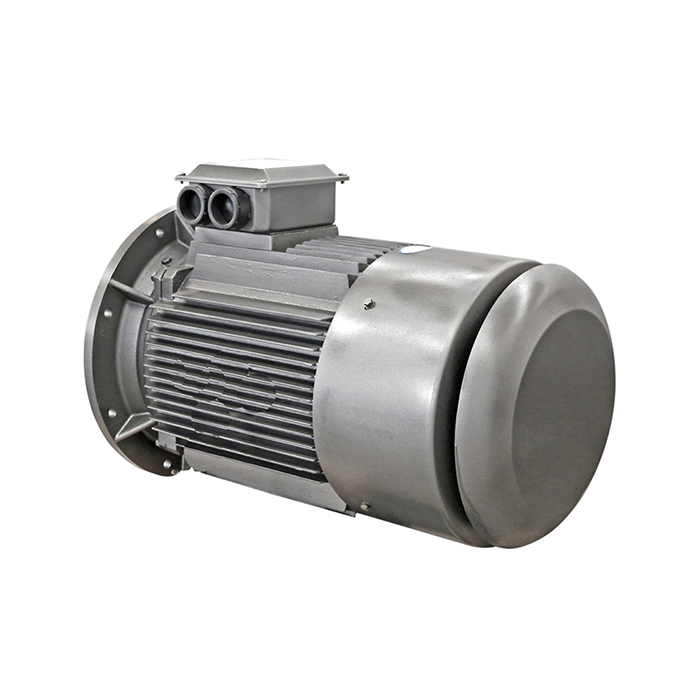
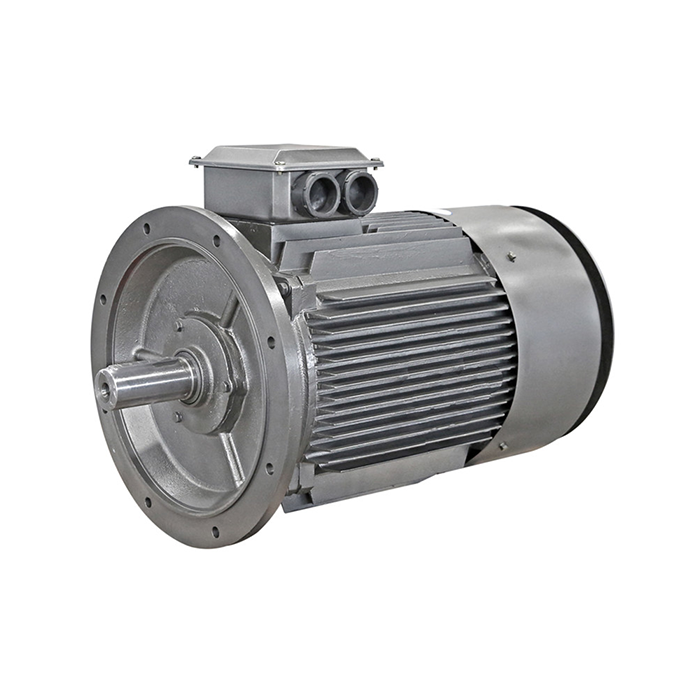
Series:YE5
Frame number: 80-450
Power range:0.75-1000kW
Protection level:IP55
Energy efficiency class: IE5
Voltage range: 380V,400V,415V, 660V,etc.
Application:can be used in various fields of the national economy, such as machine tools,water pumps,fans,compressors,and can also be used in transportation, mixing, printing, agricultural machinery, food and other occasions that do not contain flammable, explosive or corrosive gases.
Certificate: international standard IEC60034-30 "Efficiency Classification of Single-speed Three-Phase Squirrel Cage Induction Motors".
Advantage:The high quality of the electric motor guarantees high operational reliability.
Others: SKF, NSK, FAG bearings can be replaced according to customer requirements.
Understanding IE5 Motors: Technology, Features, and Benefits
What Makes Ultra-Premium Efficiency Motors Different
Ultra-premium efficiency motors work at the top level of efficiency set by international norms. They are much more efficient than IE3 and IE4 motors. Synchronous Reluctance Motor (SynRM) technology is often used in these motors. It blends the performance of a permanent magnet motor with the ease of use of an induction motor. In contrast to older designs, this technology does not use any rare earth materials. This makes them better for the climate while still providing excellent performance under a range of load situations.
The main new idea is to improve the magnetic flux routes and lower the rotor losses. Modern designs for the stator windings lower electrical resistance, and precisely designed air gaps between the rotor and stator parts cut down on energy waste. Better cooling systems keep the motor running at its best temperature, which extends the life of its parts and keeps it running at its best throughout its service life.
Key Technical Specifications and Performance Parameters
XCMOTOR's ultra-high-efficiency motors come in a wide range of power levels, from 0.75 kW to 1000 kW, so they can be used in everything from small conveyor systems to big industrial machines. These motors can work with 380V, 400V, 415V, and 660V voltages, so they can adapt to different electricity infrastructure needs in different places around the world.
Protection class IP55 makes sure that the device will work reliably in tough industrial settings where it is often exposed to dust and water. The strong housing design keeps the internal parts safe without affecting heat transfer, which is still very important for keeping the system running efficiently even when it's on all the time. Frame sizes from 80 to 450 are available to fit a variety of mounting options and the limited room that is common in industrial facilities.
Speeds between 500 and 3000 rpm make it possible to perfectly match the needs of the operation. A power factor greater than 0.9 lowers the amount of reactive power used, which lowers energy costs and makes the electrical system work better overall. Low harmonic distortion keeps interference with sensitive electronics to a minimum and keeps electrical distribution systems from getting too hot.
Operational Advantages That Impact Your Bottom Line
The best thing about ultra-premium efficiency motors is that they save energy. IE2 motors use up to 40% less energy than IE3 motors, which immediately leads to lower running costs. A 110 kW motor that is run all the time can save thousands of dollars a year in power costs alone. These savings add up over the IE 5 motor's 10 to 15-year life.
Not only do these motors use less energy, they also produce less heat while they're running. This means that tight areas don't need to be cooled as much, and the parts last longer. When working temperatures go down, bearings, windings, and insulation systems are put under less heat stress. Because they are better at handling heat, they need less upkeep and don't break down as often, which keeps production plans on track.
The perks of reducing noise make workplaces safer and help facilities meet safety standards. Modern rotor designs reduce electromagnetic shocks to a minimum, and better cooling fans lower sounds from air flow. These changes are especially important in places where many motors are running at the same time, making noise levels that make workers uncomfortable and less productive.
Better component quality and less operating stress lead to higher reliability. Customers can choose high-quality bearings from companies like SKF, NSK, and FAG based on their needs, making sure that they work with current servicing methods and parts stock. The high-quality building promises operational dependability, which procurement teams can rely on when they need to choose important tools.
IE5 vs Other Motor Efficiencies: Making an Informed Decision
Efficiency Comparison and Performance Metrics
The difference in efficiency between types of motors has a direct effect on the cost of doing business. Most IE3 motors are between 92 and 94% efficient, while most IE4 motors are between 94 and 96% efficient. The most efficient ultra-premium motors can reach 96.5% or higher, especially when they are loaded to between 50 and 100% of their stated capacity.
When you add up the thousands of hours of operation each year, this difference in speed becomes important. There are big changes in how much energy a 110 kW motor that runs for 6,000 hours a year uses depending on its classification. As a result, the ultra-premium motor uses significantly less power, which saves money over the time that the equipment is used.
Performance gains are more than just higher efficiency rates. Ultra-premium motors are more efficient across a wider range of loads. This means they work better in situations where demand changes quickly, like in manufacturing and process control. This quality is useful in systems where loads change because of work plans or seasonal needs.
Return on Investment Analysis
The initial buy prices for ultra-premium motors are higher than those for lower efficiency grades, which makes procurement teams that are trying to save money hesitant. Total cost of ownership estimates, on the other hand, show the real economic picture. When you look at how much energy you save each year, the price difference between ultra-premium and IE3 motors is almost nothing.
According to figures from the industry, a 110 kW motor running at 1500 rpm makes up the difference in cost between ultra-premium and IE3 categories in about 13 months. After this payback time, the motor will continue to save money every year for as long as it works, which could be another 10 to 15 years. Over this period of time, the total amount of money saved on energy costs can be several times the cost of buying the motor.
When making a budget, it's important to think about the total cost of ownership instead of just the initial cash cost. Ultra-premium motors have lower maintenance costs because they are less stressed by heat and have better quality parts. Fewer bearing replacements, fewer winding failures, and longer service intervals all lead to lower lifetime maintenance costs, which go hand in hand with energy saves.
Application-Specific Selection Criteria
Picking the right speed level depends on the specifics of the process that are needed for each job. Investments in ultra-premium economy pay off most for motors that are used a lot all the time. When pumps, fans, compressors, and transportation systems work long shifts, they quickly pay for themselves, which makes the higher initial investment worth it.
Load factors affect the choice of what to use. Applications that keep loads steady and close to stated capacity get the most out of efficiency benefits. Systems that start up and stop a lot or have big changes in load may have different performance patterns. When used together, variable frequency drives and ultra-premium motors improve performance even when operating conditions change. This makes the system more efficient than either technology could do on its own.
The environment affects how long motors last and how often they need to be serviced. IP55 protection works well in most industrial settings and keeps motors safe from dust and water that are common in manufacturing, food preparation, and farming. Facilities with corrosive or explosive dangers need special approvals that aren't available from normal providers. This means that customers have to talk to vendors about unique solutions.
Practical Applications and Industry Use Cases of IE5 Motors
Manufacturing and Process Control Applications
Ultra-high-efficiency motors, including the IE 5 motor, are used in a wide range of machines in factories. These motors make it possible to precisely control speed and provide power, which are both useful for machine tools. To maintain consistent product quality and production output, CNC machines, grinding machines, and automatic production lines require motors that operate reliably and consistently every time.
Improving the performance of pump uses is a great idea. In many places, water pumps, chemical transfer pumps, and hydraulic systems run all the time, putting in thousands of hours each year. When used in pump systems, ultra-premium motors save a lot of energy. This is especially true in water treatment plants and process businesses where many big pumps are running at the same time.
In factory settings, fan and ventilation devices use a lot of energy. Running HVAC equipment, exhaust fans, and process ventilation pumps all the time is a great way to make things more efficient. Facilities that upgrade current fan motors to ultra-premium efficiency report measured drops in electricity use while still meeting airflow needs.
Motor efficiency improvements help compressor systems that power air equipment, cooling, and the handling of process gases. Compressed air systems are often like utilities that serve whole buildings. This means that the efficiency of the compressor motor is an important part of total energy management strategies. Ultra-premium motors lower the amount of energy used by the compressor while keeping the required pressure and system stability.
Energy and Utilities Sector Implementation
Power plants use big motors for extra systems like cooling water pumps, tools for moving fuel, and systems that control emissions. Ultra-premium motors cut down on parasitic loads that use up energy that is being made before it gets to users. When it comes to power plants, even small changes in the efficiency of big motors add up to big saves in energy use.
For wind turbine pitch control, solar tracking systems, and energy storage tools, renewable energy projects are asking for high-efficiency motors more and more. To get the most out of green energy and use the least amount of extra power, these apps need to be reliable and efficient. Ultra-premium motors are in line with the goals for sustainability that are driving the growth of green energy.
Water treatment plants use a lot of pumps, and the efficiency of the motors has a direct effect on the prices of running the plants. Pumps are always running in wastewater treatment plants to move in and out influent, add air, and release sewage. Distribution networks for drinking water need to have efficient pump systems. Upgrading to ultra-premium motors lowers the huge amounts of power that these places have to pay for and makes the system more reliable.
HVAC, Refrigeration, and Commercial Applications
Air handlers, cooling towers, cold water pumps, and condenser fans all use more than one motor in commercial HVAC systems in big buildings. Building managers are looking for ways to make their buildings more efficient so that they can cut costs and meet green goals. Ultra-premium motors help meet the standards for LEED certification and the energy efficiency benchmarking programs that more and more commercial property owners are looking for.
Food processing, cold storage, and chemical manufacturing all use industrial refrigeration systems that need motors that work reliably in temperature-controlled spaces. Better effectiveness and less heat production are good for compressor motors, evaporator fans, and condenser pumps. The improvements to reliability cut down on unexpected downtime that could damage goods that are sensitive to temperature.
Motors are used for moving things, heating and cooling systems, and other tasks in transportation structures like rail systems, airports, and shipping operations. To keep service access while keeping costs low, these apps value dependability and efficiency. The high performance needs of these tasks are met by ultra-premium motors.
Procurement Guide: Where and How to Buy IE5 Motors
Evaluating Supplier Reliability and Product Authenticity
Finding reliable sellers who sell real goods that meet foreign standards is the first step to successful procurement. Well-known companies make sure that the quality of their products is always high, making sure that the motors they sell meet the performance claims and stated specs. Motor efficiency grades can be checked objectively with certification documents that include CE marks and compliance with IEC60034-30 standards. For buyers seeking advanced energy-saving solutions, an IE 5 motor represents a higher efficiency level that can further improve operational performance and reduce energy consumption in industrial applications.
When evaluating a supplier, you should look at their ability to make things, their quality control systems, and their technical help infrastructure. Companies with various ISO-certified production sites show that they are committed to making sure that the quality of all of their products is the same. Long-term position in the market means that the supplier is stable and will be there to help the motor throughout its operating life.
Verifying the accuracy of a product guards against fake motors or misleading efficiency ratings. Real ultra-premium motors have information on the nameplate that makes it easy to see the power levels, efficiency categories, and approval marks. Suppliers should be able to easily give test results that show that their products work as expected using standard testing methods. Before finalising purchases, procurement teams should ask for these papers.
Cost Structure and Budget Planning
Understanding the parts of the total cost allows for correct budgeting. The purchase price is only one part of the total costs of owning a car. The initial investment needs more money because of transporting, installing, setting, and connecting to existing systems. Over the life of the equipment, the energy savings will cover these initial costs, giving a good return on investment.
When negotiating prices, buyers of multiple units should look at bulk discounts and possible supplier relationships for long-term equipment needs. Facilities that want to upgrade many motors at once may be able to negotiate good terms that represent the value of the whole business. Aside from the base price of the tools, payment terms, warranty coverage, and professional support services all affect the total cost structure.
When you show decision-makers your total cost of ownership estimates, it's easier to defend your budget. When you look at the capital costs and the expected energy savings, you can see that investing in ultra-premium motors is a smart financial move. Payback times, which are usually between 12 and 24 months, are strong reasons to approve projects that improve efficiency.
Ordering Process and Specification Verification
To successfully buy a motor, the specifications must precisely match the needs of the product. Power rates, speed ranges, voltage configurations, and mounting measurements must match those of existing systems or those of new equipment. Giving providers detailed information about the application helps them suggest the right motor types and find any possible compatibility problems before orders are placed.
A study of the documentation should make sure that the suggested motors meet all technical needs, such as certification standards, efficiency ratings, and environmental protection ratings. Teams in charge of buying things should make sure that the quotes from suppliers clearly state that they meet IEC60034-30 standards and give details about how efficient they are. If the specs aren't clear, you might get motors that don't work as well as you thought they would.
Warranty terms and the ability to get help after the sale are important ways to lower the risk. Standard warranties should cover problems with the way the product was made and failures that happen before they should. Options for longer warranties could be useful for important uses where the costs of downtime are higher than the warranty fees. Long-term operating success depends on having access to technical support, such as startup help, troubleshooting help, and parts.
Conclusion
In the long run, ultra-premium efficiency motors, such as the IE 5 motor, will pay for themselves and provide instant operating benefits. Compared to regular motors, they save up to 40% of energy, which lowers power costs significantly and helps companies meet their green goals. With better operational performance, higher reliability, and less need for upkeep, these motors are great choices for a wide range of industrial applications. When upgrading current motor fleets or ordering new equipment, facilities should make ultra-premium efficiency a top priority to maximize equipment lifetime value and minimize environmental impact.
FAQ
1.What efficiency improvements can facilities expect from motor upgrades?
It is possible to measure how much better ultra-premium efficiency motors work than older classes. Energy use drops by up to 40% compared to IE3 motors, though this depends on the program and how it is run. This drop directly leads to lower energy bills and lower carbon emissions, which help companies reach their sustainability goals.
2.Are high-efficiency motors compatible with existing equipment and infrastructure?
These days, ultra-premium motors can be easily swapped out for most regular motor setups. When manufacturers make these motors, they use standard frame sizes, mounting patterns, and shaft measurements to make sure they work with other equipment. The electrical features match the voltage and frequency needs of current power distribution systems. This makes retrofit setups easier without having to change the infrastructure.
3.How quickly do efficiency investments pay back through operational savings?
Payback times depend on the size of the motor, how many hours it runs, and the cost of energy in the area. When used continuously in high-power situations, motors usually pay for themselves in 12 to 24 months. Facilities with long shifts and high energy rates see faster payback. On the other hand, uses that only run sometimes see longer return periods but still make money over the life of the motor.
Partner with XCMOTOR for Your IE 5 Motor Solutions
XCMOTOR offers complete options for power tools that are made to fit your needs. Our ultra-high-efficiency motors, which range from 0.75 kW to 1000 kW, meet international standards and offer great dependability and performance in the process, industrial, HVAC, and utilities industries. As a provider of IE 5 motor solutions with a lot of experience, we can offer you low prices, fast delivery, and focused technical help that you can get even on the weekends. Email our team at xcmotors@163.com to talk about your unique application needs, get quotes, or ask for more information. We offer 30-day return policies and ongoing help to make sure you're happy with your purchase. Check out our products at motorxc.com and learn how ultra-premium efficiency motors can improve the energy economy of your building.
References
1. International Electrotechnical Commission. "IEC 60034-30-1: Rotating Electrical Machines - Part 30-1: Efficiency Classes of Line Operated AC Motors (IE Code)." 2014 Edition.
2. De Almeida, Anibal T., et al. "Beyond Induction Motors: Technology Trends to Move Up Efficiency." IEEE Transactions on Industry Applications, Vol. 50, No. 3, 2014.
3. European Copper Institute. "Motor Systems Energy Efficiency: Technology, Applications, and Economics." Brussels: European Copper Institute, 2015.
4. Benhaddadi, Mohammed, and Guy Olivier. "Energy Savings in Industrial Motor-Driven Systems." Power Engineering Review, IEEE, 2016.
5. Natural Resources Canada. "Premium Efficiency Motor Selection and Application Guide: A Handbook for Industry." Ottawa: Office of Energy Efficiency, 2017.
6. United States Department of Energy. "Improving Motor and Drive System Performance: A Sourcebook for Industry." Advanced Manufacturing Office, Washington, DC, 2018.