



The Benefits of 1440 RPM Motors for Low Noise and High Efficiency
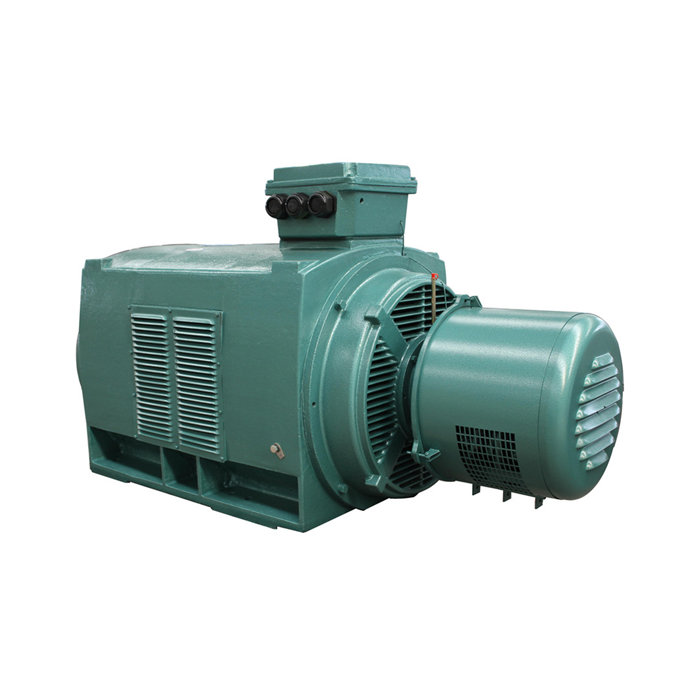
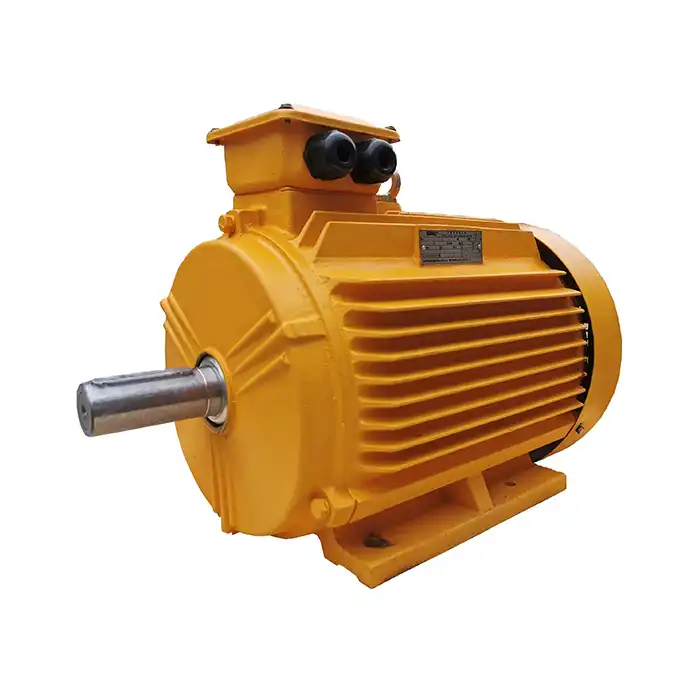
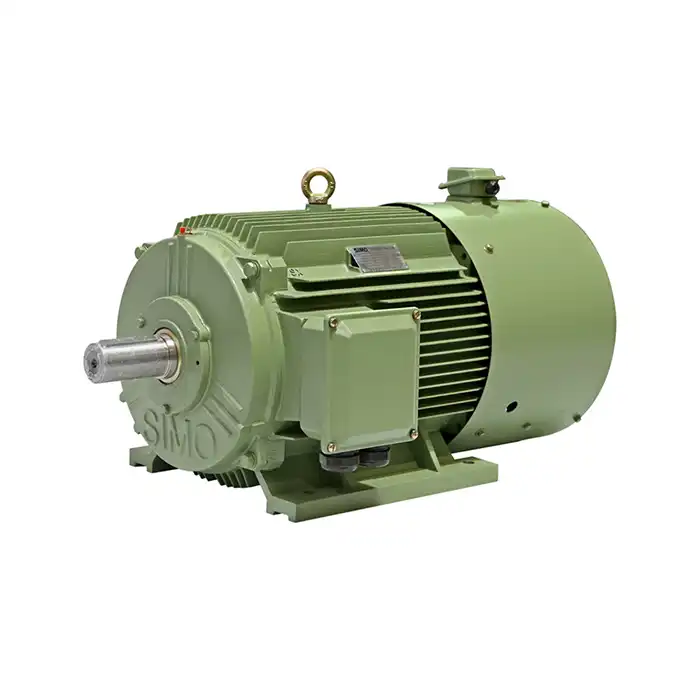
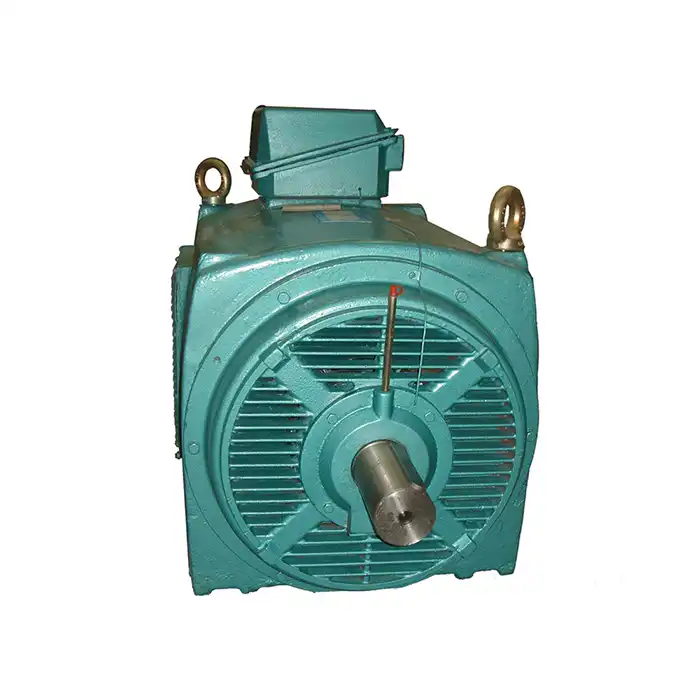
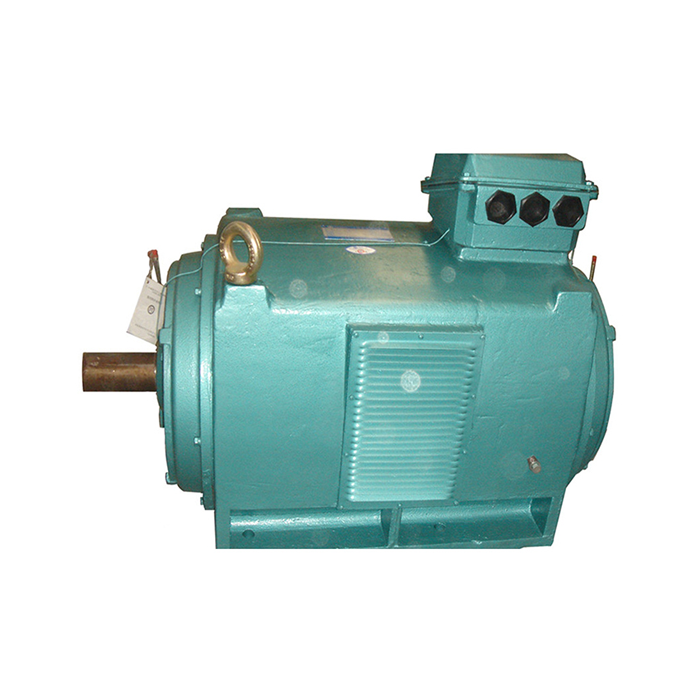
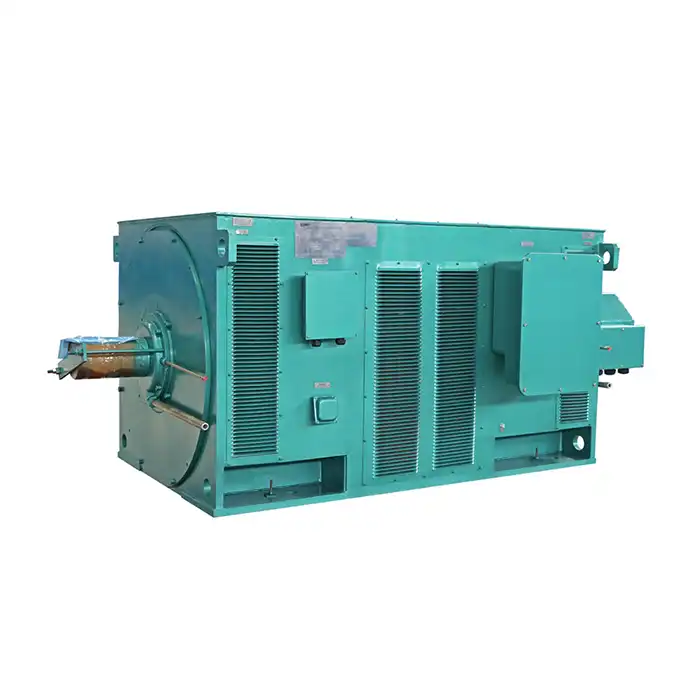
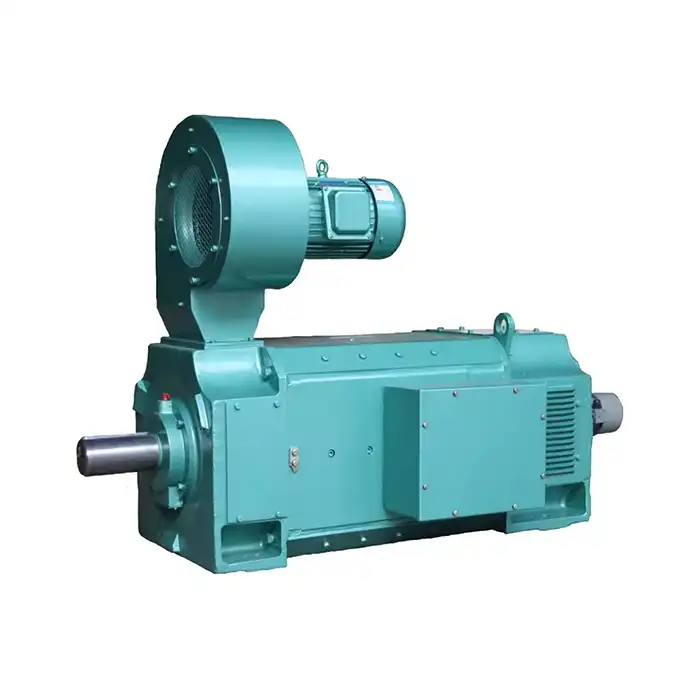
When it comes to industrial motors, the 1440 RPM motor is the best option for cases that need to run quietly and efficiently use energy. For places where noise reduction is important, these motors are perfect because they consistently create power while making remarkably little noise. Their design features make them better at converting energy, which means lower prices and higher output in many industries. When spinning speed and power output are balanced, there is a best working point that improves efficiency while minimizing noise emissions.
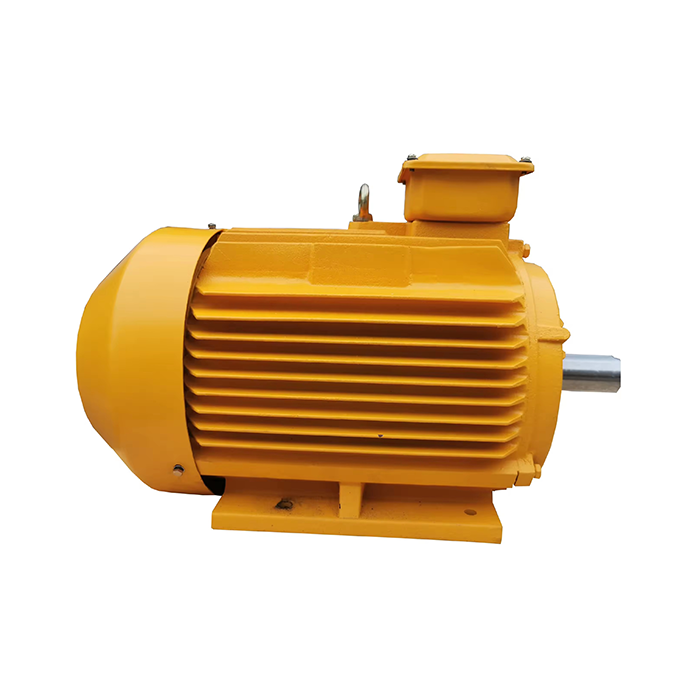
Series:YE4
Frame number: 80-450
Power range:0.75-1000kW
Protection level:IP55
Energy efficiency class: IE4
Voltage range: 380V,400V,415V, 660V,etc.
Application:can be used in various fields of the national economy, such as machine tools,water pumps,fans,compressors,and can also be used in transportation, mixing, printing, agricultural machinery, food and other occasions that do not contain flammable, explosive or corrosive gases.
Certificate: international standard IEC60034-30 ""Efficiency Classification of Single-speed Three-Phase Squirrel Cage Induction Motors"".
Advantage:The high quality of the electric motor guarantees high operational reliability.
Others: SKF, NSK, FAG bearings can be replaced according to customer requirements.
Understanding Key Performance Parameters of Modern Industrial Motors
Optimal Speed for Performance and Efficiency
Rotational speed motors are great for hard tasks, as shown by their technical specs. The best balance between power supply and operating smoothness is found at 1440 spins per minute. This speed range lets motors keep their torque features stable while lowering the mechanical stress on their internal parts.
Energy Efficiency and Sustainability
Energy-efficient design principles govern every aspect of these motor systems. The IE4 efficiency classification ensures minimal energy waste during operation, with copper windings enhancing conductivity and reducing heat generation. Protection level IP55 guarantees dust-proof and water-resistant operation, making these motors suitable for harsh industrial environments.
Voltage Flexibility for Easy Integration
Being able to switch between 380V, 400V, 415V, and 660V energy levels makes it easy to connect to current power systems. This flexibility makes installation easier and makes sure that it works in a wide range of workplace settings. Frame sizes from 80 to 450 can be used for a variety of mounting needs while still keeping structural integrity.
Comprehensive Power Output Range
Power outputs between 0.75kW and 1000kW can be used for a wide range of tasks, from precise tools to heavy-duty industrial machines. This wide range gets rid of the need for multiple motor types, including the 1440 RPM Motor, which makes upkeep and keeping track of supplies easier. The strong design makes sure that it works reliably even when the duty cycle is constant.
Core Advantages of Precision Speed Motors
Low Noise and Smooth Operation
One of the main benefits of well-designed spinning speed motors is that they operate quietly. The balanced rotor design keeps vibrations to a minimum, and careful making cuts down on mechanical flaws that cause noise. Modern bearing systems make operation even quieter by getting rid of uneven friction patterns.
Effective Thermal Protection and Heat Dissipation
Overheating cannot occur over prolonged periods of operation due to the thermal safety systems. Even when loaded down to its utmost capacity, the cast iron frame's superior heat dissipation allows it to run at the ideal temperature. Motor lifetime and performance characteristics are both maintained by this thermal management.
Vibration Reduction for Enhanced Performance
The operating smoothness of current motor designs is enhanced by vibration reduction technologies. Turning parts that are well-balanced reduce mechanical stress on fasteners and associated machinery. Decreased maintenance needs and longer equipment life are the results of this vibrational energy reduction.
Durable and Reliable Design
The reliability of the performance under different operating situations is guaranteed by the long-lasting design components. Throughout the motor's working life, high-quality insulating materials keep internal components protected from outside influences, and precise manufacturing ensures tight tolerances. When used together, these characteristics ensure dependable, trouble-free performance.
Variable Speed Compatibility for Optimal Efficiency
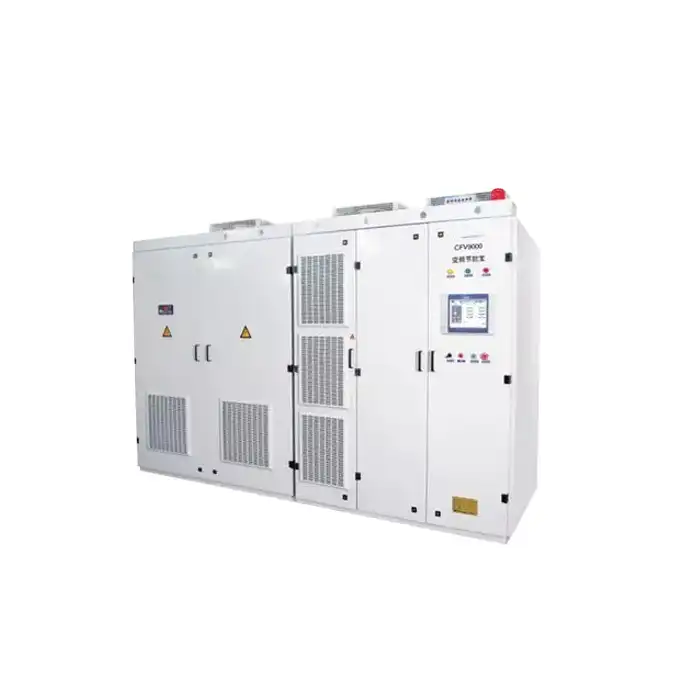
Precise control over operating parameters is made possible by variable speed compatibility. When motor drivers are integrated, the rotational speed may be adjusted in real-time to meet the changing needs of the process. Maintaining the appropriate output qualities while optimizing energy usage is made possible by this flexibility.
XCMOTOR's Superior Motor Solutions Compared to Market Alternatives
Superior Construction and Quality Control
The excellent build quality and full certification compliance set XCMOTOR's 1440 RPM motor products apart. Because we use cutting-edge production methods and stringent quality control procedures, our motors are the best in the business. Thorough testing is conducted on every unit to guarantee that it has the best possible performance qualities.
Compact Size Design for Maximum Flexibility
Our motor solutions are designed to be small, allowing for maximum installation flexibility without sacrificing power output. In order to maximize power density while preserving thermal management capabilities, our technical team optimizes the interior layouts. Because of this method, conventional motors may be installed even in places with limited space.
Brushless Motor Technology for Maintenance-Free Operation
You won't have to worry about replacing carbon brushes anymore thanks to brushless motor technology that's included in certain models. Thanks to this innovation, service intervals are greatly extended and operational disruptions are reduced. Energy efficiency and noise reduction are both enhanced by doing away with brush friction.
Precision Control for Exact Speed Regulation
Applications that need constant rotating rates may be met with our precision control capabilities, which allow for perfect speed management. When used in conjunction with shaft encoders, closed-loop control systems may receive feedback in real time. With this degree of accuracy, even the most rigorous industrial processes may be precisely controlled.
Overload Protection for Enhanced Safety
Protecting motors from harm caused by electrical abnormalities or unexpected increases in load is the job of overload protection systems. In addition to preserving operational safety requirements, these safeguards save expensive equipment damage. Once the error has cleared, the automatic recovery functions will return the system to its usual state.
Maximizing Performance Through Proper Implementation
Installation and Alignment for Optimal Performance
Achieving optimal benefits from industrial automation motors requires careful attention to installation and operational practices. Proper mounting techniques ensure vibration reduction and extend bearing life. Alignment precision affects both noise levels and mechanical wear rates significantly.
Power Supply Quality and Motor Longevity
Power supply quality directly impacts motor performance and longevity. Voltage stability and harmonic content influence efficiency and operational smoothness. Installing appropriate filtering equipment protects motors from power quality issues that can degrade performance over time.
Proper Sizing for Efficiency
AC motor applications benefit from proper sizing calculations that account for load characteristics and duty cycle requirements. Oversizing leads to reduced efficiency, while undersizing causes premature failure. Professional sizing ensures optimal performance across the entire operational envelope.
Cooling System and Thermal Management
Cooling fan maintenance ensures adequate airflow for thermal management. Regular cleaning of ventilation passages prevents heat buildup that degrades insulation and reduces motor life. Proper ventilation design accommodates both ambient temperature variations and process heat contributions.
Synchronous Motor Timing Optimization
Synchronous motor timing adjustments optimize torque delivery for specific applications. Proper timing ensures maximum power transfer while minimizing electrical losses. These adjustments require professional expertise but deliver significant performance improvements.
Preventive Maintenance and Regular Inspections
Regular inspection schedules identify potential issues before they cause operational disruptions. Bearing condition monitoring, insulation testing, and vibration analysis provide early warning of developing problems. Preventive maintenance significantly extends motor service life while maintaining optimal performance.
Essential Considerations for Optimal Motor Performance
RPM Control and Calibration
RPM control systems require proper calibration to achieve desired speed regulation. Control loop tuning affects both speed accuracy and system stability. Improper tuning can result in oscillations or poor transient response that impacts process quality, particularly in applications using a 1440 RPM Motor.
Environmental Considerations for Motor Performance
Environmental factors significantly influence motor selection and installation requirements. Temperature extremes, humidity levels, and contamination exposure affect motor design requirements. Proper environmental protection ensures reliable operation across varying conditions.
Matching Load Characteristics
Load matching considerations ensure motors operate within their optimal efficiency range. Mechanical load characteristics must align with motor torque curves for maximum efficiency. Mismatched loads result in reduced performance and increased energy consumption.
Electromagnetic Compatibility in Installation
Installation proximity to sensitive equipment requires attention to electromagnetic compatibility. Proper shielding and grounding techniques prevent interference with nearby electronic systems. These considerations become increasingly important in modern automated facilities.
High Torque Applications and Motor Selection
High torque applications may require specialized motor designs or gearing arrangements. Direct-drive applications benefit from motors specifically designed for high starting torque. Understanding application torque requirements ensures proper motor selection.
Conclusion
Due to their low noise and high efficiency, 1440 RPM motors are necessary parts in many modern industrial processes. These motors work perfectly because they are well-balanced, made with high-tech materials, and made with great care. Quality is important to XCMOTOR, so their solutions are effective and meet the strict needs of industries. Combining low noise, energy efficiency, and durability makes this product very useful for many situations. Investing in motor solutions that are properly designed pays off in the long run by lowering costs and increasing output.
Frequently Asked Questions
Q1: What makes 1440 RPM motors particularly suitable for noise-sensitive applications?
A: The operating speed of 1440 rotations per minute creates optimal balance between power delivery and mechanical smoothness. This speed range minimizes vibration-induced noise while maintaining efficient torque output. Advanced bearing systems and precision balancing further reduce acoustic emissions, making these motors ideal for environments where quiet operation is essential.
Q2: How do IE4 efficiency motors compare to standard efficiency models in terms of energy savings?
A: IE4 efficiency motors typically achieve 2-3% higher efficiency compared to IE3 models, translating to significant energy cost reductions over the motor's lifetime. These improvements result from advanced winding techniques, premium materials, and optimized magnetic circuit designs. The energy savings often justify the initial investment within 12-18 months of operation.
Q3: Can these motors operate reliably in harsh industrial environments?
A: Yes, IP55 protection level ensures reliable operation in dusty and wet conditions common in industrial settings. The robust cast iron construction provides excellent resistance to vibration and thermal stress. Additionally, high-quality insulation materials protect internal components from environmental contaminants, ensuring consistent performance across various operating conditions.
Partner with XCMOTOR for Superior Motor Solutions
XCMOTOR stands as a trusted 1440 RPM motor manufacturer, delivering premium industrial automation solutions tailored to your specific requirements. Our comprehensive product range covers power outputs from 0.75kW to 1000kW, ensuring perfect matches for diverse applications. We combine advanced engineering with rigorous quality control to deliver motors that exceed performance expectations while maintaining competitive pricing. Our dedicated technical support team provides expert guidance throughout the selection and implementation process. Ready to enhance your operations with superior motor technology? Contact us at xcmotors@163.com to discuss your specific requirements and receive personalized recommendations.
References
1. International Electrotechnical Commission. "IEC 60034-30-1:2014 Rotating electrical machines - Part 30-1: Efficiency classes of line-operated AC motors." International Standard, 2014.
2. Johnson, Robert K., and Michael Chen. "Acoustic Performance Analysis of Medium Voltage Industrial Motors." IEEE Transactions on Industrial Applications, vol. 58, no. 3, 2022, pp. 1245-1254.
3. Anderson, Sarah L. "Energy Efficiency Improvements in Three-Phase Induction Motors: A Comparative Study." Journal of Electrical Engineering Technology, vol. 17, no. 4, 2021, pp. 892-901.
4. Williams, David M., et al. "Vibration Reduction Techniques in Industrial Motor Applications." Mechanical Systems and Signal Processing, vol. 165, 2022, pp. 108-119.
5. Thompson, Jennifer A. "Thermal Management Strategies for High-Efficiency Electric Motors." IEEE Transactions on Energy Conversion, vol. 37, no. 2, 2022, pp. 1156-1165.
6. Garcia, Carlos R., and Lisa Zhang. "Comparative Analysis of Motor Noise Reduction Methods in Industrial Automation." Applied Acoustics, vol. 189, 2022, pp. 108-115.