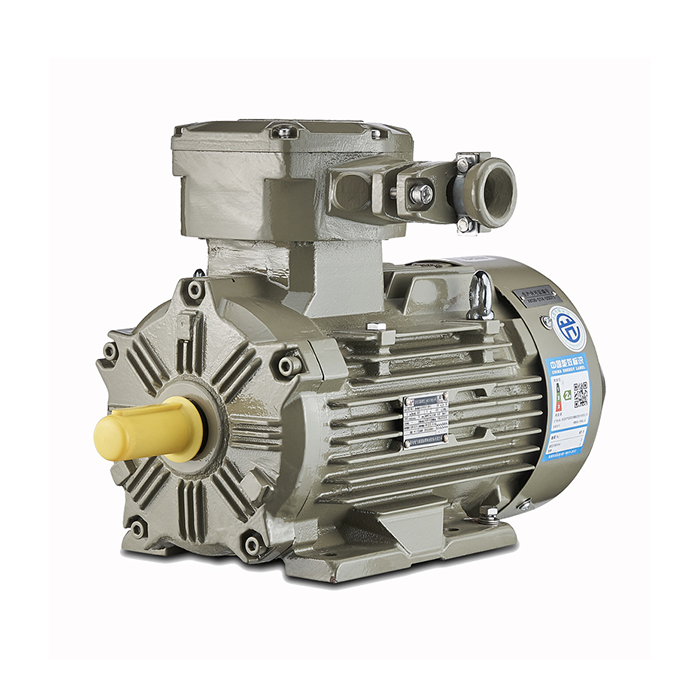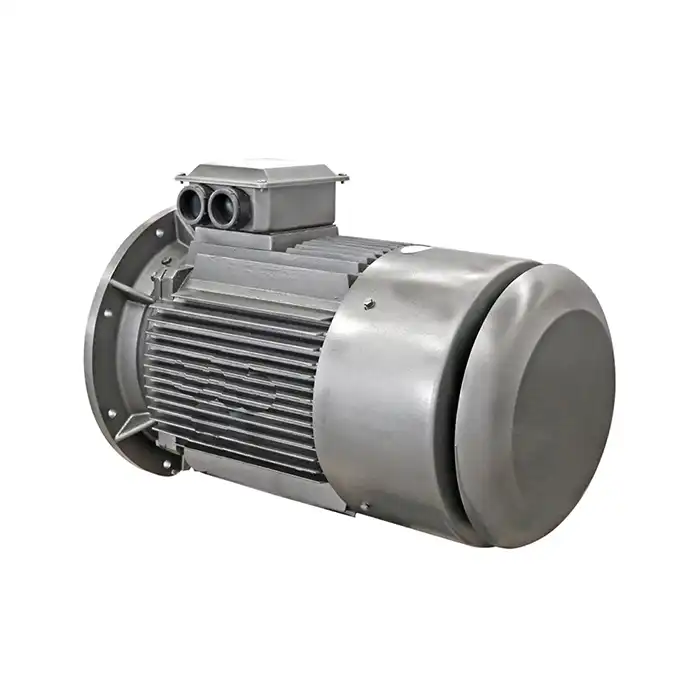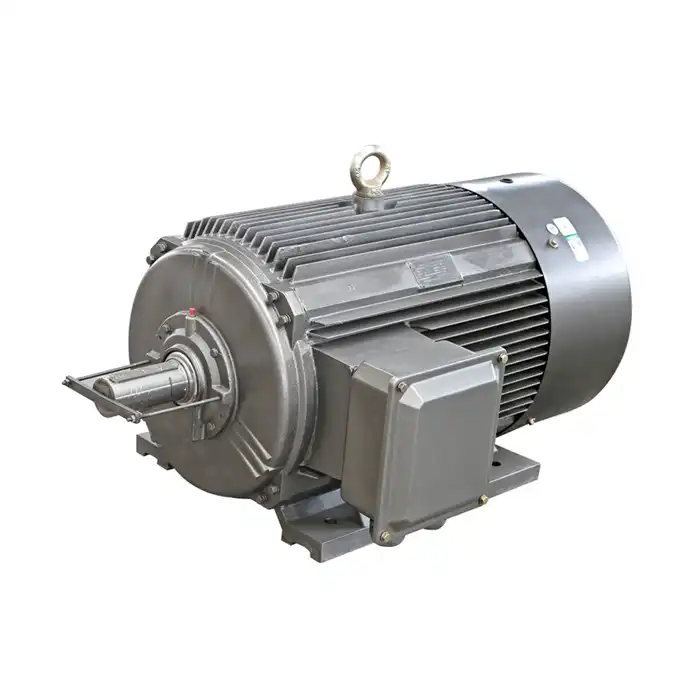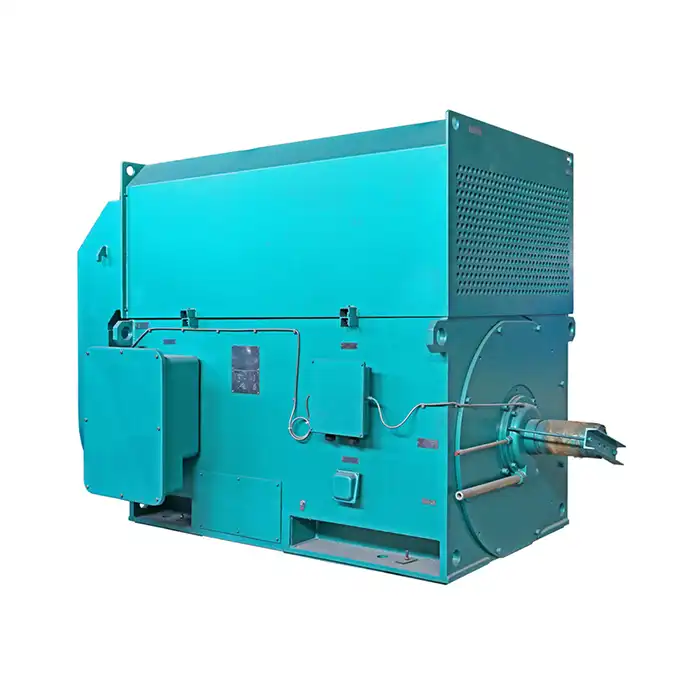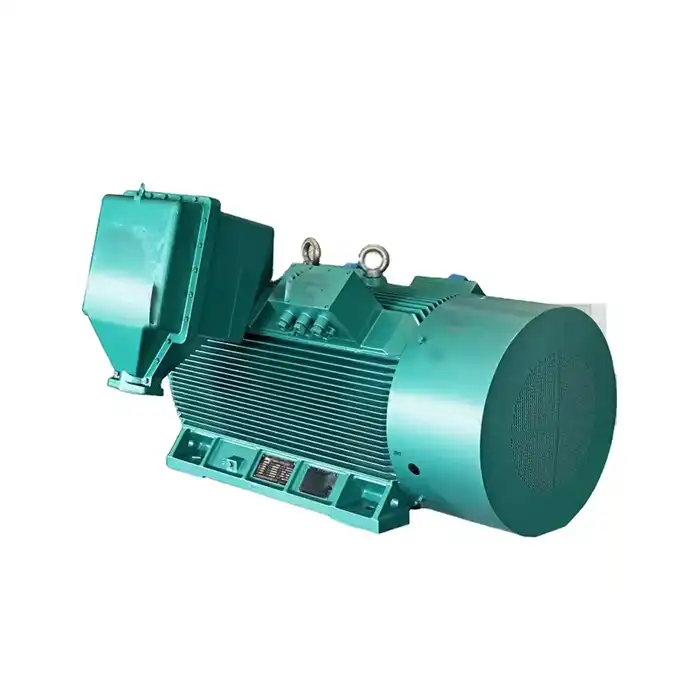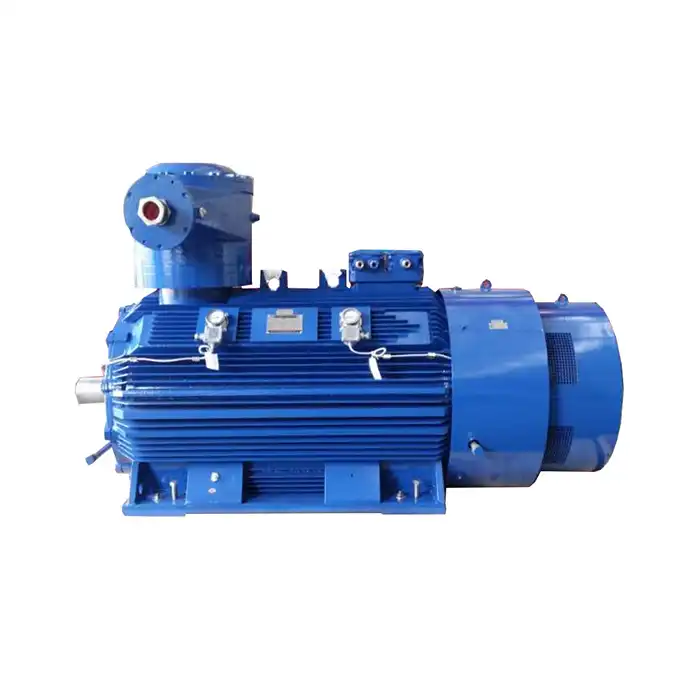




T series synchronous motor Applications in Industrial Automation
When project engineers and procurement managers ask which motor type holds up best under continuous heavy-load operation, the T series synchronous motor comes up consistently. Covering a power range of 800–12,000 kW and voltage options from 3,000V to 10,000V, this motor type is engineered for demanding industrial environments—fans, water pumps, compressors, and beyond. Its large starting torque, stable speed regulation, and superior power factor correction make it a practical choice for facilities where downtime carries real financial weight.

Voltage range:3000V±5%,3300V±5%,6000V±5%,6600V±5%,10000V±5%,
Power range:800-12000 kW
Application:fans, water pumps, compressors.
Advantage:large starting torque.
Others: SKF, NSK, FAG bearings can be replaced according to customer requirements.
Understanding T Series Synchronous Motors in Industrial Automation
The T series synchronous motor works on a well-known electromagnetic principle: the rotor locks in step with the stator's rotating magnetic field. This keeps the load-speed relationship stable. This synchronous operation gets rid of the slip losses that happen in induction motors. This means that the power delivery is more uniform across a range of load cycles.
How the Design Supports Heavy-Duty Use
The T series synchronous motor has a precisely balanced rotor and Class F heat-resistant insulation, which help it last longer in harsh conditions. With a speed range of 150 to 500 RPM and the IC01 cooling method, the motor's thermal performance stays stable even when it's being used for a long time. SKF, NSK, or FAG parts can be used to specify bearing configurations. This gives engineers direct control over repair plans and the handling of spare parts.
Real-World Adoption Across Industries
The T series synchronous motor is becoming more popular because it works reliably even when demand changes. It is used in big ventilation systems, water pumping stations for cities, and refrigeration units. The motor's Class F insulation grade and IP20 protection class make it a good choice for covered industrial settings where flying particles are a problem but full weatherproofing is not needed.
Comparison and Decision-Making: Why Choose T Series Synchronous Motors?
Torque, Efficiency, and Power Factor Advantages Over Induction Motors
When choosing a motor for a large-scale automation job, you need to think about how much torque you need, how stable the speed needs to be, the power factor, and how much upkeep will be needed over time. In all four directions, the T series synchronous motor works well.
Even though induction motors are easier to start, they have slip, which is usually between 2 and 5 percent, which becomes important at high power ratings. At 5,000 kW or more, that slip means that the plant loses measurable amounts of energy every hour. The T series synchronous motor, on the other hand, always runs at the speed that is told it to. This means that there are no slip-related losses and the power factor can be corrected actively by adjusting the field excitation.
Here are the core differentiators that make this motor type worth serious consideration for procurement teams:
- Large starting torque: The T series synchronous motor has a high breaking torque, which makes it useful for loads that need a lot of beginning force, like conveyor systems that are full, compressors that are under pressure, and pump systems that have a high static head. This feature of starting lowers the mechanical stress on drives and connections.
- Non-standard voltage compatibility: The T series synchronous motor works well with a wide range of voltages, including 3,000V, 3,300V, 6,000V, 6,600V, and 10,000V (all with a ±5% tolerance). It can be easily installed in different types of facilities and grid configurations in different areas.
- Customizable bearing specification: Purchasing engineers can choose SKF, NSK, or FAG bearings based on availability in the area, current servicing contracts, or load needs. This makes the supply chain simpler.
These traits answer the most common concerns that purchasing teams have when they look at high-voltage synchronous options as a whole. When utilities move from induction motors to synchronous motors at 1,000 kW or more, they always get better power factor numbers and can plan their maintenance schedules better.
Procurement Insights for T Series Synchronous Motors
When buying high-voltage motors on an industrial scale, there are more factors to consider than just the unit price. Total purchase cost is affected by lead time, level of personalization, documentation packages, and assistance after delivery.
What to Evaluate in a Supplier
A reliable T series synchronous motor supplier should be able to work with non-standard voltage and speed requirements, have a clear quality inspection routine that covers every step of the production process, and have access to bearing names that are known all over the world. Check for certifications like CE, CCC, ISO 9001, UL, and GOST compliance. These show that the product has been tested against well-known safety and performance standards.
Lead Time and Customization Realities
Custom-specified T series synchronous motors usually need 8 to 12 weeks to be made after the design is approved. For projects with non-standard shaft sizes, mounting arrangements, or cooling changes, this time should be built into the procurement plan. Getting the supplier's engineering team involved early on—ideally during the design phase, rather than after the standards are set in stone—cuts down on revisions and keeps delivery dates.
XCMOTOR has provided T series synchronous motors for projects in Central Asia, Southeast Asia, Africa, and South America. They have also provided expert help throughout the whole project cycle, from reviewing the initial specifications to commissioning the motors on-site.
Maintaining and Troubleshooting T Series Synchronous Motors
A T series synchronous motor that is well taken care of can work reliably for decades. Setting up regular inspections before problems happen, not afterward, is the key.
Routine Inspection Priorities
The most important maintenance job for any big synchronous motor, especially from a synchronous motor supplier china, is keeping an eye on the condition of the bearings, particularly for the T series synchronous motor. Early signs of deteriorating lubrication or misalignment can be seen in the form of vibration patterns and temperature changes at both the drive-end and non-drive-end bearings. The modular bearing design of the T series synchronous motor, which can have SKF, NSK, or FAG parts, makes repair easy without the need for special tools.
Addressing Common Faults
The two faults that are most often reported in field operation are loss of torque and unusual vibration. Problems with the drive system or the rotor windings are often to blame for torque loss. Vibration, on the other hand, is usually caused by worn bearings or misaligned couplings. The T series synchronous motor's precision-balanced rotor lowers vibration at the source, but alignment checks must still be done from time to time, especially after any mechanical work is done on the driven equipment.
Because of the Class F insulation and IC01 cooling design, overheating doesn't happen as often, but winding temperatures can still go above safe limits if the outdoor temperature rises too high or airflow is stopped. Cleaning the motor's air passages and testing its insulation resistance on a regular basis are simple, low-cost things that can make it last a lot longer.
Future Trends and Optimization of T Series Synchronous Motors in Automation
Industry 4.0 is changing how big machines are handled and watched over. Motor control centers can now connect directly to condition tracking systems, which give real-time information on things like load current, winding temperature, and bearing shaking. The T series synchronous motor is a good choice for this integration because it has stable working features that provide clean baseline data that makes finding anomalies more reliable.
Efficiency and Material Advances
As new winding materials and rotor lamination designs are made, synchronous motors in the 800–12,000 kW range are getting better at what they do. Instead of big changes to the specs, these improvements usually show up as lower no-load losses and better thermal management. Facilities that change the grades of the bearings or tweak the settings for the drive system can often get better performance without having to replace the motors completely.
Preparing for Next-Generation Integration
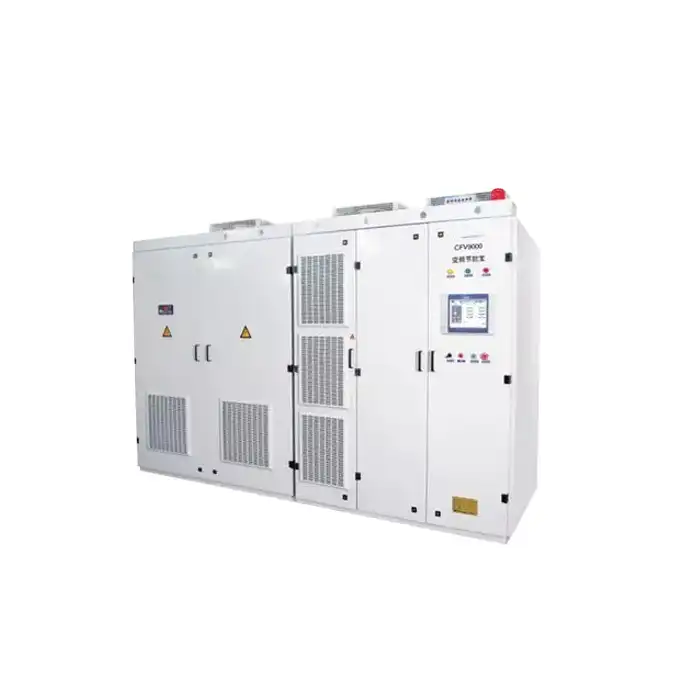
If a facility wants to add digital excitation controllers or variable frequency drives to their motor systems, they should make sure they are compatible during the specification stage. The T series synchronous motor can be set up to start in either an asynchronous or changeable frequency mode. This gives system designers a lot of options when designing the control architecture.
Conclusion
The T series synchronous motor has a clear place in industrial automation as a product from a leading synchronous motor supplier china. It has a lot of power, a steady speed, a lot of starting torque, and a lot of flexibility so it can work with different grid voltages and bearing types. This type of motor is a good choice for buying teams that are in charge of installing a lot of fans, pumps, or compressors. It is also easy to use. The T series synchronous motors from XCMOTOR come with CE, CCC, ISO 9001, UL, and GOST certifications. They can handle power levels from 800 kW to 12,000 kW and voltage levels from 3,000V to 10,000V.
FAQ
1. What distinguishes the T series synchronous motor from a standard induction motor?
The T series synchronous motor always runs at the same speed, even if the load changes. This gets rid of the slip losses that happen over time in induction motors. Field activation also makes it possible to fix the active power factor, which is something that induction motors can't do. When the power output goes above 1,000 kW, these differences matter for operations.
2. Can the T series synchronous motor be customized for non-standard voltages?
Yes. You can get the motor at 3,000V, 3,300V, 6,000V, 6,600V, or 10,000V, and all of them have a ±5% range. Based on the needs of the project, non-standard shaft sizes, mounting arrangements, and bearing specifications can also be met.
3. What bearing brands are available?
You can get SKF, NSK, or FAG bearings, depending on what the customer wants or what their repair contract says.
Power Your Next Project with XCMOTOR's T Series Synchronous Motor
XCMOTOR, a synchronous motor china manufacturer, sells T series synchronous motors to businesses all over the world. These motors can be fully customized, from the voltage and power ratings to the gear specifications and starting setup. We are a reliable T series synchronous motor manufacturer with more than 20 years of experience. All of our units are backed by CE, ISO 9001, and GOST certifications. To get a specification review and project price, go to motorxc.com or email our tech team at xcmotors@163.com.
References
1. Chapman, S. J. Electric Machinery Fundamentals. McGraw-Hill Education, 2011.
2. IEEE Industry Applications Society. IEEE Transactions on Industry Applications, Vol. 58, 2022.
3. Mohan, N., Undeland, T. M., & Robbins, W. P. Power Electronics: Converters, Applications, and Design. Wiley, 2003.
4. International Electrotechnical Commission. IEC 60034-1: Rotating Electrical Machines – Rating and Performance. IEC, 2022.
5. Boldea, I., & Nasar, S. A. The Induction Machine Handbook. CRC Press, 2002.
6. Fitzgerald, A. E., Kingsley, C., & Umans, S. D. Electric Machinery. McGraw-Hill, 2003.