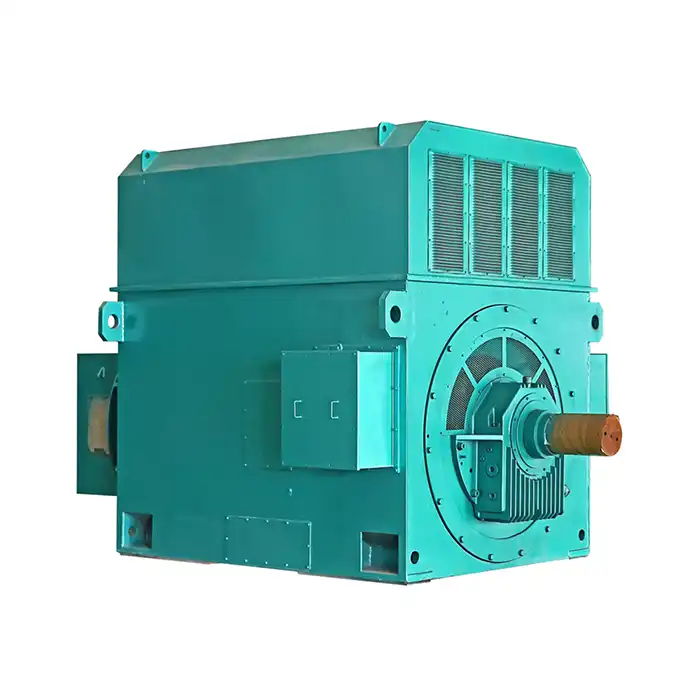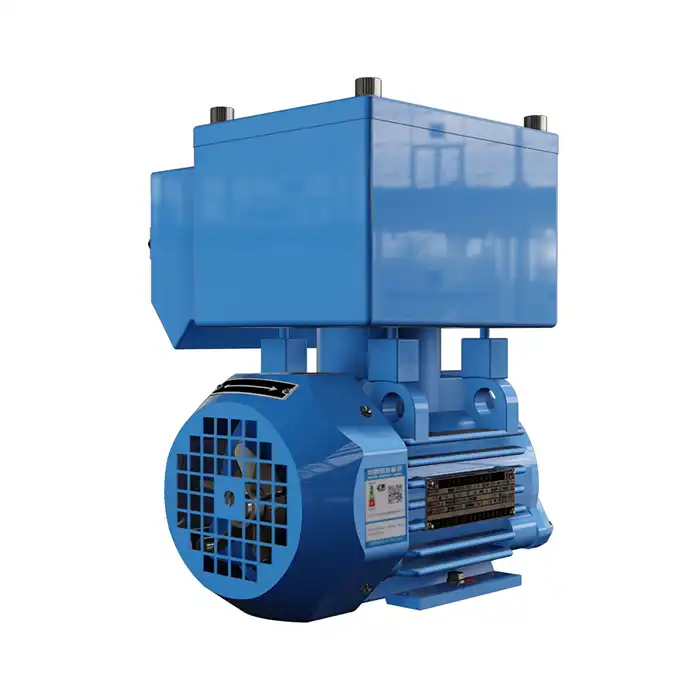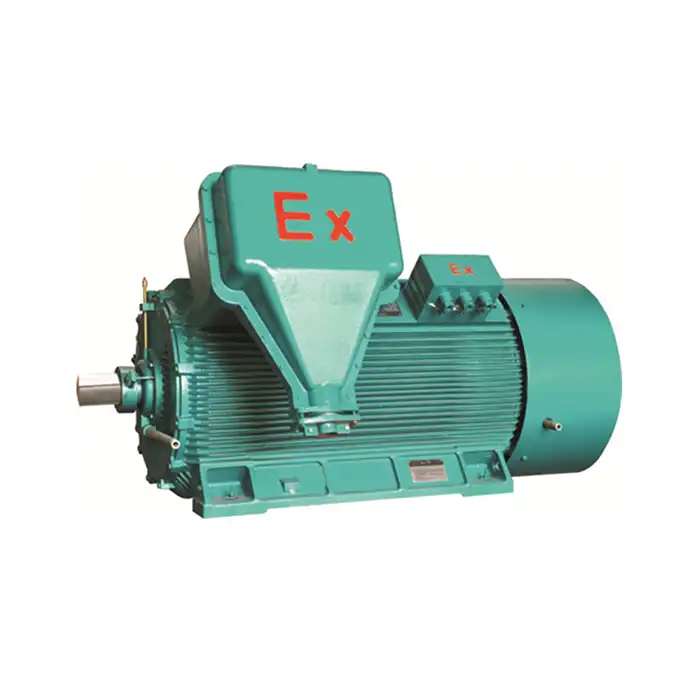




Slip Ring Rotor Induction Motor Maintenance: A Practical Guide
Keeping a slip ring rotor induction motor running reliably is one of the most practical things a maintenance team can do to protect production uptime. Unlike squirrel cage motors, wound-rotor motors use external slip rings and carbon brushes to connect rotor windings to starting resistance circuits. This design gives you precise control over starting torque and current, but it also introduces wear components that need scheduled attention. This guide walks through everything from daily inspection routines to advanced fault diagnosis, helping procurement managers and maintenance engineers make confident decisions about servicing and sourcing.
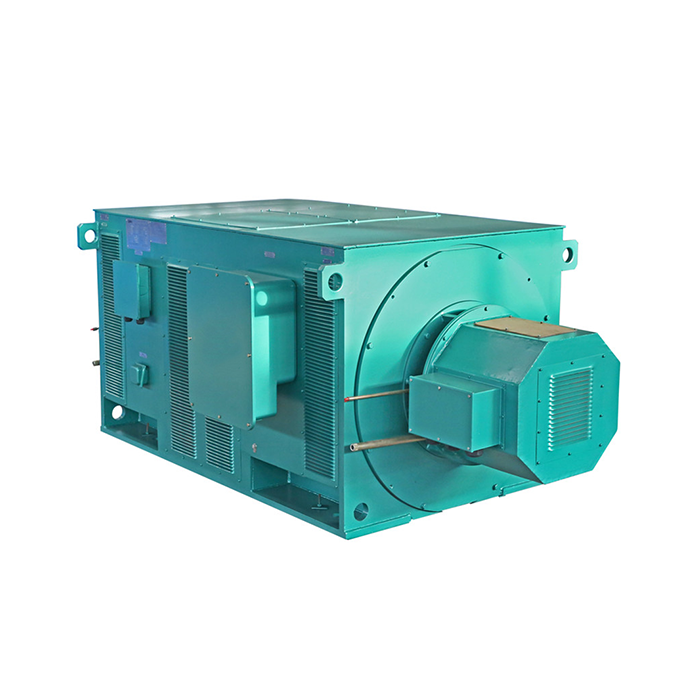
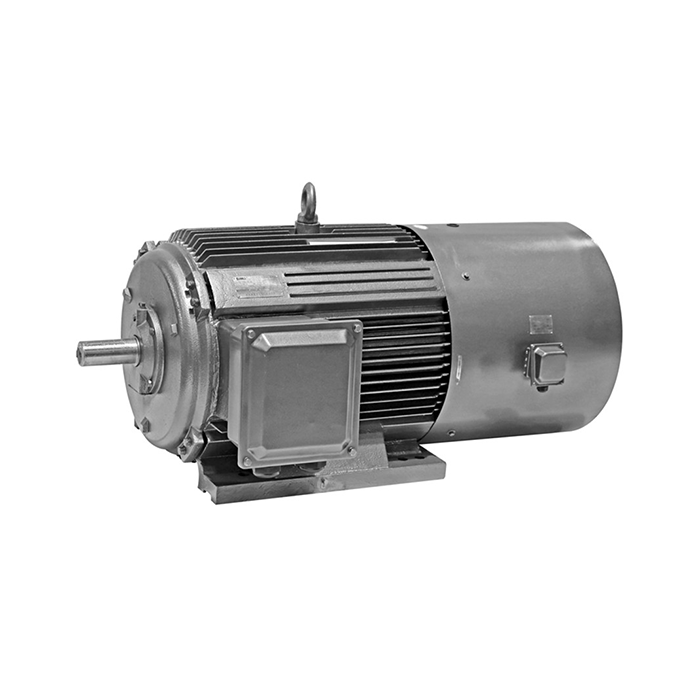
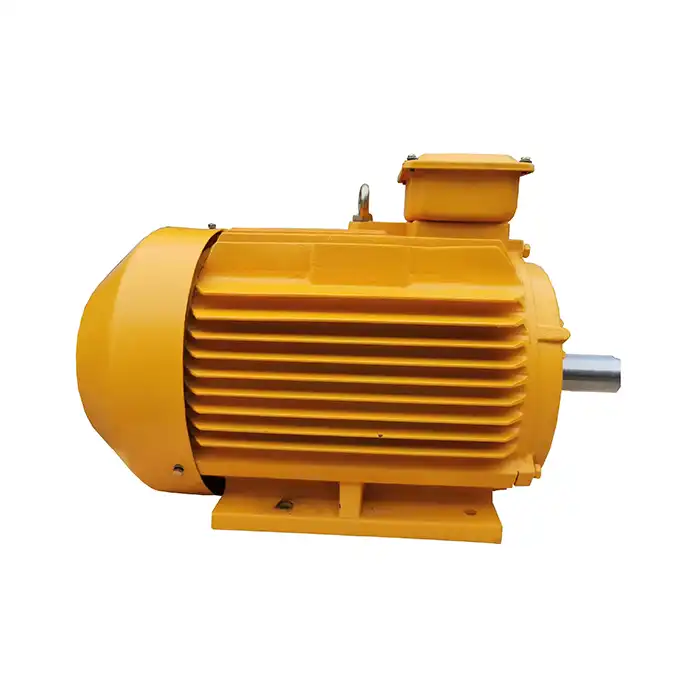
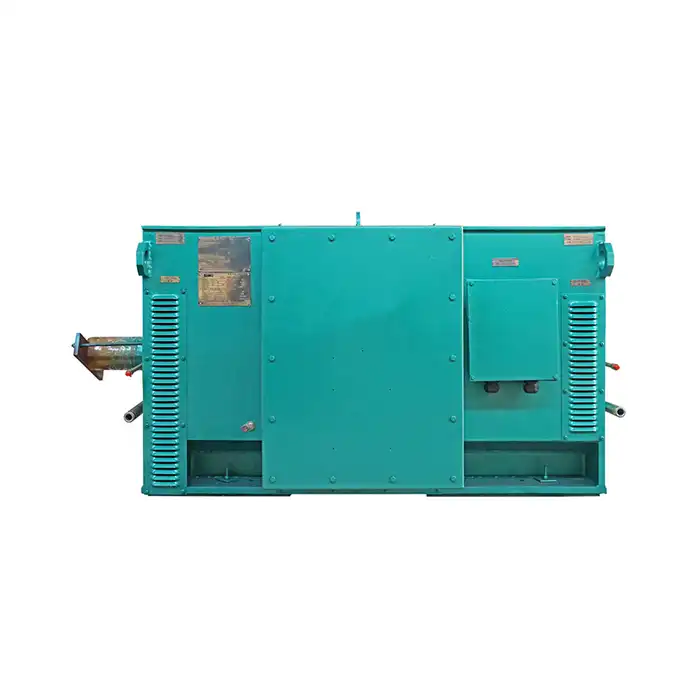
Series:YR
Protection level:IP23
Voltage range:3000V±5%,3300V±5%,6000V±5%,6600V±5%,10000V±5%,11000V±5%
Power range:200-5600 kW
Application:hoist, rolling mill, wire drawing machine.
Advantage:low noise, small vibration, reliable performance, easy installation and maintenance.
Standard: This series of products complies with JB/T10314.1-2002 and JB/T7594 standards.
Others: SKF, NSK, FAG bearings can be replaced according to customer requirements.
Understanding Slip Ring Rotor Induction Motor Maintenance
How the Wound-Rotor Design Shapes Your Maintenance Approach
In a slip ring rotor induction motor, the current in the rotor winding flows through electrical rings on the shaft. Carbon brushes that stay in place press against these rings to connect the circuit to the outside resistance. Starting current stays at 2–3 times rated value instead of the usual 5–7 times for squirrel cage designs. Starting torque also stays at 1.8–2.5 times rated torque. On the other hand, brushes and slip rings get worn down over time. Not taking into account that wear leads to arcing, carbon dust buildup, and eventually rotor winding problems that cost a lot more to fix.
Any sensible maintenance plan starts with figuring out how your motor frame size and duty cycle affect the wear pattern. When a crusher runs for twenty hours a day, the brushes wear out faster than a pump motor that is just sitting there. Knowing this helps you keep an accurate stock of extra parts and avoids the last-minute scrambles that raise the cost of buying things.
Essential Maintenance Procedures for Slip Ring Rotor Induction Motors
Inspection, Cleaning, and Bearing Lubrication
Three things need to be done regularly to keep a wound-rotor motor in good shape: eye checking, surface cleaning, and lubricating the bearings. Here are the main steps that your team should follow on a regular basis:
- Brush wear check: Measure the length of the brush every time you check it. When the manufacturer's minimum length mark is reached, it's time to replace the brushes. When brushes get worn, the spring tension drops, and they make random contact with the slip ring surface, which causes heat and pitting.
- Slip ring surface cleaning: To clean the surface of a slip ring, use a dry, lint-free cloth or low-pressure compressed air to get rid of carbon dust on the surface and brush handles. Building up carbon between rings in a slip ring rotor induction motor can lead to phase-to-phase leakage currents that wear down insulation over time.
- Bearing lubrication: Use the right grade of grease on motor bearings based on the speed and temperature of operation. The YRQ series has options for SKF, NSK, and FAG bearings. All of these have recommended relubrication times that depend on the frame size and load.
When these three jobs are done regularly, they cause most of the failures that can be avoided in slip ring rotor induction motor operation. If you skip them, the cost changes from regular upkeep to emergency repairs, which are always more expensive and cause more trouble.
Electrical Diagnostic Tests
The most useful electrical test you can do besides mechanical checks is measuring the insulator resistance. A 500V or 1000V megohmmeter can be used to check the insulation between the stator and rotor windings and ground. If the number on a warm motor is less than 1 M³, it means that water is getting in or the insulation is breaking down. You can test each winding phase of a slip ring rotor induction motor without taking the machine apart because the slip ring leads give you access to the rotor windings. This saves a lot of time compared to sealed cage motor designs.
Advanced Troubleshooting and Repair Techniques
Diagnosing Brush and Slip Ring Wear
If the load on a wound-rotor motor causes the torque or speed to change, the slip ring contact surface is usually the first place to look. Measure the diameter of the ring and compare it to the original specs. If the ring's diameter shrinks more than the allowed range, it needs to be resurfaced on a lathe or replaced. Check the springs in the brush holds to see if they are worn out. A weak spring lowers the contact force and lets the brush bounce around quickly, leaving arc marks on the ring surface.
Addressing Rotor Winding Faults
In a slip ring rotor induction motor, rotor winding problems can be found earlier than in cage motors. This is because the slip ring lines give you direct electrical access to each rotor phase. When the rotor phase is open, it causes a low-frequency torque ripple at twice the slip frequency. A short circuit between the turns of the rotor lowers the effective resistance of the rotor and raises the starting current above what would be expected. Before you do a full rewind in either case, you can use a Wheatstone bridge resistance measurement across each slip ring pair to find the fault phase.
Maintenance efficiency goes up by more than 40% compared to squirrel cage motors when technicians use this external access to perform targeted diagnostics. That number comes straight from the structural benefit of the wound-rotor design and means that over the life of the equipment, the workers will save real money on wages.
Optimizing Maintenance to Improve Performance and Efficiency
Coordinating Maintenance with Operating Cycles
Predictive maintenance tools are no longer just used in specialized situations. They are now widely used in industry. Motor bearing housings with vibration sensors can find early problems with the bearing races weeks before they fail. Thermal imaging cameras find hot spots at connection terminals and brush holder assemblies while the machine is still running normally, without having to stop. When you put this information into a condition tracking plan, maintenance times are based on how often things actually wear out instead of set dates on the calendar.
Heavy-duty machines like crushers, ball mills, and rolling mills are common places for the YRQ series slip ring rotor induction motor to be used. In these places, impact loads put repeated mechanical stress on the rotor laminations and bearing races. If you look at the changes in vibration over time, you can tell if the load is within the motor's reported overload capacity of 3–4 times rated power for 15–30 seconds, or if the application is pushing the motor harder than the duty cycle meant.
A well-kept wound-rotor motor costs about 6% to 9% of its original price each year in upkeep costs. That number is only accurate if you keep the brush and slip ring system in good shape. That ratio gets smaller because deferred maintenance forces big fixes to happen sooner.
Selecting the Right Slip Ring Rotor Induction Motor and Supplier for Maintenance Ease
Motor Design Features That Simplify Upkeep
Not every wound-rotor motor is easy to keep up. The most important design feature to look at is how easy it is to get to the brush gear from the outside. Motors with brush holders that can be reached without taking off the end shield make it possible to inspect and replace the brushes while the motor is running in less than 30 minutes. The YRQ series slip ring rotor induction motor is designed to be easy to get to. The brushes and slip rings are mounted on the outside, the standard parts can be easily swapped out, and the rotor winding leads end directly at the slip ring assembly, making it easy to do diagnostics.
With a voltage range of 380V ±5% and power ranges from 45 kW to 710 kW, the YRQ series can be used in most medium-duty commercial settings without the need for special wiring. IP23 protection level is good for indoor industry settings like power plants, machine shops, and sealed mining equipment bays.
Choosing a Supplier With Real Parts Support
A motor provider is worth a lot more than just the sale. It should be possible to get brush sets, slip ring assemblies, and compatible bearings right away, without having to wait 12 weeks. Before you choose a provider for a slip ring rotor induction motor, make sure they have carbon brushes that match the brush grade on your motor and bearing parts that meet SKF, NSK, or FAG standards.
XCMOTOR works with more than 30 top motor makers and offers full technical help before and after the sale. The ability to get replacement parts is built into the service, not added on as an extra. Every unit that is shipped has been checked for quality and is backed by CCC, CE, and ISO9001 certifications.
Conclusion
Keeping a slip ring rotor induction motor from a high quality slip ring motor supplier in good shape is important for keeping production lines running and protecting the heavy equipment that was bought. Four things—the state of the brushes, the quality of the slip rings, the lubrication of the bearings, and the insulation of the rotor winding—determine whether your motor works consistently or needs to be replaced right away. The wound-rotor design makes it easier to service than sealed options once maintenance teams know how to use it. This is because it has built-in diagnostic access. When used together, a good inspection schedule and condition monitoring data can help any business save money on repairs and extend the life of motors.
FAQ
1. How often should brushes and slip rings be inspected?
The job cycle affects how often inspections are done. When heavy equipment like crushers, ball mills, and conveyors is running all the time, check the length of the brush and the condition of the slip ring surface every 500 to 1,000 hours. When duty is light or only happens sometimes, inspections every three months are usually enough. Always check after something goes wrong with the operation, like a motor trip or a load rise.
2. What signs indicate a brush needs immediate replacement?
If a brush has reached its shortest length, is cracked or chipped, or if the spring that holds it against the ring has lost its force, you should replace it right away. Sparking at the brush gear from time to time during regular operation is another clear sign that the quality of the contacts has gone down.
3. Does regular maintenance affect motor service life?
Regular care directly increases the life of a product. In an industrial setting, a wound-rotor motor that has its brushes changed, rings cleaned, and bearings oiled on a regular basis based on its duty can last for 15 to 20 years. Putting off maintenance causes wear damage to build up and causes problems with the windings that need to be fixed by rewinding the whole motor or replacing it.
Partner With XCMOTOR for Reliable Wound-Rotor Motor Solutions
XCMOTOR, a high quality slip ring motor supplier, delivers the YRQ series slip ring rotor induction motor across a power range of 45–710 kW with 380V compatibility, IP23 protection, and bearing options in SKF, NSK, or FAG to match your existing equipment. With over 20 years of industrial motor supply experience, a 30-day return policy, and dedicated weekend support, XCMOTOR is a slip ring rotor induction motor supplier built for urgent replacement needs. Send your nameplate specifications to xcmotors@163.com or visit motorxc.com to request a fast quote.
References
1. Chapman, S. J. Electric Machinery Fundamentals. McGraw-Hill Education, 2011.
2. Boldea, I., & Nasar, S. A. The Induction Machine Handbook. CRC Press, 2002.
3. IEEE Std 1068. IEEE Standard for the Repair and Rewinding of AC Electric Motors in the Petroleum, Chemical, and Process Industries. IEEE, 2015.
4. Tavner, P., Ran, L., Penman, J., & Sedding, H. Condition Monitoring of Rotating Electrical Machines. IET, 2008.
5. Kliman, G. B., & Stein, J. "Methods of Motor Current Signature Analysis." Electric Power Systems Research, 1992.
6. IEC 60034-1. Rotating Electrical Machines — Part 1: Rating and Performance. International Electrotechnical Commission, 2017.