



Slip Ring Motor Maintenance: Brush & Ring Wear Guide
If you manage heavy industrial equipment, you already know how much is riding on your slip ring motor performing without interruption. Whether you run a crane fleet, a steel mill, or a bulk material handling line, brush and ring wear is one of the most common—and most preventable—causes of motor downtime. This guide walks through what causes wear, how to spot trouble early, and what maintenance steps actually work in the field. We also cover the XCMOTOR YRQ series wound rotor motor and why it matters for procurement teams planning long-term reliability.
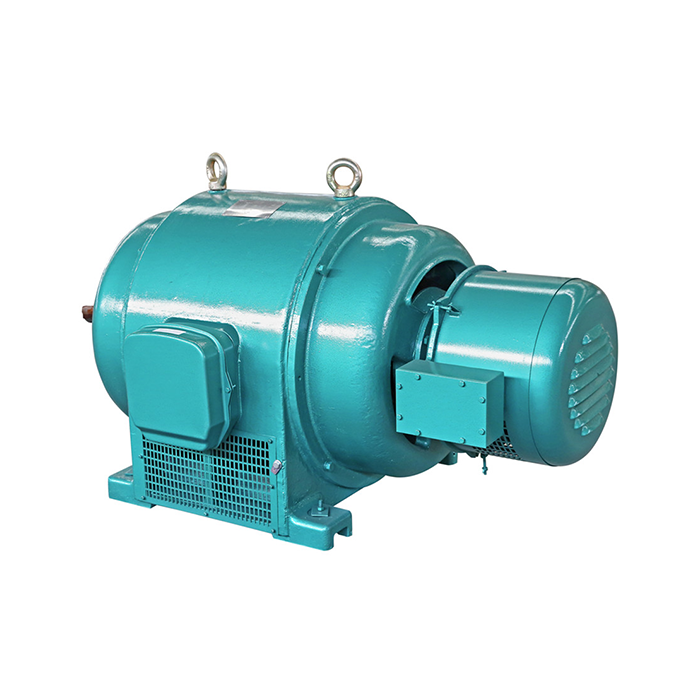
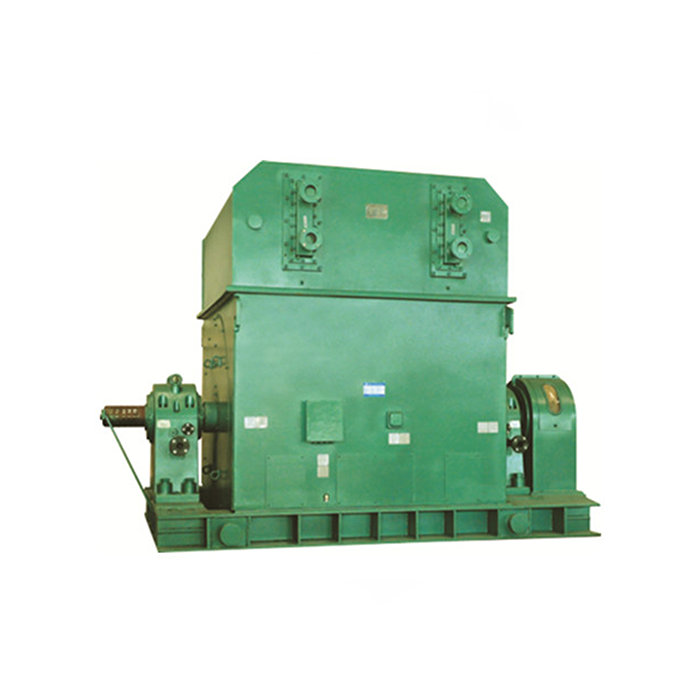
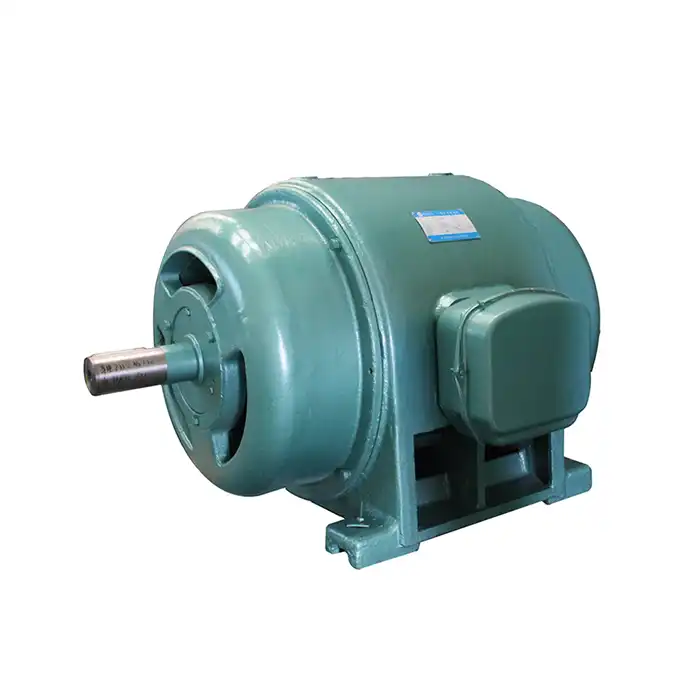
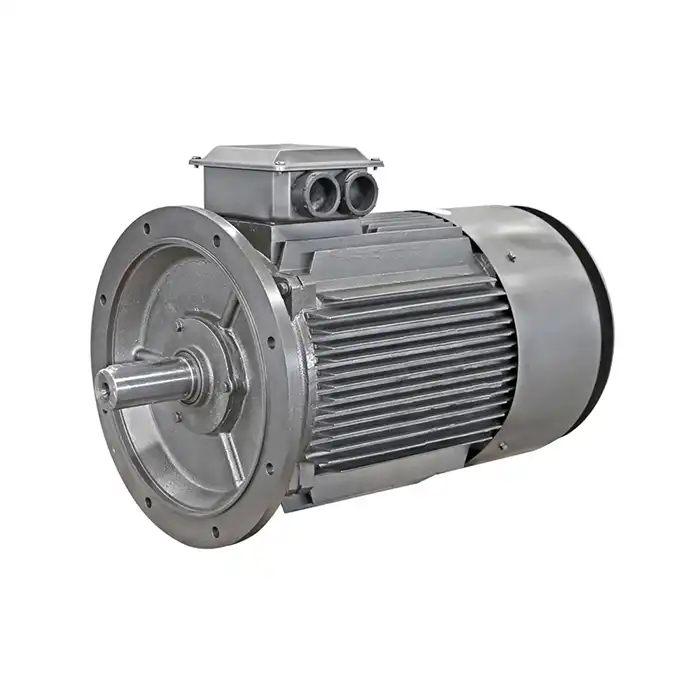
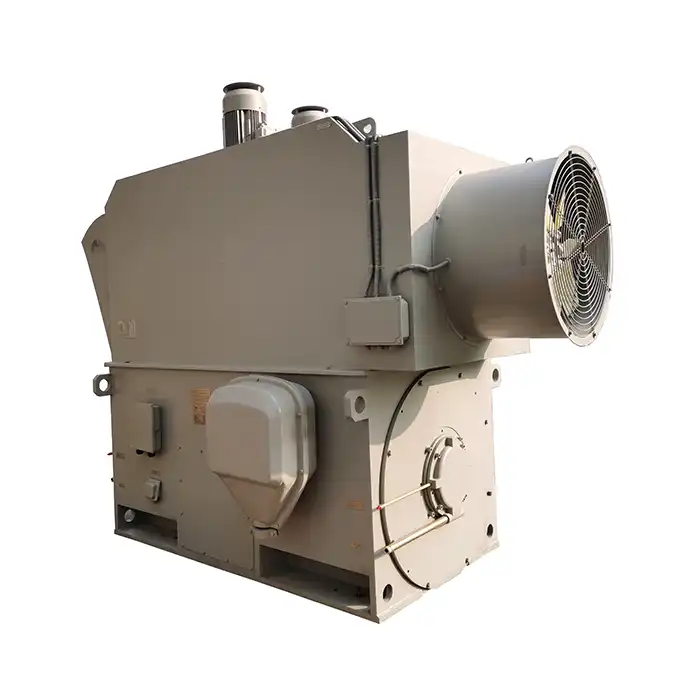
Series:YRQ
Voltage range:380V±5%
Power range:45-710kW
Protection level:IP23
Application:YRQ(JR) series medium-sized motors can drive a variety of different machinery, such as fans, compressors, water pumps, crushers, ball mills, cutting machine tools, transportation machinery and other equipment, and can be used in coal mines, machinery industries, power plants and various industrial and mining enterprises. Used as prime mover.
Advantage: The JR series medium-sized motors have very powerful driving capabilities and can not only drive conventional mechanical equipment, but also some complex mechanical equipment. For example, it can drive heavy machinery such as ships, cranes, and wind turbines, as well as small household appliances, purifiers, compressors, etc.
Others: SKF, NSK, FAG bearings can be replaced according to customer requirements.
Understanding Slip Ring Motor Brush & Ring Wear
Wound rotor motors, which are also known as slip ring motors, use slip rings and carbon brushes to move electricity from a circuit that stays still to a rotor that turns. Because they are contact-based, they can add outside resistance to the rotor circuit and precisely control the starting torque. This is what makes them unique. Wear, on the other hand, starts on that same touch area.
How Mechanical Friction Causes Wear?
The carbon brush moves along the ring surface every time the rotor turns. This friction gets worse quickly at high start-stop frequencies, like 120 cycles per hour or more for cranes and hoists. Industry data shows that brush wear rates go up by about 40% when working temps go above 80°C. This is a temperature that is easily surpassed in steel mills and ports.
How Electrical Erosion Degrades the Ring Surface?
Besides friction, electrical arcing also wears away at the ring's surface. Micro-arcs happen when the brush contact pressure drops or when dirt or dust breaks through the film layer on the ring. Over time, these make holes and grooves that speed up the wear even more. Arcing is greatly reduced by keeping the contact pressure within the range specified by the manufacturer, which is usually 150–250 g/cm².
Environmental and Load Factors That Shorten Service Life
The thin sheet of electricity that forms between the brush and the ring can be broken by dust, water, and grease. Particles in the air grind right into this area in coal pits and cement plants. Heavy cyclic loading, in which the slip ring motor starts and stops with full power, makes the wear cycle much tighter than in light-duty uses.
Common Maintenance Challenges and Troubleshooting Tips
Most brush and ring failures don't happen all of a sudden. They get worse over time, and most of them have clear warning signs before a motor goes offline.
Visual Inspection Techniques That Work
Check the length of the brush every time it's time for maintenance. If a brush is worn down to less than two-thirds of its original length, the spring-loaded contact pressure is lost, and the brush needs to be replaced right away. Check the ring's surface for lines, discoloration, or copper-colored layers. These are all signs of arc erosion that isn't happening normally. A smooth, dark brown patina on the outside of the ring is normal and actually good for it.
Using Vibration and Noise to Catch Problems Early
If the brush assembly shakes or chatters in a strange way, it's probably because the brush guide is worn or the rings aren't spaced evenly. If there is runout on the ring surface that is more than 0.05 mm, there is irregular contact, which speeds up both wear and arcing. This check is easy to do with portable sound meters, and it doesn't cost much compared to an unexpected shutdown.
Root Cause Analysis: Electrical vs. Mechanical vs. Environmental
If a slip ring motor fails or doesn't work well when it's first turned on, find the cause of the problem before changing any parts. If you look at rotor current unbalance numbers, you can see electrical problems like a shorted rotor winding. Vibration spectra show problems with the mechanics, like worn bearings or parts that aren't lined up right. Pollution in the environment is usually easy to see. Finding the root cause the first time keeps things from going wrong again.
Effective Maintenance Strategies for Brush & Ring Longevity
Repairs that are done after the fact are much more expensive than planned routines. A wound rotor motor's yearly maintenance costs about 6% to 9% of the motor's purchase price, which is a small amount compared to the cost of replacing the motor in an emergency or losing production.
From what I've seen in the field, these are the main maintenance steps that always work:
- Inspect brush length and contact pressure every 500 operating hours or monthly in high-cycle applications. Replace brushes before they reach minimum length to avoid ring surface damage.
- Clean the ring surface with a dry, lint-free cloth at each inspection. Do not use solvents that leave residue, as these disrupt the conductive film and increase arcing.
- Check brush spring tension with a spring scale. Springs that have weakened below spec allow the brush to bounce at high speed, creating arcing and accelerated wear.
- Verify external resistance connections at each inspection. Loose or corroded contacts in the starter resistance box increase rotor circuit impedance unpredictably and cause uneven torque on startup.
A spring scale can be used to check the stiffness of the brush spring. When springs aren't strong enough, they let the brush bounce around at high speed, which causes arcing and faster wear.- Check the external resistance connections every time you do an inspection. When the contacts in the starting resistance box are loose or corroded, they raise the rotor circuit impedance in a way that is hard to predict. This makes the torque on restart be uneven.
The XCMOTOR YRQ series slip ring motor has an external resistance box design that makes it easy to service without taking the motor off its mounting. These steps will help you keep it in good shape.
Comparing Slip Ring Motor Maintenance with Other Motor Types
The wound rotor induction motor does require more scheduled attention than a squirrel cage motor, which has no brushes or slip rings at all. That is a fair trade-off to acknowledge. However, the total maintenance picture is more nuanced.
Where Squirrel Cage Motors Fall Short in Heavy Duty Cycles?
Squirrel cage motors draw 5–7 times rated current on direct-on-line starts. In high-frequency start-stop applications—cranes, hoists, conveyors—this repeatedly stresses windings and increases thermal aging. Many operations end up adding a variable frequency drive to manage this, which adds its own maintenance requirements and cost.
Why Wound Rotor Motors Win on Total Cost in Demanding Applications?
A properly maintained slip ring motor in crane or hoist service typically outlasts an equivalent squirrel cage motor in the same application because it starts under controlled torque and current every cycle. The XCMOTOR YRQ series, for example, limits starting current to 2–3 times rated current versus 5–7 times for squirrel cage designs—reducing thermal stress per start considerably.
The Real Maintenance Cost Comparison
When you factor in brush and ring maintenance at 6%–9% of motor cost annually against the cost of winding repairs or drive replacements in squirrel cage setups, the wound rotor motor holds its own in high-duty-cycle environments. The key is keeping the brush and ring system in spec.
Procurement Considerations for Slip Ring Motors and Maintenance Solutions
Choosing a slip ring motor supplier is not just a price decision. The quality of after-sales support—spare brush kits, ring specifications, technical documentation—directly affects how well your maintenance program runs.
Key Criteria When Evaluating a Wound Rotor Motor Supplier
Look for suppliers who provide complete dimensional data, interchangeable mounting configurations, and clear brush grade specifications. If you are replacing an imported motor in a cement or steel plant, dimensional compatibility with the original shaft extension, keyway, and foot pattern is non-negotiable.
What the XCMOTOR YRQ Series Offers Procurement Teams?
The YRQ series covers 45–710 kW at 380V ±5%, with IP23 protection and Class B insulation holding temperature rise below 120°C. Starting torque reaches 1.8–2.5 times rated torque at a starting current of just 2–3 times rated—making it a practical choice for cranes, ball mills, compressors, and heavy conveyors. Bearings from SKF, NSK, or FAG are available based on your application requirements. Each unit ships with a factory test report covering insulation resistance, vibration levels, and performance verification.
After-Sales Support That Reduces Procurement Risk
XCMOTOR holds CCC, CE, ISO9001:2000, and CQC certifications. The company carries stock for fast delivery and offers a 30-day return policy. Dedicated support is available seven days a week. For OEM procurement teams working through a 6–12 week selection and trial cycle, having a supplier who can respond on weekends and provide dimensional data quickly makes a material difference.
Conclusion
Regular brush and slip ring maintenance is essential for keeping a slip ring motor reliable in demanding industrial applications. By monitoring brush length, contact pressure, ring condition, vibration, and electrical connections, maintenance teams can identify wear before it leads to unexpected downtime. While wound rotor motors require more attention than squirrel cage designs, proper maintenance helps extend service life and maintain stable starting performance. For applications requiring dependable heavy-duty operation, the XCMOTOR YRQ series also provides practical maintenance access and flexible configuration options.
FAQ
1. How often should brushes and slip rings be inspected?
In high-frequency applications, like cranes, hoists, and conveyors that go through 120 or more start-stop cycles per hour, check them every 500 hours of use or once a month, whichever comes first. This can be extended to three times a year for lower-duty uses. To protect the ring surface, change the brushes before they are two-thirds worn down.
2. What brush material works best for wound rotor motors?
Most industrial slip ring motor uses can be met with copper-graphite brushes. In high-current situations, silver-graphite brushes have less contact resistance, but they wear out more quickly. Always use the grade of brush that is recommended by the motor manufacturer. Using the wrong grade will damage the protective patina on the ring.
3. Can the YRQ series replace imported wound rotor motors directly?
Yes. XCMOTOR changes the size of the shaft extension, the size of the keyways, and the foot patterns to fit installations that are already in place. This is important when changing old foreign motors in steel or cement plants where downtime for installation costs a lot.
4. Does brush maintenance significantly affect efficiency?
When brushes are worn or not properly installed, they raise contact resistance and produce heat, which lowers the efficiency of the rotor circuit. The slip ring motor will work at its best as long as the brushes are in good shape and the rings are clean.
5. What certifications does the YRQ series carry?
The YRQ series has been certified by CCC, CE, ISO9001:2000, CRCC, and CQC. It meets the standards for industry purchases in mining, power generation, and heavy manufacturing.
Get Your YRQ Series Slip Ring Motor Quote from XCMOTOR
XCMOTOR sells the YRQ series wound rotor motor, which is 45 to 710 kW, 380V, IP23, and comes with fast shipping, a 30-day return policy, and expert help on the weekends. As a reliable slip ring motor manufacturer, we offer factory test reports, a range of bearing options, and the ability to change the size of the motor for direct replacement projects. You can email our team at xcmotors@163.com or go to motorxc.com to get specifications or a quote for a large order right now.
References
1. Chapman, S. J. Electric Machinery Fundamentals. McGraw-Hill Education, 2011.
2. Wildi, T. Electrical Machines, Drives, and Power Systems. Pearson Prentice Hall, 2006.
3. IEEE Standard 1068. IEEE Recommended Practice for the Repair and Rewinding of Motors for the Petroleum and Chemical Industry. Institute of Electrical and Electronics Engineers, 2009.
4. Boldea, I., & Nasar, S. A. The Induction Machine Handbook. CRC Press, 2002.
5. Tavner, P., Ran, L., Penman, J., & Sedding, H. Condition Monitoring of Rotating Electrical Machines. Institution of Engineering and Technology, 2008.
6. IEC 60034-1. Rotating Electrical Machines – Part 1: Rating and Performance. International Electrotechnical Commission, 2017.