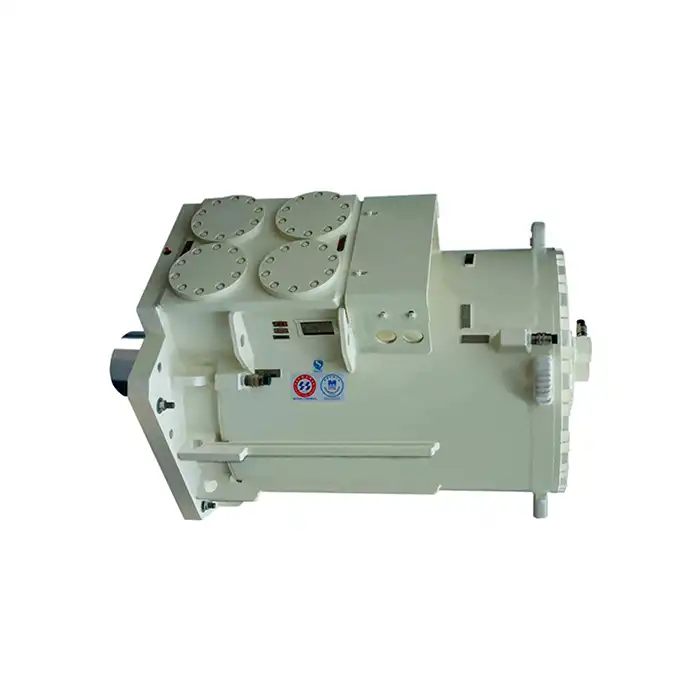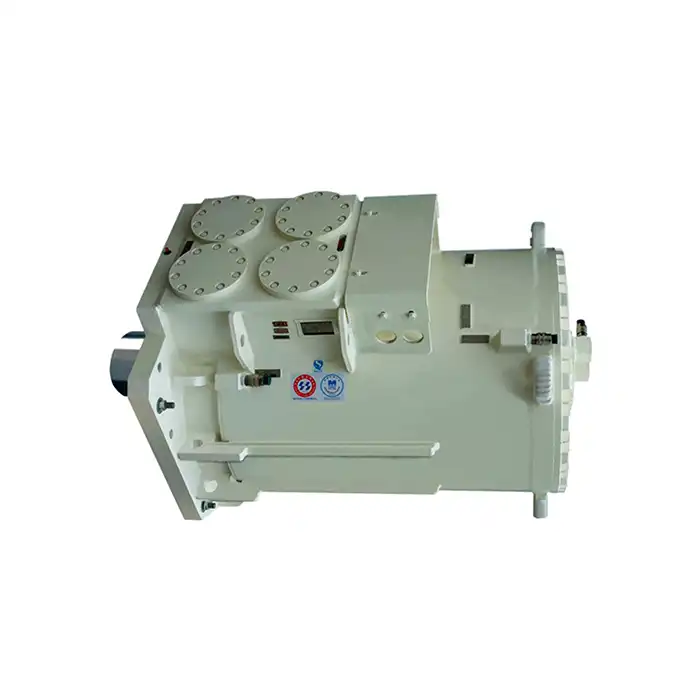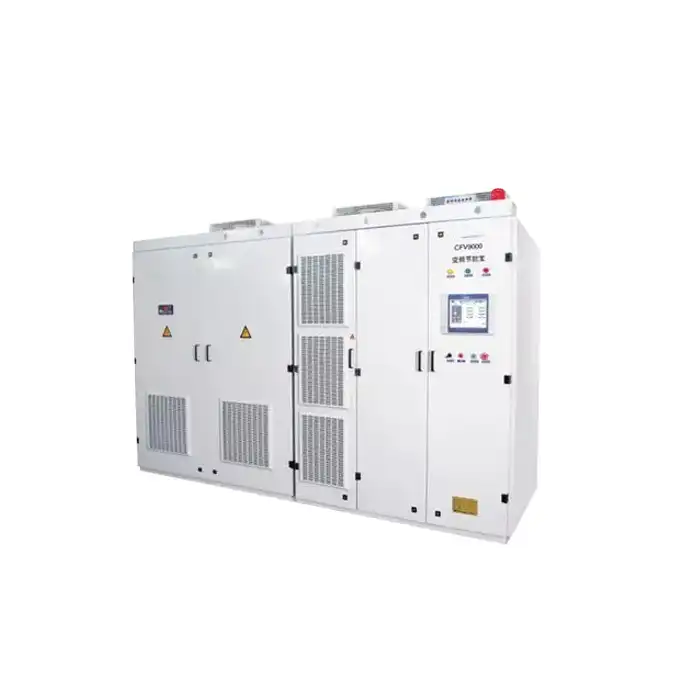




How to Select ATEX Motors for Zone 1 vs Zone 2
Selecting the right atex motor for Zone 1 or Zone 2 comes down to matching the explosion protection method, temperature class, and gas group to your specific hazardous area classification. Zone 1 locations require a higher level of protection—typically Ex d (flameproof) or Ex de (combined flameproof and increased safety)—because explosive atmospheres are likely to occur during normal operation. Zone 2 areas, where explosive atmospheres appear only occasionally, may accept motors with Ex e or Ex nA protection. Getting this match right protects personnel, assets, and your ATEX compliance record.
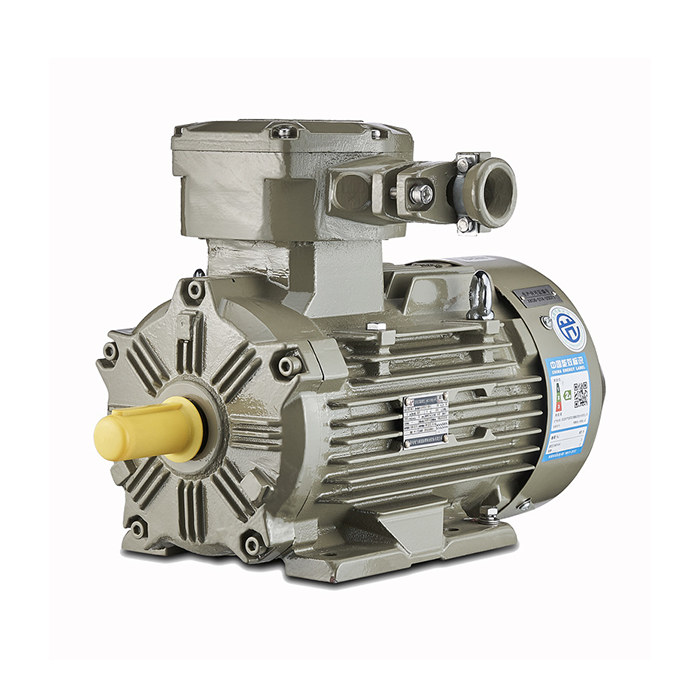
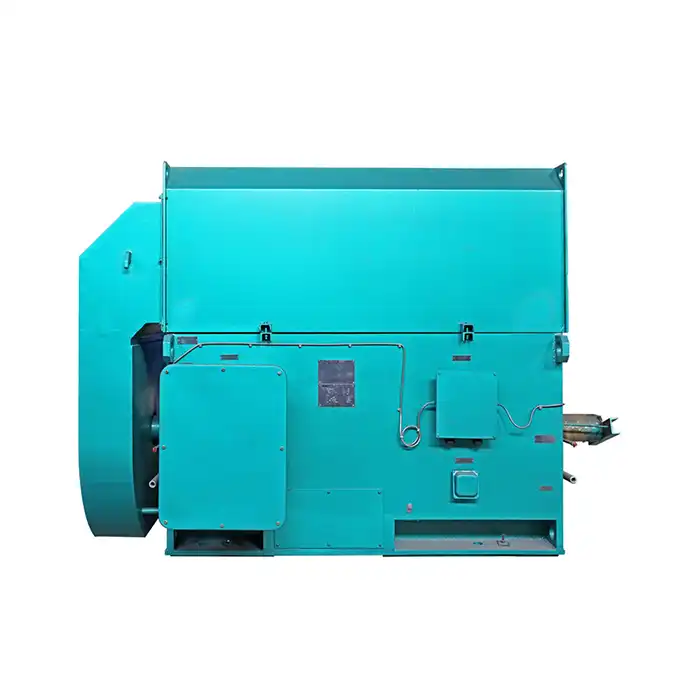
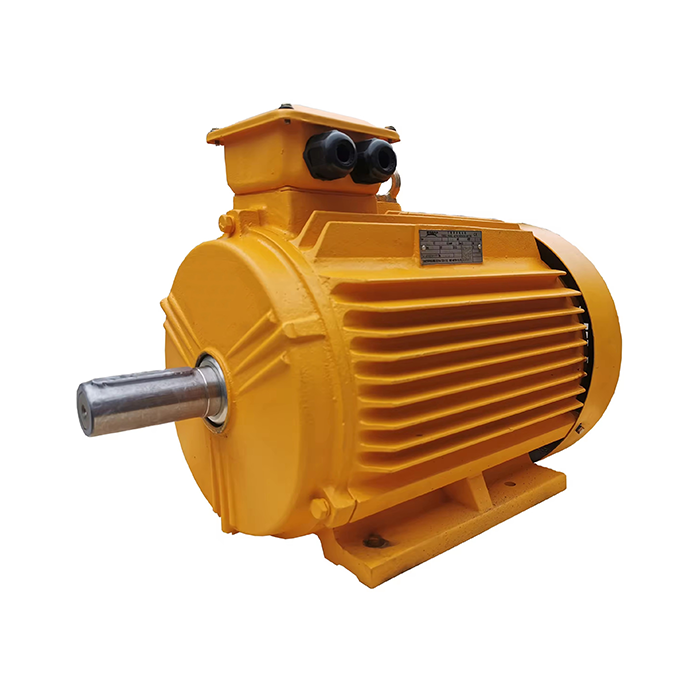
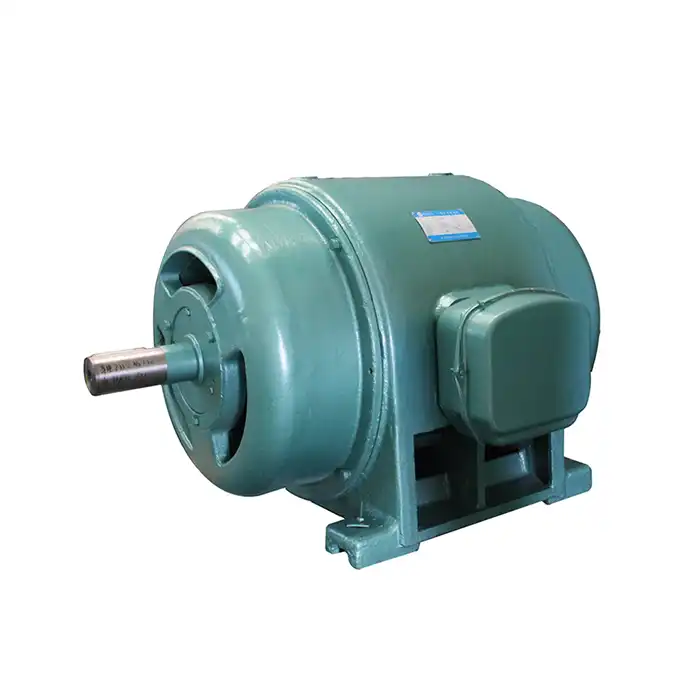
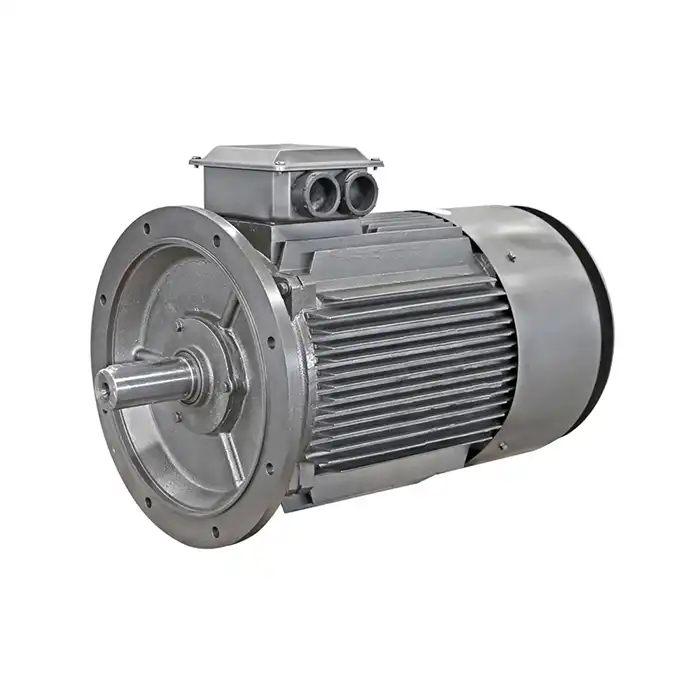
Series:YBX3
Voltage range:380V,660V,415V,380/660V,660/1140V
Power range:0.55-630 kW
Application:places where explosive gas mixtures exist in petroleum, chemical, mining, metallurgy, electric power, machinery and other industries.
Advantage: fully enclosed, self-fan cooling, squirrel cage type, high efficiency.
Explosion-proof mark: Ex d I Mb, Ex d IIB T4 Gb, Ex d IIC T4 Gb
Others: SKF, NSK, FAG bearings can be replaced according to customer requirements.
Understanding ATEX Motors and Hazardous Zones
Before you judge a product, you need to know what makes an atex motor different from a regular industrial motor and how the zone classification affects your choice in every way.
What Makes a Motor "ATEX Certified"?
A motor that is certified under EU Directive 2014/34/EU is called an Atex motor. This means that its design keeps dangerous atmospheres from starting. Along with the CE mark and Ex marking, every certified motor has a four-digit Notified Body number on its nameplate. This could be a TÜV or SGS approval number. It is against the law for the motor to be installed in ATEX zones in the European Union without both a verified EU Type Examination Certificate (Module B) and a production conformity certificate (Module C1).
Zone 1 vs Zone 2: Risk Level Differences
In Zone 1, there is a high chance of an explosive gas atmosphere happening during normal operations. This could happen in areas with pump seals in a petrochemical refinery or solvent mixing zones in a chemical plant. Zone 2 means that the explosive atmosphere only happens rarely or briefly, like near storage tanks that have enough air flow. This difference directly decides the lowest level of equipment: Category 2G motors for Zone 1 and Category 3G motors for Zone 2. Using an atex motor that is rated for Zone 2 in a Zone 1 place is against the law and could be dangerous.
Key Standards and Directives to Know
ATEX (EU) and IECEx (international) are the two main systems. IECEx certificates can work with ATEX certificates, but they are not always compatible. IEC/EN 60079-0 (general requirements) and protection-method standards like IEC/EN 60079-1 (flameproof Ex d) and IEC/EN 60079-7 (improved safety Ex e) are the ones that apply to this product. Aligning all orders to ATEX Module B+C1 from the same Notified Body makes incoming inspection and audit trails a lot easier for procurement officers who work in more than one EU plant.
Criteria for Selecting ATEX Motors for Zone 1 and Zone 2
Once the zone is set, procurement teams need an organized screening process to keep design mistakes from costing a lot of money. Before you send out a buy order, these are the main things you should think about.
Protection Method and Gas Group
Gas group classification (IIA, IIB, or IIC) shows how easily the process medium can catch fire. The most difficult is IIC, which includes hydrogen and acetylene. IIB covers atmospheres based on ethylene, and IIA covers propane and similar gasses. An atex motor marked Ex d IIB T4 Gb can handle a lot of common chemical plant gasses, while an atex motor marked Ex d IIC T4 Gb can handle the most reactive substances. As a general rule, Zone 1 must have flameproof (Ex d) or mixed Ex de security. For Zone 2, extra safety (Ex e) or non-sparking (Ex nA) security might be enough, which would lower the cost of buying without lowering safety.
Temperature Class and Ambient Conditions
For each temperature class (T1 through T6), the motor's surface temperature must stay below the temperature at which the process gas starts to burn. Most gasses used in the chemical and petroleum industries are classified as T4, which has a maximum surface temperature of 135°C. Besides the temperature class, you should also think about the range of temperatures around the installation site, the elevation, and whether there are any corrosive materials present. If you are installing something in a chemical plant near the coast or the ocean, you should choose an IP55 or IP66 rating to keep water out.
Compliance Checklist for Procurement Officers
Before approval, a procurement review that focuses on compliance should check all of the following:
- ATEX Module B+C1 certificate present with a valid four-digit Notified Body number
- Explosion-proof marking confirmed to match the zone, gas group, and temperature class of the installation area
- CE mark and accompanying EU Declaration of Conformity supplied with the delivery documentation
- Nameplate language compliance: for EU plants, nameplate data in DE/EN/FR supports SEVESO III audit requirements
- 5-year warranty and 10-year spare parts commitment from the supplier to protect long-term availability
– A 5-year guarantee and a 10-year promise from the seller to keep spare parts available for a long time
Comparison of ATEX Motors for Zone 1 vs Zone 2 Applications
Knowing the technical and business differences between Zone 1 and Zone 2 motors helps buyers get the most for their money without skimping on protection.
Design and Construction Differences
Heavy-walled, flameproof enclosures with carefully machined flame paths are used in Zone 1 Ex d motors. Gap measurements are kept to IEC 60079-1 standards to stop any internal ignition before it hits the atmosphere. Instead of a heavy case, Zone 2 Ex e motors use reinforced terminal boxes and winding insulation. This makes them lighter and cheaper. Because of the difference in how complicated they are to build, Zone 1 motors usually cost 20–35% more than Zone 2 motors with the same frame size and power level.
The YBX5 Series: A Practical Zone 1 and Zone 2 Option
The YBX5 series atex motor from XCMOTOR is a squirrel cage motor that is fully enclosed, self-cooling, and made for multi-zone deployment, which is common in big chemical and petrochemical plants. It has explosion-proof markings of Ex d I Mb, Ex d IIB T4 Gb, and Ex d IIC T4 Gb, which means it can be used in Group I underground mines, general industrial IIB atmospheres, and the toughest IIC gas environments, all within the same product family.
The YBX5 can handle voltages of 380V, 660V, 415V, 380/660V, and 660/1140V and speeds from 375 to 1500 r/min (4 to 16 poles). Its power ranges from 0.55 kW to 630 kW. In the no-load state, noise stays below 55 dB, and vibration speed is 1.2 mm/s. Both of these numbers are important when the motor is near sensitive process instruments. Bearings can be specified as SKF, NSK, or FAG to match existing maintenance standards at the site. This makes it easier to keep track of spare parts inventory across operations with more than one plant.
Matching Motor Selection to Procurement Objectives
The YBX5's wide voltage and power range means that one approved product family can meet most replacement and new installation needs for procurement officers who are in charge of coordinating the supply of atex motors across multiple EU plants. It makes it easier to handle fewer EU Type Examination Certificates and shortens the time it takes for a qualification check from the usual 12 to 20 weeks to near the end of that range.
Application Examples and Maintenance Tips for ATEX Motors in Zones 1 and 2
Knowing where atex motors usually break down and how to stop it cuts down on unplanned downtime and makes sure installations stay legal between checks.
Real-World Application Scenarios
When oil is refined, Zone 1 atex motors power crude transfer pumps and compressor helpers that work in places where hydrocarbon vapor is normally present. When making medicines, Zone 2 motors move solvent-handling carts through areas that are only explosive during cleaning processes. In both cases, the wrong type of motor caused expensive ATEX non-conformity finds. In industries like oil refining, chemical processing, mining, metallurgy, and power generation, the YBX5 series is used in places where the Ex d IIB T4 or Ex d IIC T4 marking directly matches the needs of the process media.
Preventive Maintenance for Hazardous Zone Motors
Scheduled repair for explosion-protected motors in Zone 1 is mostly different from Zone 2 in terms of how often it happens and how much information is kept. According to IEC 60079-17, installations in Zone 1 need to be inspected visually every three months and closely once a year. In Zone 2, the time between inspections is usually longer. Important maintenance tasks are:
- Verifying flame path gap dimensions on Ex d enclosures at each close inspection to confirm they remain within the original certified tolerances
- Checking bearing condition by vibration measurement—the YBX5's ≤1.2 mm/s baseline makes deviation easy to identify early
- Inspecting cable entry seals and gland integrity to maintain IP rating and prevent moisture-related insulation degradation
- Confirming nameplate legibility and marking consistency across replacement units, particularly important when operating under SEVESO III reporting obligations
Keeping these records in an ATEX log at the site helps with both internal HSE checks and government visits. Forgetting to keep records is often just as expensive as forgetting to do the actual check.
Common Installation Faults and How to Avoid Them
Using non-Ex-rated wire glands or pipe fittings with a motor that is otherwise compliant is the most common mistake made when installing an atex motor in Zone 1. The motor, gland, and conduit must all be part of the assembly that meets the zone requirement. Another common mistake is putting an IIB-rated motor in a place labeled for IIC gasses because hydrogen is present, which is the opposite of what should be done. Before signing off on the installation, you should always compare the area's list of dangerous substances with the motor's Ex marking.
How to Procure Certified ATEX Motors: Buying Guide and Vendor Selection?
To meet EU import rules, procurement managers who buy atex motors from Chinese original equipment manufacturers need a clear framework for checking the motors.
Verifying Supplier Certification Credentials
When looking at an atex motor supplier, you should ask for the following as a standard pre-qualification package: the EU Type Examination Certificate (Module B) with the four-digit identification number of the issuing Notified Body; the production conformity certificate (Module C1 or equivalent); and the EU Declaration of Conformity. As an EU importer, it is your responsibility to make sure that the seller gives you full chemical declaration data with every delivery. This is for REACH, CLP, and RoHS compliance. Every YBX5 order from XCMOTOR comes with full certification paperwork, which includes nameplate data in multiple languages (DE, EN, and FR) to help with EU plant incoming inspection.
Pricing, Lead Times, and Warranty Terms
Standard YBX5 units are quickly sent out from XCMOTOR's network of suppliers, and you can return standard configurations for 30 days. Custom specifications are available, such as housings made of stainless steel for environments that are corrosive, upgrades to the high-temperature insulation, or non-standard mounting configurations (B3, B5, B35, V1). Lead times depend on the extent of the modification. XCMOTOR has long-term supply contracts that help combine purchases from multiple plants. These contracts cover the availability of spare parts for 10 years after the product is delivered, which is an important factor for locking in compliance risk under a single provider deal.
Why XCMOTOR for Your ATEX Motor Supply?
Shaanxi Qihe Xicheng Electromechanical Equipment Co., Ltd., also known as XCMOTOR, has been in the power equipment business for more than 20 years and has direct ties with more than 30 motor makers. Original goods are the only ones that the company sells—no copies or gray-market parts—and technical help is provided seven days a week. Every YBX5 atex motor leaves the plant with certifications from CCC, CE, ISO 9001, and CQC. This gives EU compliance officers all the paperwork they need to do the full inbound inspection checklist without having to write back and forth.
Conclusion
If you want to choose the right atex motor for Zone 1 vs. Zone 2, you need to make sure that the protection method, gas group, and temperature class match the actual hazardous area classification, not just the highest specification that is available. The YBX5 series works with all gas groups from IIB to IIC and has a power range of 0.55 kW to 630 kW. This makes it a good choice for chemical plants, factories, and mines that need to replace a lot of ATEX panels. If you get the right motor specifications, clear paperwork from the seller, and an organized repair routine, your installations will stay in line for the whole time they are in use.
FAQ
1. What is the difference between a Zone 1 and Zone 2 atex motor?
A Zone 1 atex motor must meet Equipment Category 2G requirements because explosive atmospheres are likely during normal operation. A Zone 2 motor meets Category 3G requirements, as explosive conditions occur only infrequently. Zone 1 motors typically use Ex d (flameproof) protection; Zone 2 motors may use Ex e (increased safety). A Category 2G motor is permitted in Zone 2, but a Category 3G motor is not permitted in Zone 1.
2. What certifications should I verify before purchasing an atex motor?
You must verify the EU Type Examination Certificate (Module B), the production conformity certificate (Module C1), the four-digit Notified Body number on the nameplate, the CE mark, and the EU Declaration of Conformity. For EU import compliance, also request REACH substance declarations and RoHS documentation from the supplier.
3. Does the YBX5 series cover both IIB and IIC gas groups?
Yes. The YBX5 atex motor carries explosion-proof markings for Ex d IIB T4 Gb and Ex d IIC T4 Gb, covering both gas group categories within the same product family. This allows procurement teams to standardize on one series across different process areas with different hazardous substance inventories.
4. Can the YBX5 motor be customized for special installation requirements?
Yes. XCMOTOR customizes mounting configurations (B3, B5, B35, V1), bearing brands (SKF, NSK, FAG), housing materials (including stainless steel for corrosive environments), and insulation grades for elevated ambient temperatures. Custom orders are processed based on specific technical requirements provided at inquiry.
Get Your ATEX Motor Quote from XCMOTOR Today
The YBX5 series atex motor from XCMOTOR comes with full EU approval paperwork, nameplates in multiple languages, and 10-year support for spare parts. This is everything a buying officer who is focused on compliance needs to strengthen relationships with atex motor suppliers and lower procurement risk. Visit motorxc.com or email our expert team at xcmotors@163.com to get a quote. Support is available on the weekends, and every question is answered by a qualified engineer.
References
1. European Parliament and Council. Directive 2014/34/EU on Equipment and Protective Systems Intended for Use in Potentially Explosive Atmospheres. Official Journal of the European Union, 2014.
2. International Electrotechnical Commission. IEC 60079-0: Explosive Atmospheres – Part 0: Equipment – General Requirements. IEC, 2017.
3. International Electrotechnical Commission. IEC 60079-1: Explosive Atmospheres – Part 1: Equipment Protection by Flameproof Enclosures "d". IEC, 2014.
4. International Electrotechnical Commission. IEC 60079-17: Explosive Atmospheres – Part 17: Electrical Installations Inspection and Maintenance. IEC, 2013.
5. European Commission. Directive 2012/18/EU on the Control of Major-Accident Hazards Involving Dangerous Substances (SEVESO III). Official Journal of the European Union, 2012.
6. DECHEMA Gesellschaft für Chemische Technik und Biotechnologie e.V. Safe Use of Electrical Equipment in Hazardous Areas: ATEX Guidelines for Chemical Industry Applications. DECHEMA, 2020.